
Contents
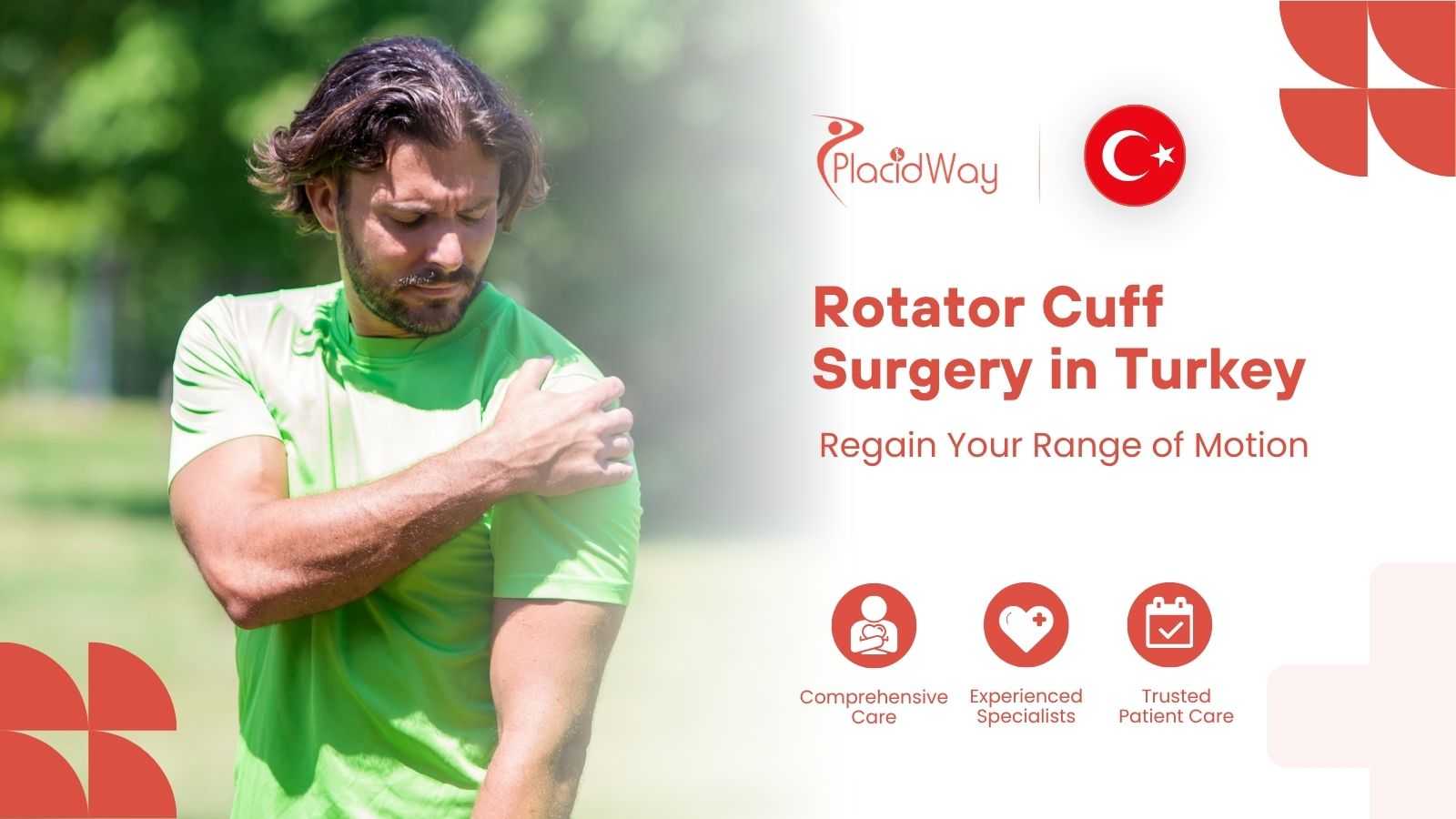
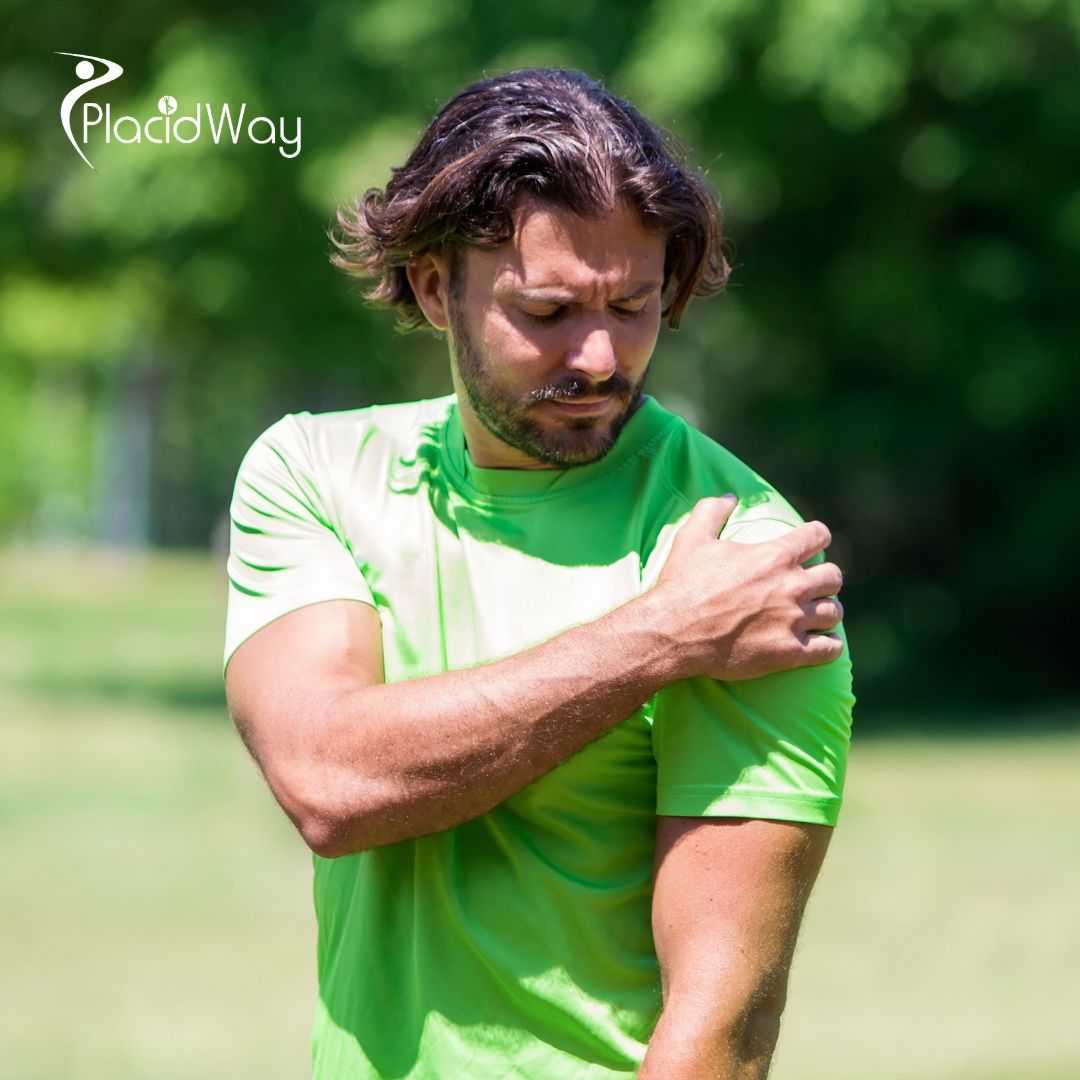
Dealing with a torn rotator cuff is bad enough without the added insult of a six-month waitlist or a staggering out-of-pocket bill in the US or Canada. You just want to lift your arm to put on a jacket without wincing, but the local healthcare system seems determined to test your patience and your wallet. That is exactly why so many people are looking abroad for relief. Getting rotator cuff surgery in Turkey has become a practical solution for patients who want fast access to high-quality orthopedic care without draining their savings.
The average procedure cost in Turkey ranges from $4,500 to $6,500, a fraction of what you might pay back home. When looking for the right facility, it is vital to check for local accreditations like the Turkish Ministry of Health certification, as well as international stamps of approval like JCI (Joint Commission International). This ensures you are getting safe, strictly regulated care.
Quick Facts at a Glance
Navigating medical logistics while nursing a painful shoulder is nobody's idea of a good time. That is where all-inclusive medical tourism packages come in handy. Most packages for shoulder repair in Turkey bundle the surgical fees, anesthesia, pre-op MRI scans, and even a few initial sessions of physical therapy.
They often cover hotel stays and airport transfers, taking the stress out of navigating a new city. When reviewing options, always check what happens if you need extra rehab days or pain medication. Explore the packages below to see exactly what is included and find an option that matches your travel style and recovery needs.
Price starting from $5,500
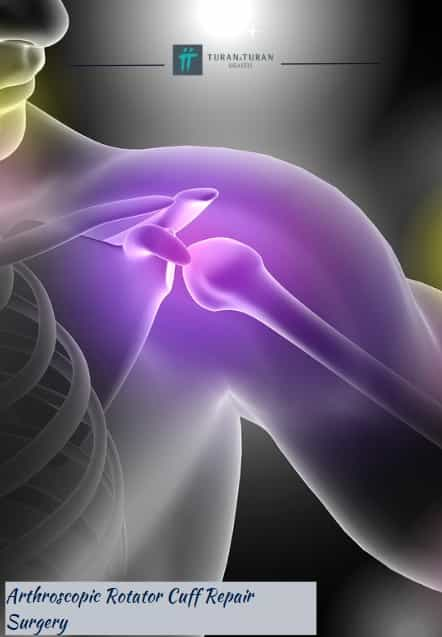
Arthroscopic Rotator Cuff Surgery Package in Istanbul, Turkey by Turan Turan
Turan Turan Robotic Surgery Center and Orthopedic Clinic in Turkey
- Orthopedic/Knee Surgery
Istanbul,Bursa, Turkey
Let’s talk numbers, because nobody likes a surprise hospital bill. On average, rotator cuff surgery in Turkey costs between $4,500 and $6,500, depending on the complexity of the tear and the specific hospital you choose. This is often a fraction of the out-of-pocket prices found in North America or private UK clinics, which can easily exceed $15,000.
Keep in mind that the exact price will fluctuate based on the surgeon’s expertise and whether you need an open or arthroscopic procedure. Compare the cost estimates detailed below to understand the financial scope and decide which treatment path aligns with your budget.
Rotator Cuff Repair Centers Cost Comparison in Turkey
| Provider | Procedure | Price |
|---|---|---|
| Turan Turan Robotic Surgery Center and Orthopedic Clinic in Turkey | Rotator Cuff Repair, Orthopedic/Knee Surgery | $5500 |
Rotator Cuff Repair Cost Comparison in Turkey
| Country | Procedure | Price |
|---|---|---|
| United States | Rotator Cuff Repair, Orthopedic/Knee Surgery | $27000 |
Choosing a hospital halfway across the world should not feel like throwing darts at a map. When evaluating orthopedic centers in Turkey, look beyond the shiny lobby photos and focus on hard credentials. You want facilities that hold recognized licenses, such as approval from the Turkish Ministry of Health or international JCI accreditation.
It is also smart to verify if they have dedicated physical therapy units, as post-op rehab is crucial for shoulder surgery. Take a close look at the clinics listed below to compare their specific accreditations, facility standards, and international patient support services to see which one fits your medical needs.

Turan Turan Robotic Surgery Center and Orthopedic Clinic in Turkey
Istanbul,Bursa, Turkey

International Multispecialty Hospital in Istanbul, Turkey
Istanbul, Turkey
Reading about a medical procedure is helpful, but seeing the facility and hearing from the doctors adds a whole new layer of comfort. Video tours can give you a real sense of the operating rooms, patient wards, and physical therapy equipment available in Turkish hospitals.
They also offer a chance to hear orthopedic specialists explain their approach to shoulder reconstruction in their own words. Watching these insights can help you feel much more prepared for your trip. Browse the video gallery below to get a virtual look at the clinics, doctors, and the overall patient experience awaiting you in Turkey.

The most honest insights about shoulder surgery abroad often come from the people who have just been through it. Reading firsthand patient experiences can reveal the little details that medical brochures miss, like how comfortable the hospital beds are or how helpful the English-speaking coordinators were during recovery.
Look for reviews from patients who mention their rehabilitation timeline and the communication style of their surgeon. These stories can highlight both the positives and the potential hurdles of traveling for care. Take a moment to read the patient reviews below to help gauge the level of service and decide which clinic feels right for you.

It is completely natural to have a lot of questions before flying out for a joint repair. To help you prepare, we have gathered some of the most common questions patients ask about getting their shoulder treated in Turkey.
How long do I need to stay in Turkey for rotator cuff surgery?
Patients are typically advised to stay in Turkey for 7 to 10 days. This allows time for the initial pre-op consultations, a 1-to-2 night hospital stay, and important post-operative checkups before you are cleared to fly home safely.
Will my orthopedic surgeon in Turkey speak English?
Yes, surgeons who cater to international patients in major Turkish cities generally speak fluent English. Additionally, international patient departments at top clinics provide dedicated bilingual coordinators to assist you throughout your medical journey.
Is the procedure done arthroscopically or as an open surgery?
Most rotator cuff repairs in Turkey are performed arthroscopically, using small incisions and a camera. However, if your tendon tear is exceptionally large or complex, the surgeon may recommend an open or mini-open approach.
What is the hospital stay like after shoulder surgery?
You will usually stay in the hospital for 1 or 2 nights. During this time, nurses will monitor your pain levels, assist you with moving, and ensure your shoulder is properly immobilized in a sling before you transition to your hotel.
How soon can I fly home after a rotator cuff repair?
Most surgeons clear patients to fly about 5 to 7 days after the procedure. You will need to wear your sling during the flight and get up frequently to promote blood circulation and prevent blood clots.
Do Turkish hospitals include physical therapy in the treatment?
Many all-inclusive packages include a few initial post-operative physical therapy sessions to teach you basic, safe movements. However, the bulk of your active physical therapy will need to be continued once you return to your home country.
What happens if I experience complications after returning home?
Reputable Turkish clinics offer remote follow-up care via video calls. Before leaving Turkey, you will receive a detailed medical report to share with a local doctor or physical therapist in your home country in case urgent in-person care is required.
How do I transport my medical records and MRI scans to Turkey?
You should send digital copies of your previous MRI scans and medical records to your chosen Turkish clinic via a secure patient portal or email before traveling. It is also highly recommended to bring physical copies or a CD with your scans in your carry-on luggage.
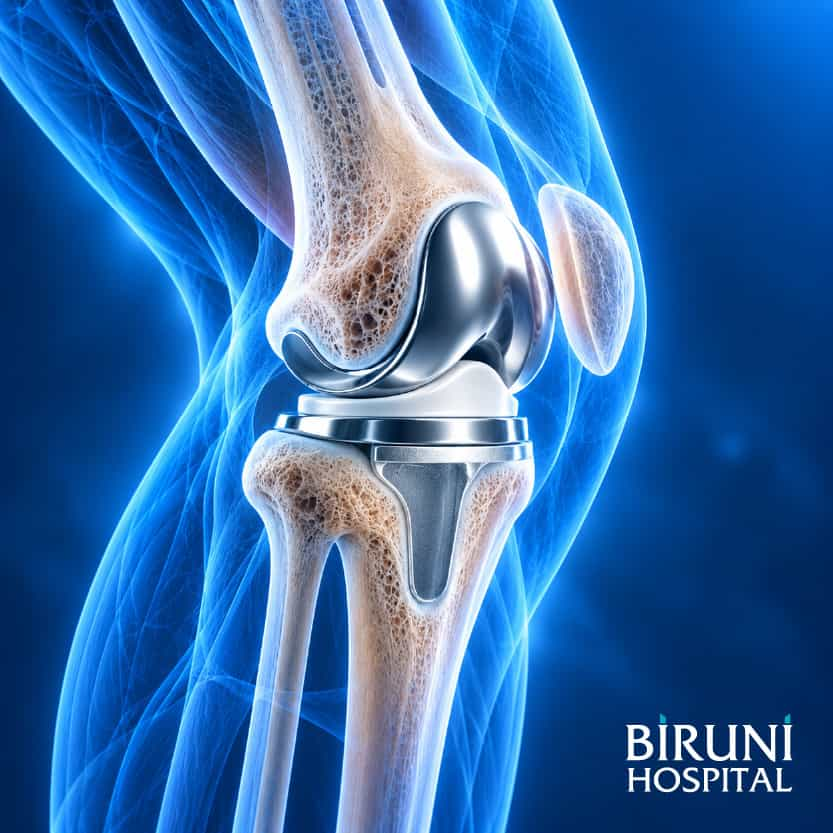
Are the orthopedic anchors and implants used in Turkey high quality?
Yes, accredited hospitals in Turkey use FDA-approved or CE-marked medical devices and suture anchors sourced from leading global orthopedic brands. You can always ask your surgeon for the specific brand names before the procedure.
Can I travel alone, or do I need a companion for shoulder surgery?
While traveling with a companion is helpful since one arm will be immobilized, it is not strictly mandatory. Many clinics offer comprehensive care, including nursing support at your hotel and private transfers, making it entirely possible to manage the trip alone.
How much does Rotator Cuff Surgery Cost in Turkey?
The estimated rotator cuff surgery cost in Turkey typically ranges from $3,500 to $6,500. This estimate usually includes the surgical procedure, hospital stay, surgeon fees, and basic medications, though individual costs vary based on case complexity. Dealing with chronic shoulder pain or weakness can make simple daily tasks feel impossible. When conservative treatments fail, many patients look toward surgical options. If you are exploring rotator cuff surgery in Turkey, understanding the procedure, the expected expenses, and the logistics of traveling for healthcare is an essential first step. This guide explains what to expect, how prices are structured, and what factors to consider before making a medical decision. Key Takeaways Estimated surgical costs range between $3,500 and $6,500, varying by clinic and tear severity. The procedure is frequently performed arthroscopically, a minimally invasive surgical approach. Recovery requires significant time, strict immobilization, and dedicated physical therapy over several months. Patients typically stay in the country for 7 to 10 days for immediate recovery and a post-operative check. A professional medical evaluation is necessary to confirm if surgery is the appropriate course of action. What exactly is involved in repairing a torn rotator cuff? Rotator cuff repair is a surgical procedure that reattaches torn tendons to the head of the humerus (upper arm bone), usually performed using minimally invasive arthroscopic techniques. The rotator cuff is a group of four muscles and their tendons that stabilize the shoulder joint and allow you to lift and rotate your arm. When one or more of these tendons tear—either from an acute injury or gradual degeneration—surgery may be recommended to restore function and alleviate pain. During arthroscopic surgery, the orthopedic surgeon makes small incisions around the shoulder and inserts a tiny camera (arthroscope) and specialized instruments. The surgeon cleans out damaged tissue, bone spurs, or inflamed bursa sacs, and then uses small anchors with attached sutures to stitch the torn tendon back into its proper place on the bone. While arthroscopy is common, some complex or massive tears may require a mini-open or traditional open surgery. The specific approach depends on the size of the tear, the quality of your tendon tissue, and your surgeon's clinical judgment. The procedure is typically performed under general anesthesia combined with a regional nerve block. Why is the surgery so much more affordable abroad? The lower price is primarily driven by a lower general cost of living, favorable foreign exchange rates, and reduced administrative overhead in the healthcare sector, rather than a compromise in medical quality. When patients compare treatment estimates, they often notice a stark contrast between North American or Western European prices and those offered abroad. The cost difference stems heavily from macroeconomic factors. Operating a hospital, paying staff salaries, and covering facility logistics cost significantly less in regions with a lower cost of living. Additionally, private healthcare facilities catering to international patients often utilize streamlined administrative models. Without the complex, multi-tiered billing systems and high malpractice insurance premiums commonly found in the United States, clinics can offer more direct, transparent pricing to self-paying patients. It is important to understand that affordability does not automatically imply poor quality. Many specialized orthopedic centers maintain international accreditations, utilize standard surgical hardware, and employ surgeons who have completed fellowships globally. However, patients must still perform their own due diligence when evaluating providers. What factors can change the final price of the procedure? The total amount you pay can change based on the severity of the tendon tear, the type of surgical technique used, hospital fees, and the specific geographic location of the clinic. While base packages are often advertised, the true final cost is individualized. Several variables can adjust the price you receive during your consultation: Tear Complexity: A partial tear requiring minimal debridement will cost less than a massive, retracted tear requiring extensive anchor placement or tissue grafting. Additional Procedures: It is common for surgeons to perform complementary procedures during the same operation, such as a biceps tenodesis (repairing a biceps tendon tear) or subacromial decompression (removing bone spurs). These add to the cost. Surgeon Expertise: Highly experienced, board-certified orthopedic specialists or those with specialized sports medicine fellowships may charge higher professional fees. Hardware and Implants: The brand, material (titanium vs. bioabsorbable), and number of suture anchors used directly impact surgical expenses. Facility Type: Procedures performed in large, internationally accredited multispecialty hospitals generally cost more than those done in smaller boutique clinics. Important Consideration: Always ask your prospective clinic for a detailed breakdown of what is included in their estimate. Verify whether pre-operative blood tests, MRIs, post-operative medications, and initial physical therapy sessions are covered, or if they will be billed separately. How do I know if I am a good candidate for shoulder surgery? Good candidates typically have a confirmed acute or chronic rotator cuff tear that causes significant pain or weakness and has not improved with conservative treatments like physical therapy. Not every shoulder ache or partial tear requires surgical intervention. In many cases, medical professionals will suggest non-surgical management first. Surgery is usually considered when conservative measures—such as rest, ice, physical therapy, and cortisone injections—have failed to provide relief after several months. You may be evaluated as a suitable candidate if you experience intense pain at night that disrupts your sleep, if you suffer from profound shoulder weakness that prevents you from lifting your arm, or if your tear was caused by a recent, acute injury (like a fall or lifting something excessively heavy). Certain factors can affect your eligibility or surgical outcomes. Patients with severe shoulder arthritis, a "frozen shoulder" (adhesive capsulitis), or active infections may be contraindicated for this surgery. Additionally, smoking heavily or managing poorly controlled diabetes can severely hinder the body's ability to heal the tendon to the bone. Your medical history, current medications, and imaging tests (like an MRI) must be thoroughly evaluated by a qualified surgeon. What should I expect during the recovery period? Recovery is a gradual, lengthy process requiring strict immobilization in a sling for several weeks, followed by months of guided physical therapy to restore strength and range of motion. It is vital to have realistic expectations regarding recovery. Tendons take a considerable amount of time to securely heal back onto the bone. For the first four to six weeks following surgery, you will likely need to wear a sling continuously to protect the repair. During this time, you cannot use your arm for active lifting, driving, or reaching. Physical therapy typically begins in phases. The initial phase focuses on passive motion, where a therapist gently moves your arm to prevent the joint from becoming stiff without straining the repaired tendon. After the tendon has adequately healed—usually around the 8 to 12-week mark—you will begin active motion exercises to rebuild muscle strength. Most patients achieve functional recovery and pain relief within four to six months, though regaining maximum strength can take up to a year. Because the bulk of your rehabilitation will happen after you return home, you must arrange for a local physical therapist in your home country before you travel. Are there risks or complications associated with this surgery? Like any operation, rotator cuff repair carries potential risks, including infection, nerve damage, persistent shoulder stiffness, and the possibility of the tendon re-tearing over time. No surgical procedure is entirely risk-free. While arthroscopic rotator cuff repair is generally well-tolerated, complications can arise. The most common post-operative issue is joint stiffness. Some loss of motion is expected, but aggressive scar tissue formation can lead to a condition similar to frozen shoulder, which may require prolonged therapy or a secondary procedure to release the tissue. Other risks include surgical site infections, bleeding, and accidental injury to surrounding blood vessels or nerves. Deep vein thrombosis (blood clots) is a risk associated with any surgery and is specifically exacerbated by long-distance travel, making post-operative movement and adherence to your surgeon's travel guidelines critical. Importantly, there is a risk that the tendon may fail to heal or may re-tear later, particularly in older patients, smokers, or those with massive initial tears. If you experience worsening pain, fever, excessive swelling, or discharge from the incision sites after returning home, you must seek immediate assessment from a local medical professional. How long do I need to stay abroad for treatment and follow-up? Most orthopedic surgeons recommend staying in the destination country for 7 to 10 days to allow for initial healing, pain management, and a follow-up appointment to check the incisions. Planning your itinerary requires careful attention to medical timelines rather than treating the trip like a vacation. You will typically arrive a day or two before the surgery for in-person consultations, blood tests, and an updated MRI if required. Following the surgery, you may spend one night in the hospital for observation and pain control before being discharged to your hotel. The initial days post-surgery are often uncomfortable, and managing pain while navigating a foreign environment can be challenging. Surgeons generally require you to stay locally for about a week. This allows them to monitor your initial recovery, check for early signs of infection, remove sutures (if non-dissolvable stitches are used), and provide a fit-to-fly certificate. Flying too soon after surgery with your arm immobilized poses logistical difficulties and elevates the risk of blood clots. What alternatives exist if I prefer not to have surgery? Non-surgical alternatives include physical therapy, activity modification, non-steroidal anti-inflammatory drugs (NSAIDs), and corticosteroid injections to manage pain and reduce inflammation. For many patients—especially older individuals, those with partial tears, or those with underlying health conditions that make surgery risky—conservative management is highly effective. The goal of non-surgical treatment is to relieve pain and improve the function of the remaining intact shoulder muscles, rather than anatomically healing the torn tendon. Physical therapy is the cornerstone of non-surgical treatment. A targeted exercise program can strengthen the muscles surrounding the shoulder joint, helping to compensate for the damaged rotator cuff. Rest and modifying how you lift objects can prevent further exacerbation of the tear. Medical management often involves NSAIDs (like ibuprofen) to control daily discomfort. If oral medications are insufficient, a physician may administer corticosteroid injections directly into the shoulder bursa to provide temporary, potent anti-inflammatory relief. Keep in mind that repeated cortisone injections can weaken tendon tissue over time, so they are used judiciously. How do I choose a reliable facility for treatment? Selecting a trustworthy rotator cuff surgery clinic in Turkey involves researching surgeon credentials, verifying facility accreditations, and ensuring clear, transparent communication. Because you are traveling abroad for a significant medical procedure, thorough research is non-negotiable. Start by looking for facilities that hold recognized international accreditations, such as Joint Commission International (JCI). This indicates that the hospital adheres to stringent global standards for patient safety, hygiene, and clinical care. Equally important is the surgeon's background. Look for orthopedic surgeons who are board-certified and hold memberships in recognized international orthopedic societies. Ask about their specific case volume regarding arthroscopic shoulder repairs; you want a specialist who performs this procedure frequently, rather than a general surgeon. During virtual consultations, evaluate how the clinic communicates. A reputable clinic will ask for your medical records and imaging before offering a concrete treatment plan. They should clearly explain the potential risks, recovery timeline, and total costs without pressuring you into an immediate booking. How does traveling for healthcare work for orthopedic patients? Participating in medical tourism in Turkey requires careful planning, including forwarding medical records, arranging virtual consultations, and organizing travel logistics around your limited mobility post-surgery. Orthopedic medical tourism involves unique logistical challenges. Because your arm will be strapped in a sling post-surgery, navigating airports, handling luggage, and managing personal care will be difficult. It is highly advisable to travel with a family member or friend who can assist you during the initial days of recovery. The process usually begins weeks in advance. You will need to securely send your MRI scans and medical history to the overseas clinic. Following a video consultation, if you are deemed a candidate, you will schedule the procedure and arrange your travel. Make sure you understand the visa requirements for medical travel based on your citizenship. Before you depart, establish a clear plan for your return home. Inform your primary care doctor and local physical therapist about your plans. You will need local medical support to monitor your progress, manage your rehabilitation program, and address any potential complications that might arise after you have left the destination country. Why Choose PlacidWay for Medical Tourism in Turkey? Navigating international healthcare options can be complex. PlacidWay serves as an informational platform to help patients explore cross-border medical options. 1. Information Aggregation We compile profiles of hospitals and clinics worldwide into one searchable directory, making it easier to compare facility features and specialties. 2. Direct Communication Our platform facilitates initial contact, allowing you to ask questions directly to international healthcare providers and request treatment estimates. 3. Educational Resources We provide access to patient guides, articles, and frequently asked questions to help you understand various procedures before making decisions. 4. Global Network Users can explore healthcare options not just in a single city, but across multiple destinations that cater to international patients. 5. Transparent Platform PlacidWay operates as an open informational resource, allowing patients to independently review their options without pressure. Frequently Asked Questions Is physical therapy required after rotator cuff repair? Yes. Physical therapy is a mandatory part of the recovery process. Without guided rehabilitation, patients may develop severe shoulder stiffness or fail to regain their full range of motion and strength. Can I fly immediately after shoulder surgery in Turkey? No. Most surgeons require you to wait 7 to 10 days before flying. Flying too soon increases the risk of blood clots (deep vein thrombosis) and can be highly uncomfortable due to cabin pressure and limited mobility. Do surgeons use general or regional anesthesia for this procedure? The procedure is typically performed under general anesthesia, often combined with a regional nerve block. The nerve block helps control pain for several hours after you wake up from the surgery. How long does the actual surgical procedure take? An arthroscopic rotator cuff repair usually takes between one to two hours, depending on the size of the tear, the number of tendons involved, and whether additional repairs (like biceps tenodesis) are necessary. Will I need someone to travel with me to my destination? While not strictly mandatory, traveling with a companion is highly recommended. Because your operated arm will be immobilized in a sling, you will likely need help with luggage, dressing, and daily activities. When can I return to work after my shoulder operation? Patients with desk jobs can often return to work within two to four weeks, provided they can comfortably wear their sling. Those with physically demanding jobs requiring heavy lifting may need four to six months off. Can a massive rotator cuff tear always be completely repaired? Not always. Chronic, massive tears that have been present for a long time can result in muscle atrophy and tendon retraction, sometimes making a complete repair impossible. In these cases, surgeons might perform a partial repair or suggest alternative procedures. What happens if I experience a complication after returning home? You should seek immediate medical attention from a local healthcare provider or emergency room. Before leaving your destination, request a complete copy of your surgical notes and imaging to share with your local doctors. Are the implants or anchors used in surgery permanent? Surgeons use tiny anchors to attach the tendon to the bone. Some anchors are made of titanium or PEEK (a strong plastic) and remain in your body permanently, while others are bioabsorbable and dissolve over several months. How do I get an MRI to the surgeon for an initial consultation? Most international clinics provide secure digital portals where you can upload your MRI files (usually in DICOM format) and medical reports. The surgeon will review these images to determine if you are a candidate before you travel. Compare Treatment Options Gather information, explore clinic profiles, and request estimated costs to see if traveling for care aligns with your health needs. Request Treatment Information Medical Disclaimer: The information provided in this article is for educational and informational purposes only and does not constitute medical advice, diagnosis, or treatment recommendations. Surgery carries inherent risks, and outcomes vary by individual. Always consult with a qualified, licensed healthcare professional regarding your specific medical condition and before making any healthcare or travel decisions. References Rotator Cuff Tears: Surgical Treatment Options – American Academy of Orthopaedic Surgeons (AAOS) Rotator Cuff Injury: Diagnosis and Treatment – Mayo Clinic Rotator Cuff Surgery: Procedure & Recovery – Cleveland Clinic Outcomes of Arthroscopic Rotator Cuff Repair – National Institutes of Health (PubMed) Shoulder Impingement and Surgery – National Health Service (NHS) Deep Vein Thrombosis and Travel Safety – Centers for Disease Control and Prevention (CDC) Shoulder Rotator Cuff Resources – International Society of Arthroscopy, Knee Surgery and Orthopaedic Sports Medicine (ISAKOS)
How Much Does Rotator Cuff Surgery Cost in Istanbul, Turkey?
The average cost of an all-inclusive arthroscopic rotator cuff surgery package in Istanbul, Turkey, ranges from $4,500 to $7,500 USD. This price is dramatically lower than in the US, where the same procedure can cost $20,000 to $30,000, offering savings of up to 75%. A torn rotator cuff can be a source of persistent shoulder pain and weakness, significantly impacting your quality of life. While surgery can offer a permanent solution, the high cost of orthopedic procedures in countries like the United States and the UK can be a major barrier. This financial reality has led a growing number of patients to look for high-quality, affordable alternatives abroad, leading them to ask a critical question: "How much does rotator cuff surgery cost in Istanbul, Turkey?" The answer reveals why this bustling metropolis has become a global leader in orthopedic medical tourism. Istanbul offers a compelling combination of first-world medical excellence at developing-world prices. The city is home to a network of JCI-accredited hospitals equipped with the latest surgical technology. The orthopedic surgeons are often European or US-trained, highly experienced, and specialize in minimally invasive techniques like arthroscopy. The reason for the affordable cost—often up to 75% less than in the US—is not a compromise in quality but a result of Turkey's lower cost of living and operational expenses. Patients receive world-class care, from the initial consultation to post-operative rehabilitation, for a fraction of the price they would pay at home. This comprehensive guide will provide a detailed breakdown of the costs, what's included in a typical all-inclusive surgical package, and the step-by-step process for an international patient. We will cover the advanced surgical techniques used, how to choose a qualified surgeon and accredited hospital, and what to expect during your recovery period in Istanbul. Get ready to understand how you can achieve a pain-free shoulder through a safe, affordable, and seamless medical journey to Turkey. How much does rotator cuff surgery cost in Istanbul? "The typical cost for rotator cuff surgery in Istanbul ranges from $4,500 to $7,500 USD. The final price depends on the complexity of the tear, the specific hospital and surgeon chosen, and what is included in the all-inclusive package." This price range is a stark contrast to the costs in the United States, where the same surgery can easily exceed $25,000, or the UK, where it can be upwards of £12,000. This significant price difference allows patients to access timely and effective care without the financial burden or long waiting lists often found in their home countries. The price within the range is typically determined by the severity of your injury. A simple, small tear will be at the lower end of the cost spectrum, while a large, complex tear involving multiple tendons or requiring more advanced grafting techniques will be at the higher end. A reputable clinic will provide you with a firm, personalized quote after reviewing your MRI scans. Procedure Average Cost in Istanbul (USD) Average Cost in the USA (USD) Arthroscopic Rotator Cuff Repair $4,500 - $7,500 $20,000 - $30,000+ Initial Orthopedic Consultation & MRI $200 - $400 $1,500 - $3,000 What is included in a rotator cuff surgery package in Istanbul? "Most top hospitals in Istanbul offer comprehensive, all-inclusive packages for international patients. These packages typically cover the entire medical procedure, the hospital stay, all transfers, and hotel accommodation, providing a seamless and stress-free experience." The goal of these packages is to allow the patient to focus solely on their surgery and recovery without worrying about logistical details. While packages can vary slightly, a good all-inclusive offer will generally cover: Medical Services: All surgeon, anesthesiologist, and operating room fees. 1-2 nights of stay in a private room at a JCI-accredited hospital. All pre-operative tests conducted in Istanbul (blood work, EKG). All medications, medical consumables, and the post-operative sling. The initial post-operative physical therapy session in the hospital. Logistical Services: 5-7 nights of accommodation in a 4 or 5-star hotel close to the hospital. All airport, hotel, and hospital transfers with a private VIP vehicle. A dedicated English-speaking patient host or translator. All pre-operative and post-operative consultations with your surgeon. The only major expense not included in the package is your round-trip airfare. This model provides incredible transparency and value. What surgical technique is used for rotator cuff repair in Turkey? "The standard of care for rotator cuff surgery in Istanbul is the arthroscopic technique. This is a minimally invasive procedure that uses a small camera and specialized instruments, resulting in smaller incisions, less pain, and a faster initial recovery compared to traditional open surgery." Top Turkish orthopedic surgeons are experts in arthroscopy. The procedure involves making a few small, keyhole-sized incisions around the shoulder. A tiny high-definition camera, called an arthroscope, is inserted through one incision, allowing the surgeon to view the inside of the shoulder joint on a large monitor. Miniature surgical instruments are inserted through the other incisions to perform the repair, which involves reattaching the torn tendon to the bone using sutures and small anchors. The benefits of this minimally invasive approach are significant: Less Pain: Smaller incisions and less disruption to the surrounding muscles mean less post-operative pain. Faster Recovery: Patients can typically begin gentle physical therapy sooner. Minimal Scarring: The small incisions result in very discreet scars. Lower Infection Risk: A less invasive surgery reduces the overall risk of complications. How do I find a qualified orthopedic surgeon in Istanbul? "To find a qualified surgeon, ensure they are board-certified and a member of the Turkish Society of Orthopaedics and Traumatology (TOTBID). You should also look for a surgeon who specializes in shoulder surgery and has extensive experience with arthroscopic techniques." Your safety and the success of your surgery depend on the quality of your surgeon and hospital. Here’s how to do your due diligence: Verify Surgeon Credentials: Look for surgeons with fellowship training in shoulder and sports medicine. Membership in TOTBID is a must, and affiliations with international orthopedic societies are a strong plus. Choose a JCI-Accredited Hospital: Joint Commission International (JCI) accreditation is the gold standard for hospital safety and quality worldwide. Istanbul has a large number of JCI-accredited hospitals. Review Testimonials and Results: Reputable surgeons and their host clinics will be able to provide reviews and testimonials from former international patients. Conduct a Virtual Consultation: Before committing, you should have a video call with the surgical team. You will be asked to send your MRI scans from home, which the surgeon will review to confirm your diagnosis and propose a surgical plan. This is your opportunity to ask questions and gauge their professionalism. What is the recovery and rehabilitation process like? "The initial recovery requires a 7 to 10-day stay in Istanbul. The full rehabilitation, however, takes several months and must be completed in your home country. You will wear a sling for 4-6 weeks and will need to follow a strict, long-term physical therapy program." Understanding the full recovery timeline is crucial for a successful outcome. The journey is broken into distinct phases: The First Week in Istanbul: After 1-2 nights in the hospital, you'll recover at your hotel. Your arm will be immobilized in a sling. Before you leave, you'll have a final check-up where your surgeon will provide a detailed report and instructions for your physical therapist back home. Immobilization at Home (First 4-6 Weeks): You will continue to wear the sling to protect the surgical repair. You will perform gentle passive range-of-motion exercises as instructed. Active Physical Therapy (Starting at 6 Weeks): This is the most important phase. You will begin a dedicated physical therapy program with a local therapist to gradually restore your shoulder's strength and mobility. Full Recovery (6-12 Months): It can take up to a year to regain full, unrestricted use of your shoulder, especially for athletes or those with physically demanding jobs. Patience and adherence to the physical therapy protocol are key. Ready to take the next step toward a pain-free shoulder? Explore PlacidWay to connect with JCI-accredited hospitals and top-rated orthopedic surgeons in Istanbul, and receive a personalized, no-obligation quote for your rotator cuff surgery package.
Are there All-Inclusive Packages for Rotator Cuff Surgery in Istanbul Turkey?
Yes, many orthopedic centers offer all-inclusive packages for rotator cuff surgery in Istanbul Turkey. These packages typically bundle the surgical procedure, anesthesia, hospital stay, medical tests, and local hotel-to-clinic transfers into one streamlined estimated price. Dealing with a severe shoulder injury can be frustrating, especially when chronic pain and limited mobility interfere with your daily life. When physical therapy and corticosteroid injections no longer provide relief, a surgical repair may be recommended to reattach the torn tendon to the head of the humerus. In recent years, international patients have increasingly looked abroad to manage the costs and logistics of this orthopedic procedure. If you are exploring your options, you will find that a structured medical package can simplify the process of undergoing treatment in a foreign country. By bundling the essential medical and logistical services together, these packages aim to reduce the stress of organizing multiple appointments and payments. Let us look closer at what these packages entail, how they function, and what you need to know to make an informed healthcare decision. Key Takeaways Comprehensive packages usually cover the surgery, hospital admission, post-operative medications, and local transportation. Minimally invasive arthroscopic repair is the most common technique used, though open surgery is sometimes necessary. While treatment costs are generally more affordable than in North America, extensive long-term physical therapy in your home country will still be required. Patients must account for post-surgical travel restrictions and the need for medical clearance before flying. Individual results, recovery timelines, and suitability for surgery depend heavily on the severity of the tear and your overall health. What is typically included in a rotator cuff surgery package in Istanbul? A standard package generally includes the surgical fees, operating room charges, standard medical implants (suture anchors), a short hospital stay, basic pre-operative tests, and airport-to-hotel ground transfers. When reviewing potential treatment options, it helps to look closely at the itemized inclusions. Most facilities structure their offerings to ensure patients do not face unexpected medical fees during their time at the hospital. This usually covers standard pre-surgical blood work, an ECG, chest X-rays, and consultations with the orthopedic surgeon and anesthesiologist. During the inpatient phase, the package typically covers one or two nights in a private hospital room, nursing care, meals for the patient, and initial pain management medications. Once discharged, many packages also provide a dedicated patient coordinator who arranges transport between your hotel and the clinic for follow-up appointments and wound dressing changes. However, it is equally important to understand what is not included. International airfare, long-term hotel accommodations, tourist activities, and the extensive physical therapy you will require once you return home are almost never part of the upfront package price. You must budget for these separate expenses independently. How much does rotator cuff surgery cost in Istanbul Turkey? The rotator cuff surgery cost in Istanbul Turkey typically ranges from $3,500 to $6,500 as an estimated all-inclusive package, varying based on the complexity of the tear and the specific surgical technique required. Pricing for orthopedic procedures can fluctuate depending on individual medical requirements. A simple, small tear that can be quickly repaired using arthroscopy will fall on the lower end of the cost spectrum. Conversely, massive or retracted tears that require complex grafting, a mini-open technique, or multiple suture anchors will increase the overall price due to longer operating times and more expensive surgical materials. Patients often compare these estimates to out-of-pocket costs in countries like the United States or the United Kingdom, where the same procedure can easily exceed $15,000 to $20,000 without insurance. The lower costs in Turkey are driven by differing economic factors, favorable exchange rates, and lower operational overheads, rather than a reduction in the quality of surgical hardware. Keep in mind that these figures are strictly estimates. Your final quote may differ based on your surgeon’s evaluation of your MRI scans. Always request a detailed, written breakdown of costs before committing to travel, and ask how the clinic handles billing if unexpected complications arise during surgery. Who is an ideal candidate for rotator cuff repair abroad? Ideal candidates are generally healthy adults with a confirmed, symptomatic rotator cuff tear who have not improved with conservative treatments like rest and physical therapy. Surgery is rarely the first line of defense for shoulder pain. Most orthopedic specialists prefer patients to try non-surgical treatments for several months. If the pain persists, particularly at night, or if there is significant weakness preventing you from lifting your arm, surgical intervention may become the appropriate next step. When traveling for surgery, your overall health becomes a critical factor. Good candidates do not have uncontrolled chronic illnesses—such as severe cardiovascular disease, poorly managed diabetes, or active infections—that could complicate anesthesia or wound healing. Because traveling requires sitting for long periods, individuals with a high risk of deep vein thrombosis (DVT) must consult their primary physician before considering treatment abroad. Furthermore, an ideal candidate understands the extensive rehabilitation required. Surgery simply reattaches the tendon; restoring strength and mobility relies entirely on the patient's commitment to months of post-operative physical therapy back home. What surgical methods are used for rotator cuff repair in Turkey? Surgeons primarily utilize minimally invasive arthroscopy to repair the shoulder, though traditional open or mini-open techniques may be employed for particularly large or complex tears. Arthroscopic repair is the most common technique utilized globally and in Turkey. During this procedure, the surgeon makes a few small incisions around the shoulder and inserts a tiny camera (arthroscope) and specialized instruments. The surgeon then cleans out any damaged tissue or bone spurs and reattaches the torn tendon to the bone using suture anchors. This method often results in smaller scars and may offer a slightly less painful initial recovery compared to open surgery. If the tear is large, complex, or involves multiple tendons, a mini-open or traditional open repair may be safer and more effective. This involves a larger incision that allows the surgeon direct visualization and access to the shoulder joint. The choice of technique depends entirely on the specific anatomical details of your injury, which the surgeon will determine after reviewing your imaging and conducting a physical exam. How should I prepare for orthopedic surgery in Istanbul? Preparation involves securing a recent MRI, obtaining medical clearance from your local doctor, arranging for post-operative physical therapy at home, and planning for travel with restricted arm mobility. Proper preparation begins weeks before you board a plane. You will need high-quality, recent MRI scans to send to the prospective medical team for an initial consultation. Be prepared to discuss your complete medical history, including any medications or supplements you take, as blood-thinning agents typically need to be paused prior to surgery. Because you will return home in an arm sling or immobilizer, planning ahead is crucial. You will not be able to drive for several weeks, and you may need assistance with daily tasks like dressing and cooking. Arrange for a local physical therapist in your home city well in advance so you can begin your rehabilitation protocol shortly after you return. For your travel, pack loose-fitting clothing, such as button-down or zip-up shirts, that can easily be put on without raising your affected arm. Slip-on shoes are also highly recommended. How do I choose a reliable rotator cuff surgery clinic in Istanbul Turkey? Finding a dependable rotator cuff surgery clinic in Istanbul Turkey requires verifying international accreditations, checking the orthopedic surgeon's board certifications, and ensuring they have transparent communication practices. Safety should always be your primary concern. Look for hospitals and clinics that hold recognized accreditations, such as from the Joint Commission International (JCI) or the Turkish Ministry of Health, which indicate strict adherence to safety and hygiene standards. Investigate the surgeon’s credentials. Ensure they are board-certified in orthopedics and have specialized training or high-volume experience in shoulder and sports medicine procedures. Transparency is also key—a reliable clinic will clearly explain the potential risks, provide detailed cost estimates without hidden fees, and ensure you speak directly with a medical professional regarding your care plan. Lastly, assess their international patient support. Good communication in your native language, assistance with local logistics, and a clear protocol for post-operative follow-up once you return home are essential indicators of a professional facility. What is the typical recovery timeline after shoulder surgery? Initial recovery involves wearing a sling for four to six weeks, while full recovery of strength and range of motion typically takes six months to a year of dedicated physical therapy. Recovery from a rotator cuff repair is a slow and deliberate process. Immediately after the procedure, you will wear a specialized sling to keep your arm immobilized, which protects the repaired tendon as it heals back onto the bone. During this first phase, which lasts roughly four to six weeks, you will be restricted from lifting, pushing, or pulling. Around the six-week mark, your local physical therapist will gradually introduce passive and active-assisted range of motion exercises. You will not use your own muscles to lift the arm initially; instead, the therapist will guide the movement to prevent stiffness. Strengthening exercises usually begin around eight to twelve weeks post-operation. Patients are often cleared for light activities and desk work relatively early, but heavy lifting, overhead sports, or strenuous manual labor may be restricted for six months or longer. Healing timelines vary greatly depending on the size of the tear and your body's natural healing capacity. Can I travel or fly shortly after rotator cuff repair? Surgeons generally permit flying approximately 7 to 10 days after surgery, provided there are no complications, the wound is healing well, and DVT prevention protocols are followed. Important Consideration: Air travel shortly after major surgery increases the risk of deep vein thrombosis (blood clots). Patients are typically advised to walk the aisles regularly, stay hydrated, and wear compression stockings during their flight home. Your orthopedic surgeon will require a final follow-up appointment before clearing you for international travel. During this visit, they will inspect the surgical incisions, change your dressings, and possibly remove stitches. Navigating an airport with one arm in a sling requires planning. You will not be able to carry heavy luggage or lift bags into overhead bins. It is highly recommended to request wheelchair assistance or a dedicated helper at the airport to avoid straining your newly repaired shoulder. Ensure you have your prescribed pain medications accessible in your carry-on luggage. What are the potential risks and complications of this procedure? Like all surgical procedures, rotator cuff repair carries risks, including infection, nerve or blood vessel damage, shoulder stiffness (frozen shoulder), and the possibility of the tendon re-tearing. While rotator cuff surgery is common and generally considered safe for suitable patients, no operation is entirely risk-free. Anesthetic complications can occur, and there is always a minor risk of post-operative infection, which may require antibiotics or, in rare cases, further surgery to clean the joint. Stiffness is a frequent complication. If the shoulder is immobilized for too long or if physical therapy is inadequate, patients can develop adhesive capsulitis, commonly known as frozen shoulder. This can severely limit motion and require additional intensive therapy. The most significant long-term risk is a re-tear of the tendon. The biological healing of the tendon to the bone is a delicate process. Patients who rush their recovery, lift heavy objects too soon, or fail to adhere strictly to their surgeon's restrictions have a higher likelihood of the repair failing. Why is medical tourism in Istanbul Turkey popular for orthopedics? Medical tourism in Istanbul Turkey has expanded rapidly due to a combination of highly trained orthopedic surgeons, modern hospital infrastructure, and treatment costs that are often lower than in Western nations. Istanbul serves as a major geographic hub, making it easily accessible via direct flights from Europe, the Middle East, and North America. Over the past decade, significant investments in the local healthcare sector have led to the establishment of modern medical facilities equipped with advanced surgical technologies. Many orthopedic specialists in the country have completed fellowships or supplementary training internationally, allowing them to implement current, evidence-based surgical techniques. Furthermore, the specialized clinics catering to international patients often feature dedicated multi-lingual support teams. These coordinators assist with everything from translating medical documents to arranging local transportation, helping to bridge the cultural and logistical gaps for traveling patients. Why Choose PlacidWay for Medical Tourism in Turkey? PlacidWay is an international medical tourism platform designed to help patients navigate global healthcare options. If you are exploring treatment possibilities abroad, here are five factual points about how PlacidWay operates: Extensive Directory: PlacidWay maintains a comprehensive directory of international healthcare facilities and clinics, including multiple orthopedic centers in Turkey. Compare Options: The platform allows users to compare different medical packages, treatment inclusions, and estimated costs in one centralized location. Provider Information: Patients can access data regarding hospital accreditations, facility infrastructure, and physician qualifications. Direct Connections: PlacidWay facilitates direct communication lines between the patient and the international medical providers, allowing you to ask clinical questions directly. No Upfront Fees: The platform is designed as an educational and connecting resource, allowing patients to gather quotes and information without paying upfront service fees. Frequently Asked Questions (FAQs) How long does rotator cuff surgery take? The procedure typically takes between one and two hours, depending on the severity of the tear, the number of tendons involved, and the surgical technique utilized. Will I need an MRI before traveling to Istanbul? Yes, orthopedic surgeons usually require a recent MRI scan to assess the extent of the tear and determine if you are a suitable candidate for surgery before you travel. Are the surgical implants used in Turkey high quality? Reputable clinics typically use internationally recognized brands for suture anchors and surgical hardware, which are the same materials used in North America and Western Europe. How soon can I return to work after surgery? Patients with desk jobs may return to work within a few weeks, while those whose jobs require heavy lifting or overhead physical labor may need several months of recovery. Can a torn rotator cuff heal without surgery? Partial tears may sometimes improve with physical therapy and rest. However, complete tears do not heal on their own and often require surgical repair to restore function. Do package prices include airfare to Istanbul? No, all-inclusive medical packages rarely cover international airfare. Patients are responsible for booking their own flights to and from Turkey. How long should I plan to stay in Istanbul overall? Patients are generally advised to stay for 7 to 10 days. This allows time for the surgery, the initial hospital stay, early recovery, and a final follow-up appointment before flying. What kind of anesthesia is used for rotator cuff repair? The surgery is commonly performed under general anesthesia, often combined with a regional nerve block to help manage pain during the first 12 to 24 hours after the operation. Can I bring a companion with me? Yes. Most hospital rooms accommodate an overnight guest, and hotel packages are usually structured for double occupancy, allowing a companion to assist you during your stay. How successful is rotator cuff surgery? Success rates are generally high in terms of pain relief and improved function, provided patients strictly follow their physical therapy regimen and allow sufficient time for the tendon to heal. Compare Treatment Options Today Gather information, review clinic profiles, and request personalized treatment estimates for your orthopedic needs. Request Treatment Information References Rotator Cuff Tears: Surgical Treatment Options – American Academy of Orthopaedic Surgeons (AAOS) Rotator Cuff Injury: Diagnosis and Treatment – Mayo Clinic Shoulder Arthroscopy Overview – Cleveland Clinic Shoulder Pain and Surgery Information – National Health Service (NHS) Medical Tourism Guidelines and Risks – CDC Yellow Book Outcomes and Complications of Arthroscopic Rotator Cuff Repair – National Center for Biotechnology Information (NCBI) Medical Disclaimer: The information provided in this article is for educational and informational purposes only and does not constitute medical advice. Treatment outcomes, risks, and recovery times vary significantly by individual. Always consult with a qualified healthcare professional or orthopedic specialist to determine if surgery is appropriate for your specific medical condition and to discuss your fitness for international travel.
A successful shoulder repair comes down to the skill of the person holding the instruments. Turkish orthopedic surgeons are well-regarded internationally, and many have completed specialized fellowships in Europe or the United States.
When evaluating a doctor, do not just look at their general years of experience; check if they specialize specifically in arthroscopic sports medicine or upper extremity surgeries. Board certifications from the Turkish Society of Orthopaedics and Traumatology are excellent indicators of specialized training. Review the surgeon profiles below to compare their specific qualifications, case volumes, and medical backgrounds to find the right expert for your shoulder.
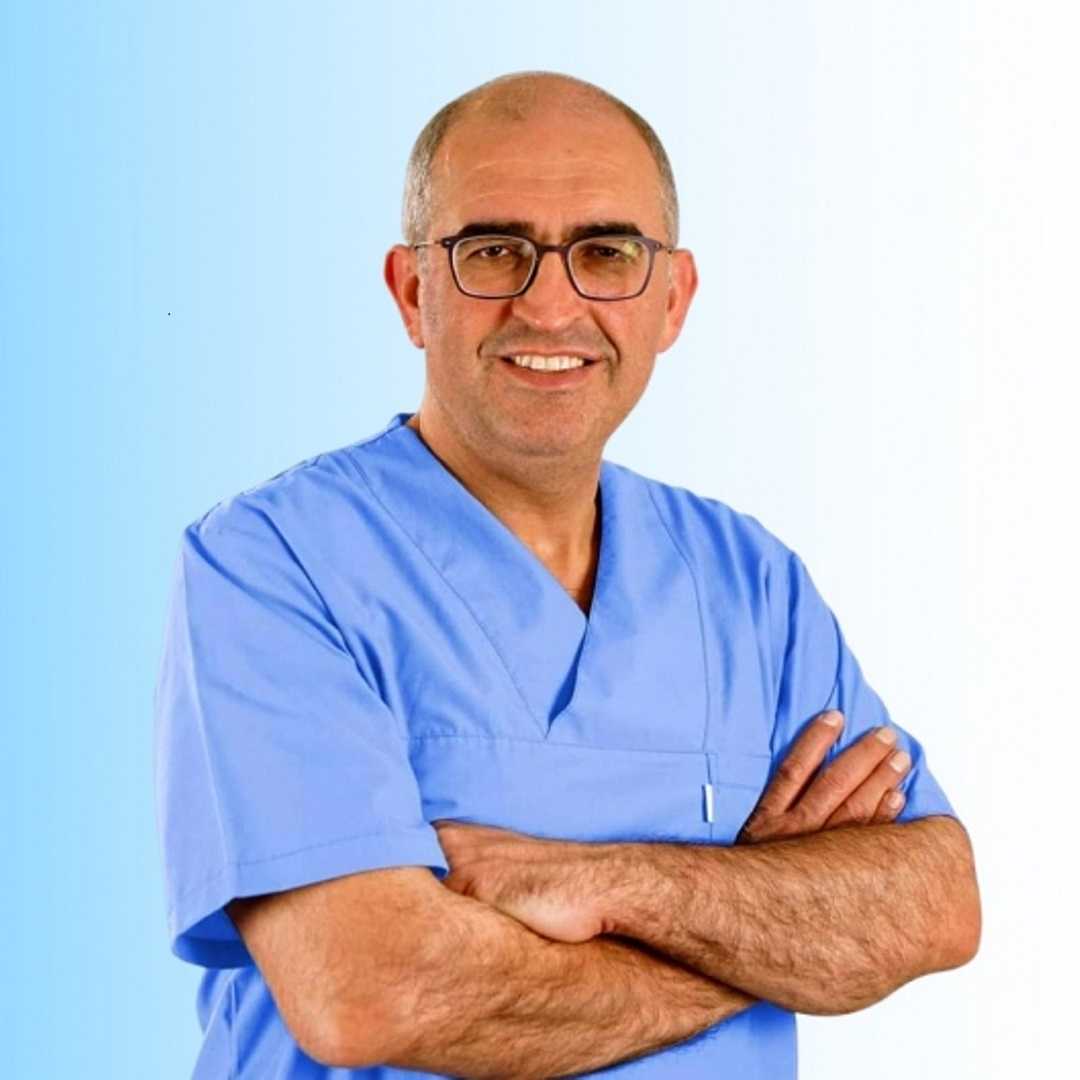
Op.Dr. Kayhan Turan
Turan Turan Robotic Surgery Center and Orthopedic Clinic
- Orthopedic surgeon
Istanbul, Turkey

Orthopedic Specialist in Turkey
International Multispecialty Hospital in Istanbul, Turkey
- Orthopedic Surgeon
Istanbul, Turkey
Traveling to Turkey for medical care offers a unique blend of world-class healthcare infrastructure and comforting hospitality. Major cities like Istanbul, Antalya, and Izmir have positioned themselves as global hubs for orthopedic treatments. Every year, thousands of patients from the UK, the US, and Canada fly into modern airports like Istanbul Airport (IST), seeking relief from long wait times and high medical costs back home.
Getting there is generally straightforward, with direct flights available from most major European and North American cities. Once you land, the local transportation is highly accommodating for medical tourists, with many clinics offering private VIP shuttles directly from the arrivals gate to your hotel or hospital.
Here is what you should know about planning your medical trip to Turkey:
| Primary Medical Hubs | Istanbul, Antalya, Izmir, Ankara |
| Flight Connections | Direct flights from London, New York, Toronto, and major European cities |
| Visa Requirements | E-visas are easily obtained online for US, UK, and Canadian citizens |
| Language Assistance | English is widely spoken in medical facilities; translators are provided |
| Best Time to Travel | Spring (April-May) and Autumn (September-October) offer the mildest recovery weather |
While you will need to take it easy post-surgery and avoid heavy lifting or strenuous tourism, recovering in a comfortable Turkish hotel with excellent room service and warm weather can make the healing process much less stressful.
Taking the first step toward a pain-free shoulder does not have to be overwhelming. At PlacidWay, we help you connect with vetted orthopedic centers, compare transparent pricing, and arrange all the logistics of your medical journey to Turkey.
Our team is here to answer your questions and provide the information you need to make an informed, confident decision about your care. Compare the options available and reach out when you are ready to explore your personalized treatment plan.
References
- Rotator Cuff Tears: Surgical Treatment Options – American Academy of Orthopaedic Surgeons (AAOS)
- Quality and Patient Safety Accreditation – Joint Commission International (JCI)
- Rotator Cuff Injury Diagnosis & Treatment – Mayo Clinic
- Health Information for Travelers to Turkey – Centers for Disease Control and Prevention (CDC)
- Healthcare Regulations and Facilities – Turkish Ministry of Health

















Share this listing