
Contents
Living with severe joint pain is exhausting, especially when the path to relief at home feels blocked. For many patients in the United States, the UK, and Canada, the reality of getting a knee replacement often involves choosing between draining your life savings or sitting on a public healthcare waitlist for over a year. You might find yourself missing out on daily walks, family events, and simple mobility while waiting for the system to catch up with your needs. It is completely natural to look for better options abroad where high-quality orthopedic care does not require a second mortgage.
Traveling for medical care is a big decision, but modern joint arthroplasty in the Turkish capital offers a compelling alternative. A standard knee replacement in Ankara, Turkey, typically costs around $5,500, a fraction of what you might pay in North America. When researching international options, patient safety should always come first. You should look for facilities that hold recognized credentials, such as Joint Commission International (JCI) accreditation or direct certification from the Turkish Ministry of Health, to ensure rigorous medical standards are met.
What You Should Know
Navigating medical travel can be overwhelming, which is why many international hospitals offer comprehensive care bundles to simplify the process. A standard orthopedic package usually includes the surgeon's fee, operating room charges, standard anesthesia, and the required prosthetic joint. High-quality bundles also factor in your immediate post-operative care, covering several days of hospital admission, basic medications, and initial physical therapy sessions before discharge. Some facilities might even include airport transfers and local hotel accommodations for your recovery period, removing the stress of coordinating logistics in a new city. Carefully reading what is and is not included helps you avoid unexpected out-of-pocket expenses later. Review the treatment packages below to see which bundled options align with your travel and recovery plans.
`The total expense for a knee replacement in Ankara typically ranges between $5,000 and $7,500, depending on the type of implant and the complexity of the surgery. This direct pricing is significantly lower than the heavy out-of-pocket fees often quoted to uninsured or underinsured patients in the United States. This baseline estimate generally covers the medical team, the prosthesis, and your hospital stay, though specialized implants like customized or robotic-assisted options will increase the overall fee. It is important to ask for a transparent, itemized estimate before committing, so you know exactly what diagnostic imaging and aftercare are included. Compare the estimated costs provided below to understand the financial options available for your joint replacement journey.
Choosing the right orthopedic facility is one of the most critical steps in planning your joint surgery abroad. Rather than focusing solely on modern lobbies or polished websites, look closely at the medical infrastructure and official credentials of each hospital. You will want to verify that the facility is authorized to perform complex orthopedic surgeries by checking for a Turkish Ministry of Health license or international quality seals like JCI accreditation. It is also helpful to review infection rates, the availability of intensive care units, and the hospital's dedicated physical therapy resources. Taking the time to evaluate these clinical details ensures a safer surgical environment. Compare the accredited clinics listed below to find the medical facility that best meets your needs.

ACIBADEM Bayındır Hospital
Istanbul,Ankara, Turkey

Medicana Health Group in Istanbul Turkey
Istanbul,Ankara, Turkey

Private Koru Ankara Hospital
Ankara, Turkey

Lokman Hekim Health Group - Multispecialty Hospital in Istanbul
Istanbul,Ankara, Turkey
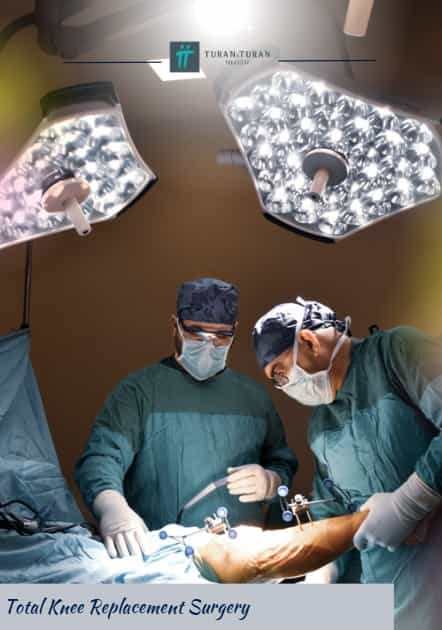
Watching detailed video content is an excellent way to understand the realities of undergoing joint arthroplasty in a foreign city. Visual walkthroughs can help demystify the surgical process, showing you exactly what modern operating theaters and patient recovery rooms look like before you arrive. Many surgeons provide educational videos explaining how different prosthetic joints work and what you can expect during the first few days of physical therapy. Hearing directly from medical professionals about their approach to pain management and rehabilitation can significantly reduce pre-surgery anxiety and help you set realistic recovery goals. Take a moment to watch the informative videos below to gain a clearer perspective on your upcoming orthopedic procedure.
Reading independent patient testimonials provides valuable insight into the day-to-day experience of medical travel that you cannot find in clinical brochures. Former patients often share nuanced details about their personal journeys, such as how effectively the nursing staff managed their post-operative pain or how easy it was to communicate with their medical team in English. Pay close attention to reviews that discuss the physical therapy process and the long-term success of their new joint, as these are strong indicators of comprehensive care. Honest feedback helps you build realistic expectations about the cultural adjustments and recovery timeline. Browse the patient reviews below to learn firsthand how others navigated their orthopedic treatment and recovery.

Preparing for major orthopedic surgery abroad comes with many valid questions regarding safety, recovery, and travel logistics. Review these commonly asked questions to better understand what to expect during your medical journey to Turkey.
Why do international patients choose Ankara for joint replacement?
Patients frequently choose the capital city for its high concentration of accredited university hospitals, rigorous medical standards, and lower healthcare costs compared to North America or Western Europe.
How long do I need to stay in Turkey after my surgery?
You should plan to stay in the country for at least 10 to 14 days. This allows time for the initial hospital stay, follow-up evaluations, early physical therapy, and securing a fit-to-fly certificate from your surgeon.
What type of knee implants do Turkish orthopedic surgeons use?
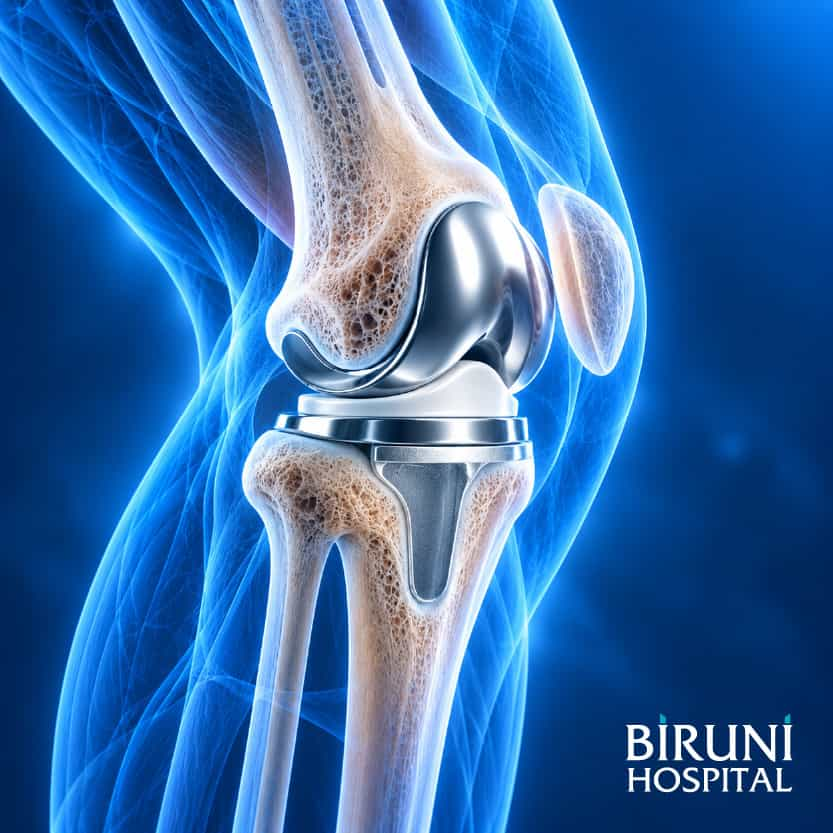
Reputable clinics in the region use FDA and CE-approved international implant brands, such as Zimmer Biomet or DePuy Synthes, ensuring global standards of durability and safety.
Will the hospital staff and surgeons speak English?
Yes, major hospitals with international patient departments have English-speaking surgeons and dedicated medical interpreters on staff to ensure clear communication throughout your stay.
Are bilateral knee replacements performed during the same trip?
For healthy candidates without severe underlying conditions, surgeons can perform simultaneous bilateral replacements. However, this requires a more intense recovery period and longer rehabilitation time before flying.
How soon will I start physical therapy after the operation?
Physical therapy usually begins within 24 hours of the surgery. Early mobilization is critical for preventing blood clots and improving the long-term flexibility of your new joint.
Can I travel alone for this procedure?
While it is possible, traveling with a companion is highly recommended. You will face significant mobility restrictions in the first week, and having someone to assist with luggage and daily tasks is invaluable.
How do I manage deep vein thrombosis (DVT) risks on the flight home?
Your surgeon will likely prescribe blood-thinning medication and require you to wear compression stockings during your flight. You should also perform seated ankle exercises and walk the airplane aisle when permitted.
Will my local doctor be able to track my medical records?
Reputable international hospitals provide a comprehensive medical file upon discharge. This file includes detailed surgical notes, implant specifications, and rehabilitation guidelines for your local physician to review.
What happens if I experience a complication after returning home?
Immediate complications must be treated by your local emergency room or primary orthopedic doctor. You should discuss post-care communication protocols with your overseas surgeon before you leave the facility.
The long-term success of your new joint relies heavily on the expertise and precision of your operating physician. When evaluating orthopedic surgeons, it is essential to look beyond basic medical degrees and focus on specific joint replacement experience. Look for specialists who are board-certified in orthopedics and traumatology, and check if they have completed international fellowships or hold memberships in recognized global orthopedic societies. A highly qualified surgeon will have a proven track record of performing hundreds of successful knee replacements and will take the time to explain the biomechanics of your specific implant. Review the credentials of the specialized surgeons listed below to find a trusted medical expert for your procedure.
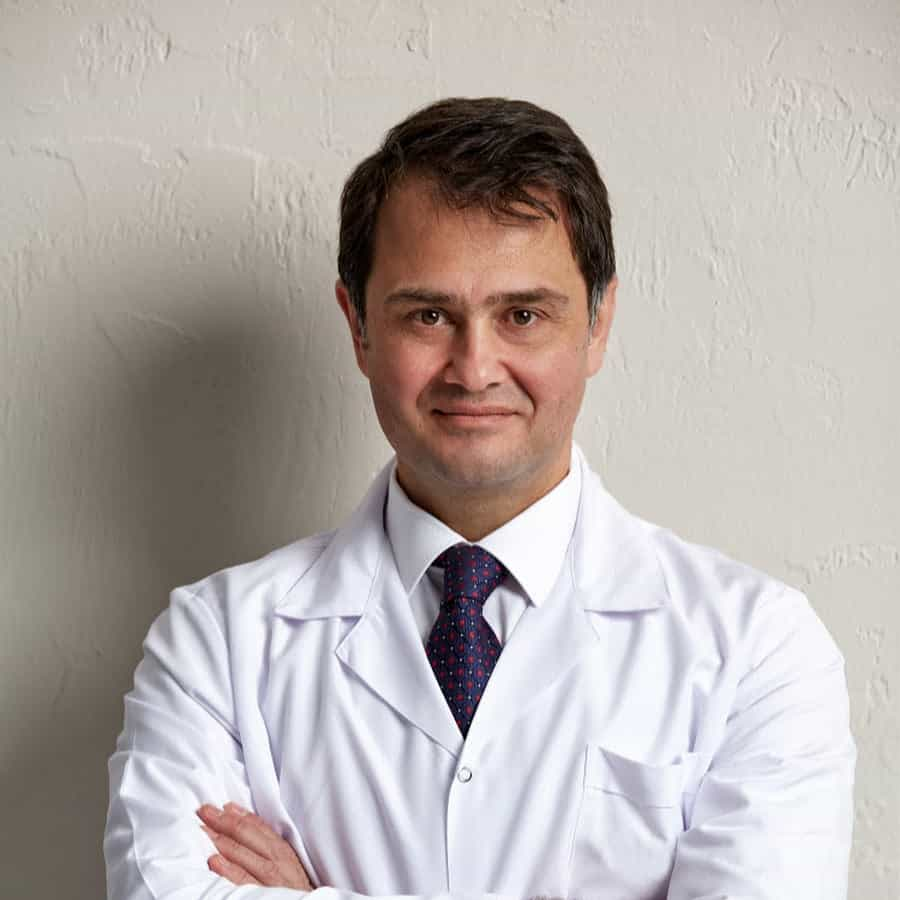
Professor Dr. Oguz Okan KARAEMINOGULLARI
Bayindir Healthcare Group
- Orthopedic surgeon
Istanbul, Turkey
Ankara, the capital city of Turkey, has steadily grown into a major hub for specialized medical tourism, particularly for complex orthopedic procedures. Unlike the bustling tourist crowds of Istanbul, Ankara offers a more structured, calm environment that many recovering patients find ideal for focusing on rest and daily physical therapy. The city is home to numerous university hospitals and private medical centers that maintain strict international healthcare guidelines.
Patients primarily travel to this region from the United Kingdom, the United States, Central Asia, and the Middle East. High healthcare costs and extensive public waitlists drive North American and European patients, while those from neighboring regions often seek the advanced surgical technology and board-certified specialists that might be unavailable in their home healthcare systems.
Traveling to the capital is relatively straightforward for international visitors. Ankara Esenbo?a Airport connects to major European and Middle Eastern transit hubs, making it accessible via a single layover from most western countries. The city boasts modern infrastructure, accessible hotels suitable for post-operative mobility, and a temperate climate that makes year-round medical travel comfortable.
| Arrival Airport | Ankara Esenbo?a Airport (ESB) |
| Flight Connectivity | Direct flights from Europe and Middle East; easy connections via Istanbul |
| Primary Patient Origins | United Kingdom, USA, Middle East, Central Asia |
| Local Climate | Continental (Warm summers, cold winters) |
| Local Currency | Turkish Lira (TRY) |
Taking the first step toward living without chronic joint pain requires careful research and planning. Understanding your specific medical needs, evaluating certified clinics, and reviewing comprehensive care packages are essential parts of making an informed healthcare decision. If you are considering traveling for your orthopedic surgery, gathering personalized information can help you confidently compare your options. You can request a detailed, customized estimate to review specific treatment costs, surgical protocols, and medical team credentials directly.
References
- Total Knee Replacement – American Academy of Orthopaedic Surgeons (AAOS)
- Knee Replacement Overview and Risks – Mayo Clinic
- Knee Replacement Recovery – National Health Service (NHS)
- Patient Safety Standards and Accredited Organizations – Joint Commission International (JCI)
- Blood Clots and Travel Guidelines – Centers for Disease Control and Prevention (CDC)




















Share this listing