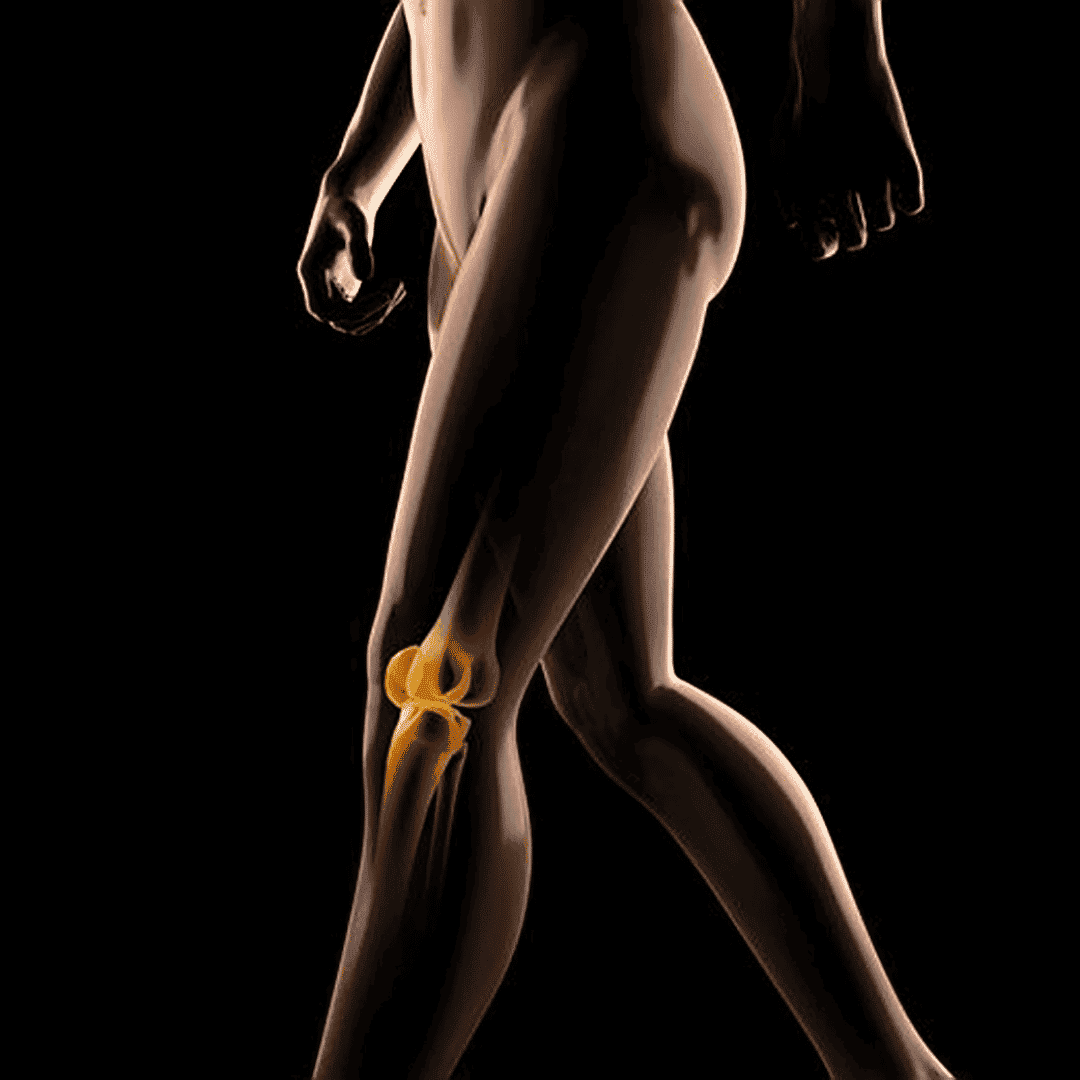
Persistent knee pain caused by advanced osteoarthritis can drastically reduce mobility and quality of life. While conservative non-surgical treatments offer temporary relief for many, progressive joint degeneration eventually makes surgical intervention necessary. Today, Robotic-Assisted Knee Replacement Surgery in Istanbul Turkey provides advanced technological precision, enabling orthopedic surgeons to plan and execute joint replacements with exceptional alignment accuracy. Featured center Turan Turan Health Group combines specialized surgical expertise with state-of-the-art robotic systems to support international patients seeking long-term joint relief.
Quick Summary: Robotic Knee Arthroplasty Overview
Clinical Parameter
Key Details & Specifications
Primary Indication
Advanced Osteoarthritis, severe chronic knee pain, failed conservative care
Technological Role
3D anatomical mapping, intraoperative real-time alignment, bone prep guidance
Surgeon Role
Full surgical control; robotic system acts as a precision navigational tool
Typical Cost Range (Turkey)
$7,500 – $14,500 USD per knee (Dependent on hospital package & implant)
Hospital Stay
3 to 5 days under orthopedic monitoring
Recommended Destination Stay
10 to 14 days for post-op observation and early physical therapy
Early Mobilization
Assisted standing and walking within 24–48 hours post-procedure
When Does Knee Pain Become a Reason to Consider Knee Replacement?
Knee replacement surgery is generally evaluated when degenerative joint disease severely impacts functional independence and daily comfort. Patients considering surgical intervention typically exhibit several key clinical indicators:
Advanced Osteoarthritis: Severe cartilage loss causing painful bone-on-bone friction.
Persistent Pain: Chronic discomfort during weight-bearing activities such as walking, sitting up, or climbing stairs.
Resting & Night Pain: Inability to sleep soundly due to unmanaged joint aching.
Severe Stiffness & Reduced Range of Motion: Difficulty bending or fully straightening the leg.
Inadequate Relief from Conservative Care: Diminishing returns from non-surgical therapies.
Radiographic Evidence: Diagnostic X-rays or MRI scans confirming joint space narrowing and bone spur formation.
Common Non-Surgical Treatments for Knee Arthritis
Before recommending total or partial knee replacement, orthopedic specialists routinely evaluate conservative management strategies:
Pharmaceuticals:
NSAIDs, oral analgesics, and topical pain relievers.
Physical Therapy:
Targeted strengthening of the quadriceps and hamstring muscles.
Injectable Therapies:
Corticosteroid or hyaluronic acid joint injections.
Lifestyle & Support:
Weight management, activity modification, and unloader bracing.
When conservative treatments fail to provide adequate pain relief or restore mobility, surgical options like robotic knee replacement Turkey become appropriate medical pathways.
Global Growth & Technological Adoption in Knee Arthroplasty
The demand for joint replacement procedures is rising globally, driven by aging demographics, higher physical activity expectations, and major advancements in computer-assisted navigation. The graph below displays estimated rates for knee replacement procedures per 100,000 residents across key medical sectors, alongside growing technological adoption in international centers.
Global Knee Replacement Procedure Volume per 100,000 Adults
Illustrative comparison of knee replacement procedure volumes across selected regions and medical travel settings. Rates can vary by country, population age, healthcare access, and reporting methodology.
Featured Orthopedic Center in Turkey
Selecting an experienced healthcare provider is critical when planning international orthopedic treatment. Below is a detailed profile of the specialized robotic orthopedic center featured in this guide:
Turan Turan Robotic Surgery Center
Location: Bursa / Istanbul, Turkey
Turan Turan Health Group is a dedicated orthopedic and joint surgery center specializing in advanced robotic-assisted knee replacement, partial knee arthroplasty, and complex joint reconstruction. The clinic integrates comprehensive digital planning, experienced surgical teams, and dedicated international patient coordination to serve patients from around the globe.
What Is Robotic-Assisted Knee Replacement Surgery?
Knee replacement, medically referred to as knee arthroplasty, involves removing damaged cartilage and underlying bone from the joint and replacing them with durable artificial metal and plastic implants. In traditional surgery, alignment relies primarily on manual alignment guides and visual surgeon judgment.
Robotic-assisted knee surgery Turkey introduces computer-guided software and a robotic handpiece to enhance surgical accuracy. It is vital to clarify that the robotic system does not perform the operation independently. The orthopedic surgeon remains in full control throughout the entire procedure; the robot functions as a high-precision navigational assistant.
How Robotic Assistance Supports Knee Replacement
Preoperative Mapping
Creates a detailed digital 3D model of the patient’s exact bone structure and joint anatomy.
Real-Time Kinematics
Evaluates ligament tension and joint balance live during the operation before making bone cuts.
Precision Haptics
Ensures bone resection stays strictly within predefined virtual boundaries to protect soft tissues.
How New-Generation Robotic Technology Works at Turan Turan
Turan Turan robotic surgery programs utilize modern robotic systems to refine every phase of joint replacement care:
Before Surgery: Personalized Surgical Planning
Before making any surgical incision, the clinical team gathers data on bone structure, joint movement, alignment deviations, and surrounding ligament tension. Depending on the robotic platform utilized at the clinic, digital 3D modeling may be accomplished using pre-procedure imaging or through intraoperative optical mapping directly inside the operating room. This individual mapping allows the surgeon to select the precise implant size and angle suited to the patient's anatomy.
During Surgery: Real-Time Guidance and Precision
In the operating room, optical sensors continuously track joint positioning. The surgeon uses the robotic arm to prepare the bone surfaces. Haptic feedback boundaries prevent the cutting tool from straying outside the digital blueprint, helping preserve surrounding healthy bone, ligaments, and vascular structures.
After Surgery: Supporting Recovery and Mobility
Because robotic guidance optimizes implant positioning and can reduce unnecessary tissue disruption, many patients experience more consistent early mobility and predictable rehabilitation progress under clinical supervision.
Key Benefits of Robotic-Assisted Knee Replacement Surgery
1. Personalized Planning
Virtual 3D modeling tailors implant sizing, rotation, and positioning specifically to the patient’s natural skeletal structure.
Who May Be a Candidate for Robotic-Assisted Knee Replacement?
Robotic-assisted knee arthroplasty is suitable for many individuals requiring knee reconstruction, particularly those with:
Moderate to severe osteoarthritis, rheumatoid arthritis, or post-traumatic arthritis.
Substantial chronic pain interfering with daily work and walking.
Significant joint deformity (such as severe bow-leggedness or knock-knees).
Inadequate improvement following physical therapy and joint injections.
When Robotic-Assisted Surgery May Not Be Appropriate
Certain clinical factors may necessitate traditional surgical approaches or alternative therapies, including:
Active joint or systemic infections.
Severe bone loss or structural compromises requiring specialized custom revision stems.
Severe ligament instability requiring complex constrained implants not supported by standard robotic arms.
Unmanaged cardiovascular or medical conditions prohibiting major surgery.
What Happens During Robotic-Assisted Knee Replacement Surgery?
Preoperative Assessment & Medical Clearance: Extensive bloodwork, cardiac evaluations, diagnostic imaging, and computerized 3D planning are performed.
Anesthesia Administration: General or spinal anesthesia (with regional nerve blocks) is administered by an experienced anesthesiology team.
Surgical Preparation: The surgeon makes an incision over the knee joint and attaches optical navigation trackers to the bone.
Robotic-Assisted Bone Preparation: Guided by real-time software, the surgeon operates the robotic tool to precisely remove damaged cartilage and bone.
Implant Placement: Prosthetic femoral, tibial, and patellar components are securely fixed using specialized bone cement or press-fit technique.
Final Dynamic Assessment: The surgeon evaluates overall joint alignment, stability, and flexural range of motion before closing.
Closure & Postoperative Recovery: The incision is closed in layers, sterile dressings are applied, and the patient is transferred to the recovery unit.
Recovery Timeline After Robotic-Assisted Knee Replacement
While individual recovery rates vary depending on overall health, age, and physical condition, the general recovery trajectory is outlined below:
Recovery Stage
What Patients May Experience & Key Milestones
First 24–48 Hours
Pain management, vitals monitoring, early standing, and assisted walking with physical therapy.
First 1–2 Weeks
Assisted walking with a walker or crutches, surgical wound care, initial range-of-motion exercises.
4–6 Weeks
Increasing independence, potential transition to a cane, driving (with medical clearance), and light housework.
6–12 Weeks
Strengthening exercises, improved walking endurance, and return to non-impact recreation.
3–6 Months & Beyond
Continued functional recovery, muscle rebuilding, and return to active daily living.
Disclaimer: Recovery timelines differ significantly between patients. Strict adherence to prescribed physical therapy is crucial for achieving optimal results.
Risks and Possible Complications of Robotic-Assisted Knee Replacement
As with any major surgical procedure, knee arthroplasty carries inherent risks. Potential surgical complications include:
Deep vein thrombosis (DVT) or blood clots.
Surgical site infection or deep joint infection.
Nerve or blood vessel injury surrounding the joint.
Joint stiffness, residual pain, or delayed wound healing.
Implant wear, mechanical loosening, or future need for revision surgery.
Does Robotic Surgery Eliminate Surgical Risks?
No. While robotic assistance enhances surgical precision and alignment execution, it does not eliminate standard surgical risks such as infection, blood clots, or anesthesia complications. Thorough pre-admission screening and adherence to post-operative guidelines remain essential.
How Long Can a Knee Replacement Last?
Modern knee prosthetic components are constructed from high-grade titanium, cobalt-chromium alloys, and highly cross-linked polyethylene. Clinical registry data indicate that approximately 85% to 90% of modern total knee replacements remain functional for 15 to 20 years or more.
Implant longevity depends on several factors, including patient age, body weight, physical activity level, bone quality, precise surgical alignment, and physical therapy compliance.
Why Consider Robotic-Assisted Knee Replacement in Istanbul, Turkey?
Istanbul and Bursa have established themselves as international hubs for orthopedic medical travel, offering distinct advantages for visiting international patients:
Advanced Technology
Access to new-generation robotic systems equal to leading Western orthopedic institutes.
Expert Specialists
Board-certified orthopedic surgeons with extensive fellowship training in joint reconstruction.
Cost Savings
Significant cost savings compared to private care in the US, UK, or Western Europe.
Dedicated Services
Multilingual medical coordinators, airport transfers, and private inpatient rooms.
Robotic-Assisted Knee Replacement vs. Traditional Knee Replacement
Surgical Feature
Traditional Knee Replacement
Robotic-Assisted Knee Replacement
Primary Operator
Orthopedic Surgeon
Orthopedic Surgeon (Robotic Guided)
Surgical Planning
2D X-ray alignment templates
Digital 3D personalized anatomical map
Bone Preparation
Manual cutting blocks and alignment rods
Surgeon-controlled robotic haptic guidance
Alignment Precision
Standard mechanical alignment tolerances
Sub-millimeter and sub-degree accuracy
Soft Tissue Balancing
Manual surgeon feel post-cut
Real-time digital gap kinematic feedback
Note: Robotic navigation is an advanced tool used to execute surgical plans; overall surgical success remains dependent on surgeon skill and patient compliance.
What Should You Ask Before Choosing Knee Replacement in Turkey?
Patients considering knee surgery abroad should evaluate potential providers using this essential planning checklist:
Who will be the primary lead surgeon performing my knee replacement?
Which specific robotic surgical system and implant manufacturer will be used?
Is a preoperative CT scan or optical mapping required for my specific procedure?
What items are explicitly included in the total treatment package (hospital stay, implants, medications, rehabilitation)?
How many days should I stay in Turkey prior to flying back home safely?
What hospital protocols exist if unexpected medical complications arise?
How is my follow-up care coordinated with my local doctor after I return home?
Frequently Asked Questions
What is robotic-assisted knee replacement surgery?
It is an advanced joint replacement technique where an orthopedic surgeon utilizes a computer-guided robotic system to plan and execute precise bone cuts and place artificial joint implants with sub-millimeter alignment accuracy.
Does a robot independently perform the knee surgery?
No. The robotic arm is entirely guided and operated by the orthopedic surgeon. The system provides digital mapping and feedback boundaries, but the surgeon makes all clinical decisions and performs the procedure.
Is robotic knee replacement safer than traditional surgery?
Robotic navigation helps improve implant positioning accuracy and soft tissue preservation. However, overall surgical risks such as infection, DVT, or swelling remain comparable to standard joint replacement.
Do I need a CT scan prior to robotic knee replacement?
This depends on the specific robotic platform used. Some systems require a preoperative CT scan to create a 3D model, while image-less robotic platforms map the knee intraoperatively using optical sensors.
How long does robotic-assisted knee replacement surgery take?
The surgical procedure typically lasts between 60 and 120 minutes, depending on joint complexity, soft tissue tightness, and whether it is a total or partial knee replacement.
Can I walk on the same day as robotic knee surgery?
Many patients begin standing and taking assisted steps with physical therapy within 24 hours of surgery under clinical supervision, depending on pain control and surgeon protocol.
How long does recovery take following robotic knee arthroplasty?
Most patients regain functional mobility for daily activities within 4 to 6 weeks, with continued muscle strengthening and joint improvement occurring over 3 to 6 months.
How long does a robotic knee implant last?
Modern knee replacements generally last 15 to 20 years or more. Robotic precision aims to optimize component alignment, which supports long-term implant performance.
How much does robotic knee replacement cost in Turkey?
Robotic knee replacement packages in Turkey typically range from $7,500 to $14,500 USD per knee, covering surgeon fees, hospital stays, implants, and airport transfers.
What happens if I need follow-up care after returning home?
Clinics like Turan Turan provide telehealth evaluations, direct sharing of operative records, and detailed physical therapy protocols for your local orthopedic specialist.
Take the Next Step Toward Better Knee Mobility
If severe knee arthritis is limiting your daily mobility, Robotic Surgery in Istanbul Turkeyat Turan Turan Health Group may offer an effective treatment pathway. Request a consultation to evaluate your diagnostic records and discuss options with an orthopedic specialist.
Disclaimer: The information provided in this guide is for educational purposes and should not replace formal medical evaluation. Robotic knee replacement is a surgical procedure carrying risks. Individual candidacy, recovery rates, and outcomes vary based on individual health conditions. Always consult a qualified orthopedic physician before undertaking surgical medical travel.
OverviewExplore robotic-assisted knee replacement surgery in Istanbul, Turkey at Turan Turan, with advanced technology designed to support precise implant placement.
Request your Free Quote
×
Trusted Medical Tourism Platform Since 2007
60+
Countries
2k+
Clinics
19.5k+
Reviews
2.5k+
Qualified Doctors
1.1M+
Patients Served Since 2007
Unlock the Best Orthopedic/Knee Surgery Packages Just for You
Discover the ultimate Orthopedic/Knee Surgery packages designed to meet your health and wellness goals. Choose the perfect fit for your journey.
Orthopedic/Knee Surgery Solutions Near You: Explore Top Medical Centers
Discover how Orthopedic/Knee Surgery is transforming lives at leading medical centers in , Turkey. Dive into center profile, specialties, doctors, reviews, etc. and explore the best options tailored to your needs in this region.
Transformative Orthopedic/Knee Surgery Experiences: Dive into Procedure Insights
Discover the power of Orthopedic/Knee Surgery through compelling patient experiences. Uncover detailed insights into procedures, recovery journeys, and life-changing results.
Explore Orthopedic/Knee Surgery: Stories, Testimonials, and Procedures
Watch in-depth videos covering everything from Orthopedic/Knee Surgery success stories to detailed procedure explanations. Learn what to expect and hear from real patients.













.png)

















Share this listing