


Finding a highly effective knee pain treatment in Turkey has become a vital priority for women worldwide who suffer from progressive joint discomfort and mobility limitations. Female patients face unique physiological challenges that make them significantly more susceptible to orthopaedic issues compared to men. Factors such as broader pelvic structures, hormonal fluctuations, and natural aging processes create a complex environment where joint preservation becomes critical. Medical facilities across the region have developed specialized protocols to address these distinct female anatomical vulnerabilities, offering everything from early-stage intervention to advanced joint reconstruction.
Through dedicated orthopaedic programs, patients can access world-class diagnostics and highly personalized care plans tailored to their specific life stage. The combination of menopausal changes, localized weight gain, and shifting activity levels requires a nuanced clinical approach rather than a standard, generalized treatment matrix. Understanding the precise mechanisms behind cartilage degradation and structural misalignment is the first step toward restoring optimal function. By exploring targeted therapies, from cutting-edge regenerative medicine to highly successful total knee replacement surgery in Turkey, patients can regain their independence and return to a pain-free, active lifestyle.
Video Chapters & Quick Navigation
Understanding the Root Causes of Anterior Knee Pain in Females
Female orthopaedic health is heavily influenced by a unique set of biomechanical and hormonal variables that continuously evolve throughout a woman's lifetime. As highlighted at [00:00], knee discomfort ranks among the highest reported musculoskeletal complaints in women, frequently disrupting daily activities and diminishing overall life satisfaction. The foundational architecture of the female pelvis creates a wider "Q-angle," which alters the natural tracking of the kneecap during movement. This subtle anatomical difference forces the patella to endure uneven friction against the femur, creating a long-term catalyst for irritation and localized inflammation.
Furthermore, physiological changes triggered by the aging process heavily dictate joint longevity. Hormonal shifts, particularly the sharp decline in estrogen production during perimenopause and menopause, strip the joints of their natural protective mechanisms. Estrogen plays a profound role in maintaining cellular hydration and suppressing inflammatory markers within the synovial fluid. When estrogen levels drop, the articular cartilage becomes increasingly brittle, accelerating structural wear and tear.
Additionally, metabolic shifts often lead to an increase in body mass index, applying exponential stress to the lower extremities. Every single pound of extra body weight exerts roughly four additional pounds of pressure on the weight-bearing joints with every step taken. This compounded stress rapidly degrades the shock-absorbing meniscus and underlying bone structures, making weight management an indispensable component of any holistic orthopedic strategy.
Pre-Menopausal Joint Issues: Managing Patellofemoral Pain Syndrome
In younger and middle-aged demographics, the clinical presentation of joint distress differs vastly from that of senior patients. Discussed thoroughly at [00:46], pre-menopausal women frequently suffer from anterior knee pain, a condition clinically referred to as patellofemoral pain syndrome. This localized discomfort manifests primarily around or behind the kneecap and is acutely triggered by activities that involve deep flexion, such as climbing stairs, prolonged sitting, or squatting movements. The root of this issue lies in the complex articulation between the patella and the femoral groove.
When the patella fails to glide smoothly within this structural groove, the underside cartilage experiences highly concentrated friction. This constant rubbing softens and degrades the articular surface, leading to a painful condition known as chondromalacia patellae. Orthopaedic specialists heavily emphasize the necessity of advanced diagnostic imaging to correctly identify these subtle malalignments. A comprehensive MRI evaluation is often the gold standard for mapping the exact degree of cartilage softening and identifying any structural abnormalities in the tracking mechanism.
Addressing patellofemoral issues requires a highly customized protocol designed around joint mechanics. Conservative management typically includes targeted bracing, taping techniques, and modifying daily movement patterns to reduce friction. By catching these tracking abnormalities early in life, younger women can successfully prevent the premature onset of severe osteoarthritis and maintain optimal athletic performance without requiring immediate surgical intervention.
Sports-Related Injuries: Meniscus Tears and Cartilage Damage Treatment
Modern lifestyle habits have seen a massive surge in female participation in high-impact sports, intensive functional training, and competitive athletics. While maintaining a high level of physical fitness is universally recommended, it brings a corresponding increase in acute orthopaedic trauma. As referenced at [01:03], women who engage in heavy, dynamic sporting activities frequently encounter soft tissue failures, predominantly involving the meniscus and vital stabilizing ligaments.
The Impact of High-Intensity Athletics
The meniscus functions as the primary shock absorber between the femur and tibia, distributing weight evenly across the joint space. Rapid twisting, sudden deceleration, or direct impact during athletic events can cause the meniscus to tear, leading to immediate swelling, locking sensations, and sharp, localized pain. In addition to meniscal damage, forceful pivoting can heavily damage the surrounding articular cartilage, creating focal defects that severely compromise joint integrity.
Arthroscopic Surgical Interventions
When structural tearing is confirmed via diagnostic imaging, specialists often turn to advanced minimally invasive procedures. Closed surgical methods, commonly known as arthroscopic knee surgery in Turkey, provide an excellent avenue for repairing soft tissue damage with minimal downtime. Utilizing specialized micro-instruments and high-definition cameras, surgeons can precisely trim torn meniscal fragments, repair viable tissue, and smooth damaged cartilage surfaces.
This minimally invasive approach preserves the healthy surrounding tissues and vastly reduces the postoperative recovery timeline. Patients experience significantly less surgical trauma, lower infection risks, and reduced scarring compared to traditional open procedures. Integrating arthroscopic repair with immediate postoperative physical rehabilitation ensures that the repaired tissues heal dynamically, restoring the patient's capacity to safely return to high-level athletic endeavors.
The Critical Role of Physical Therapy in Female Joint Preservation
No successful orthopaedic protocol is complete without the rigorous integration of targeted physical therapy. Addressed specifically at [01:56], physical rehabilitation serves as the absolute cornerstone for both conservative management and postoperative recovery. Women inherently possess lower baseline muscle mass compared to their male counterparts, a biological reality that drastically impacts how mechanical loads are absorbed during daily locomotion. Without adequate muscular support, the entirety of the body's kinetic force is transferred directly into the fragile cartilage and meniscal tissues.
A specialized physical therapy regimen focuses extensively on hypertrophy and neuromuscular control of the quadriceps, hamstrings, and gluteal muscle groups. By strengthening the vastus medialis oblique (VMO), therapists can actively correct poor patellar tracking and minimize the friction within the patellofemoral joint. Additionally, improving core stability and hip abductor strength prevents the inward collapse of the femur during weight-bearing activities, an issue highly prevalent in the female population due to the wider pelvic structure.
These rehabilitative programs are strictly personalized, utilizing a mix of manual therapies, dynamic resistance training, and proprioceptive exercises. Consistent adherence to these physical therapy protocols effectively alters the internal weight distribution of the joint, providing profound, long-lasting relief from chronic discomfort. Whether utilized as a primary treatment for early-stage pain or as vital follow-up care after arthroscopic intervention, structured muscle building remains a non-negotiable factor in female joint health.
Post-Menopausal Osteoarthritis: Overcoming Cartilage Degeneration
As women transition into their post-menopausal years, the clinical nature of their orthopaedic challenges shifts dramatically from localized mechanical pain to widespread joint degeneration. Detailed at [01:21], the most prevalent adversary in this age demographic is osteoarthritis, commonly referred to as the "wear and tear" disease. This condition develops over decades, characterized by the progressive thinning, fraying, and ultimate destruction of the smooth articular cartilage that caps the bone ends.
The biological environment of the joint changes fundamentally after menopause. The lack of estrogen leads to a drastic reduction in the cellular nourishment of the cartilage matrix. Without adequate blood supply and synovial fluid turnover, the cartilage loses its elasticity and fails to repair microscopic damage. Eventually, the protective layer wears away entirely, leading to painful bone-on-bone friction, the development of rigid bone spurs (osteophytes), and chronic synovial inflammation.
- Morning Stiffness: Prolonged immobility overnight results in intense rigidity that typically loosens after initial movement.
- Audible Crepitus: The presence of grinding, clicking, or crunching sounds during flexion and extension due to roughened joint surfaces.
- Visible Deformities: In advanced cases, the loss of joint space can cause the leg to bow outward or inward, completely altering the patient's natural gait.
- Night Pain: Deep, throbbing discomfort that disrupts sleep patterns, indicating highly progressed inflammatory responses within the bone marrow.
Thorough evaluation is absolutely critical during this phase. Physicians rely on comprehensive radiographic imaging to assess the loss of joint space and grade the severity of the osteoarthritis. By establishing a clear baseline of the degradation, medical teams can formulate an aggressive, multi-tiered approach designed to halt the progression of the disease and restore functional mobility to the patient.
Advanced Regenerative Treatments for Early-Stage Knee Osteoarthritis
When osteoarthritis is detected in its earliest stages, usually during the perimenopause or early menopausal windows, the primary objective is joint preservation. As mentioned at [02:15], modern orthopaedic science has rapidly embraced intra-articular regenerative knee injections as a powerful tool for combating early joint degradation. These innovative biological therapies aim to alter the internal microenvironment of the joint, suppressing destructive enzymes while simultaneously promoting cellular repair and tissue healing.
One of the most frequently utilized therapies is Platelet-Rich Plasma (PRP). This procedure involves drawing a small amount of the patient's own blood, centrifuging it to isolate concentrated growth factors, and injecting this potent serum directly into the joint capsule. These natural growth factors actively stimulate the local cells to reduce inflammation and stabilize the deteriorating cartilage matrix. PRP is exceptionally safe, utilizing the body's inherent healing mechanisms to mitigate pain and improve functional mobility without introducing synthetic pharmaceuticals.
Alongside PRP, high molecular weight hyaluronic acid injections are heavily deployed to restore the mechanical properties of the joint fluid. Hyaluronic acid acts as a dense, viscous lubricant, providing immediate shock absorption and reducing the friction that exacerbates osteoarthritic pain. When combined with strict weight management and dedicated physical therapy, these regenerative solutions can successfully delay the need for invasive surgical interventions for many years, offering women a high quality of life throughout their early menopausal transition.
Comprehensive Surgical Solutions: Partial and Total Knee Replacement Surgery in Turkey
Despite rigorous conservative management, osteoarthritis is ultimately a progressive condition. When the structural deterioration reaches an advanced stage, the resulting symptoms severely compromise the patient's independence. As discussed at [02:27], indicators for advanced intervention include debilitating night pain, the inability to perform basic daily tasks, and a profound withdrawal from social and physical activities. In these end-stage scenarios, joint restoration through precise arthroplasty becomes the definitive medical solution.
Unicompartmental (Partial) Knee Arthroplasty
If the arthritic damage is strictly localized to a single compartment of the joint—most commonly the medial side—surgeons may recommend a partial knee prosthesis. This highly refined procedure removes only the diseased bone and cartilage from the affected area, replacing it with specialized metal and polyethylene components. Because the healthy compartments and vital cruciate ligaments are left entirely intact, patients experience a much more natural-feeling joint postoperatively. The surgical trauma is minimal, leading to accelerated rehabilitation timelines and excellent long-term biomechanical function.
Total Joint Reconstruction Procedures
When the osteoarthritic damage spans multiple compartments, a total knee replacement surgery in Turkey represents the gold standard for completely eradicating joint pain. This comprehensive procedure involves resurfacing the entire distal femur, proximal tibia, and the underside of the patella. Modern orthopaedic implants are constructed from highly durable titanium alloys and cross-linked medical-grade plastics, designed to seamlessly replicate the sophisticated gliding motion of a healthy human joint.
Advancements in surgical techniques, including robotic-assisted navigation and 3D preoperative mapping, ensure that these implants are positioned with absolute anatomical perfection. This precise alignment guarantees optimal weight distribution, maximizing the lifespan of the prosthesis. Following the procedure, a meticulously structured postoperative rehabilitation program ensures the rapid restoration of range of motion, allowing patients to walk unassisted and return to an active, thriving lifestyle free from the chronic torment of end-stage osteoarthritis.
Why Choose Turkey for Your Knee Joint Treatment and Surgery?
The global healthcare landscape has witnessed a massive paradigm shift, with patients increasingly crossing international borders to secure superior medical care. Seeking comprehensive knee pain treatment in Turkey offers an unmatched combination of surgical excellence, state-of-the-art technological infrastructure, and highly personalized patient care. The country has positioned itself as a premier destination for orthopaedic medical tourism, drawing thousands of international patients annually who demand the highest standards of clinical proficiency.
Leading facilities, such as the renowned Koru Ankara Hastanesi, house multidisciplinary teams of elite orthopaedic surgeons, specialized physical therapists, and dedicated pain management experts. These institutions are equipped with the latest advancements in diagnostic imaging, robotic surgical suites, and regenerative biological laboratories. The level of integrated care ensures that every patient receives a holistic, end-to-end treatment experience, heavily focusing on preoperative optimization and extensive postoperative rehabilitation.
Furthermore, the logistical execution of medical tourism in this region is remarkably streamlined. Specialized international patient departments handle every aspect of the journey, from initial virtual consultations and medical visa assistance to luxury accommodations and dedicated translation services. By combining elite surgical precision with comprehensive hospitality, patients receive world-class total knee replacement procedures at a fraction of the cost typically encountered in Western healthcare systems, without ever compromising on safety or clinical outcomes.
Ready to Overcome Chronic Knee Discomfort?
Don't let progressive joint pain dictate your lifestyle. Connect with top-tier orthopaedic specialists today to receive a fully customized treatment plan, ranging from advanced regenerative therapies to precision joint replacement.
Get Free QuoteView Full Video Transcript
00:00 Kad?nlarda diz a?r?s?, çok s?k görülen rahats?zl?klar?n ba??nda gelmekte.
00:04 Ya??n ilerlemesiyle, menopozla, kilo al?m?yla birlikte bu rahats?zl?k daha da s?k görülmekte.
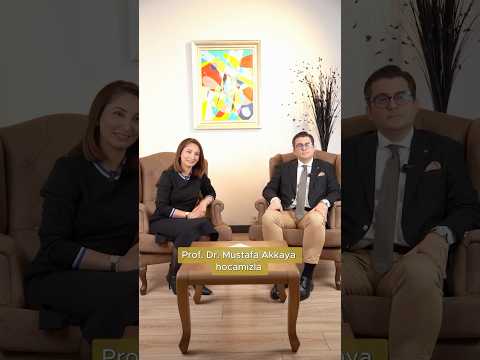
00:10 Bugün özellikle ya?am kalitemizi etkileyen diz a?r?s? durumunda nas?l yol izlemeliyiz? Nas?l bir tedavi uygulanabilir? Prof. Dr. Mustafa Akkaya hocam?zla birlikte konu?aca??z.
00:20 Hocam, ho? geldiniz.
00:22 Ho? bulduk hocam, çok te?ekkürler.
00:24 Hocam ?öyle ki; özellikle ya?am kalitemizi etkileyen diz a?r?s? durumunuzda kendi klini?inizde nas?l bir tedavi plan? uyguluyorsunuz?
00:31 Hocam, çok te?ekkürler davetiniz için. Gerçekten önemli bir sa?l?k sorunu.
00:36 Bunu tabii ikiye ay?rmak gerekiyor. Han?mefendilerin bir hayatlar? boyunca kar??la?t?klar? bu menopoz, asl?nda çok belirleyici eklem sa?l??? için.
00:46 Biz menopoz öncesi dönemde; yani genç ve orta ya? grubu hastalarda bir diz a?r?s? gördü?ümüzde, s?kl?kla bu ön diz a?r?s? dedi?imiz, diz kapa??n?n patellofemoral eklemde uyumsuzlu?uyla ilgili, k?k?rdaklarla ilgili sorun olabilece?ini dü?ünüyoruz.
01:00 Genç ve orta ya? grubu hastalar?m?zda.
01:03 Tabii, art?k spor hayat?m?z?n bir gerçe?i. A??r spor yapan bir han?mefendi varsa, orada bir diz a?r?s? oluyorsa bunun eklem içindeki ba?, yumu?ak dokularla ilgili sorun ç?karabilece?ini dü?ünerek; menisküs, k?k?rdak patolojilerini ön planda de?erlendiriyoruz.
01:21 Ancak ileri ya? grubunda, menopoz sonras? dönemlerde ise en s?k problem tabiki; k?k?rda??n beslenmemesi ve hasarlanmas?na ba?l? olarak gözüken osteoartrit.
01:29 Burada tedavi plan? biraz daha farkl?.
01:31 Hangi dönem olursa olsun, hastalar?n de?erlendirilmesi ki?iye özel yap?l?yor.
01:37 Genç orta ya? grubunda hastalar?n muayenesi sonras? çekti?imiz çe?itli ileri eklem de?erlendirmesi; MR gibi yöntemlerle, e?er diz kapa??n?n k?k?rdak hasar? var ya da menisküs problemi varsa, bunlar kapal? cerrahi yöntemler ya da eklem içi rejeneratif tedavilerle belli bir noktada sorunlar çözülebiliyor.
01:56 Fizik tedavi burada çok önemli bir rolü var. Bayanlar?n kas kütlesi erkeklere göre biraz daha az ve bu da eklemdeki yük da??l?m?n? de?i?tirebiliyor. Fizik tedavi burada bizim için önemli bir nokta.
02:08 Menopoz sonras? dönemde ise yapm?? oldu?umuz de?erlendirme ile birlikte, e?er erken evrede bir diz a??nmas?, kireçlenmesi mevcutsa buna yine rejeneratif tedaviler, eklem içi enjeksiyonlar, fizik tedavi deste?i, kilo kontrolü, yani hayat tarz?nda bir de?i?iklikle, perimenopoz ya da erken menopoz döneminde bunlar? kontrol alt?na almak mümkün.
02:27 Ancak ilerlemi? dönemlerde hayat kalitesini bozan, gece a?r?s? bulunan, günlük i?lerini, sosyal aktivitelerini s?k?nt?ya dü?üren bir diz a?r?s? varsa;
02:35 bu hastalar?m?z?n eklemlerdeki çe?itli restorasyonlarla, ki?iye özel yap?lan yine planlamalarla gerek yar?m diz protezi, gerek tam diz proteziyle diz sa?l?klar?n? eski haline getirmemiz mümkün.
02:47 Hocam, çok te?ekkür ediyorum bu güzel anlat?m?n?z için.
02:50 Ben te?ekkür ederim hocam davetiniz için.












Share this listing