


Driving and Knee Pain: Stem Cell Therapy in Bangkok Explained
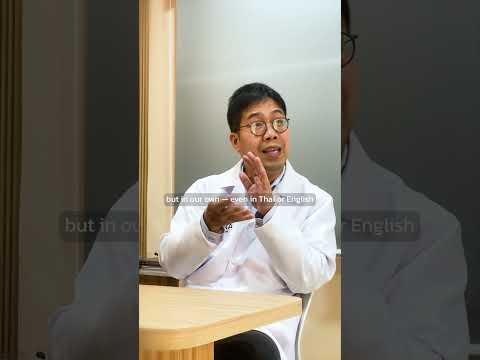
About this video: Many individuals spend hours commuting every day, unaware that prolonged sitting behind the wheel can directly cause joint wear-and-tear. In this educational breakdown, a medical expert explains the hidden mechanical stresses that driving places on our joints and details how Stem Cell Therapy for Knee Pain in Bangkok Thailand is helping patients reverse cartilage deterioration without resorting to highly invasive orthopedic procedures.
By understanding why the joints naturally struggle to heal on their own, patients can make highly informed decisions regarding advanced clinical options. Watch to see firsthand how targeting structural damage at a cellular level provides a powerful pathway toward long-term joint health, allowing you to return to the road completely pain-free.
Video Chapters & Quick Navigation
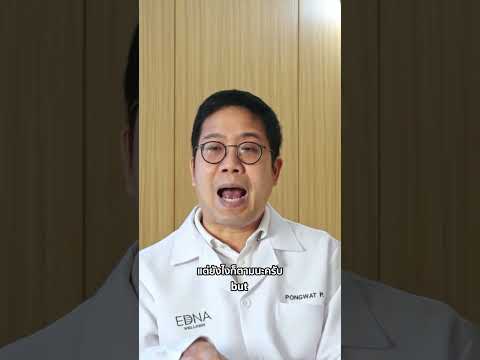
Long-distance driving and daily traffic gridlocks do more than just cause mental frustration; they force our bodies into stationary positions that place extreme mechanical stress on our lower joints. While we often blame heavy lifting or sports injuries for joint deterioration, the quiet, constant compression of sitting with bent knees is a massive, leading cause of chronic discomfort. Experiencing persistent aches after a long commute is more than just standard fatigue—as the physician confirms in the video, [00:00:03] there is a direct biological explanation for why your knees react negatively to extended road travel.
The Mechanical Bio-Physics of Driving and Joint Strain
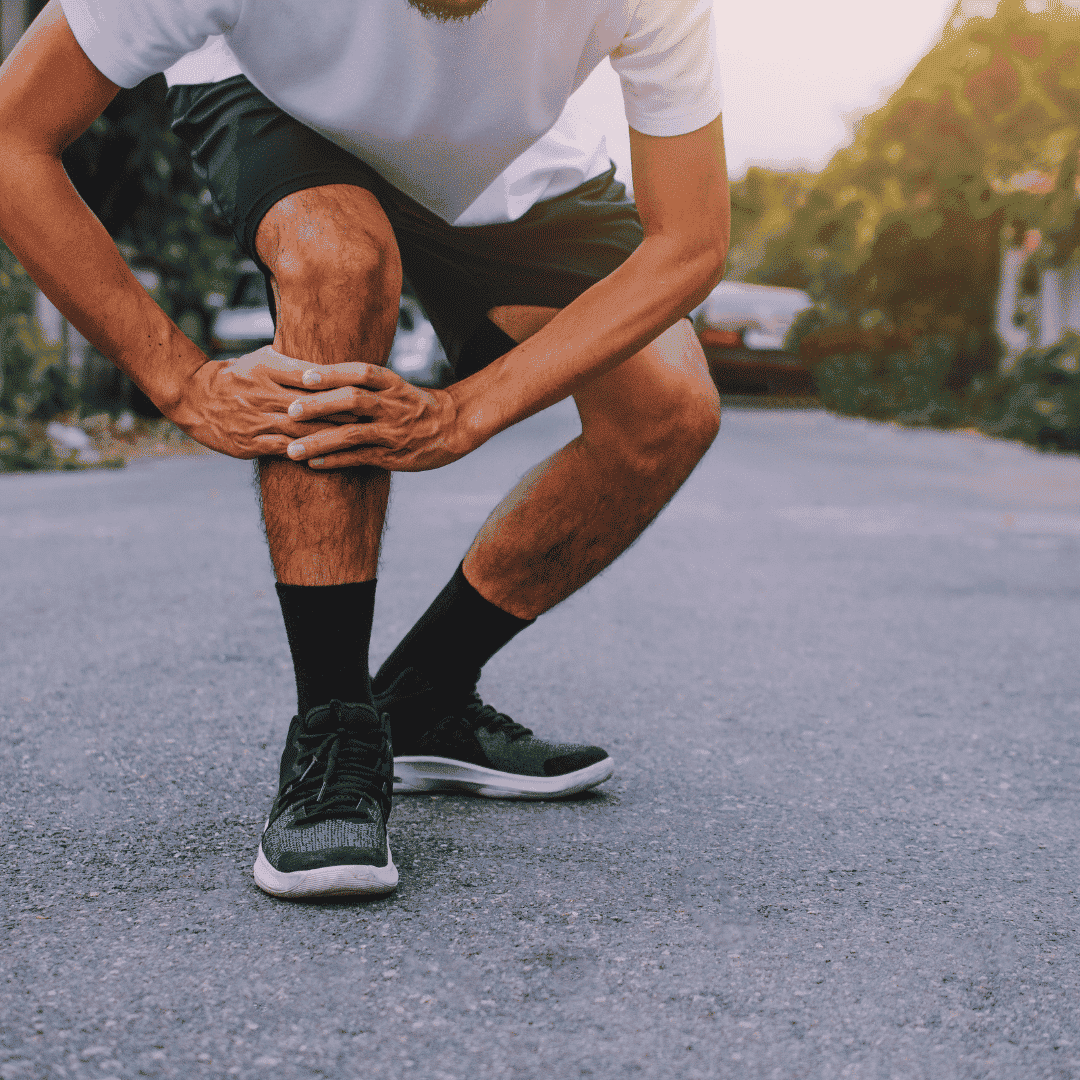
When you sit in a driver's seat for an extended period, your lower limbs remain in a continuously flexed position. This prolonged bending forces the thigh muscles to tighten up and continually pull on the patella, or kneecap, dragging it backward with a significant amount of force. As detailed by the doctor, [00:00:06] keeping the knees bent for long periods creates constant patellofemoral pressure, pressing the kneecap heavily against the underlying thigh bone.
Under normal, active conditions, joint fluid lubricates the surfaces smoothly during movement, but static compression cuts off this balance. When this deep, internal pressure remains unchecked over weeks and months, [00:00:14] the protective cartilage tissue becomes heavily inflamed, irritated, and worn down, creating continuous friction that inevitably leads to chronic knee pain. For drivers looking for lasting relief without long recovery times, exploring dedicated Joint Pain Therapy in Bangkok Thailand has become a highly popular strategy to stop this degradation early.
The Biological Limitations of Natural Cartilage Recovery
The human body possesses a remarkable ability to repair damaged muscles, skin, and bones, but the articular cartilage covering our joints behaves very differently. While the body tries to initiate self-repair when structural damage is detected, [00:00:23] the joint can regenerate itself, but it does so far less efficiently compared to almost any other organ in the body. This inefficiency often leaves active adults trapped in a continuous cycle of swelling, stiffness, and structural decline.
This healing limitation is due entirely to the fundamental anatomical structure of our joints. Because connective cartilage contains no direct vascular pathways, [00:00:27] it receives significantly fewer vital nutrients and less direct blood supply compared to other tissues. Consequently, [00:00:31] while it can eventually heal on its own, its natural recovery speed is drastically slower than organs that benefit from a rich, continuous blood flow, making external clinical assistance necessary.
How Modern Stem Cell Interventions Target Internal Joint Damage
Advanced cellular medicine completely bypasses the limitations of poor blood supply by introducing powerful healing factors directly where the damage has occurred. When physicians utilize specialized Stem Cell Knee Treatment in Thailand, [00:00:36] they perform an ultra-precise injection directly into the affected joint space under high-definition imaging guidance. This localized delivery method ensures that the therapeutic materials do not disperse thinly throughout the body, but focus their healing power exactly on the worn patellofemoral surfaces.
Once introduced into the joint capsule, these cells utilize the body's native pathways to initiate an intensive reconstruction process. They attach themselves firmly within the synovial fluid of the knee, [00:00:41] where they actively work to repair damaged cartilage matrices and stimulate significantly faster biological regeneration. This rapid cellular action reduces intra-articular friction, prevents bone-on-bone grinding, and restores the natural cushioning needed to sit and move comfortably.
The Necessity of Comprehensive Long-Term Knee Care
Receiving high-quality cellular injections provides a powerful baseline for recovery, but achieving long-term freedom from joint pain requires a multi-layered health strategy. Regenerative therapy does not simply build an indestructible shield around the joint; rather, it triggers an ongoing, active healing process that must be carefully protected. As the physician wisely points out, [00:00:47] even after successful treatment, maintaining proper long-term knee care is still absolutely necessary to achieve optimal clinical results.
To support the newly injected cells as they build new connective tissues, patients must actively adjust the physical habits that caused the wear-and-tear in the first place. Comprehensive physical therapy and proactive lifestyle adjustments are often required, [00:00:51] because if old mechanical stresses are left unchanged, internal joint inflammation may continue and slowly diminish the benefits of your therapy. Incorporating ergonomic driving cushions, performing routine hamstring stretches, and strengthening the surrounding quad muscles are vital to protect your health investment.
Why Patients Choose Advanced Orthopedic Treatment in Thailand
Bangkok has quickly become an undisputed global capital for modern Orthopedic Treatment in Thailand, particularly for active individuals looking to avoid traditional, high-risk joint replacement surgeries. Leading medical facilities in Bangkok utilize elite, GMP-certified cellular components that contain exceptionally high concentrations of pristine Mesenchymal Stem Cells (MSCs). This superior biomedical quality, combined with highly experienced, surgeon-led medical teams, guarantees a world-class level of clinical care that is often unavailable locally.
Because structural degeneration is an ongoing biological process, maintaining peak joint vitality over time often involves an organized care schedule rather than a single, isolated visit. For individuals dealing with severe wear-and-tear or demanding daily driving schedules, [00:00:56] clinics typically recommend clinical booster injections every 6 months to maintain maximum cartilage density and stop recurring inflammation. This regular care program ensures that your joint cushioning stays consistently thick, healthy, and resilient against everyday physical strain.
Understanding the Post-Injection Activity and Recovery Timeline
One of the greatest benefits of choosing non-surgical cellular medicine over traditional open orthopedic surgery is the near-total elimination of agonizing, months-long downtime. However, because the newly introduced cells require a stable environment to successfully bind to the cartilage matrix, the initial post-injection phase must be carefully managed. Doctors advise that during the critical first month following your procedure, [00:00:59] daily physical activity should be slightly limited to prevent excessive mechanical shearing inside the joint capsule.
This temporary limitation does not mean you are confined to a bed or forced to miss work; rather, it focuses on avoiding extreme joint stress while allowing regular, light movements. The recovery protocol does not restrict basic, everyday actions—essential movements like climbing stairs, standard driving, and desk work are perfectly fine to continue, [00:01:03] but heavy joint impacts should be carefully reduced and avoided whenever possible. This balanced approach allows international patients to return home quickly and resume their lives while their joints heal rapidly from the inside out.
Affordable Medical Tourism and High-Value Joint Rehabilitation
Seeking out advanced cellular procedures in Western countries can often feel like a financial impossibility, as insurance companies routinely label modern regenerative therapies as optional, out-of-pocket expenses. This financial barrier forces many individuals to rely on short-term steroid shots or prescription painkillers that simply mask pain while the underlying cartilage continues to break down.
By shifting their care to Bangkok, patients can access world-class Stem Cell Therapy for Knee Pain in Bangkok Thailand at a small fraction of Western clinical pricing. This exceptional affordability allows individuals to easily fund comprehensive, multi-injection care packages, dedicated physical therapy, and premium medical support without any financial strain.
The financial benefits extend far beyond the clinical procedures themselves. The lower cost of running premium medical centers in Thailand means that patients receive personalized, one-on-one attention from board-certified orthopedic specialists, luxury private recovery suites, and comprehensive diagnostics that offer an incredible return on your health investment.
Complete Diagnostic Clarity and All-Inclusive Clinical Packages
Top-rated destination clinics in Thailand build complete trust with international travelers by maintaining absolute, upfront financial transparency throughout your medical stay. Before you ever board a flight to Bangkok, your medical itinerary is explicitly detailed, listing the precise cellular concentrations, injection protocols, and planned imaging reviews.
This ethical, patient-centric approach ensures you are never hit with unexpected fees for laboratory processing or post-treatment checkups. Knowing your exact financial commitment allows you to travel in complete comfort, turning your medical trip into a relaxing, stress-free wellness vacation focused entirely on renewing your joint health and mobility.
| Degeneration Factor | Mechanical Impact on Knee | Cellular Treatment Benefit |
|---|---|---|
| Prolonged Sitting & Driving | Tightened muscles continuously pull the patella backward, creating high static compression. | Reduces deep intra-articular inflammation and protects the patellofemoral surface. |
| Poor Blood Flow | Cartilage contains no direct blood vessels, leaving it with fewer vital nutrients for self-repair. | Delivers active biological healing factors directly into the poor-vascular joint space. |
| Continuous Cartilage Friction | Worn-down tissues create bone-on-bone friction, leading to severe pain and limited daily mobility. | Rebuilds synovial fluid quality and stimulates rapid, natural cartilage regeneration. |
Combining Joint Restoration with a Revitalizing Thai Vacation
Because advanced regenerative procedures are entirely non-surgical, your body is never forced to spend weeks recovering from deep muscular cuts or painful structural realignments. This major advantage allows international patients to easily combine their clinical sessions with a deeply relaxing, luxury vacation exploring the stunning, peaceful landscapes of Thailand.
True long-term healing requires both targeted physical treatment and deep mental relaxation to naturally lower systemic cortisol levels and maximize cell survival. Restoring your joint health while surrounded by Thailand's world-renowned hospitality, serene resort environments, and clean organic cuisine provides the ultimate backdrop for total body rejuvenation, ensuring you return home feeling completely vibrant, active, and fully ready for the road ahead.
Ready to Eliminate Knee Pain and Drive Pain-Free?
PlacidWay Medical Tourism connects you directly with top-tier orthopedic specialists and state-of-the-art regenerative centers in Bangkok, Thailand. Reclaim your active lifestyle and repair your joints with advanced Stem Cell Knee Treatment in Thailand protocols customized precisely for your long-term recovery.
GET A FREE QUOTEView Full Video Transcript
[00:00:03] Yes, there is an explanation for this.
[00:00:06] If we imagine sitting and driving for a long time, our knees stay bent continuously. When the knee stays bent for a long period,
[00:00:10] the muscles pull on the kneecap, pressing it against the thigh bone.
[00:00:14] When this pressure continues for a long time, the cartilage can become inflamed and irritated. This friction can eventually lead to knee pain.
[00:00:23] Normally, the knee can regenerate itself, but less efficiently compared to other organs.
[00:00:27] This is because cartilage receives fewer nutrients and less blood supply compared to other tissues.
[00:00:31] So while it can heal, its recovery is slower than organs with rich blood flow.
[00:00:36] In general, when we use stem cells for the knee, we inject them directly into the knee joint.
[00:00:41] They are placed into the synovial fluid of the knee, where they help repair cartilage and stimulate faster regeneration.
[00:00:47] However, even after stem cell treatment, proper knee care is still necessary.
[00:00:51] Physical therapy and lifestyle adjustments may be needed, otherwise inflammation may continue.
[00:00:56] Typically, injections are recommended every 6 months.
[00:00:59] After the injection, during the first month, activity should be limited slightly.
[00:01:03] Not heavy activities—stairs, driving, and work may still be done, but should be reduced and avoided when possible.







.png)

.png)



.png)










Share this listing