
.png)
Contents
For families exploring stem cell therapy for autism, the search often begins with a simple question: “Are there other options we should understand?” Behind that question are years of appointments, therapies, research, and the hope of finding additional support for a child's development and quality of life.
Thailand is one destination considered by international families researching regenerative medicine options. Parents from different countries may explore treatment abroad because they are looking for additional medical opinions, access to emerging therapies, or options that may not be available through their local healthcare system. However, stem cell therapy for autism remains an evolving area of research, and families should carefully evaluate scientific evidence, treatment suitability, provider credentials, and regulatory information before making decisions.
The starting cost for stem cell therapy for autism in Thailand is approximately $4,500, although the final cost depends on the treatment approach, medical evaluation, provider, and services included. When comparing options, families should look beyond price and review factors such as physician qualifications, facility licensing, laboratory standards, and follow-up planning.
The options below are designed to help families compare available treatment packages, providers, and information so they can better understand which factors matter most when considering international care.
When comparing packages, families should consider what is included, what may require additional payment, and whether the treatment plan begins with an appropriate medical assessment.
Compare the available packages below to understand differences in cost, inclusions, treatment details, and provider options before deciding which choice may fit your family's situation.

Price starting from $12,200
Stem Cell Treatment for Autism Package in Bangkok, Thailand by Vega Clinic
Vega Stem Cell Clinic in Bangkok Thailand
- Stem Cell Therapy
Bangkok, Thailand
Price starting from $9,850
Autism Stem Cell Therapy Program in Bangkok, Thailand by EDNA Wellness
EDNA Wellness - Surgeon-Led Stem Cell Clinic in Bangkok Thailand
- Stem Cell Therapy
Bangkok, Thailand
The cost of stem cell therapy for autism in Thailand can vary depending on the medical approach, number of procedures, required evaluations, and services included. A starting price of around $4,500 can help families understand the initial financial range, but the complete treatment cost should be reviewed together with medical and travel requirements.
Stem Cell Treatment for Autism Centers Cost Comparison in Thailand
| Provider | Procedure | Price |
|---|---|---|
| Vega Stem Cell Clinic in Bangkok Thailand | Stem Cell Treatment for Autism, Stem Cell Therapy | $12200 |
Stem Cell Treatment for Autism Cost Comparison in Thailand
| Country | Procedure | Price |
|---|---|---|
| Switzerland | Stem Cell Treatment for Autism, Stem Cell Therapy | $23000 |
| United States | Stem Cell Treatment for Autism, Stem Cell Therapy | $25000 |
| Canada | Stem Cell Treatment for Autism, Stem Cell Therapy | $15000 |
Finding a treatment center abroad requires more than comparing locations or package prices. Families should understand who provides the treatment, how the medical team evaluates patients, and whether the facility follows appropriate healthcare standards.
When reviewing stem cell therapy centers in Thailand, families may want to verify:
- Medical licenses and registration details of the facility and physicians
- Relevant experience of doctors involved in patient evaluation
- Laboratory processing standards and quality controls
- How treatment eligibility is determined
- Communication and follow-up arrangements after returning home
The centers listed above can be compared based on these decision factors rather than location or cost alone.
Vega Stem Cell Clinic in Bangkok Thailand
Bangkok, Thailand
EDNA Wellness - Surgeon-Led Stem Cell Clinic in Bangkok Thailand
Bangkok, Thailand
Videos can help families understand how treatment providers explain the medical process, patient preparation, and practical aspects of traveling for care. They can be useful during research, but they should be considered alongside medical consultations and independent evaluation.
When reviewing educational videos, families should look for clear explanations of treatment steps, possible limitations, patient selection criteria, and realistic expectations rather than only outcome-focused messages.
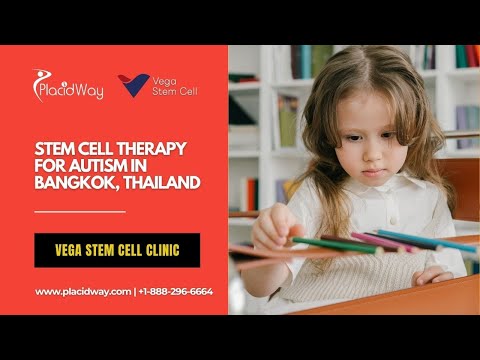
Personal experiences can help families understand what international treatment may involve, including travel planning, communication, and the overall patient journey. However, one family's experience cannot predict another child's outcome because autism spectrum disorder and individual medical situations vary widely.
When reading reviews, families should look for details about the decision-making process, medical evaluation, treatment preparation, and follow-up experience instead of relying only on reported results.

Is stem cell therapy for autism available in Thailand?
Some medical providers in Thailand offer stem cell-based treatments for families exploring autism-related care. However, stem cell therapy for autism remains an evolving area of research, and families should carefully review current evidence, treatment details, and medical suitability before proceeding.
How much does stem cell therapy for autism cost in Thailand?
The starting cost for stem cell therapy for autism in Thailand may begin around $4,500. The final cost depends on factors such as medical evaluation, treatment approach, provider, number of procedures, and additional travel-related requirements.
Is stem cell therapy a cure for autism?
Stem cell therapy is not considered a cure for autism. Autism spectrum disorder is a complex developmental condition, and families should be cautious of providers making guarantees about outcomes. Treatment decisions should be based on medical guidance and available evidence.
What should parents ask before choosing a stem cell clinic in Thailand?
Parents should ask about physician qualifications, treatment protocols, eligibility criteria, laboratory standards, possible risks, costs, and how follow-up care will be managed after returning home.
How long do families stay in Thailand for stem cell therapy?
The length of stay varies depending on the provider's evaluation process and treatment plan. Families should confirm the expected timeline before arranging flights and accommodation.
What medical records are needed before traveling to Thailand for autism stem cell therapy?
Providers may request medical records such as diagnosis reports, previous therapy information, medical history, medication details, and developmental assessments. Requirements vary between providers.
How do families compare stem cell therapy providers in Thailand?
Families can compare providers by reviewing medical credentials, facility information, treatment explanations, regulatory details, costs, and follow-up plans rather than choosing only based on price.
Are there risks associated with stem cell therapy for autism?
Like other medical procedures, stem cell therapy may involve risks. Families should discuss possible complications, limitations, and safety considerations with qualified healthcare professionals before treatment.
Why do families from other countries consider Thailand for stem cell therapy?
Some families explore Thailand because they are researching international healthcare options, seeking additional opinions, or looking into regenerative medicine approaches available outside their home country.
Can every child with autism receive stem cell therapy in Thailand?
No. Eligibility depends on individual medical factors, health history, evaluation results, and the provider's assessment process. A medical consultation is required before determining whether treatment may be appropriate.
How Much Does Stem Cell Treatment for Autism in Thailand
The estimated cost for stem cell treatment for autism in Thailand typically ranges from $8,000 to $25,000. Prices vary based on the number of stem cell infusions, the type of cells used, and whether additional supportive therapies are included. For many parents exploring alternative and investigational therapies for Autism Spectrum Disorder (ASD), regenerative medicine frequently comes up in research. Understanding the stem cell treatment for autism cost in Thailand is often one of the first steps for families considering traveling abroad for care. Because this procedure is still undergoing clinical trials and is not approved as a standard treatment by major health authorities like the FDA, traditional insurance does not cover it. Key Takeaways Cost estimates range from $8,000 to $25,000, depending on the specific medical protocol. Stem cell therapy for autism remains experimental and is not a recognized cure. Mesenchymal stem cells (MSCs) from umbilical cord tissue are the most commonly utilized cells. Treatment packages often require a 10- to 14-day stay in the country. Careful medical screening by a qualified physician is required to determine if a patient is eligible. What is the estimated stem cell treatment for autism cost in Thailand? Families should expect to budget between $8,000 and $25,000 for the medical procedure itself. These figures are estimates and can fluctuate based on the specific clinic and the complexity of the child's treatment plan. When looking at the financial aspect of this investigational therapy, it helps to understand what the price tag usually covers. The lower end of the spectrum, around $8,000 to $10,000, typically accounts for a basic protocol involving a lower cell count and fewer infusions. This might be suitable for families looking for an introductory protocol, provided the medical team deems it appropriate. On the higher end, packages reaching $20,000 to $25,000 usually include multiple infusions of highly concentrated stem cells over a longer period. These comprehensive packages at a specialized stem cell treatment for autism clinic in Thailand may also bundle complementary treatments such as Hyperbaric Oxygen Therapy (HBOT), specialized nutrition consultations, and targeted occupational therapy sessions during the stay. Treatment Tier Estimated Cost Range Typical Inclusions Basic Protocol $8,000 - $12,000 Initial consultation, 1-2 infusions, standard blood tests. Comprehensive Protocol $15,000 - $25,000+ Multiple infusions, HBOT, occupational therapy, extended monitoring. What factors influence the price of this therapy? The primary cost drivers include the quantity and source of the stem cells, laboratory culturing fees, facility utilization, and any additional rehabilitative therapies added to the protocol. Not all regenerative medicine protocols are identical, which explains the wide variation in pricing. When you request a quote, the medical team builds an estimate based on several specific variables: Cell Quantity: Dosages are often calculated based on the child's body weight. A higher volume of millions of cells requires more extensive laboratory preparation, increasing the price. Method of Administration: While intravenous (IV) drips are common, some protocols call for intrathecal injections (into the spinal canal). The latter requires a specialized anesthesiologist and an operating room environment, adding to the expense. Complementary Therapies: Many clinics incorporate transcranial magnetic stimulation (TMS), physical therapy, or hyperbaric oxygen therapy to support the primary treatment. Facility Accreditation: Clinics that maintain international laboratory standards and employ board-certified specialists often have higher operational costs, which reflect in their pricing. How does stem cell treatment for autism in Thailand work? The procedure involves introducing specialized cells into the body via IV drip or spinal injection, with the theoretical goal of reducing systemic inflammation and modulating the immune system. Researchers theorize that some individuals with autism spectrum disorder may experience immune dysregulation and neuroinflammation. The investigational use of stem cells—specifically mesenchymal stem cells—is based on their observed immunomodulatory properties. Scientists are studying whether these cells can help calm inflammatory responses in the body. During the actual procedure, the child is first thoroughly evaluated. Once cleared, the cultivated cells are thawed and prepared in a sterile laboratory setting. Depending on the physician's assessment, the cells are then administered to the child in a monitored clinical room. The administration itself usually takes just a few hours, but the patient must remain under observation to monitor for any immediate adverse reactions, such as fever or allergic responses. Is stem cell therapy a recognized cure for autism? No. Stem cell therapy is not a cure for autism. Major health organizations classify this treatment as experimental, and clinical evidence regarding its long-term effectiveness remains inconclusive. It is vital to approach this topic with realistic expectations and caution. Currently, there is no known medical cure for autism spectrum disorder. The U.S. Food and Drug Administration (FDA) and other major global regulatory bodies have not approved stem cell therapy as a safe or effective treatment for ASD. While some early-stage clinical trials have shown marginal improvements in certain behavioral scores, these studies are often small, and the results vary significantly from patient to patient. Some families report noticing better eye contact, improved sleep, or minor developments in speech, but others report no changes at all. Parents should consult deeply with their child's primary pediatric neurologist before deciding to pursue unproven interventions. Important Consideration: Because outcomes cannot be guaranteed, this therapy should never replace foundational evidence-based treatments such as Applied Behavior Analysis (ABA), speech therapy, or occupational therapy. What types of stem cells are typically used? Most clinics utilize Umbilical Cord-derived Mesenchymal Stem Cells (UC-MSCs), which are collected from donated umbilical cord tissue following healthy, full-term births. Mesenchymal stem cells are the preferred choice in these experimental protocols for a few reasons. First, they can be ethically sourced without controversy, as the umbilical cord is usually discarded after birth. Mothers undergo strict health screenings before the donation is accepted. Secondly, UC-MSCs are considered immunoprivileged. This means they are less likely to trigger a rejection response in the patient's body compared to other biological materials, reducing the need for immunosuppressive medications. Once collected, these cells are expanded in a highly regulated laboratory until they reach the required volume for the prescribed treatment dose. Who is considered a suitable candidate for this treatment? Candidacy is determined through strict medical screening. Generally, children must be over a certain age (often 2-3 years old) and free from severe active infections, seizure disorders, or other contraindicating medical conditions. Not every child with an autism diagnosis will be accepted for treatment. Reputable facilities require extensive medical records, including recent blood work, neurological reports, and detailed behavioral assessments, before extending an invitation for treatment. During the screening process, doctors look for underlying health issues that could make the procedure unsafe. For example, children with active viral infections, severe uncontrolled epilepsy, or specific genetic syndromes may be disqualified. The medical team's primary responsibility is to ensure that the experimental intervention does not pose an undue risk to the patient's immediate health. What are the potential risks and side effects? Risks include mild side effects like low-grade fever, fatigue, and localized pain, as well as more serious risks such as infection, adverse immune reactions, or complications from anesthesia if used. Every medical procedure carries inherent risks, and experimental therapies require even more careful consideration. The most commonly reported side effects following a stem cell infusion are mild and temporary. A child might experience a slight fever, lethargy, or minor bruising at the injection site for 24 to 48 hours after the procedure. However, there are more significant risks that parents must discuss with a doctor. If the laboratory standards are poor, there is a risk of bacterial contamination leading to serious infections. If the protocol requires intrathecal administration (spinal injection), there are added risks associated with spinal taps, such as severe headaches, nerve damage, or bleeding. Understanding these risks is crucial when evaluating a facility abroad. What should parents expect during a visit to a clinic in Thailand? Families should prepare for a comprehensive 10- to 14-day itinerary involving initial consultations, laboratory tests, the main infusion days, and structured follow-up monitoring before departure. Traveling for medical care requires logistical planning. Upon arriving at a specialized facility, the first few days are typically dedicated to in-person evaluations. The medical team will draw blood, review the child’s vitals, and conduct behavioral assessments to establish a baseline. The actual treatment is usually spread across several days to avoid overwhelming the child's system. On infusion days, the child rests in a comfortable, child-friendly clinical room while the cells are administered. Between these sessions, the clinic may schedule occupational therapy or nutritional counseling. The final days of the trip are strictly for monitoring to ensure the child is stable and healthy enough to handle a long international flight home. Why do families travel for medical tourism in Thailand for this procedure? Thailand combines a regulatory framework that permits certain regenerative therapies with internationally accredited private hospitals, modern laboratories, and lower overall medical costs compared to Western countries. Medical tourism in Thailand has grown significantly over the last two decades. The country is home to numerous private healthcare facilities that cater specifically to international patients. When it comes to regenerative medicine, Thailand’s medical authorities allow for clinical applications of stem cells under specific guidelines, providing access to therapies that are heavily restricted or entirely unavailable in places like the United States or the European Union. Furthermore, the cost of healthcare operations in Southeast Asia is generally lower. This allows clinics to offer comprehensive packages—including extensive laboratory work and multi-disciplinary therapies—at a fraction of what similar experimental procedures might cost in North America, assuming they were available. What alternative or complementary therapies are usually combined with stem cells? Facilities often incorporate Hyperbaric Oxygen Therapy (HBOT), specialized diets, occupational therapy, and transcranial magnetic stimulation (TMS) to support the child's overall development during the stay. Many doctors who administer stem cells advocate for a holistic approach to autism management. They suggest that stem cells alone are not enough to encourage developmental progress. Therefore, a comprehensive package might include daily sessions of Hyperbaric Oxygen Therapy, where the child breathes pure oxygen in a pressurized chamber. Practitioners theorize this may help deliver more oxygen to the brain and tissues. Additionally, the medical team may work with parents on implementing dietary changes—such as gluten-free or casein-free diets—and provide guidance on behavioral strategies. It is essential to remember that once the family returns home, maintaining consistency with local occupational, speech, and behavioral therapists is critical for the child's ongoing support. Why Choose PlacidWay for Medical Tourism in Thailand? Navigating international healthcare options can be complex. PlacidWay serves as an educational platform to help patients gather information about global medical providers. Extensive Provider Network: PlacidWay connects patients with internationally recognized medical facilities and specialists in Thailand. Detailed Clinic Profiles: The platform provides access to information regarding clinic credentials, laboratory standards, and the medical backgrounds of attending physicians. Transparent Cost Estimates: Patients can request and compare detailed pricing structures to understand what is included in various treatment packages. Patient Testimonials: Families can read reviews and shared experiences from other individuals who have previously visited these overseas facilities. Direct Communication: PlacidWay facilitates initial contact between the patient and the international healthcare provider for personalized medical assessments. Frequently Asked Questions How long do families typically need to stay in Thailand for the treatment? Most clinical protocols require patients to stay in Thailand for 10 to 14 days. This timeframe allows for initial medical consultations, blood tests, the administration of the stem cells over several days, and post-procedure monitoring before flying home. Are the stem cells used in Thailand ethically sourced? Reputable facilities source mesenchymal stem cells from voluntarily donated umbilical cord tissue after healthy, full-term deliveries. Ethical clinics provide transparent documentation regarding their tissue sourcing, screening processes, and laboratory cultivation methods. Can my child stop taking their current autism medications after therapy? No. You should never alter or stop your child's prescribed medications without explicit instructions from their primary pediatrician or neurologist. Stem cell therapy is experimental and is not a replacement for standard pharmacological or behavioral interventions. Do health insurance companies cover stem cell therapy for autism? Because stem cell therapy for autism spectrum disorder is currently classified as investigational and is not approved by major regulatory bodies like the FDA, traditional health insurance providers do not cover the cost of the procedure or associated travel. What is the difference between IV and intrathecal administration? Intravenous (IV) administration delivers stem cells directly into the bloodstream through a vein. Intrathecal administration involves injecting the cells into the spinal canal to bypass the blood-brain barrier, which some researchers believe may be more effective for neurological conditions, though it carries higher risks. How soon might parents notice changes after the procedure? If any changes occur, they vary widely among patients. Some families report observing subtle shifts in behavior, sleep patterns, or focus within a few weeks to several months. However, many patients show no noticeable changes, as outcomes are unpredictable. Are there age restrictions for children receiving stem cells in Thailand? Eligibility depends on the specific clinic's protocol. Many facilities require patients to be at least two or three years old, while others evaluate candidacy on a case-by-case basis depending on the child's weight, overall health, and medical history. What makes Thailand different from other destinations for this therapy? Thailand has positioned itself as a global hub for medical tourism, offering modern private hospitals and specialized regenerative medicine clinics. The country permits certain stem cell procedures that are restricted elsewhere, combined with lower overall medical and travel costs. Will my child need multiple stem cell treatment sessions? Some protocols involve a single visit with multiple infusions over a week, while others recommend returning for subsequent treatments after six to twelve months. The proposed treatment plan depends entirely on the initial medical assessment and the clinic's specific approach. How do clinics in Thailand screen the stem cells for safety? Regulated laboratories screen donated tissue for infectious diseases, including HIV, Hepatitis B and C, and Syphilis. The cultured cells are also tested for sterility, viability, and endotoxins before being cleared for patient use. Always request to see this documentation. Request Treatment Information Explore your options, compare estimated costs, and gather more details about regenerative medicine facilities in Thailand. Connect with specialized providers to see if this approach aligns with your family's needs. Compare Treatment Options References FDA Warns About Stem Cell Therapies – U.S. Food and Drug Administration Clinical Trials for Autism and Stem Cells – ClinicalTrials.gov Patient Handbook on Stem Cell Therapies – International Society for Stem Cell Research (ISSCR) Treatment and Intervention Services for Autism Spectrum Disorder – Centers for Disease Control and Prevention (CDC) Mesenchymal stem cell therapy for autism spectrum disorders – PubMed / National Institutes of Health Stance on Interventions and Treatments – Autism Science Foundation Medical Disclaimer: The information provided in this article is for educational and informational purposes only and does not constitute medical advice. Stem cell treatment for Autism Spectrum Disorder is currently considered experimental and investigational, and it is not approved as a cure or standard treatment by the FDA or other major international health regulatory bodies. Outcomes vary significantly, and the treatment carries potential risks. Always consult with a qualified pediatric neurologist or primary care physician before pursuing any experimental therapies or altering an existing treatment plan. The costs, recovery times, and medical protocols mentioned are estimates and may vary by patient and facility.
Can Stem Cell Therapy Help Children with Autism in Thailand?
Stem cell therapy for autism in Thailand is an investigational approach aimed at reducing inflammation and supporting brain function. While some parents report improvements, it is not a cure and outcomes vary. Thorough medical evaluation is essential. Autism Spectrum Disorder (ASD) is a complex neurodevelopmental condition that affects communication, behavior, and social interaction. For many families, standard treatments like speech therapy, occupational therapy, and behavioral interventions provide the foundation for supporting their child's development. However, some parents also explore emerging, investigational treatments in hopes of addressing the underlying biological factors associated with ASD. In recent years, exploring stem cell therapy for autism in Thailand has become a notable path for international patients. Thailand has developed a robust medical infrastructure that attracts patients from around the world. While this therapy is still considered experimental by major global health organizations, it is crucial for parents to have clear, objective, and medically grounded information to understand what the process entails, the associated costs, the potential risks, and the reality of medical travel. Key Takeaways Investigational Status: Stem cell therapy is not a recognized cure for autism; it is an experimental treatment requiring careful consideration. Cell Types: Most treatments utilize Mesenchymal Stem Cells (MSCs) sourced from ethically donated umbilical cord tissue. Cost Estimates: Prices generally range from $15,000 to $30,000, depending on the facility, cell count, and required supportive therapies. Multidisciplinary Care: Stem cell therapy does not replace traditional therapies; behavioral and occupational interventions must continue back home. Medical Tourism: Thailand offers modern facilities, but parents must strictly vet clinics for safety, GMP-certified labs, and pediatric expertise. How does stem cell therapy for autism work biologically? The therapy typically uses Mesenchymal Stem Cells (MSCs) which are believed to have immunomodulatory properties that may help reduce neuroinflammation and promote tissue repair in the brain. The core theory behind using stem cells for autism focuses on addressing systemic inflammation and immune system dysregulation, which some researchers believe play a role in the development and severity of ASD symptoms. Mesenchymal stem cells are frequently used because they secrete specific proteins and growth factors. Instead of transforming directly into brain cells, these MSCs act as managers that signal the body's natural repair mechanisms. Medical researchers hypothesize that these cells can improve blood flow to the brain (angiogenesis) and modulate the immune system to lower inflammatory markers. By potentially creating a healthier cellular environment in the nervous system, the hope is that the child's brain can form better neural connections. However, the exact mechanisms are still being studied in clinical trials globally, and the medical community has not yet reached a consensus on its overall efficacy. What makes Thailand a common destination for this investigational treatment? Thailand combines highly advanced medical infrastructure, internationally accredited healthcare facilities, and a regulatory framework that permits certain specialized clinics to offer experimental regenerative therapies. Over the past two decades, participating in medical tourism in Thailand has become increasingly common for various specialized procedures. The country is home to numerous hospitals and clinics accredited by the Joint Commission International (JCI), which signifies adherence to strict global healthcare and safety standards. For regenerative medicine, Thailand features modern laboratories equipped with Good Manufacturing Practice (GMP) certifications. Additionally, medical facilities catering to international patients usually offer comprehensive support services. This includes dedicated international patient departments, medical translators, and logistical support for families traveling with children who have special needs. The combination of advanced technology, specialized pediatric neurologists, and a culture of hospitality makes the country appealing to parents seeking alternative healthcare options. What is the typical stem cell therapy for autism cost in Thailand? The total expense generally ranges from $15,000 to $30,000 USD, depending heavily on the prescribed cell dosage, the specific facility, and included complementary therapies. Determining the exact stem cell therapy for autism cost in Thailand requires a personalized medical review, as treatment protocols are tailored to the child's age, weight, and medical profile. While the price is a significant out-of-pocket investment—especially since health insurance policies typically do not cover experimental treatments—it is often lower than similar investigational procedures offered in North America or parts of Europe. Treatment Component Estimated Cost Range (USD) Initial Medical Consultation & Testing $500 - $1,500 Stem Cell Harvesting & Culturing (per dose) $10,000 - $25,000 Supportive Therapies (Hyperbaric oxygen, nutrition) $1,000 - $3,000 Estimated Total Procedure Cost $15,000 - $30,000+ *Note: These are estimates. Travel, accommodation, and post-care costs are not included in these figures. How are the stem cells administered to children in Thai clinics? Administration is most commonly performed via intravenous (IV) infusion or, in some specific clinical protocols, through an intrathecal injection (lumbar puncture) to cross the blood-brain barrier. The method of delivery is determined by the medical team based on the child's overall health and the specific treatment protocol of the facility. An intravenous (IV) drip is the most common and least invasive method. The cells are slowly introduced into the bloodstream, where they can travel throughout the body to target areas of inflammation. In certain cases, specialists may recommend an intrathecal injection, where the cells are introduced directly into the spinal canal. This method is utilized in hopes of allowing the cells to bypass the blood-brain barrier directly. Because children with autism can experience severe sensory overload or anxiety during medical procedures, facilities often use mild sedation administered and monitored by a board-certified pediatric anesthesiologist to ensure the child remains comfortable and safe. What types of behavioral improvements do parents often look for? Parents and researchers typically monitor changes in hyperactivity, eye contact, sleep patterns, and expressive language, though it is important to understand that results vary widely among patients. Following the therapy, clinical teams often use standardized assessment tools, such as the Childhood Autism Rating Scale (CARS) or the Autism Treatment Evaluation Checklist (ATEC), to objectively track changes. Anecdotally, some parents report noticing a reduction in aggressive or repetitive behaviors and an improved ability to focus on tasks. Others note gradual improvements in social engagement, such as sustained eye contact or a willingness to participate in interactive play. However, expectations must be carefully managed. Medical professionals emphasize that stem cell therapy is not a definitive cure, and a notable percentage of children may show minimal to no behavioral changes post-treatment. Is stem cell therapy for autism safe, and what are the risks? While MSC treatments are generally well-tolerated, all medical procedures carry risks including infection, immune reactions, and complications from sedation. Extensive long-term safety data for ASD is still being gathered. Patient safety is the most critical consideration. Common, mild side effects immediately following the procedure may include a low-grade fever, fatigue, or localized pain at the injection site. These typically resolve within a few days under medical supervision. However, more serious risks exist, particularly if the treatment is performed in an unregulated facility. Risks include bacterial infections, improper cell handling leading to contamination, or adverse immune responses. Major health organizations, including the FDA and the International Society for Stem Cell Research (ISSCR), warn against unproven therapies. Therefore, thorough medical screening prior to treatment is mandatory to rule out contraindications such as underlying genetic disorders or severe immune deficiencies. How should parents evaluate a stem cell therapy for autism clinic in Thailand? Parents must strictly verify facility accreditations, laboratory GMP certifications, the credentials of the pediatric specialists, and the transparency of the cell sourcing process. Choosing a safe and reputable stem cell therapy for autism clinic in Thailand requires diligent research. Do not rely solely on marketing materials. You should request detailed information regarding where the clinic sources its stem cells and ask for proof of rigorous communicable disease testing on the donor tissues. Laboratory Standards: Ensure the facility uses a GMP (Good Manufacturing Practice) certified laboratory for culturing cells. Medical Team: The team should include board-certified pediatric neurologists, pediatricians, and specialized anesthesiologists. Ethical Transparency: Reputable clinics will clearly explain the risks, offer realistic expectations, and refuse to promise a "cure." Pre-Screening: Safe facilities require extensive medical records and current blood panels before accepting a patient for travel. Who is considered a potential candidate for this procedure? Candidates are typically children with a formal ASD diagnosis who have been cleared through extensive medical screening to ensure they have no active infections, autoimmune conditions, or severe contraindications. Not every child with autism is a suitable candidate for stem cell therapy. Facilities generally require a confirmed diagnosis of ASD from a licensed pediatric neurologist or psychiatrist. Additionally, many clinics have specific age protocols, often treating children who are at least two or three years old, ensuring that baseline early-intervention therapies have already been established. A rigorous pre-evaluation process involves reviewing the child's complete medical history, allergy profiles, EEG results, and recent bloodwork. Children with concurrent severe medical conditions, certain genetic anomalies, or acute infections are usually disqualified from receiving the treatment to prevent adverse health events. How long do patients need to stay in Thailand for the treatment? Families should plan for a stay of approximately 7 to 14 days to allow for acclimatization, pre-procedure testing, the treatment phase, and a mandatory post-care observation period. Medical travel with a child on the autism spectrum requires careful logistical planning. Upon arrival, children need a few days to adjust to the new environment and time zone to minimize stress. During this initial period, the medical team will conduct in-person physical exams and baseline blood tests. The actual administration of the stem cells usually occurs over one to three days, depending on the dosage protocol. Following the final infusion, clinics require a monitoring period of several days. This observation window ensures the child has no immediate adverse reactions, such as fever or localized infection, and is medically stable before embarking on a long international flight home. Will my child still need standard behavioral therapies back home? Yes. Stem cell therapy is not a replacement for traditional interventions. Continuous engagement in speech, occupational, and ABA therapy is vital to support the child’s ongoing development. A common misconception is that stem cell therapy acts as a standalone solution that rewires the brain independently. In reality, the goal of the treatment is to create a more optimal biological environment within the nervous system. For a child to learn new skills, improve speech, or adapt to social cues, structured educational and behavioral inputs remain essential. Doctors strongly advise parents to maintain all established routines and therapies once they return home. Additionally, parents should maintain open communication with their local primary care pediatrician, informing them of the treatments received abroad so they can accurately monitor the child's long-term health and developmental trajectory. Why Choose PlacidWay for Medical Tourism in Thailand? Navigating international healthcare options can be overwhelming. PlacidWay serves as an educational platform to help patients gather information. Global Access: Provides access to information about specialized clinics and hospitals in Thailand and across the globe. Provider Comparisons: Allows families to compare facility credentials, accreditations, and available treatment protocols in one place. Direct Communication: Facilitates initial contact between patients and international medical teams to ask specific medical questions. Educational Resources: Offers guides, articles, and checklists to help families understand the realities of medical tourism. Informational Support: Focuses on providing transparent facility information without pressuring patients into making immediate medical decisions. Frequently Asked Questions Is stem cell therapy legally approved for autism in Thailand? Stem cell therapy for autism is considered an investigational or experimental treatment in Thailand. While certain clinics are permitted to perform these procedures under specific medical regulations, it is not established as a standard, universally approved cure for autism. Where do Thai clinics source their stem cells? Most reputable clinics use umbilical cord tissue (Wharton’s Jelly) to harvest mesenchymal stem cells (MSCs). These cells are typically screened, processed, and multiplied in regulated Good Manufacturing Practice (GMP) certified laboratories to ensure purity and safety. Do clinics in Thailand use embryonic stem cells for children with autism? No. Ethical and legally compliant medical facilities in Thailand do not use embryonic stem cells. Treatments typically rely on adult stem cells, specifically mesenchymal stem cells derived from donated umbilical cords, which do not carry the same ethical or safety controversies. Will my health insurance cover this treatment in Thailand? Because stem cell therapy for autism is widely classified as an experimental procedure, standard domestic and international health insurance policies typically do not cover the cost of the treatment, travel, or accommodations. Are the results from stem cell therapy permanent? Results can vary significantly from patient to patient. Some parents report sustained behavioral improvements over years, while others notice temporary changes or no changes at all. Ongoing behavioral therapies are essential to maintain and build upon any cognitive gains. How soon might behavioral changes be noticed after returning home? If a child responds to the therapy, parents typically report noticing gradual changes in sleep patterns, eye contact, or hyperactivity between three to six months following the procedure, though outcomes are highly individualized. Can children with severe autism benefit from this therapy? Children across different levels of the autism spectrum have undergone this investigational therapy. However, suitability depends on a comprehensive medical evaluation by a pediatric neurologist to determine if the child is a viable candidate based on their specific medical history. What language services are available for foreign patients in Thailand? Facilities catering to international patients usually employ English-speaking medical staff and provide dedicated translation services for multiple languages to ensure parents fully understand the procedures, consent forms, and medical instructions. Do we need a special medical visa to travel to Thailand for this? Many families enter Thailand on standard tourist visas for short-term stays. However, if the medical observation period requires a longer stay, facilities can often provide documentation to help you apply for a Non-Immigrant Medical Visa (Category O). Are there specific post-care steps required after returning home? Yes. Continuous local follow-up is necessary. Children should resume their standard speech, occupational, and applied behavior analysis (ABA) therapies, and parents should have regular check-ins with their primary pediatrician to monitor development and overall health. Explore Your Treatment Options Connect with accredited medical facilities to gather factual information, compare credentials, and make an informed decision for your family's healthcare needs. Request Treatment Information References Patient Guide to Stem Cell Treatments – International Society for Stem Cell Research (ISSCR) Important Patient Information About Regenerative Medicine Therapies – U.S. Food and Drug Administration (FDA) Ongoing Clinical Trials for ASD and Stem Cells – ClinicalTrials.gov Autism Treatments and Interventions – Autism Science Foundation Mesenchymal Stem Cell Therapy in Autism Spectrum Disorder – Journal of Translational Medicine Treatment and Intervention Services for Autism Spectrum Disorder – Centers for Disease Control and Prevention (CDC) Medical Disclaimer: The information provided in this article is for educational and informational purposes only and does not constitute medical advice, diagnosis, or treatment recommendations. Stem cell therapy for autism is considered investigational and is not recognized globally as a standard cure. Outcomes, risks, and suitability vary by individual. Always consult with a qualified, board-certified pediatric healthcare professional or pediatric neurologist before making any decisions regarding experimental medical treatments or engaging in medical tourism.
Is Stem Cell Therapy for Autism Available in Thailand?
Stem cell therapy for autism in Thailand is a regenerative treatment using mesenchymal stem cells (MSCs) to potentially improve cognitive and behavioral function. Costs typically range from $4,500 to $27,000 depending on the protocol. Autism Spectrum Disorder (ASD) is a complex neurodevelopmental condition that affects communication, behavior, and social interaction. For many families, traditional therapies like speech and occupational therapy provide significant support, but they often look for additional interventions to help their loved ones achieve a better quality of life. This search for answers has led many to explore stem cell therapy for autism in Thailand, a country that has rapidly emerged as a global hub for regenerative medicine and medical tourism. Thailand offers advanced medical facilities, highly trained specialists, and regulations that allow for the safe application of these innovative treatments. If you are asking, "Is stem cell therapy available for autism in Thailand?" the answer is a resounding yes. The country is home to internationally accredited clinics and hospitals that specialize in using umbilical cord-derived mesenchymal stem cells (UC-MSCs) to address the underlying biological factors associated with autism, such as neuroinflammation and immune dysregulation. Unlike some Western nations where regulations strict access to these therapies, Thailand provides a regulated environment where patients can access cutting-edge care under strict medical supervision. Choosing to travel for medical treatment is a significant decision. It involves understanding not just the potential medical benefits, but also the logistics, costs, and safety standards involved. Families often find that the cost of stem cell therapy for autism in Thailand is significantly lower than in countries like the US or Panama, without compromising on the quality of care. In this guide, we will answer the most pressing questions you likely have, from specific pricing and procedure details to success rates and safety protocols, helping you make an informed choice for your family's future. What is stem cell therapy for autism? “Stem cell therapy for autism is a regenerative treatment that introduces healthy stem cells into the body to reduce neuroinflammation, regulate the immune system, and promote the repair of neural connections in the brain.” Stem cell therapy for autism is considered a form of regenerative medicine. The core idea is to use the body's natural repair mechanisms—or introduced cells with similar properties—to address biological issues that may contribute to autism symptoms. Research suggests that many individuals with autism suffer from chronic neuroinflammation (inflammation in the brain) and immune system dysregulation. Stem cells, particularly Mesenchymal Stem Cells (MSCs), are known for their potent anti-inflammatory and immunomodulatory properties. When these cells are administered to a patient, they do not necessarily "become" new brain cells. Instead, they act like a medicinal signaling system. They release growth factors and anti-inflammatory proteins that help calm the inflamed environment in the brain. This "paracrine effect" is believed to improve blood flow (perfusion) to the brain and encourage the formation of new neural connections, which can lead to improvements in behavior, speech, and cognitive focus. It is important to understand that this is not a "cure" in the traditional sense. It is a biological intervention designed to improve the physiological baseline of the patient. By reducing the biological stress on the brain, the therapy aims to make the brain more receptive to learning and traditional therapies, potentially unlocking developmental milestones that were previously stalled. Is stem cell therapy for autism available in Thailand? “Yes, stem cell therapy for autism is widely available in Thailand, primarily in Bangkok and Chiang Mai, where licensed clinics and hospitals offer comprehensive treatment packages for international patients.” Thailand has positioned itself as a leader in the field of medical tourism, and stem cell therapy for autism in Thailand is one of its key offerings. You can find availability across major medical hubs, with Bangkok being the primary center for these advanced treatments. Unlike some countries where clinics might operate in a legal gray area, Thailand has established a framework where reputable medical centers operate with licenses from the Ministry of Public Health. The availability extends beyond just the injection of cells. Leading clinics in Thailand offer holistic "integrative" programs. This means that when you book a treatment, it is rarely just a single appointment. Instead, it is often a multi-day or multi-week program that includes the stem cell administration alongside supportive therapies such as hyperbaric oxygen therapy (HBOT), occupational therapy, peptide therapy, and nutritional support. For international families, access is streamlined. Most clinics have dedicated international patient departments that speak English and can assist with everything from reviewing medical records prior to arrival to arranging airport transfers. The therapy is available year-round, though it is always recommended to book months in advance due to the high demand from families globally. What is the cost of stem cell therapy for autism in Thailand? “The cost of stem cell therapy for autism in Thailand generally ranges from $4,500 to $27,000, with most comprehensive packages averaging around $15,000, which is significantly more affordable than similar treatments in the US or Panama.” Cost is a major factor for families considering this treatment, as it is rarely covered by insurance. The cost of stem cell therapy for autism in Thailand is one of its most attractive features. While prices can vary based on the number of cells (dosage) and the length of stay, patients can generally expect to pay 50% to 70% less than they would in Western countries or other major stem cell hubs like Panama. The price difference does not imply a reduction in quality; rather, it reflects the lower cost of labor, facility overhead, and living expenses in Thailand. A standard package usually includes the stem cell injections, medical consultations, pre-treatment testing, and sometimes airport transfers. Higher-end packages may include accommodation, extensive rehabilitation sessions (OT/PT), and additional biological treatments like exosomes or growth factors. Below is a detailed cost comparison to help you understand the financial landscape: Country/Region Estimated Cost Range (USD) What is Typically Included Thailand $4,500 - $27,000 High-dose UC-MSCs, medical tests, airport pickup, often includes supportive therapies like HBOT. Panama $18,000 - $30,000+ Treatment only, well-established clinics, higher travel and accommodation costs. United States $15,000 - $50,000+ Variable legality, often clinical trials or limited clinics; high cost for medical care. Mexico $8,000 - $15,000 Treatment and varying levels of support; travel proximity convenience for US patients. Europe (e.g., Swiss/Germany) $20,000 - $45,000 Premium clinics, very strict regulations, high cost of living and medical fees. What types of stem cells are used for autism in Thailand? “Clinics in Thailand primarily use Allogeneic Mesenchymal Stem Cells (MSCs) derived from Umbilical Cord tissue (UC-MSCs) because they are young, potent, and safe, with no risk of rejection.” The specific type of cell used is critical to the success of the therapy. In Thailand, the gold standard for autism treatment is Umbilical Cord-derived Mesenchymal Stem Cells (UC-MSCs). These are "allogeneic" cells, meaning they come from a donor—specifically, from the umbilical cord tissue donated by healthy mothers after a normal C-section birth. Why are these cells preferred over a patient's own (autologous) cells? Potency: UC-MSCs are "day zero" cells. They are incredibly young and have not been exposed to environmental toxins, aging, or the potential genetic factors that might be present in the patient's own cells. They replicate faster and secrete more healing factors. Low Immunogenicity: These cells are "immune-privileged," meaning they do not carry the markers that typically trigger an immune system attack. This eliminates the need for matching donors to patients and removes the risk of rejection. No Invasive Harvesting: Using donor cells means the child does not have to undergo a painful bone marrow extraction or liposuction procedure to harvest their own cells. Thai labs process these cells under strict Good Manufacturing Practice (GMP) standards to ensure they are sterile, viable, and present in high enough numbers (often millions per dose) to be therapeutically effective. Is stem cell therapy for autism legal in Thailand? “Yes, stem cell therapy is legal in Thailand when performed in licensed medical facilities under the supervision of the Thai FDA and Medical Council, ensuring strict safety and ethical standards.” Navigating the legality of stem cell therapy can be confusing. In Thailand, the medical landscape is well-regulated. The Thai Food and Drug Administration (Thai FDA) and the Medical Council of Thailand oversee the use of stem cells. While the treatment is often classified as "investigational" or "supportive" rather than a standard-of-care cure, it is permitted for use in private hospitals and clinics that meet specific licensing requirements. This regulatory oversight is a key differentiator between Thailand and other "wild west" medical tourism destinations. Thai regulations require that stem cell laboratories adhere to international standards for cell culturing and expansion. This ensures that the cells you receive are free from contamination and are exactly what the clinic claims them to be. However, parents should still be vigilant. Always verify that the specific clinic you are choosing is fully licensed and that the doctors are registered with the Thai Medical Council. Avoid any facility that cannot provide transparent documentation regarding the source and testing of their stem cells. What is the success rate of stem cell therapy for autism? “Clinics in Thailand often report patient satisfaction rates around 85% to 90%, with improvements commonly seen in social interaction, eye contact, sleep patterns, and reduced hyperactivity.” Defining "success" in autism treatment is subjective, as every child is unique. However, based on data collected by major clinics in Thailand, approximately 85% to 90% of patients show some level of improvement following treatment. It is important to manage expectations: "success" rarely means a complete reversal of the diagnosis. Instead, it refers to measurable gains in quality of life. Parents and doctors typically report the most significant improvements in the following areas: Social Interaction: Increased willingness to engage with others and better eye contact. Cognitive Function: Improved attention span and faster learning of new tasks. Speech: Expansion of vocabulary or the emergence of non-verbal communication skills. Behavioral Issues: A reduction in repetitive behaviors ("stimming"), hyperactivity, and aggressive outbursts. Physical Health: Better sleep cycles and improved digestion/gut health. Results are not immediate. While some parents notice changes within a few weeks, the full benefits of the cell regeneration process often unfold over 3 to 6 months post-treatment. Repeat treatments are sometimes recommended after a year to sustain or build upon these gains. How is the procedure performed? “The procedure typically involves intravenous (IV) infusions or intrathecal injections (into the lower back), performed in a sterile setting, often taking less than an hour per session.” The procedure for stem cell therapy in Thailand is designed to be minimally invasive. There are two primary methods of administration used for autism, often in combination: 1. Intravenous (IV) Infusion: This is the most common method. A small IV line is placed in the patient's arm or hand, and the stem cells are dripped into the bloodstream over 30 to 60 minutes. This allows the cells to circulate throughout the body, reducing systemic inflammation and addressing gut health, which is closely linked to brain health. 2. Intrathecal Injection: This method is more direct. It involves injecting stem cells into the spinal canal via a lumbar puncture (lower back). This allows the cells to bypass the blood-brain barrier and reach the brain and central nervous system more effectively. While this sounds daunting, it is a standard medical procedure performed by anesthesiologists or neurologists, often under light sedation to ensure the child is comfortable and still. A typical treatment protocol might involve multiple IV sessions and one Intrathecal session spread over 3 to 5 days. Is the treatment safe for children? “Yes, stem cell therapy using umbilical cord MSCs is generally considered safe, with the most common side effects being mild fever or headache that resolves within 24 hours.” Safety is the number one concern for any parent. Clinical data and years of application in Thailand suggest that stem cell therapy using UC-MSCs has a high safety profile. Because the cells are mesenchymal (adult) stem cells and not embryonic stem cells, there is no risk of them developing into tumors or unwanted tissue types. Serious adverse events are extremely rare. The most commonly reported side effects are mild and transient, including: Low-grade fever: A "flu-like" reaction as the immune system responds to the new cells. Headache: Occasionally reported after intrathecal injections due to pressure changes in spinal fluid. Fatigue: The child may feel tired for a day or two after the procedure. Thai clinics mitigate risks by screening all cell donors for infectious diseases (HIV, Hepatitis, etc.) and testing the final cell product for sterility and endotoxins before it ever reaches the patient. What is the best age for stem cell therapy for autism? “While treatment can be effective at any age, the 'golden window' is typically between the ages of 3 and 10, when the brain is most plastic and responsive to regenerative signals.” Neuroplasticity—the brain's ability to reorganize itself by forming new neural connections—is highest in young children. Therefore, most experts suggest that early intervention yields the best results. Children aged 3 to 10 are often considered the ideal candidates for stem cell therapy because their developmental trajectory is still being actively established. However, this does not mean older children or adults cannot benefit. Adolescents and young adults can still see improvements, particularly in emotional regulation, anxiety reduction, and independence. The goals of therapy may simply shift from "developmental milestones" to "quality of life improvements" as the patient gets older. Thai clinics treat patients of all ages, customizing the dosage based on body weight and age. How many stem cells are needed? “The dosage typically ranges from 50 million to 200 million stem cells per treatment cycle, calculated based on the patient's body weight to ensure therapeutic efficacy.” Dosage is a critical component of the treatment's success. A low dose may not provide enough biological signal to create a change. In Thailand, clinics are known for providing high therapeutic doses compared to some US clinics that are restricted by regulations. A standard protocol often involves administering approximately 1 to 2 million cells per kilogram of body weight. For a typical child, a total package might include anywhere from 50 million to over 100 million active cells. It is crucial to ask the clinic specifically about their "guaranteed cell count" and "viability rate" (the percentage of cells that are alive and active upon injection) to ensure you are getting what you pay for. Does the treatment require hospitalization? “Most stem cell treatments are performed on an outpatient basis, meaning you stay at a nearby hotel and visit the clinic daily for treatment, though some packages offer hospital stays.” Generally, stem cell therapy for autism in Thailand is an outpatient procedure. You do not need to be admitted to a hospital overnight unless you have specific medical needs that require 24-hour monitoring. This allows families to stay in comfortable hotels or serviced apartments, creating a more relaxed and vacation-like environment for the child, which can help reduce anxiety. However, if you choose a large private hospital for the treatment, they may include a 1-2 night inpatient stay as part of their premium package for observation. Most standalone specialized clinics will have you come in for a few hours each day for treatment and therapies, leaving the rest of the day free for rest or light tourism. Why is Thailand a top destination for this therapy? “Thailand combines world-class medical infrastructure and highly skilled doctors with affordability and a hospitality-focused culture, making it an ideal, stress-free destination for medical tourism.” Thailand is often referred to as the "Land of Smiles," but its reputation in healthcare is serious business. It was the first country in Asia to achieve JCI accreditation (the gold standard for global healthcare) for its hospitals. When you choose Thailand for autism treatment, you are accessing a medical system that is built to serve international patients. Beyond the medical credentials, the service culture is unmatched. Thai nurses and staff are renowned for their gentle and compassionate care, which is incredibly important when treating children with sensory sensitivities or anxiety. Furthermore, the cost of living—hotels, food, and transport—is low, making a 2-week stay affordable for a whole family. What additional therapies are included? “Comprehensive packages often include occupational therapy, physical therapy, Hyperbaric Oxygen Therapy (HBOT), and nutritional counseling to maximize the effectiveness of the stem cells.” Stem cells work best when the brain is stimulated. This is why the best clinics in Thailand do not just offer injections; they offer integrative rehabilitation. A typical package might include: Hyperbaric Oxygen Therapy (HBOT): Breathing pure oxygen in a pressurized chamber to increase oxygen delivery to the brain and reduce inflammation. Occupational Therapy (OT): Exercises to improve fine motor skills and sensory processing. Nutritional Counseling: Advice on anti-inflammatory diets or supplements to support gut health. Acupuncture or TCM: Traditional Chinese Medicine is sometimes used to complement modern treatments. These therapies aim to "activate" the new neural pathways that the stem cells are helping to form. How long does the entire process take? “A typical treatment course requires a stay of 5 to 7 days in Thailand to allow for initial testing, cell administration over multiple days, and immediate post-treatment monitoring.” Families should plan for a trip of approximately one week. A standard timeline looks like this: Day 1: Arrival, consultation with the doctor, and blood tests. Day 2: First round of stem cell infusion (IV) and supportive therapies (like HBOT). Day 3: Rest day or light therapies. Day 4: Second round of infusion or intrathecal injection. Day 5-7: Final observation, discharge consultation, and flight home. This short timeframe makes it feasible for parents to fit the treatment into school holidays or work leave. Are there specific exclusions I should know about? “Yes, children with active infections, cancer, or uncontrolled seizures may not be eligible for treatment, and a thorough medical history review is required before approval.” Not every child is a candidate for stem cell therapy. Safety is paramount, and doctors will exclude patients if there are contraindications. If a child has an active infection (like a flu or virus), treatment will be postponed because the immune system is already stressed. Additionally, patients with a history of cancer are generally excluded due to the theoretical risk of cell proliferation, although MSCs are generally considered safe. Severe, uncontrolled epilepsy might also be a reason to modify or decline treatment. It is essential to send full medical records to the clinic beforehand for a "pre-screening" to ensure your travel is not in vain. How do I prepare my child for the trip? “Preparation involves obtaining medical records, securing visas if necessary, and preparing your child for travel with social stories or comfort items to reduce anxiety during the flight and clinic visits.” Traveling with a child on the spectrum can be challenging. Preparation is key. Start by gathering all necessary medical reports, including recent blood work and diagnosis letters. Ensure your passports are valid. For the child, try to normalize the experience. Use "social stories" to explain that they will be going on a plane and seeing a doctor who will help them. Bring noise-canceling headphones, favorite snacks, and comfort objects. Many Thai clinics are very child-friendly, but having familiar items from home can make the hospital environment feel safer. Will insurance cover the cost? “No, stem cell therapy for autism is considered an elective or experimental procedure and is typically not covered by international health insurance or US-based insurance plans.” It is important to be financially prepared, as insurance coverage for stem cell therapy for autism is virtually non-existent. Because the FDA and other Western regulatory bodies still classify this as an experimental treatment, insurance providers usually list it as an exclusion. Families typically pay out-of-pocket. However, some clinics offer payment plans, and many families successfully fundraise through platforms like GoFundMe or medical grants specifically for autism support. What follow-up care is required? “Post-treatment care involves continuing standard therapies (speech/OT) at home and maintaining contact with the Thai clinic for periodic progress updates via video calls.” The treatment does not end when you leave Thailand. The stem cells continue to work for months, and their effect is maximized if the child continues to receive stimulation. Follow-up is crucial. Parents are encouraged to intensify speech and occupational therapy upon returning home to take advantage of the brain's increased plasticity. The Thai clinic will typically schedule follow-up emails or video calls at the 1-month, 3-month, and 6-month marks to track progress and answer any questions. Ready to Explore Stem Cell Therapy Options? Finding the right clinic for your child is a critical step. PlacidWay can help you connect with top-rated, accredited stem cell centers in Thailand, compare customized packages, and get free quotes. Click For Stem Cell Therapy for Autism
The medical team involved in evaluating a child is an important part of any international treatment decision. Families should understand the doctor's qualifications, experience, approach to patient selection, and willingness to discuss both possible benefits and limitations.
Before choosing a specialist, families may consider asking:
- What medical training and specialty does the physician have?
- How is a child's suitability for treatment evaluated?
- What medical records are reviewed before treatment?
- What risks and limitations should families understand?
- What follow-up support is available after returning home?
Review the specialists below and compare their backgrounds, expertise, and approach to patient care as part of your decision-making process.
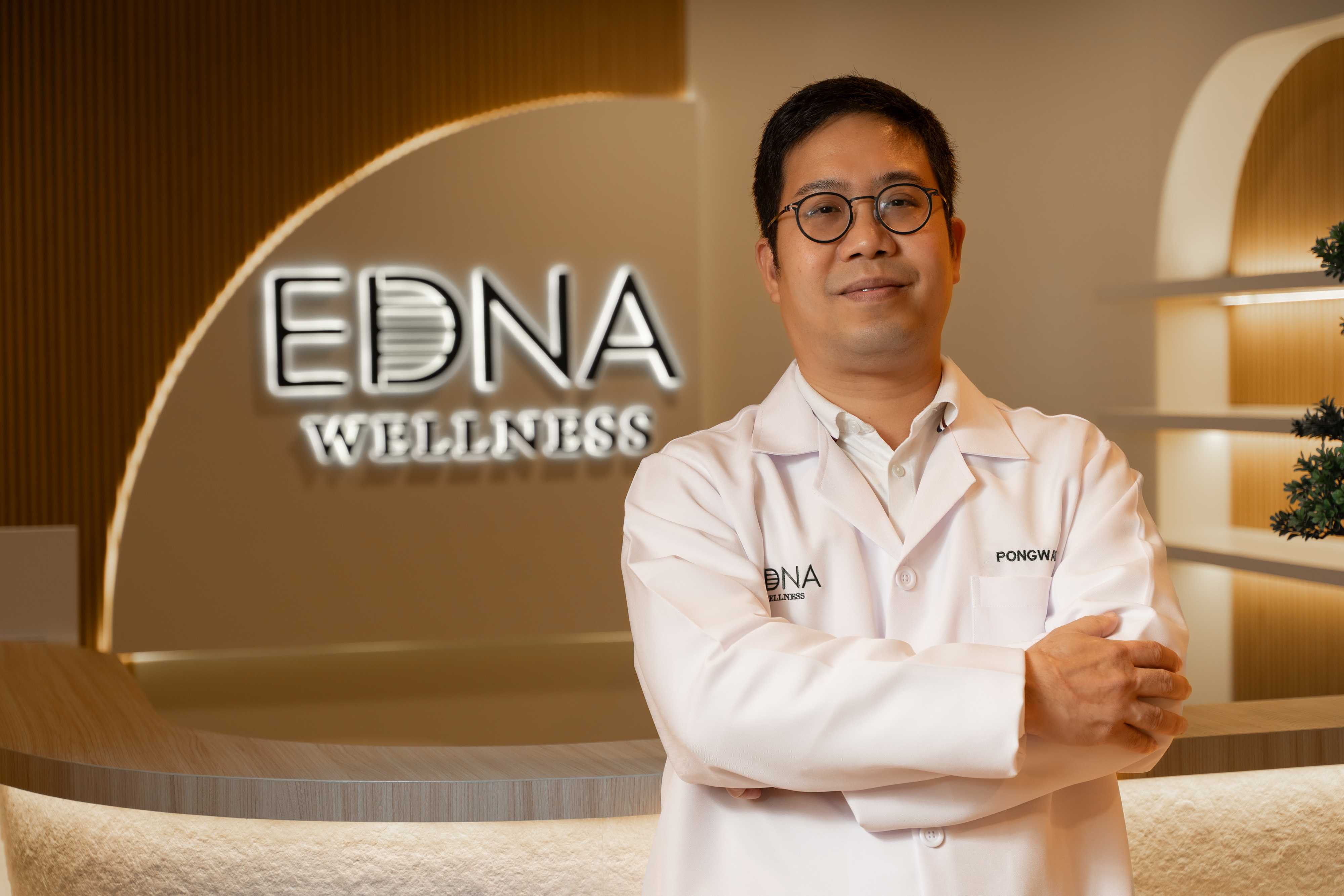
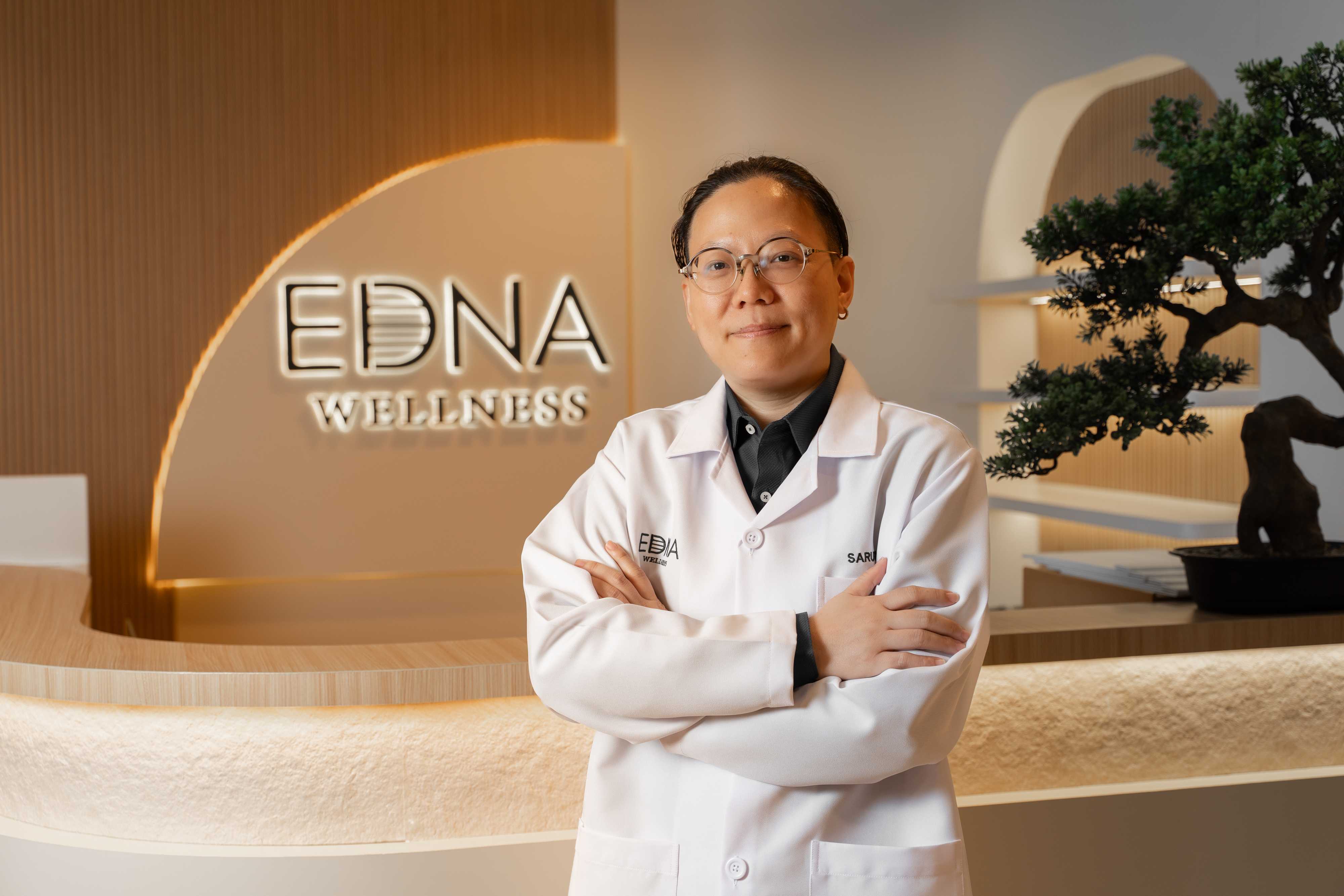
Choosing to travel abroad for a child's healthcare is a decision families usually make after careful research. For some parents, the search begins when they want to understand additional treatment options, seek another medical opinion, or explore therapies that may not be available through their local healthcare system.
Thailand has become a destination considered by some international patients researching regenerative medicine because of its medical tourism infrastructure, international connectivity, and availability of private healthcare facilities. Families traveling for stem cell therapy should still evaluate each provider individually, including medical qualifications, facility standards, treatment explanations, and regulatory information.
Most international families traveling to Thailand arrive through Bangkok, which serves as a major transportation hub in Southeast Asia. The country is accessible from regions including North America, Europe, Australia, the Middle East, and neighboring Asian countries. Travel planning usually includes medical consultations before arrival, accommodation arrangements, transportation, and plans for follow-up care after returning home.
| Travel Consideration | What Families Should Consider |
|---|---|
| Medical consultation before travel | Families should discuss medical history, previous therapies, and available records with the provider before arranging international travel. |
| Length of stay | The required stay depends on evaluation requirements, treatment planning, and provider schedules. |
| Travel with children | Parents should consider the child's comfort, travel duration, accommodation needs, and daily support requirements. |
| Aftercare planning | Families should understand how communication and medical follow-up will continue after returning home. |
Before selecting any international treatment option, families should compare available packages, providers, costs, and medical information carefully to understand which choice aligns with their child's individual circumstances.
Compare Stem Cell Therapy Options in Thailand
Every family approaches autism treatment decisions differently. Understanding available options, asking the right questions, and reviewing medical information carefully can help families make a more informed choice about international care.
Compare treatment packages, providers, costs, and available information to understand which options may fit your family's needs.
Request Free QuoteMedical Disclaimer
The information provided on this page is for educational purposes only and should not replace advice from a qualified healthcare professional. Stem cell therapy for autism is an area of ongoing research, and current evidence, regulations, and treatment availability may vary by country and provider.
Families should discuss treatment options with licensed medical professionals who understand the child's medical history. Before traveling internationally, patients should verify provider credentials, facility licensing, treatment protocols, possible risks, and follow-up arrangements.
No medical treatment can guarantee specific outcomes. Individual responses may vary depending on many factors, including health condition, age, medical history, and treatment approach.
References and Further Reading
- U.S. Food and Drug Administration (FDA) — Important Patient and Consumer Information About Regenerative Medicine Therapies
- National Institute of Mental Health (NIMH) — Autism Spectrum Disorder
- Centers for Disease Control and Prevention (CDC) — Autism Spectrum Disorder
- National Library of Medicine — PubMed Research Database
- World Health Organization — Health Topics
.png)

-(3).png)
.png)
.png)


.png)
.png)








Share this listing