


.png)
เนื้อหา
ค้นพบความหวังในการพัฒนาที่ดีขึ้นด้วยเวชศาสตร์ฟื้นฟูสำหรับผู้ป่วยออทิสติกในประเทศไทย
พ่อแม่ทั่วโลกต่างพยายามค้นหาวิธีการรักษาที่ดีที่สุดเพื่อช่วยเหลือบุตรหลานที่มีภาวะออทิสติก ในช่วงไม่กี่ปีที่ผ่านมา ประเทศไทยได้ก้าวขึ้นมาเป็นศูนย์กลางระดับโลกด้านเวชศาสตร์ฟื้นฟู โดยนำเสนอการรักษาด้วยเซลล์ต้นกำเนิดขั้นสูงและเฉพาะทางสำหรับภาวะออทิสติก (ASD) ด้วยการผสมผสานสิ่งอำนวยความสะดวกทางการแพทย์ระดับโลกเข้ากับแนวทางการดูแลเด็กที่เปี่ยมด้วยความเมตตา ประเทศไทยจึงเป็นแสงแห่งความหวังสำหรับครอบครัวที่กำลังมองหาวิธีการรักษาทางเลือกและนวัตกรรมใหม่ๆ
การบำบัดออทิสติกด้วยเซลล์ต้นกำเนิดมุ่งเน้นไปที่การแก้ไขปัจจัยทางชีวภาพที่เป็นสาเหตุพื้นฐานของภาวะนี้ เช่น การอักเสบของระบบประสาทและการทำงานผิดปกติของระบบภูมิคุ้มกัน โดยการให้เซลล์ต้นกำเนิดมีเซนไคม์ (MSC) ที่บริสุทธิ์สูง ผู้เชี่ยวชาญมุ่งหวังที่จะปรับการตอบสนองของระบบภูมิคุ้มกัน ลดการอักเสบในสมอง และส่งเสริมการเชื่อมต่อของเซลล์ประสาท แม้ว่าสิ่งสำคัญคือต้องเข้าใจว่านี่ไม่ใช่ "การรักษา" ออทิสติกให้หายขาด แต่ผู้ปกครองหลายคนรายงานว่าคุณภาพชีวิตของบุตรหลานดีขึ้นอย่างมาก โดยสังเกตเห็นการสบตาที่ดีขึ้น คำศัพท์ที่มากขึ้น ความกระฉับกระเฉงลดลง และปฏิสัมพันธ์ทางสังคมที่ดีขึ้นหลังการรักษา
การเลือกประเทศไทยสำหรับขั้นตอนที่ละเอียดอ่อนนี้ หมายถึงการเข้าถึงห้องปฏิบัติการที่ทันสมัยและโรงพยาบาลที่ได้รับการรับรองในระดับสากล ซึ่งปฏิบัติตามระเบียบการด้านความปลอดภัยระดับโลกอย่างเคร่งครัด กรอบการกำกับดูแลของประเทศเอื้ออำนวยให้การรักษาขั้นสูงเหล่านี้สามารถดำเนินการได้อย่างปลอดภัยภายใต้การดูแลทางการแพทย์อย่างเข้มงวด ซึ่งดึงดูดครอบครัวจากอเมริกาเหนือ ยุโรป ออสเตรเลีย และตะวันออกกลาง
นอกจากนี้ คลินิกในประเทศไทยมักใช้แนวทางการดูแลแบบองค์รวมและสหวิชาชีพ การให้สเต็มเซลล์มักควบคู่ไปกับการบำบัดเสริม เช่น การบำบัดด้วยออกซิเจนความดันสูง (HBOT) การบำบัดทางกายภาพ และแผนโภชนาการเฉพาะบุคคล รูปแบบการดูแลแบบครบวงจรนี้ช่วยให้มั่นใจได้ว่าบุตรหลานของคุณได้รับการสนับสนุนอย่างรอบด้านในสภาพแวดล้อมที่ขึ้นชื่อเรื่องความอบอุ่นและการต้อนรับ
คุณรู้หรือไม่?
ประเทศไทยเป็นที่ตั้งของโรงพยาบาลแห่งแรกในเอเชียที่ได้รับการรับรองมาตรฐานจาก Joint Commission International (JCI) ซึ่งแสดงให้เห็นถึงความมุ่งมั่นอย่างยาวนานของประเทศในการรักษาระดับมาตรฐานการดูแลสุขภาพระดับโลก ปฏิบัติตามระเบียบการด้านความปลอดภัยอย่างเคร่งครัด และมีการพัฒนานวัตกรรมทางการแพทย์อย่างต่อเนื่อง
ข้อมูลเชิงลึกที่สำคัญโดยสรุป
คลินิกเหล่านี้ใช้เซลล์ต้นกำเนิดมีเซนไคม์จากสายสะดือ (UC-MSCs) ที่ได้มาอย่างมีจริยธรรม ผ่านการคัดกรองอย่างละเอียด และเพาะเลี้ยงในห้องปฏิบัติการที่ทันสมัย
โดยทั่วไป การรักษาจะผสมผสานการบำบัดด้วยเซลล์เข้ากับการบำบัดด้วยออกซิเจนความดันสูง โภชนาการทางการแพทย์ และการบำบัดทางพฤติกรรม เพื่อให้ได้ผลลัพธ์ที่ดีที่สุด
การดูแลรักษาอยู่ภายใต้การดูแลของคณะกรรมการสหวิชาชีพ ซึ่งประกอบด้วยแพทย์ประสาทวิทยาเด็ก แพทย์ภูมิคุ้มกันวิทยา และแพทย์เวชศาสตร์ฟื้นฟู
โดยทั่วไป ครอบครัวต่างๆ พบว่าการรักษาเหล่านี้มีราคาที่ถูกกว่าการรักษาแบบเดียวกันในคลินิกเอกชนในประเทศตะวันตกอย่างเห็นได้ชัด
ระเบียบปฏิบัติที่เข้มงวดเกี่ยวกับการตรวจสอบความมีชีวิตของเซลล์ การคัดกรอง และการให้ยา ช่วยให้มั่นใจได้ถึงความปลอดภัยสูงสุดสำหรับผู้ป่วยเด็ก
สถานพยาบาลในประเทศไทยมักออกแบบหอผู้ป่วยเด็กให้มีความสงบ เป็นมิตร และเอื้ออำนวยต่อเด็กที่มีความไวต่อสิ่งเร้าทางประสาทสัมผัส
พลังแห่งการเยียวยาของ "ดินแดนแห่งรอยยิ้ม"
ประเทศไทยเป็นที่รู้จักกันทั่วโลกในฐานะ "ดินแดนแห่งรอยยิ้ม" และความอบอุ่นทางวัฒนธรรมนี้ได้แผ่ขยายอย่างลึกซึ้งไปสู่ระบบการดูแลสุขภาพ บุคลากรทางการแพทย์มีชื่อเสียงในด้านความอดทนอย่างเหลือเชื่อ ท่าทีที่อ่อนโยน และการดูแลเอาใจใส่ผู้ป่วยอย่างอบอุ่น คุณลักษณะทางวัฒนธรรมนี้เป็นประโยชน์อย่างยิ่งสำหรับเด็กที่มีภาวะออทิสติก ช่วยลดความวิตกกังวลและภาวะรับรู้ทางประสาทสัมผัสมากเกินไปในสถานพยาบาลได้อย่างมีนัยสำคัญ
ในส่วนด้านล่างนี้ คุณจะพบกับผู้ให้บริการที่คัดสรรมาอย่างดีซึ่งนำเสนอแพ็กเกจแบบองค์รวมเหล่านี้ การเลือกแพ็กเกจแบบรวมจะช่วยให้ครอบครัวสามารถมุ่งเน้นไปที่ความสะดวกสบายและการฟื้นตัวของบุตรหลานได้อย่างเต็มที่ โดยมั่นใจได้ว่าการจัดการด้านคลินิกและตารางการรักษาจะได้รับการดูแลอย่างครบถ้วนโดยผู้เชี่ยวชาญที่มีประสบการณ์
หมายเหตุ: แพ็กเกจการรักษาแบบครบวงจร มักให้ผลลัพธ์ที่มีประสิทธิภาพสูงสุด โดยการผสมผสานการให้เซลล์ต้นกำเนิดเข้ากับการบำบัดเสริมเฉพาะทาง

Price starting from $4,500
5-Days Bangkok Stem Cell Autism Care Package at Vega Clinic Thailand
Vega Stem Cell Clinic in Bangkok Thailand
- Stem Cell Therapy
Bangkok, Thailand
ค่าใช้จ่ายในการรักษาโรคออทิสติกในประเทศไทยด้วยการบำบัดด้วยสเต็มเซลล์
การวางแผนทางการเงินเป็นขั้นตอนสำคัญสำหรับครอบครัวที่ต้องการรับการรักษาทางการแพทย์ขั้นสูง ประเทศไทยได้รับการยอมรับอย่างกว้างขวางว่านำเสนอการรักษาด้วยเซลล์ต้นกำเนิดระดับโลกในราคาที่ต่ำกว่ามากเมื่อเทียบกับในอเมริกาเหนือหรือยุโรป ตารางด้านล่างแสดงรายละเอียดค่าใช้จ่ายโดยเฉลี่ยสำหรับการรักษาด้วยเซลล์ต้นกำเนิดในประเทศไทย
โปรดทราบว่าราคาอาจแตกต่างกันไปขึ้นอยู่กับจำนวนสเต็มเซลล์ที่ต้องการ อายุและน้ำหนักของเด็ก และการรวมการรักษาเสริมในแผนการรักษา แม้จะมีตัวแปรเหล่านี้ แต่คุณค่าที่คลินิกในประเทศไทยมอบให้ ซึ่งผสมผสานความเชี่ยวชาญทางการแพทย์ระดับสูงเข้ากับเทคโนโลยีห้องปฏิบัติการที่ทันสมัย ยังคงมีความสามารถในการแข่งขันสูงในระดับโลก
คำแนะนำ: ควรขอรับการประเมินทางการแพทย์แบบละเอียดและเฉพาะบุคคลเสมอ เพื่อให้ได้รับข้อมูลค่าใช้จ่ายที่แม่นยำและโปร่งใสสำหรับความต้องการเฉพาะของบุตรหลานของคุณ
Stem Cell Treatment for Autism เปรียบเทียบราคาศูนย์ใน Thailand
| ผู้ให้บริการ | ขั้นตอน | ราคา |
|---|---|---|
| Beike Biotech | Stem Cell Treatment for Autism, Stem Cell Therapy | $19000 |
| Vega Stem Cell Clinic in Bangkok Thailand | Stem Cell Treatment for Autism, Stem Cell Therapy | $4300 |
Stem Cell Treatment for Autism การเปรียบเทียบต้นทุนใน Thailand
| ประเทศ | ขั้นตอน | ราคา |
|---|---|---|
| Switzerland | Stem Cell Treatment for Autism, Stem Cell Therapy | $23000 |
| United States | Stem Cell Treatment for Autism, Stem Cell Therapy | $25000 |
ความสำเร็จและความปลอดภัยของการรักษาด้วยเซลล์ต้นกำเนิดขึ้นอยู่กับมาตรฐานห้องปฏิบัติการและความเชี่ยวชาญของทีมแพทย์เป็นอย่างมาก เราได้คัดเลือกกลุ่มศูนย์การแพทย์และโรงพยาบาลชั้นนำในประเทศไทยที่เชี่ยวชาญด้านการรักษาด้วยเซลล์ต้นกำเนิดสำหรับโรคทางระบบประสาทในเด็กโดยเฉพาะ
สถานพยาบาลเหล่านี้ได้รับการตรวจสอบอย่างละเอียด มีห้องปฏิบัติการปลอดเชื้อที่ได้รับการรับรองระดับสากล แพทย์ผู้เชี่ยวชาญด้านกุมารเวชศาสตร์ที่ได้รับการฝึกฝนมาอย่างดี และแนวทางการดูแลแบบสหสาขาวิชาชีพสำหรับ ASD โปรดดูรายละเอียดของแต่ละคลินิกด้านล่างเพื่อตรวจสอบคุณสมบัติเฉพาะ จุดเด่นของสถานที่ และเทคโนโลยีทางการแพทย์ขั้นสูงที่พวกเขาใช้เพื่อให้มั่นใจได้ว่าบุตรหลานของคุณจะได้รับการดูแลที่ดีที่สุด
ความปลอดภัยต้องมาก่อน: ให้ความสำคัญกับศูนย์ที่ใช้เซลล์ที่ได้มาอย่างมีจริยธรรม ผ่านการคัดกรองอย่างละเอียด และดำเนินงานภายใต้แนวทางกำกับดูแลระหว่างประเทศที่เข้มงวด
Beike Biotech
Bangkok, Thailand
Vega Stem Cell Clinic in Bangkok Thailand
Bangkok, Thailand
Stay Well Clinic & Physio
Phuket, Thailand
WIH Hospital
Bangkok, Thailand
EDNA Wellness - Surgeon-Led Stem Cell Clinic in Bangkok Thailand
Bangkok, Thailand
Mousai Wellness Center - Stem Cell Bangkok Thailand
Bangkok, Thailand
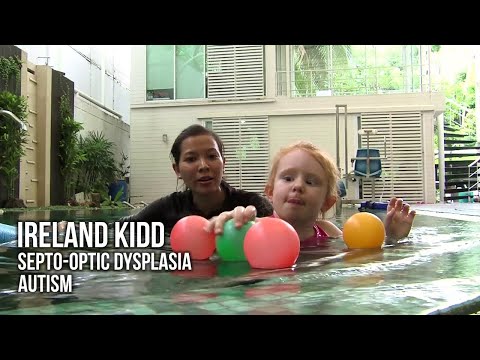
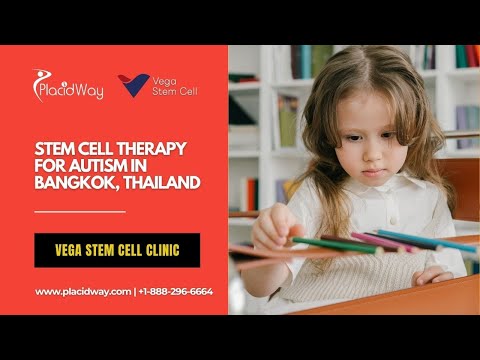
รับชมวิดีโอเกี่ยวกับการบำบัดด้วยเซลล์ต้นกำเนิดสำหรับผู้ป่วยออทิสติกในประเทศไทย
การตัดสินใจเดินทางไปต่างประเทศเพื่อรับการรักษาทางการแพทย์ให้ลูกเป็นเรื่องใหญ่มาก การได้ฟังประสบการณ์ตรงจากพ่อแม่ท่านอื่นๆ ที่เคยผ่านเส้นทางนี้มาแล้ว จะช่วยให้รู้สึกสบายใจและได้รับมุมมองที่มีคุณค่าอย่างยิ่ง วิดีโอคำบอกเล่าจากครอบครัวจริงที่แบ่งปันประสบการณ์การรักษาด้วยสเต็มเซลล์ในประเทศไทย
ชมบันทึกประจำวันอันซาบซึ้งเหล่านี้เพื่อทำความเข้าใจความกังวลใจในเบื้องต้น ประสบการณ์ที่ได้รับจากทีมแพทย์ และพัฒนาการด้านพฤติกรรม สติปัญญา และสังคมของลูก ๆ หลังการรักษา
ข้อมูลเชิงลึก: วิดีโอเรื่องราวต่างๆ นำเสนอภาพที่โปร่งใส เข้าถึงอารมณ์ และสมจริง เกี่ยวกับสิ่งที่คุณและลูกของคุณสามารถคาดหวังได้ตลอดการเดินทางทางการแพทย์
รีวิวการบำบัดฟื้นฟูสำหรับออทิสติกในประเทศไทย
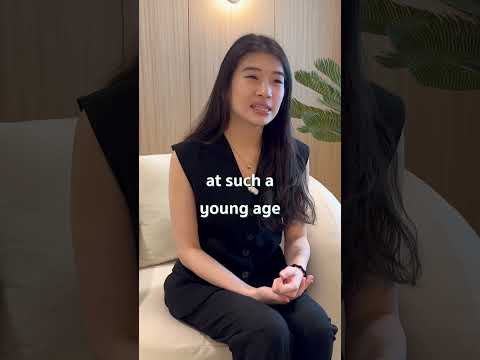
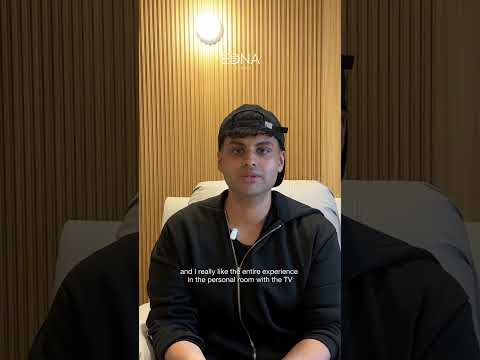
รีวิวที่เป็นลายลักษณ์อักษรช่วยเพิ่มความมั่นใจและให้ข้อมูลเชิงลึกโดยละเอียดเกี่ยวกับประสบการณ์ในแต่ละวัน ณ คลินิกเหล่านี้ ในส่วนนี้ คุณจะพบรีวิวและข้อเสนอแนะที่ได้รับการตรวจสอบแล้วจากผู้ปกครองที่ไว้วางใจให้บุคลากรทางการแพทย์ชาวไทยดูแลบุตรหลานของพวกเขา
อ่านเรื่องราวของพวกเขาเพื่อเรียนรู้เกี่ยวกับคุณภาพของการสื่อสาร ความอดทนของพนักงานพยาบาล ความสะอาดของสถานที่ และการดูแลติดตามผลหลังจากที่พวกเขากลับบ้าน เสียงจากประสบการณ์ตรงเหล่านี้มีความสำคัญอย่างยิ่งในการช่วยให้คุณตัดสินใจได้อย่างมั่นใจและรอบรู้
เคล็ดลับการตรวจสอบ: มองหารีวิวที่กล่าวถึงความสามารถของทีมแพทย์ในการดูแลเด็กที่มีภาวะรับรู้ทางประสาทสัมผัสมากเกินไป หรือมีความวิตกกังวล

How Much Does Stem Cell Treatment for Autism in Thailand?
Stem cell treatment for autism in Thailand typically costs between $4,500 and $27,000, depending on the clinic, the type and number of stem cells used, and the additional therapies included in the package. These prices are often more affordable compared to those in Western countries. Navigating the world of autism treatments can be overwhelming, especially when considering options like stem cell therapy. Many families are looking for innovative solutions to help their loved ones, and in this search, Thailand has emerged as a prominent destination for medical tourism. Known for its high-quality healthcare and competitive pricing, the country attracts patients from all over the globe. If you're a parent or caregiver exploring stem cell treatment for autism in Thailand, you likely have many questions about the process, safety, and, most importantly, the cost. This comprehensive guid?e is designed to provide clear, detailed, and helpful information to help you make an informed decision. We'll break down the pricing, explain what is included in the treatment packages, and address the most common concerns, giving you the knowledge you need to proceed with confidence. What is the cost of stem cell treatment for autism in Thailand? The cost of stem cell treatment for autism in Thailand varies, typically falling between $4,500 and $27,000. This wide range is influenced by factors like the number of stem cells administered, the specific clinic, and whether the package includes additional therapies and accommodations. The price of stem cell therapy for autism in Thailand is a key factor for many families considering this option. The cost is not a one-size-fits-all figure but is determined by several variables. A basic package might start at a lower price point, while a more comprehensive treatment plan with a higher cell count and supportive therapies will be on the higher end of the spectrum. The choice of clinic also plays a significant role; established centers with extensive experience and state-of-the-art facilities may have different pricing models than smaller clinics. It is crucial to understand what is included in the quoted price. Some packages cover only the core stem cell injections, while others are all-inclusive, covering consultations, pre-operative tests, additional therapies, and even airport transfers. To get an accurate estimate, it's best to request a personalized quote from a reputable clinic based on the patient's specific needs. What is included in a typical stem cell treatment package for autism in Thailand? A typical stem cell treatment package for autism in Thailand often includes the initial medical consultation, diagnostic tests (like blood work), the stem cell injections themselves, post-treatment monitoring, and sometimes additional therapies such as physiotherapy or occupational therapy. When you receive a quote for stem cell treatment for autism in Thailand, it's essential to scrutinize the details of the package to understand exactly what you are paying for. A comprehensive package is often more beneficial as it covers the entire treatment journey. Here are some common inclusions: Initial Consultation and Medical Review: A thorough review of the patient's medical history, current symptoms, and previous treatments by a specialist. Diagnostic Testing: Pre-treatment tests, such as blood work and imaging, to assess the patient's overall health and suitability for the procedure. Stem Cell Injections: The core part of the treatment, which may involve a specific number of injections or infusions over several days. Supportive Therapies: Many clinics combine stem cell therapy with other treatments like physiotherapy, occupational therapy, or nutritional support to enhance the overall outcome. Post-Treatment Follow-up: This can include monitoring the patient's progress and follow-up consultations via video call after returning home. How do the costs of stem cell therapy for autism in Thailand compare to other countries? Stem cell therapy for autism in Thailand is generally more affordable than in many Western countries. For example, similar treatments can cost upwards of $25,000 in the United States and $21,500 in Canada, making Thailand a cost-effective alternative without compromising on quality. The cost-effectiveness of medical procedures is a primary reason why many people choose Thailand for medical tourism. The price of stem cell treatment for autism in Thailand is significantly lower than what you would find in countries like the United States, Europe, or Australia. This is due to lower operational costs, including hospital overheads and professional fees, while still maintaining high standards of care. Many clinics in Thailand are internationally accredited and use the same high-quality equipment and materials as their Western counterparts. The table below illustrates a general comparison of costs: Country Estimated Cost Range (USD) Thailand $4,500 - $27,000 United States $25,000 - $50,000+ Europe (Germany, Switzerland) $20,000 - $40,000+ These figures are estimates and can vary widely, but they highlight the financial benefit of choosing Thailand for this treatment. What are the different types of stem cells used for autism treatment? The most common types of stem cells used for autism treatment are mesenchymal stem cells (MSCs), often sourced from umbilical cord tissue. These cells are preferred for their potential to modulate the immune system, reduce inflammation, and promote neural repair. In the context of stem cell therapy for autism, not all stem cells are created equal. The type of cells used can impact the treatment protocol, potential outcomes, and cost. Mesenchymal Stem Cells (MSCs) are the most widely used and studied for neurological conditions like autism. They are favored for several reasons: Immunomodulatory Properties: MSCs can help regulate the immune system, which is believed to be overactive and cause neuroinflammation in some individuals with autism. By reducing this inflammation, the brain's environment becomes more conducive to healing and normal function. Neuro-regenerative Potential: MSCs release factors that support the growth and survival of new neurons, improve synaptic function, and enhance brain connectivity. Ease of Sourcing: MSCs are typically harvested from sources like umbilical cord tissue, bone marrow, or adipose (fat) tissue. Umbilical cord-derived MSCs are often preferred as they are young, potent, and can be administered without a painful harvesting procedure from the patient. The specific source and quantity of stem cells will be determined by the treating physician and will be outlined in your personalized treatment plan. What factors influence the final cost of stem cell treatment for autism? The final cost of stem cell treatment for autism is influenced by the number of stem cells administered, the specific type of cells used, the duration of the treatment program, and whether the package includes accommodation, travel, and additional supportive therapies. Understanding the factors that contribute to the total cost is essential for proper financial planning. The price you see initially may not always be the final price, so it's important to ask detailed questions. Here's a breakdown of the key factors: Stem Cell Dosage: The number of cells administered is a primary cost driver. Higher cell counts are often used for more severe cases and will increase the price. Cell Source: The source of the stem cells (e.g., umbilical cord, bone marrow) can affect the price due to different harvesting and processing methods. Treatment Duration: A multi-day treatment program with several infusions or injections will be more expensive than a single-day procedure. Included Services: Packages that include pre-treatment diagnostic tests, post-treatment monitoring, and a variety of supportive therapies will have a higher price tag. Clinic Reputation and Location: Clinics in major cities like Bangkok may have different pricing than those in other regions. The reputation and expertise of the clinic and its medical team also play a role. Is stem cell treatment for autism a safe procedure in Thailand? Yes, stem cell treatment for autism in reputable Thai clinics is generally considered safe. Many facilities adhere to international standards and use ethically sourced, high-quality stem cells. They also follow strict protocols to minimize risks such as infection and adverse reactions. The safety of any medical procedure is a top priority, and stem cell therapy for autism is no exception. Reputable clinics in Thailand prioritize patient safety by: Using High-Quality Cells: They use stem cells that have been rigorously tested for quality and safety. Cells derived from umbilical cord tissue, for example, are screened for diseases and are a safe source. Adhering to Strict Protocols: Clinics follow established protocols for cell preparation, administration, and patient monitoring. The procedure is non-invasive and typically involves intravenous (IV) injections, which are generally well-tolerated. Having Experienced Medical Staff: The treatment is overseen by a team of experienced doctors and specialists who are trained in regenerative medicine and have a deep understanding of autism. It is important to do your research and choose a clinic with a strong track record, transparent practices, and positive patient testimonials. How long does the stem cell treatment for autism take? A stem cell treatment program for autism in Thailand typically lasts between 3 to 7 days. This duration allows for the initial consultation, diagnostic tests, the administration of the stem cells over multiple sessions, and post-treatment monitoring before the patient is cleared to travel. The length of your stay in Thailand for stem cell therapy for autism depends on the specific treatment protocol recommended for the patient. A typical program is designed to be efficient yet thorough. The schedule often looks something like this: Day 1: Arrival, initial consultation with the doctor, and pre-treatment tests. Days 2-5: Administration of stem cells through IV injections or other methods, often in conjunction with supportive therapies. Day 6: Post-treatment consultation, final check-ups, and discussions about the follow-up care plan. Day 7: Departure. This multi-day approach ensures the patient receives the full benefit of the treatment and is closely monitored for any reactions. What improvements can be expected after stem cell therapy for autism? Improvements after stem cell therapy for autism vary, but many families report positive changes in social interaction, communication skills (both verbal and non-verbal), attention span, and a reduction in repetitive behaviors. These changes often occur gradually over several months. It is important to manage expectations and understand that stem cell treatment for autism is not a cure. Instead, it is a therapy that aims to improve the underlying biological issues associated with the condition. The results can vary significantly from one individual to another. Some of the commonly reported improvements include: Enhanced Communication: Improvements in speech, eye contact, and the ability to express needs. Better Social Skills: Increased interaction with family members and peers, and a greater awareness of their surroundings. Improved Behavior: A reduction in repetitive or self-stimulatory behaviors, and better emotional regulation. Cognitive Gains: Increased attention span and focus. Improvements often become more noticeable in the months following the treatment as the stem cells work to repair and regenerate damaged tissues. How do I find a reputable clinic for stem cell therapy for autism in Thailand? To find a reputable clinic for stem cell therapy for autism in Thailand, you should look for facilities that have international accreditations, a team of experienced specialists, transparent pricing, and positive patient testimonials. Verifying their use of high-quality, ethically sourced stem cells is also crucial. Choosing the right clinic is the most important step in the entire process. A reputable clinic will be transparent about its procedures, potential outcomes, and pricing. Here's a checklist to help you find a good clinic for stem cell treatment for autism: Accreditations: Look for clinics that are accredited by international organizations, as this indicates they meet a high standard of care. Medical Team: The doctors and staff should have specialized experience in regenerative medicine and a deep understanding of autism. Cell Sourcing: Ask about the source of their stem cells and their quality control processes. Reputable clinics will use ethically sourced and rigorously tested cells. Patient Reviews: Seek out testimonials and reviews from other families who have undergone the treatment. When you have a list of potential clinics, contact them with your questions and requests for a personalized treatment plan and cost breakdown. Are there any hidden costs associated with stem cell therapy for autism in Thailand? While most reputable clinics provide transparent pricing, potential hidden costs can include flights, accommodation, meals, visa fees, and personal expenses. It's important to clarify with the clinic what is explicitly included and excluded from the package price to avoid unexpected financial burdens. To avoid any financial surprises, it's vital to have a clear understanding of what your treatment package covers. The quoted price from the clinic may only cover the medical procedure itself. Here are some of the costs you should budget for in addition to the treatment: Airfare and Travel: The cost of flights to and from Thailand for the patient and accompanying family members. Accommodation: Hotels or other lodging for the duration of the stay. Meals and Daily Expenses: Food, transportation within the city, and other personal expenses. Visa Fees: Depending on your country of origin, you may need to budget for visa application fees. Additional Medical Needs: Any unexpected medical costs that are not part of the treatment package. Always ask the clinic for a full breakdown of their services and costs, and create a separate budget for travel and living expenses. Is stem cell therapy for autism a one-time treatment or does it require multiple sessions? Stem cell therapy for autism is typically not a one-time treatment. Many protocols involve a series of injections over several days. Depending on the patient's response and the severity of their condition, repeat treatments may be recommended after a period of several months to a year to maximize and maintain the therapeutic effects. The regenerative process initiated by stem cells takes time. For this reason, many clinics recommend a series of sessions as part of the initial treatment protocol, often over a period of 3-7 days. The goal of this approach is to provide a sufficient number of cells to have a meaningful biological impact. Furthermore, to sustain the benefits of the therapy, some families opt for follow-up treatments. The need for and timing of these additional sessions will be determined by the patient's progress and the advice of the medical team. This long-term approach is often part of a comprehensive care plan. What are the potential side effects of stem cell treatment for autism? Potential side effects of stem cell treatment for autism are typically mild and temporary, such as low-grade fever, chills, or a temporary increase in hyperactivity. These are usually a normal part of the body's response to the new cells and are closely monitored by the medical staff. Like any medical procedure, there can be potential side effects, though they are usually not severe. The most commonly reported side effects from stem cell therapy for autism are generally related to the body's immune response to the introduction of new cells. These can include: Low-grade fever or chills Mild headaches or fatigue A temporary increase in hyperactivity or irritability in some patients Reputable clinics will have protocols in place to manage these symptoms and ensure the patient's comfort and safety throughout the treatment. Is there scientific evidence supporting stem cell therapy for autism? Yes, there is ongoing research and a growing body of scientific literature, including clinical trials, that suggests stem cell therapy may offer benefits for individuals with autism by addressing underlying issues like neuroinflammation and poor brain connectivity. However, the field is still evolving, and results can vary. The use of stem cells for autism is an area of active research. While it is not yet a mainstream, government-approved treatment in all countries, there are a number of studies and clinical trials that have shown promising results. The scientific premise behind the therapy is that stem cells can help: Reduce inflammation in the brain, which is often observed in individuals with autism. Release growth factors that promote the repair and regeneration of neural tissues. Modulate the immune system to restore a more balanced state. These biological mechanisms are believed to contribute to the improvements reported by many families. It's always best to consult with a medical professional and research the latest studies to stay informed. Who is a suitable candidate for stem cell treatment for autism? A patient's suitability for stem cell treatment for autism is determined by a comprehensive medical evaluation. Ideal candidates are typically children with a formal diagnosis of autism spectrum disorder who are in good general health, without any contraindicating medical conditions, such as a history of cancer or active infections. A thorough medical evaluation is the first and most crucial step in the treatment process. Not every individual with autism is a suitable candidate for stem cell therapy. During the initial consultation, a specialist will review the patient's full medical history and current health status. They will consider: Diagnosis and Severity: The patient must have a confirmed diagnosis of autism spectrum disorder. General Health: The patient must be in good overall health, free from active infections or other serious medical conditions that could pose a risk during the procedure. History of Cancer: Individuals with a history of cancer are generally not considered suitable candidates for this type of therapy. This evaluation ensures the safety and potential effectiveness of the treatment for each individual patient. What is the post-treatment care and follow-up process after stem cell therapy for autism? Post-treatment care after stem cell therapy for autism involves continued monitoring of the patient's progress. Reputable clinics often provide a follow-up plan that includes regular check-ins with the medical team, as well as a recommendation to continue with traditional therapies like speech and occupational therapy to reinforce the improvements. The journey doesn't end when you leave the clinic. Post-treatment care is vital for maximizing the long-term benefits of stem cell therapy for autism. Clinics will provide a comprehensive follow-up plan, which may include: Regular Check-ins: Scheduled consultations with the medical team via video call to discuss the patient's progress and address any concerns. Continued Therapies: The recommendation to continue with traditional autism therapies, such as speech, occupational, and behavioral therapy, as these can help solidify the gains made from the stem cell treatment. Lifestyle Recommendations: Advice on diet, nutrition, and other lifestyle factors that can support brain health and overall well-being. This ongoing support is a key component of a successful and holistic treatment approach. Exploring innovative healthcare options can be a complex process, but it can also offer new hope. If you're considering stem cell treatment for autism, we encourage you to gather as much information as possible and consult with experts. To learn more about this and other potential healthcare solutions, explore PlacidWay for access to a wide range of medical tourism options and connect with leading clinics worldwide.
Can Stem Cell Therapy Help Children with Autism in Thailand?
Stem cell therapy for autism in Thailand offers a potential avenue for improving behavioral and cognitive symptoms in children using umbilical cord-derived stem cells, with affordable packages ranging from $4,500 to $15,000. For parents of children with Autism Spectrum Disorder (ASD), the journey to find effective support is often filled with research, hope, and sometimes frustration with the limitations of conventional therapies. While behavioral and speech therapies are foundational, many families are turning to Regenerative Medicine to address the underlying biological factors of autism, such as neuroinflammation and immune dysregulation. Thailand has positioned itself as a global leader in this field, offering advanced stem cell therapy in state-of-the-art facilities that rival those in the West, but at a significantly more accessible price point. This guide explores the potential of this treatment, the safety protocols in place, and what a typical medical trip to Bangkok looks like for a family seeking new hope for their child. How can stem cells help a child with autism? Stem cells may help children with autism by reducing neuroinflammation, modulating the immune system, and improving blood flow to the brain, which can lead to better focus, sleep, and social interaction. Research suggests that autism is not just a "hard-wired" genetic condition but often involves chronic inflammation in the brain (neuroinflammation) and gut, as well as immune system imbalances. Mesenchymal Stem Cells (MSCs), particularly those derived from umbilical cord tissue, are potent anti-inflammatory agents. When administered, these cells travel to areas of inflammation and release bioactive molecules that can help "calm" the immune system and promote the repair of neural connections. While not a cure, this biological "reset" can create a better environment for the brain to develop, often resulting in improvements in eye contact, sleep patterns, emotional regulation, and the ability to learn from traditional therapies like ABA or speech therapy. What is the cost of autism stem cell therapy in Thailand? The cost for a comprehensive stem cell therapy package for autism in Thailand typically ranges from $4,500 to $15,000 USD, depending on the number of cells and additional supportive therapies included. One of the main reasons families travel to Thailand is the cost-effectiveness. In the US or Panama, similar treatments can cost upwards of $20,000 to $30,000. In Thailand, you receive premium care with high cell counts (often 50 million to 100 million active cells) for a fraction of that price. Packages generally include the stem cell infusions, medical consultations, airport transfers, and sometimes even supportive therapies like hyperbaric oxygen therapy (HBOT) or peptide therapy to enhance the results. Destination Estimated Cost (USD) What's Typically Included Thailand $4,500 - $15,000 High-dose MSCs, extensive medical support, & often accommodation assistance USA $15,000 - $30,000+ Treatment only; often restricted by FDA regulations Panama $18,000 - $25,000 Well-known but higher travel and treatment costs Mexico $10,000 - $18,000 Variable regulation; proximity to US keeps prices competitive but higher than Asia Is the treatment legal and safe in Thailand? Yes, stem cell therapy is legal and regulated by the Thai Food and Drug Administration (TFDA) and Medical Council, provided it is performed in licensed medical facilities adhering to safety standards. Thailand takes patient safety seriously. The Thai Food and Drug Administration (TFDA) and the Medical Council of Thailand oversee the use of stem cells. While the treatment is still considered "investigational" in many parts of the world, Thailand allows its use under strict medical supervision. Reputable clinics use allogeneic Mesenchymal Stem Cells (MSCs) derived from screened, healthy umbilical cord tissue. These cells are processed in GMP (Good Manufacturing Practice) certified laboratories to ensure sterility and potency. Unlike embryonic stem cells, MSCs are ethically sourced (from donated cords after healthy births) and have an excellent safety profile with no risk of tumor formation. What is the success rate for children? Clinics often report success rates of 85-90% in terms of observed improvements in symptoms, though individual results vary; significant changes are most often seen in behavior, sleep, and social engagement. Success in autism therapy is measured by improvements in Quality of Life rather than a "cure." Parents and clinicians typically track changes using standard autism scoring systems (like ATEC or CARS). Reports from Thai clinics and some meta-analyses suggest that a large majority of treated children show measurable gains. Commonly reported improvements include: Reduced hyperactivity and "stimming" behaviors. Improved sleep cycles and digestion. Increased attention span and willingness to learn. Better eye contact and social responsiveness. It is important to manage expectations; while some children experience "awakenings" with rapid language gains, for others, the progress is more subtle and gradual. What does the procedure involve? The procedure is minimally invasive, usually involving intravenous (IV) infusions or intrathecal injections over 3-7 days, often combined with supportive therapies like occupational therapy. A typical treatment protocol in Thailand is designed to be as stress-free as possible for the child. It usually spans 3 to 7 days. Evaluation: Comprehensive blood work and doctor consultation upon arrival. Administration: The most common method is a simple Intravenous (IV) drip, which takes about 45-60 minutes. Some protocols also include an Intrathecal injection (into the lower spine) to deliver cells directly to the central nervous system; this is done by an anesthesiologist under mild sedation to ensure the child feels no pain. Supportive Care: Many clinics integrate Hyperbaric Oxygen Therapy (HBOT), Transcranial Magnetic Stimulation (TMS), or peptide therapy to maximize the benefits of the stem cells. Are there any side effects? Side effects are generally mild and temporary, such as low-grade fever, headache, or nausea for 24-48 hours; severe adverse reactions are extremely rare. Umbilical cord-derived MSCs are "immune-privileged," meaning they do not trigger a rejection response from the child's immune system. This makes the safety profile very high. The most common side effect is a mild "healing crisis"—a low-grade fever or fatigue for a day or two post-treatment as the immune system interacts with the new cells. Serious complications are exceedingly rare when treatment is performed in a licensed hospital setting. Doctors will monitor the child closely during and after the procedure to ensure their safety and comfort. Give Your Child a Chance to Thrive Explore the potential of advanced stem cell therapy in Thailand. Connect with top pediatric regenerative specialists for a free consultation and personalized treatment plan with PlacidWay Medical Tourism. Get a Free Quote & Treatment Plan Today
Is Stem Cell Therapy for Autism Available in Thailand?
Stem cell therapy for autism in Thailand is a regenerative treatment using mesenchymal stem cells (MSCs) to potentially improve cognitive and behavioral function. Costs typically range from $4,500 to $27,000 depending on the protocol. Autism Spectrum Disorder (ASD) is a complex neurodevelopmental condition that affects communication, behavior, and social interaction. For many families, traditional therapies like speech and occupational therapy provide significant support, but they often look for additional interventions to help their loved ones achieve a better quality of life. This search for answers has led many to explore stem cell therapy for autism in Thailand, a country that has rapidly emerged as a global hub for regenerative medicine and medical tourism. Thailand offers advanced medical facilities, highly trained specialists, and regulations that allow for the safe application of these innovative treatments. If you are asking, "Is stem cell therapy available for autism in Thailand?" the answer is a resounding yes. The country is home to internationally accredited clinics and hospitals that specialize in using umbilical cord-derived mesenchymal stem cells (UC-MSCs) to address the underlying biological factors associated with autism, such as neuroinflammation and immune dysregulation. Unlike some Western nations where regulations strict access to these therapies, Thailand provides a regulated environment where patients can access cutting-edge care under strict medical supervision. Choosing to travel for medical treatment is a significant decision. It involves understanding not just the potential medical benefits, but also the logistics, costs, and safety standards involved. Families often find that the cost of stem cell therapy for autism in Thailand is significantly lower than in countries like the US or Panama, without compromising on the quality of care. In this guide, we will answer the most pressing questions you likely have, from specific pricing and procedure details to success rates and safety protocols, helping you make an informed choice for your family's future. What is stem cell therapy for autism? “Stem cell therapy for autism is a regenerative treatment that introduces healthy stem cells into the body to reduce neuroinflammation, regulate the immune system, and promote the repair of neural connections in the brain.” Stem cell therapy for autism is considered a form of regenerative medicine. The core idea is to use the body's natural repair mechanisms—or introduced cells with similar properties—to address biological issues that may contribute to autism symptoms. Research suggests that many individuals with autism suffer from chronic neuroinflammation (inflammation in the brain) and immune system dysregulation. Stem cells, particularly Mesenchymal Stem Cells (MSCs), are known for their potent anti-inflammatory and immunomodulatory properties. When these cells are administered to a patient, they do not necessarily "become" new brain cells. Instead, they act like a medicinal signaling system. They release growth factors and anti-inflammatory proteins that help calm the inflamed environment in the brain. This "paracrine effect" is believed to improve blood flow (perfusion) to the brain and encourage the formation of new neural connections, which can lead to improvements in behavior, speech, and cognitive focus. It is important to understand that this is not a "cure" in the traditional sense. It is a biological intervention designed to improve the physiological baseline of the patient. By reducing the biological stress on the brain, the therapy aims to make the brain more receptive to learning and traditional therapies, potentially unlocking developmental milestones that were previously stalled. Is stem cell therapy for autism available in Thailand? “Yes, stem cell therapy for autism is widely available in Thailand, primarily in Bangkok and Chiang Mai, where licensed clinics and hospitals offer comprehensive treatment packages for international patients.” Thailand has positioned itself as a leader in the field of medical tourism, and stem cell therapy for autism in Thailand is one of its key offerings. You can find availability across major medical hubs, with Bangkok being the primary center for these advanced treatments. Unlike some countries where clinics might operate in a legal gray area, Thailand has established a framework where reputable medical centers operate with licenses from the Ministry of Public Health. The availability extends beyond just the injection of cells. Leading clinics in Thailand offer holistic "integrative" programs. This means that when you book a treatment, it is rarely just a single appointment. Instead, it is often a multi-day or multi-week program that includes the stem cell administration alongside supportive therapies such as hyperbaric oxygen therapy (HBOT), occupational therapy, peptide therapy, and nutritional support. For international families, access is streamlined. Most clinics have dedicated international patient departments that speak English and can assist with everything from reviewing medical records prior to arrival to arranging airport transfers. The therapy is available year-round, though it is always recommended to book months in advance due to the high demand from families globally. What is the cost of stem cell therapy for autism in Thailand? “The cost of stem cell therapy for autism in Thailand generally ranges from $4,500 to $27,000, with most comprehensive packages averaging around $15,000, which is significantly more affordable than similar treatments in the US or Panama.” Cost is a major factor for families considering this treatment, as it is rarely covered by insurance. The cost of stem cell therapy for autism in Thailand is one of its most attractive features. While prices can vary based on the number of cells (dosage) and the length of stay, patients can generally expect to pay 50% to 70% less than they would in Western countries or other major stem cell hubs like Panama. The price difference does not imply a reduction in quality; rather, it reflects the lower cost of labor, facility overhead, and living expenses in Thailand. A standard package usually includes the stem cell injections, medical consultations, pre-treatment testing, and sometimes airport transfers. Higher-end packages may include accommodation, extensive rehabilitation sessions (OT/PT), and additional biological treatments like exosomes or growth factors. Below is a detailed cost comparison to help you understand the financial landscape: Country/Region Estimated Cost Range (USD) What is Typically Included Thailand $4,500 - $27,000 High-dose UC-MSCs, medical tests, airport pickup, often includes supportive therapies like HBOT. Panama $18,000 - $30,000+ Treatment only, well-established clinics, higher travel and accommodation costs. United States $15,000 - $50,000+ Variable legality, often clinical trials or limited clinics; high cost for medical care. Mexico $8,000 - $15,000 Treatment and varying levels of support; travel proximity convenience for US patients. Europe (e.g., Swiss/Germany) $20,000 - $45,000 Premium clinics, very strict regulations, high cost of living and medical fees. What types of stem cells are used for autism in Thailand? “Clinics in Thailand primarily use Allogeneic Mesenchymal Stem Cells (MSCs) derived from Umbilical Cord tissue (UC-MSCs) because they are young, potent, and safe, with no risk of rejection.” The specific type of cell used is critical to the success of the therapy. In Thailand, the gold standard for autism treatment is Umbilical Cord-derived Mesenchymal Stem Cells (UC-MSCs). These are "allogeneic" cells, meaning they come from a donor—specifically, from the umbilical cord tissue donated by healthy mothers after a normal C-section birth. Why are these cells preferred over a patient's own (autologous) cells? Potency: UC-MSCs are "day zero" cells. They are incredibly young and have not been exposed to environmental toxins, aging, or the potential genetic factors that might be present in the patient's own cells. They replicate faster and secrete more healing factors. Low Immunogenicity: These cells are "immune-privileged," meaning they do not carry the markers that typically trigger an immune system attack. This eliminates the need for matching donors to patients and removes the risk of rejection. No Invasive Harvesting: Using donor cells means the child does not have to undergo a painful bone marrow extraction or liposuction procedure to harvest their own cells. Thai labs process these cells under strict Good Manufacturing Practice (GMP) standards to ensure they are sterile, viable, and present in high enough numbers (often millions per dose) to be therapeutically effective. Is stem cell therapy for autism legal in Thailand? “Yes, stem cell therapy is legal in Thailand when performed in licensed medical facilities under the supervision of the Thai FDA and Medical Council, ensuring strict safety and ethical standards.” Navigating the legality of stem cell therapy can be confusing. In Thailand, the medical landscape is well-regulated. The Thai Food and Drug Administration (Thai FDA) and the Medical Council of Thailand oversee the use of stem cells. While the treatment is often classified as "investigational" or "supportive" rather than a standard-of-care cure, it is permitted for use in private hospitals and clinics that meet specific licensing requirements. This regulatory oversight is a key differentiator between Thailand and other "wild west" medical tourism destinations. Thai regulations require that stem cell laboratories adhere to international standards for cell culturing and expansion. This ensures that the cells you receive are free from contamination and are exactly what the clinic claims them to be. However, parents should still be vigilant. Always verify that the specific clinic you are choosing is fully licensed and that the doctors are registered with the Thai Medical Council. Avoid any facility that cannot provide transparent documentation regarding the source and testing of their stem cells. What is the success rate of stem cell therapy for autism? “Clinics in Thailand often report patient satisfaction rates around 85% to 90%, with improvements commonly seen in social interaction, eye contact, sleep patterns, and reduced hyperactivity.” Defining "success" in autism treatment is subjective, as every child is unique. However, based on data collected by major clinics in Thailand, approximately 85% to 90% of patients show some level of improvement following treatment. It is important to manage expectations: "success" rarely means a complete reversal of the diagnosis. Instead, it refers to measurable gains in quality of life. Parents and doctors typically report the most significant improvements in the following areas: Social Interaction: Increased willingness to engage with others and better eye contact. Cognitive Function: Improved attention span and faster learning of new tasks. Speech: Expansion of vocabulary or the emergence of non-verbal communication skills. Behavioral Issues: A reduction in repetitive behaviors ("stimming"), hyperactivity, and aggressive outbursts. Physical Health: Better sleep cycles and improved digestion/gut health. Results are not immediate. While some parents notice changes within a few weeks, the full benefits of the cell regeneration process often unfold over 3 to 6 months post-treatment. Repeat treatments are sometimes recommended after a year to sustain or build upon these gains. How is the procedure performed? “The procedure typically involves intravenous (IV) infusions or intrathecal injections (into the lower back), performed in a sterile setting, often taking less than an hour per session.” The procedure for stem cell therapy in Thailand is designed to be minimally invasive. There are two primary methods of administration used for autism, often in combination: 1. Intravenous (IV) Infusion: This is the most common method. A small IV line is placed in the patient's arm or hand, and the stem cells are dripped into the bloodstream over 30 to 60 minutes. This allows the cells to circulate throughout the body, reducing systemic inflammation and addressing gut health, which is closely linked to brain health. 2. Intrathecal Injection: This method is more direct. It involves injecting stem cells into the spinal canal via a lumbar puncture (lower back). This allows the cells to bypass the blood-brain barrier and reach the brain and central nervous system more effectively. While this sounds daunting, it is a standard medical procedure performed by anesthesiologists or neurologists, often under light sedation to ensure the child is comfortable and still. A typical treatment protocol might involve multiple IV sessions and one Intrathecal session spread over 3 to 5 days. Is the treatment safe for children? “Yes, stem cell therapy using umbilical cord MSCs is generally considered safe, with the most common side effects being mild fever or headache that resolves within 24 hours.” Safety is the number one concern for any parent. Clinical data and years of application in Thailand suggest that stem cell therapy using UC-MSCs has a high safety profile. Because the cells are mesenchymal (adult) stem cells and not embryonic stem cells, there is no risk of them developing into tumors or unwanted tissue types. Serious adverse events are extremely rare. The most commonly reported side effects are mild and transient, including: Low-grade fever: A "flu-like" reaction as the immune system responds to the new cells. Headache: Occasionally reported after intrathecal injections due to pressure changes in spinal fluid. Fatigue: The child may feel tired for a day or two after the procedure. Thai clinics mitigate risks by screening all cell donors for infectious diseases (HIV, Hepatitis, etc.) and testing the final cell product for sterility and endotoxins before it ever reaches the patient. What is the best age for stem cell therapy for autism? “While treatment can be effective at any age, the 'golden window' is typically between the ages of 3 and 10, when the brain is most plastic and responsive to regenerative signals.” Neuroplasticity—the brain's ability to reorganize itself by forming new neural connections—is highest in young children. Therefore, most experts suggest that early intervention yields the best results. Children aged 3 to 10 are often considered the ideal candidates for stem cell therapy because their developmental trajectory is still being actively established. However, this does not mean older children or adults cannot benefit. Adolescents and young adults can still see improvements, particularly in emotional regulation, anxiety reduction, and independence. The goals of therapy may simply shift from "developmental milestones" to "quality of life improvements" as the patient gets older. Thai clinics treat patients of all ages, customizing the dosage based on body weight and age. How many stem cells are needed? “The dosage typically ranges from 50 million to 200 million stem cells per treatment cycle, calculated based on the patient's body weight to ensure therapeutic efficacy.” Dosage is a critical component of the treatment's success. A low dose may not provide enough biological signal to create a change. In Thailand, clinics are known for providing high therapeutic doses compared to some US clinics that are restricted by regulations. A standard protocol often involves administering approximately 1 to 2 million cells per kilogram of body weight. For a typical child, a total package might include anywhere from 50 million to over 100 million active cells. It is crucial to ask the clinic specifically about their "guaranteed cell count" and "viability rate" (the percentage of cells that are alive and active upon injection) to ensure you are getting what you pay for. Does the treatment require hospitalization? “Most stem cell treatments are performed on an outpatient basis, meaning you stay at a nearby hotel and visit the clinic daily for treatment, though some packages offer hospital stays.” Generally, stem cell therapy for autism in Thailand is an outpatient procedure. You do not need to be admitted to a hospital overnight unless you have specific medical needs that require 24-hour monitoring. This allows families to stay in comfortable hotels or serviced apartments, creating a more relaxed and vacation-like environment for the child, which can help reduce anxiety. However, if you choose a large private hospital for the treatment, they may include a 1-2 night inpatient stay as part of their premium package for observation. Most standalone specialized clinics will have you come in for a few hours each day for treatment and therapies, leaving the rest of the day free for rest or light tourism. Why is Thailand a top destination for this therapy? “Thailand combines world-class medical infrastructure and highly skilled doctors with affordability and a hospitality-focused culture, making it an ideal, stress-free destination for medical tourism.” Thailand is often referred to as the "Land of Smiles," but its reputation in healthcare is serious business. It was the first country in Asia to achieve JCI accreditation (the gold standard for global healthcare) for its hospitals. When you choose Thailand for autism treatment, you are accessing a medical system that is built to serve international patients. Beyond the medical credentials, the service culture is unmatched. Thai nurses and staff are renowned for their gentle and compassionate care, which is incredibly important when treating children with sensory sensitivities or anxiety. Furthermore, the cost of living—hotels, food, and transport—is low, making a 2-week stay affordable for a whole family. What additional therapies are included? “Comprehensive packages often include occupational therapy, physical therapy, Hyperbaric Oxygen Therapy (HBOT), and nutritional counseling to maximize the effectiveness of the stem cells.” Stem cells work best when the brain is stimulated. This is why the best clinics in Thailand do not just offer injections; they offer integrative rehabilitation. A typical package might include: Hyperbaric Oxygen Therapy (HBOT): Breathing pure oxygen in a pressurized chamber to increase oxygen delivery to the brain and reduce inflammation. Occupational Therapy (OT): Exercises to improve fine motor skills and sensory processing. Nutritional Counseling: Advice on anti-inflammatory diets or supplements to support gut health. Acupuncture or TCM: Traditional Chinese Medicine is sometimes used to complement modern treatments. These therapies aim to "activate" the new neural pathways that the stem cells are helping to form. How long does the entire process take? “A typical treatment course requires a stay of 5 to 7 days in Thailand to allow for initial testing, cell administration over multiple days, and immediate post-treatment monitoring.” Families should plan for a trip of approximately one week. A standard timeline looks like this: Day 1: Arrival, consultation with the doctor, and blood tests. Day 2: First round of stem cell infusion (IV) and supportive therapies (like HBOT). Day 3: Rest day or light therapies. Day 4: Second round of infusion or intrathecal injection. Day 5-7: Final observation, discharge consultation, and flight home. This short timeframe makes it feasible for parents to fit the treatment into school holidays or work leave. Are there specific exclusions I should know about? “Yes, children with active infections, cancer, or uncontrolled seizures may not be eligible for treatment, and a thorough medical history review is required before approval.” Not every child is a candidate for stem cell therapy. Safety is paramount, and doctors will exclude patients if there are contraindications. If a child has an active infection (like a flu or virus), treatment will be postponed because the immune system is already stressed. Additionally, patients with a history of cancer are generally excluded due to the theoretical risk of cell proliferation, although MSCs are generally considered safe. Severe, uncontrolled epilepsy might also be a reason to modify or decline treatment. It is essential to send full medical records to the clinic beforehand for a "pre-screening" to ensure your travel is not in vain. How do I prepare my child for the trip? “Preparation involves obtaining medical records, securing visas if necessary, and preparing your child for travel with social stories or comfort items to reduce anxiety during the flight and clinic visits.” Traveling with a child on the spectrum can be challenging. Preparation is key. Start by gathering all necessary medical reports, including recent blood work and diagnosis letters. Ensure your passports are valid. For the child, try to normalize the experience. Use "social stories" to explain that they will be going on a plane and seeing a doctor who will help them. Bring noise-canceling headphones, favorite snacks, and comfort objects. Many Thai clinics are very child-friendly, but having familiar items from home can make the hospital environment feel safer. Will insurance cover the cost? “No, stem cell therapy for autism is considered an elective or experimental procedure and is typically not covered by international health insurance or US-based insurance plans.” It is important to be financially prepared, as insurance coverage for stem cell therapy for autism is virtually non-existent. Because the FDA and other Western regulatory bodies still classify this as an experimental treatment, insurance providers usually list it as an exclusion. Families typically pay out-of-pocket. However, some clinics offer payment plans, and many families successfully fundraise through platforms like GoFundMe or medical grants specifically for autism support. What follow-up care is required? “Post-treatment care involves continuing standard therapies (speech/OT) at home and maintaining contact with the Thai clinic for periodic progress updates via video calls.” The treatment does not end when you leave Thailand. The stem cells continue to work for months, and their effect is maximized if the child continues to receive stimulation. Follow-up is crucial. Parents are encouraged to intensify speech and occupational therapy upon returning home to take advantage of the brain's increased plasticity. The Thai clinic will typically schedule follow-up emails or video calls at the 1-month, 3-month, and 6-month marks to track progress and answer any questions. Ready to Explore Stem Cell Therapy Options? Finding the right clinic for your child is a critical step. PlacidWay can help you connect with top-rated, accredited stem cell centers in Thailand, compare customized packages, and get free quotes. Click For Stem Cell Therapy for Autism
การให้การรักษาแบบฟื้นฟูเซลล์แก่ผู้ป่วยเด็กนั้นจำเป็นต้องใช้ทักษะเฉพาะทางสูง เราได้รวบรวมรายชื่อผู้เชี่ยวชาญชั้นนำในประเทศไทย ซึ่งประกอบด้วยกุมารแพทย์ผู้เชี่ยวชาญด้านระบบประสาท ภูมิคุ้มกันวิทยา และผู้บุกเบิกด้านเวชศาสตร์ฟื้นฟู ผู้เชี่ยวชาญเหล่านี้อุทิศตนเพื่อทำความเข้าใจภาวะความผิดปกติทางพัฒนาการของระบบประสาท และใช้เทคโนโลยีทางวิทยาศาสตร์ที่ทันสมัยเพื่อช่วยเหลือผู้ป่วย การตรวจสอบประวัติเหล่านี้จะช่วยให้คุณค้นหาทีมแพทย์ที่มีคุณสมบัติและวิธีการดูแลที่สอดคล้องกับความต้องการของครอบครัวคุณ
กุมารแพทย์ระบบประสาท
ผู้เชี่ยวชาญด้านพัฒนาการทางระบบประสาท
ผู้เชี่ยวชาญเหล่านี้มีความรู้ลึกซึ้งเกี่ยวกับพัฒนาการของสมอง พวกเขาทำการประเมินอย่างละเอียดถี่ถ้วนเพื่อให้แน่ใจว่าการบำบัดด้วยเซลล์ต้นกำเนิดเป็นวิธีการรักษาที่เหมาะสมสำหรับบุตรหลานของคุณ โดยจะติดตามความคืบหน้าทางระบบประสาทก่อน ระหว่าง และหลังการรักษา
ผู้บุกเบิกด้านเวชศาสตร์ฟื้นฟู
ผู้เชี่ยวชาญด้านการบำบัดด้วยเซลล์
ผู้เชี่ยวชาญที่มุ่งเน้นเฉพาะด้านวิทยาศาสตร์เซลล์ พวกเขาดูแลการจัดหา การเพาะเลี้ยง และการควบคุมคุณภาพของเซลล์ต้นกำเนิดมีเซนไคม์ เพื่อให้มั่นใจถึงความมีชีวิตรอดและความปลอดภัยสูงสุด โดยปฏิบัติตามมาตรฐานชีวการแพทย์ระดับสากลที่เข้มงวด
ทีมดูแลแบบบูรณาการ
การสนับสนุนแบบองค์รวมสำหรับเด็ก
การรักษาได้รับการสนับสนุนจากเครือข่ายของนักกิจกรรมบำบัด ช่างเทคนิค HBOT และนักโภชนาการคลินิก ทีมงานที่ทำงานร่วมกันนี้ช่วยให้มั่นใจได้ว่าร่างกายและสมองของเด็กมีความพร้อมอย่างเหมาะสมที่สุดในการรับและใช้ประโยชน์จากการบำบัดด้วยเซลล์
สภาพแวดล้อมด้านกฎระเบียบขั้นสูง
ประเทศไทยโดดเด่นในระดับโลกเนื่องจากกระทรวงสาธารณสุขได้วางกรอบการทำงานที่ก้าวหน้าแต่เข้มงวดสำหรับเวชศาสตร์ฟื้นฟู แตกต่างจากสหรัฐอเมริกาหรือประเทศส่วนใหญ่ในยุโรปที่การบำบัดด้วยเซลล์ต้นกำเนิดแบบขยายผลส่วนใหญ่จำกัดอยู่เฉพาะการทดลองทางคลินิกในระยะยาว ประเทศไทยอนุญาตให้มีการใช้การรักษาเหล่านี้อย่างปลอดภัยและมีจริยธรรมภายใต้การกำกับดูแลทางคลินิกอย่างเข้มงวด
การผ่อนปรนทางกฎหมายนี้ไม่ได้หมายความว่าจะส่งผลกระทบต่อความปลอดภัย คลินิกต้องปฏิบัติตามมาตรฐานทางการแพทย์ชีวภาพอย่างเข้มงวด ซึ่งหมายความว่าผู้ป่วยจะได้รับการรักษาที่มีความก้าวหน้าและได้รับการตรวจสอบทางวิทยาศาสตร์อย่างรอบด้าน
โครงสร้างพื้นฐานระดับโลกและการรับรองมาตรฐาน JCI
ประเทศไทยเป็นผู้นำในอุตสาหกรรมการท่องเที่ยวเชิงการแพทย์ระดับโลก สถานพยาบาลที่ให้บริการการรักษาด้วยสเต็มเซลล์สำหรับผู้ป่วยออทิสติก มักได้รับการรับรองจาก Joint Commission International (JCI) ซึ่งถือเป็นมาตรฐานสูงสุดในด้านการดูแลสุขภาพระดับโลก
ศูนย์เหล่านี้ดำเนินการห้องปฏิบัติการปลอดเชื้อที่ทันสมัย (มักได้รับการรับรองมาตรฐาน ISO) ซึ่งสามารถเพาะเลี้ยงเซลล์ต้นกำเนิดมีเซนไคม์บริสุทธิ์ในปริมาณสูงได้ โดยการทำการรักษาเซลล์ทั้งหมดภายในศูนย์เอง แทนที่จะส่งเซลล์จากต่างประเทศ คลินิกจึงมั่นใจได้ว่าเซลล์จะมีชีวิตรอดได้สูงสุด ซึ่งเป็นปัจจัยสำคัญต่อความสำเร็จของการรักษา
ประสบการณ์และคุณค่าที่ผู้ป่วยจะได้รับอย่างเหนือชั้น
แนวทางการแพทย์ในประเทศไทยนั้นให้ความสำคัญกับผู้ป่วยเป็นศูนย์กลางอย่างมาก ซึ่งเป็นเรื่องน่ายินดีอย่างยิ่งสำหรับผู้ปกครองที่มีบุตรหลานเป็นออทิสติก บุคลากรได้รับการฝึกฝนให้มีความเอาใจใส่ อ่อนโยน และตอบสนองต่อความต้องการทางประสาทสัมผัสอย่างดีเยี่ยม สร้างสภาพแวดล้อมที่ลดความเครียดให้กับเด็ก
นอกจากนี้ อัตราส่วนต้นทุนต่อคุณภาพยังยอดเยี่ยม ครอบครัวสามารถเข้าถึงแพ็กเกจระดับพรีเมียมที่รวมถึงการให้สเต็มเซลล์ การตรวจประเมินระบบประสาทเฉพาะทาง และการบำบัดแบบบูรณาการ ในราคาที่ต่ำกว่าการรักษาแบบแยกส่วนในประเทศตะวันตกอย่างมาก ซึ่งให้คุณค่ามหาศาลโดยไม่ลดทอนความเป็นเลิศทางการแพทย์
การค้นคว้าและจัดการเรื่องการแพทย์ฟื้นฟูขั้นสูงสำหรับบุตรหลานของคุณอาจดูเป็นเรื่องยากลำบาก PlacidWay พร้อมเป็นพันธมิตรที่เชี่ยวชาญและทุ่มเทให้กับคุณ เราเป็นตัวกลางเชื่อมโยงระหว่างครอบครัวของคุณกับผู้เชี่ยวชาญทางการแพทย์ชั้นนำของประเทศไทย เพื่อให้มั่นใจได้ว่าการรักษาทางการแพทย์ของคุณจะเป็นไปอย่างปลอดภัย โปร่งใส และราบรื่น
กระบวนการคัดกรองคลินิกอย่างเข้มงวด
เราทำการคัดกรองเบื้องต้นสำหรับสถานบริการสเต็มเซลล์ เพื่อให้แน่ใจว่าได้มาตรฐานสากลสูงสุดในด้านความปลอดภัยของห้องปฏิบัติการ การจัดหาเซลล์อย่างมีจริยธรรม และระเบียบปฏิบัติในการดูแลเด็ก
การโอนย้ายเอกสารทางการแพทย์
เราอำนวยความสะดวกในการส่งต่อประวัติทางการแพทย์ การวินิจฉัยโรคก่อนหน้า และผลการตรวจทางห้องปฏิบัติการของบุตรหลานของคุณไปยังผู้เชี่ยวชาญในประเทศไทยอย่างปลอดภัย เพื่อการตรวจสอบเบื้องต้นที่ถูกต้องแม่นยำ
ปรึกษาแพทย์โดยตรง
เราจัดให้มีการปรึกษาเบื้องต้นผ่านวิดีโอ เพื่อให้คุณสามารถพูดคุยโดยตรงกับกุมารแพทย์ผู้เชี่ยวชาญด้านระบบประสาท เพื่อหารือเกี่ยวกับความคาดหวัง ความเสี่ยง และแผนการรักษาที่ปรับแต่งเฉพาะบุคคล
การประมาณการต้นทุนที่โปร่งใส
เราจัดทำใบเสนอราคาที่ชัดเจน ละเอียด และไม่มีข้อผูกมัดใดๆ เพื่อให้คุณเข้าใจอย่างถ่องแท้ว่าการรักษาทางการแพทย์และการบำบัดเสริมต่างๆ จะมีค่าใช้จ่ายเท่าใด
การประสานงานดูแลผู้ป่วยหลายภาษา
ทีมงานของเราจะช่วยให้การสื่อสารระหว่างคุณและคลินิกในต่างประเทศเป็นไปอย่างราบรื่น โดยขจัดอุปสรรคทางภาษาและทำให้มั่นใจได้ว่าความต้องการเฉพาะของบุตรหลานของคุณจะได้รับการสื่อสารอย่างชัดเจน
การสนับสนุนผู้ป่วย
เราพร้อมให้การสนับสนุนคุณในฐานะทนายความอิสระ ทีมงานของเราพร้อมให้คำแนะนำคุณตลอดกระบวนการสอบสวน ช่วยให้คุณสามารถตัดสินใจได้อย่างมั่นใจโดยอาศัยข้อมูลเป็นหลัก
เริ่มต้นก้าวแรกสู่การสำรวจการรักษาขั้นสูงสำหรับบุตรหลานของคุณ ติดต่อ PlacidWay วันนี้เพื่อรับใบเสนอราคาส่วนบุคคลฟรี และเริ่มต้นวางแผนการเดินทางทางการแพทย์ไปยังประเทศไทยด้วยความมั่นใจและสบายใจ
รับใบเสนอราคาส่วนตัวฟรี.png)

.png)








Share this listing