


The Complete Guide to the 8 Top Treatments for Autism in the World
Discovering the 8 top treatments for autism in the world can profoundly transform the developmental trajectory of individuals diagnosed with Autism Spectrum Disorder (ASD). Navigating the complex landscape of global therapies often feels overwhelming for parents seeking the highest quality of care. From advanced regenerative medicine to evidence-based behavioral frameworks, understanding these internationally recognized options is crucial. This comprehensive guide explores cutting-edge global interventions, comparing traditional approaches with emerging medical breakthroughs to help you make informed decisions about personalized autism care.
Video Chapters & Quick Navigation
1. Applied Behavior Analysis (ABA) for Autistic Children
Applied Behavior Analysis, widely known as ABA, remains one of the most thoroughly researched and globally endorsed autism spectrum disorder treatments available today. This evidence-based therapy focuses on improving specific behaviors, such as social skills, communication, reading, and academics. Furthermore, ABA effectively helps to reduce adaptive learning behaviors, like poor dexterity or fine motor control challenges.
As discussed at in the video, modern ABA has evolved significantly from its early iterations. Contemporary practitioners utilize positive reinforcement strategies that are highly neurodiversity-affirming, ensuring that the child's unique personality and boundaries are respected. Therapists break down complex skills into small, manageable steps, allowing children to experience continuous success and build confidence over time.
Global Accessibility of Behavioral Programs
Families around the world are seeking out top-tier early intensive behavioral intervention (EIBI) programs. While North America has traditionally led in ABA certification, international autism treatment centers in Europe and Asia are now providing highly competitive, culturally adapted behavioral programs. These global centers often incorporate multidisciplinary teams, combining behavioral therapists with pediatric neurologists to create comprehensive care plans.
2. Best Stem Cell Therapy for Autism: A Medical Tourism Revolution
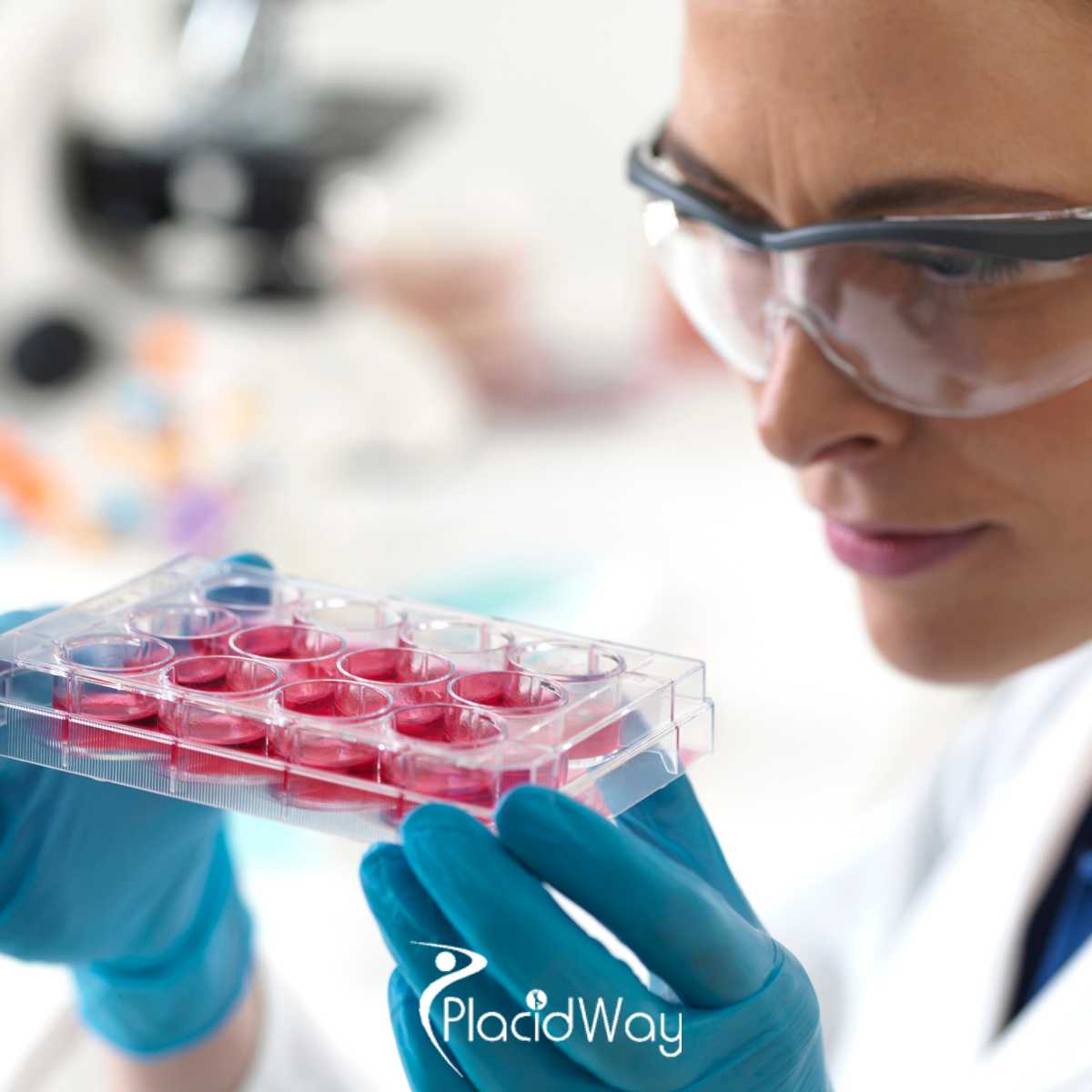
One of the most rapidly expanding global autism therapies is regenerative medicine, specifically the application of mesenchymal stem cells (MSCs). Research indicates that autism is often accompanied by underlying neuroinflammation and immune system dysregulation. Stem cell therapy aims to address these root physiological issues rather than merely managing outward symptoms.
At , the presentation highlights how MSCs, typically derived from ethically sourced human umbilical cord tissue (Wharton's Jelly), possess profound anti-inflammatory properties. When introduced into the body, these cells migrate to areas of inflammation, promoting tissue repair and modulating the immune system. Many parents report significant improvements in eye contact, language acquisition, and a reduction in repetitive behaviors following treatment.
Top International Destinations for Regenerative Medicine
Because stem cell therapy for autism is still undergoing FDA clinical trials in the United States, thousands of families engage in medical tourism to access this treatment safely. Countries with robust regulatory frameworks for regenerative medicine have become primary hubs for international patients. Clinics in these regions offer state-of-the-art laboratories and highly experienced medical staff.
| Medical Destination | Primary Cell Type Used | Average Cost Range | Regulatory Focus |
|---|---|---|---|
| Mexico (Monterrey, Tijuana) | Umbilical Cord MSCs | $3,500 - $8,000 | COFEPRIS Regulated |
| Panama (Panama City) | Expanded Umbilical MSCs | $15,000 - $25,000 | Ministry of Health Approved |
| Asia (Thailand, India) | Bone Marrow & Umbilical | $6,000 - $12,000 | Medical Council Standards |
3. Top Speech Therapy Programs and Communication Interventions
Communication deficits are a core diagnostic criteria for autism spectrum disorder, making top speech therapy programs an absolute necessity for early intervention. Speech-language pathologists (SLPs) do not simply teach children how to vocalize words; they teach the fundamental mechanics of human connection. This includes mastering pragmatics, understanding non-verbal cues, and developing reciprocal conversation skills.
For non-verbal or minimally verbal individuals, modern speech therapy heavily relies on Augmentative and Alternative Communication (AAC) devices. As noted at , high-tech AAC tablets utilize predictive text and picture exchange systems that give non-speaking autistic individuals a powerful voice. The global shift toward prioritizing functional communication over forced verbalization has dramatically reduced anxiety and behavioral outbursts in autistic children.
The Role of Bilingual Speech Therapy
In our increasingly interconnected world, international autism treatment centers are pioneering bilingual speech therapy approaches. Contrary to outdated beliefs, raising an autistic child in a bilingual household does not delay language acquisition. Specialized global clinics are now utilizing cross-linguistic mapping to enhance neuroplasticity, fostering better cognitive flexibility in autistic youths.
4. Occupational Therapy and Sensory Integration Strategies
Occupational therapy sensory integration is a cornerstone of daily management for individuals on the autism spectrum. Many autistic individuals experience Sensory Processing Disorder (SPD), meaning their nervous systems struggle to interpret stimuli from their environment. This can result in extreme hypersensitivity to lights, sounds, and textures, or a hyposensitivity that causes them to seek out intense physical input.
Expert occupational therapists design individualized "sensory diets" tailored to the specific neurological needs of the patient. At , the video showcases sensory gyms equipped with specialized swings, weighted vests, and tactile pathways. These tools provide deep proprioceptive and vestibular input, which actively calms the central nervous system and helps the child achieve a regulated state conducive to learning.
Fostering Independence and Daily Living Skills
Beyond sensory regulation, occupational therapy focuses heavily on activities of daily living (ADLs). Therapists work meticulously on fine motor skills required for holding a pencil, using utensils, or buttoning a shirt. By mastering these fundamental self-care skills, autistic individuals gain a profound sense of independence, which dramatically improves their overall quality of life and self-esteem.
5. Hyperbaric Oxygen Therapy (HBOT) Innovations
Hyperbaric oxygen therapy autism treatments are gaining massive traction in alternative and functional medicine communities worldwide. HBOT involves breathing 100% pure oxygen in a pressurized chamber, which allows the lungs to gather significantly more oxygen than would be possible at normal air pressure. This hyper-oxygenated blood travels throughout the body, stimulating the release of growth factors and stem cells.
The primary clinical rationale for using HBOT in autism is its ability to reduce cerebral neuroinflammation and improve blood flow to the brain. Highlighted at , PET scans of autistic patients often reveal areas of hypoperfusion, or decreased blood flow, in regions of the brain responsible for speech and social interaction. By forcing oxygen into these dormant tissues, HBOT aims to awaken inactive neurons and restore optimal brain function.
Treatment Protocols and International Availability
While standard medical protocols generally reserve HBOT for wound healing and carbon monoxide poisoning, international wellness centers offer specialized pediatric protocols for ASD. These sessions typically run at a milder pressure (around 1.3 to 1.5 ATA) to ensure child safety and comfort. Many families report that a cluster of 40 HBOT sessions yields improved sleep patterns, better gastrointestinal function, and increased cognitive awareness.
6. Targeted Dietary Interventions and Nutritional Psychiatry
The intricate connection between the gut microbiome and brain function is revolutionizing autism spectrum disorder treatments globally. Research consistently shows that a large percentage of autistic individuals suffer from chronic gastrointestinal issues, leaky gut syndrome, and dysbiosis. By addressing the gut-brain axis, functional medicine practitioners aim to alleviate behavioral symptoms through highly targeted nutritional strategies.
Dietary interventions require strict adherence and careful monitoring by certified clinical nutritionists. When problematic proteins are removed from the diet, many parents witness a drastic reduction in brain fog, hyperactivity, and aggressive meltdowns. The most scientifically supported and internationally utilized dietary protocols include:
- Gluten-Free, Casein-Free (GFCF) Diet: Eliminates wheat proteins and dairy proteins, which some autistic digestive systems break down into opioid-like peptides that cross the blood-brain barrier.
- The Specific Carbohydrate Diet (SCD): Focuses on removing complex carbohydrates and refined sugars to starve pathogenic gut bacteria and yeast overgrowth.
- Targeted Methylation Supplementation: Utilizing bioavailable forms of Vitamin B12, Folate, and Omega-3 fatty acids to bypass genetic mutations like MTHFR, which are common in the autistic population.
Advanced Microbiome Testing Worldwide
Leading global autism clinics now employ comprehensive stool analysis and organic acids testing to create highly individualized dietary roadmaps. Instead of guessing which foods cause inflammation, international specialists use DNA sequencing of the microbiome to pinpoint exact bacterial imbalances. This precision medicine approach ensures that nutritional interventions are both safe and highly effective.
7. Animal-Assisted and Alternative Therapeutic Modalities
Animal-assisted therapies provide a unique, non-judgmental avenue for autistic individuals to develop empathy, reduce anxiety, and improve emotional regulation. Because animals communicate primarily through body language and energy, they offer a less intimidating social interaction compared to human-to-human communication. This safe dynamic allows autistic individuals to build trust and confidence at their own pace.
At , the global rise of equine-assisted therapy (therapeutic horseback riding) is explored in detail. The rhythmic motion of riding a horse mimics the human gait, providing profound physical therapy that strengthens core muscles and improves postural control. Additionally, specialized autism service dogs are globally recognized for preventing wandering behaviors, applying deep pressure therapy during meltdowns, and interrupting harmful self-stimulatory behaviors.
Music and Art as Expressive Pathways
Alongside animal therapies, international holistic centers heavily integrate music and art therapy into their comprehensive packages. These creative modalities bypass the language centers of the brain, allowing non-verbal children to express complex emotions, process trauma, and improve auditory processing capabilities in a highly engaging, low-stress environment.
8. Pharmacological Treatments and Medical Management
While there is no medication that cures autism, pharmacological interventions play a critical role in managing severe co-occurring conditions that hinder a child's ability to participate in therapy. It is exceptionally common for autistic individuals to experience comorbid diagnoses such as severe anxiety, Attention Deficit Hyperactivity Disorder (ADHD), clinical depression, or seizure disorders. Managing these conditions medically can dramatically improve focus and quality of life.
Global psychiatric practices utilize a highly conservative approach when prescribing psychotropic medications to neurodivergent individuals, as their metabolic responses can be unpredictable. At , the discussion transitions to the use of targeted medications like low-dose risperidone or aripiprazole, which are FDA-approved specifically for treating extreme irritability and aggression associated with ASD. Moreover, sleep disturbances are universally addressed using pharmacological-grade melatonin and natural sleep architecture support.
The Future of Precision Pharmacology
The future of global autism therapies lies in pharmacogenomics—the study of how genes affect a person's response to drugs. Top international clinics now run simple genetic cheek swabs before prescribing any psychiatric medication. This technological advancement eliminates the traditional trial-and-error process, ensuring that autistic patients receive the safest, most effective medications based entirely on their unique genetic metabolization rates.
Ready to Explore Global Autism Treatments?
PlacidWay Medical Tourism connects you with top-rated international clinics offering cutting-edge stem cell therapy, advanced behavioral programs, and comprehensive autism care packages. Let us help you find the right personalized treatment for your family.
GET A FREE QUOTE
.png)



-(8).png)
-(7).png)
.png)
.png)
-(8).png)

-(10).png)








Share this listing