


Professional and amateur athletes alike understand the devastating impact of joint injuries. Torn ligaments and damaged tendons not only halt athletic careers but drastically reduce daily quality of life. In recent years, athletes have increasingly looked beyond their home borders to find high-quality, specialized care without the excruciating wait times often found in European public healthcare systems.
By 2026, the landscape of sports medicine is evolving rapidly, pointing towards specific hubs of medical excellence. The spotlight is firmly on orthopedic clinics in Izmir, a coastal Turkish city that has quietly built a formidable reputation for complex joint repairs. Offering state-of-the-art facilities and highly specialized surgical teams, this region is quickly becoming the primary destination for advanced sports rehabilitation.
Rise of Advanced Rotator Cuff and ACL Reconstruction in Izmir
The city of Izmir has invested heavily in modern medical infrastructure, specifically targeting sports medicine and orthopedic trauma. For an athlete, timing is everything; a delayed surgery often translates into irreversible muscle atrophy and compromised joint mechanics. The growing demand for immediate, elite-level care has catalyzed the establishment of world-class medical centers along the Aegean coast, designed specifically to cater to international patients.
Choosing rotator cuff surgery in Turkey is no longer just a cost-saving measure; it is a strategic decision for rapid athletic recovery. Surgeons in this region frequently utilize the latest arthroscopic technologies and biologics, ensuring that patients receive care comparable to, or exceeding, what is available in Western Europe. This dedication to surgical excellence has solidified Izmir's status as a top-tier medical hub.
Turkey currently ranks among the top 10 medical tourism destinations globally, largely driven by its rapid advancements in orthopedics and complex joint reconstruction.
- Immediate access to surgical evaluations without lengthy waitlists.
- Utilization of cutting-edge 4K arthroscopic imaging for enhanced precision.
- Multidisciplinary care teams integrating surgeons, sports physiotherapists, and nutritionists.
- Internationally accredited facilities adhering to stringent hygiene protocols.
Why European Athletes Choose Medical Tourism in Turkey
For European athletes, the friction of navigating domestic healthcare systems can be incredibly frustrating. While public healthcare is accessible, the waiting period for non-life-threatening procedures like a knee reconstruction can stretch into months. This delay is unacceptable for individuals whose livelihoods or passions depend on physical performance, prompting them to explore medical tourism in Turkey.
Beyond the lack of wait times, the geographical proximity of Turkey makes it highly appealing for European travelers. A short, direct flight transports patients to an environment dedicated to healing. Combined with the temperate coastal climate, which is beneficial for joint comfort and overall well-being, the environment significantly enhances the psychological aspects of recovery.
Many orthopedic surgeons operating in Turkey's international hospitals have completed specialized fellowships in the United States or Europe, bringing global best practices back to their home facilities.
- Proximity: Flight times from most major European cities range from just 3 to 4 hours.
- Communication: Dedicated international patient departments ensure fluent English communication.
- Climate: The mild Aegean weather provides an ideal, stress-free backdrop for initial recovery phases.
Understanding Joint Repair and ACL Surgery Techniques
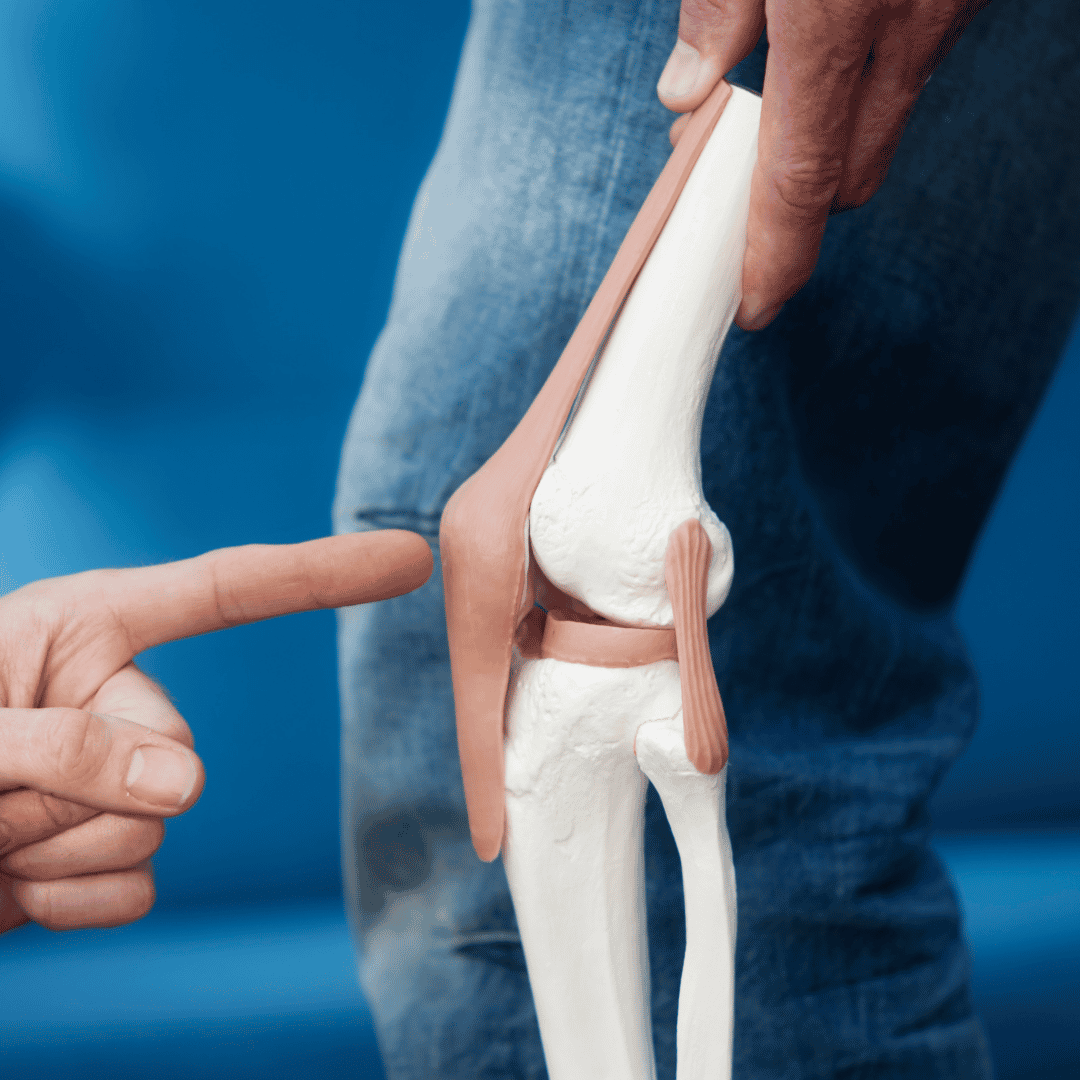
The anterior cruciate ligament (ACL) and the rotator cuff are two of the most critical, yet vulnerable, anatomical structures for athletes. An ACL tear compromises the stability of the entire knee, while a rotator cuff injury drastically limits shoulder mobility and strength. Advanced surgical intervention is generally required to restore anatomical integrity and function to these complex joints.
Surgeons performing these procedures rely heavily on minimally invasive arthroscopic techniques. This involves using small incisions, specialized cameras, and micro-instruments to repair or reconstruct the damaged tissue. By minimizing trauma to surrounding muscles, patients typically experience reduced postoperative pain, lower infection risks, and an accelerated pathway to rehabilitation.
Before traveling, ask your surgeon about the specific type of graft (autograft vs. allograft) they recommend for your ACL, as this directly impacts your unique rehabilitation timeline.
| Surgical Technique | Application | Primary Benefit |
|---|---|---|
| Arthroscopic Rotator Cuff Repair | Shoulder tendon tears | Preserves deltoid muscle, speeding recovery |
| Autograft ACL Reconstruction | Knee ligament ruptures | Uses patient's own tissue, eliminating rejection risk |
| Allograft ACL Reconstruction | Complex knee revisions | Reduces surgical time and initial harvest site pain |
Comprehensive Cost of Rotator Cuff and ACL Reconstruction in Izmir
The financial aspect of medical care is a significant driving force for international patients. When evaluating the ACL reconstruction cost in Izmir, patients are frequently surprised to find that the total expenditure—including surgery, hospital stay, and initial physiotherapy—is a fraction of the price of private healthcare in the UK or Western Europe. This cost efficiency does not imply a reduction in medical quality, but rather reflects favorable currency exchange rates and lower administrative overhead.
Transparency is a hallmark of reputable international clinics. Patients typically receive itemized treatment plans that detail hospital fees, surgical hardware (such as anchors or screws), and anesthesia costs. Finding allows athletes to reallocate their funds toward extended, high-quality physical therapy upon returning home, which is vital for long-term success.
| Procedure Name | Average Cost in Izmir, Turkey ($) | Average Cost in UK / Europe ($) |
|---|---|---|
| Standard ACL Reconstruction | $3,500 - $4,800 | $9,000 - $14,000 |
| Complex ACL Revision Surgery | $4,500 - $6,000 | $12,000 - $18,000 |
| Arthroscopic Rotator Cuff Repair | $3,800 - $5,200 | $8,500 - $13,500 |
| Pre-Op MRI & Diagnostic Imaging | $150 - $300 | $600 - $1,200 |
Preparing for Orthopedic Surgery Clinics in Izmir
Successful surgical outcomes begin long before you board a flight. Coordinating remotely with your chosen sports medicine clinic is essential to ensure a seamless transition from diagnosis to surgery. Medical teams will require high-resolution MRI scans, detailed medical histories, and virtual consultations to confirm that you are an appropriate candidate for the proposed procedure.
Equally important is physical preparation, often referred to as "pre-hab." Strengthening the muscles surrounding the injured joint before surgery can dramatically improve postoperative recovery. Your Turkish medical team will usually provide a set of safe, pre-surgical exercises designed to reduce swelling and maintain baseline muscle mass without exacerbating the injury.
Never withhold information regarding pre-existing conditions, allergies, or previous surgeries from your international medical team. Complete transparency is legally and biologically required to ensure your safety under anesthesia.
- Secure digital copies of all relevant MRI, X-ray, and CT scans.
- Undergo blood tests and a cardiac evaluation locally if requested by the surgeon.
- Commit to a pre-habilitation physical therapy routine approved by a specialist.
- Plan your post-operative living arrangements to accommodate limited mobility.
The Surgical Experience for ACL Reconstruction in Turkey
Upon arriving at the hospital facility, patients generally undergo a final series of pre-operative assessments, including fresh blood work and an in-person consultation with both the orthopedic surgeon and the anesthesiologist. This meticulous preparation ensures that the surgical plan precisely matches the real-time condition of the joint. Modern hospitals in this region are designed to offer a calming, patient-centric environment.
The procedure day itself is highly structured. After the administration of regional or general anesthesia, the surgical team performs the ligament reconstruction, typically taking one to two hours. Post-surgery, patients are moved to a specialized recovery unit where their vital signs and initial pain management are closely monitored by dedicated nursing staff.
Over 90% of ACL reconstruction patients treated in specialized orthopedic centers report restored knee stability and significant improvements in their functional activity levels post-rehabilitation.
- Morning: Fasting admission, final surgeon briefing, and anesthesia preparation.
- Midday: Arthroscopic surgical procedure utilizing modern biological grafts.
- Afternoon: Transition to the post-anesthesia care unit (PACU) for monitoring.
- Evening: Transfer to a private inpatient room for initial joint icing and rest.
Rotator Cuff Repair Protocols at an Izmir Clinic
Shoulder anatomy is inherently complex, demanding exceptional precision during repair. When you check into a specialized clinic for rotator cuff issues, the focus is on reattaching the torn tendon to the head of the humerus. Surgeons frequently use advanced bio-absorbable anchors and high-strength sutures that promote natural tissue integration over time, providing a durable foundation for heavy lifting or throwing.
The immediate post-operative protocol for the shoulder differs significantly from the knee. While knee patients are often encouraged to bear weight quickly, shoulder patients are usually placed in a specialized sling or immobilizer. This strict immobilization phase is critical to protect the delicate early stages of tendon-to-bone healing, preventing accidental stretching of the newly repaired tissues.
The shoulder joint has the greatest range of motion of any joint in the human body, which is exactly why a torn rotator cuff requires such a meticulous, slow-paced rehabilitation process.
- Strict adherence to wearing a shoulder immobilizer sling for 4 to 6 weeks.
- Utilization of cold therapy machines to manage acute shoulder inflammation.
- Passive range of motion exercises initiated solely under physical therapist guidance.
Elite Rehabilitation and Recovery Timelines in Turkey
Surgery merely sets the stage for recovery; true healing occurs during rehabilitation. The philosophy of affordable sports medicine in Izmir integrates early, aggressive (yet safe) physiotherapy into the treatment package. Patients are not sent home to fend for themselves; instead, they begin highly supervised physical therapy sessions within 24 to 48 hours of waking up from surgery.
Understanding the timeline is vital for psychological endurance. Ligaments and tendons heal at a biological pace that cannot be rushed, regardless of athletic fitness. Athletes must respect the phased progression from passive motion to active strengthening, and finally, to sport-specific dynamic movements over a span of several months.
Document your early physiotherapy sessions in Turkey on video. This ensures you can demonstrate the exact techniques and range-of-motion limits to your local physical therapist when you return home.
- Weeks 1-2: Focus on pain management, swelling reduction, and regaining basic passive mobility.
- Weeks 3-6: Gradual weaning off crutches or slings; introduction of light active resistance.
- Months 2-4: Progressive strength training, focusing on muscle hypertrophy and joint stabilization.
- Months 6-9+: Neuromuscular control training, plyometrics, and eventual clearance for sport-specific drills.
Risks and Safety Standards for Orthopedic Procedures in Izmir
As with any invasive medical procedure, joint reconstructions carry inherent risks. Patients considering best orthopedic surgeons in Turkey must recognize that while facilities employ rigorous safety measures, complications can still arise. We advise all patients to thoroughly discuss potential adverse events, such as deep vein thrombosis (DVT), infection, or anesthesia reactions, during their consultations.
Internationally accredited hospitals in Turkey adhere to strict sterilization and infection control protocols to mitigate these risks. Most patients experience a smooth recovery, provided they strictly follow post-operative guidelines regarding wound care, medication schedules, and movement restrictions. Avoiding premature stress on the surgical site is the most crucial factor within the patient's control.
- Infection: Managed through sterile surgical environments and prophylactic antibiotics.
- Joint Stiffness: Prevented by adhering strictly to early, prescribed physical therapy routines.
- Graft Failure: A rare risk that is mitigated by avoiding premature return to high-impact sports.
- Blood Clots: Controlled through mobility exercises and, when necessary, blood-thinning medications.
Evaluating Success Rates for Joint Surgery in Turkey
Defining "success" in sports medicine requires managing realistic expectations. For an elite athlete, success means a return to competitive play at the same level as before the injury. For a recreational sports enthusiast, it might mean running or skiing without pain. Generally, patients treated at premium facilities report high satisfaction rates regarding pain reduction and restored mechanical stability.
However, it is important to remember that medical professionals can never guarantee results. Biological healing varies vastly from person to person. The long-term success of an ACL or rotator cuff repair relies on a 50/50 partnership between the surgical execution and the patient’s unwavering dedication to months of tedious, uncomfortable rehabilitation.
Clinical studies show that psychological readiness and confidence in the reconstructed joint are just as critical as physical healing when determining if an athlete can safely return to elite competition.
- Surgeon expertise and the accuracy of tunnel placement during ligament reconstruction.
- The biological quality and integration of the chosen tendon graft or anchor.
- The patient's strict adherence to post-operative biomechanical restrictions.
- Quality and consistency of ongoing physical therapy over a 6 to 12-month period.
Balancing Athletic Recovery with Medical Tourism in Izmir
Traveling abroad for surgery combines healthcare with international logistics. While Izmir offers beautiful coastal views and historical sites, medical tourists must prioritize their physical recovery over vacation activities. The primary goal of the trip is medical; the tranquil environment is meant to aid rest, not to facilitate sightseeing excursions.
Proper planning ensures that the transition back home is safe. Patients typically need assistance carrying luggage, navigating airports, and sitting for extended periods on flights. Working closely with patient coordinators helps arrange necessary airport assistance, such as wheelchair services and expedited security checks, ensuring the newly repaired joint is protected during transit.
Flying too soon after major joint surgery can increase the risk of Deep Vein Thrombosis (DVT). Surgeons typically clear patients for air travel only after a specific post-operative window has passed.
- Do: Rest with your surgical limb elevated according to medical instructions.
- Do: Stay highly hydrated to promote tissue healing and circulation.
- Don't: Attempt to explore the city on foot or engage in tourist activities.
- Don't: Lift heavy suitcases or navigate airport terminals without mobility assistance.
Patient Stories of Sports Medicine Recovery in Turkey
Listening to the experiences of peers who have navigated the same medical journey provides invaluable reassurance. Athletes from across Europe frequently share their stories of traveling to the Aegean coast to reclaim their physical capabilities. These testimonials highlight the seamless care and professionalism they encountered.
From competitive rugby players requiring complete knee reconstructions to avid tennis players dealing with severe shoulder impingements, the diverse range of successful recoveries underscores the versatility and expertise of the surgical teams available in this region.
Marcus T., UK (ACL Reconstruction)
"I tore my ACL playing football and faced a year-long wait locally. The team in Turkey handled my case immediately. The hospital was pristine, and the daily physio jump-started my recovery. I felt entirely supported."
Elena R., Germany (Rotator Cuff Repair)
"My shoulder pain was ending my tennis hobby. The arthroscopic repair I received was top-notch. The surgeon explained every detail of the anchors used, and the transparency regarding costs was a huge relief."
Liam O., Ireland (Complex Knee Revision)
"After a failed surgery back home, I was hesitant. The specialists in Izmir performed a thorough diagnostic workup and a successful revision using an allograft. The level of medical technology available was incredibly impressive."
Sophie M., France (Sports Trauma)
"The pre-op communication was what sold me. They reviewed my MRIs via video call and gave me a realistic timeline. While the first week post-op was tough, the nursing staff's pain management was excellent."
How PlacidWay Assists Your Orthopedic Medical Tourism Journey in Izmir
Navigating international healthcare options can feel overwhelming, especially when dealing with the physical pain and mental stress of a sports injury. Trusting the right medical facilitators is crucial to ensuring you are connected with legitimate, highly-credentialed healthcare providers rather than unverified entities.
PlacidWay serves as a vital bridge between international patients and premier medical centers. We focus exclusively on empowering you with the medical information, provider options, and direct connections necessary to make an informed decision about your orthopedic care.
- Providing direct access to profiles of internationally accredited orthopedic centers.
- Facilitating the secure transfer of your MRI scans and medical records to surgical teams for preliminary evaluation.
- Assisting in obtaining detailed, transparent price quotes for specific orthopedic procedures.
- Connecting you with dedicated, bilingual patient coordinators at the destination hospitals.
- Offering a comprehensive platform to compare credentials, success rates, and patient reviews.
Frequently Asked Questions About ACL and Rotator Cuff Surgery in Turkey
Making an informed decision requires asking the right questions. International medical travelers frequently share similar concerns regarding the safety, logistics, and medical protocols of receiving orthopedic surgery abroad. Clearing up these uncertainties is the first step toward a confident medical journey.
Below are some of the most common questions athletes and patients ask when considering advanced joint reconstruction in this region. Reviewing these facts will help you better prepare for discussions with your medical facilitators and chosen surgical team.
Is Izmir a safe destination for orthopedic surgery?
Yes, Izmir is highly regarded for its internationally accredited medical facilities and stringent healthcare protocols. Patients generally experience excellent safety standards comparable to top European hospitals.
How long should I stay in Izmir after ACL reconstruction?
Surgeons typically recommend staying in the country for 10 to 14 days post-operation. This allows enough time for the initial recovery phase, physical therapy commencement, and follow-up evaluations.
Can I have both rotator cuff and ACL surgery at the same time?
While technically possible, performing both procedures simultaneously is generally discouraged due to the extreme mobility restrictions it places on the patient during recovery. Your surgical team will evaluate your specific case to determine the safest approach.
What type of grafts are used for ACL reconstruction in Turkey?
Turkish orthopedic surgeons commonly use autografts (tissue from your own body, like the hamstring or patellar tendon) or allografts (donor tissue). The choice depends on the patient's age, athletic demands, and biological factors.
When can I return to elite sports after rotator cuff repair?
Athletes typically require six to nine months of intensive rehabilitation before returning to high-impact or overhead sports. Complete tissue healing and strength restoration must be confirmed by your healthcare provider.
Will there be a language barrier at the clinic in Izmir?
Most internationally recognized medical facilities in Izmir employ highly proficient English-speaking medical staff and surgeons. Multilingual patient coordinators are also usually available to ensure clear communication.
How soon does physical therapy start after joint surgery?
Physical therapy generally begins within 24 to 48 hours after the procedure. Early, gentle movement is crucial to prevent stiffness and promote blood circulation in the repaired joint.
Do I need a medical visa for surgery in Turkey?
Visa requirements depend on your nationality. Many European citizens can enter Turkey for medical purposes using a standard e-Visa, but it is essential to verify current regulations with the Turkish consulate before traveling.
Are the results of sports surgeries guaranteed?
No medical procedure comes with a 100% guarantee. While success rates for these surgeries are statistically high, individual outcomes vary based on biological healing, adherence to rehabilitation, and pre-existing conditions.
How does PlacidWay help with my orthopedic journey?
PlacidWay assists by connecting you with accredited medical providers, facilitating the transfer of your medical records, and helping you obtain customized surgical quotes to make an informed healthcare decision.
Ready to reclaim your athletic performance? Let PlacidWay connect you with top-tier orthopedic specialists for your surgery.
Medical Disclaimer: This article is for informational purposes only and is not medical advice. Always consult a qualified healthcare provider before any medical decisions. Results may vary. Read Full Disclaimer here.
References:
- National Center for Biotechnology Information (NCBI). Outcomes of ACL Reconstruction. https://pmc.ncbi.nlm.nih.gov/articles/PMC10910190/
- Mayo Clinic. Rotator Cuff Injury Diagnosis and Treatment. https://www.mayoclinic.org/diseases-conditions/rotator-cuff-injury/diagnosis-treatment/drc-20350231
- Orthoinfo (AAOS). ACL Injury: Does It Require Surgery? https://orthoinfo.aaos.org/en/treatment/acl-injury-does-it-require-surgery/












Share this listing