


Facing debilitating joint pain can completely halt your daily life, but accessing timely medical care should not be an additional burden. For many individuals suffering from severe osteoarthritis, finding affordable and immediate access to robotic hip replacement surgery in Turkey has become a life-changing solution. As healthcare systems in various Western countries experience unprecedented backlogs, patients are increasingly looking toward medical tourism to regain their mobility. Choosing to undergo orthopedic procedures abroad offers a combination of world-class medical expertise, cutting-edge technology, and highly competitive pricing. This approach ensures that patients no longer have to endure years of chronic pain while languishing on public health waiting lists.
In this detailed resource, we explore the genuine experience of a Canadian patient who traveled abroad to resolve his critical joint issues. You will discover exactly why international medical facilities are becoming the premier destination for complex orthopedic surgeries. We delve deeply into the cost comparisons, the advanced robotic techniques utilized by top surgeons, and the comprehensive rehabilitation protocols that ensure a swift recovery. Whether you are dealing with age-related joint degeneration or mobility-limiting calcification, understanding your options for hip arthroplasty in Turkey empowers you to take control of your health. Read on to learn how specialized overseas clinics provide unparalleled care, translating into faster recovery times and a dramatic improvement in overall quality of life.
Video Chapters
Overcoming Long Wait Times for Orthopedic Surgery in Canada vs Turkey
One of the most significant challenges facing patients in North America is the extensive backlog for elective orthopedic procedures. In Canada, individuals suffering from severe joint degeneration often find themselves waiting months, or even years, simply to consult with a specialist. This delay is further compounded by massive surgical waiting lists, leaving patients to manage excruciating pain with temporary solutions. The physical and emotional toll of these extended wait times cannot be overstated. Mobility continues to decline steadily while individuals wait indefinitely for a viable medical intervention.
By shifting focus to medical tourism, patients are discovering drastically reduced wait times for total hip replacement procedures. In many international clinics, surgeries can be scheduled and executed within a matter of days following the initial consultation. This rapid turnaround is crucial for preventing further muscle atrophy and joint damage, which often occur during long periods of immobility. For instance, as noted in the video at [00:22], patients can transition from severe pain to a completed surgical procedure in just five days when traveling abroad. This stark contrast highlights the efficiency and capacity of modern medical facilities catering to international clients.
Opting for immediate surgical intervention abroad allows patients to reclaim their independence much sooner. Instead of spending prime years restricted to the confines of their homes, they can undergo life-altering treatments without the bureaucratic delays common in public healthcare systems. This rapid access to high-quality medical care is a primary driver for the surge in orthopedic medical tourism. It empowers individuals to prioritize their well-being and sidestep systemic healthcare bottlenecks. Ultimately, it allows them to return to their active lifestyles with renewed vigor and confidence.
The Hidden Dangers of Delayed Joint Replacement Surgery
Waiting excessively long for a hip arthroplasty does more than just prolong physical discomfort. It actively degrades a patient's overall health trajectory and complicates future rehabilitation efforts. Prolonged joint pain typically leads to a highly sedentary lifestyle, which subsequently causes severe muscle weakness and cardiovascular deconditioning. Furthermore, patients frequently develop compensatory walking patterns to minimize pain while moving. This places unnatural stress on the spine, knees, and the opposite hip, creating secondary orthopedic issues.
Addressing joint degeneration promptly through early surgical intervention is essential for achieving optimal post-operative outcomes. When a patient undergoes surgery before their muscles become completely atrophied, the rehabilitation phase is notably shorter and more successful. International medical centers recognize this critical window of opportunity and have structured their admission processes to accommodate urgent cases. By facilitating swift access to top-tier orthopedic surgeons, these facilities help prevent the irreversible physical decline associated with long-term osteoarthritis.
- Prevention of Muscle Atrophy: Immediate surgery preserves the surrounding muscle tissue, ensuring a stronger foundation for post-operative physical therapy.
- Reduction of Compensatory Injuries: Fixing the damaged hip quickly prevents unnatural strain on the lower back and opposite leg joints.
- Mental Health Preservation: Eliminating the anxiety and depression associated with chronic pain significantly boosts psychological well-being.
The Financial Reality: Cost of Hip Replacement Surgery in Turkey vs Canada
When considering medical procedures abroad, the financial aspect is often the deciding factor for many prospective patients. For individuals exploring private healthcare options in North America, the out-of-pocket expenses for orthopedic surgery can be astronomically high. These costs typically encompass surgeon fees, hospital stays, anesthesia, and post-operative physical therapy. They quickly add up to tens of thousands of dollars, placing private domestic healthcare entirely out of reach for the average citizen. Consequently, patients are forced back onto sluggish public waiting lists to endure their joint pain.
Conversely, the cost of a total hip replacement in Turkey offers an exceptionally cost-effective alternative without compromising on medical standards. International hospitals have streamlined their services to provide comprehensive, all-inclusive packages tailored specifically for medical tourists. These packages generally cover all medical evaluations, the surgical procedure itself, luxury hospital accommodations, and initial rehabilitation sessions. As highlighted in the patient testimony at [04:18], undergoing this complex surgery abroad can cost two to three times less than a private clinic in Canada. This dramatic price difference is primarily due to lower operational costs and favorable exchange rates, rather than a reduction in care quality.
Moreover, the transparent pricing models offered by these overseas medical centers eliminate the fear of unexpected medical bills. Patients receive a detailed breakdown of all costs upfront, allowing for precise financial planning before booking their flights. This level of financial clarity makes traveling for joint replacement not just a medical necessity, but a highly logical economic decision. Patients can essentially fund a medical trip, receive premium surgical care, and still spend significantly less than they would at home.
Understanding Medical Tourism All-Inclusive Orthopedic Packages
The concept of an all-inclusive medical package is designed to remove the logistical stress typically associated with healthcare. By bundling various services into a single, affordable price point, hospitals cater seamlessly to the needs of international visitors. These packages ensure that from the moment a patient lands at the airport to their final discharge, every aspect of their care is financially covered. This comprehensive approach is a hallmark of the top medical tourism destinations. It provides unparalleled value for patients seeking complex joint surgeries abroad.
Beyond the surgical costs, these packages frequently include vital auxiliary services that enhance the overall patient experience. Professional translation services, VIP airport transfers, and dedicated patient coordinators are standard inclusions. They serve to bridge any cultural or language gaps immediately upon arrival. This holistic pricing strategy ensures that patients can focus entirely on their recovery rather than navigating a fragmented billing system.
| Service Component | Private Clinic (Canada/US) | Medical Tourism Package (Turkey) |
|---|---|---|
| Surgical Procedure & Implant | Billed separately at high premium rates | Included in base package price |
| Hospital Stay & Nursing Care | Charged per night, often excessively high | Included (typically 3-5 days inpatient) |
| VIP Transfers & Translation | Rarely provided; patient responsibility | Fully included with dedicated coordinators |
| Pre-Op Scans (MRI/X-Ray) | Subject to separate imaging center fees | Included in pre-operative assessments |
Advanced Medical Technology: Robotic Hip Replacement in Turkey
The landscape of orthopedic surgery has been revolutionized by the integration of state-of-the-art robotic assistance systems. When patients seek out the best hospital for hip replacement in Turkey, they are specifically looking for facilities equipped with these advanced tools. Robotic arthroplasty provides surgeons with unparalleled accuracy through advanced 3D anatomical imaging. It utilizes this data to create a highly personalized surgical plan based on the patient's unique bone structure. This level of precision is virtually impossible to achieve through traditional, manual surgical techniques.
During a robotic-assisted hip replacement, the surgeon maintains absolute control while the robotic arm ensures the implant is positioned perfectly. This exacting placement is critical for the long-term success and durability of the artificial joint. Proper alignment minimizes the wear and tear on the prosthetic materials over time. Consequently, it significantly extends the lifespan of the implant and reduces the likelihood of future revision surgeries. Facilities prioritizing this technology demonstrate a clear commitment to delivering the highest standard of modern medical care.
Furthermore, robotic surgery is inherently less invasive, minimizing damage to the surrounding soft tissues and muscles. This conservative approach to accessing the joint translates directly into less post-operative pain. It also leads to a considerably faster and more comfortable rehabilitation phase. Patients benefit from reduced blood loss during the procedure and lower risks of complications such as joint dislocation. By leveraging robotic systems, international orthopedic surgeons are setting new global benchmarks for patient safety.
The Precision of Robotic Arthroplasty for Joint Repair
Traditional hip replacement methods rely heavily on the surgeon's visual assessment and manual dexterity to align the prosthetic components. While often successful, this approach introduces a margin of human error that can impact the joint's functionality. Robotic arthroplasty eliminates this variability by employing real-time haptic feedback and dynamic anatomical mapping. If the surgical instrument deviates even slightly from the pre-programmed 3D model, the robotic system immediately halts. This ensures absolute adherence to the surgical plan without compromise.
This technological advantage is particularly beneficial for complex cases involving severe bone deformities or advanced calcification. The robotic interface allows the surgical team to simulate the joint's movement virtually before making any physical bone cuts. Consequently, the patient receives a highly customized implant fit that mimics natural biomechanics flawlessly. The integration of robotic precision into joint repair represents a monumental leap forward in treating debilitating musculoskeletal conditions.
A Patient's Journey: Hip Surgery Abroad for Canadian Patients
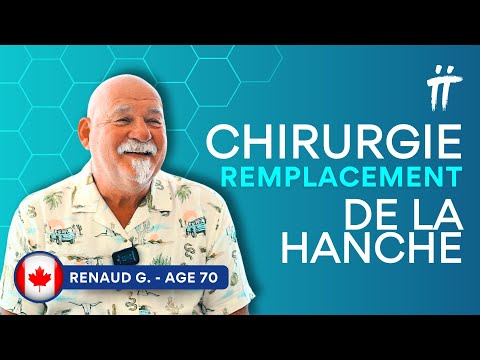
Understanding the real-world impact of medical tourism is best achieved by examining the personal experiences of those who have navigated the process. For many individuals, the journey begins with an increasingly restrictive lifestyle caused by unmanageable joint deterioration. The narrative of Renaud, a 70-year-old patient from Quebec, perfectly encapsulates the frustration of dealing with severe left hip pain. As detailed around [00:48], his mobility had declined to the point of constant falls. This physical decline forced him into a highly sedentary, housebound existence.
The decision to pursue orthopedic treatments internationally is rarely made lightly. It is usually the result of exhausted local options and a desperate desire for pain relief. Upon receiving a diagnosis of severe arthrosis and calcification, the prospect of waiting years for a procedure in Canada became untenable. Encouraged by family members who recognized the urgency, the patient chose to bypass the domestic healthcare delays. This proactive choice marks the critical transition from passive waiting to active health management.
The actual travel experience is heavily supported by the receiving medical facilities. This ensures a stress-free arrival for patients dealing with limited mobility. From the moment the plane lands, dedicated staff provide wheelchair assistance and seamless transportation directly to the hospital. This VIP treatment, highlighted at [02:18], alleviates the physical exhaustion of international travel. Knowing that every logistical detail is managed allows patients to focus entirely on their surgical procedure and recovery.
Managing Severe Hip Osteoarthritis and Mobility Loss
Osteoarthritis is a progressively debilitating condition where the protective cartilage cushioning the ends of the bones wears down over time. When this occurs in a major weight-bearing joint like the hip, the resulting bone-on-bone friction causes agonizing pain. Patients often describe an inability to perform basic daily activities, such as tying shoes or walking short distances. As the condition worsens, the joint may develop painful bone spurs or extreme calcification. This further restricts any natural range of motion and drastically limits independence.
Living with advanced hip degeneration profoundly impacts mental health as well as physical capabilities. It often leads to feelings of isolation and depression as social and physical activities are progressively abandoned. Accessing an expedited surgical solution abroad directly combats this physical and emotional decline. By replacing the damaged joint with a smooth artificial prosthesis, patients experience immediate relief. They are finally freed from the grinding arthritic pain that once dictated their daily lives.
The Post-Operative Experience: Rehabilitation and Recovery Process
The ultimate success of a joint replacement relies heavily on the quality and immediacy of post-operative rehabilitation. In premier international orthopedic centers, physical therapy begins almost immediately after the patient wakes from anesthesia. This aggressive but carefully monitored approach is designed to promote blood circulation and prevent dangerous blood clots. It also serves to kickstart the healing of traumatized muscle tissues. Patients are often surprised to find themselves standing or taking supported steps within 24 hours of their surgery.
The structured hospital environment provides an ideal setting for initial recovery. It offers continuous access to medical staff and specialized physiotherapy equipment. Advanced recovery protocols frequently utilize Continuous Passive Motion (CPM) machines. As demonstrated in the video at [03:50], these robotic physiotherapy devices are crucial for safely restoring the leg's range of motion. Combining this technology with guided walking exercises ensures steady, measurable progress each day of the hospital stay.
Following strict medical directives is paramount for a smooth transition back to an active lifestyle. Patients must diligently perform prescribed exercises to strengthen the muscles stabilizing the new prosthetic joint. The comprehensive care model ensures that before a patient boards a flight back home, they are confident in their mobility. This intensive, focused rehabilitation period significantly shortens the overall recovery timeline. It allows individuals to return to pain-free living much faster than traditional care models dictate.
Milestones in Restoring Joint Functionality After Arthroplasty
Recovery from a total hip arthroplasty is a step-by-step journey marked by specific physical milestones. In the first few days, the primary goal is pain management and establishing basic weight-bearing capabilities. This is always conducted under the close supervision of a dedicated physical therapist. Patients learn crucial techniques for safely transitioning from a bed to a chair and navigating stairs. Mastering these fundamental movements is required before the medical team approves a patient for discharge.
As weeks progress into months, the focus shifts to discarding walking aids and rebuilding profound muscle strength. The integration of low-impact cardiovascular activities, such as stationary cycling or swimming, helps restore optimal fitness levels. Nine months post-surgery, as seen at [05:09], patients can typically engage in extensive travel. They are able to walk unassisted on uneven terrain like sandy beaches and fully enjoy their renewed vitality.
- Days 1-3 (Hospital): Early mobilization, dedicated pain control, and supervised walking with a frame or walker.
- Weeks 2-6 (Home Recovery): Gradual transition to using a cane, engaging in daily strengthening exercises, and returning to light duties.
- Months 3-6 (Advanced Healing): Resuming a completely normal gait without aids and participating in low-impact recreational sports.
Comprehensive Patient Care: Best Hospital for Hip Replacement in Turkey
Selecting the right medical facility is the most critical decision in any medical tourism journey. The best hospitals for joint replacement distinguish themselves through a relentless commitment to international patient care. These institutions are often accredited by global health organizations like the Joint Commission International (JCI). This ensures they adhere to the strictest worldwide standards of hygiene, safety, and medical ethics. Patients seeking treatment abroad should prioritize facilities boasting dedicated orthopedic departments.
Exceptional medical centers recognize that treating international patients requires more than just surgical expertise. It demands a culturally sensitive, highly communicative, and deeply supportive environment. High-quality hospitals employ dedicated translation teams to ensure seamless communication between the patient and the medical staff. For example, having a French-speaking translator readily available, as noted at [04:31], eliminates the stress of language barriers. This level of personalized attention fosters deep trust and significantly reduces pre-surgical anxiety.
Furthermore, leading orthopedic clinics provide an atmosphere that resembles a luxury hotel rather than a sterile medical ward. Patients benefit from private, comfortable rooms, nutritious customized meals, and attentive nursing care around the clock. The attending surgeons conduct frequent post-operative visits to personally monitor healing progress and adjust recovery protocols. This five-star approach to healthcare ensures that patients feel valued, respected, and thoroughly supported.
Planning Your Medical Tourism Trip for Orthopedic Procedures
Organizing a trip abroad for major surgery may initially seem daunting to first-time medical tourists. However, the process is highly streamlined by specialized medical tourism facilitators and hospital patient coordinators. The first step involves submitting recent medical records, X-rays, and MRI scans to the prospective overseas clinic. Based on these diagnostics, expert orthopedic surgeons provide a detailed preliminary treatment plan and an exact cost estimation. This transparent pre-assessment phase allows patients to make informed decisions remotely.
Once the patient decides to proceed, the logistical coordination kicks into high gear. The clinic's patient relations team assists with scheduling surgery dates that align perfectly with the patient's availability. They also offer guidance on visa applications and optimal flight routes for international travel. The medical package typically includes seamless airport-to-hospital transfers, ensuring that arriving in a new country is worry-free. Patients are fully supported from the moment they exit baggage claim until they return to the airport.
Preparation is key to a successful medical journey and an accelerated recovery. Patients should follow all pre-operative instructions, which may include adjusting current medications and optimizing nutritional intake. Packing comfortable, loose-fitting clothing and slip-on shoes is essential for accommodating post-surgery physical therapy sessions. By thoroughly planning the logistics and physically preparing for the procedure, patients set the stage for success. They ensure a highly successful surgery and a smooth transition back to daily life.
Choosing the Right Orthopedic Surgeon for Your Hip Procedure
The skill and experience of the operating surgeon are the most influential factors determining the outcome of a hip replacement. When researching medical providers abroad, patients must prioritize board-certified orthopedic specialists. They should seek out professionals who possess extensive experience specifically in robotic-assisted arthroplasty. A high-volume surgeon who routinely performs complex joint replacements is intimately familiar with modern techniques. They are also exceptionally well-prepared to handle any potential surgical complications.
Patient testimonials and documented case studies are vital resources when evaluating international medical professionals. Watching video diaries from previous patients who underwent similar procedures offers a highly realistic perspective. It provides insight into the surgeon's bedside manner, clinical proficiency, and overall surgical success rates. Trusting your orthopedic care to an internationally recognized expert ensures that you receive world-class medical treatment. It results in a durable, perfectly aligned prosthetic joint designed to restore your mobility for decades.
Ready to Regain Your Mobility and End Joint Pain?
Don't let long waiting lists dictate your quality of life. Discover affordable, world-class robotic orthopedic care tailored specifically for international patients. Take the first step towards a pain-free future today.
Get Free QuoteView Full Video Transcript
00:00 Je suis ici pour l'opération de la hanche gauche. Ça a commencé il y a peut-être 2 ans en arrière. Faut l'opération.
00:09 Il m'a enregistré, mais ça prend beaucoup de temps. La Turquie c'est loin du Canada, mais c'est plus rapide qu'au Canada.
00:18 De venir en Turquie ça vaut la peine, on n'attend pas. 5 jours c'est fait. Au Canada je peux attendre jusqu'à 5 ans.
00:33 Je m'appelle Renaud Giroux. J'ai 70 ans. Je vis au Canada, la province de Québec. Je suis ici pour l'opération de la hanche gauche.
00:44 Bah ça a commencé peut-être 2 ans en arrière. C'était plus facile pour moi de me laisser tomber que résister pour rester debout.
00:52 Après ça j'ai été voir le médecin, j'avais l'arthrose. J'ai passé des radiographies. Cette année c'était pire, j'ai passé d'autres radiographies.
01:03 Là il m'a dit faut l'opération. Il m'a enregistré, mais ça prend beaucoup de temps. Ça prendrait l'opération, mais pas... pas maintenant.
01:14 Puis mon médecin m'a dit que c'était aggravé. C'est pour ça que je suis venu ici pour régler le problème. Je peux pas avoir des activités, le sport...
01:35 Je marche un peu, je m'assieds, j'attends. C'est plat. Moins de vélo, je peux pas faire des voyages. J'étais enfermé chez moi.
01:44 Et c'est ma fille qui m'a enseigné de venir ici. Elle connaissait quatre personnes qui sont venues ici se faire opérer.
01:53 Elle a dit 'papa, va te faire opérer, profite de la vie sans douleur'. C'est pour ça que... et c'est elle qui m'a inscrit. J'ai continué, je suis ici.
02:04 Bah c'est parce que je voulais une opération rapide. Au plus... plus vite possible. Puis euh, avec mon ami, il a dit 'je vais t'aider pour le voyage'. On y va.
02:18 Quand on est arrivé, une personne de l'aéroport nous a amené jusqu'à la porte avec une chaise roulante. On a été très bien, très bien accompagnés, très bien servis.
02:27 C'est rapide, c'est clair et net, on peut tout comprendre. Je suis satisfait. À mon fils, j'ai donné la ferme.
02:37 J'ai gardé la maison. Je suis libre pour voyager après l'opération. Je voulais me divertir, je voulais me promener.
02:44 Je vis seul, j'ai plus de responsabilités, fait que je voyage. Je vais commencer à faire un peu de vélo.
02:50 Je vais faire mes activités à ma maison en forêt aussi. Après l'opération je vais maintenir une vie normale. Je vais voyager. Passer l'hiver à Cuba.
03:08 Ça fait 3 jours que j'ai été opéré et tout va bien. Le docteur Turan m'a opéré et chaque jour, deux fois par jour, il vient me visiter, voir si tout va bien.
03:20 Ça va très bien. De mieux en mieux. La même journée j'ai fait 10-15 pas. J'étais très découragé. Ouais, après ça j'ai marché tous les jours.
03:33 Puis à chaque jour, c'est mieux. De mieux en mieux. Aujourd'hui j'ai été vers l'ascenseur, puis très bien, puis on va retourner.
03:42 Oui oui, ça m'a aidé, j'ai suivi les directives à la lettre. Les exercices. La machine pour... la physio pour la jambe.
03:52 De marcher. Quand qu'on écoute bien les directions, ça va bien. La Turquie c'est loin du Canada, mais c'est plus rapide qu'au Canada.
04:02 Au Canada je peux attendre jusqu'à 5 ans. Ah... le Canada c'est loin. Mais venir en Turquie ça vaut la peine, on n'attend pas.
04:11 5 jours c'est fait. Au Canada je peux attendre jusqu'à 5 ans. Si ça va bien. Si je vais au privé, ça coûte deux fois le prix, trois fois le prix d'ici.
04:23 Fait que je suis venu, puis je peux le recommander à tout le monde de venir ici. Très satisfait. On arrive ici, il y a quelqu'un qui nous attend, qui traduit en français.
04:35 Et qui nous accompagne pour les examens. On est toujours, toujours accompagnés. Un service 5 étoiles. Comme dans un hôtel.
04:45 J'ai un chalet en forêt. J'ai toujours des petits travaux à faire. Que je ne pouvais pas faire. Maintenant je vais poursuivre une vie normale.
04:56 Je vais vaquer à mes activités. Pas un mot à dire, puis après ils me retournent à l'aéroport en santé, sur deux pattes.
05:08 (9 months after surgery: Patient walking freely on the beach in Cuba)















Share this listing