


Contents
Hip Replacement Revision Surgery and Recovery in Bursa
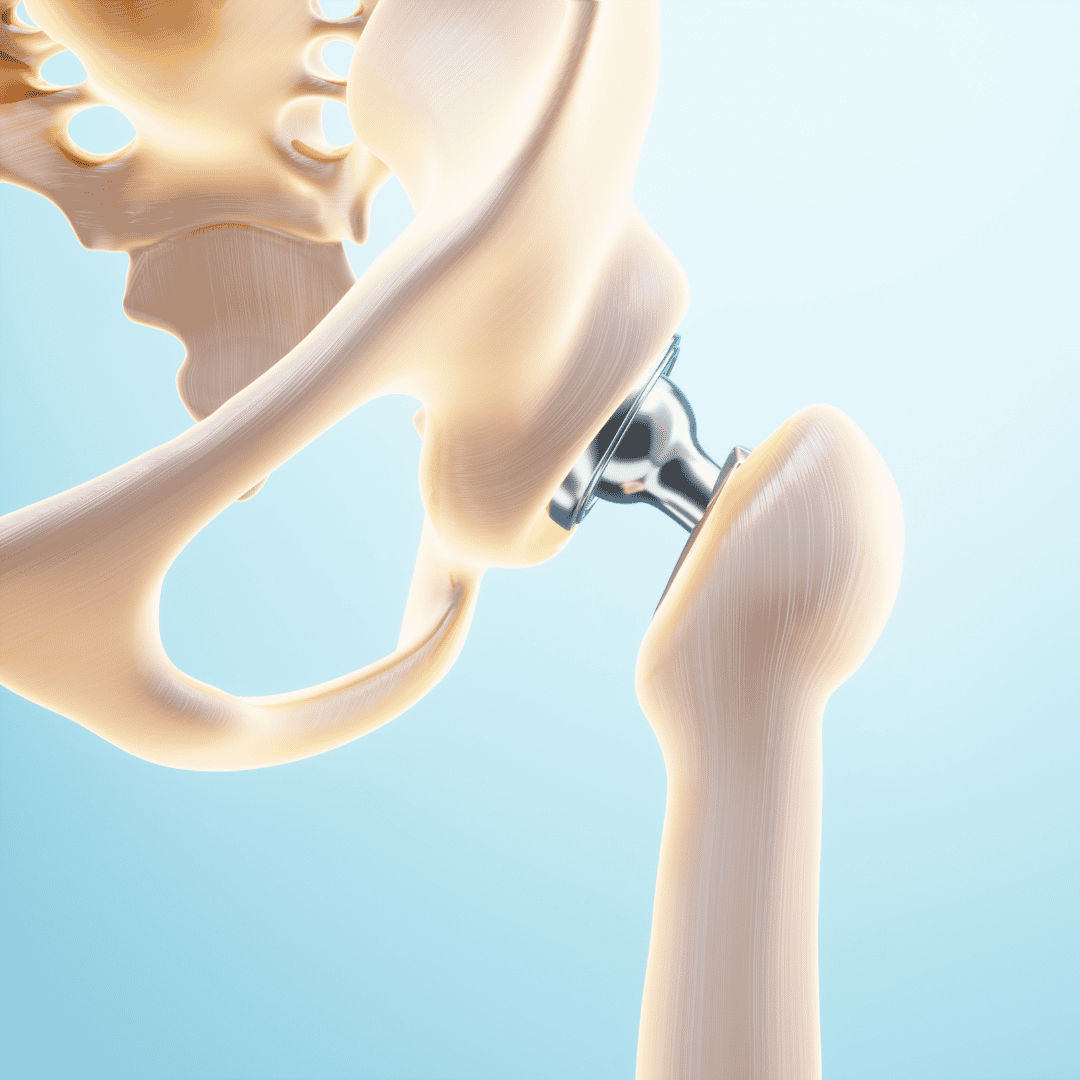
When a primary hip replacement begins to fail due to wear, aseptic loosening, infection, or recurrent dislocation, the prospect of undergoing another surgery can be daunting. Hip replacement revision is a highly complex orthopedic procedure that requires a unique level of surgical mastery, specialized equipment, and premium hardware. Today, patients from around the globe are discovering that Bursa, Turkey, is an elite destination for this life-altering operation, combining world-class surgical expertise with profound cost efficiency.
Unlike a primary joint replacement, a revision surgery often involves addressing significant bone loss, removing old cemented or ingrown implants, and reconstructing the joint using specialized modular implants or bone grafts. Bursa’s prominent orthopedic hospitals are fully equipped for these intricate challenges. Utilizing state-of-the-art 3D imaging, robotic-assisted surgical navigation, and premium, internationally recognized implant brands (such as Zimmer Biomet, Stryker, and DePuy Synthes), surgeons in Bursa can meticulously plan and execute the extraction and reconstruction, ensuring maximum stability and longevity for your new joint.
Orthopedic surgeons in Turkey are highly regulated, with many specialists completing rigorous international fellowships in the United States or Western Europe. They bring back advanced techniques for minimizing tissue trauma and managing complex revision cases. Hospitals in Bursa often boast Joint Commission International (JCI) accreditation, a testament to their unwavering commitment to patient safety, stringent infection control, and exceptional clinical outcomes.
Beyond the operating room, Bursa provides an ideal healing environment. Known as "Green Bursa," the city offers a tranquil, culturally rich backdrop away from the overwhelming hustle of megacities like Istanbul, yet it maintains the exact same high-tier medical standards. With dedicated international patient departments to guide you through pre-operative diagnostics and post-operative acute physical therapy, Bursa ensures your journey toward renewed mobility is seamless, safe, and deeply supported.
Quick Stats
Revision hip surgeries are notoriously expensive, often exceeding $40,000 to $60,000 in the US. In Bursa, international patients can typically expect to save between 50% to 70% on these complex procedures, even when factoring in the use of premium, FDA-approved modular implants and comprehensive hospital care.
Key Insights at a Glance
Surgeons utilize advanced modular prosthetics designed specifically to handle severe bone loss or previous implant failure.
Procedures are performed in state-of-the-art facilities adhering to the highest global standards for safety and infection control.
Clinics strictly use world-renowned implant brands, ensuring long-lasting durability and international warranties.
Acute physical therapy begins in the hospital immediately following surgery to ensure early mobilization and prevent blood clots.
Pre-operative mapping utilizes high-definition CT and MRI to assess bone stock and plan the precise surgical approach.
Dedicated international patient coordinators and fluent English-speaking surgeons ensure clear medical communication.
The Healing Waters of Bursa
Bursa is globally famous for its natural, mineral-rich thermal springs. Since the Roman and Byzantine empires, people have traveled to this exact region for physical rehabilitation and to soothe joint pain. While you cannot submerge an incision until it is fully healed, the city's legacy of orthopedic wellness is built right into its foundation!
Cost is a primary driver for medical tourism, especially for surgeries as technically demanding as a hip revision. The table below provides a detailed breakdown of the average costs for revision procedures in Bursa compared to North American and European averages. The remarkable affordability in Turkey is a result of lower administrative overhead and favorable currency exchange rates, rather than a compromise on surgical talent or the quality of the titanium and ceramic hardware used to reconstruct your joint.
Note: Final pricing depends heavily on the extent of bone loss and whether an infectious disease protocol (often requiring a two-stage surgery) is necessary.
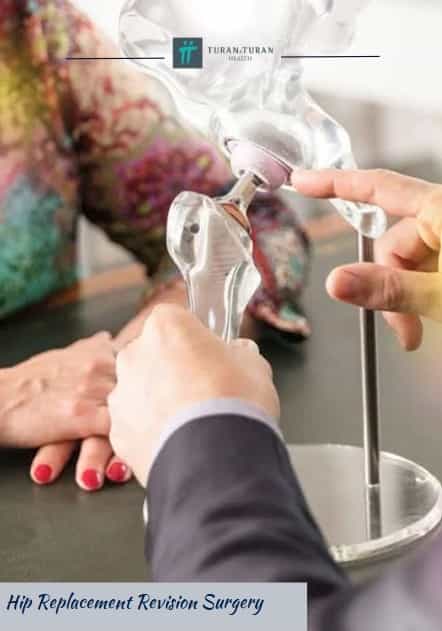
Price starting from $14,500
Hip Replacement Revision Surgery Package in Istanbul, Turkey by Turan Turan
Turan Turan Robotic Surgery Center and Orthopedic Clinic in Turkey
- Orthopedic/Knee Surgery
Istanbul,Bursa, Turkey
Managing the logistics of a major orthopedic surgery abroad is simplified through comprehensive medical packages. In Bursa, top-rated orthopedic centers offer all-inclusive bundles designed specifically for international patients. These packages generally encompass the surgeon's fees, the cost of the specialized revision implants, anesthesia, all necessary pre-operative 3D imaging and blood work, several days of in-patient hospital stay, and the initial rounds of acute physical therapy. We have curated options from providers who guarantee financial transparency for these complex interventions.
Key Inclusion: Ensure your package clearly covers the cost of "modular" or "revision" implants, as these specialized components are significantly more expensive than standard primary implants.
Hip Replacement Surgery Partial or Total Centers Cost Comparison in Bursa, Turkey
| Provider | Procedure | Price |
|---|---|---|
| Turan Turan Robotic Surgery Center and Orthopedic Clinic in Turkey | Hip Replacement Surgery Partial or Total, Orthopedic/Knee Surgery | $12800 |
Hip Replacement Surgery Partial or Total Cost Comparison in Turkey
| Country | Procedure | Price |
|---|---|---|
| United States | Hip Replacement Surgery Partial or Total, Orthopedic/Knee Surgery | $45000 |
A successful revision surgery demands a hospital equipped with an advanced orthopedic trauma unit, sophisticated imaging suites, and ultra-sterile operating theaters. We have identified the leading private hospitals in Bursa that meet these rigorous criteria. These centers are distinguished by their JCI accreditations and their multidisciplinary approach, ensuring that orthopedic surgeons, infectious disease specialists, and physiotherapists collaborate closely to map out your reconstruction and recovery.
Safety Standard: The premier facilities we feature utilize Laminar Airflow operating rooms to drastically reduce the risk of surgical site infections during joint exposures.

Turan Turan Robotic Surgery Center and Orthopedic Clinic in Turkey
Istanbul,Bursa, Turkey
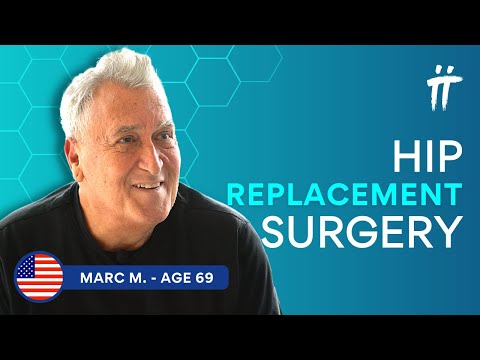
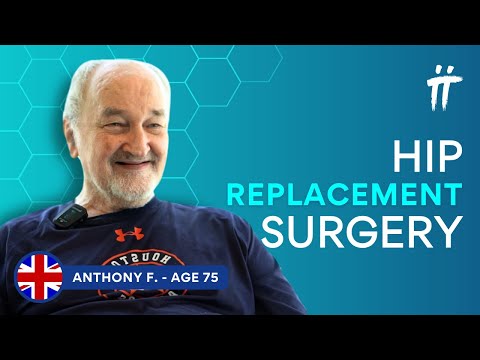
The physical and emotional relief of walking without pain after a failed primary implant is profound. In the video testimonials available, international patients share their deeply personal stories of traveling to Bursa for a second chance at mobility. They discuss their initial fears, the professionalism of their Turkish surgical teams, the post-operative physical therapy experience, and the joy of regaining their independence and returning to an active lifestyle.
Insight: These videos highlight the high level of empathetic, 24/7 nursing care provided by the dedicated international patient wards in Bursa.

Verified patient reviews provide critical, unbiased insights into the reality of medical travel for major orthopedics. Past patients frequently commend the comprehensive nature of the care in Bursa, emphasizing the clear English communication from surgeons, the cleanliness of the facilities, and the effective pain management protocols. Reading these reviews allows you to gauge the consistency of successful outcomes and the overall trust placed in Bursa’s orthopedic community.
Review Tip: Focus on reviews that specifically mention how the clinic handled post-operative physical therapy and pain management during the first critical days of recovery.

How to Prepare for a Successful Recovery After Hip Replacement Surgery in Turkey
Hip replacement surgery represents a significant milestone for those suffering from debilitating hip pain and loss of mobility. This transformative procedure can dramatically improve quality of life, offering relief from chronic discomfort and restoring the ability to engage in everyday activities with greater ease. For many patients considering this life-changing surgery, selecting the right location is a crucial decision. Turkey has become an increasingly popular destination for hip replacement surgery, offering a compelling combination of advanced medical care, highly skilled surgeons, and cost-effective treatment options. One of the most appealing aspects of undergoing hip replacement surgery in Turkey is the significant cost savings. The average price for this procedure in Turkey is approximately $7,000. In comparison, the same surgery can cost upwards of $27,300 in the United States, and similarly high costs are seen in other developed countries. Despite this substantial cost difference, the quality of care in Turkey remains uncompromised. Patients benefit from state-of-the-art technology, experienced surgeons, and comprehensive support, all at a fraction of the price. Comparison of Hip Replacement Surgery Costs Country Procedure Price in USD Turkey Hip Replacement Surgery Partial or Total, Orthopedic/Knee Surgery $7.000 Germany Hip Replacement Surgery Partial or Total, Orthopedic/Knee Surgery $16.500 United States Hip Replacement Surgery Partial or Total, Orthopedic/Knee Surgery $27.300 Choosing Turkey for your hip replacement surgery offers a unique opportunity to receive top-tier medical care while benefiting from significant cost savings. This combination of high-quality treatment and affordability makes Turkey a leading destination for patients seeking effective relief from hip joint issues. Why Choose Turkey for Your Hip Replacement Surgery? Exceptional Value Without Compromise: Turkey offers an extraordinary value proposition by merging high-quality medical care with affordable pricing. This means you can access world-class surgical techniques and post-operative care without the financial strain commonly associated with such procedures in Western countries. State-of-the-Art Medical Facilities: Turkish hospitals and clinics are equipped with cutting-edge technology and adhere to stringent international standards. Many of these facilities hold JCI accreditation, ensuring that you receive care that aligns with global best practices in medicine. Highly Skilled Surgeons with Global Expertise: Surgeons in Turkey are renowned for their expertise and extensive training. Many have received international education and training, contributing to their high proficiency in performing complex hip replacement surgeries and achieving excellent outcomes. Comprehensive and Personalized Care: Turkish medical centers provide a holistic approach to patient care, encompassing everything from initial consultations to personalized recovery plans. This comprehensive support ensures that each patient receives individualized attention tailored to their specific needs. Convenient and Supportive Environment: Many Turkish hospitals offer additional amenities designed to enhance the patient experience, including multilingual staff, concierge services, and comfortable accommodations. This supportive environment helps international patients navigate their surgical journey with ease. Benefits of Choosing Turkey for Hip Replacement Surgery Affordable Excellence: Turkey's cost-effective approach to hip replacement surgery does not sacrifice quality. Patients receive exceptional care and advanced surgical techniques at a fraction of the cost compared to other countries. Innovative Medical Technology: Turkish healthcare facilities are at the forefront of technological advancements, utilizing the latest equipment and surgical methods to ensure precise and effective procedures. Expert Surgeons: Turkish orthopedic surgeons are highly skilled and often receive international acclaim for their work. Their expertise contributes to successful surgeries and positive patient outcomes. Efficient and Timely Care: The efficiency of Turkey's healthcare system means that patients experience shorter wait times for surgery, allowing them to receive timely treatment and begin their recovery sooner. Integrated Recovery Support: Turkish hospitals offer extensive post-operative care, including tailored rehabilitation programs. This integrated support is crucial for a smooth recovery and optimal restoration of mobility Top Recommendations for Hip Replacement Surgery in Turkey When considering hip replacement surgery in Turkey, selecting a reputable clinic is essential for ensuring a successful outcome and a smooth recovery. Turkey offers several top-tier medical facilities renowned for their expertise in orthopedic procedures, advanced technology, and exceptional patient care. Here’s a preview of some of the most highly recommended clinics for hip replacement surgery in Turkey: 1. Turan Turan Robotic Surgery Center Turan Turan Robotic Surgery Center is renowned for its cutting-edge approach to orthopedic surgery, particularly hip replacement procedures. The clinic specializes in robotic-assisted surgeries, which can offer enhanced precision, shorter recovery times, and potentially better outcomes compared to traditional methods. Preview: Technology: Utilizes state-of-the-art robotic systems to assist in hip replacement surgeries. Expertise: Known for its team of highly skilled orthopedic surgeons with expertise in robotic-assisted procedures. Benefits: Minimally invasive techniques that can lead to reduced post-operative pain and quicker rehabilitation. Patient Care: Focuses on personalized care and detailed pre-operative planning to ensure the best outcomes for patients. 2. Group Florence Nightingale Hospital Group Florence Nightingale Hospital is part of a prestigious network of hospitals in Turkey, known for its high standards in medical care and advanced technology. The hospital is well-regarded for its orthopedic department, offering comprehensive services for hip replacement surgery with a focus on both traditional and advanced techniques. Preview: Reputation: Part of the renowned Florence Nightingale Hospital network, which is celebrated for its quality of care and modern facilities. Technology: Equipped with advanced imaging and surgical technologies to ensure precise and effective hip replacement surgeries. Expertise: Features a team of experienced orthopedic surgeons who are well-versed in various hip replacement techniques. Patient Care: Provides a holistic approach to patient care, including pre-surgical consultations and post-operative rehabilitation programs. 3. Private Koru Ankara Hospital Private Koru Ankara Hospital is a prominent healthcare facility known for its comprehensive approach to orthopedic care. The hospital is noted for its patient-centered services and advanced medical technologies, including those used in hip replacement surgeries. Preview: Facilities: Offers modern and well-equipped surgical suites designed to support complex hip replacement procedures. Expertise: Employs a team of skilled orthopedic surgeons with a focus on personalized treatment plans and innovative surgical techniques. Patient Care: Emphasizes comfort and recovery, providing tailored care and support throughout the surgical and rehabilitation processes. Reputation: Known for its high standards of patient care and successful surgical outcomes. Pre- and Post-Op Preparation Pre-Operative Preparation: Medical Evaluation: A comprehensive medical evaluation is necessary to determine your suitability for hip replacement surgery. Discuss your overall health, existing conditions, and medications with your orthopedic surgeon. Pre-Surgery Instructions: Follow your surgeon’s pre-surgery instructions closely. This may involve dietary changes, adjustments to your medication regimen, and other preparatory measures to optimize your readiness for the procedure. Home Preparation: Ensure your home environment is prepared for a safe and comfortable recovery. This includes arranging for help with daily activities and making modifications to reduce the risk of falls. Post-Operative Care: Follow-Up Appointments: Attend all scheduled follow-up appointments to monitor your recovery progress and address any potential issues early. Physical Therapy: Participate in physical therapy as prescribed. These sessions are vital for rebuilding strength, enhancing mobility, and facilitating a successful recovery. Pain Management: Adhere to the pain management plan provided by your medical team to ensure a comfortable recovery experience. Recovery After Hip Replacement Surgery The recovery process involves several stages: Initial Recovery Phase: You will spend several days in the hospital focusing on pain management and early mobility exercises. This phase is critical for ensuring a smooth transition from surgery to recovery. Home Recovery: Upon returning home, follow your surgeon’s guidelines regarding activity levels, wound care, and medication. Gradually increase your activity level as tolerated and recommended. Long-Term Recovery: Full recovery can extend over several months. Consistent physical therapy and adherence to post-operative care guidelines are essential for achieving optimal function and strength. Ideal Candidate for Hip Replacement Surgery Hip replacement surgery is suitable for individuals who: Experience severe hip pain and functional limitations due to arthritis or joint damage that has not improved with conservative treatments. Find their daily activities and quality of life significantly impacted by their hip condition. Are generally in good health and have realistic expectations about the surgery and recovery process. Frequently Asked Questions How long is the recovery period after hip replacement surgery? Recovery typically spans from 3 to 6 months. Significant improvements are often seen in the first few weeks, but full recovery, including the return to all normal activities, may take up to a year. What are the potential risks of hip replacement surgery? Risks may include infection, blood clots, dislocation, and complications with the prosthesis. Your surgeon will discuss these risks and strategies to mitigate them. Is physical therapy necessary after the surgery? Yes, physical therapy is crucial for recovery. It helps to restore strength, improve joint function, and enhance overall mobility. How should I manage pain after the surgery? Pain management will involve medications and physical therapy techniques. Adhering to the prescribed pain management plan is essential for a smooth recovery. When can I resume normal activities after surgery? Light activities may be resumed within a few weeks, while more strenuous activities might take several months. Follow your surgeon’s advice for a safe and gradual return to your routine. Are you ready to start your journey towards a pain-free life with hip replacement surgery in Turkey? Contact PlacidWay customer services for expert advice and personalized support. Our team is dedicated to guiding you through every step of the process, from finding the best facilities to ensuring a successful recovery. Reach out today and take the first step toward a healthier, more active life!
Cost and Benefit : How Turkey Offers Affordable Hip Replacement Without Compromise
Hip replacement surgery is a significant medical procedure that can drastically improve quality of life for individuals suffering from severe hip pain or arthritis. However, the cost of this surgery can be prohibitive in many countries, leading patients to seek affordable options without sacrificing quality. Turkey has emerged as a leading destination for hip replacement surgeries due to its combination of high-quality medical care and cost-effective solutions. This article explores how Turkey manages to offer affordable hip replacement procedures while maintaining exceptional standards of care. In addition to cost benefits, Turkey's advanced healthcare infrastructure and highly skilled surgeons make it a viable choice for many patients. With state-of-the-art hospitals and a growing reputation for medical excellence, Turkey provides a compelling option for those needing hip replacement surgery. This guide will delve into the advantages of undergoing hip replacement in Turkey, the conditions that necessitate the surgery, and what prospective patients should know before and after the procedure. Benefit of Hip Replacement in Turkey High-Quality Medical Facilities: Turkey boasts numerous internationally accredited hospitals equipped with advanced medical technology. These facilities adhere to stringent quality standards, ensuring that patients receive top-notch care. Experienced Surgeons: Turkish orthopedic surgeons are highly trained and experienced, often receiving their education and training from prestigious institutions both domestically and abroad. Many have extensive experience with hip replacement procedures. Cost-Effectiveness: The overall cost of hip replacement surgery in Turkey is significantly lower compared to many Western countries. This is due to lower living costs and reduced overheads in Turkish healthcare facilities, allowing for substantial savings without compromising on quality. How Hip Replacement Surgery Can Help Pain Relief: Hip replacement surgery can alleviate chronic pain caused by conditions such as osteoarthritis or rheumatoid arthritis. By replacing the damaged hip joint with an artificial implant, patients often experience significant pain relief. Improved Mobility: The surgery aims to restore normal function and mobility. Patients typically regain their ability to perform everyday activities, such as walking, climbing stairs, and engaging in physical exercise. Enhanced Quality of Life: Successful hip replacement can dramatically improve the quality of life by allowing individuals to return to their regular activities and hobbies, leading to better overall physical and mental well-being. Conditions That Necessitate Hip Replacement Surgery Osteoarthritis: This degenerative joint disease is the most common reason for hip replacement. It leads to the breakdown of cartilage, causing pain, stiffness, and reduced mobility. Rheumatoid Arthritis: An autoimmune condition that causes joint inflammation and can damage the hip joint over time, making hip replacement a viable option for symptom relief. Hip Fractures: Severe fractures, especially in older adults, may necessitate hip replacement if the fractures do not heal properly or if they lead to significant joint damage. Ideal Candidates for Hip Replacement Surgery Age and Health Status: While there is no strict age limit, candidates typically range from middle-aged to older adults. Good general health and the absence of severe underlying conditions are important for a successful recovery. Severity of Joint Damage: Ideal candidates are those who have significant joint damage or pain that has not improved with non-surgical treatments such as medications or physical therapy. Lifestyle and Activity Level: Candidates who lead an active lifestyle and have specific functional goals post-surgery, such as returning to sports or routine activities, may benefit greatly from hip replacement. Cost of Hip Replacement in Turkey Here's a cost and features associated with some of the leading hospitals and surgery centers in Turkey for hip replacement surgery: 1. Turan Turan Robotic Surgery Center Turan Turan Robotic Surgery Center is renowned for its cutting-edge approach to orthopedic surgery, particularly hip replacement procedures. The clinic specializes in robotic-assisted surgeries, which can offer enhanced precision, shorter recovery times, and potentially better outcomes compared to traditional methods. Technology: Utilizes state-of-the-art robotic systems for enhanced precision and minimally invasive techniques. Expertise: Known for a team of highly skilled orthopedic surgeons specializing in robotic-assisted procedures. Benefits: Offers reduced post-operative pain and quicker recovery times. Patient Care: Focuses on personalized care with detailed pre-operative planning. Treatment Details Price Hip Replacement Surgery Partial or Total BILATERAL HIP REPLACEMENT SURGERY Smith&Nephew Oxinium The result is a material that has demonstrated the lowest risk of revision in multiple national and regional hip registries $18.000 2. Group Florence Nightingale Hospital Group Florence Nightingale Hospital is part of a prestigious network of hospitals in Turkey, known for its high standards in medical care and advanced technology. The hospital is well-regarded for its orthopedic department, offering comprehensive services for hip replacement surgery with a focus on both traditional and advanced techniques. Reputation: Part of the prestigious Florence Nightingale Hospital network. Technology: Equipped with advanced imaging and surgical technologies. Expertise: Features experienced orthopedic surgeons proficient in both traditional and advanced techniques. Patient Care: Provides a holistic approach with pre-surgical consultations and post-operative rehabilitation. Treatment Details Price Hip Replacement Surgery Partial or Total Hip Replacement (including Zimmer prosthesis) 5 days at the ward 9,000$USD Bilateral Hip Replacement (including Zimmer prosthesis) 7 days at the ward 14,000 $USD $9.000 3. Private Koru Ankara Hospital Private Koru Ankara Hospital is a prominent healthcare facility known for its comprehensive approach to orthopedic care. The hospital is noted for its patient-centered services and advanced medical technologies, including those used in hip replacement surgeries. Facilities: Offers modern surgical suites and advanced medical technologies. Expertise: Employs skilled orthopedic surgeons with a focus on personalized treatment plans. Patient Care: Emphasizes comfort and tailored care throughout surgery and recovery. Reputation: Known for high standards of patient care and successful outcomes. Cost Estimate: Approximately $7,500 to $10,500 per hip replacement surgery. Pre-treatment, Post-treatment, and Recovery After Surgery Pre-Treatment Consultation: Meet with an orthopedic surgeon to discuss your symptoms, medical history, and the hip replacement procedure. Preoperative Testing: Undergo various tests such as blood work, X-rays, and possibly an MRI to assess your hip and overall health. Medical Clearance: Obtain a medical evaluation from your primary care physician to ensure you’re fit for surgery. Preoperative Instructions: Follow instructions regarding medications, dietary restrictions, and any required lifestyle adjustments before surgery. Prehabilitation: Engage in physical therapy or exercises to strengthen muscles around the hip and improve overall fitness. Preparation for Hospital Stay: Arrange for accommodation in Turkey, understand the hospital's requirements, and prepare necessary documents and insurance. Home Preparation: Make your home safe and accessible for post-surgery recovery (e.g., removing tripping hazards, arranging for help). Post-Treatment Immediate Postoperative Care: Post-surgery, you'll be monitored in a recovery room or hospital ward for a few days. Pain management, wound care, and monitoring for complications are key focuses. Pain Management: Receive medications to manage pain and inflammation. Your healthcare team will adjust them as needed. Wound Care: The surgical site will be monitored for signs of infection. Follow wound care instructions and attend follow-up appointments for dressing changes. Physical Therapy: Begin a physical therapy program to regain strength, mobility, and function in the hip. This may start with gentle exercises and progress to more challenging activities. Mobility Aids: Use crutches, a walker, or a cane as recommended to assist with mobility and ensure proper weight-bearing on the new hip. Recovery After Surgery Gradual Increase in Activity: Follow a structured plan to gradually increase your activity levels, including walking and gentle exercises. Follow-Up Appointments: Attend follow-up visits with your surgeon to monitor your progress, assess the hip implant, and address any concerns. Lifestyle Adjustments: Make necessary adjustments to daily activities and routines to accommodate your new hip and avoid strain. Long-Term Physical Therapy: Continue physical therapy as needed to optimize your range of motion, strength, and functional outcomes. Return to Normal Activities: Depending on your progress, you can gradually return to regular activities and hobbies, but follow your surgeon’s recommendations regarding restrictions or modifications. Monitoring for Complications: Stay alert to any signs of complications such as unusual pain, swelling, or changes in hip function, and report them to your healthcare provider promptly. Frequently Asked Questions Is hip replacement surgery painful? Answer: Pain management strategies are employed to ensure patient comfort during and after the surgery. Most patients experience manageable pain levels that improve significantly as they recover. How long will I stay in the hospital after surgery? Answer: Hospital stays typically range from 1 to 3 days, depending on the individual’s progress and any complications. What are the risks associated with hip replacement surgery? Answer: Risks include infection, blood clots, and implant-related issues. However, these risks are minimized through advanced surgical techniques and comprehensive preoperative assessments. Will my insurance cover the cost of surgery in Turkey? Answer: Coverage varies by insurance provider. It’s advisable to check with your insurance company to understand what is covered and if any additional arrangements need to be made. How do I find a reputable hospital or surgeon in Turkey? Answer: Researching hospitals with international accreditations and reading patient reviews can provide insights. Consulting with medical tourism agencies or contacting facilities directly can also help in selecting a reputable provider. How to learn more about Hip Replacement in Turkey? If you’re considering hip replacement surgery in Turkey and want to learn more about your options, contact PlacidWay’s customer service team for personalized assistance and information. Our experts are here to help you navigate your medical journey with confidence and clarity. Reach out to us today to start your path to improved mobility and quality of life.
Why Turkey is the Premier Destination for Affordable Hip Replacement Surgery
Turkey is a top destination for hip replacement surgery because of accredited hospitals, expert orthopedic surgeons, and prices from $7,000 to $10,000. This lets patients save up to 70 percent compared to costs found in Western healthcare systems. Key Takeaways: Orthopedic Excellence Abroad Cost Savings: Patients typically save between 50 to 70 percent on total joint procedures without compromising on quality. World-Class Facilities: The nation boasts one of the highest numbers of Joint Commission International (JCI) accredited hospitals globally. Premium Materials: Only globally approved, durable brands (FDA and CE marked) like titanium and ceramic implants are utilized. No Wait Times: Unlike public healthcare systems, international patients receive immediate access to consultations and operating rooms. All-Inclusive Care: Comprehensive packages cover the operation, hospital stay, physical therapy, and airport transfers. Living with severe joint pain caused by osteoarthritis, rheumatoid arthritis, or traumatic injury drastically diminishes your quality of life. Simple tasks like walking, climbing stairs, or even sleeping can become unbearable. While surgical intervention is the definitive solution, the skyrocketing prices and lengthy waiting lists in countries like the United States, Canada, and the United Kingdom leave many suffering unnecessarily. This reality has fueled a massive surge in patients seeking alternative solutions globally. As a global healthcare hub, the country has revolutionized the way international patients access complex orthopedic care. By blending cutting-edge medical technology with traditional hospitality, patients are welcomed into environments that feel more like luxury hotels than sterile wards. In this comprehensive guide, we will explore everything you need to know about reclaiming your mobility safely, affordably, and comfortably overseas. Why is Hip Replacement in Turkey more affordable than in other countries? The affordability stems from lower overall operational and labor costs, combined with a highly favorable currency exchange rate. Furthermore, the national government provides heavy subsidies to promote healthcare infrastructure. Many patients mistakenly associate lower medical prices with inferior care, but this is a dangerous misconception when analyzing this specific healthcare market. The primary reason for the affordability is the fundamental difference in the cost of living and labor. Surgeon fees, nursing salaries, and hospital administrative costs are significantly lower than their North American or European equivalents. These baseline savings are passed directly onto the international consumer. Additionally, the government has aggressively positioned the nation as a global leader in health tourism. To achieve this, they offer lucrative tax incentives and subsidies to medical facilities that meet rigorous international standards. This financial backing allows private facilities to invest in state-of-the-art robotic surgery systems and advanced diagnostic imaging equipment without needing to charge exorbitant fees to recoup their investments. Finally, the pharmaceutical and medical supply chains are highly optimized. By purchasing premium, FDA-approved prosthetic joints in massive volumes, these mega-hospitals secure exceptional wholesale rates. Whether you need a standard total replacement or complex joint resurfacing, the economics of the region ensure you pay for the pure medical value rather than inflated insurance premiums and administrative bloat. What is the average Hip Replacement cost in Turkey for international patients? An international patient can expect to pay between $7,000 and $10,000 for a comprehensive package. This price point represents a fraction of the out-of-pocket expenses required in Western healthcare systems. When calculating your medical budget, transparency is paramount. In the United States, a completely uninsured patient might face hospital bills exceeding $40,000, and that figure rarely includes the surgeon's fee, anesthesiologist, or mandatory physical therapy. Even patients with robust insurance often encounter deductibles and copays that rival the total cost of flying abroad for the identical procedure. The quoted packages for overseas orthopedic care are remarkably straightforward. The base price generally fluctuates depending on the exact type of implant required—for instance, a highly specialized ceramic-on-ceramic implant may fall on the higher end of the spectrum compared to a traditional metal-on-polyethylene joint. Furthermore, the complexity of your specific anatomical condition, such as needing bone grafting due to severe degradation, can slightly adjust the final invoice. Country Average Estimated Cost (USD) Wait Time United States $35,000 - $45,000+ Variable / Insurance Dependent United Kingdom (Private) $15,000 - $20,000 6 to 18 Months (NHS) Turkey $7,000 - $10,000 Zero Wait Time How do I choose the best Hip Replacement clinic in Turkey? Selecting the right facility requires verifying international accreditations, evaluating the surgeon's specific joint volume, and confirming the use of globally recognized implant brands. Patient reviews and clinical transparency are also vital indicators. Navigating an unfamiliar healthcare landscape requires diligence. You must treat this decision with the same rigor you would when choosing a hospital in your hometown. The goal is to identify centers of excellence that specialize specifically in advanced orthopedics and joint reconstruction. ? Check JCI Accreditation: The Joint Commission International is the gold standard for global healthcare. Facilities with this badge strictly adhere to unparalleled patient safety, hygiene, and emergency response protocols. ? Evaluate Surgical Volume: Practice makes perfect. Seek out specialists who perform hundreds of joint replacements annually. High-volume surgeons consistently deliver lower complication rates and more precise implant alignments. ? Demand Technological Superiority: The best centers utilize computerized 3D planning and robotic-assisted surgical arms to ensure the prosthetic is placed with absolute millimeter precision, maximizing its lifespan. ? Assess the Rehabilitation Program: Surgery is only fifty percent of the cure; the rest is physical therapy. Premium facilities have dedicated in-house physiotherapy wards equipped to start your mobilization on day one. ? Look for Comprehensive Communication: Your chosen institution should provide clear, translated medical records post-operation, ensuring your local doctor can seamlessly take over your long-term follow-up care. What type of implants are used during the joint operation? Surgeons utilize exclusively FDA-approved and CE-certified prosthetic implants from leading global manufacturers. These are crafted from highly durable materials like titanium, cobalt-chromium, and advanced ceramics to ensure longevity. A major concern for patients traveling abroad is the quality of the materials going into their bodies. Rest assured, elite international hospitals do not manufacture cheap, generic joints. They source their inventory directly from the same prestigious orthopedics companies that supply top hospitals in the United States and Germany, such as Zimmer Biomet, Stryker, and DePuy Synthes. The specific material chosen for your body depends entirely on your age, bone density, and lifestyle. For younger, more active patients, surgeons often recommend a ceramic-on-ceramic or ceramic-on-highly-crosslinked-polyethylene implant. These configurations boast exceptionally low friction and wear rates, meaning they can easily last twenty to twenty-five years, even with regular physical activity. The stem of the implant, which is anchored into the thigh bone, is almost universally made of titanium due to its remarkable biocompatibility and strength. Furthermore, many top-tier facilities employ uncemented techniques. Instead of using medical glue to hold the joint in place, the titanium stem is coated with a porous, bone-like material. Over time, your natural bone grows directly into the pores of the metal, creating an incredibly secure and permanent biological bond that mimics nature itself. Expert Insight Always ask your patient coordinator for an Implant Identification Card before you leave the hospital. This card lists the exact serial numbers and manufacturer details of your new joint, which is vital for airport security scanners and your local doctors back home. How long does the recovery process take after receiving a new joint? The initial hospital recovery lasts approximately four to six days. Physical therapy begins immediately, and most patients can walk with a supportive aid within twenty-four hours, fully resuming normal activities within eight to twelve weeks. The days of lying completely still in a hospital bed for weeks are long gone. Modern orthopedic science relies on rapid mobilization protocols. On the very first day following your surgery, a dedicated physiotherapist will arrive at your bedside. They will assist you in standing up and taking your first steps using a walker. This early movement is critical; it stimulates blood flow, dramatically reduces the risk of deep vein thrombosis, and prevents joint stiffness. During your four to six-day inpatient stay, you will learn essential daily mechanics. You will be taught how to safely transition in and out of a bed, how to use the restroom without over-flexing the new joint, and how to navigate a few stairs. Pain management is strictly controlled through advanced multi-modal analgesia, ensuring your rehabilitation sessions are productive rather than agonizing. After discharge from the ward, you will typically transition to an affiliated partner hotel for an additional week of outpatient monitoring. You will perform prescribed daily exercises to rebuild the surrounding muscle strength. By the time you board your flight home, you will likely be walking comfortably with a cane, ready to continue standard outpatient physical therapy in your local community. Is medical tourism in Turkey safe for elderly orthopedic patients? Yes, it is highly safe when managed correctly. Accredited facilities require rigorous pre-operative cardiovascular and pulmonary screenings to guarantee elderly patients can easily withstand the anesthesia and subsequent physical rehabilitation. Safety is the ultimate priority, especially when dealing with a senior demographic that may present with pre-existing conditions like hypertension or diabetes. The system is intentionally designed to mitigate risk at every possible juncture. Before any scalpel is lifted, international patients undergo an exhaustive battery of tests upon arrival. This includes extensive blood work, chest X-rays, electrocardiograms, and consultations with internal medicine specialists and anesthesiologists to clear you for surgery. Furthermore, the infrastructure of top-tier health tourism centers is specifically tailored to patients with mobility issues. From the moment you land at the airport, you are met with wheelchair assistance and specialized VIP transfer vehicles equipped with hydraulic lifts. The partner hotels feature handicap-accessible rooms with raised toilets, shower handles, and anti-slip flooring to prevent any accidental falls during your healing phase. Infection control is another area where these hospitals excel. Operating theaters utilize laminar airflow systems that constantly filter the air, creating a virtually sterile environment. Combined with strict antibiotic prophylaxis administered before and after the operation, the infection rates at these elite institutions consistently match or fall below the global orthopedic averages. Did You Know? Many international patient floors in these hospitals employ a concierge model. This means you have a dedicated patient coordinator who speaks your native language, handles all your paperwork, orders your meals, and ensures your family members are kept updated every step of the way. What is included in an all-inclusive orthopedic package for international travelers? All-inclusive packages eliminate financial guesswork by bundling the surgical fees, medical implants, hospital stay, hotel accommodations, and local VIP transfers into a single, transparent price tag with no hidden surprises. The beauty of the international health tourism model lies in its predictability. You are provided with a complete itinerary and a final price before you ever board your flight. These comprehensive bundles are meticulously crafted to ensure you do not have to worry about local logistics, allowing you to focus one hundred percent of your energy on your healing journey. A standard high-end orthopedic package generally includes the following core elements: • Complete Medical Care: All surgeon fees, anesthesiologist fees, operating room charges, and the cost of the premium FDA-approved prosthetic implant. • Inpatient Accommodations: Four to six nights in a private, hotel-style hospital suite, including three nutritious meals a day for both you and a traveling companion. • Extensive Pre-op and Post-op Care: All necessary pre-surgical cardiology and blood tests, post-surgical medications (painkillers, blood thinners), and daily in-hospital physical therapy sessions. • Luxury Logistics: Airport meet-and-greet services, all transfers between the airport, hotel, and clinic using specialized medical vehicles, and several nights in a partnered four or five-star hotel for your final recovery phase. • Personal Advocate: A 24/7 personal assistant and medical translator to ensure clear communication with nursing staff and doctors. How soon can I fly back home after my joint replacement procedure? Patients are typically cleared to take international flights ten to fourteen days after the operation. This mandatory observation window ensures you are mobile enough to handle airport transit and minimizes the risk of blood clots. Managing the journey home requires careful medical planning. Sitting in a cramped airplane seat for extended hours shortly after major lower-body surgery elevates the risk of Deep Vein Thrombosis (DVT). To completely mitigate this, your surgical team will require you to stay in the local area for roughly two weeks. During this time, they will monitor your surgical incision for proper healing and ensure your blood thinning medications are functioning correctly. Before you are allowed to travel, your surgeon will conduct a final assessment and issue a Fit-to-Fly certificate, which airlines often require for passengers recovering from recent operations. You will also be provided with specialized compression stockings that you must wear during the flight to promote healthy venous circulation. For the flight itself, it is highly advised to book an aisle seat with extra legroom, or ideally, upgrade to business class if your budget allows. You will be instructed to perform gentle ankle pump exercises every hour and, once the seatbelt sign is off, take short walks down the cabin aisle with the assistance of your cane to keep your blood flowing optimally. Why choose PlacidWay for your orthopedic journey abroad? PlacidWay is the premier global medical facilitator, dedicated to connecting you with the world's most elite orthopedic centers. We transform a complex international medical process into a seamless, highly secure patient experience. Embarking on international surgery is a monumental decision, and doing it alone can lead to stressful complications and hidden fees. PlacidWay acts as your ultimate safeguard and advocate. We have spent years analyzing clinical outcomes to build a curated network of true medical excellence. Here is why thousands of mobility-seeking patients trust us: Stringent Facility Vetting: We do the heavy lifting by rigorously auditing our hospital partners. We guarantee access only to JCI-accredited facilities that maintain flawless hygiene and impeccable international safety records. Elite Surgeon Access: PlacidWay bypasses the gatekeepers, putting you directly in contact with board-certified, high-volume orthopedic specialists who are celebrated leaders in joint reconstruction. Unbeatable Price Transparency: We negotiate on your behalf to secure exclusive all-inclusive bundles. You will receive a detailed, itemized quote upfront, guaranteeing you never face an unexpected hospital bill. Seamless Record Management: Our secure platform allows you to effortlessly upload your local X-rays and MRI scans, ensuring your prospective international surgeon can provide an accurate diagnosis before you commit. Dedicated Patient Advocacy: From your initial inquiry to your final post-operative follow-up, you are assigned a personal care team that prioritizes your comfort, security, and medical success above all else. Frequently Asked Questions About Joint Procedures Abroad Can I have both hips replaced at the same time in Istanbul? Bilateral hip replacement is possible and frequently performed for eligible patients. Your orthopedic surgeon will evaluate your cardiovascular health, age, and overall fitness to determine if your body can safely handle the extended anesthesia and recovery required for replacing both joints simultaneously. Will I need physical therapy before flying out of the country? Absolutely. Post-operative physical therapy begins within twenty-four hours of your surgery. You will participate in daily rehabilitation sessions at the hospital to ensure you can walk independently with crutches or a walker, navigate stairs safely, and handle basic movements before you are cleared for international travel. What happens if my body rejects the prosthetic joint? True allergic rejection of modern orthopedic materials like titanium and advanced ceramics is exceedingly rare. However, if an infection occurs or a component loosens, the internationally accredited hospitals provide comprehensive revision protocols. You will be monitored closely through blood tests and imaging to prevent and manage any such complications. Are language barriers an issue at Turkish orthopedic centers? Language is rarely an obstacle. Premier healthcare facilities catering to international patients employ dedicated English-speaking host teams, and most lead orthopedic surgeons have trained or presented internationally, making them highly fluent in English. Translators for other languages are also readily available. Can a companion stay with me in the hospital room? Yes, standard international healthcare packages almost always include a private patient suite designed to accommodate one companion comfortably. Your family member or friend will typically be provided with a sofa bed and daily meals, allowing them to support you directly during your initial recovery phase. Do Turkish surgeons use minimally invasive anterior approaches? Many elite joint specialists prefer the minimally invasive anterior approach whenever anatomically possible. This technique allows the surgeon to work between the muscles rather than cutting through them, resulting in significantly reduced post-operative pain, a lower risk of dislocation, and a faster return to normal activities. How do I obtain a medical visa for orthopedic treatment? Citizens of many countries can easily obtain an e-Visa online for short-term medical visits. If your nationality requires a traditional consular visa, the hospital will issue a formal letter of invitation and a proposed treatment plan, which expedites the medical visa application process at your local embassy. Is it possible to combine my joint surgery with a dental procedure? While it is technically possible, orthopedic specialists strongly advise against combining joint replacement with dental work. Dental procedures can release bacteria into the bloodstream, which poses a severe risk of deep infection in your newly implanted artificial joint. Dental health should be cleared prior to your orthopedic trip. How long do modern titanium hips last after the operation? Due to advancements in cross-linked polyethylene and ceramic-on-ceramic bearing surfaces, modern implants have a remarkable lifespan. Clinical data indicates that over eighty-five percent of these prosthetic joints remain fully functional for twenty to twenty-five years, depending on the patient's weight and activity level. What diagnostic imaging is required before my consultation? Before you travel, doctors will require recent digital X-rays of your pelvis and the affected joint, typically taken within the last three months. In cases involving severe bone density loss or complex deformity, an MRI or CT scan may also be requested to allow the surgeon to map out the exact implant size. Regain Your Pain-Free Mobility Today Do not let joint pain dictate how you live your life. PlacidWay connects you with premium, JCI-accredited orthopedic centers. Get a comprehensive, no-obligation evaluation from top surgeons and discover how an all-inclusive medical package can save you money and restore your health. Get Your Free Quote Now * Secure, confidential, and completely free evaluation. Responses typically within 24 hours.
A revision surgery leaves no room for error; it requires an elite surgeon who specializes specifically in complex arthroplasty and joint reconstruction. We have identified the leading orthopedic surgeons in Bursa who possess the specific skill sets required for these demanding operations. These specialists are distinguished by their extensive case volumes, memberships in international orthopedics societies, and expertise in managing severe bone loss and periprosthetic infections.
Board-Certified Orthopedic Surgeons
Members of TOTBID & International Fellowships
Our selected specialists are certified by the Turkish Society of Orthopaedics and Traumatology (TOTBID) and frequently hold additional credentials from European or American orthopedic boards. They have dedicated their careers to the sub-specialty of joint reconstruction.
Revision & Trauma Experts
Masters of Complex Bone Grafting
These surgeons are specifically trained in techniques required for revision, such as impaction bone grafting, the use of tantalum augments to fill bone voids, and robotic-assisted surgical navigation to ensure the new implant is perfectly aligned for maximum stability.
Multidisciplinary Collaboration
Comprehensive Surgical Teams
Because revisions can involve infections or complex general health factors, these top surgeons work in tandem with infectious disease experts, anesthesiologists, and specialized orthopedic physiotherapists to ensure your entire surgical journey is safely managed.

Op.Dr. Kayhan Turan
Turan Turan Robotic Surgery Center and Orthopedic Clinic
- Orthopedic surgeon
Istanbul, Turkey
Orthopedic Excellence and Robotic Technology
Turkey has heavily invested in making its private healthcare sector one of the most technologically advanced in Europe. Bursa, a major medical hub, features hospitals equipped with cutting-edge orthopedic technology, including 3D surgical planning and robotic-assisted navigation (like the Mako system).
This technology is especially crucial in revision surgeries, where the normal anatomy has been distorted. It allows surgeons to execute the removal and replacement with sub-millimeter accuracy, preserving as much healthy bone as possible and ensuring the new joint functions flawlessly.
Cost-Effectiveness for Complex Surgeries
Revision surgeries are notoriously expensive due to the extended operating room time and the high cost of modular, specialized implants. Bursa provides an elegant solution by offering these highly complex procedures at highly accessible rates.
Patients benefit from Turkey’s favorable medical economics while still receiving the exact same premium implants (Zimmer, Stryker, etc.) they would receive in New York or London. This value proposition makes comprehensive restorative care possible for those facing crippling healthcare costs at home.
A Tranquil Healing Environment
While Istanbul is a magnificent city, its fast-paced, crowded nature can be overwhelming for a patient recovering from major orthopedic surgery. Bursa offers a much more peaceful, therapeutic environment.
Surrounded by lush greenery and famous for its historical connection to wellness and thermal healing, Bursa provides the perfect tranquil backdrop for post-operative recovery and intense physical therapy, allowing patients to focus entirely on regaining their strength in a calm, supportive setting.
A revision surgery requires meticulous planning and absolute trust in your medical team. PlacidWay acts as your expert clinical liaison, simplifying the complex path between you and the most advanced orthopedic specialists in Bursa, Turkey.
Clinical Vetting
We rigorously pre-screen every orthopedic hospital in Bursa, ensuring they hold JCI accreditation, utilize premium global implant brands, and meet the highest infection-control standards.
Treatment Coordination
We expertly coordinate your surgical timeline, ensuring that your pre-operative imaging, cardiovascular clearances, and post-op physical therapy schedules are perfectly aligned.
Cost Transparency
We secure clear, itemized quotes so you fully understand your medical investment upfront, detailing the specific costs of the modular revision implants and hospital fees.
Surgeon Liaison
We facilitate direct communication with your orthopedic specialist for virtual consultations, allowing you to discuss your symptoms and surgical plan directly with the expert.
Record Facilitation
We manage the secure, encrypted transfer of your previous X-rays, MRI scans, and surgical history directly to the clinical team in Turkey for accurate pre-operative mapping.
Patient Advocacy
Our team is available to answer medical coordination questions and provide objective, data-driven support throughout your entire joint restoration process.
Take the next step toward walking without pain and reclaiming your active lifestyle. Contact PlacidWay today to receive your free, personalized medical assessment and start your orthopedic revision journey with absolute confidence.
Get Your Free Personalized Quote
-Banner-Image-(3).png)
-Treatment-Package.png)



.png)

.png)
.png)













Share this listing