


What to Expect from Hip Replacement in Turkey
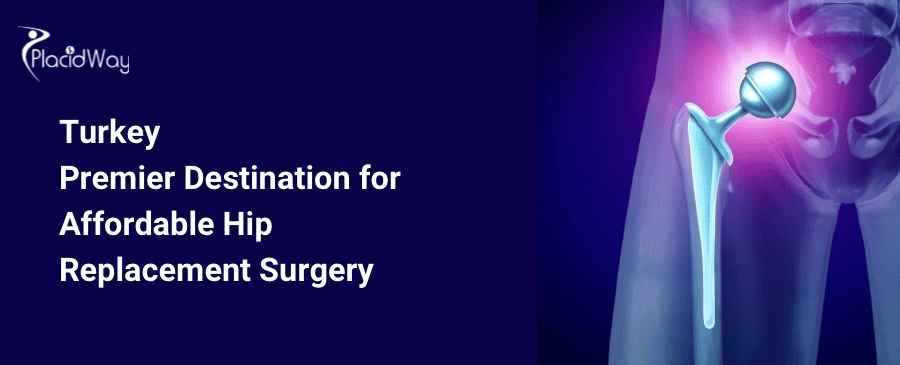
Turkey is a top destination for hip replacement surgery because of accredited hospitals, expert orthopedic surgeons, and prices from $7,000 to $10,000. This lets patients save up to 70 percent compared to costs found in Western healthcare systems.
Key Takeaways: Orthopedic Excellence Abroad
- Cost Savings: Patients typically save between 50 to 70 percent on total joint procedures without compromising on quality.
- World-Class Facilities: The nation boasts one of the highest numbers of Joint Commission International (JCI) accredited hospitals globally.
- Premium Materials: Only globally approved, durable brands (FDA and CE marked) like titanium and ceramic implants are utilized.
- No Wait Times: Unlike public healthcare systems, international patients receive immediate access to consultations and operating rooms.
- All-Inclusive Care: Comprehensive packages cover the operation, hospital stay, physical therapy, and airport transfers.
Living with severe joint pain caused by osteoarthritis, rheumatoid arthritis, or traumatic injury drastically diminishes your quality of life. Simple tasks like walking, climbing stairs, or even sleeping can become unbearable. While surgical intervention is the definitive solution, the skyrocketing prices and lengthy waiting lists in countries like the United States, Canada, and the United Kingdom leave many suffering unnecessarily. This reality has fueled a massive surge in patients seeking alternative solutions globally.
As a global healthcare hub, the country has revolutionized the way international patients access complex orthopedic care. By blending cutting-edge medical technology with traditional hospitality, patients are welcomed into environments that feel more like luxury hotels than sterile wards. In this comprehensive guide, we will explore everything you need to know about reclaiming your mobility safely, affordably, and comfortably overseas.
Why is Hip Replacement in Turkey more affordable than in other countries?
The affordability stems from lower overall operational and labor costs, combined with a highly favorable currency exchange rate. Furthermore, the national government provides heavy subsidies to promote healthcare infrastructure.
Many patients mistakenly associate lower medical prices with inferior care, but this is a dangerous misconception when analyzing this specific healthcare market. The primary reason for the affordability is the fundamental difference in the cost of living and labor. Surgeon fees, nursing salaries, and hospital administrative costs are significantly lower than their North American or European equivalents. These baseline savings are passed directly onto the international consumer.
Additionally, the government has aggressively positioned the nation as a global leader in health tourism. To achieve this, they offer lucrative tax incentives and subsidies to medical facilities that meet rigorous international standards. This financial backing allows private facilities to invest in state-of-the-art robotic surgery systems and advanced diagnostic imaging equipment without needing to charge exorbitant fees to recoup their investments.
Finally, the pharmaceutical and medical supply chains are highly optimized. By purchasing premium, FDA-approved prosthetic joints in massive volumes, these mega-hospitals secure exceptional wholesale rates. Whether you need a standard total replacement or complex joint resurfacing, the economics of the region ensure you pay for the pure medical value rather than inflated insurance premiums and administrative bloat.
What is the average Hip Replacement cost in Turkey for international patients?
An international patient can expect to pay between $7,000 and $10,000 for a comprehensive package. This price point represents a fraction of the out-of-pocket expenses required in Western healthcare systems.
When calculating your medical budget, transparency is paramount. In the United States, a completely uninsured patient might face hospital bills exceeding $40,000, and that figure rarely includes the surgeon's fee, anesthesiologist, or mandatory physical therapy. Even patients with robust insurance often encounter deductibles and copays that rival the total cost of flying abroad for the identical procedure.
The quoted packages for overseas orthopedic care are remarkably straightforward. The base price generally fluctuates depending on the exact type of implant required—for instance, a highly specialized ceramic-on-ceramic implant may fall on the higher end of the spectrum compared to a traditional metal-on-polyethylene joint. Furthermore, the complexity of your specific anatomical condition, such as needing bone grafting due to severe degradation, can slightly adjust the final invoice.
| Country | Average Estimated Cost (USD) | Wait Time |
|---|---|---|
| United States | $35,000 - $45,000+ | Variable / Insurance Dependent |
| United Kingdom (Private) | $15,000 - $20,000 | 6 to 18 Months (NHS) |
| Turkey | $7,000 - $10,000 | Zero Wait Time |
How do I choose the best Hip Replacement clinic in Turkey?
Selecting the right facility requires verifying international accreditations, evaluating the surgeon's specific joint volume, and confirming the use of globally recognized implant brands. Patient reviews and clinical transparency are also vital indicators.
Navigating an unfamiliar healthcare landscape requires diligence. You must treat this decision with the same rigor you would when choosing a hospital in your hometown. The goal is to identify centers of excellence that specialize specifically in advanced orthopedics and joint reconstruction.
- ? Check JCI Accreditation: The Joint Commission International is the gold standard for global healthcare. Facilities with this badge strictly adhere to unparalleled patient safety, hygiene, and emergency response protocols.
- ? Evaluate Surgical Volume: Practice makes perfect. Seek out specialists who perform hundreds of joint replacements annually. High-volume surgeons consistently deliver lower complication rates and more precise implant alignments.
- ? Demand Technological Superiority: The best centers utilize computerized 3D planning and robotic-assisted surgical arms to ensure the prosthetic is placed with absolute millimeter precision, maximizing its lifespan.
- ? Assess the Rehabilitation Program: Surgery is only fifty percent of the cure; the rest is physical therapy. Premium facilities have dedicated in-house physiotherapy wards equipped to start your mobilization on day one.
- ? Look for Comprehensive Communication: Your chosen institution should provide clear, translated medical records post-operation, ensuring your local doctor can seamlessly take over your long-term follow-up care.
What type of implants are used during the joint operation?
Surgeons utilize exclusively FDA-approved and CE-certified prosthetic implants from leading global manufacturers. These are crafted from highly durable materials like titanium, cobalt-chromium, and advanced ceramics to ensure longevity.
A major concern for patients traveling abroad is the quality of the materials going into their bodies. Rest assured, elite international hospitals do not manufacture cheap, generic joints. They source their inventory directly from the same prestigious orthopedics companies that supply top hospitals in the United States and Germany, such as Zimmer Biomet, Stryker, and DePuy Synthes.
The specific material chosen for your body depends entirely on your age, bone density, and lifestyle. For younger, more active patients, surgeons often recommend a ceramic-on-ceramic or ceramic-on-highly-crosslinked-polyethylene implant. These configurations boast exceptionally low friction and wear rates, meaning they can easily last twenty to twenty-five years, even with regular physical activity. The stem of the implant, which is anchored into the thigh bone, is almost universally made of titanium due to its remarkable biocompatibility and strength.
Furthermore, many top-tier facilities employ uncemented techniques. Instead of using medical glue to hold the joint in place, the titanium stem is coated with a porous, bone-like material. Over time, your natural bone grows directly into the pores of the metal, creating an incredibly secure and permanent biological bond that mimics nature itself.
Always ask your patient coordinator for an Implant Identification Card before you leave the hospital. This card lists the exact serial numbers and manufacturer details of your new joint, which is vital for airport security scanners and your local doctors back home.
How long does the recovery process take after receiving a new joint?
The initial hospital recovery lasts approximately four to six days. Physical therapy begins immediately, and most patients can walk with a supportive aid within twenty-four hours, fully resuming normal activities within eight to twelve weeks.
The days of lying completely still in a hospital bed for weeks are long gone. Modern orthopedic science relies on rapid mobilization protocols. On the very first day following your surgery, a dedicated physiotherapist will arrive at your bedside. They will assist you in standing up and taking your first steps using a walker. This early movement is critical; it stimulates blood flow, dramatically reduces the risk of deep vein thrombosis, and prevents joint stiffness.
During your four to six-day inpatient stay, you will learn essential daily mechanics. You will be taught how to safely transition in and out of a bed, how to use the restroom without over-flexing the new joint, and how to navigate a few stairs. Pain management is strictly controlled through advanced multi-modal analgesia, ensuring your rehabilitation sessions are productive rather than agonizing.
After discharge from the ward, you will typically transition to an affiliated partner hotel for an additional week of outpatient monitoring. You will perform prescribed daily exercises to rebuild the surrounding muscle strength. By the time you board your flight home, you will likely be walking comfortably with a cane, ready to continue standard outpatient physical therapy in your local community.
Is medical tourism in Turkey safe for elderly orthopedic patients?
Yes, it is highly safe when managed correctly. Accredited facilities require rigorous pre-operative cardiovascular and pulmonary screenings to guarantee elderly patients can easily withstand the anesthesia and subsequent physical rehabilitation.
Safety is the ultimate priority, especially when dealing with a senior demographic that may present with pre-existing conditions like hypertension or diabetes. The system is intentionally designed to mitigate risk at every possible juncture. Before any scalpel is lifted, international patients undergo an exhaustive battery of tests upon arrival. This includes extensive blood work, chest X-rays, electrocardiograms, and consultations with internal medicine specialists and anesthesiologists to clear you for surgery.
Furthermore, the infrastructure of top-tier health tourism centers is specifically tailored to patients with mobility issues. From the moment you land at the airport, you are met with wheelchair assistance and specialized VIP transfer vehicles equipped with hydraulic lifts. The partner hotels feature handicap-accessible rooms with raised toilets, shower handles, and anti-slip flooring to prevent any accidental falls during your healing phase.
Infection control is another area where these hospitals excel. Operating theaters utilize laminar airflow systems that constantly filter the air, creating a virtually sterile environment. Combined with strict antibiotic prophylaxis administered before and after the operation, the infection rates at these elite institutions consistently match or fall below the global orthopedic averages.
Many international patient floors in these hospitals employ a concierge model. This means you have a dedicated patient coordinator who speaks your native language, handles all your paperwork, orders your meals, and ensures your family members are kept updated every step of the way.
What is included in an all-inclusive orthopedic package for international travelers?
All-inclusive packages eliminate financial guesswork by bundling the surgical fees, medical implants, hospital stay, hotel accommodations, and local VIP transfers into a single, transparent price tag with no hidden surprises.
The beauty of the international health tourism model lies in its predictability. You are provided with a complete itinerary and a final price before you ever board your flight. These comprehensive bundles are meticulously crafted to ensure you do not have to worry about local logistics, allowing you to focus one hundred percent of your energy on your healing journey.
A standard high-end orthopedic package generally includes the following core elements:
- • Complete Medical Care: All surgeon fees, anesthesiologist fees, operating room charges, and the cost of the premium FDA-approved prosthetic implant.
- • Inpatient Accommodations: Four to six nights in a private, hotel-style hospital suite, including three nutritious meals a day for both you and a traveling companion.
- • Extensive Pre-op and Post-op Care: All necessary pre-surgical cardiology and blood tests, post-surgical medications (painkillers, blood thinners), and daily in-hospital physical therapy sessions.
- • Luxury Logistics: Airport meet-and-greet services, all transfers between the airport, hotel, and clinic using specialized medical vehicles, and several nights in a partnered four or five-star hotel for your final recovery phase.
- • Personal Advocate: A 24/7 personal assistant and medical translator to ensure clear communication with nursing staff and doctors.
How soon can I fly back home after my joint replacement procedure?
Patients are typically cleared to take international flights ten to fourteen days after the operation. This mandatory observation window ensures you are mobile enough to handle airport transit and minimizes the risk of blood clots.
Managing the journey home requires careful medical planning. Sitting in a cramped airplane seat for extended hours shortly after major lower-body surgery elevates the risk of Deep Vein Thrombosis (DVT). To completely mitigate this, your surgical team will require you to stay in the local area for roughly two weeks. During this time, they will monitor your surgical incision for proper healing and ensure your blood thinning medications are functioning correctly.
Before you are allowed to travel, your surgeon will conduct a final assessment and issue a Fit-to-Fly certificate, which airlines often require for passengers recovering from recent operations. You will also be provided with specialized compression stockings that you must wear during the flight to promote healthy venous circulation.
For the flight itself, it is highly advised to book an aisle seat with extra legroom, or ideally, upgrade to business class if your budget allows. You will be instructed to perform gentle ankle pump exercises every hour and, once the seatbelt sign is off, take short walks down the cabin aisle with the assistance of your cane to keep your blood flowing optimally.
Why choose PlacidWay for your orthopedic journey abroad?
PlacidWay is the premier global medical facilitator, dedicated to connecting you with the world's most elite orthopedic centers. We transform a complex international medical process into a seamless, highly secure patient experience.
Embarking on international surgery is a monumental decision, and doing it alone can lead to stressful complications and hidden fees. PlacidWay acts as your ultimate safeguard and advocate. We have spent years analyzing clinical outcomes to build a curated network of true medical excellence. Here is why thousands of mobility-seeking patients trust us:
- Stringent Facility Vetting: We do the heavy lifting by rigorously auditing our hospital partners. We guarantee access only to JCI-accredited facilities that maintain flawless hygiene and impeccable international safety records.
- Elite Surgeon Access: PlacidWay bypasses the gatekeepers, putting you directly in contact with board-certified, high-volume orthopedic specialists who are celebrated leaders in joint reconstruction.
- Unbeatable Price Transparency: We negotiate on your behalf to secure exclusive all-inclusive bundles. You will receive a detailed, itemized quote upfront, guaranteeing you never face an unexpected hospital bill.
- Seamless Record Management: Our secure platform allows you to effortlessly upload your local X-rays and MRI scans, ensuring your prospective international surgeon can provide an accurate diagnosis before you commit.
- Dedicated Patient Advocacy: From your initial inquiry to your final post-operative follow-up, you are assigned a personal care team that prioritizes your comfort, security, and medical success above all else.
Frequently Asked Questions About Joint Procedures Abroad
Can I have both hips replaced at the same time in Istanbul?
Bilateral hip replacement is possible and frequently performed for eligible patients. Your orthopedic surgeon will evaluate your cardiovascular health, age, and overall fitness to determine if your body can safely handle the extended anesthesia and recovery required for replacing both joints simultaneously.
Will I need physical therapy before flying out of the country?
Absolutely. Post-operative physical therapy begins within twenty-four hours of your surgery. You will participate in daily rehabilitation sessions at the hospital to ensure you can walk independently with crutches or a walker, navigate stairs safely, and handle basic movements before you are cleared for international travel.
What happens if my body rejects the prosthetic joint?
True allergic rejection of modern orthopedic materials like titanium and advanced ceramics is exceedingly rare. However, if an infection occurs or a component loosens, the internationally accredited hospitals provide comprehensive revision protocols. You will be monitored closely through blood tests and imaging to prevent and manage any such complications.
Are language barriers an issue at Turkish orthopedic centers?
Language is rarely an obstacle. Premier healthcare facilities catering to international patients employ dedicated English-speaking host teams, and most lead orthopedic surgeons have trained or presented internationally, making them highly fluent in English. Translators for other languages are also readily available.
Can a companion stay with me in the hospital room?
Yes, standard international healthcare packages almost always include a private patient suite designed to accommodate one companion comfortably. Your family member or friend will typically be provided with a sofa bed and daily meals, allowing them to support you directly during your initial recovery phase.
Do Turkish surgeons use minimally invasive anterior approaches?
Many elite joint specialists prefer the minimally invasive anterior approach whenever anatomically possible. This technique allows the surgeon to work between the muscles rather than cutting through them, resulting in significantly reduced post-operative pain, a lower risk of dislocation, and a faster return to normal activities.
How do I obtain a medical visa for orthopedic treatment?
Citizens of many countries can easily obtain an e-Visa online for short-term medical visits. If your nationality requires a traditional consular visa, the hospital will issue a formal letter of invitation and a proposed treatment plan, which expedites the medical visa application process at your local embassy.
Is it possible to combine my joint surgery with a dental procedure?
While it is technically possible, orthopedic specialists strongly advise against combining joint replacement with dental work. Dental procedures can release bacteria into the bloodstream, which poses a severe risk of deep infection in your newly implanted artificial joint. Dental health should be cleared prior to your orthopedic trip.
How long do modern titanium hips last after the operation?
Due to advancements in cross-linked polyethylene and ceramic-on-ceramic bearing surfaces, modern implants have a remarkable lifespan. Clinical data indicates that over eighty-five percent of these prosthetic joints remain fully functional for twenty to twenty-five years, depending on the patient's weight and activity level.
What diagnostic imaging is required before my consultation?
Before you travel, doctors will require recent digital X-rays of your pelvis and the affected joint, typically taken within the last three months. In cases involving severe bone density loss or complex deformity, an MRI or CT scan may also be requested to allow the surgeon to map out the exact implant size.
Regain Your Pain-Free Mobility Today
* Secure, confidential, and completely free evaluation. Responses typically within 24 hours.

-Package-in-Istanbul,-Turkey-by-Turan-Turan.jpg)
.png)
.png)
.png)




.png)
.png)
.png)












Share this listing