


When knee pain limits walking, sleep, work, or independence, waiting longer can feel costly in every sense. A knee replacement in Turkey may offer an international self-pay route with planning ranges commonly around $5,000–$10,000 for a standard single-knee procedure, but price should never replace careful credential checks. Before committing, verify the facility’s Turkish Ministry of Health authorization for international health tourism, review its TÜSKA accreditation status, and confirm the orthopedic surgeon’s specialty registration and knee-replacement experience.
Quick Summary: Knee Replacement in Turkey
- Estimated cost: About $5,000–$10,000 for a standard unilateral total knee replacement; robotic, complex, premium-implant, or bilateral surgery may cost more.
- Safety check: Choose a hospital authorized for international health tourism by Türkiye’s Ministry of Health and verify current TÜSKA accreditation information.
- Surgeon check: Confirm orthopedics and traumatology specialization, Ministry registration, annual knee-replacement volume, and revision experience.
- Typical candidate: A person with severe knee pain and disability from osteoarthritis or another joint condition after non-surgical care no longer provides enough relief.
- Recovery: Walking usually begins soon after surgery with support, but meaningful recovery takes weeks and full improvement can continue for months.
- Main reason patients choose Turkey: Access to private hospital care, internationally oriented coordination, and potentially lower self-pay costs than in the United States, United Kingdom, Canada, or Australia.
- Important caution: Do not fly home until the surgeon clears you. Recent surgery and long-distance travel can both increase blood-clot risk.
Why Patients Consider Knee Replacement in Turkey
International patients often look at Turkey after pain has begun shaping everyday decisions: avoiding stairs, shortening trips, declining social plans, or relying more heavily on family. The goal is not simply to find a lower price. It is to identify a qualified team that can evaluate your diagnosis, select an appropriate implant, manage surgical risk, and support rehabilitation after you return home.
Turkey attracts patients from the United Kingdom and Ireland, the United States and Canada, Western Europe, the Balkans, Central Asia, the Caucasus, the Middle East, and the Turkish diaspora. Reasons differ by region, but common drivers include private-care prices at home, waiting time, access to a preferred surgeon or implant system, direct flight connections, multilingual support, and the ability to combine hospital care with organized accommodation.
- Private scheduling may be faster than some publicly funded pathways.
- International departments may coordinate records, airport transfer, interpreters, and follow-up communication.
- A written package can simplify budgeting when inclusions are clearly itemized.
- Major cities such as Istanbul, Ankara, Antalya, and Izmir have established orthopedic services.
- Patients may compare standard, partial, complex, or technology-assisted knee replacement options.
- Family members may travel as companions during the early mobility period.
What Knee Replacement Surgery in Turkey Involves
Knee replacement, also called knee arthroplasty, removes damaged joint surfaces and replaces them with manufactured components. In a total knee replacement, the surgeon resurfaces the lower end of the thigh bone and upper end of the shin bone, then places metal components with a durable plastic spacer between them. The kneecap surface may also be treated when clinically appropriate.
The operation does not replace every structure in your knee. Ligaments, muscles, tendons, nerves, and much of the surrounding bone remain important for stability and movement. Implant selection depends on deformity, ligament function, bone quality, age, activity expectations, previous surgery, and the surgeon’s assessment.
| Knee replacement option | What is replaced | Who may be considered | Important limitation |
|---|---|---|---|
| Total knee replacement | The main damaged surfaces across the knee joint. | People with widespread arthritis, deformity, stiffness, or pain affecting several compartments. | Recovery still requires structured rehabilitation; a new joint does not feel identical to a natural knee. |
| Partial knee replacement | Only one affected compartment. | Selected patients with localized damage, suitable ligaments, and limited deformity. | Not appropriate when arthritis is widespread; later revision may be needed. |
| Complex or constrained replacement | Damaged surfaces with additional implant stability. | Patients with major ligament deficiency, severe deformity, bone loss, or previous operations. | Requires advanced planning, appropriate implant inventory, and revision-capable expertise. |
| Robotic or navigation-assisted replacement | The same joint surfaces, with technology assisting planning or bone preparation. | Patients whose surgeon believes the system adds value for alignment or planning. | Technology does not replace surgical judgment and does not guarantee a better outcome. |
Who May Qualify for Knee Replacement in Turkey
You may be considered for knee replacement when joint damage causes persistent pain, reduced mobility, deformity, or loss of function despite reasonable non-surgical treatment. The decision should be based on symptoms, examination, imaging, medical fitness, and your goals rather than age alone.
Signs Knee Replacement May Be Reasonable
- Pain during walking, stairs, standing, or sleep
- Stiffness that limits daily activities
- X-ray evidence of advanced joint damage
- Reduced benefit from physiotherapy, activity changes, or injections
- Progressive bowing, knock-knee deformity, or instability
Reasons Surgery May Be Delayed
- Active infection or an untreated dental infection
- Poorly controlled diabetes or serious heart or lung disease
- Untreated skin wounds near the surgical area
- High clotting risk requiring further planning
- No safe rehabilitation or home-support plan
Your team may ask for standing knee X-rays, blood tests, an electrocardiogram, specialist clearance, dental review, or additional imaging. Smokers may be advised to stop before surgery because smoking can impair wound and bone healing. Weight management may also be discussed when it could reduce anesthetic, wound, infection, or rehabilitation risk.
Knee Replacement Cost in Turkey in 2026
A realistic planning range for a standard unilateral total knee replacement in Turkey is approximately $5,000–$10,000. The final quote can change substantially with the implant brand and model, surgeon, hospital category, city, medical complexity, length of stay, rehabilitation plan, and whether the price is procedure-only or packaged for an international patient.
Türkiye’s international health-tourism tariff establishes minimum pricing rules for authorized providers, but a tariff line is not the same as a complete patient package. Implant costs, medical devices, interpretation, accommodation, transfers, extended hospitalization, and treatment of complications may be listed separately. Always request a signed, itemized quote in USD.
| Procedure type in Turkey | Indicative 2026 planning range | What may raise the cost |
|---|---|---|
| Partial knee replacement | $4,000–$8,000 | Premium implant, navigation, extra imaging, longer rehabilitation |
| Standard unilateral total knee replacement | $5,000–$10,000 | Implant choice, hospital level, comorbidities, added hotel nights |
| Robotic, premium-implant, or complex primary replacement | $8,000–$14,000 | Technology fee, complex deformity, specialized components |
| Bilateral knee replacement | $10,000–$18,000 | Longer stay, greater rehabilitation needs, higher medical risk |
Methodology: These are broad 2026 international self-pay planning ranges based on current provider quote reviews and public private-care pricing. They are not a government-set package price, a guarantee, or a substitute for case review.
Illustrative Knee Replacement Cost Comparison
| Location | Illustrative self-pay planning range | Common patient consideration |
|---|---|---|
| Turkey | $5,000–$10,000 | Confirm implant, hotel, rehabilitation, and complication coverage. |
| United States | $25,000–$60,000+ | Insurance network, deductible, facility fee, and surgeon billing vary widely. |
| United Kingdom private care | $15,000–$30,000 | Package definitions and implant choices differ; currency conversion changes. |
What a Turkey Knee Replacement Quote Should Include
Surgeon, assistant, anesthesia, operating room, implant, medicines, tests, and imaging.
Room category, expected nights, nursing, physiotherapy, walking aids, and discharge medicines.
Airport transfer, local transport, interpreter, companion arrangements, and hotel nights.
Extra nights, transfusion, ICU, readmission, wound care, implant change, and complication policy.
Knee Replacement Patient Demographics and Travel Patterns
A large 2025 joint-registry report helps describe the clinical population commonly receiving knee replacement, although it does not measure medical tourists in Turkey. Across 1.805 million recorded primary knee procedures, the median age was 70 years, 56.1% of procedures involved female patients, and osteoarthritis was the sole indication in 96.3% of cases. The registry recorded 134,652 primary knee replacements in 2024.
International patients may be younger than a traditional domestic registry population because some seek surgery while still working or before disability becomes severe. Younger age does not automatically make surgery inappropriate, but it can increase the lifetime possibility of revision because the implant is exposed to more years of use. Your surgeon should discuss activity expectations and long-term implant strategy honestly.
2025 Registry Knee Replacement Profile

Source: National Joint Registry 22nd Annual Report 2025, covering procedures recorded through December 2024. This registry is not Turkey-specific and is used here only as a large-scale clinical benchmark.
| Patient origin | Why Turkey may be considered | Planning issue to solve early |
|---|---|---|
| United Kingdom and Ireland | Private-cost comparison, scheduling, direct flights | Local physiotherapy and safe return-flight timing |
| United States and Canada | Self-pay affordability and bundled coordination | Long-haul clot risk and continuity of care |
| Europe and the Balkans | Regional access and private hospital options | Language, implant documentation, and follow-up |
| Middle East, Caucasus, and Central Asia | Flight connections, multilingual care, family travel | Visa category, medical records, and companion needs |
How to Choose a Knee Replacement Hospital in Turkey
Start with government authorization, then evaluate the hospital’s orthopedic capability. A facility treating international patients should appear on the Turkish Ministry of Health list of authorized healthcare providers. TÜSKA, the Turkish Health Care Quality and Accreditation Institute, maintains an accredited-organizations registry that can provide another current quality signal.
International accreditation such as JCI can be helpful when genuinely current, but it is not the only marker of quality and is not a substitute for national authorization. Many reputable hospitals operate under Turkish regulation without relying on an international badge. Verify every accreditation directly with the issuing body because certificates expire and scope can change.
| Hospital trust signal | What to request | Why it matters |
|---|---|---|
| International Health Tourism Authorization | Facility name and authorization confirmation on the Ministry list | Shows the provider is authorized to serve international health-tourism patients. |
| TÜSKA accreditation status | Current registry entry, scope, and validity | Supports review of quality and patient-safety systems under Türkiye’s accreditation framework. |
| Orthopedic service capability | Annual knee volume, infection-control data, blood bank, ICU, and revision support | Knee replacement requires more than an operating room; complications must be managed promptly. |
| Implant traceability | Brand, model, manufacturer, lot or serial record, and implant sticker | You may need exact implant data for future imaging, security questions, or revision care. |
| Aftercare program | Written physiotherapy plan, wound review, emergency contact, and remote follow-up dates | Recovery continues after discharge and after you return home. |
| Complication policy | Who pays for extra care, readmission, implant revision, or prolonged accommodation | Prevents assumptions during a stressful event. |
How to Verify a Knee Replacement Surgeon in Turkey
Your surgeon should be a physician recognized in orthopedics and traumatology, with current authority to practice and relevant experience in primary and revision knee arthroplasty. Türkiye’s Ministry of Health Doctor Information Bank can help verify physician registration details. TOTEK, the Turkish Orthopaedics and Traumatology Education Council, also operates specialty education, assessment, certification, and accreditation activities; TOTEK evidence can be an additional quality signal, not a replacement for legal registration.
Credentials for a Turkey Knee Surgeon
- Medical registration and orthopedics specialization
- Current hospital privileges for knee arthroplasty
- TOTEK certification or comparable specialty evidence, when applicable
- Documented continuing education in joint replacement
- Experience with the proposed implant system
Questions About Knee Surgery Experience
- How many total and partial knee replacements do you perform yearly?
- How often do you treat patients with my deformity or medical condition?
- Who manages complications if you are unavailable?
- What is your approach to infection prevention and blood-clot prevention?
- Do you perform revision knee replacement if needed?
Ask the surgeon—not only the sales coordinator—to explain why total, partial, constrained, or technology-assisted surgery is recommended. You should understand the implant name, expected benefits, realistic limitations, alternative treatments, and what would cause the operative plan to change.
Safety and Risks of Knee Replacement in Turkey
Knee replacement can reduce pain and improve function, but it is major surgery and complications can occur in any country. Important risks include infection, blood clots, pulmonary embolism, bleeding, stiffness, nerve or blood-vessel injury, fracture, persistent pain, instability, implant wear, loosening, and the need for revision surgery.
Your personal risk depends on age, general health, diabetes control, weight, smoking, circulation, prior clots, immune suppression, skin condition, previous knee surgery, and rehabilitation capacity. The safest decision is based on individualized assessment rather than a general success-rate claim.
| Knee replacement risk | Risk-reduction questions | Warning signs after surgery |
|---|---|---|
| Infection | How are skin, dental, urine, and other infections screened? What is the wound-review plan? | Increasing redness, drainage, fever, worsening pain, wound opening |
| Deep-vein thrombosis | What mobility, compression, and medication plan is appropriate for me? | New calf or thigh swelling, tenderness, warmth, or one-sided pain |
| Pulmonary embolism | When is flying safe, and what symptoms require emergency care? | Sudden breathlessness, chest pain, coughing blood, fainting, rapid heartbeat |
| Stiffness or poor function | What range-of-motion goals and physiotherapy schedule are expected? | Movement worsening rather than improving, uncontrolled swelling, inability to bear weight |
| Implant or stability problem | Why is this implant suitable, and how will alignment and ligament balance be assessed? | New giving-way, locking, deformity, severe clicking with pain, or sudden loss of function |
Knee Replacement Recovery in Turkey and at Home
Recovery begins in the hospital, but most progress occurs after discharge. Many patients stand and walk with support soon after surgery, depending on anesthesia, medical stability, pain control, and the surgeon’s protocol. Hospital stay is often several days, while strength, balance, swelling, sleep, confidence, and knee movement improve over weeks to months.
| Timeframe | Biological or clinical process | Patient sensation | Activity level | Action required |
|---|---|---|---|---|
| Surgery to day 3 | Early wound healing, inflammation, clot-prevention measures | Pain, swelling, fatigue, stiffness | Assisted standing and short walks | Follow pain, breathing, mobility, and wound instructions |
| Days 4–14 | Wound seals and bruising begins to settle | Variable pain, tightness, disturbed sleep | Walker or crutches; regular exercises | Wound review, medicines, hydration, frequent safe movement |
| Weeks 2–6 | Soft-tissue healing and gradual muscle recruitment | Swelling after activity, improving control | Longer walks and progressive therapy | Continue physiotherapy and attend scheduled review |
| Weeks 6–12 | Strength, balance, and endurance improve | Less pain but possible stiffness or warmth | Greater independence; work varies by role | Progress activity only with clinical guidance |
| Months 3–12 | Ongoing neuromuscular recovery and adaptation | Gradual normalization; kneeling may remain uncomfortable | Low-impact recreation as approved | Maintain strength, weight, and long-term follow-up |
Before leaving Turkey, obtain your operative report, discharge summary, implant record, imaging, laboratory results, medication list, physiotherapy protocol, wound instructions, fit-to-fly advice, and emergency contact. Arrange a local clinician or physiotherapist before travel so you do not lose valuable rehabilitation time after returning home.
Travel Planning for Knee Replacement in Turkey
Travel planning should be part of clinical planning, not an afterthought. Visa requirements depend on nationality, passport, trip purpose, and length of stay. Türkiye’s Ministry of Foreign Affairs identifies medical-treatment visa categories, while the electronic visa system has separate eligibility rules. Confirm the correct route through official Turkish channels before booking non-refundable travel.
Long-distance travel after surgery deserves special attention. Air travel and recent major surgery are both risk factors for venous blood clots. Your surgeon should give individualized clearance based on your clot history, mobility, medicines, wound condition, flight length, and access to care during the journey.
| Planning stage | What to complete | Questions to resolve |
|---|---|---|
| Before medical acceptance | Send imaging, reports, medicines, allergies, and medical history | Is surgery appropriate, and what further tests are needed? |
| Before payment | Receive surgeon plan, itemized quote, cancellation terms, and complication policy | What is excluded, and when can price change? |
| Before departure | Confirm visa, insurance, companion, accessible hotel, transfers, and mobility aids | Who helps if travel is delayed or surgery is postponed? |
| Before discharge | Collect records, wound plan, medicines, rehabilitation schedule, and emergency numbers | When is the first review, and who removes sutures or clips? |
| Before flying home | Obtain surgeon clearance and airline mobility assistance | What clot-prevention and movement plan applies to me? |
Knee Implant Longevity and Expected Results
Most patients seek knee replacement to reduce pain and improve walking and daily function. Improvement is common, but no ethical provider can guarantee a pain-free knee, a specific range of motion, or lifetime implant survival. Some people continue to notice stiffness, swelling, numbness near the scar, clicking, difficulty kneeling, or limitations with high-impact activity.
The 2025 National Joint Registry reported cumulative revision estimates for more than 1.8 million primary knee replacements. For the most common cemented, unconstrained, fixed-bearing total knee group, the estimated cumulative revision probability was 0.39% at one year, 1.26% at three years, 1.80% at five years, 2.69% at ten years, 3.74% at fifteen years, and 5.28% at twenty years. These are population estimates from a large registry, not a prediction for an individual patient or a specific Turkish hospital.
Cumulative Revision Estimate Over 20 Years
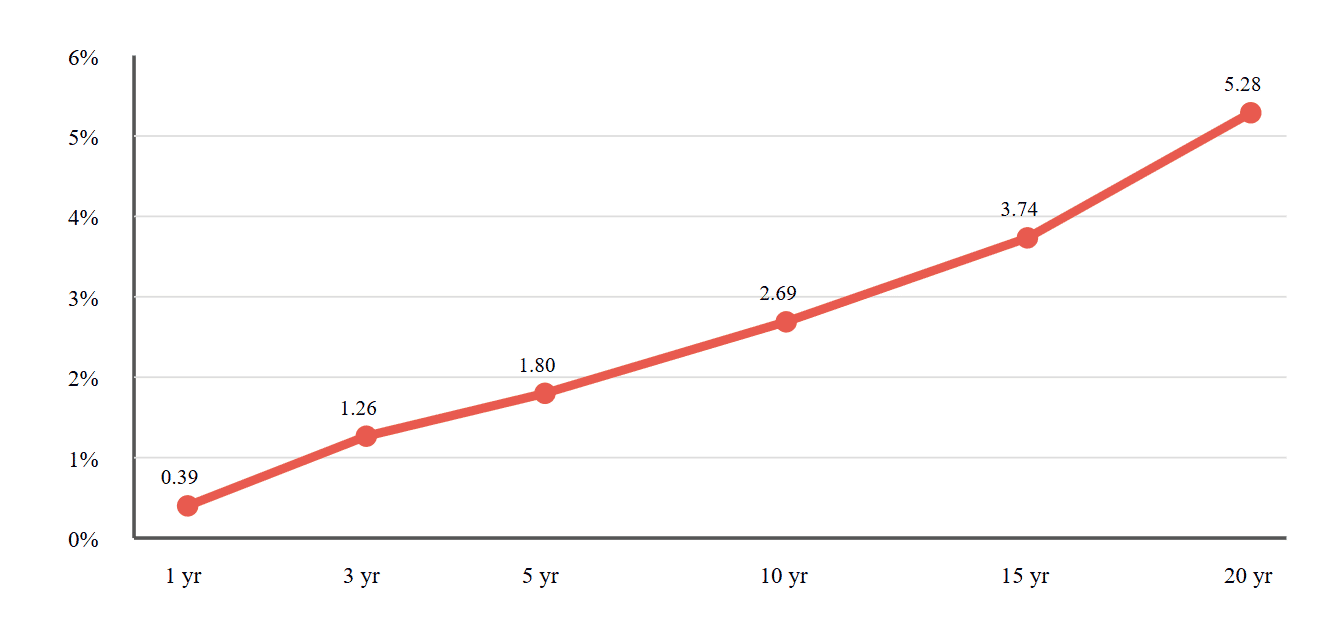
Source: National Joint Registry 22nd Annual Report 2025, Table 3.K5. Revision means another operation that adds, removes, or changes one or more implant components or otherwise meets the registry definition.
Knee Replacement in Turkey - Patient Testimonial
Questions to Ask Before Booking Knee Replacement in Turkey
- Is the hospital currently authorized by Türkiye’s Ministry of Health for international health tourism?
- What is the hospital’s current TÜSKA accreditation status, scope, and expiry?
- Who is my operating surgeon, and how can I verify registration and specialization?
- How many total, partial, complex, and revision knee replacements does the surgeon perform each year?
- What exact implant brand, model, constraint, fixation, and bearing are proposed?
- Why is this procedure better suited to my knee than the alternatives?
- What is included and excluded from the written USD quote?
- How are infection, clot, bleeding, pain, and stiffness risks managed?
- How many hospital and hotel nights should I plan, and what could extend the stay?
- Who provides physiotherapy in Turkey and after I return home?
- When may I fly, drive, work, shower, climb stairs, and travel alone?
- What happens financially and clinically if I need extra treatment or readmission?
Frequently Asked Questions About Knee Replacement in Turkey
How much does a knee replacement cost in Turkey?
A standard unilateral total knee replacement commonly falls within a broad planning range of $5,000–$10,000. Partial procedures may cost less, while robotic, complex, premium-implant, or bilateral surgery may cost more. Confirm whether the implant, hospital stay, physiotherapy, hotel, transfers, medicines, and complication care are included.
Is knee replacement surgery in Turkey safe?
Knee replacement can be performed safely in appropriately licensed hospitals by qualified orthopedic teams, but no location removes surgical risk. Verify Ministry authorization, TÜSKA status, surgeon credentials, infection-control processes, ICU access, implant traceability, clot prevention, rehabilitation, and the plan for managing complications before traveling.
How long should I stay in Turkey after knee replacement?
The required stay varies with your health, procedure, mobility, wound healing, rehabilitation progress, and flight length. Many international plans allow roughly two to three weeks, but this is not a universal rule. Your surgeon should approve discharge and flying based on your individual recovery and clot risk.
When can I fly after knee replacement in Turkey?
There is no single safe date for every patient. Recent major surgery and long flights can both increase blood-clot risk. Your surgeon must consider mobility, medical history, wound condition, medication, flight duration, and complications before providing fit-to-fly clearance and a personalized travel plan.
What qualifications should a knee surgeon in Turkey have?
The surgeon should have verifiable physician registration, recognized specialization in orthopedics and traumatology, hospital privileges, and relevant knee-arthroplasty experience. Ask about annual case volume, revision work, proposed implant familiarity, and TOTEK or comparable specialty evidence. Legal registration remains more important than marketing awards.
Does a Turkey knee replacement package include the implant?
Some packages include a named implant, while others quote the procedure and implant separately. Obtain the manufacturer, model, fixation, bearing, warranty information, and implant-documentation policy in writing. Also ask whether a different component chosen during surgery could change your final bill.
Is robotic knee replacement better in Turkey?
Robotic or navigation systems may help selected surgeons with planning and bone preparation, but they do not guarantee less pain, faster recovery, or longer implant survival. The surgeon’s judgment, correct indication, implant selection, ligament balance, infection prevention, and rehabilitation remain central to the outcome.
Should I choose total or partial knee replacement in Turkey?
A partial replacement may suit carefully selected patients with damage limited to one knee compartment and suitable ligaments. Total replacement is more common when arthritis is widespread or deformity is significant. The choice should follow examination and weight-bearing imaging, not simply price or a smaller-incision promise.
What records should I take home after knee replacement?
Request the operative report, discharge summary, implant stickers or identifiers, imaging, laboratory results, medicine list, wound instructions, physiotherapy protocol, fit-to-fly advice, and emergency contact details. Keep digital and printed copies because your local clinicians may need them during recovery or future treatment.
What happens if I have a complication after returning home?
Your written plan should identify the Turkish clinical contact, response times, remote-review process, and financial responsibility for additional treatment. You also need a local emergency and follow-up pathway. Serious symptoms require immediate local care; do not delay emergency treatment while waiting for an overseas reply.
Can I travel alone for knee replacement in Turkey?
Traveling with a companion is often safer during early recovery because you may need help with luggage, medicines, mobility, meals, and communication. A solo trip may be possible only when the hospital, hotel, transfers, nursing support, and airline assistance are carefully arranged and your clinical team agrees.
How long does a knee replacement last?
Many modern knee replacements function for years, but longevity varies by implant, fixation, age, activity, weight, alignment, infection, and other factors. A large 2025 registry reported a 5.28% cumulative revision estimate at 20 years for a common cemented fixed-bearing total-knee group.
Compare Knee Replacement Options in Turkey
PlacidWay can help you compare providers, understand package inclusions, prepare credential questions, review treatment options, and request information from clinics. Provider comparison does not replace an independent medical assessment.
Request InformationDisclaimer: This information is for educational purposes only and does not replace professional medical advice. Always consult a qualified healthcare provider before making medical decisions.
References
- Regulation on International Health Tourism and Tourist Health – Republic of Türkiye Ministry of Health
- Healthcare Providers Authorized by the Ministry – Republic of Türkiye Ministry of Health
- Accredited Organizations – Turkish Health Care Quality and Accreditation Institute
- General Information About Turkish Visas – Republic of Türkiye Ministry of Foreign Affairs
- Total Knee Replacement – American Academy of Orthopaedic Surgeons
- Recovering from Knee Replacement – NHS
- Medical Tourism and Travel After Surgery – Centers for Disease Control and Prevention
- National Joint Registry 22nd Annual Report 2025: Outcomes After Joint Replacement – NCBI Bookshelf

















Share this listing