
Explore the Cost of Hip Replacement Surgery in Turkey
Hip replacement surgery cost in Turkey typically ranges from $7,500 to $13,000 per joint, depending on the hospital, surgeon, implant, and package inclusions.
Key Takeaways
- Total expenses encompass surgeon fees, operating room charges, anesthesia, and implant components.
- Patients must plan for an extended stay of two to three weeks for initial recovery and travel clearance.
- Verifying hospital accreditations and surgeon credentials is essential for medical tourism safety.
- Continuity of care with a local provider back home must be established prior to departure.
- Prosthetic implant brands should be internationally recognized to ensure long-term durability.
What factors influence the hip replacement surgery cost in Turkey?
The total financial commitment depends heavily on hospital tier, implant material selection, case complexity, and bundled recovery services provided during your medical journey.
When evaluating financial estimates for hip replacement surgery in Turkey, patients must examine what is included in the initial quote. Comprehensive packages often cover hospital stays, nursing care, routine medications, and airport transfers, while diagnostic imaging or extended rehabilitation may incur separate charges.
The choice of prosthetic implant also plays a major role in pricing. Premium ceramic-on-polyethylene or custom-engineered components can alter the baseline expense. It is crucial to request an itemized billing breakdown from your chosen hip replacement surgery clinic in Turkey to avoid unexpected out-of-pocket costs.
Additionally, regional economic factors and currency exchange fluctuations contribute to lower operational expenses compared to North American healthcare systems. However, patients should prioritize clinical quality and safety protocols over seeking the lowest price point.
| Expense Category | Estimated Cost Range | Included Services & Variables |
|---|---|---|
| Standard Package | $9,000 – $12,000 | Surgeon fees, standard implant, 3-night hospital stay |
| Advanced Package | $12,000 – $16,000 | Robotic assistance, premium implants, extended care |
| Additional Outlays | $1,500 – $3,000 | Flights, lodging, local transport, outpatient therapy |
How does medical tourism in Turkey support orthopedic patients?
The structured ecosystem for international patients provides dedicated coordination, multilingual support, and modern clinical facilities equipped for complex joint replacement procedures.
Participating in medical tourism in Turkey offers access to internationally accredited medical centers that feature advanced surgical suites and specialized orthopedic units. Many hospitals maintain partnerships with global healthcare networks, ensuring standardized sterilization and patient safety protocols.
International patient departments help navigate logistical hurdles by managing medical record translations, scheduling consultations, and organizing accommodation near the treatment center. This administrative support reduces the stress of planning major surgery abroad.
Nevertheless, patients must perform independent research to verify that the chosen facility adheres to rigorous clinical standards. Reviewing institutional accreditations and speaking directly with medical coordinators helps establish transparency before departure.
Always request written confirmation detailing whether your quoted medical package covers unexpected revisions, extended hospital stays, or emergency medication requirements.
What preoperative evaluations are required before scheduling surgery?
Comprehensive diagnostic testing is mandatory to assess bone structure, joint degeneration, and overall physiological fitness for general or regional anesthesia.
- High-resolution X-rays and MRI scans to evaluate cartilage wear, bone spurs, and pelvic anatomy.
- Comprehensive blood panels to screen for infection, coagulation status, and systemic health markers.
- Cardiovascular assessments, including electrocardiograms, to ensure the heart can safely tolerate anesthesia.
- Endocrinology or internal medicine clearances if the patient manages chronic conditions like diabetes or hypertension.
- Detailed physical examinations by the orthopedic surgeon to measure joint range of motion and muscle strength.
What are the potential risks and complications of hip arthroplasty?
Like all major orthopedic interventions, hip replacement carries inherent medical risks that require careful monitoring and strict adherence to postoperative care guidelines.
Deep vein thrombosis remains a primary concern, especially when combining major joint surgery with long-distance air travel. Preventative measures, including blood thinners and compression stockings, are routinely prescribed to minimize vascular complications.
Infection at the surgical site or joint capsule represents another critical risk requiring prompt intervention. Patients must maintain strict incision hygiene and report unusual swelling, redness, or fever immediately.
Other potential issues include joint dislocation, leg-length discrepancy, or implant wear over time. Selecting a highly experienced surgeon and using FDA-cleared or internationally recognized prosthetic components helps mitigate these long-term mechanical risks.
Early mobilization is a cornerstone of modern hip replacement protocols, with patients typically encouraged to stand and take supported steps within twenty-four hours of their operation to promote healing.
How should patients plan for post-surgical recovery and travel?
A structured recovery timeline is vital. Medical guidelines strictly prohibit immediate air travel, requiring patients to remain near their surgical center for at least two to three weeks.
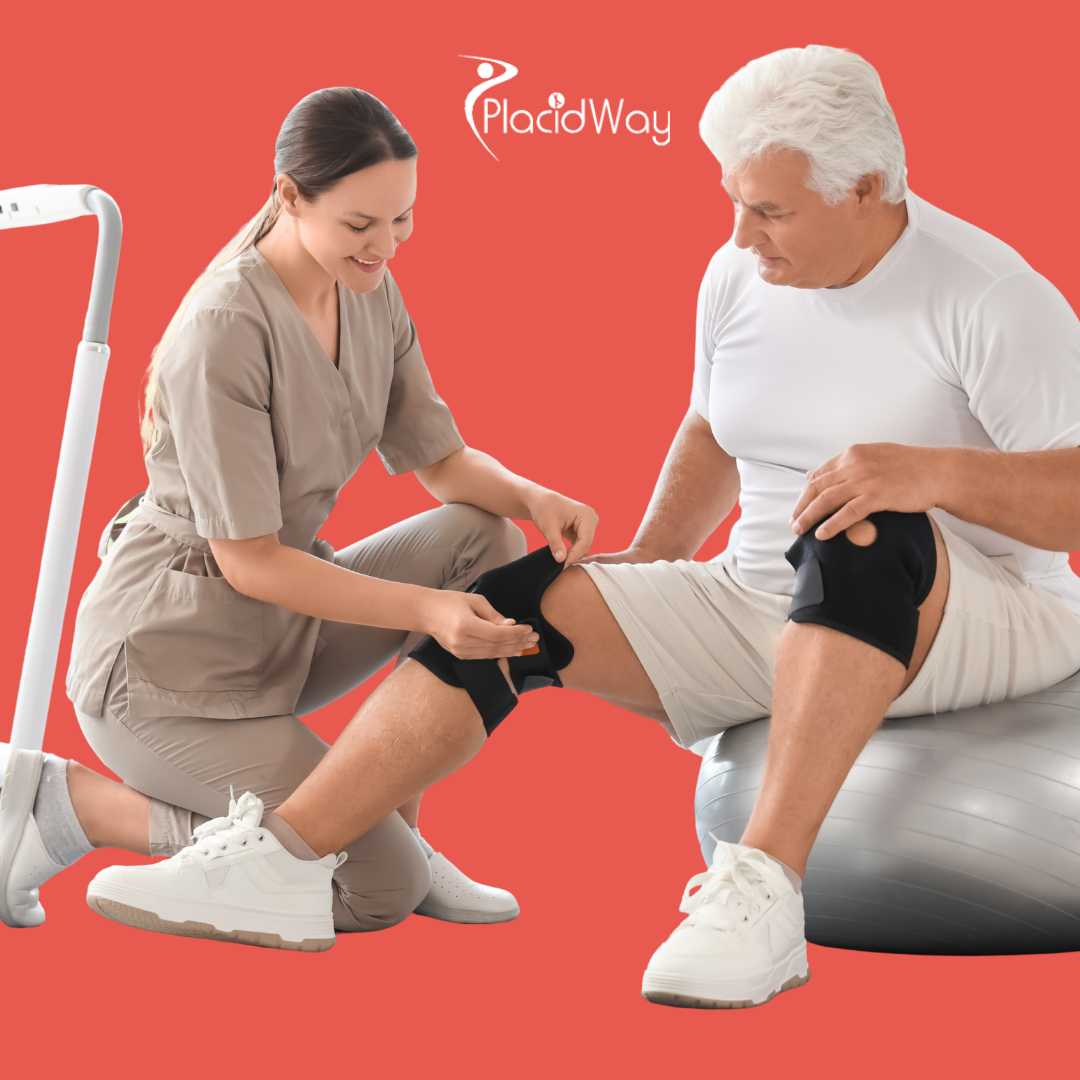
The initial days post-surgery focus on acute pain management and supervised physical therapy sessions to restore basic mobility. Once discharged from the hospital, patients transition to a recovery hotel where light exercises continue under professional guidance.
Before boarding a return flight, your operating surgeon must perform a clinical evaluation to provide formal travel clearance. Travelers should request seating with adequate legroom, maintain hydration, and perform gentle seated leg movements during flight.
Establishing ongoing rehabilitation with a local physical therapist in your home country ensures continuous progress and reduces the likelihood of developing scar tissue or gait abnormalities.
Why Choose PlacidWay?
Navigating international healthcare options can be challenging without objective information. PlacidWay connects individuals with structured resources to compare global medical providers effectively.
- Access comprehensive directories of accredited hospitals and orthopedic specialty centers worldwide.
- Compare estimated pricing structures across different international destinations to evaluate healthcare budgets responsibly.
- Connect directly with international patient coordinators to ask clinical questions and request detailed treatment itineraries.
- Review educational resources regarding medical travel planning, facility standards, and postoperative recovery guidelines.
- Explore flexible healthcare options tailored to individuals seeking high-quality orthopedic solutions abroad.
Frequently Asked Questions
Are orthopedic surgeons in Turkey board certified?
Many orthopedic specialists in Turkey hold certifications from national medical boards and have completed international fellowships. Patients should always verify their specific licensing and training credentials through official medical registries before scheduling treatment.
Is physical therapy included in the total treatment package?
Initial inpatient physical therapy during your hospital stay is typically included in standard surgical packages. However, extended outpatient rehabilitation sessions often require separate financial arrangements, so you should clarify this directly with your chosen healthcare provider.
Can I fly home immediately after hip joint replacement?
Medical guidelines strictly prohibit long-haul flights immediately following major joint arthroplasty due to the elevated risk of deep vein thrombosis and pulmonary embolism. Patients generally need to remain in the destination country for two to three weeks before receiving travel clearance.
What happens if I experience complications after returning home?
You must establish a relationship with a local orthopedic specialist in your home country prior to traveling. Having your complete medical records translated and transferred ensures seamless continuity of care if postoperative issues arise after your return.
Are English speaking medical staff available in hospitals?
Private medical facilities that cater to international patients usually employ English-speaking physicians, nurses, and dedicated patient coordinators. These professionals ensure clear communication regarding medical instructions, informed consent, and postoperative care.
How long does the actual hip replacement procedure take?
The surgical procedure itself generally lasts between one and two hours. Additional time is required for preoperative preparation, anesthesia administration, and immediate postoperative monitoring in the recovery unit.
Do I need a medical visa to travel for treatment?
Visa requirements depend entirely on your citizenship and current national entry regulations. Many travelers require an electronic visa, which should be secured well in advance of your scheduled medical appointments and travel dates.
Are robotic assisted systems used during hip arthroplasty?
Many advanced hospitals integrate computer-assisted navigation and robotic guidance systems into their operating suites. These technologies assist surgeons in planning precise implant alignment, though the operating surgeon remains in complete control throughout.
What pain management protocols are utilized postoperatively?
Hospitals typically employ a multimodal pain management approach, combining localized nerve blocks, oral analgesics, and intravenous medications to keep patients comfortable and facilitate early mobilization.
How soon can I walk unassisted after the operation?
Patients typically begin standing and walking with assistive devices within twenty-four hours of surgery. Achieving a normal, unassisted gait generally takes several months of dedicated physical therapy and consistent daily exercise.
Compare Your Orthopedic Treatment Options
Review accredited facilities, compare estimates, and connect with medical providers to make an informed decision regarding your healthcare journey.
Request Treatment InformationReferences
- Total Hip Replacement – American Academy of Orthopaedic Surgeons
- Hip Replacement Overview – Mayo Clinic
- Venous Thromboembolism and Travel – Centers for Disease Control and Prevention
- Patient Safety and Quality Care – World Health Organization
- International Healthcare Accreditation Standards – ISQua
- Planning for Joint Surgery Abroad – Arthritis Foundation
























Share this listing