
Save on Hip Surgery: Tijuana's Resurfacing Costs
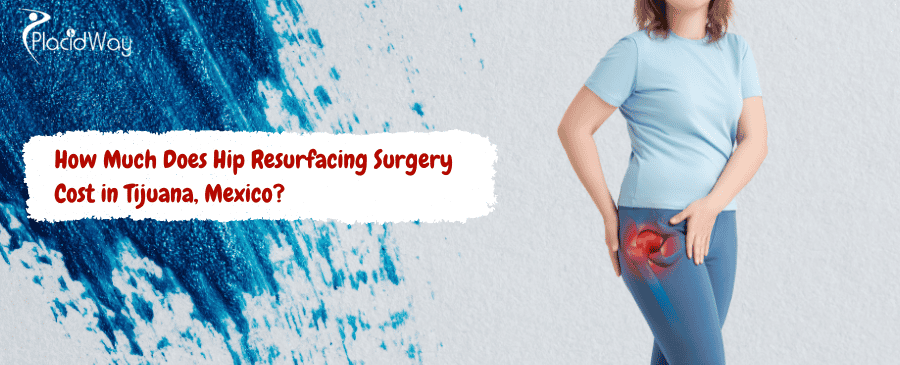
Living with severe hip pain can significantly limit your quality of life, making everyday activities difficult and preventing you from enjoying the physical pursuits you love. For patients seeking to preserve their bone structure rather than undergo a complete joint replacement, hip resurfacing surgery in Tijuana Mexico has emerged as a widely discussed option. This orthopedic procedure is often considered by younger, highly active individuals who wish to maintain their mobility.
Understanding the financial aspects, medical requirements, and logistical planning of undergoing treatment abroad is essential for making an informed decision. This guide explores the estimated hip resurfacing surgery cost in Tijuana Mexico, detailing what you should know about the procedure itself, the recovery process, and how to approach medical travel safely.
Key Takeaways
- The procedure typically costs between $9,500 and $13,500 in Tijuana, depending on clinical factors and materials.
- Ideal candidates are often younger, active males with strong bone density and severe hip arthritis.
- Hip resurfacing preserves the femoral neck, unlike a standard total hip replacement.
- You must plan for substantial post-operative rehabilitation and arrange for a local physical therapist in your home country.
- Careful vetting of medical facilities and board-certified orthopedic surgeons is crucial for your safety.
What is hip resurfacing surgery and how does it differ from total hip replacement?
During a traditional total hip replacement, the surgeon completely removes the damaged head of the thigh bone (femur) and replaces it with a prosthetic ball attached to a stem that goes down into the bone canal. In contrast, hip resurfacing is a bone-conserving procedure. The surgeon shapes the damaged femoral head and places a smooth metal cap over it, much like a dentist placing a crown over a tooth.
Because the femoral neck is preserved, the natural anatomy of the hip is maintained more closely than in a total replacement. This often translates to a lower risk of hip dislocation and a more natural feeling joint during movement. It also makes any future revision surgeries easier, as there is more native bone left to work with should a total hip replacement become necessary later in life.
However, the procedure is technically demanding and requires a highly skilled orthopedic surgeon. It relies on a metal-on-metal articulation (the ball and the socket are both made of metal), which carries specific risks that require careful patient selection and long-term monitoring.
What factors influence the hip resurfacing surgery cost in Tijuana Mexico?
While the estimated price bracket is generally between $9,500 and $13,500, a variety of individual components make up the final bill you will receive from a medical facility. When requesting a quote, it is vital to ask for a line-item breakdown so you know exactly what is included in the package. Typical inclusions are the operating room time, the anesthesiologist’s fee, the primary surgeon's fee, and the physical implant device.
Several variables can push the cost toward the higher end of the spectrum:
- Pre-operative evaluations: Comprehensive blood panels, cardiovascular screenings, and advanced imaging (like MRI or CT scans) to assess bone quality.
- Hospital stay duration: The number of nights you remain in the surgical center for immediate post-operative monitoring.
- Medications: Post-operative pain management, blood thinners to prevent clots, and antibiotics.
- Physical therapy: Initial inpatient physical therapy sessions to help you stand and walk before discharge.
It is also important to budget for indirect expenses. Travel to and from the border, accommodation in a local hotel before and after the hospital stay, meals, and the cost of traveling with a companion are rarely included in the medical quote.
Who is typically a suitable candidate for this orthopedic procedure?
Hip resurfacing is not suitable for everyone. Orthopedic surgeons have strict criteria for candidacy to minimize the risk of complications. Because the femoral neck is preserved, it must be strong enough to support the metal cap. Patients with osteoporosis, osteopenia, or poor bone quality are generally advised against this procedure due to a high risk of fracturing the femoral neck after surgery.
Statistically, the procedure has the highest success rates in larger-framed males under the age of 60. Women and patients with smaller bone structures are often directed toward total hip replacements, as smaller metal implants have been associated with higher failure rates and complications.
Additionally, patients with severe kidney disease or known metal allergies are typically contraindicated for hip resurfacing. Because the implant consists of metal-on-metal components, tiny metal ions are released into the bloodstream over time. Healthy kidneys can usually filter these out, but compromised kidneys may struggle, leading to adverse health effects.
What should I expect during the recovery process in Tijuana?
Immediately following surgery, you will likely spend 1 to 3 days in the medical facility. Pain management is a primary focus during this time. You will be encouraged to stand and take a few steps with assistance, often on the same day as or the day after your operation. Early mobilization is vital for preventing blood clots and lung complications.
Your orthopedic team will provide specific guidelines regarding how much weight you can put on your operative leg. Unlike total hip replacements, where patients often bear full weight quickly, hip resurfacing may require a period of partial weight-bearing using crutches to protect the femoral neck while it heals and integrates with the implant.
Returning to normal activities takes time and dedication to physical therapy. Most patients can return to desk work within a few weeks and resume driving once they are no longer taking narcotic pain medications and have regained sufficient reflex speed. High-impact sports or heavy physical labor may require several months of rehabilitation, and your surgeon will need to clear you before you engage in these activities.
Are there risks or complications associated with this procedure?
All surgical interventions carry baseline risks, particularly related to anesthesia, bleeding, and infection. To mitigate blood clot risks, patients are typically prescribed blood thinners and instructed to wear compression stockings. Antibiotics are administered around the time of surgery to minimize infection risks.
Hip resurfacing carries unique complications due to its design. The most notable is the risk of a femoral neck fracture. Because the neck of the bone is retained and must bear weight, it can crack if the bone is too weak or if it is subjected to premature stress during recovery. If a fracture occurs, the patient will almost certainly require a revision to a total hip replacement.
Another specific risk is metallosis. The friction between the metal ball and socket can shed microscopic cobalt and chromium particles into the surrounding tissue and bloodstream. While many patients tolerate this without issue, some develop an adverse local tissue reaction (ALTR) causing pain, swelling, and localized tissue damage. Due to this risk, patients require regular follow-ups and occasional blood tests to monitor metal ion levels.
How do I choose a safe hip resurfacing surgery clinic in Tijuana Mexico?
When looking for a hip resurfacing surgery clinic in Tijuana Mexico, prioritizing safety and quality over price is essential. You should seek out facilities that hold recognized national or international accreditations, such as the Joint Commission International (JCI) or Mexico's Consejo de Salubridad General (CSG). These accreditations indicate that the hospital adheres to strict protocols for hygiene, patient care, and emergency management.
The experience of the surgeon is arguably the most critical factor. Hip resurfacing is a highly specialized procedure that is less common than total hip replacement. You should inquire specifically about how many resurfacing procedures the surgeon performs annually. Ask to see their board certifications in orthopedics and inquire if they have completed specialized fellowship training in adult joint reconstruction.
Furthermore, an ethical and safe clinic will be transparent about their screening process. They should require comprehensive medical records, X-rays, and potentially require a consultation before confirming that you are an appropriate candidate for the surgery.
What are the advantages of medical tourism in Tijuana Mexico for orthopedic care?
Medical tourism in Tijuana Mexico has grown substantially, particularly for North American patients seeking relief from joint pain. The primary driver is cost; procedures in Mexico can often be accessed for a fraction of the price found in the United States, allowing self-paying or underinsured patients to afford necessary treatments without overwhelming debt.
Geographic convenience is another major factor. Located just across the border from San Diego, California, Tijuana is easily accessible via a short drive or flight. Many patients fly into San Diego International Airport and cross the border via dedicated medical lanes, reducing travel stress compared to flying overseas.
Additionally, many facilities catering to international patients invest heavily in modern medical technology and bilingual staff. This helps bridge the communication gap, ensuring that patients understand their diagnoses, treatment plans, and discharge instructions clearly.
What happens during the preoperative consultation and evaluation?
Before any surgery is finalized, a rigorous evaluation process must take place. This often begins remotely, where you will be asked to send recent pelvic X-rays and medical files to the clinic in Mexico for an initial assessment. If the surgeon believes you might be a candidate, a formal in-person consultation is scheduled upon your arrival.
The in-person evaluation typically includes:
- Physical examination: Assessing your hip's range of motion, strength, and pain levels.
- Cardiac clearance: An EKG and potentially a consultation with a cardiologist to ensure your heart can withstand the stress of surgery.
- Laboratory tests: Comprehensive blood panels to check kidney function, liver function, and to rule out active infections.
- Anesthesia consultation: Discussing your medical history, allergies, and the type of anesthesia to be used.
If any red flags are discovered during this evaluation, a responsible medical team will cancel or postpone the procedure until the issues are resolved.
How should I manage postoperative follow-up care after returning home?
Surgery is only the first step in treating hip osteoarthritis; rehabilitation dictates the final outcome. When pursuing medical care abroad, continuity of care is the biggest challenge. You will need a doctor back home who is willing to remove sutures or staples, order routine post-operative X-rays, and monitor your progress.
Physical therapy is non-negotiable. You should book appointments with a local physical therapist before you even leave for Mexico. They will guide you through progressive exercises to rebuild muscle strength and restore joint mobility, following the protocol provided by your operating surgeon.
Furthermore, you must have a plan for managing potential emergencies. If you develop a high fever, sudden severe pain, redness around the incision, or shortness of breath after returning home, you must seek immediate care at a local emergency room, rather than attempting to return to the clinic abroad.
Why Choose PlacidWay for Medical Tourism Information?
Navigating the complex landscape of international healthcare requires access to reliable, structured information. PlacidWay serves as a resource for patients exploring medical travel options.
- Extensive Directory: Connects patients with a wide network of healthcare providers and medical facilities globally.
- Informational Transparency: Provides access to clinic profiles, available treatments, and doctor credentials to aid your research.
- Educational Resources: Offers detailed articles and guides regarding various orthopedic and medical procedures.
- Cost Comparisons: Allows patients to compare estimated treatment prices across different regions and countries.
- Direct Communication: Facilitates initial contact and inquiries between patients and international medical centers.
Frequently Asked Questions
Is hip resurfacing safer than total hip replacement?
Neither procedure is universally safer; they carry different risk profiles. While resurfacing preserves more bone, it introduces the risk of metal ion sensitivity (metallosis) and femoral neck fracture, which are not typical risks in a standard total hip replacement.
How long does a hip resurfacing implant typically last?
While outcomes vary by patient and activity level, many hip resurfacing implants can function well for 10 to 15 years or more. However, patients may eventually require a revision to a total hip replacement if the implant wears out or complications develop.
Will I trigger airport security metal detectors after this surgery?
Yes, it is highly likely that the metal implant used in hip resurfacing will trigger airport security metal detectors and body scanners. You can inform security personnel about your implant, and they may perform a secondary screening.
Can women safely undergo hip resurfacing surgery?
Women can undergo the procedure, but they are less frequently considered ideal candidates. This is because women typically have smaller femoral head sizes and are at a higher risk for lower bone density, which can increase the chance of post-operative fractures.
Are metal-on-metal implants still used in Tijuana?
Yes, metal-on-metal implants are the standard material used globally for hip resurfacing because they allow for the thin, durable capping of the bone. Because of this, patients require careful screening and routine blood tests to monitor metal ion levels.
How soon can I fly home after hip surgery in Tijuana?
Most surgeons advise waiting at least 7 to 10 days before taking a flight to reduce the risk of deep vein thrombosis (blood clots). Your orthopedic team will provide specific clearance based on your individual recovery progress.
What if I need physical therapy after returning home?
Physical therapy is an essential part of the recovery process. You should arrange to continue physical therapy with a local provider in your home country before you travel to Mexico to ensure a smooth transition of care.
Does US health insurance cover hip resurfacing in Mexico?
Typically, US health insurance plans and Medicare do not cover elective medical procedures performed outside the United States. Patients usually pay for medical tourism treatments out of pocket.
What kind of anesthesia is used for this procedure?
Hip resurfacing is usually performed under general anesthesia (where you are completely unconscious) or regional anesthesia (such as an epidural or spinal block) combined with a sedative to keep you relaxed.
Can I drive myself back across the border after surgery?
No. You will be recovering from major orthopedic surgery, likely taking prescription pain medication, and experiencing limited mobility. You must arrange for a companion or a medical transport service to drive you home safely.
Explore Your Medical Options
Take the next step in your healthcare journey by gathering more information about available orthopedic procedures, clinics, and estimated costs.
Request Treatment InformationReferences
- Hip Resurfacing - American Academy of Orthopaedic Surgeons (AAOS)
- Hip Resurfacing Devices - U.S. Food and Drug Administration (FDA)
- Medical Tourism: Travel to Another Country for Medical Care - Centers for Disease Control and Prevention (CDC)
- Hip Replacement Surgery (including resurfacing information) - National Institute of Arthritis and Musculoskeletal and Skin Diseases (NIAMS)
- Hip Surgery Options - Arthritis Foundation
- Hip Resurfacing Overview - Hospital for Special Surgery (HSS)



























Share this listing