
Living with chronic joint pain, autoimmune conditions, or degenerative diseases often leads patients to explore regenerative treatments beyond their home borders. You may be feeling frustrated by the high costs or limited regulatory approvals for regenerative medicine in the United States and Canada, prompting your search for viable alternatives abroad. This guide helps you navigate the landscape of stem cell therapy in Mexico by detailing expected costs, explaining how to verify essential COFEPRIS clinic certifications, and providing the medical facts you need to make a safe and confident healthcare decision.
- Estimated Cost: Typically ranges from $3,000 to $10,000 USD, depending on the condition and cell count required.
- Safety Overview: Generally considered safe when performed by board-certified specialists in highly regulated, sterile facilities.
- Ideal Candidate: Patients seeking relief from orthopedic pain, osteoarthritis, or specific autoimmune conditions who have realistic expectations.
- Recovery Time: Most patients resume light daily activities within a few days, though tissue regeneration takes several months.
- Why Patients Choose Mexico: Proximity to the US, significant cost savings, and access to expanded, legally regulated cell expansion protocols.
- Important Caution: Always verify that the facility holds a current license from COFEPRIS (the Mexican health authority) before booking treatment.
Why International Patients Choose Stem Cell Therapy in Mexico
Every year, thousands of patients travel across the border seeking regenerative medicine. The primary driving force behind this decision is the distinct regulatory environment surrounding cell expansion and cultivation. In many Western countries, strict regulations limit how stem cells can be processed, often requiring same-day extraction and reinjection without expanding the cell count. Mexico allows specialized, regulated laboratories to cultivate cells over several days, which can yield a significantly higher volume of viable mesenchymal stem cells for treatment.
Beyond the scientific protocols, financial considerations play a major role in the decision-making process. The combination of geographic proximity and a favorable exchange rate makes cross-border healthcare highly attractive for North American patients. When evaluating your options, you will find that top-tier clinics in cities like Tijuana, Cancun, and Monterrey offer comprehensive medical packages designed specifically for international visitors.
- Access to high-yield cell expansion
- Significantly lower treatment costs
- Short travel distances from the US
- All-inclusive patient support packages
- Requires careful clinic vetting
- Follow-up care happens remotely
- Treatment protocols vary widely
- Insurance rarely covers international care
Understanding How Stem Cell Therapy Works
Regenerative medicine relies on the body's natural healing mechanisms to repair damaged tissues and reduce inflammation. Stem cells act as raw materials, capable of differentiating into various cell types or releasing growth factors that signal other cells to begin the repair process. When introduced into a damaged joint or infused intravenously, these cells may help modulate the immune system and promote tissue regeneration.
Your doctor will evaluate your specific medical history to determine the most effective delivery method. Treatments generally involve harvesting cells from your own body (autologous) or using ethically sourced donor cells (allogeneic) from umbilical cord tissue. The chosen cells are isolated, concentrated, and then carefully administered into the targeted area under strict sterile conditions.
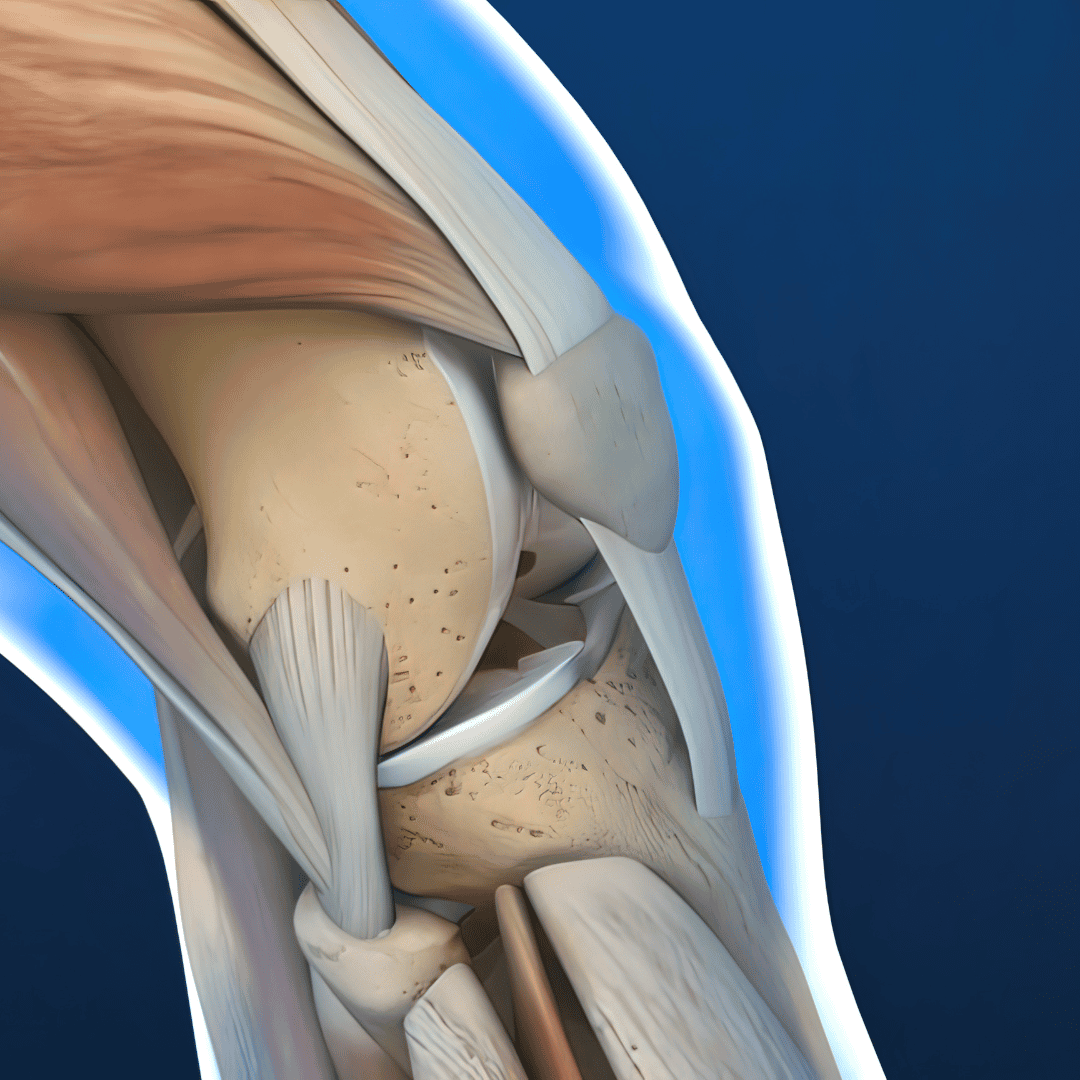
- Intra-articular Injection: Administered directly into a damaged joint, such as a knee or shoulder, often using ultrasound guidance.
- Intravenous Infusion: Delivered into the bloodstream for systemic conditions or widespread inflammation.
- Intrathecal Administration: Carefully injected into the spinal canal for certain neurological applications, performed only by specialized anesthesiologists.
- Localized Injections: Targeted delivery into specific soft tissues, muscles, or tendons.
Common Conditions Treated with Stem Cells in Mexico
Patients explore regenerative treatments for a wide variety of chronic ailments that have not responded well to conventional therapies. Orthopedic conditions represent the largest category of treatments, as many individuals seek alternatives to invasive joint replacement surgeries. Mesenchymal stem cells are frequently utilized for their strong anti-inflammatory properties, which can be highly beneficial for degenerative joint diseases.
Additionally, specialized clinics offer protocols for systemic and autoimmune conditions. While stem cell therapy is not a cure for these complex diseases, many patients report improvements in their quality of life, reduced pain levels, and enhanced mobility. It is crucial to have an honest consultation with a qualified specialist to understand if your specific diagnosis responds well to cellular therapy.
| Medical Category | Common Conditions Evaluated for Treatment | Primary Treatment Goal |
|---|---|---|
| Orthopedic and Joint Health | Osteoarthritis, cartilage damage, tendon tears | Reduce localized pain and stimulate tissue repair |
| Autoimmune Disorders | Rheumatoid arthritis, Lupus, Multiple Sclerosis | Modulate immune response and decrease inflammation |
| Neurological Conditions | Neuropathy, Parkinson's symptom management | Protect existing neurons and improve daily function |
| Wellness and Anti-Aging | Chronic fatigue, general cellular vitality | Enhance energy levels and promote overall recovery |
Patient Demographics and Travel Trends for Regenerative Medicine
Understanding who travels for regenerative medicine provides valuable context for your own healthcare journey. Recent data from cross-border health initiatives in 2024 and 2025 indicates that the majority of patients seeking stem cell therapy in Mexico originate from the United States, followed closely by Canada. These patients typically share a common profile of having exhausted domestic treatment options or facing prohibitive out-of-pocket expenses for non-covered regenerative procedures.
The demographic landscape shows a heavy concentration in the 50 to 64 age bracket, largely correlating with the onset of severe osteoarthritis and chronic inflammatory conditions. Recent tracking also highlights a steady upward trajectory in patient volume. As more individuals learn about the rigorous clinical protocols available in regulated Mexican facilities, the demand for cross-border regenerative treatments continues to climb.
Estimated Cost of Stem Cell Therapy in Mexico Compared to Other Countries
Budgeting for regenerative medicine requires a clear understanding of exactly what is included in your treatment quote. The total financial investment varies significantly depending on the number of millions of cells required, the source of those cells, and the complexity of the delivery method. On average, patients save between 50% and 70% when opting for treatment in Mexico compared to out-of-pocket costs at private clinics in the United States.
When requesting a quote, you should always ask for an itemized breakdown. Reputable clinics will clearly separate the medical fees, laboratory processing costs, and any logistical support like hotel stays or airport transfers. Be wary of prices that seem unusually low, as cell processing in sterile, certified laboratories carries a baseline operational cost that cannot be bypassed safely.
| Treatment Type | Estimated Cost in US/Canada | Estimated Cost in Mexico |
|---|---|---|
| Basic Joint Injection (Single Joint) | $4,000 - $8,000 USD | $2,500 - $4,000 USD |
| Intravenous Systemic Therapy | $10,000 - $25,000 USD | $4,500 - $8,000 USD |
| Complex Neurological Protocols | $20,000 - $35,000 USD | $8,000 - $12,000 USD |
Types of Stem Cells Used in Mexican Clinics
The success of your treatment depends heavily on utilizing the correct type of cells for your specific medical condition. Medical professionals in Mexico predominantly use Mesenchymal Stem Cells (MSCs) due to their robust safety profile and well-documented anti-inflammatory capabilities. These cells can be harvested from your own body, or they can be sourced from rigorously screened donor materials.
Allogeneic cells derived from human umbilical cord tissue (HUCT) are particularly popular in Mexican clinics. Because umbilical cord tissue is rich in young, highly active MSCs, it often provides a more potent regenerative response than cells harvested from an older patient's own bone marrow or fat. Your physician will recommend a specific cell source based on your age, overall health, and primary diagnosis.
- Autologous Adipose-Derived: Extracted from your own fat tissue via a mini-liposuction procedure. Best for joint issues.
- Autologous Bone Marrow: Extracted from your hip bone. A traditional method with a long history of orthopedic success.
- Allogeneic Umbilical Cord (Wharton's Jelly): Sourced from healthy, screened donors post-cesarean section. Highly favored for systemic and autoimmune conditions due to high cell vitality.
How to Verify Hospital and Clinic Credentials in Mexico
Patient safety must always be your top priority when organizing medical travel. The healthcare landscape in Mexico includes world-class hospitals alongside smaller, less regulated facilities, making independent verification essential. You cannot rely on marketing websites alone; you must actively request documentation proving the facility is legally authorized to perform cellular therapies.
The most important credential to look for is a valid license from COFEPRIS (Comisión Federal para la Protección contra Riesgos Sanitarios), which is the Mexican equivalent of the FDA. A clinic must hold specific permits for handling, processing, and administering human cells. Without these specific COFEPRIS permits, a clinic is operating outside of national health regulations.
- Request the clinic's active COFEPRIS license number.
- Verify if the cellular laboratory is on-site or outsourced.
- Ask for a copy of the tissue bank's certification.
- Confirm the facility has emergency protocols and ICU access if needed.
- Check if the clinic provides a transparent, itemized written quote.
Choosing a Qualified Stem Cell Specialist
The expertise of the physician administering your treatment is just as critical as the quality of the cells themselves. In Mexico, any doctor performing advanced medical procedures should be registered with the national medical council and hold board certification in their respective specialty. For example, joint injections should ideally be performed by an orthopedic surgeon or a sports medicine specialist.
Do not hesitate to ask prospective doctors about their specific experience with cellular medicine. Ask how many procedures they perform annually and inquire about their complication rates. A trustworthy and experienced specialist will always provide realistic expectations and will openly discuss both the potential benefits and the limitations of the proposed therapy.
- Are you board-certified in a relevant medical specialty (e.g., orthopedics, rheumatology)?
- Can you provide your professional registration number (Cédula Profesional)?
- How will you determine the exact dosage (cell count) for my condition?
- What imaging technology do you use to ensure accurate needle placement?
The Patient Journey and Treatment Timeline
Organizing a medical trip involves several distinct phases, beginning weeks before you board a plane. Once you select a provider, you will likely undergo a remote medical consultation. During this phase, you must share your complete medical records, MRI scans, and recent blood work. The medical team reviews these documents to confirm your eligibility and design a personalized protocol.
Upon arriving in Mexico, the actual treatment process is typically streamlined and efficient. Most international patients spend between three to five days in the destination city, allowing adequate time for pre-treatment blood work, the cellular administration, and a final observation period before traveling home safely.
| Timeline Phase | Patient Activity | Clinical Milestone |
|---|---|---|
| Weeks 1-4 (Pre-Trip) | Submit medical records and imaging | Doctor confirms eligibility and cell count |
| Day 1 (Arrival) | Arrive in Mexico, settle into accommodation | Initial in-person consultation and blood work |
| Day 2 (Procedure) | Attend clinic for treatment session | Cell preparation and administration |
| Day 3-4 (Observation) | Rest at hotel, follow dietary guidelines | Post-treatment checkup and medical clearance |
What to Expect During Recovery and Aftercare
The immediate recovery period following stem cell administration is usually mild, but requires strict adherence to your doctor's instructions. If you received a joint injection, you may experience localized soreness, minor swelling, or stiffness for a few days. Intravenous therapies might cause temporary fatigue or a mild flu-like sensation as the body's immune system responds to the new cells.
Long-term recovery and tissue regeneration happen on a microscopic level over several months. You will not see instantaneous results. Most clinics advise against taking non-steroidal anti-inflammatory drugs (NSAIDs) like ibuprofen for several weeks post-treatment, as these medications can suppress the inflammatory signaling required for the stem cells to begin the healing process.
- Avoid strenuous exercise or heavy lifting for at least 4 to 6 weeks.
- Strictly avoid NSAIDs unless explicitly approved by your treating physician.
- Maintain all scheduled virtual follow-up appointments with your Mexican clinic.
- Engage in gentle, approved physical therapy to support joint mobility.
Potential Risks and Medical Safety Considerations
While regenerative therapies are minimally invasive, they are not entirely free from risk. Any procedure involving injections carries a baseline risk of infection, bleeding, or nerve damage at the injection site. Using properly sterilized equipment and image-guided injection techniques (such as fluoroscopy or ultrasound) drastically reduces these common procedural risks.
A specific concern with cellular therapy is the potential for an adverse immune reaction, though this is rare when using highly purified, properly screened mesenchymal stem cells. Unregulated clinics that fail to screen donors properly or maintain sterile laboratory environments expose patients to severe bacterial infections. This reinforces why selecting a COFEPRIS-licensed facility is non-negotiable for your safety.
| Potential Risk | Clinical Cause | How Top Clinics Prevent It |
|---|---|---|
| Site Infection | Bacteria entering during injection | Strict sterile protocols and highly controlled clinical environments |
| Contaminated Cells | Poor laboratory processing | Use of ISO-certified cleanrooms and comprehensive donor screening |
| Ineffective Results | Low cell viability or wrong diagnosis | Precise cell counting equipment and careful patient selection |
Legal Regulations and COFEPRIS Oversight in Mexico
The legal framework surrounding healthcare in Mexico is robust and designed to protect both domestic and international patients. The General Health Law governs all medical practices, while COFEPRIS enforces specific regulations regarding the handling of human tissues and cells. Mexico legally permits the expansion of stem cells in certified laboratories, which is the primary regulatory difference compared to the United States.
However, the existence of strict laws does not guarantee universal compliance. Medical tourism has given rise to unauthorized operators who market aggressively to foreigners but lack the necessary government permits. As an international patient, you must take personal responsibility for verifying that your chosen provider operates entirely within the legal boundaries established by the Mexican Ministry of Health.
Under Mexican law, a facility offering stem cell therapies must possess a specific sanitary license for a regenerative medicine bank or tissue bank. A standard medical consultation license is insufficient. You have the right to request physical or digital copies of these specific COFEPRIS authorizations before transferring any funds.
Frequently Asked Questions
Is stem cell therapy in Mexico safe for international patients?
It is generally considered safe when performed in COFEPRIS-licensed facilities by board-certified doctors. Patients must rigorously vet clinics to ensure they follow strict sterile protocols and use ethically sourced, properly screened cellular materials.
Why are stem cell treatments cheaper in Mexico compared to the US?
The lower cost is primarily due to differences in the cost of living, lower administrative and facility overhead, and favorable exchange rates, rather than a reduction in the quality of medical care or laboratory standards.
Does the FDA regulate clinics operating in Mexico?
No, the US FDA has no jurisdiction in Mexico. Healthcare and medical facilities in Mexico are regulated by COFEPRIS, the Mexican equivalent of the FDA.
How many millions of cells will I need for my treatment?
The required cell count varies widely based on your specific diagnosis, age, and weight. A localized joint injection may require 30 to 50 million cells, whereas systemic intravenous treatments often require 100 million cells or more.
How long does it take to see results after cellular therapy?
Regeneration is a gradual biological process. While some patients report reduced inflammation within a few weeks, significant structural improvements and pain relief typically take between 3 to 6 months to become fully apparent.
Can I travel back home immediately after the procedure?
Most clinics require you to stay in Mexico for at least 24 to 48 hours after the procedure to monitor for any rare immediate adverse reactions before you are cleared to fly home.
What happens if I experience a complication once I return home?
Before booking, you should establish a clear remote follow-up plan with your Mexican doctor. You should also inform your primary care physician at home about your treatment so they can assist with routine post-care if necessary.
Are the stem cells used in Mexico ethically sourced?
Reputable, COFEPRIS-licensed clinics use ethically sourced allogeneic cells, typically derived from the umbilical cord tissue of healthy, full-term pregnancies with explicit maternal consent and rigorous infectious disease screening.
Will my US health insurance cover treatment in Mexico?
Almost all stem cell treatments in Mexico are considered out-of-pocket expenses for international patients, as standard US and Canadian health insurance policies rarely cover cross-border regenerative therapies.
Is stem cell therapy a permanent cure for osteoarthritis?
No, it is not a guaranteed permanent cure. It may help reduce inflammation, slow joint degeneration, and manage severe pain, but individual results vary, and some patients may require follow-up treatments years later.
Ready to Explore Your Treatment Options?
Navigating international healthcare can feel overwhelming, but you do not have to do it alone. PlacidWay can help you compare highly rated clinics, review accurate treatment costs, and request documentation from verified providers in Mexico.
Request Free Information TodayDisclaimer: This information is for educational purposes only and does not replace professional medical advice. Always consult a qualified healthcare provider before making medical decisions.
References
- Comisión Federal para la Protección contra Riesgos Sanitarios (COFEPRIS) – Official Regulatory Guidelines
- Clinical Evidence on Mesenchymal Stem Cell Therapy for Osteoarthritis – National Institutes of Health (NIH)
- Medical Tourism Patient Safety Guidelines – Centers for Disease Control and Prevention (CDC)
- Global Standards for Cellular Therapy – International Society for Cell & Gene Therapy (ISCT)
- Patient Guide to Stem Cell Treatments – International Society for Stem Cell Research (ISSCR)
- Cross-Border Healthcare and Medical Travel Trends – Journal of Travel Medicine
- International Patient Safety Goals – Joint Commission International (JCI)

























Share this listing