


Contents
Restore Mobility with Orthopedic Surgery in Puerto Vallarta Mexico
Imagine recovering from your knee or hip replacement not in a sterile, gray hospital room, but with a view of the Pacific Ocean and the gentle breeze of Banderas Bay. Puerto Vallarta has evolved from a resort town into one of Mexico's premier destinations for orthopedics, particularly for patients from the U.S. and Canada facing exorbitant costs or long waitlists at home. Here, "medical tourism" truly lives up to its name, blending rigorous surgical excellence with a restorative environment that promotes healing.
Orthopedic specialists in Puerto Vallarta are renowned for their expertise in joint replacements, arthroscopy, and sports medicine. Many have completed fellowships in North America or Europe and utilize the exact same FDA-approved implants (such as Zimmer Biomet, Stryker, and Smith & Nephew) that you would receive in your home country.
The city's medical infrastructure is built to cater to an international community, boasting modern hospitals like Joya and CMQ Premiere that rival top-tier U.S. facilities. Beyond the surgery, the region offers accessible recovery accommodations and professional physical therapy services designed to get you back on your feet quickly.
Choosing Puerto Vallarta for your orthopedic needs means accessing affordable, high-quality care without sacrificing safety, all while recuperating in a destination known for its warmth and hospitality.
Did You Know?
Puerto Vallarta has one of the largest expatriate communities in Mexico, with thousands of American and Canadian retirees living there year-round. This demographic has driven the local healthcare system to specialize heavily in orthopedics and senior care, ensuring English-speaking staff and high standards are the norm, not the exception.
Key Insights at a Glance
Procedures like knee replacement cost 50-65% less than in the US, including hospital stay.
Skip the months-long waiting lists common in Canada and the UK; schedule surgery within weeks.
Surgeons use top-tier, FDA-approved implants from brands like Johnson & Johnson and Stryker.
The international airport (PVR) has direct flights from over 40 major cities in North America.
Facilities are often JCI or CSG accredited, featuring state-of-the-art operating theaters.
Access to affordable, high-quality physical therapy and hydrotherapy during your initial recovery.
Hollywood's Influence
Puerto Vallarta was a sleepy fishing village until 1964, when John Huston filmed "The Night of the Iguana" there. The filming brought Richard Burton and Elizabeth Taylor to town, sparking a global fascination with the destination. Today, it combines that Hollywood glamour with medical excellence, hosting thousands of "medical tourists" annually.
Orthopedic Surgery Packages in Puerto Vallarta, Mexico
Orthopedic procedures require logistical planning, and many providers in Puerto Vallarta simplify this with all-inclusive packages. We have identified top clinics that bundle the surgeon's fee, anesthesiology, hospital stay, the implant itself, and often airport transfers into one price. Some premium packages even include post-op physical therapy sessions and stays in accessible recovery hotels. Review the options below to find a package that offers the comprehensive care you need for a worry-free experience.
Note: Always confirm the specific brand of implant included in your package to ensure it meets your expectations.

Price starting from $19,500
Spinal Herniated Disk Surgery Package in Puerto Vallarta, Mexico by Dr. Max Greig
Dr. Maximilian A. Greig - Orthopedic Surgery in Mexico
- Orthopedic/Knee Surgery
Puerto Vallarta, Mexico

Price starting from $21,500
Dr. Max Greig Spinal Stenosis Surgery Package in Puerto Vallarta Mexico
Dr. Maximilian A. Greig - Orthopedic Surgery in Mexico
- Orthopedic/Knee Surgery
Puerto Vallarta, Mexico
Price starting from $14,900
Total Knee Replacement Surgery in Puerto Vallarta, Mexico by Dr. Max Greig
Dr. Maximilian A. Greig - Orthopedic Surgery in Mexico
- Orthopedic/Knee Surgery
Puerto Vallarta, Mexico

Price starting from $16,900
Best Hip Replacement Surgery in Puerto Vallarta, Mexico
Dr. Maximilian A. Greig - Orthopedic Surgery in Mexico
- Orthopedic/Knee Surgery
Puerto Vallarta, Mexico

Price starting from $5,300
Rotator Cuff Repair Package by Dr. Max Greig in Mexico
Dr. Maximilian A. Greig - Orthopedic Surgery in Mexico
- Orthopedic/Knee Surgery
Puerto Vallarta, Mexico

Price starting from $5,850
Knee Arthroscopy for Menicus Package by Dr. Max Greig in Puerto Vallarta Mexico
Dr. Maximilian A. Greig - Orthopedic Surgery in Mexico
- Orthopedic/Knee Surgery
Puerto Vallarta, Mexico
Cost of Orthopedic Surgery in Puerto Vallarta, Mexico
Financial relief is a primary reason patients travel for orthopedics. The table below illustrates the cost comparison for common procedures like Total Knee Replacement (TKR) and Total Hip Replacement (THR) between Puerto Vallarta and the United States. You will often find that the total cost—including travel and a vacation period—is still significantly less than the out-of-pocket maximums or uninsured rates in the U.S. Use this data to budget effectively for your mobility restoration.
Tip: Request a quote that explicitly separates the surgery cost from potential rehabilitation facility fees.
Orthopedic/Knee Surgery Cost Comparison in Mexico
| Country | Procedure | Price |
|---|---|---|
| United States | Knee Replacement Total or Partial, Orthopedic/Knee Surgery | $40000 |
| Canada | Hip Arthroscopy, Orthopedic/Knee Surgery | $35000 |
Top Orthopedic Surgery Clinics in Puerto Vallarta, Mexico
We have curated a list of Puerto Vallarta's leading hospitals and surgical centers known for their orthopedic excellence. These facilities are vetted for their sterility protocols, modern operating rooms equipped for joint replacement, and experience with international patients. Many of these centers are part of larger hospital networks that hold rigorous certifications from the General Health Council of Mexico (CSG), which is equivalent to JCI accreditation. Explore the profiles to find the facility best suited for your procedure.
Safety First: Choose facilities with on-site blood banks and ICU support for major joint replacement surgeries.

Dr. Maximilian A. Greig - Orthopedic Surgery in Mexico
Puerto Vallarta, Mexico
Dr. Jose Manuel Hernandez - Orthopedic Surgery in Mexico
Puerto Vallarta, Mexico
Sportmed Centro Medico
Guadalajara,Puerto Vallarta, Mexico
Dr. Humberto Calvillo Jimenez - Orthopedic Surgery in Puerto Vallarta
Puerto Vallarta, Mexico
Watch Informative Video about Orthopedic Surgery in Puerto Vallarta, Mexico
Witnessing the improved mobility of past patients is the best reassurance. In this section, watch video testimonials from individuals who traveled to Puerto Vallarta for orthopedic surgery. They share their honest experiences regarding pain management, the attentiveness of the nursing staff, physical therapy progress, and the overall travel logistics. These stories offer a realistic preview of the journey from pain to recovery in paradise.
Insight: Pay attention to patients discussing their "flight home" experience to understand the timeline for travel.

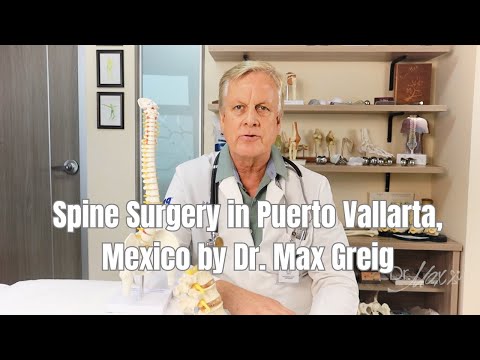
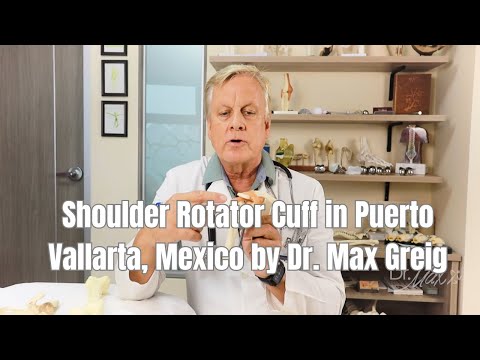
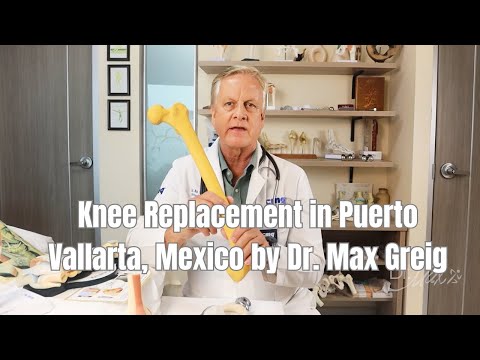
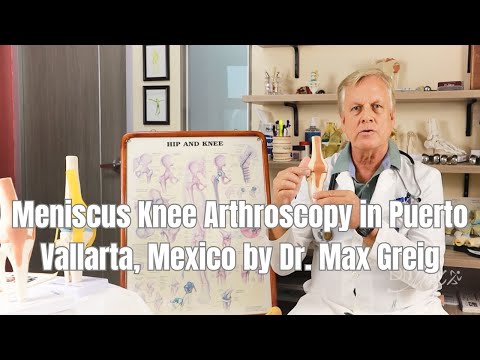
Orthopedic Surgery in Puerto Vallarta Testimonials from Real Patients
Read verified reviews from patients who have trusted Puerto Vallarta surgeons with their mobility. This section compiles ratings and feedback covering surgeon communication, hospital cleanliness, and the effectiveness of the outcome. These reviews are vital for verifying the consistency of care and can help you select a doctor who not only has steady hands but also a bedside manner that makes you feel secure and valued.
Review Tip: Look for comments on the availability of English-speaking staff during the night shifts.

Orthopedic Surgery in Puerto Vallarta, Mexico FAQs
How Much Does it Cost to Pay for a Knee Replacement in Puerto Vallarta, Mexico?
The cost of a knee replacement in Puerto Vallarta, Mexico, typically ranges from $9,500 to $15,000 USD. This is significantly lower than in the United States, where the same procedure can cost upwards of $40,000. Embarking on a journey to a pain-free life through knee replacement surgery is a significant decision. For many, the high costs in their home countries can be a major hurdle. This is where medical tourism to destinations like Puerto Vallarta, Mexico, comes into the picture, offering a beacon of hope. Puerto Vallarta has emerged as a leading hub for high-quality, affordable orthopedic surgeries, combining world-class medical care with a serene, vacation-like setting for recovery. If you're wondering, "How much does it cost to pay for a knee replacement in Puerto Vallarta, Mexico?" you'll be pleased to know that the prices are a fraction of what you might expect to pay in the U.S. or Canada, without compromising on the quality of care. This comprehensive guide will walk you through everything you need to know about getting a knee replacement in Puerto Vallarta, from the costs and what they include to choosing a surgeon and planning your trip. What is the exact cost of a knee replacement in Puerto Vallarta? "The cost of a total knee replacement in Puerto Vallarta, Mexico, typically falls between $9,500 and $15,000 USD. The final price can vary depending on the surgeon's experience, the hospital, and the type of implant used." The significant cost savings is a primary motivator for many to consider knee replacement surgery in Puerto Vallarta. While the price is considerably lower than in many Western countries, it's crucial to understand what this cost typically covers. Most reputable medical facilities in Puerto Vallarta offer all-inclusive packages to provide transparency and peace of mind to international patients. This means the quoted price often includes not just the surgery itself but a host of other related services. You can expect the package to cover the surgeon's fees, anesthesia, hospital stay, the knee implant, pre-operative tests, and even ground transportation from the airport to your hotel and the hospital. This bundled pricing model helps you budget effectively for your medical journey without the worry of hidden costs. It's important to note that the type of knee implant can influence the overall cost. There are various models and materials available, and your surgeon will recommend the best option based on your age, activity level, and overall health. During your initial consultation, which can often be done remotely via video call, the surgeon will discuss these options with you, ensuring you are a part of the decision-making process. Always request a detailed breakdown of the costs to have a clear understanding of what is included in your chosen package. What do all-inclusive knee replacement packages in Puerto Vallarta typically include? "All-inclusive knee replacement packages in Puerto Vallarta generally cover the surgeon and hospital fees, anesthesia, the knee prosthesis, pre-operative consultations and tests, post-operative medications, and often include airport and hotel transfers." Opting for an all-inclusive package for your knee surgery in Puerto Vallarta can simplify the entire process. These packages are designed to provide a seamless experience for medical tourists. Here’s a more detailed look at what you can typically expect to be included: Surgeon and Anesthesiologist Fees: The cost of the highly skilled medical professionals who will perform your surgery. Hospital Fees: This covers the use of the operating room, your private room for the hospital stay, and nursing care. Knee Implant: The cost of the artificial joint that will replace your damaged knee. Pre-operative Tests: This includes necessary blood work, X-rays, and any other diagnostic tests required before the surgery. Post-operative Medications: Any prescribed pain relievers and other medications you'll need during your initial recovery period. Ground Transportation: Many packages include transfers between the airport, your hotel, and the hospital for your appointments and the surgery itself. Some premium packages might even include a few sessions of post-operative physical therapy. It's always a good idea to clarify the specifics of what's included with the hospital or medical tourism facilitator you are working with. This ensures there are no surprises and you can focus solely on your recovery. Are there any additional costs I should be aware of? "While packages are comprehensive, additional costs for a knee replacement in Puerto Vallarta can include your flights, accommodation for your recovery period, meals, and any unforeseen medical needs or extended hospital stays." While the all-inclusive packages cover the majority of the expenses related to the surgery, you will need to budget for some additional costs. These are typically related to your travel and stay in Puerto Vallarta. Here's a checklist of potential extra expenses: Airfare: The cost of your round-trip flights to Puerto Vallarta (PVR). Accommodation: While the hospital stay is included, you'll need to book a hotel or a rental for your pre-operative and post-operative recovery period. Many patients choose to stay for a couple of weeks to recuperate in a comfortable environment before flying back home. Meals and Personal Expenses: Your daily food and any personal shopping or activities you wish to engage in during your stay. Post-operative Physical Therapy: While some initial therapy might be included, you will likely need a more extensive rehabilitation program once you return home. Some patients opt to start their therapy in Puerto Vallarta. Travel Insurance: It is highly recommended to get a comprehensive travel insurance policy that covers medical emergencies. Companion's Expenses: If you are traveling with a companion, their flight, accommodation, and meals will be an additional cost. How do I find a reputable surgeon and hospital in Puerto Vallarta? "To find a reputable surgeon for your knee replacement in Puerto Vallarta, look for board-certified orthopedic specialists with extensive experience and positive patient reviews. Reputable hospitals will have modern facilities and often international accreditations." The quality of your surgeon and the medical facility is paramount to a successful knee replacement. Puerto Vallarta is home to several highly qualified and often US-trained and board-certified orthopedic surgeons. When researching, look for the following: Board Certification: Ensure the surgeon is certified by a recognized orthopedic board. Experience: Look for a surgeon who specializes in knee replacements and has a high volume of successful procedures. Patient Testimonials and Reviews: Reading about the experiences of previous patients can provide valuable insights into the surgeon's skill and patient care. Hospital Accreditations: Choose a hospital that is well-equipped with modern technology and adheres to international standards of care. Many hospitals in Puerto Vallarta have affiliations with US healthcare systems. Many surgeons in Puerto Vallarta are bilingual, speaking fluent English, which facilitates clear communication and a more comfortable experience for international patients. Don't hesitate to schedule a virtual consultation to speak with the surgeon directly, ask questions, and get a feel for their approach. What is the process for an international patient to get a knee replacement in Puerto Vallarta? "The process for an international patient typically involves an initial online consultation, sharing medical records, receiving a personalized treatment plan and quote, scheduling the surgery, and then traveling to Puerto Vallarta for the procedure and initial recovery." The process of getting a knee replacement in Puerto Vallarta as a medical tourist is streamlined and patient-centric. Here's a step-by-step overview: Initial Research and Inquiry: Start by researching surgeons and hospitals. You can contact them directly or through a reputable medical tourism facilitator. Online Consultation: You will have a virtual consultation with the surgeon to discuss your case, medical history, and treatment options. Medical Records Submission: You will be asked to send your recent X-rays and any other relevant medical records for the surgeon's review. Receive a Treatment Plan and Quote: Based on your records and consultation, you will receive a detailed treatment plan and a comprehensive cost estimate. Schedule Your Surgery: Once you are comfortable with the plan, you can schedule your surgery date. Travel and Pre-Operative Appointment: You will travel to Puerto Vallarta a few days before your surgery for a final in-person consultation and any remaining pre-operative tests. Surgery and Hospital Stay: You will undergo the knee replacement surgery and stay in the hospital for a few days for initial recovery and monitoring. Post-Operative Recovery in Puerto Vallarta: After being discharged from the hospital, you will continue your recovery in your hotel or rental accommodation. The recommended stay in Puerto Vallarta is typically 2-3 weeks to allow for initial healing and a follow-up appointment with your surgeon before you are cleared to fly back home. Return Home and Continued Rehabilitation: Once you return home, you will continue your physical therapy as recommended by your surgeon to ensure a full and successful recovery. How long is the recovery period for a knee replacement in Puerto Vallarta? "The initial recovery after a knee replacement in Puerto Vallarta involves a hospital stay of a few days, followed by a recommended stay of 2-3 weeks in the city for follow-up and early rehabilitation. Full recovery and a return to most activities can take several months." Recovery from a knee replacement is a gradual process that requires patience and commitment to your rehabilitation plan. The serene and pleasant environment of Puerto Vallarta can be very conducive to a peaceful recovery. Here’s a general timeline: First few days: You will be in the hospital, and the medical team will help you to start walking with the assistance of a walker or crutches. First few weeks: You will focus on gentle exercises to improve your range of motion and strength. You will have a follow-up appointment with your surgeon before you are cleared to travel back home. First three months: You will be engaged in a more intensive physical therapy program to regain full function of your new knee. Beyond three months: Most patients are able to return to their normal daily activities and enjoy a significant reduction in pain. What about the quality of knee implants used in Puerto Vallarta? "Surgeons in Puerto Vallarta use high-quality, internationally recognized brands of knee implants, similar to those used in the United States and Europe. The choice of implant will be discussed with you based on your individual needs." A common concern for patients considering medical tourism is the quality of the materials and devices used. Reputable hospitals in Puerto Vallarta use knee implants from leading international manufacturers that are FDA-approved or have equivalent international certifications. These are the same high-quality implants that would be used in a hospital in the United States or Canada. Your surgeon will discuss the different types of implants available, including their materials (such as metal alloys, ceramics, and polyethylene) and their longevity, to help you make an informed decision. Choosing to have your knee replacement in Puerto Vallarta can be a life-changing decision, not just for your mobility but also for your wallet. The combination of highly skilled surgeons, modern medical facilities, and a beautiful, relaxing environment for recovery makes it an increasingly popular choice for patients from around the world. Ready to take the next step towards a pain-free life? Explore your options for knee replacement surgery and other healthcare services with PlacidWay. We connect you with world-class medical providers in Puerto Vallarta and beyond, ensuring a safe, affordable, and successful medical journey.
What is the Average Cost of Shoulder Arthroscopic Surgery in Puerto Vallarta, Mexico?
Average Cost of Shoulder Arthroscopic Surgery in Puerto Vallarta, Mexico Shoulder arthroscopic surgery is a minimally invasive procedure used to diagnose and repair shoulder joint issues, including rotator cuff tears, impingement syndrome, and labral injuries. This procedure is highly effective in restoring mobility and reducing pain, making it a popular choice for individuals seeking long-term relief from shoulder problems. Puerto Vallarta, Mexico, has become a sought-after destination for shoulder arthroscopy due to its affordable pricing, experienced orthopedic surgeons, and state-of-the-art medical facilities. Patients traveling to Puerto Vallarta for medical treatment can expect high-quality care at a fraction of the cost compared to the United States and Canada. Key Insights at a Glance Average cost: Shoulder arthroscopic surgery in Puerto Vallarta costs around $6,500. Cost savings: Patients can save up to $10,000 compared to the U.S. and Canada. Factors influencing price: Surgeon expertise, facility quality, and procedure complexity affect costs. Expected benefits: Improved mobility, pain relief, and a faster recovery process. Additional expenses: Travel, accommodation, and aftercare costs should be considered. Understanding Shoulder Arthroscopic Surgery Shoulder arthroscopy is a specialized surgical technique that allows doctors to examine and treat shoulder joint issues using a small camera (arthroscope) and minimally invasive tools. It is commonly used to treat conditions such as: Rotator cuff tears Shoulder impingement syndrome Labral tears Shoulder instability Bone spurs The procedure is performed under general or regional anesthesia, with small incisions made to insert the arthroscope and surgical instruments. Recovery times vary, but most patients experience significant improvement within a few months. Cost of Shoulder Arthroscopic Surgery in Puerto Vallarta, Mexico The average cost of shoulder arthroscopic surgery in Puerto Vallarta is approximately $6,500. However, pricing may vary depending on the medical facility, surgeon’s experience, and specific procedure requirements. Cost Comparison Table Country Average Cost (USD) United States $8,000 - $15,000 Canada $9,000 - $14,000 Puerto Vallarta, Mexico $6,500 By choosing to have the procedure in Puerto Vallarta, patients can save between $1,500 and $10,000, making it a cost-effective alternative without compromising on quality. Factors Affecting the Cost of Shoulder Arthroscopic Surgery Several factors influence the final price of shoulder arthroscopy in Puerto Vallarta: 1. Complexity of the Procedure The extent of shoulder damage and the number of repairs required can impact the cost. More complex surgeries may take longer and require additional medical supplies. 2. Surgeon’s Expertise Highly experienced and board-certified orthopedic surgeons may charge higher fees. However, their expertise can lead to better outcomes and reduced risks. 3. Medical Facility and Technology Advanced hospitals and clinics with state-of-the-art equipment may have higher costs. The availability of modern surgical techniques can enhance the procedure’s effectiveness. 4. Pre-Operative and Post-Operative Care Diagnostic tests, physical therapy, and follow-up visits contribute to overall expenses. Some packages include rehabilitation services, affecting the final price. 5. Patient’s Health Condition Patients with pre-existing conditions may require additional medical care. Age, weight, and overall health can influence recovery time and associated costs. What to Expect from Shoulder Arthroscopic Surgery in Puerto Vallarta Patients choosing to undergo shoulder arthroscopy in Puerto Vallarta can expect: Expert Surgeons: Highly skilled orthopedic specialists with international experience. State-of-the-Art Facilities: Accredited hospitals with advanced medical technology. Comprehensive Care: Pre-surgery consultation, diagnostic imaging, and post-operative support. Fast Recovery Times: Minimally invasive techniques lead to quicker healing and reduced downtime. Affordable Packages: Competitive pricing with no compromise on quality. How Much Can You Save by Choosing Puerto Vallarta? Undergoing shoulder arthroscopic surgery in Puerto Vallarta can lead to substantial savings. The average cost of the procedure in the U.S. and Canada ranges from $8,000 to $15,000, whereas in Puerto Vallarta, it costs around $6,500. This means patients can save up to $10,000 while receiving world-class treatment. Beyond the procedure itself, Mexico’s lower cost of living contributes to overall affordability, making it a budget-friendly medical tourism destination. Additional Expenses to Consider While shoulder arthroscopic surgery in Puerto Vallarta is significantly more affordable than in many other countries, it’s essential to factor in additional costs that may arise during your medical journey. Planning ensures a stress-free experience and helps you budget for a smooth recovery. 1. Travel Expenses Round-trip airfare from your home country to Puerto Vallarta. Local transportation, including airport transfers, taxis, or rental cars. 2. Accommodation Costs Hotel stays or medical recovery centers based on your comfort needs. Some hospitals offer patient-friendly lodging options at discounted rates. 3. Daily Living Expenses Meals, beverages, and any special dietary requirements during your stay. Personal expenses, shopping, and entertainment if you plan to explore the city. 4. Travel Insurance & Emergency Coverage Medical travel insurance is highly recommended to cover unexpected situations. Some policies also include coverage for surgical complications or trip cancellations. 5. Post-Surgical Rehabilitation & Physical Therapy Follow-up consultations with your surgeon after surgery. Physical therapy sessions to ensure proper recovery and long-term mobility improvement. Medication, medical supplies, and assistive devices if needed during recovery. While these expenses may add to your overall budget, many hospitals in Puerto Vallarta offer all-inclusive medical tourism packages that help reduce costs by bundling essential services. Before traveling, consult with your medical provider to get a detailed breakdown of potential expenses and find ways to maximize your savings while ensuring the best possible care. FAQs About Shoulder Arthroscopic Surgery in Puerto Vallarta, Mexico 1. How long does recovery take after shoulder arthroscopy? Recovery varies based on the complexity of the procedure. Most patients regain mobility within 4-6 weeks, while full recovery may take 3-6 months with physical therapy. 2. Is shoulder arthroscopic surgery in Puerto Vallarta safe? Yes. Puerto Vallarta has modern hospitals, experienced orthopedic surgeons, and high medical standards, ensuring a safe and effective procedure for international patients. 3. Does the price include post-surgical care? Many medical centers in Puerto Vallarta offer post-surgical follow-ups as part of their packages. However, physical therapy and additional care may come at an extra cost. 4. Do I need a medical visa to undergo surgery in Mexico? For most countries, a standard tourist visa is sufficient for medical travel to Mexico, allowing patients to stay for up to 180 days without special permits. 5. Can I travel back home immediately after the procedure? It is recommended to stay in Puerto Vallarta for at least a few days to a week post-surgery to allow for initial recovery and follow-up consultations. 6. Will I experience pain after shoulder arthroscopy? Some discomfort and stiffness are common after surgery. However, pain management strategies, including medication and therapy, help minimize postoperative pain. 7. Are there financing options for shoulder arthroscopy in Mexico? Some clinics offer payment plans or financing options for international patients. It is best to inquire directly with the hospital about available payment methods. 8. What type of anesthesia is used for the surgery? Shoulder arthroscopic surgery is typically performed under general anesthesia or regional nerve blocks, depending on the patient’s health and the surgeon’s recommendation. 9. How soon can I return to work after the surgery? Patients with desk jobs may return to work within 2-4 weeks, while those with physically demanding jobs might need 3-6 months for full recovery. 10. Why should I choose Puerto Vallarta for my shoulder surgery? Puerto Vallarta offers affordable, high-quality healthcare, top-rated surgeons, and a relaxing recovery environment, making it an ideal choice for medical tourists. Take the Next Step Toward Affordable Shoulder Surgery Shoulder pain and limited mobility can significantly impact daily life, making even simple tasks challenging. If you're considering shoulder arthroscopic surgery, Puerto Vallarta, Mexico, offers an excellent solution that combines high-quality medical care with significant cost savings. Don't let shoulder pain hold you back any longer. Take control of your health today and explore your options for affordable, high-quality shoulder arthroscopic surgery in Puerto Vallarta. Contact us now to receive a personalized treatment plan, detailed cost estimates, and expert guidance every step of the way!
What is the Cost of Rotator Cuff Repair Surgery in Puerto Vallarta, Mexico?
Dealing with a torn rotator cuff can be incredibly frustrating. The persistent shoulder pain, weakness, and limited mobility can disrupt everything from daily chores to your favorite hobbies. When conservative treatments don't provide relief, surgery often becomes the next logical step. However, the high cost of this procedure in countries like the United States and Canada can be a major barrier. This is where medical tourism to destinations like Puerto Vallarta, Mexico, comes into the picture, offering a high-quality, affordable solution. Puerto Vallarta has rapidly emerged as a leading destination for orthopedic procedures, including rotator cuff repair surgery. The primary draw is the significant cost savings. Patients can expect to pay a fraction of what they would in their home country, with prices often being 50-70% lower. But it's not just about the price. The city is home to internationally accredited hospitals and highly experienced, often US-trained, orthopedic surgeons who utilize the latest minimally invasive techniques. This combination of affordability, expertise, and the chance to recover in a beautiful, tranquil environment makes Puerto Vallarta an incredibly attractive option for patients worldwide. You get access to world-class medical care while turning your recovery period into a relaxing retreat. What is the average cost of rotator cuff repair in Puerto Vallarta? The average cost of rotator cuff repair surgery in Puerto Vallarta is approximately $5,300 to $7,950 USD. This price can vary based on the complexity of the tear, the surgical technique used, and the specific clinic or hospital. The cost of rotator cuff repair surgery in Puerto Vallarta is a major reason why patients travel from abroad for the procedure. While the final price depends on several factors, it remains consistently lower than in North America. Factors that can influence the final cost include the severity of the rotator cuff tear, whether you need an arthroscopic, mini-open, or full open repair, the surgeon's experience, and the hospital's fees. Even with these variables, the pricing is transparent. Most reputable clinics in Puerto Vallarta provide all-inclusive packages, which means you get a clear, upfront cost without the worry of hidden fees. This allows you to budget effectively for your medical journey and focus on what truly matters: your recovery. How much can I save on rotator cuff surgery in Puerto Vallarta compared to the US? You can save between 50% and 70% on rotator cuff surgery in Puerto Vallarta compared to the United States. A procedure that might cost $20,000 or more in the U.S. can be as low as $6,000 in Puerto Vallarta. The potential for savings is substantial and is often the deciding factor for many patients. The healthcare system in the U.S. involves high administrative overhead, insurance complexities, and inflated pricing, which all contribute to exorbitant medical bills. In contrast, Mexico's streamlined healthcare system allows for much lower operational costs, and these savings are passed directly to the patient. To put it in perspective, here is a general cost comparison for different types of rotator cuff surgeries: Type of Surgery Average Cost in Puerto Vallarta (USD) Average Cost in the U.S. (USD) Arthroscopic Repair $5,500 - $7,500 $12,000 - $25,000 Mini-Open Repair $6,000 - $8,000 $15,000 - $30,000 Open Repair $6,500 - $9,000 $20,000 - $35,000+ These figures clearly illustrate that even for the most complex repairs, the cost in Puerto Vallarta is significantly lower. This makes high-quality orthopedic care accessible to individuals who might be uninsured, underinsured, or simply looking for a more economical option. What is included in the rotator cuff surgery package price in Puerto Vallarta? Most rotator cuff surgery packages in Puerto Vallarta are all-inclusive, covering the surgeon's fees, hospital costs, anesthesia, pre-operative tests, post-operative medications, and sometimes even ground transportation and initial physical therapy sessions. One of the greatest advantages of opting for surgery in Puerto Vallarta is the transparency of the pricing. Medical tourism facilitators and hospitals typically bundle all necessary services into a single package price. This comprehensive approach eliminates the financial uncertainty often associated with medical procedures in other countries. A typical package for rotator cuff repair surgery usually includes: Initial consultation with the orthopedic surgeon All necessary pre-operative tests (blood work, X-rays, MRI review) Surgeon and anesthesiologist fees Hospital or surgical facility fees Cost of implants or materials used during surgery Post-operative medications and a hospital stay if required Follow-up appointments with the surgeon Coordination of local transportation (airport, hotel, and hospital) Always confirm the exact inclusions with your chosen provider before booking. Some premium packages may even include accommodation assistance and initial physical therapy sessions, providing a seamless and stress-free experience from start to finish. Why is rotator cuff surgery cheaper in Puerto Vallarta? Rotator cuff surgery is cheaper in Puerto Vallarta due to the lower cost of living, reduced administrative and insurance overhead, and favorable currency exchange rates. The quality of care and materials remains high, comparable to U.S. standards. The lower price point often raises questions about quality, but the affordability in Mexico is not due to cutting corners. The primary drivers behind the lower costs are economic. The overall cost of living, including salaries for medical staff and operational expenses for hospitals, is significantly lower than in the United States or Canada. This allows clinics to offer the same procedures for less. Furthermore, the Mexican healthcare system has less administrative bureaucracy and is not as heavily influenced by insurance companies, which are major contributors to inflated healthcare prices in the U.S. Surgeons and hospitals can therefore offer more direct and transparent pricing. The favorable exchange rate between the US dollar and the Mexican peso also plays a role, making it an even more financially sound decision for international patients. What types of rotator cuff surgery are available in Puerto Vallarta? Orthopedic Surgeons in Puerto Vallarta perform all modern types of rotator cuff repair, including minimally invasive arthroscopic repair, mini-open repair, and traditional open repair for more complex tears. You will have access to the same advanced surgical options in Puerto Vallarta as you would at home. The type of surgery your surgeon recommends will depend on the size, shape, and severity of your rotator cuff tear. Arthroscopic Repair: This is the most common and least invasive technique. The surgeon makes a few small incisions and uses a tiny camera (arthroscope) to view the inside of the shoulder and specialized instruments to repair the tendon. This method results in less pain, minimal scarring, and a faster recovery. Mini-Open Repair: This technique combines arthroscopy with a small incision (about 3 to 5 cm). The surgeon uses the arthroscope to assess and treat other issues within the shoulder joint, then repairs the rotator cuff directly through the small open incision. Open Repair: This is the most traditional method, reserved for large, complex, or chronic tears. It involves a larger incision to give the surgeon direct access to the damaged tendon for a robust repair. Top orthopedic surgeons in Puerto Vallarta are highly skilled in all three techniques, ensuring you receive the most appropriate and effective treatment for your specific injury. How do I choose the best orthopedic surgeon in Puerto Vallarta? To choose the best orthopedic surgeon, research their credentials, look for board certifications, read patient reviews, and schedule a virtual consultation to discuss their experience with rotator cuff repairs. Look for surgeons with international training and memberships in recognized orthopedic associations. Your choice of surgeon is the most critical decision you will make. Puerto Vallarta is home to many excellent, highly qualified surgeons. When researching, look for specialists like Dr. Max Greig, who are renowned for their expertise in orthopedic surgery and experience with international patients. Key factors to consider include: Credentials and Board Certification: Ensure the surgeon is board-certified by the Mexican Council of Orthopedics and Traumatology. Many top surgeons also have international memberships, such as with the American Academy of Orthopaedic Surgeons (AAOS). Experience and Specialization: Look for a surgeon who specializes in shoulder surgery and has performed a high volume of rotator cuff repair surgeries. Patient Testimonials and Reviews: Read reviews from previous patients to get insight into their experience with the surgeon and the clinic. Communication: The surgeon and their staff should be fluent in English and able to answer all your questions clearly and patiently during a virtual or in-person consultation. What is the recovery timeline for rotator cuff surgery? Full recovery from rotator cuff surgery typically takes 4 to 6 months, but can sometimes extend up to a year. The timeline involves an initial immobilization period in a sling, followed by progressive physical therapy to restore motion and strength. Recovery is a gradual process that requires patience and commitment to your rehabilitation plan. While every patient's journey is unique, the recovery process generally follows a phased approach: Phase 1: Immobilization (0-6 weeks): Your arm will be in a sling to protect the repaired tendon. The focus is on healing and pain management. You will likely be cleared to perform gentle passive range-of-motion exercises with a therapist. Phase 2: Active Motion (6-12 weeks): You will discontinue the sling and begin more active exercises to improve your range of motion and re-engage the shoulder muscles. Phase 3: Strengthening (12 weeks - 6 months): The focus shifts to building strength in your shoulder and surrounding muscles. You will gradually increase resistance and begin more functional movements. Phase 4: Return to Activity (6+ months): Depending on your progress, you may be cleared to return to more strenuous activities, including sports. Adhering to your surgeon's and physical therapist's instructions is crucial for a successful outcome and to prevent re-injury. How long do I need to stay in Puerto Vallarta for the surgery? Most patients need to stay in Puerto Vallarta for 7 to 10 days for rotator cuff surgery. This allows for a pre-operative consultation, the surgery itself, a brief hospital stay if needed, and an initial post-operative check-up before you are cleared to fly home. The recommended duration of your stay ensures that you can be monitored during the critical initial recovery phase. Your itinerary will typically look something like this: You'll arrive a day or two before your surgery for your consultation and pre-op tests. The surgery is often an outpatient procedure, but an overnight hospital stay might be recommended for observation. After the procedure, you will recover in your hotel for several days. This period is important for rest and pain management. Before you leave, you will have a follow-up appointment with your surgeon to check your incision, remove any stitches, and provide you with instructions for your continued recovery and physical therapy back home. This careful planning ensures a safe and smooth medical journey. Ready to explore your options for affordable, high-quality rotator cuff surgery? Discover world-class orthopedic solutions and connect with leading surgeons in Puerto Vallarta. Visit PlacidWay to find the right medical tourism package for your needs and take the first step toward a pain-free life.
How much does a hip replacement cost in Puerto Vallarta Mexico?
Are you exploring the possibility of a hip replacement in Puerto Vallarta, Mexico? You're not alone. The prospect of combining high-quality, affordable medical care with a tranquil recovery in a beautiful destination is an appealing one. A hip replacement in Puerto Vallarta offers a significant cost advantage compared to the United States and Canada, without compromising on the quality of the procedure. This comprehensive guide will walk you through everything you need to know about the cost and process of getting a hip replacement in this popular Mexican coastal city. The cost of a hip replacement in Puerto Vallarta, Mexico, can range from approximately $6,600 to $16,900 USD. This variation in price depends on several factors, including the type of implant, the surgeon's experience, the hospital's reputation, and what's included in the surgical package. While this is a general estimate, it highlights the substantial savings available for patients traveling from abroad for this procedure. What is the average cost of a hip replacement in Puerto Vallarta? "The average cost of a total hip replacement in Puerto Vallarta typically falls between $12,000 and $15,000 USD." This price point is significantly lower than in the United States, where the same procedure can cost upwards of $40,000. This cost-effectiveness is a primary driver for medical tourism in the region. The final price can be influenced by the specific hospital, the surgeon's fees, the type of anesthesia used, and the brand and material of the hip implant. It's important to get a detailed quote from your chosen clinic or hospital. This quote should break down all the associated costs to give you a clear understanding of what you are paying for. Many top-tier facilities in Puerto Vallarta offer all-inclusive packages to make the process more transparent and manageable for international patients. What factors influence the cost of a hip replacement in Puerto Vallarta? "The main factors influencing the cost of a hip replacement in Puerto Vallarta are the type of surgery (total, partial, or revision), the surgeon's and anesthesiologist's fees, hospital charges, and the cost of the prosthetic implant." Let's break down these factors: Type of Surgery: A total hip replacement (arthroplasty) will have a different cost than a partial hip replacement or a more complex revision surgery. Surgeon's Fees: Highly experienced and renowned orthopedic surgeons may charge more for their expertise. Hospital Costs: The choice of hospital plays a significant role. Private hospitals with state-of-the-art technology and luxurious amenities will generally have higher costs than other facilities. Anesthesia: The fees for the anesthesiologist and the type of anesthesia administered will be included in the overall cost. Prosthesis: The brand, material (metal, ceramic, or polyethylene), and design of the hip implant will impact the final price. What is typically included in the hip replacement cost in Puerto Vallarta? "Most hip replacement packages in Puerto Vallarta are comprehensive, including the surgeon's fees, hospital stay, anesthesia, the prosthesis, and post-operative care during your hospital stay." Many reputable hospitals and medical tourism facilitators in Puerto Vallarta offer all-inclusive packages for international patients. These packages are designed to provide a seamless and stress-free experience. A typical package may include: Surgeon and medical team fees Anesthesia and anesthesiologist's fees Cost of the hip implant Hospitalization for a specified number of days Nursing care Medications administered during the hospital stay Basic post-operative physical therapy in the hospital Ground transportation (airport-hotel-hospital) It's crucial to confirm with your provider what is explicitly included and what might be considered an additional expense, such as pre-operative tests, take-home medications, or extended physical therapy. How does the cost in Puerto Vallarta compare to the US and Canada? "A hip replacement in Puerto Vallarta can be 50-70% cheaper than in the United States and significantly more affordable than in Canada, where long wait times can also be a concern." The cost savings are substantial. For instance, a procedure that costs $40,000 in the US could be as low as $12,000 in Puerto Vallarta. This price difference is not a reflection of lower quality but is due to factors like lower overhead costs, reduced administrative burdens, and a more competitive healthcare market. For Canadian patients, the allure of Puerto Vallarta extends beyond cost savings. It also offers an opportunity to bypass long wait times for orthopedic surgery within the public healthcare system. This means quicker relief from pain and a faster return to an active lifestyle. Are the hospitals and surgeons in Puerto Vallarta high quality? "Yes, Puerto Vallarta boasts several modern, internationally accredited hospitals with highly qualified and often US-board-certified orthopedic surgeons who have extensive experience in hip replacement surgery." Many hospitals in Puerto Vallarta that cater to medical tourists are equipped with the latest medical technology and adhere to international standards of care. Surgeons often have impressive credentials, including training and fellowships in the United States or Europe. They are typically bilingual, ensuring clear communication with international patients. Before making a decision, it's advisable to research the credentials of both the hospital and the surgeon. Look for patient testimonials and reviews to gain insight into the experiences of others who have undergone similar procedures. What should I look for in a good hip replacement clinic in Puerto Vallarta? "When choosing a clinic for your hip replacement in Puerto Vallarta, look for international accreditations, board-certified surgeons with extensive experience, positive patient reviews, and transparent pricing." Here are some key things to consider: Accreditation: Check if the hospital is accredited by international bodies like the Joint Commission International (JCI). Surgeon's Credentials: Verify the surgeon's qualifications, experience, and board certifications. Patient Testimonials: Read reviews from previous patients to gauge their satisfaction with the care they received. Communication: Ensure the staff and your surgeon can communicate effectively in your language. All-Inclusive Packages: Opt for clinics that offer clear, comprehensive packages to avoid hidden costs. What is the recovery process like after a hip replacement in Puerto Vallarta? "The initial recovery period after a hip replacement in Puerto Vallarta involves a few days in the hospital, followed by a recommended stay of 1-2 weeks in a comfortable hotel or recovery-friendly accommodation for follow-up appointments and initial physical therapy." After your surgery, you will spend a few days in the hospital where your pain will be managed, and you will begin gentle mobilization with the help of a physical therapist. Once discharged, you will need to stay in Puerto Vallarta for a period to allow for follow-up visits with your surgeon and to start your outpatient physical therapy. The beautiful and tranquil environment of Puerto Vallarta can be very conducive to a peaceful and positive recovery experience. Many patients enjoy the pleasant climate and relaxing atmosphere as they heal. Do I need a medical visa for a hip replacement in Mexico? "For most North American and European citizens, a medical visa is not required for a hip replacement in Mexico. You can typically enter the country with a standard tourist visa, which is usually granted upon arrival." It is always recommended to check the latest visa requirements for your specific country of citizenship before you travel. However, for short-term medical travel, a tourist visa is generally sufficient. Ensure your passport is valid for at least six months beyond your planned stay. How do I arrange for a hip replacement in Puerto Vallarta? "You can arrange for a hip replacement in Puerto Vallarta by directly contacting hospitals, working with a reputable medical tourism facilitator, or getting a referral from your primary care physician." Medical tourism companies can be particularly helpful as they often have established relationships with the best hospitals and surgeons. They can assist with everything from scheduling consultations and obtaining quotes to arranging travel and accommodation. This can simplify the process and provide peace of mind. Are there any hidden costs I should be aware of? "While many clinics offer all-inclusive packages, potential hidden costs for a hip replacement in Puerto Vallarta could include pre-operative tests if not included, take-home medications, and any additional medical care for unforeseen complications." Always ask for a detailed breakdown of what is included in your quote. Specifically, inquire about: Pre-operative consultations and tests. The cost of take-home medications and medical equipment (like crutches). Policies regarding the cost of treating any potential complications. The cost of post-operative physical therapy sessions beyond what's included. Choosing a reputable provider that is transparent about their pricing is the best way to avoid any unwelcome surprises. Is it safe to get a hip replacement in Puerto Vallarta? "Yes, getting a hip replacement in Puerto Vallarta is generally very safe, provided you choose a reputable, accredited hospital and an experienced, board-certified surgeon." The top hospitals in Puerto Vallarta maintain high standards of hygiene and patient care, comparable to those in the US and Europe. As with any surgery, there are inherent risks, but these are not elevated simply because the procedure is performed in Mexico. Millions of medical tourists have safely and successfully received treatment in the country. What type of hip implants are used in Puerto Vallarta? "The hip implants used for hip replacement in Puerto Vallarta are typically of the same high quality and from the same internationally recognized brands as those used in the United States and Europe." Surgeons in Puerto Vallarta have access to a wide range of prosthetic options, including those made from metal, ceramic, and advanced polyethylene. Your surgeon will discuss the best type of implant for your specific needs, taking into account your age, activity level, and the condition of your hip joint. Ready to explore your options for a hip replacement in Puerto Vallarta? PlacidWay can connect you with leading medical providers and help you find a high-quality, affordable solution for your healthcare needs. Explore our network of trusted clinics and take the first step towards a pain-free life.
Board Certified Orthopedic Surgeons in Puerto Vallarta, Mexico
The quality of your joint replacement or repair depends entirely on the skill of your surgeon. We have identified the top orthopedic specialists in Puerto Vallarta, prioritizing those with board certifications, high surgical volume, and specialized training in modern techniques like minimally invasive surgery. Reviewing these profiles will help you find a surgeon whose expertise aligns with your specific orthopedic needs.
Board-Certified Orthopedists
CMCOT Certified & Internationally Trained
Top specialists are certified by the Mexican Council of Orthopedics and Traumatology (CMCOT). Many also hold fellowships from institutions in the U.S., Canada, or Europe, ensuring they are fluent in the latest global standards for joint reconstruction and sports medicine.
Sub-Specialty Experts
Knee, Hip & Shoulder Focus
Orthopedics is a broad field. The best surgeons in Puerto Vallarta sub-specialize, focusing their practice specifically on knees, hips, or shoulders. This high volume of specific procedures leads to better outcomes and lower complication rates compared to generalists.
Patient-Centric Approach
Personalized Surgical Planning
Leading surgeons prioritize a personalized approach, often using digital templating to plan your surgery before you even enter the OR. They take the time to explain the procedure, the choice of implant, and the recovery expectations in clear English.

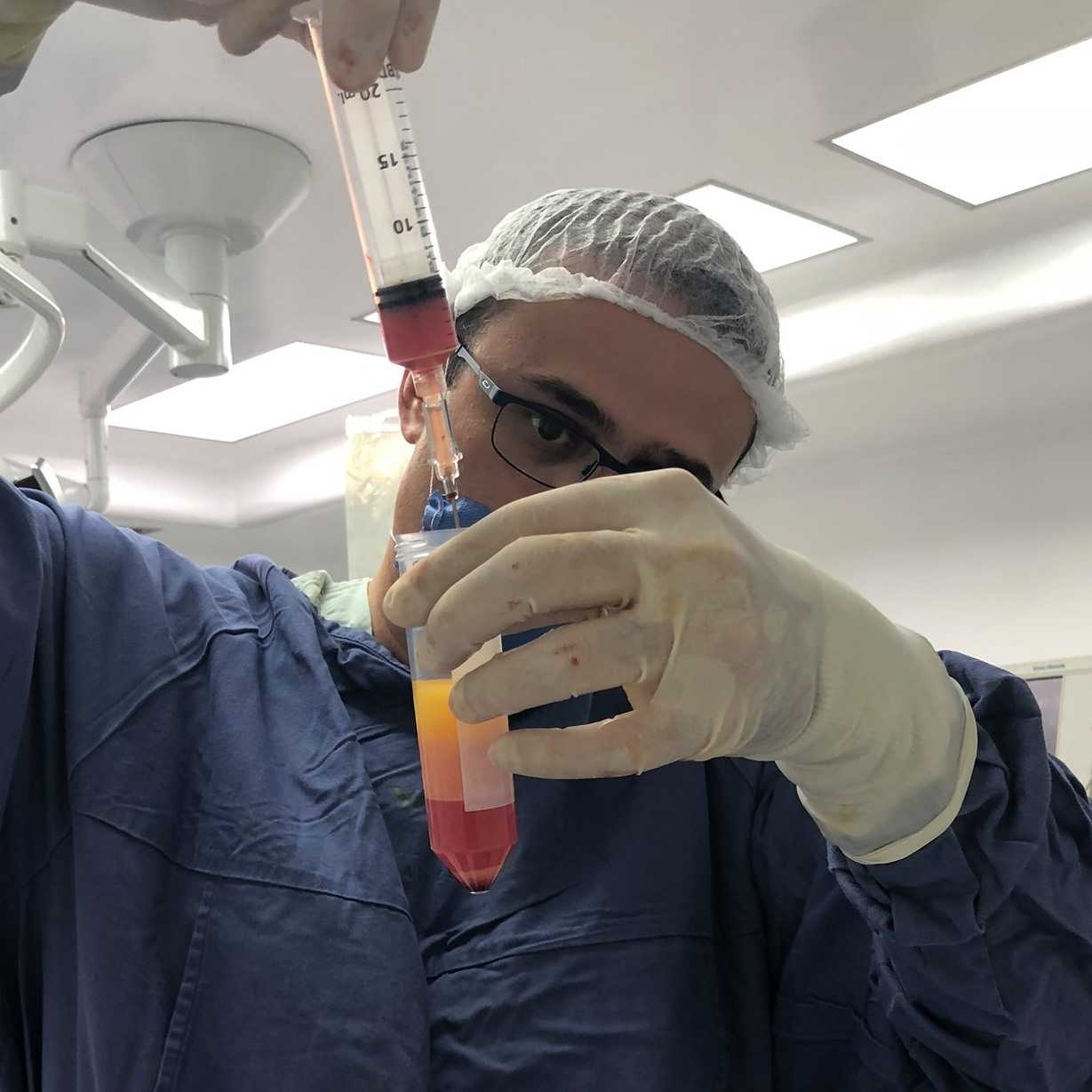
Dr. Jose Manuel Hernandez
Dr. Jose Manuel Hernandez | Orthopedic Surgeon
- Orthopedic surgeon
Puerto Vallarta, Mexico
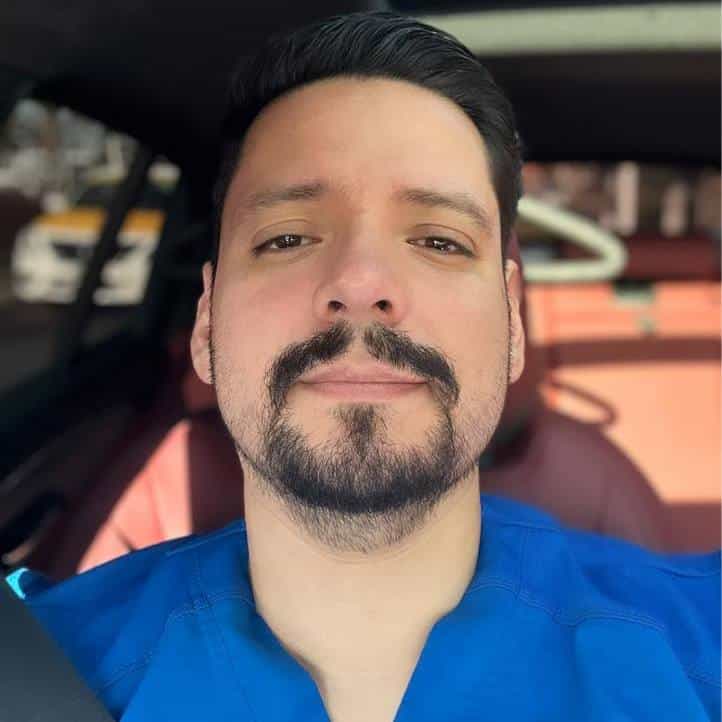
Dr. Humberto Calvillo Jimenez
Dr. Humberto Calvillo Jimenez
- Orthopedic surgeon
Puerto Vallarta, Mexico
Why Choose Orthopedic Surgery in Puerto Vallarta, Mexico?
Ideal Recovery Environment
Puerto Vallarta offers a therapeutic climate that aids recovery. The warm weather is often beneficial for joint pain, and the abundance of sea-level accommodation means you avoid the altitude issues found in other Mexican cities.
Recovering in a relaxed, resort-like atmosphere significantly lowers stress levels, which clinical studies have shown can improve surgical outcomes and speed up healing.
World-Class Connectivity
Accessibility is key for patients with mobility issues. Licenciado Gustavo Díaz Ordaz International Airport (PVR) is extremely well-connected, with direct flights from major hubs like Los Angeles, Phoenix, Houston, Toronto, and Vancouver.
The short flight times (often under 4 hours from the southern US) make travel manageable even after surgery, and the city itself is accustomed to tourists, offering wheelchair-accessible transport and hotels.
Mature Medical Ecosystem
Puerto Vallarta isn't new to this; it has a mature medical tourism ecosystem. This means you aren't the "guinea pig." The hospitals have streamlined processes for international patients, from billing to discharge.
There is a network of support services, including bilingual nursing agencies, equipment rental (crutches, walkers), and pharmacies that stock all necessary post-op medications, making the entire experience seamless and professional.
Get FREE CONSULTATION for Orthopedic Surgery in Puerto Vallarta, Mexico at PlacidWay!
Traveling for surgery can seem daunting, but PlacidWay transforms it into a structured, safe experience. We act as your advocate and organizer, connecting you with the best orthopedic care Puerto Vallarta has to offer.
Rigorous Provider Vetting
We verify surgeon certifications (CMCOT) and hospital accreditations to ensure you receive care that meets or exceeds international safety standards.
Transparent Quotes
We collect detailed quotes from multiple clinics, breaking down costs for surgery, implants, and hospital fees so you can compare options clearly.
Surgeon Access
We set up initial video consultations, allowing you to meet your potential surgeon, discuss your X-rays, and build trust before booking.
Recovery Logistics
We help you understand the logistics of recovery, from finding accessible accommodation to coordinating airport transfers that accommodate limited mobility.
Verified Reviews
We provide access to authentic feedback from past orthopedic patients, helping you set realistic expectations for your medical journey.
Ongoing Support
From your first inquiry to your post-op check-up, our team is available to assist with questions and coordination, ensuring a smooth experience.
Take the first step toward pain-free living. Contact PlacidWay today for a free, personalized quote and start planning your orthopedic surgery in Puerto Vallarta.
Get Your Free Personalized Quote


.png)
.png)
.png)
.png)











Share this listing