
Innovative Approaches for Knee Replacement Surgery in Mexico
Living with chronic joint pain can drain the joy from everyday life, making simple tasks feel like monumental hurdles. For thousands of patients facing exorbitant medical costs or seemingly endless healthcare waitlists, discovering innovative approaches for knee replacement surgery in Mexico has been entirely life-changing. You no longer have to choose between enduring debilitating osteoarthritis and draining your life savings. Top-tier medical facilities south of the border are pioneering robotic-assisted procedures and minimally invasive techniques that redefine modern orthopedic care. Watch to uncover how world-class surgical precision meets unmatched affordability.
Video Chapters & Quick Navigation
The Escalating Global Crisis of Chronic Joint Pain
The human knee is an extraordinary biological hinge, bearing the brunt of our body weight while facilitating a massive range of motion. However, as we age, the protective cartilage cushioning the ends of the femur and tibia begins to wear away. This condition, primarily known as osteoarthritis, results in painful bone-on-bone friction. For millions of individuals across North America and Europe, the deterioration of the knee joint represents a drastic decline in overall quality of life. Simple activities such as climbing stairs, walking the dog, or even standing up from a chair become agonizing ordeals.
Traditionally, patients seeking a total knee arthroplasty (the clinical term for knee replacement) face two massive barriers in their home countries. In the United States, the barrier is financial. Even with insurance, out-of-pocket deductibles, copays, and facility fees can leave a patient drowning in medical debt. As highlighted in the video at , the soaring healthcare costs make treatment inaccessible for many. Conversely, in countries with socialized medicine like Canada or the United Kingdom, the barrier is time. Patients are often forced to wait upwards of eighteen to twenty-four months just to schedule their operation. During this waiting period, the joint degrades further, pain intensifies, and surrounding muscles begin to atrophy due to lack of use.
This untenable situation has catalyzed a massive paradigm shift toward medical tourism. Innovative approaches for knee replacement surgery in Mexico have emerged as the premier alternative. Mexican private hospitals have strategically invested millions of dollars into state-of-the-art orthopedic departments. By recruiting top-tier, internationally trained surgeons and adopting the latest technological advancements, Mexico has transformed into a global hub for affordable, high-quality joint replacement procedures. Patients no longer have to compromise on quality to achieve affordability.
Unveiling Robotic-Assisted Knee Surgery in Mexico
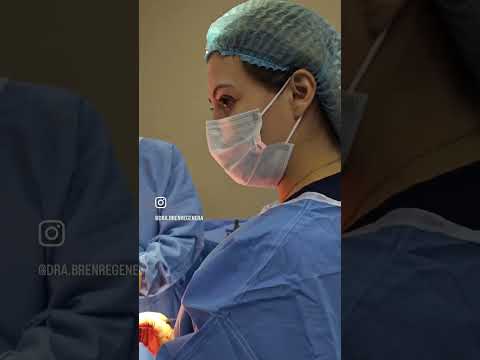
Perhaps the most exciting development in the realm of international orthopedics is the widespread adoption of robotic-assisted joint replacement. When people hear "robotic surgery," they sometimes incorrectly assume an autonomous machine is performing the operation. In reality, the robot is a highly advanced, specialized tool entirely controlled by a master orthopedic surgeon. At , the video demonstrates how these robotic systems operate in tandem with human expertise to deliver unprecedented surgical precision.
Advanced 3D Joint Mapping
The robotic procedure begins long before the first incision is made. Advanced CT scans are taken of the patient's knee to create a comprehensive, high-definition 3D model of their unique anatomy. This digital blueprint is loaded into the robotic system's computer. The surgeon uses this model to plan the exact size, placement, and alignment of the implant. Because every human knee is structurally different, this personalized mapping ensures the prosthetic joint will fit flawlessly. Proper alignment is the single most critical factor in determining how long a knee implant will last and how naturally it will function.
Real-Time Kinematic Feedback
During the actual procedure, top orthopedic surgeons in Mexico utilize the robotic arm to prepare the bone. The system provides haptic (tactile) feedback and sets virtual boundaries. If the surgeon's instrument strays even a millimeter outside the pre-planned safe zone, the robotic arm automatically stops. This incredible safety feature completely eliminates the risk of accidentally damaging surrounding healthy bone, ligaments, or vital blood vessels. Furthermore, the system provides real-time data on the tension of the knee ligaments as the joint moves through its full range of motion, allowing the surgeon to make micro-adjustments on the fly.
Hospitals in cities like Monterrey and Tijuana are heavily utilizing renowned systems such as the MAKO SmartRobotics and the NAVIO Surgical System. The result of this technological integration is a perfectly balanced knee. Patients experience a more natural feeling joint, enhanced stability, and a significantly reduced risk of ever needing a revision surgery in the future. The availability of robotic knee surgery in Mexico allows patients to access millionaire-level medical technology at a fraction of the standard cost.
Advancements in Minimally Invasive Knee Arthroplasty
Alongside robotic assistance, the physical approach to accessing the knee joint has undergone a massive evolution. Historically, a traditional total knee replacement required an incision of eight to twelve inches straight down the center of the knee. The surgeon would then have to cut through the quadriceps tendon to flip the kneecap out of the way and expose the joint. This significant tissue trauma resulted in massive swelling, heavy blood loss, and a long, excruciating rehabilitation period as the severed muscle attempted to heal. Modern clinics in Mexico are rapidly moving away from this outdated methodology.
Today, the focus is heavily shifted toward minimally invasive knee replacement techniques. As explained at , highly skilled Mexican surgeons utilize a "quadriceps-sparing" or "subvastus" approach. Instead of a massive cut, the surgeon makes a much smaller incision, typically only four to six inches long. More importantly, instead of slicing through the major muscle groups, the surgeon uses specialized, low-profile instruments to gently push the muscle fibers aside, slipping between the natural anatomical planes of the leg.
Accelerated Patient Recovery
The benefits of this tissue-sparing approach cannot be overstated. Because the quadriceps tendon remains entirely intact, the patient retains the mechanical ability to lift their leg immediately following the surgery. Traditional methods leave patients unable to perform a straight leg raise for weeks. Minimally invasive techniques drastically reduce postoperative pain, decrease the need for heavy narcotic pain medications, and minimize visible scarring. Patients undergoing this innovative procedure in Mexico are routinely up and walking with the assistance of a walker on the very same day of their surgery.
The Gold Standard: Premium Implant Materials
A common and entirely understandable concern among prospective medical tourists is the quality of the prosthetic devices being used. Skeptics often wonder if the deeply discounted prices in Mexico are a result of using inferior, generic, or locally manufactured knee implants. The reality, however, is quite the opposite. The Joint Commission International (JCI) accredited hospitals in Mexico adhere to the strictest global standards of medical care.
The top orthopedic surgeons in Mexico exclusively utilize FDA-approved, premium implants from the exact same global medical manufacturers used in the United States, Germany, and Switzerland. Brands such as Zimmer Biomet, Stryker, Smith & Nephew, and DePuy Synthes are the standard of care. These sophisticated prosthetic joints are marvels of modern materials science. The femoral component (the part attaching to the thigh bone) is typically constructed from highly durable, biocompatible cobalt-chromium or titanium alloys.
The tibial tray features a specialized insert made of highly cross-linked polyethylene, a highly advanced medical-grade plastic designed to replicate the slick, frictionless nature of natural human cartilage. As mentioned in the video at , these advanced materials have dramatically extended the lifespan of a knee replacement. While older implants were expected to last ten to fifteen years, modern premium implants used in Mexican clinics routinely last twenty to twenty-five years, and often for the remainder of the patient's life, provided they maintain a healthy weight and avoid high-impact sports.
Comprehensive Cost Breakdown: USA vs. Mexico
The primary catalyst driving the explosion of orthopedic medical tourism is, undeniably, the vast economic disparity between North American healthcare systems and Mexican private healthcare. In the United States, a total knee replacement is one of the most expensive routine surgical procedures available. Hospitals inflate prices to cover massive administrative overhead, exorbitant malpractice insurance premiums, and a convoluted multi-payer insurance system.
In contrast, Mexico offers a streamlined, transparent, cash-pay system for international patients. Because the cost of living, real estate, and medical education in Mexico is lower, hospitals can operate with significantly reduced overhead. Furthermore, Mexican medical professionals are not burdened by the same astronomical malpractice insurance rates as their American counterparts. These immense savings are directly passed on to the patient. To illustrate the profound financial advantage, consider the following comparative cost analysis.
| Medical Expense / Component | Average Cost in the USA | Average Cost in Mexico |
|---|---|---|
| Surgeon's Fee & Anesthesia | $8,000 - $12,000 | Included in Package |
| Hospital Facility Fee (per night) | $3,000 - $5,000 | Included in Package |
| FDA-Approved Premium Implant | $6,000 - $10,000 | Included in Package |
| Pre-Op Tests & Post-Op Meds | $1,500 - $3,000 | Included in Package |
| Total Estimated Cost | $35,000 - $55,000+ | $7,500 - $12,500 |
As detailed at , opting for an all-inclusive package in Mexico yields a staggering cost reduction of 60% to 80%. These comprehensive medical packages typically cover everything from the moment you land, including VIP airport transfers, a multi-night stay in a private, luxurious hospital suite, all operating room fees, the premium implant, and even initial physical therapy sessions. For patients without premium health insurance, this makes the impossible suddenly entirely achievable.
Top Destinations for the Best Orthopedic Surgeons in Mexico
Mexico is a vast country, and medical tourism hubs have strategically developed based on geography and infrastructure. Selecting the right destination for your innovative knee replacement largely depends on your travel preferences, location, and the type of recovery environment you desire. Three main cities stand out as the undisputed leaders in international orthopedic care.
1. Tijuana: The Border City Titan
For patients residing in California, Arizona, or Nevada, Tijuana represents the ultimate convenience. Located mere minutes across the US-Mexico border from San Diego, Tijuana boasts a massive concentration of high-end medical facilities. Patients can simply fly into San Diego International Airport, where a clinic representative will meet them and escort them across the border via rapid medical lanes. The proximity allows for incredible ease of travel, making it highly desirable for patients with limited mobility.
2. Cancun: The Tropical Healing Sanctuary
If you prefer to recover in a serene, stress-free environment, Cancun is the premier choice. Known globally for its pristine beaches and resort-style hospitality, Cancun has heavily invested in medical infrastructure. Hospitals here cater almost exclusively to international patients, offering English-speaking medical staff and luxurious recovery suites that overlook the Caribbean Sea. The relaxing atmosphere actively reduces postoperative stress, which clinical studies have shown can significantly accelerate physical healing.
3. Guadalajara: The Silicon Valley of Mexico
Guadalajara is Mexico's second-largest city and its primary technological and educational hub. It is home to some of the most prestigious medical universities in Latin America. The hospitals in Guadalajara are renowned for their heavy integration of advanced medical technologies, including the very latest in robotic-assisted orthopedic surgery systems. Patients choosing Guadalajara benefit from highly academic, deeply experienced surgical teams operating in deeply modernized medical campuses.
Step-by-Step Guide: Preparing for Orthopedic Surgery Abroad
Embarking on a medical journey to another country can feel intimidating at first glance. However, the process of securing an affordable knee replacement surgery in Mexico has been highly refined and standardized to ensure patient safety and comfort. As highlighted at , specialized medical tourism facilitators handle the heavy lifting of logistics, allowing the patient to focus entirely on their health.
The journey begins with a comprehensive virtual consultation. Prospective patients send their local medical records, including recent X-rays or MRI scans, securely to the Mexican orthopedic team. The head surgeon meticulously reviews the imaging to confirm that the patient is indeed a viable candidate for either a partial or total knee arthroplasty. Once approved, the surgeon will schedule a video conference call. During this call, the patient and surgeon discuss the specific innovative approach that will be used, whether that involves robotic assistance or a specific minimally invasive technique.
Following the medical consultation, a dedicated patient coordinator steps in. This coordinator acts as a personal concierge, assisting with the selection of surgery dates, booking specialized medical transport from the airport, and reserving highly-rated local hotels for any accompanying family members. The patient is provided with a detailed pre-operative packet, outlining exactly what medications to pause (such as blood thinners), nutritional guidelines to boost the immune system prior to surgery, and what specific comfortable clothing to pack for the rehabilitation phase.
The Healing Journey: Rehabilitation and Recovery
The success of an innovative knee replacement surgery relies just as heavily on post-operative care as it does on surgical precision. Mexican orthopedic centers are globally recognized for their aggressive, supportive, and immediate approach to physical therapy. The era of lying in a hospital bed for a week post-surgery is over. To prevent dangerous blood clots and stimulate blood flow to the new joint, movement is prioritized almost immediately.
Immediate Mobilization Protocols
Within mere hours of waking up from anesthesia, patients are greeted by a specialized orthopedic physical therapist. Utilizing advanced pain management protocols—often a combination of localized nerve blocks and non-narcotic analgesics—the patient is assisted out of bed. The initial goal is simple but profound: bearing weight on the new implant. Patients typically take their first assisted steps on the same day as their robotic knee surgery. This immediate mobilization is a cornerstone of the modern recovery protocol, breaking up scar tissue before it can even form.
Over the next few days in the hospital, the therapy intensifies. Patients learn how to properly navigate stairs, get in and out of a car safely, and perform specific exercises designed to strengthen the quadriceps and hamstrings. Because Mexican medical packages usually include a longer in-patient stay than American hospitals (often 2 to 4 nights compared to 1 night or outpatient in the US), patients receive highly supervised, daily intensive therapy before they are ever discharged to their hotel.
Transitioning Back Home
After being discharged from the hospital, patients generally stay in their Mexican destination for an additional five to seven days for follow-up appointments. The surgeon monitors the incision site, removes any initial sutures, and clears the patient for air travel. Before departing, the patient is supplied with a comprehensive packet of medical documents, surgical reports, and detailed X-rays of the new implant. This ensures a seamless transition of care when they return to their local general practitioner or physical therapist back home for ongoing rehabilitation.
Choosing to undergo innovative knee replacement surgery in Mexico is a profound step toward reclaiming your life. It is a rejection of chronic pain and a refusal to be bankrupted by a broken domestic healthcare system. By combining cutting-edge robotic technology, minimally invasive surgical artistry, and deep compassion for the patient experience, Mexican orthopedic centers offer a golden standard of care. Your journey toward a pain-free, fully mobile future is entirely possible, incredibly safe, and highly affordable.
Ready to Reclaim Your Mobility?
Stop letting knee pain dictate what you can and cannot do. PlacidWay Medical Tourism connects you directly with the absolute best orthopedic surgeons and modern robotic-assisted facilities in Mexico. Experience world-class care and save up to 70% on your procedure. Let our experts handle the logistics while you focus entirely on your healing journey.
REQUEST YOUR FREE QUOTE






.png)
.png)

.png)




.png)









Share this listing