


Meniscus Knee Arthroscopy in Puerto Vallarta: A Complete Patient Guide
Are you struggling with debilitating knee pain that limits your daily activities? A torn meniscus can severely restrict your mobility, but you do not have to accept a life of discomfort. Discover how a minimally invasive meniscus knee arthroscopy in Puerto Vallarta, Mexico, can completely restore your joint function.
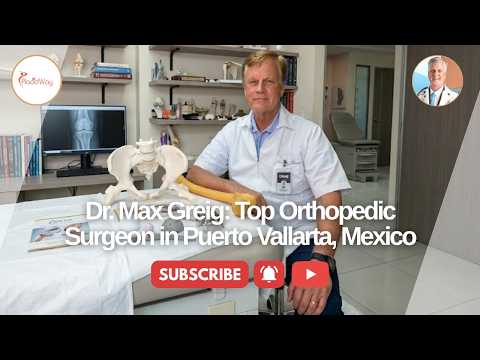
Led by the highly esteemed orthopedic specialist Dr. Max Greig, this procedure offers a lifeline to patients seeking premium healthcare without the astronomical costs found in the United States or Canada. Watch the video and explore our comprehensive guide to understand why combining world-class orthopedic surgery with the healing environment of Banderas Bay is the ultimate choice for your joint health.
Video Chapters & Quick Navigation
Understanding Meniscus Tears and Joint Anatomy
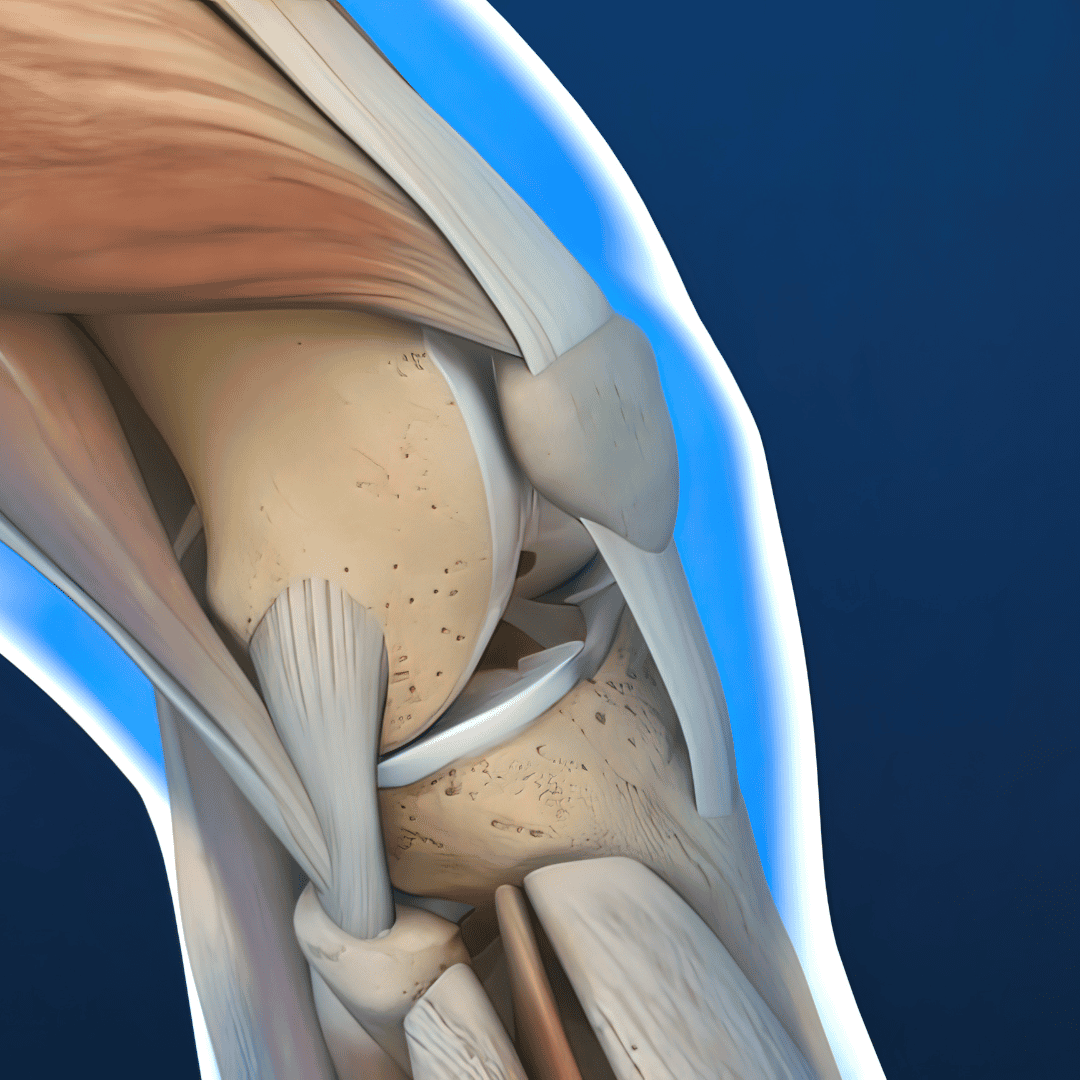
The human knee is an incredibly complex biomechanical hinge joint, designed to support the entire weight of the body while allowing for fluid movement. At the center of this vital joint lies the meniscus, a crucial piece of C-shaped fibrous cartilage. Each knee contains two menisci—the medial meniscus on the inner side of the knee and the lateral meniscus on the outer side.
These rubbery structures act as natural shock absorbers between the femur (thighbone) and the tibia (shinbone). Without a healthy meniscus, the heavy friction generated by walking, running, or climbing stairs would rapidly wear away the articular cartilage. This friction ultimately leads to severe early-onset osteoarthritis, making joint preservation highly critical.
Meniscus tears are among the most common orthopedic injuries worldwide. As mentioned in the video at , these injuries can happen to young athletes during high-impact sports or to older adults simply pivoting awkwardly. Over time, cartilage naturally degenerates, making it increasingly susceptible to fraying and tearing from seemingly minor movements.
Classifying the Types of Meniscus Tears
Not all knee cartilage injuries are identical, and the specific location of the tear heavily influences the surgical approach. The meniscus is divided into distinct blood supply zones. The outer edge, known as the "red zone," has a rich blood supply, which means tears in this area can often be surgically sutured and healed naturally.
Conversely, the inner two-thirds of the cartilage is known as the "white zone." This area lacks a direct blood supply, meaning nutrients cannot easily reach the tissue to promote healing. Tears in the white zone usually require a partial meniscectomy, where the damaged, unhealable tissue is carefully trimmed away to prevent it from catching in the joint hinge.
Orthopedic specialists classify these injuries into several distinct patterns. A longitudinal tear occurs along the length of the cartilage, while a radial tear cuts across it from the inner edge outward. One of the most severe variations is the "bucket-handle tear," where a large fragment of cartilage flips over like the handle of a bucket, often causing the knee joint to lock completely in place.
Recognizing the Symptoms and Seeking Diagnosis
Identifying a torn meniscus early can prevent further mechanical damage to the surrounding joint structures. The hallmark symptom of a meniscus tear is a distinct popping sensation at the exact moment of injury. This is usually followed by localized pain, especially when twisting or rotating the knee.
Within 24 to 48 hours, patients typically experience moderate to severe swelling as the knee joint fills with protective fluid. You might also notice a frustrating feeling of instability, as if your knee is suddenly giving way beneath you. In cases of displaced tears, patients report a mechanical block, rendering them completely unable to straighten their leg.
To accurately diagnose the extent of the damage, orthopedic surgeons rely on comprehensive physical examinations and advanced imaging. While X-rays are excellent for identifying bone fractures or arthritis, they cannot show soft tissue like cartilage. Therefore, a high-resolution Magnetic Resonance Imaging (MRI) scan is required to map the exact location, depth, and pattern of the meniscus tear.
Why Choose Puerto Vallarta for Orthopedic Surgery?
Medical tourism has fundamentally shifted the landscape of global healthcare. Puerto Vallarta, a stunning coastal city in the Mexican state of Jalisco, has emerged as a premier destination for North Americans seeking top-tier orthopedic care. The appeal of affordable orthopedic surgery in Mexico extends far beyond the impressive financial savings.
Patients are drawn to Puerto Vallarta because it seamlessly combines elite medical facilities with a tranquil, stress-free recovery environment. Instead of recovering in a cold, clinical hospital room in the middle of winter, patients can recuperate in a beautiful resort setting overlooking the warm waters of Banderas Bay. This peaceful atmosphere is scientifically proven to lower cortisol levels and promote faster healing.
Furthermore, the private hospitals in Puerto Vallarta, such as CMQ Premiere and San Javier Hospital, are equipped with state-of-the-art surgical technology. These facilities strictly adhere to international health and safety protocols, rivaling and sometimes exceeding the standards found in regional hospitals across the United States and Canada.
Meet Dr. Max Greig: A Leader in Mexican Orthopedics
The success of your minimally invasive knee surgery abroad relies heavily on the skill of your surgeon. Dr. Max Greig is a highly distinguished, board-certified orthopedic surgeon who has built an impeccable international reputation. With decades of specialized experience in joint preservation and sports medicine, he is widely regarded as one of the best orthopedic surgeons in Puerto Vallarta.
As highlighted in the video at , Dr. Greig’s background is rooted in rigorous academic and clinical training. He completed his specialized orthopedic training at the prestigious University of Guadalajara and has pursued continuous education through advanced international fellowships. His deep understanding of knee biomechanics allows him to execute complex arthroscopic repairs with pinpoint precision.
What truly sets Dr. Greig apart is his compassionate, patient-centric approach. He leads a fully bilingual medical team dedicated to making international patients feel safe, informed, and comfortable. From the initial virtual consultation to the final post-operative follow-up, Dr. Greig ensures that every patient receives personalized, world-class care.
The Meniscus Knee Arthroscopy Procedure Explained
Knee arthroscopy is a revolutionary, minimally invasive surgical technique that allows surgeons to view the knee joint without making a large incision. The procedure is typically performed on an outpatient basis under regional or light general anesthesia. This means patients can often return to their hotel or recovery retreat on the very same day.
The surgery begins with Dr. Greig making two or three tiny incisions, known as portals, around the knee. A sterile saline solution is then pumped into the joint to expand the space, providing a clear, unobstructed view of the cartilage. Through one of these portals, an arthroscope—a thin tube containing a high-definition fiber-optic camera—is carefully inserted.
The camera projects real-time, magnified images onto a surgical monitor in the operating room. As demonstrated at , Dr. Greig uses specialized miniature surgical instruments inserted through the other portals to address the damage. If the tear is in the vascular red zone, he will use highly specialized bio-absorbable anchors and sutures to stitch the cartilage back together.
Partial Meniscectomy Techniques
If the tear is located in the avascular white zone where it cannot heal, Dr. Greig performs a partial meniscectomy. Using microscopic shavers and biters, he meticulously trims away the frayed and unanchored edges of the meniscus. The goal is to leave behind as much healthy, stable cartilage as possible to maintain joint cushioning.
Once the repair or trimming is complete, the saline solution is drained, and the arthroscope is removed. The tiny incisions are closed with one or two stitches and covered with a sterile surgical bandage. Because the incisions are so small, the surrounding muscles and ligaments are left entirely intact, leading to drastically reduced post-operative pain and scarring.
Orthopedic Cost Comparison: USA vs. Puerto Vallarta
The financial burden of orthopedic surgery in the United States forces many uninsured or underinsured patients to live with chronic pain. High deductibles, hidden facility fees, and exorbitant anesthesia costs make joint repair inaccessible for average families. Medical tourism in Puerto Vallarta offers a transparent, all-inclusive alternative.
The cost of meniscus repair in Puerto Vallarta is typically 60% to 70% lower than in North America. This stark difference in pricing is not a reflection of lower quality care. Rather, it is driven by Mexico's lower cost of living, reduced administrative overhead, and vastly different medical malpractice insurance structures. These savings are passed directly onto the patient.
| Medical Service / Component | Estimated Cost in USA / Canada | Cost in Puerto Vallarta (Dr. Max Greig) |
|---|---|---|
| Surgeon's Consultation | $250 - $500 | $50 - $80 (Often included in package) |
| Knee MRI Scan | $800 - $2,500 | $200 - $350 |
| Meniscus Arthroscopy (Outpatient) | $8,000 - $15,000+ | $3,500 - $4,500 (All-inclusive) |
| Physical Therapy (Per Session) | $100 - $250 | $35 - $60 |
When booking through structured medical tourism platforms, patients receive comprehensive packages. These packages generally include the surgeon's fees, operating room time, anesthesiologist fees, pre-operative lab work, and basic medications. Many packages also bundle airport transfers and accommodations, simplifying the entire logistical process for international travelers.
Rehabilitation and the Recovery Timeline
The success of a meniscus knee arthroscopy depends heavily on strict adherence to a post-operative rehabilitation protocol. Because the procedure is minimally invasive, the initial knee arthroscopy recovery time is remarkably fast. However, internal healing takes several weeks, and rushing the process can jeopardize the structural integrity of the joint.
Immediately following the surgery, the universally recommended RICE protocol—Rest, Ice, Compression, and Elevation—is implemented to manage swelling and localized pain. Patients who undergo a meniscectomy (trimming) can usually bear weight on the operative leg within a few days, using crutches merely for balance. Normal walking without assistance is generally achieved within two to three weeks.
For patients who require a full meniscus repair (suturing), the recovery timeline is distinctly longer. As noted by Dr. Greig at , sutured cartilage needs time to biologically fuse. These patients must wear a specialized knee brace that restricts the joint's range of motion and limits weight-bearing for four to six weeks to protect the delicate surgical stitches.
The Role of Physical Therapy
Physical therapy is an absolute necessity for achieving a full, functional recovery. The initial phase of therapy focuses entirely on gently restoring the knee's range of motion and reducing joint stiffness. Simple exercises like heel slides and straight leg raises are introduced early to activate the quadriceps without placing undue stress on the healing cartilage.
As the weeks progress, the focus shifts toward aggressive muscle strengthening and proprioception (balance) training. Strengthening the quadriceps, hamstrings, and calf muscles provides vital dynamic support to the knee joint, offloading pressure from the newly repaired meniscus. A fully supervised, consistent physical therapy regimen ensures that patients can safely return to running, hiking, or competitive sports within three to six months.
Preparing for Your Medical Journey to Mexico
Embarking on a medical journey abroad requires careful planning, but the process is highly streamlined for modern medical tourists. Before traveling to Puerto Vallarta, patients must participate in a virtual consultation with Dr. Max Greig’s team. During this session, you will electronically share your MRI scans and local medical records for a comprehensive pre-surgical evaluation.
It is strongly advised to bring a trusted companion to assist you during the immediate post-operative phase, as your mobility will be temporarily limited. Pack loose, comfortable clothing, slip-on shoes, and any necessary travel documentation. With logistics expertly managed by your medical tourism facilitator, your primary focus remains entirely on healing and anticipating a pain-free future.
Take the First Step Toward a Pain-Free Knee
Stop letting a torn meniscus limit your life. Connect with Dr. Max Greig's expert orthopedic team in beautiful Puerto Vallarta through PlacidWay. Secure your personalized surgical plan and save thousands on world-class medical care.
GET A FREE QUOTE TODAY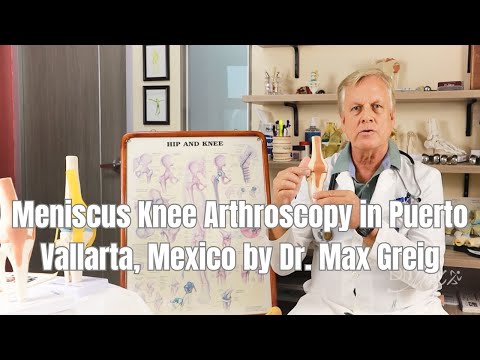

.png)




.png)
.png)
.png)
.png)


.png)
.png)
.png)
.png)








Share this listing