



When knee pain makes a beachside city sound more appealing than another month of struggling with stairs, the medical details matter more than the destination alone. Knee replacement in Puerto Vallarta, Mexico gives international patients access to private orthopedic care, with treatment options varying by surgeon, hospital, implant system, and individual needs.
Before you travel, verify the hospital’s COFEPRIS-05-034 surgical license, the surgeon’s CMOT certification where applicable, the implant system, rehabilitation plan, and what happens if recovery does not follow the expected schedule.
Quick Summary: Knee Replacement in Puerto Vallarta, Mexico
- Current Puerto Vallarta total knee replacement estimate: about $9,500–$12,500 for a unilateral procedure, depending on hospital, surgeon, implant and package.
- Current visible package examples: Puerto Vallarta knee replacement packages currently appear around $13,000–$14,900, showing why package scope matters.
- Mexico national comparison: total-or-partial knee replacement currently averages about $11,190, with most verified national quotes between $7,380 and $15,000.
- Ideal candidate: someone with significant pain and disability from advanced knee disease whose symptoms and imaging support replacement after appropriate nonsurgical care.
- Hospital verification: confirm the exact operating facility has the required COFEPRIS-05-034 sanitary license for surgical procedures.
- Surgeon verification: confirm current orthopedic specialty certification through CMOT where applicable, then ask about annual knee-replacement volume and hospital privileges.
- Recovery: early walking and physiotherapy begin soon after surgery; functional recovery continues for weeks to months.
- Travel caution: international travel after major joint surgery adds blood-clot, mobility and continuity-of-care risks, so return travel requires individualized clearance.
Why Patients Consider Knee Replacement in Puerto Vallarta, Mexico
Puerto Vallarta appeals to international knee-replacement patients because it combines a private orthopedic market with direct access from North America. For someone whose knee pain has already limited walking, stairs, sleep or work, a shorter trip can be more practical than travelling across several time zones.
Current Puerto Vallarta orthopedic listings include several practices and hospitals serving international patients. The city’s mature tourism infrastructure also makes accessible lodging, ground transportation and companion accommodation easier to arrange than in many smaller medical destinations.
The destination itself does not make surgery safer. A comfortable hotel, ocean view or bilingual coordinator cannot replace a properly licensed surgical hospital, an experienced orthopedic surgeon, implant traceability, emergency capability and a plan for physiotherapy after you go home.
| Why Puerto Vallarta | What it may offer | What you still need to verify |
|---|---|---|
| Cost | Private knee replacement can be materially less expensive than many U.S. cash-pay pathways | Compare total trip cost, not only surgery |
| Location | Puerto Vallarta is reachable by direct air routes from North America | Shorter travel may simplify companion support and logistics |
| Private scheduling | International patients can often request consultation and surgery dates directly | Faster does not mean medically ready |
| Package coordination | Some providers combine surgeon, hospital, implant, anesthesia and early rehabilitation | Get every inclusion and exclusion in writing |
| Recovery setting | The city has extensive tourism infrastructure and accessible lodging options | A resort environment is not a substitute for clinical aftercare |
| Provider choice | Patients can compare several orthopedic practices and hospitals in the region | Verify credentials independently before paying |
Who May Need Knee Replacement in Puerto Vallarta?
Knee replacement is generally considered when substantial knee pain and disability are caused by structural joint damage and other reasonable treatments no longer provide enough relief. AAOS describes common indications such as severe pain or stiffness, pain at rest, persistent swelling, deformity and major limits on daily activity.
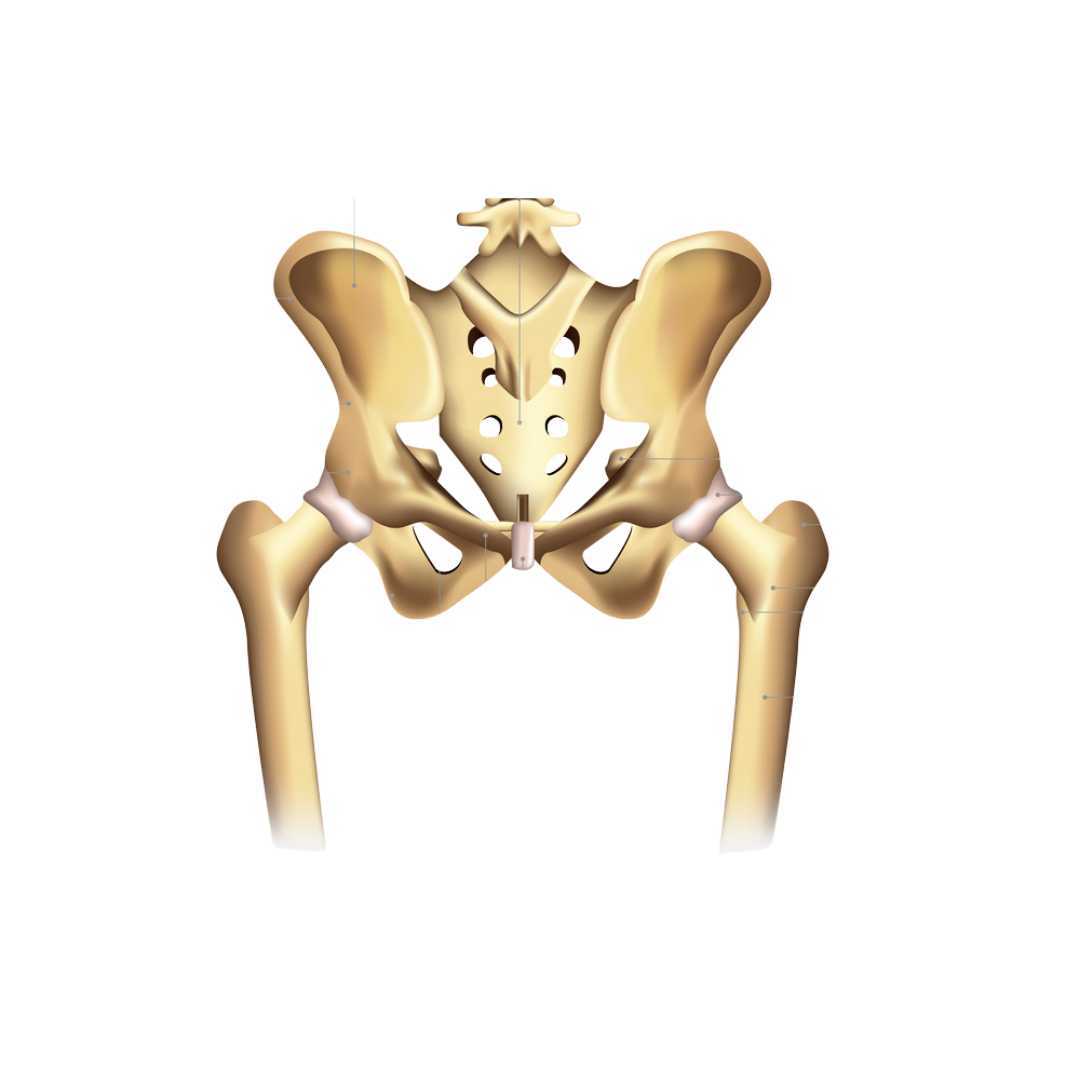
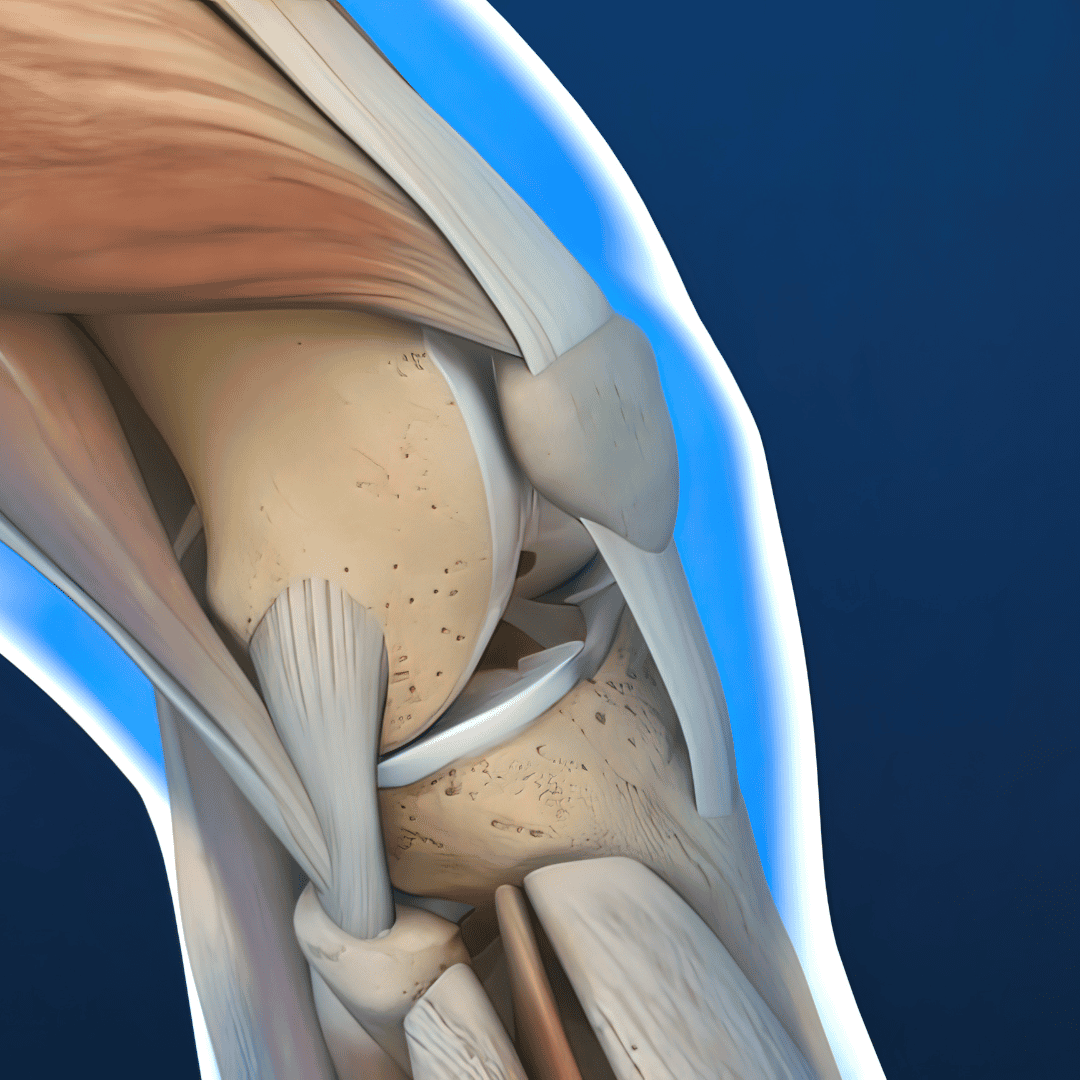
Total knee replacement resurfaces damaged portions of the femur and tibia with prosthetic components. Partial replacement preserves more of the natural knee but is appropriate only when disease is limited to a specific compartment and the remaining structures are suitable.
Age alone does not decide candidacy. Your surgeon should match symptoms, examination findings and imaging, then review medical fitness, infection risk, blood-clot history, diabetes, anemia, smoking, heart or lung disease and your ability to complete rehabilitation.
| Knee procedure | What it does | Typical clinical context | Puerto Vallarta cost context |
|---|---|---|---|
| Total knee replacement | Replaces damaged surfaces across the knee | Advanced multi-compartment arthritis with major pain and disability | $9,500–$12,500 current Puerto Vallarta estimate |
| Partial knee replacement | Resurfaces only one damaged compartment | Selected patients with disease confined to one part of the knee | $8,000–$10,500 current Puerto Vallarta estimate |
| Bilateral knee replacement | Treats both knees during one surgical episode in selected patients | Requires careful medical selection and intensive rehabilitation | Current package examples can be substantially higher |
| Revision knee replacement | Replaces or reconstructs an existing failed knee prosthesis | Infection, loosening, instability, wear or fracture | Information varies; obtain a case-specific quote |
Knee Replacement Cost in Puerto Vallarta in 2026
Current Puerto Vallarta total knee replacement estimates are about $9,500–$12,500 for a unilateral procedure. Partial knee replacement is currently estimated around $8,000–$10,500. Current visible local package examples of $13,000 and $14,900 show why bundled prices can sit above a basic procedure estimate.
The national Mexico benchmark provides useful context. Current verified total-or-partial knee replacement quotes across Mexico average about $11,190, with most clinics between $7,380 and $15,000. Puerto Vallarta therefore sits inside the wider Mexican private market rather than operating at one fixed local price.
Your final quote can change after imaging review or an in-person examination. Complex deformity, bone loss, previous surgery, a more constrained implant, medical comorbidities, longer hospital stay or additional rehabilitation can all increase cost.
| Pricing reference | Current USD figure | How to interpret it |
|---|---|---|
| Puerto Vallarta unilateral total knee replacement | $9,500–$12,500 | Current 2026 local estimate |
| Puerto Vallarta partial knee replacement | $8,000–$10,500 | Current 2026 local estimate |
| Current visible Puerto Vallarta package | $13,000 | Current local package example |
| Current visible Puerto Vallarta package | $14,900 | Current local package example |
| Mexico national total-or-partial category | $7,380–$15,000 | National range; average $11,190 |
2026 Puerto Vallarta Knee Procedure Price Line
Midpoints of current local planning ranges for common knee procedures.
Source note: current 2026 Puerto Vallarta pricing estimates. Midpoints are descriptive planning values, not guaranteed quotes.
Histogram of Current Puerto Vallarta Pricing Reference Points
Six current knee-replacement pricing reference points grouped into cost bands.
Reference points combine current range endpoints, midpoints and visible package prices. This is a planning distribution, not a clinic-volume or outcome distribution.
What a Puerto Vallarta Knee Replacement Package May Include
A package can simplify budgeting, but “all-inclusive” has no universal medical definition. Puerto Vallarta packages may combine surgeon and anesthesia fees, operating-room charges, a standard implant, several hospital nights, routine tests, early physiotherapy and local transfers.
The most important financial question is what happens outside the expected pathway. An extra night, ICU transfer, blood products, a more complex prosthesis, wound culture, infection treatment, manipulation for stiffness or revision surgery can produce costs that are not part of the original package.
Ask the provider to identify every exclusion before you pay a deposit. The quote should also state the currency, refund or cancellation terms, implant assumptions and how the price changes if the final procedure differs from the preliminary plan.
| Package component | Often included | Possible extra cost |
|---|---|---|
| Surgeon fee | Often included | Assistant surgeon or extra specialist fees may be separate |
| Anesthesia | Often included | Confirm anesthesiologist professional fee and medicines |
| Hospital stay | Usually specified by number of nights | Extra nights and ICU care can add cost |
| Standard knee implant | Often included | Premium, constrained or revision components may cost more |
| Routine pre-op tests | Often included | Cardiac clearance, additional imaging or specialist tests may be extra |
| Initial physiotherapy | Often included | Extended outpatient rehabilitation is often separate |
| Ground transfers | Sometimes included | Flights, companion costs and hotel extensions are usually separate |
| Complication care | Usually limited | Readmission, infection treatment or revision may not be included |
Puerto Vallarta Knee Replacement vs U.S. and Canada
Puerto Vallarta is most useful to compare with private self-pay care. A current local total knee replacement estimate of $9,500–$12,500 can be materially below many U.S. private cash-pay pathways, although insured American patients may personally owe far less than the full hospital charge.
Canada requires a different comparison. Eligible residents generally receive medically necessary knee replacement through the public system rather than buying a private hospital package. A Canadian patient considering Puerto Vallarta is therefore often comparing private self-pay access abroad with a publicly funded pathway at home.
Calculate your actual landed cost. Add flights, hotel recovery, companion travel, meals, accessible transportation, take-home medication, rehabilitation, travel insurance, mobility equipment, longer local stay and potential complication costs.
| Destination / pathway | Current cost context | Payment model | How to compare |
|---|---|---|---|
| Puerto Vallarta | $9,500–$12,500 current total knee estimate | Private self-pay | Local package examples may be higher when more services are bundled |
| Mexico overall | $7,380–$15,000 total-or-partial range; $11,190 average | Private self-pay | Useful national benchmark, not a Puerto Vallarta quote |
| United States | Often substantially higher in private cash-pay pathways | Insurance / Medicare / self-pay mix | Your actual insured out-of-pocket may be far below a hospital charge |
| Canada | No comparable direct package price for eligible publicly insured residents | Publicly funded medically necessary care | Compare access, travel and personal costs rather than a sticker price |
How to Choose a Knee Replacement Hospital in Puerto Vallarta
Start with the exact operating hospital and its Mexican regulatory authorization. COFEPRIS requires establishments performing surgical procedures to hold a sanitary license; the current federal licensing pathway identifies this as COFEPRIS-05-034.
Mexico’s Consejo de Salubridad General also operates a national healthcare-establishment certification system. If a Puerto Vallarta hospital claims current national certification, verify it through SIMOCE. This can add useful context but does not replace the COFEPRIS surgical authorization.
For knee replacement, evaluate hospital capability rather than hotel-style amenities. The facility should have appropriate anesthesia support, infection prevention, laboratory and imaging services, blood availability or transfer arrangements, emergency escalation and physiotherapy.
| Hospital quality check | Why it matters | What you should verify |
|---|---|---|
| COFEPRIS-05-034 sanitary license | Required for establishments where surgical procedures are performed | Verify the exact legal hospital or surgical facility |
| Responsible health professional | Part of the surgical-facility regulatory framework | Ask who is formally responsible for clinical compliance |
| CSG / SIMOCE certification | National healthcare-establishment certification when current | Check the current SIMOCE listing if certification is claimed |
| Emergency resources | Blood, laboratory, imaging and escalation capacity matter for major joint surgery | Ask about ICU access and emergency reoperation capability |
| Infection management | Deep prosthetic-joint infection can require urgent specialist treatment | Ask about antibiotic protocols, cultures and revision pathways |
| Rehabilitation | Early mobility and knee-motion training are central to recovery | Confirm who provides inpatient and outpatient physiotherapy |
How to Verify a Knee Replacement Surgeon in Puerto Vallarta
Formal orthopedic certification is the first check, not the final one. CMOT provides recognized certification and recertification for Orthopedics and Traumatology specialists in Mexico. Ask for enough information to verify the surgeon’s current status.
Next, ask about procedure-specific experience. A certified orthopedist may focus on sports medicine, trauma, hand surgery, spine or joint replacement. Ask for annual numbers of primary total knees, partial knees, bilateral procedures and revisions separately.
Confirm hospital privileges directly with the operating facility. If robotic or computer navigation is proposed, ask which platform will be used, how often the surgeon uses it and why it is appropriate for your anatomy rather than assuming technology automatically improves outcomes.
| Surgeon check | What it tells you | Patient action |
|---|---|---|
| CMOT certification | Confirms recognized orthopedic specialist certification where applicable | Verify current status |
| Annual knee-replacement volume | Shows procedure-specific experience | Ask for primary, partial, total, bilateral and revision numbers separately |
| Hospital privileges | Confirms permission to operate at the named facility | Verify directly with the hospital |
| Implant experience | Shows familiarity with the proposed prosthesis | Ask which manufacturer and model are routinely used |
| Robotic/navigation experience | Relevant only if technology is proposed | Ask how often the surgeon uses that exact system |
| Complication and revision plan | Shows preparedness for infection, stiffness, instability and implant failure | Request the medical and financial plan before travel |
Patient Demographics and Travel Access for Puerto Vallarta Knee Replacement
Reliable national data identifying Puerto Vallarta knee-replacement medical tourists by age, gender and home country is not publicly available. The safest approach is to separate known travel patterns from unknown medical-patient demographics rather than inventing a profile.
Current public tourism data show strong international connectivity. Jalisco’s tourism system reported 12.79 million domestic and international air-passenger arrivals across Guadalajara and Puerto Vallarta airports in 2025. By April 2026, the same combined airport indicator recorded about 2.51 million domestic and 1.63 million international arrivals.
At the national level, the federal 2024–2025 tourism report identified the United States and Canada as Mexico’s largest international air source markets, followed by smaller volumes from countries including Colombia, the United Kingdom and Argentina. These are tourism figures, not knee-replacement patient counts.
International Access Context for Puerto Vallarta
Government tourism data provide travel-market context only. Puerto Vallarta knee-replacement patient age, gender and nationality distributions: information not available.
Recovery and Return Travel After Knee Replacement in Puerto Vallarta
Recovery starts in the hospital and continues for months after you leave Puerto Vallarta. AAOS notes that hospital stay after total knee replacement is commonly one to four days, with selected outpatient patients leaving the same day. Before discharge, patients should have acceptable pain control and be able to perform basic mobility and prescribed exercises.
International patients need additional local recovery time beyond hospital discharge. You may still have substantial swelling, fatigue and stiffness, and you need enough mobility to manage transportation, a hotel bathroom, airport transfers and the journey home.
CDC’s 2026 Yellow Book states that surgery and air travel independently increase blood-clot risk. Your surgeon should decide when you are ready to travel based on wound healing, swelling, walking ability, clot history, medication, other medical conditions and travel duration.
| Timeframe | Biological or clinical process | Patient sensation | Activity level | Action required |
|---|---|---|---|---|
| First 1–4 days | Pain control, inflammation, wound monitoring and clot prevention | Pain, swelling, stiffness, fatigue | Supervised standing and walking | Meet discharge goals and learn walker use |
| Days 4–14 | Early wound healing and knee-motion work | Bruising, swelling and sleep disturbance | Daily exercises and progressive walking | Remain near the surgical team until travel clearance |
| Weeks 2–6 | Strength, gait and range of motion improve | Swelling and stiffness may persist | Increasing independence and physiotherapy | Continue local follow-up after returning home |
| Weeks 6–12 | Functional recovery and conditioning | Mobility usually improves gradually | Longer walks and strengthening | Review persistent pain, stiffness or instability |
| Months 3–12 | Long-term strength and adaptation to prosthesis | Some swelling or sensory changes can persist | Low-impact activity as approved | Maintain periodic orthopedic follow-up |
Risks, Medical Records and Emergency Planning in Puerto Vallarta
Knee replacement has important surgical risks in every country, and medical travel adds distance from the operating team. Complications can include infection, blood clots, stiffness, instability, fracture, nerve or vessel injury, persistent pain, implant loosening and revision surgery.
CDC advises medical tourists to arrange continuity of care and obtain copies of overseas medical records. Before leaving Puerto Vallarta, request the operative report, discharge summary, implant manufacturer and model, implant stickers or serial details, imaging, medication list, rehabilitation instructions and emergency contact information.
Mexico’s clinical-record standard, NOM-004-SSA3-2012, recognizes the importance of informed consent, confidentiality and documented clinical information. Ask the hospital how to request the clinical summary and records you will need for follow-up at home.
| Possible problem | Warning sign | What to do |
|---|---|---|
| Infection | Fever, wound drainage, spreading redness or increasing pain | Prompt clinical review; deep infection may require surgery |
| Blood clot / pulmonary embolism | Calf swelling, chest pain or sudden breathlessness | Emergency assessment |
| Stiffness | Poor knee bend or difficulty fully straightening | Early surgeon and physiotherapy review |
| Instability | Giving way or abnormal knee movement | Orthopedic assessment |
| Fracture / fall | New severe pain, deformity or inability to bear weight | Urgent imaging and orthopedic review |
| Implant problem | New mechanical pain, loosening or abnormal imaging | Specialist review; revision may be needed |
Frequently Asked Questions About Knee Replacement in Puerto Vallarta
How much does knee replacement cost in Puerto Vallarta, Mexico?
Current 2026 estimates place unilateral total knee replacement in Puerto Vallarta around $9,500–$12,500. Current visible package examples are around $13,000–$14,900. Final cost depends on hospital, surgeon, implant, complexity, medical risk, rehabilitation and what the package includes.
Is Puerto Vallarta cheaper than other places in Mexico for knee replacement?
Not always. Mexico’s current national total-or-partial knee replacement average is about $11,190, with most quotes between $7,380 and $15,000. Puerto Vallarta sits within that broader market, so convenience and package quality may matter more than finding the absolute lowest price.
What is included in a Puerto Vallarta knee replacement package?
Packages may include the surgeon, anesthesiologist, operating room, hospital stay, standard prosthesis, routine tests, medicines, initial physiotherapy and sometimes ground transfers. Ask separately about flights, hotel extensions, premium implants, ICU care, complications, readmission and revision surgery.
How do I verify a hospital in Puerto Vallarta for knee replacement?
Ask for the exact legal operating facility and verify its COFEPRIS-05-034 sanitary license for surgical procedures. If the hospital claims current Consejo de Salubridad General certification, check it through SIMOCE. Also assess blood, imaging, infection, emergency and rehabilitation resources.
How do I verify a knee replacement surgeon in Puerto Vallarta?
Confirm recognized orthopedic specialist status and current CMOT certification where applicable. Then ask about personal annual volume for partial, total and revision knee replacement, hospital privileges, implant experience, complication management and follow-up after international patients return home.
Am I a candidate for knee replacement in Puerto Vallarta?
Candidacy depends on diagnosis, pain, disability, imaging and medical fitness rather than destination. Knee replacement may be considered when significant symptoms from advanced knee disease persist despite appropriate nonsurgical treatment. International patients also need a realistic travel, caregiver and rehabilitation plan.
How long will I stay in the hospital after knee replacement in Puerto Vallarta?
AAOS notes that many total knee replacement patients stay about one to four days, while selected outpatient patients may leave the same day. Your actual stay depends on pain control, mobility, medical conditions, complications and whether you can safely manage basic activities.
How long should I remain in Puerto Vallarta after knee replacement?
There is no universal safe local-stay period. Your surgeon should consider wound healing, swelling, walking ability, pain control, clot risk, other medical conditions and travel duration. Hospital discharge should not automatically be treated as clearance to fly home.
Can I fly home after knee replacement in Puerto Vallarta?
You can travel when your surgeon considers it medically appropriate, but there is no fixed safe flight date for every patient. Recent surgery and prolonged sitting both increase blood-clot risk, so travel clearance should be individualized to your recovery and health history.
What implant brands are used for knee replacement in Puerto Vallarta?
Implant selection varies by surgeon, hospital, anatomy, bone quality and diagnosis. Ask for the exact manufacturer, model, fixation method and regulatory documentation before surgery. After the operation, keep the implant stickers or identifying information for future orthopedic care.
What medical records should I take home from Puerto Vallarta?
Request the operative report, discharge summary, implant manufacturer and model, implant stickers or serial information, pre- and postoperative imaging, medication list, wound instructions, rehabilitation plan, activity restrictions, emergency contacts and a written follow-up schedule.
What hidden costs should I budget for in Puerto Vallarta?
Possible additional costs include flights, companion travel, hotel recovery, longer physiotherapy, mobility equipment, extra imaging, cardiac clearance, premium implants, extra hospital nights, ICU care, complications, readmission and revision surgery. Request written exclusions before paying a deposit.
Compare Knee Replacement Options in Puerto Vallarta
PlacidWay can help you share medical records, compare current Puerto Vallarta treatment estimates, ask about surgeon and hospital credentials, and understand implants, rehabilitation, local stay and package inclusions before you request information.
Request InformationDisclaimer
Disclaimer: This information is for educational purposes only and does not replace professional medical advice. Always consult a qualified healthcare provider before making medical decisions.
References
- Surgical Facility Sanitary Licensing (COFEPRIS-05-034) – COFEPRIS
- Orthopedic Specialist Certification – Consejo Mexicano de Ortopedia y Traumatología
- Certified Healthcare Establishments – Consejo de Salubridad General / SIMOCE
- Total Knee Replacement – American Academy of Orthopaedic Surgeons
- Activities After Total Knee Replacement – American Academy of Orthopaedic Surgeons
- Medical Tourism – Centers for Disease Control and Prevention Yellow Book
- Deep Vein Thrombosis and Pulmonary Embolism – CDC Yellow Book
- Domestic and International Air Passenger Arrivals – Secretaría de Turismo, Gobierno de Jalisco
.png)

.png)




.png)
.png)
.png)




.png)
.png)
.png)
.png)








Share this listing