
Dealing with a torn ACL can be incredibly frustrating, especially when high domestic medical bills or endless waitlists stand between you and getting back to your active life. Many North American patients are now looking across the border to restore their knee stability safely and affordably. This guide walks you through everything you need to know about navigating your knee surgery abroad, from understanding the costs to identifying crucial local credentials like the Consejo de Salubridad General (CSG) and verifying board-certified orthopedic surgeons.
Quick Answer Summary
- Estimated Cost: Typically ranges from $4,500 to $7,500 USD, covering the surgery, facility fees, and anesthesia (significantly lower than the $20,000+ average in the US).
- Credentials to Verify: Look for hospitals accredited by the Consejo de Salubridad General (CSG) and surgeons certified by the Colegio Mexicano de Ortopedia y Traumatología (CMOT).
- Ideal Candidate: Active individuals with a completely torn anterior cruciate ligament seeking to restore full knee stability for sports or daily physical activities.
- Recovery Timeline: Initial walking with crutches takes 2-3 weeks; returning to pivoting sports typically requires 9 to 12 months of dedicated physical therapy.
- Why Patients Choose Mexico: Rapid access to care, highly experienced sports medicine specialists, and significant savings on surgical packages.
- Important Caution: Flying too soon after knee surgery increases the risk of blood clots; plan to stay in Mexico for at least 7 to 10 days post-surgery before traveling home.
Understanding ACL Reconstruction in Mexico
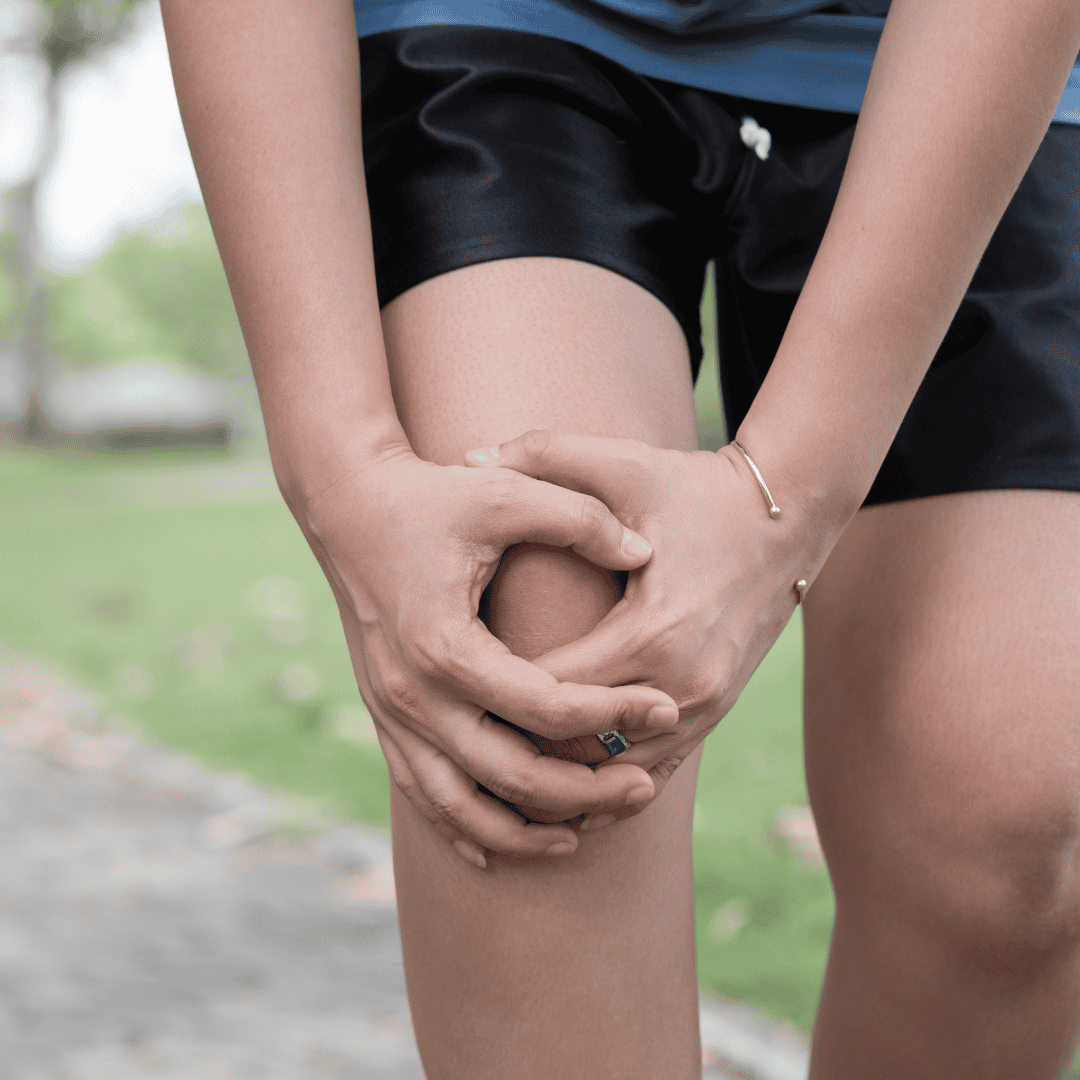
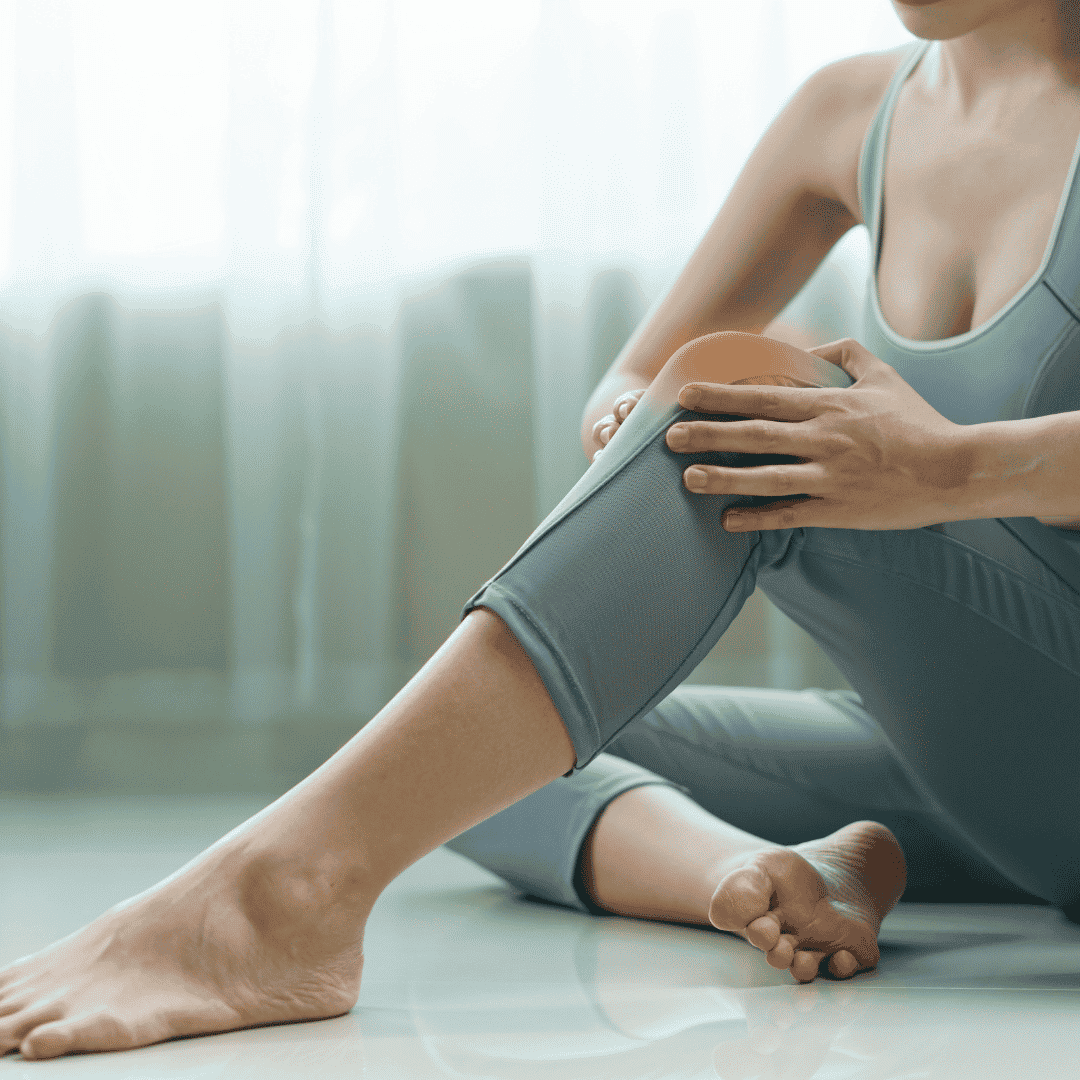
When you tear your anterior cruciate ligament, the knee loses its primary internal stabilizer. This injury often makes it difficult to walk without the knee giving way, let alone run, pivot, or play sports. ACL reconstruction is a surgical procedure that replaces the torn ligament with a tissue graft to restore the structural integrity of your knee.
For international patients, undergoing this procedure in Mexico represents an opportunity to receive prompt, high-quality care without the financial burden typically associated with the US healthcare system. Mexican orthopedic clinics located in major medical tourism hubs frequently utilize the exact same surgical techniques, arthroscopic equipment, and international protocols found in North American hospitals.
However, successful knee surgery abroad requires careful planning. Choosing to travel for orthopedic surgery means you must coordinate not just the operation, but also your immediate postoperative recovery and safe travel home. Understanding the biological process of ligament healing will help you set realistic expectations for your journey.
Why Patients Travel to Mexico for ACL Surgery
The decision to travel for joint surgery usually stems from a combination of financial, logistical, and quality-of-care considerations. For uninsured or underinsured patients in the United States, out-of-pocket costs for arthroscopic knee surgery can be insurmountable. Meanwhile, patients in countries with socialized medicine often face waiting lists stretching for many months, delaying their return to normal life.
Mexico has built a robust infrastructure designed specifically for international medical travelers. Leading private hospitals offer dedicated patient coordinators, bilingual medical staff, and comprehensive packages that simplify the process.
Advantages
- Immediate availability of surgical slots
- Cost savings of up to 60-70% compared to US prices
- Access to fellowship-trained sports medicine surgeons
- Proximity to the US for shorter travel times
Considerations
- Requires coordinating physical therapy locally upon return
- Post-operative travel can be physically uncomfortable
- Must stay near the clinic for initial follow-up exams
- Requires careful vetting of surgical credentials
Anatomy and the ACL Reconstruction Procedure
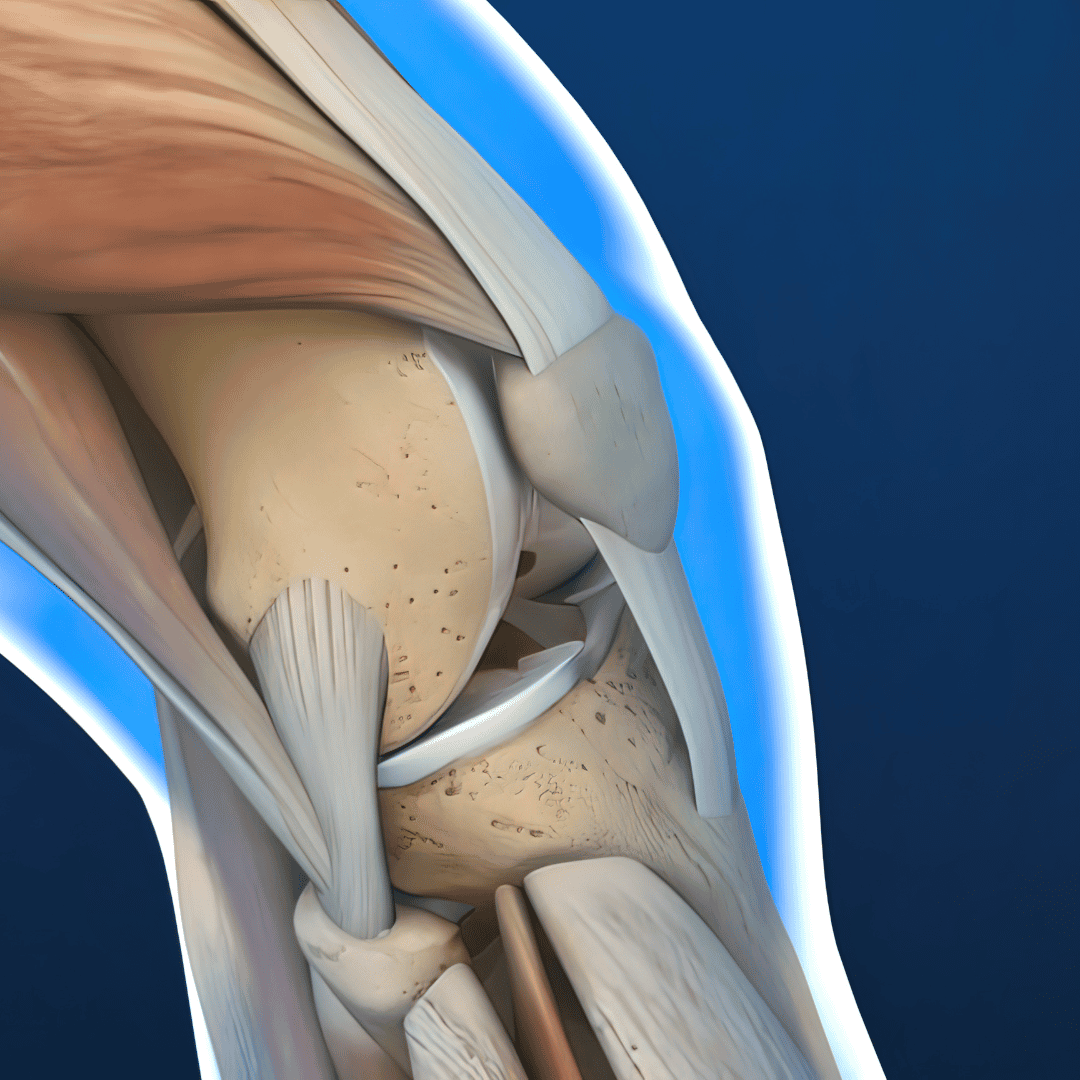
Your knee joint is held together by four main ligaments. The anterior cruciate ligament (ACL) sits in the center of the knee, preventing the shinbone (tibia) from sliding out in front of the thighbone (femur). Because ligaments have poor blood supply, a complete tear cannot simply be sewn back together. It must be reconstructed.
During the surgery, your orthopedic surgeon will use a minimally invasive arthroscopic technique. They will make small incisions around your knee to insert a tiny camera and surgical tools. The torn remnants of your original ligament are cleared away, and small tunnels are drilled into your femur and tibia.
A new tissue graft is then threaded through these bone tunnels and secured with specialized screws or buttons. Over the following months, your body will naturally grow new blood vessels into this graft, eventually transforming it into a living ligament that stabilizes your knee joint.
Patient Demographics: Who is Traveling for Orthopedic Care?
Medical tourism for sports injuries primarily attracts a specific demographic of active adults. Recent 2024 epidemiological data highlights that the majority of patients seeking ACL reconstruction abroad are recreational athletes, weekend warriors, and active professionals whose livelihoods or mental well-being rely on physical mobility.
A significant portion of these patients are between the ages of 18 and 45. Older adults (over 45) are increasingly pursuing ACL reconstruction to maintain active lifestyles, such as skiing or playing tennis, rather than settling for non-surgical conservative management that may limit pivoting movements.
Age Distribution of ACL Reconstruction Patients (2024 Clinical Data)
Clinical registries updated in 2024 indicate that most patients traveling to Mexico for this procedure expect to return to cutting and pivoting sports. This expectation requires a rigorous adherence to post-operative physical therapy once the patient returns to their home country.
Clinical Benchmark: Cumulative Return to Sport Rate Post-Surgery (2024 Criteria)
Assessing Your Eligibility for ACL Surgery Abroad
Not every patient with a knee injury is an ideal candidate for traveling abroad for reconstruction. Evaluating your eligibility is a crucial first step that safeguards your health and ensures a positive surgical outcome.
Your orthopedic surgeon will require recent MRI scans (typically taken within the last 3-6 months) and X-rays to assess the damage. They will evaluate whether you have isolated ACL damage or concurrent injuries, such as a torn meniscus or damaged collateral ligaments, which can complicate the surgery and prolong recovery.
Patient Suitability Checklist
- You have a medically confirmed full tear of the ACL.
- Your knee swelling has reduced since the initial injury, and you have regained a normal range of motion (often achieved through pre-habilitation).
- You have no severe underlying cardiovascular or respiratory conditions that make anesthesia or flying high-risk.
- You can commit to 9-12 months of structured physical therapy in your home country.
- You can arrange to stay in Mexico for the necessary 7-10 day initial recovery window.
Cost of ACL Reconstruction in Mexico vs. US and Canada
The primary driver for cross-border healthcare is cost transparency and affordability. In the United States, patients are often subjected to fragmented billing, receiving separate invoices from the hospital, the surgeon, the anesthesiologist, and the physical therapist.
In contrast, many Mexican clinics provide all-inclusive surgical packages. These packages typically cover the surgeon’s fees, hospital operating room time, standard anesthesia, medical supplies, and the surgical graft. However, it is essential to ask exactly what is included, as expenses like preoperative blood work, extended hospital stays, or specialized medications may incur additional fees.
| Destination Country | Estimated Average Cost (USD) | Typical Wait Time |
|---|---|---|
| United States | $15,000 - $30,000+ | 2 to 6 weeks |
| Canada | Covered via public health (Private: $12,000+) | 6 to 18+ months (Public) |
| Mexico | $4,500 - $7,500 | 1 to 3 weeks |
Keep in mind that while the medical costs are significantly lower, you must factor in your travel expenses. Flights, accommodation for your recovery period, meals, and the cost of bringing a companion to assist you will add to your total expenditure.
Types of Grafts Used in Mexican Orthopedic Clinics
When planning your knee surgery, you and your surgeon must decide what type of tissue will replace your torn ACL. Mexican sports medicine clinics offer the same graft choices available in North American hospitals. The decision depends on your age, activity level, and the surgeon’s expertise.
An autograft uses your own tissue, typically harvested from your patellar tendon, hamstring tendon, or quadriceps tendon. Because it is your own biological material, there is no risk of disease transmission or tissue rejection. Autografts are generally preferred for young, highly active athletes because they tend to offer the strongest long-term structural integrity.
An allograft uses tissue harvested from a deceased donor. This option involves less surgical pain since no tissue is taken from your own knee, resulting in an easier early recovery. However, allografts have a slightly higher failure rate in young athletes and are typically recommended for older patients or those undergoing a revision surgery (a second ACL reconstruction).
Choosing the Right Hospital in Mexico for Joint Surgery
Selecting a secure, hygienic, and well-equipped facility is critical to preventing surgical complications like deep joint infections. You should not base your decision solely on the visual appeal of a clinic’s website or the lowest price point.
Focus on verifying government licensing and national accreditations. In Mexico, the gold standard for hospital quality and safety is certification by the Consejo de Salubridad General (CSG). This is the highest national medical authority, and its certification implies the hospital adheres to strict safety, hygiene, and emergency protocol standards.
Additionally, some major hospitals in cities like Monterrey or Cancun may hold international accreditation from the Joint Commission International (JCI). While JCI accreditation is a strong trust signal, many excellent, fully licensed clinics operate safely under CSG regulations alone. Ensure the facility has an on-site Intensive Care Unit (ICU) or a rapid transfer protocol in the rare event of a surgical emergency.
How to Verify an Orthopedic Surgeon in Mexico
The skill of your surgeon directly dictates the placement of your graft tunnels, which is the most crucial factor in restoring natural knee kinematics. You must ensure your doctor is properly credentialed.
First, verify that the doctor is a registered physician with a valid "Cédula Profesional" (professional license) issued by the Mexican government. More importantly, they should be board-certified by the Colegio Mexicano de Ortopedia y Traumatología (CMOT). This national board ensures the surgeon has completed rigorous specialized training in orthopedics.
Many top sports medicine surgeons in Mexico have also completed international fellowships in arthroscopic surgery in the US or Europe. Look for surgeons who perform a high volume of ACL reconstructions annually, as surgical repetition is closely tied to lower complication rates.
What to Expect During Your Medical Trip
Medical tourism requires meticulous logistical planning. Most clinics recommend arriving in Mexico at least one to two days before your scheduled surgery. This allows you to settle into your hotel, acclimate to the environment, and attend a comprehensive preoperative consultation.
During this in-person meeting, your surgeon will physically examine your knee, review your MRI scans, and confirm the surgical plan. You will also meet with the anesthesiologist to discuss your medical history and the type of anesthesia to be used (typically a regional nerve block combined with general anesthesia or a spinal block).
After the surgery, you will usually spend one night in the hospital for observation and pain management. The following morning, a physical therapist will assist you in standing up and walking with crutches before you are discharged to your hotel.
The Surgical Timeline for ACL Reconstruction
Understanding the exact sequence of events on the day of your surgery can help alleviate anxiety. The entire process at the hospital usually takes around 6 to 8 hours, though the surgery itself is relatively brief.
| Phase | Duration | Clinical Process |
|---|---|---|
| Pre-operative Prep | 1.5 - 2 Hours | IV placement, meeting the anesthesia team, vital sign monitoring. |
| The Surgery | 1.5 - 2 Hours | Graft harvesting (if autograft), tunnel drilling, graft fixation, wound closure. |
| Post-Anesthesia Care (PACU) | 2 - 3 Hours | Waking up, initial pain management, monitoring for immediate complications. |
| Inpatient Stay | Overnight (Typically) | Pain control via IV, administration of antibiotics, initial icing and elevation. |
Upon discharge, your knee will be wrapped in a dressing, and you will likely wear a rigid knee brace locked in full extension. You will be provided with prescription pain medication and strict instructions on how to manage swelling.
Post-Surgery Recovery and Rehabilitation Phase
Surgery is only the first step; rehabilitation is what ultimately heals your knee. The biological process of graft incorporation takes many months. Initially, the new graft is strong due to the surgical fixation, but it actually weakens temporarily around weeks 6 to 12 as your body revascularizes the tissue, before slowly gaining strength again.
In the first two weeks, your goals are strictly to reduce swelling, manage pain, and achieve full knee extension (straightening). You will use crutches and rely heavily on rest, ice, compression, and elevation (RICE).
By weeks 3 to 6, you will likely wean off crutches and focus on regaining full knee flexion (bending). At this stage, engaging with a physical therapist in your home country becomes absolutely critical. They will guide you through progressive strengthening exercises tailored to the biological healing phase of your specific graft.
Potential Risks and Complications to Consider
All surgical procedures carry inherent risks, and traveling abroad adds layers of complexity. While arthroscopic ACL reconstruction is generally safe, complications can occur and must be discussed with your surgeon prior to providing consent.
Medical Warning: Known Risks
Infection: A deep joint infection is rare but severe, requiring urgent surgical washout and antibiotics. Monitor for extreme redness, heat, and escalating pain.
Blood Clots: Deep vein thrombosis (DVT) is a risk after lower limb surgery, exacerbated by prolonged periods of sitting (like flying). Warning signs include severe calf pain and swelling.
Stiffness: Failing to achieve full extension early in recovery can lead to arthrofibrosis, a permanent loss of range of motion.
Before leaving Mexico, ask your clinic for a clear, written protocol detailing how they handle post-operative complications once you return home. Some clinics offer telemedicine follow-ups or have partnerships with specific diagnostic centers in the US and Canada.
Preparing for Your Orthopedic Consultation
Whether you speak to your surgeon via a video call before your trip or during the initial in-person consultation, you must come prepared to advocate for your health. A reputable surgeon will welcome your questions and provide clear, medically sound answers.
Ask about their personal success rates and the volume of ACL reconstructions they perform annually. Inquire about their revision policy: if a surgical error occurs, will they cover the cost of a corrective procedure? It is also vital to ask which specific medical implants they use (e.g., bioabsorbable screws vs. titanium screws) and request the brands of these devices to ensure they meet international standards.
Finally, ask for a detailed, itemized quote. Ensure you understand exactly what happens if you require extra days in the hospital or additional medications beyond what the standard package covers.
Traveling Safely After Knee Surgery
The journey back home is often the most challenging part of medical tourism for joint surgery. Your knee will be swollen, stiff, and uncomfortable. Sitting in a cramped airplane seat for hours with your leg bent is not only painful but medically risky.
Prolonged immobility significantly increases the risk of deep vein thrombosis (blood clots). For this reason, most orthopedic surgeons strongly recommend staying in Mexico for at least 7 to 10 days post-surgery before attempting to fly. During this time, you can attend your initial post-op checkup and have your stitches removed.
When you do fly, book a seat with extra legroom—such as a bulkhead or first-class seat—so you can keep your leg extended. Wear medical-grade compression stockings on your non-operative leg, stay highly hydrated, and ask your surgeon if they recommend a prophylactic blood thinner for the flight.
Frequently Asked Questions
How long do I need to stay in Mexico for an ACL reconstruction?
Most surgeons recommend staying for at least 7 to 10 days after your surgery. This window allows for your initial post-operative follow-up, physical therapy instruction, stitch removal, and ensures you are medically cleared to handle the physical stress of flying home safely.
Is it safe to get knee surgery in Mexico?
When performed in properly credentialed facilities, it can be very safe. You must actively seek out hospitals accredited by the Consejo de Salubridad General (CSG) and choose board-certified (CMOT) orthopedic surgeons who operate in modern, sterile environments with access to emergency care.
Will my domestic health insurance cover surgery in Mexico?
Typically, standard US or Canadian health insurance plans do not cover elective procedures abroad. However, some specialized medical tourism insurance policies or forward-thinking corporate self-funded health plans may cover the costs. You will likely be paying out-of-pocket as a self-pay patient.
Do Mexican clinics use the same surgical hardware as US hospitals?
Yes, leading orthopedic clinics in Mexico use FDA-approved or internationally certified surgical implants, screws, and arthroscopic equipment from global medical device companies like Arthrex, Smith & Nephew, and Stryker. Always ask your surgeon to specify the brands they use.
How do I handle physical therapy once I return home?
You must establish a relationship with a local physical therapist before you travel. Bring your Mexican surgeon's operative report and post-operative rehab protocol back with you, so your local therapist understands exactly which graft was used and how to safely progress your recovery.
Can I travel alone for my ACL surgery?
While some patients do travel alone and rely on clinic-provided nurses, it is highly recommended to bring a companion. You will be on crutches, dealing with pain, and managing luggage at the airport is incredibly difficult when you cannot walk unassisted.
What happens if there is a surgical complication?
If a complication occurs while in Mexico, the clinic will manage it, though you must clarify beforehand if this incurs extra costs. If complications arise after you return home, you will need to seek care from a local physician or emergency room, which will be billed through your domestic healthcare system.
How long will I be on crutches after the procedure?
Most patients require crutches for 2 to 4 weeks, depending on the type of graft used and whether concurrent meniscus repair was performed. Your surgeon and physical therapist will clear you to walk without them once you demonstrate adequate quadriceps strength and a normal gait.
Is language a barrier at medical tourism hospitals in Mexico?
Top facilities catering to international patients employ bilingual surgeons and nursing staff. Additionally, they often assign English-speaking patient coordinators to accompany you during consultations, ensuring clear communication regarding your medical care and consent.
When can I return to playing sports?
Returning to pivoting sports like soccer, basketball, or skiing typically takes 9 to 12 months. This timeline depends heavily on the biological healing of the graft and your strict adherence to a strength and conditioning physical therapy program.
Ready to Explore Your Knee Surgery Options?
PlacidWay can help you compare board-certified orthopedic surgeons in Mexico, understand transparent treatment costs, and request personalized information from top-rated clinics.
Request Free Clinic InformationDisclaimer
Disclaimer: This information is for educational purposes only and does not replace professional medical advice. Always consult a qualified healthcare provider before making medical decisions. Traveling for medical procedures carries inherent risks, and patients should thoroughly vet all providers, facilities, and travel plans.
References
- Return to Sport Following Anterior Cruciate Ligament Reconstruction: A 2024 Update – National Center for Biotechnology Information (NCBI)
- ACL Injury: Does It Require Surgery? – American Academy of Orthopaedic Surgeons (AAOS)
- Certificación de Establecimientos de Atención Médica – Consejo de Salubridad General (Mexico)
- Medical Tourism Travel Information – Centers for Disease Control and Prevention (CDC)
- Age-Related Demographics and Outcomes in ACL Reconstruction – National Center for Biotechnology Information (NCBI)
- Colegio Mexicano de Ortopedia y Traumatología (CMOT) – Official Medical Board



















Share this listing