


Comprehensive Guide to a Total Right Knee Prosthesis Procedure in Mexico
Are you struggling with debilitating joint pain that limits your everyday life and basic mobility? Undergoing a total right knee prosthesis procedure in Mexico has become a highly sought-after medical solution for international patients seeking permanent relief. This highly effective orthopedic surgery replaces damaged bone and worn cartilage with durable artificial joint components, allowing individuals to completely regain their physical independence.
For many patients experiencing severe osteoarthritis or joint degeneration, walking even short distances can become an excruciating task. By exploring medical travel options, you can access top-tier orthopedic surgeons and state-of-the-art medical facilities without the extensive wait times common in other countries. This detailed guide explores every single aspect of knee replacement surgery, from the initial consultation and surgical mechanics to the final stages of physical therapy.
Video Chapters & Quick Navigation
The Journey of Living with Severe Knee Pain Before Surgery
Chronic knee pain drastically alters a person's standard quality of life and limits their ability to participate in routine daily activities. Patients often describe a progressive, frustrating decline in their physical capabilities that unfolds slowly over several years. Initially, the pain might only occur after strenuous physical labor, long walks in the park, or carrying heavy groceries.
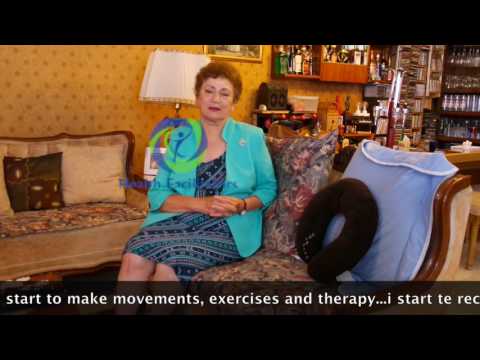
Over time, the relentless deterioration of the knee joint leads to persistent discomfort, even while resting or trying to sleep at night. Many individuals find themselves entirely avoiding social gatherings, family vacations, or simply walking around their own neighborhoods. As noted at [00:18], patients often reach a breaking point where attempting to walk just half a block results in unbearable agony.
The Anatomical Impact of Severe Osteoarthritis
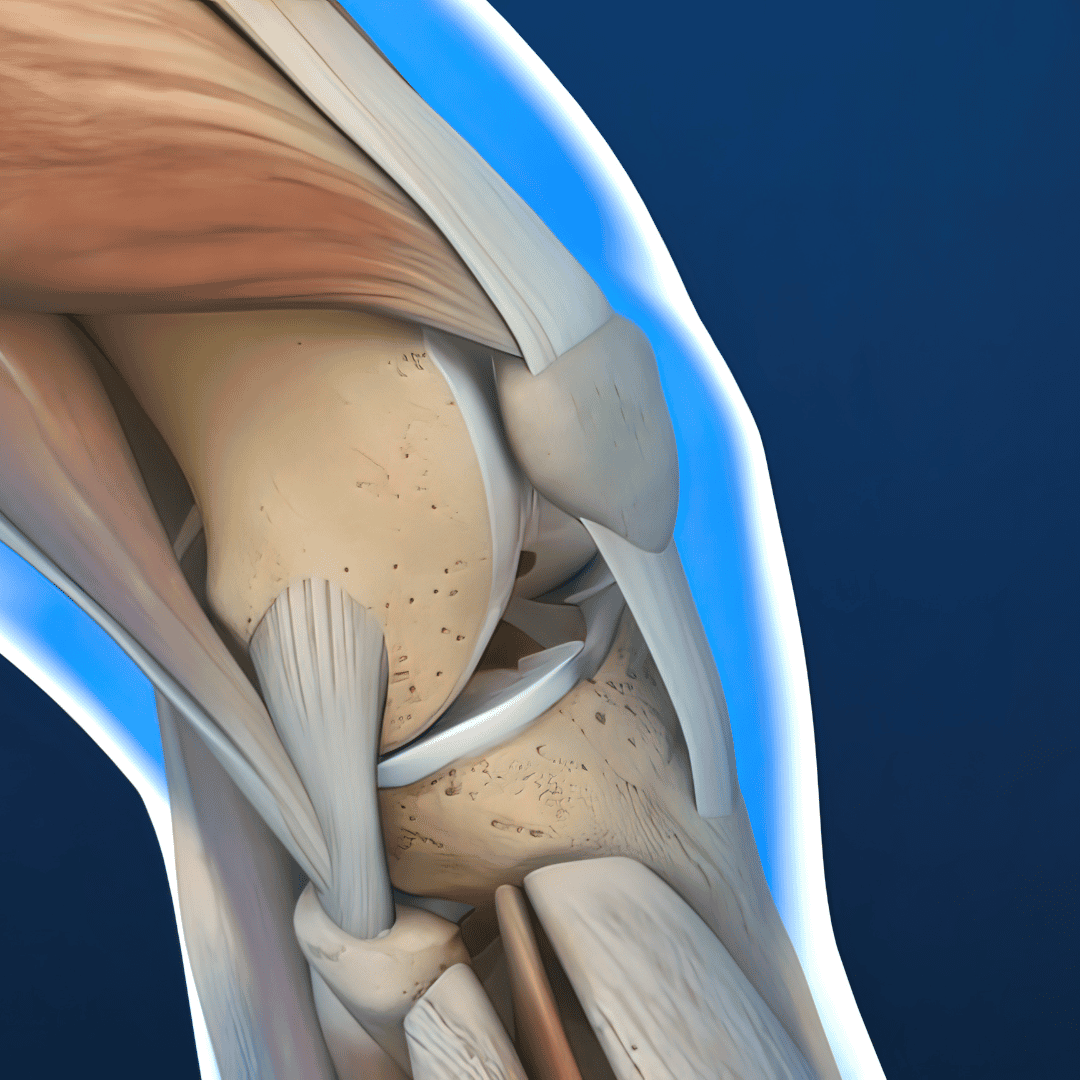
The knee is one of the largest and most mechanically complex joints in the human body, bearing significant weight during all upright activities. It consists of the lower end of the femur, the upper end of the tibia, and the patella, all protected by a smooth layer of articular cartilage. When severe osteoarthritis develops, this protective cartilage gradually wears away, leaving the underlying bones exposed and vulnerable to friction.
This continuous bone-on-bone contact creates significant joint inflammation, leading directly to the development of painful bone spurs and severe stiffness. Patients often experience a noticeable decrease in their joint's overall range of motion, making it difficult to bend or straighten the leg fully. As the degeneration progresses over the months, the surrounding supportive ligaments and muscles also weaken, further destabilizing the entire knee structure.
The Total Right Knee Prosthesis Surgical Process Explained
A knee arthroplasty, widely known as a knee replacement, involves the precise surgical removal of damaged bone surfaces and diseased cartilage. Orthopedic surgeons carefully replace these deteriorated areas with high-quality artificial implants specifically designed to mimic the natural human joint. The complex procedure requires exceptional surgical skill and exact anatomical alignment to ensure the new knee functions smoothly and painlessly.
During the operation, the surgical team meticulously shapes the ends of the femur and tibia to securely accommodate the new metal prosthesis. The artificial joint accurately replicates the natural gliding motion of a healthy knee, restoring structural integrity and effortless movement. As mentioned at [00:10], experienced specialists successfully execute these intricate operations using the most advanced medical protocols available today.
Implant Materials and Technological Advancements
Modern knee implants are meticulously crafted from advanced biocompatible materials designed to withstand decades of daily mechanical stress. These medical-grade components are exceptionally durable and built to handle the constant forces of walking, bending, and bearing body weight. The smooth plastic spacer acts as the new artificial cartilage, ensuring completely frictionless movement between the metal femoral and tibial components.
- Titanium Alloys: Extremely lightweight and highly resistant to corrosion within the human body, providing an excellent base for bone integration.
- Cobalt-Chromium: Provides exceptional durability and structural strength for heavy weight-bearing joint replacements.
- Cross-Linked Polyethylene: Acts as the ultra-smooth artificial cartilage pad to ensure frictionless, pain-free gliding between the metal parts.
The implementation of computer-assisted surgical navigation and robotic tools has further revolutionized the precise placement of these orthopedic implants. These specific technological advancements contribute directly to smaller surgical incisions, reduced surrounding tissue trauma, and minimized intraoperative blood loss.
Selecting the Right Orthopedic Surgeon for Knee Replacement Abroad
Finding the right medical professional is an incredibly important step when planning a major joint replacement surgery abroad. Patients should heavily prioritize finding surgeons who possess extensive hands-on experience and specialized fellowship training in adult reconstructive orthopedics. Evaluating a doctor's educational credentials, historical surgical success rates, and authentic patient testimonials provides invaluable insight into their true clinical expertise.
Board certification and active professional affiliations with recognized international medical organizations serve as strong indicators of a surgeon's rigorous training. Top-tier orthopedic surgeons constantly update their modern surgical skills and stay informed about the absolute latest advancements in implant technology. They prioritize conducting comprehensive pre-operative physical assessments to create highly personalized surgical plans for every individual patient.
Evaluating Facility Standards and Clear Communication
Clear communication between the prospective patient and the international surgical team builds essential trust and helps significantly alleviate pre-surgery anxiety. A highly skilled surgeon will thoroughly and patiently explain the potential surgical risks, profound physical benefits, and realistic expected outcomes of the knee procedure. They will also provide highly detailed written instructions regarding the expected home recovery timeline and necessary physical therapy requirements.
When evaluating international medical facilities, it is vital to seek hospitals that hold prestigious accreditations like the JCI (Joint Commission International). These specialized orthopedic clinics boast modern infrastructure, advanced diagnostic imaging centers, and ultra-sterile, state-of-the-art surgical operating suites. Partnering with a dedicated medical tourism agency can seamlessly streamline the complicated process of directly connecting with these world-class medical experts.
The Critical Post-Operative Knee Rehabilitation Journey
The true long-term success of a knee replacement extends far beyond the sterile walls of the hospital operating room. Post-operative rehabilitation is a physically demanding but absolutely essential phase that strictly dictates the ultimate functional outcome of the surgery. Dedicated physical therapy typically begins within the very first 24 hours of the operation while the patient is still comfortably hospitalized.
Nursing staff and physical therapists encourage post-op patients to stand up and carefully take their very first steps using a standard hospital walker. Early mobilization actively helps prevent dangerous blood clots in the legs and immediately stimulates the body's natural healing processes. As highlighted happily at [00:28], patients quickly begin to notice significant, life-altering improvements in their overall physical condition shortly after the surgery.
Phase One: Immediate Post-Op Mobility and Pain Management
The initial weeks of recovery heavily involve actively managing post-surgical wound pain, significantly reducing joint swelling, and strictly protecting the incision site. Medical teams utilize a specific combination of oral pain relievers, daily cold compression therapy, and leg elevation to keep the patient as comfortable as possible. Consistent, daily adherence to prescribed gentle leg exercises prevents thick scar tissue buildup and encourages proper, healthy blood circulation.
During this crucial first rehabilitation phase, patients learn how to safely transfer in and out of their beds, use the bathroom, and carefully dress themselves. Therapists introduce foundational stretching movements like slow ankle pumps, gentle heel slides, and controlled straight leg raises to awaken the dormant quadriceps muscles. These early, seemingly simple exercises build the necessary physical groundwork for much more advanced strength training in the coming weeks.
Phase Two: Building Strength and Expanding Range of Motion
As the initial intense surgical pain slowly subsides, daily physical therapy sessions become progressively more challenging and intensely focused on restoring full knee flexibility. At [00:38], it is evident that continuous bodily movement, structured daily exercises, and dedicated therapy are the primary drivers of a successful physical recovery. Patients actively work on comfortably bending the knee past 90 degrees and achieving full, flat extension of the entire leg.
During this intermediate stage, patients slowly transition from heavily relying on a supportive walker to utilizing a single cane for physical balance. Therapists incorporate elastic resistance bands, stationary exercise bicycles, and controlled step-up routines to rapidly rebuild muscular strength around the artificial joint. This progressive rehabilitation timeline requires immense personal patience, sheer determination, and regular, communicative follow-up appointments with the local orthopedic medical team.
Restoring Independence and Achieving Long-Term Joint Mobility
The primary and most celebrated goal of any knee arthroplasty is to entirely eliminate chronic joint pain and fully restore normal, daily functional mobility. As patients diligently progress through their structured physical rehabilitation program, they experience a profound, highly positive transformation in their everyday home lives. Activities that were once deemed completely impossible, such as navigating uneven outdoor terrain or gardening, become entirely manageable and enjoyable again.
Regaining the crucial physical ability to safely climb steep stairs independently represents a major, highly anticipated milestone in the joint recovery journey. As proudly documented at [00:48], patients can successfully walk significantly longer outdoor distances and confidently manage household staircases without any debilitating physical discomfort. This incredible newfound physical mobility allows individuals to enthusiastically re-engage in beloved recreational sports and vibrant community social lives.
Life After Arthroplasty: Returning to Favorite Activities
The proven long-term durability of modern, high-tech artificial knee implants is truly remarkable, routinely lasting an impressive 15 to 20 years with proper physical care. By [01:03], many individuals joyfully reach a recovery stage where they can walk perfectly normally without relying on any external assistive devices. Maintaining a very healthy body weight and actively participating in low-impact physical exercises actively helps preserve the mechanical structural integrity of the knee prosthesis.
Leisure activities like community lap swimming, long-distance stationary cycling, and casual weekend golfing are highly encouraged to maintain excellent cardiovascular health and natural joint lubrication. High-impact contact sports involving heavy vertical jumping or sudden lateral pivoting should generally be avoided to prevent premature physical wear of the internal plastic components. The ultimate, life-changing personal reward is a beautiful, active life entirely free from chronic joint pain, exactly as echoed joyfully at [01:08].
Why Patients Choose Medical Tourism for Orthopedic Care in Mexico
Global medical tourism has completely revolutionized the modern way international patients securely access and comfortably afford high-quality orthopedic healthcare services. Facing exorbitantly high surgical facility costs and frustratingly lengthy hospital wait times in their home countries, many individuals are looking across physical borders. Traveling specifically for a comprehensive knee replacement offers a truly unique combination of exceptional international medical expertise and substantial out-of-pocket financial savings.
Internationally accredited Mexican hospital facilities boast impeccably modern architectural infrastructure, advanced diagnostic imaging radiology tools, and highly experienced bilingual nursing staff. These renowned clinical facilities strictly adhere to rigorous international surgical safety protocols and stringent medical quality control standards. As a direct result, the detailed patient care received frequently rivals or significantly exceeds that provided by expensive domestic private healthcare institutions.
The Role of Health Facilitators in Streamlining the Process
Navigating a complex foreign healthcare system can initially seem slightly daunting, which is exactly why specialized global health facilitators are so incredibly valuable to patients. These highly experienced travel agencies play a crucial, central organizing role in seamlessly coordinating every single aspect of these multi-faceted medical journeys. They efficiently manage everything from securing rapid inpatient hospital admissions to actively organizing comfortable, highly accessible hotel recovery accommodations near the clinic.
Medical facilitators proactively provide dedicated, bilingual local patient coordinators who personally assist with medical translation services and ensure clear, concise communication with the entire medical team. They routinely arrange convenient VIP airport pickups, secure ground transportation to all clinical follow-up appointments, and personalized post-operative private nursing care directly at the hotel. This comprehensive, premium concierge-level support absolutely empowers individuals to confidently travel abroad, completely focusing their energy solely on their physical healing and recovery.
Step-by-Step Guide to Preparing for Your Knee Surgery Abroad
Meticulous and thorough pre-trip preparation is absolutely vital for ensuring a remarkably smooth and highly successful international medical travel experience. The very first crucial step involves securely submitting relevant, up-to-date medical records, including recent, high-resolution knee X-rays and highly detailed MRI scans. The remote international orthopedic surgical team will carefully and thoroughly review these essential medical documents to medically confirm if the patient is a safe, ideal candidate.
Once officially medically approved, patients must thoughtfully arrange their specific international travel itinerary, ensuring they arrive comfortably a few full days before the formally scheduled surgery. This crucial chronological buffer period allows for mandatory in-person physical pre-operative evaluations, comprehensive laboratory blood tests, and face-to-face introductory consultations with the anesthesiologist. Organizing a highly comfortable, ground-floor specialized recovery accommodation conveniently located near the main hospital is absolutely essential for navigating the immediate post-operative healing phase.
Travel Logistics and Preparing Your Home for Recovery
Patients should also proactively and thoughtfully prepare their personal home environment long before physically traveling to ensure a perfectly safe return immediately post-surgery. This vital preparation includes permanently removing dangerous floor tripping hazards like loose area rugs and professionally installing sturdy safety features like metal grab bars in the bathroom. Setting up a highly comfortable, easily accessible home recovery station with essential daily items located within arm's reach prevents unnecessary, potentially painful bending or reaching.
Having a dedicated, compassionate family caregiver or close friend travel alongside the patient provides truly invaluable emotional stability and daily physical support. They can actively assist with managing heavy, bulky travel luggage, effortlessly navigating busy international airports, and directly communicating with the clinical nursing staff during the hospital stay. Comprehensive, forward-thinking medical travel planning drastically minimizes situational travel stress and allows the recovering patient to focus entirely on their orthopedic surgical treatment.
Understanding the Financial Value of Knee Replacement Procedures
The overwhelming physical and financial burden of major joint replacement surgery in standard countries like the United States or Canada can be absolutely staggering for families. Even with comprehensive corporate health insurance policies, out-of-pocket medical expenses, high annual deductibles, and hidden specialist co-pays often unexpectedly reach tens of thousands of dollars. In stark contrast, undergoing a total right knee prosthesis procedure in Mexico provides truly exceptional medical value without ever compromising clinical surgical quality.
The remarkable overall cost efficiency primarily stems from significantly lower administrative hospital overhead expenses, reduced facility fees, and highly favorable international currency exchange rates. Patients can consistently and predictably save up to 60-70% on the total, comprehensive out-of-pocket cost of the orthopedic surgery compared to standard domestic retail clinical prices. These massive, undeniably life-changing financial medical savings make high-end, highly transformative orthopedic surgical care finally accessible to a much broader demographic of physically suffering individuals.
Transparent Pricing and Comprehensive Orthopedic Care Packages
One of the absolute most significant advantages of pursuing international orthopedic medical tourism is the highly transparent, guaranteed upfront clinical pricing structures provided to patients. This incredibly refreshing billing transparency entirely eliminates the constant, nagging fear of receiving hidden medical facility bills or completely unexpected post-surgical charges weeks after returning home. Reputable global medical tourism providers and top-tier destination hospitals offer highly detailed, all-inclusive medical quotes that clearly and completely outline every single provided clinical service.
| Orthopedic Procedure / Medical Service | Average Estimated US Cost | Estimated Cost in Mexico |
|---|---|---|
| Total Knee Arthroplasty (Surgery Only) | $35,000 - $50,000 | $8,000 - $12,000 |
| Inpatient Hospital Stay (3-4 Days) | $10,000 - $15,000 | Included in Full Package |
| Initial Physical Therapy Sessions | $1,000 - $2,500 | Included in Full Package |
These fully comprehensive, bundled medical care packages routinely include the head orthopedic surgeon's professional fee, anesthesiologist costs, the physical titanium implant hardware, and the private inpatient hospital stay. They also frequently cover essential post-operative pain medications, crucial initial physical therapy sessions, and all necessary VIP ground transportation to and from the airport. The relatively small financial medical investment in a knee replacement abroad ultimately yields immeasurable, lifelong personal returns in the exact form of fully restored joint health.
Ready to Reclaim Your Mobility?
If you are tired of living with severe knee pain and want to explore highly affordable, world-class orthopedic options, our dedicated health facilitators are here to assist. Take the first crucial step towards a completely pain-free life by exploring your medical travel options today.
Get Free QuoteRead Full Video Transcript
[00:00]
(Music/Visual: Health Facilitators logo and contact info)
[00:05]
My name is Carmen, I am 73 years old.
[00:10]
It is an operation that Dr. Eleazar Garcia did for me, a total prosthesis of the right knee.
[00:18]
Before the operation my life was very difficult, I could not walk, I could not go anywhere, just walk half a block I felt an intense pain.
[00:28]
With the operation that was done in the month of May 2016 I began to feel an improvement.
[00:35]
Of course at the beginning of rehabilitation I had pain and small annoyances.
[00:38]
But as I start to make movements, exercises and therapy... I start to recover slowly, it has been a process.
[00:46]
Today in September 2016 I feel good, I can walk much more.
[00:50]
I climb and under stairs, with both legs I go up and down.
[00:58]
At the beginning of rehabilitation to climb stairs was forbidden, by now I can do it perfectly.
[01:03]
And now I walk with out stick or any other instrument for help, I do it by my self.
[01:08]
I feel good and no pain, thanks to Dr. Eleazar Garcia.
[01:12]
(Carmen walking gracefully without assistance to demonstrate her mobility.)
[01:18]
(Visual: Health Facilitators contact information screen.)


.png)



.png)
.png)
.png)
.png)


.png)
.png)
.png)
.png)








Share this listing