

When severe knee arthritis starts affecting how far you walk, whether you can climb stairs, or how well you sleep, the cost of surgery becomes a practical question. Knee replacement cost in Mexico typically ranges from about $7,380 to $15,000, depending on the implant, hospital, surgeon, and case complexity.
Before you focus on savings, verify the COFEPRIS surgical license for the exact hospital, current CMOT orthopedic certification for the surgeon where applicable, the implant system, rehabilitation plan, and what happens if you need extra care after returning home.
Quick Summary: Knee Replacement Cost in Mexico
- Current average: total-or-partial knee replacement costs in Mexico average about $11,190, with most verified quotes ranging from $7,380 to $15,000.
- Partial knee replacement: current planning estimates are about $7,500–$11,000.
- Total knee replacement: current planning estimates are about $8,500–$14,000.
- Hospital credential: verify the exact operating facility has the required COFEPRIS sanitary license for surgical procedures.
- Surgeon credential: verify current orthopedic specialist status through CMOT where applicable, plus personal knee-replacement volume and hospital privileges.
- Recovery: early walking and physiotherapy begin soon after surgery, but full recovery takes months and international travel requires individualized clearance.
- Important caution: compare complete trip cost, implant details, rehabilitation, complication coverage and follow-up—not only the lowest surgical quote.
Why Patients Compare Knee Replacement Cost in Mexico
Patients usually search Mexico because severe knee arthritis can become financially and physically exhausting at the same time. When pain affects walking, stairs, sleep, work, or independence, waiting or paying a high private price at home can push patients to compare international options.
Mexico is one of the countries commonly visited by U.S. residents seeking medical care abroad, according to the CDC. Its proximity to the United States, border access, direct flights, private scheduling and package-based pricing can make it easier to evaluate than long-haul destinations.
The price advantage matters only when the surgery is medically appropriate. AAOS notes that total knee replacement is generally considered when severe pain, stiffness, swelling, deformity or functional loss persists despite reasonable nonsurgical treatment.
- U.S. patients may compare Mexico because of private cash prices, deductibles or lack of insurance.
- Canadian patients may compare a private Mexico pathway when access time or provider choice is important.
- Border cities can reduce travel time for North American patients and companions.
- Some packages combine surgery, hospital, implant, early therapy and ground transfers.
- Medical records and X-rays can often be reviewed before travel.
- The safest comparison begins with diagnosis and provider verification, not price alone.
Partial, Total and Bilateral Knee Replacement Cost in Mexico
The type of knee replacement is one of the biggest drivers of cost. Current Mexico estimates place partial knee replacement around $7,500–$11,000, total knee replacement around $8,500–$14,000, and bilateral replacement around $15,000–$22,000.
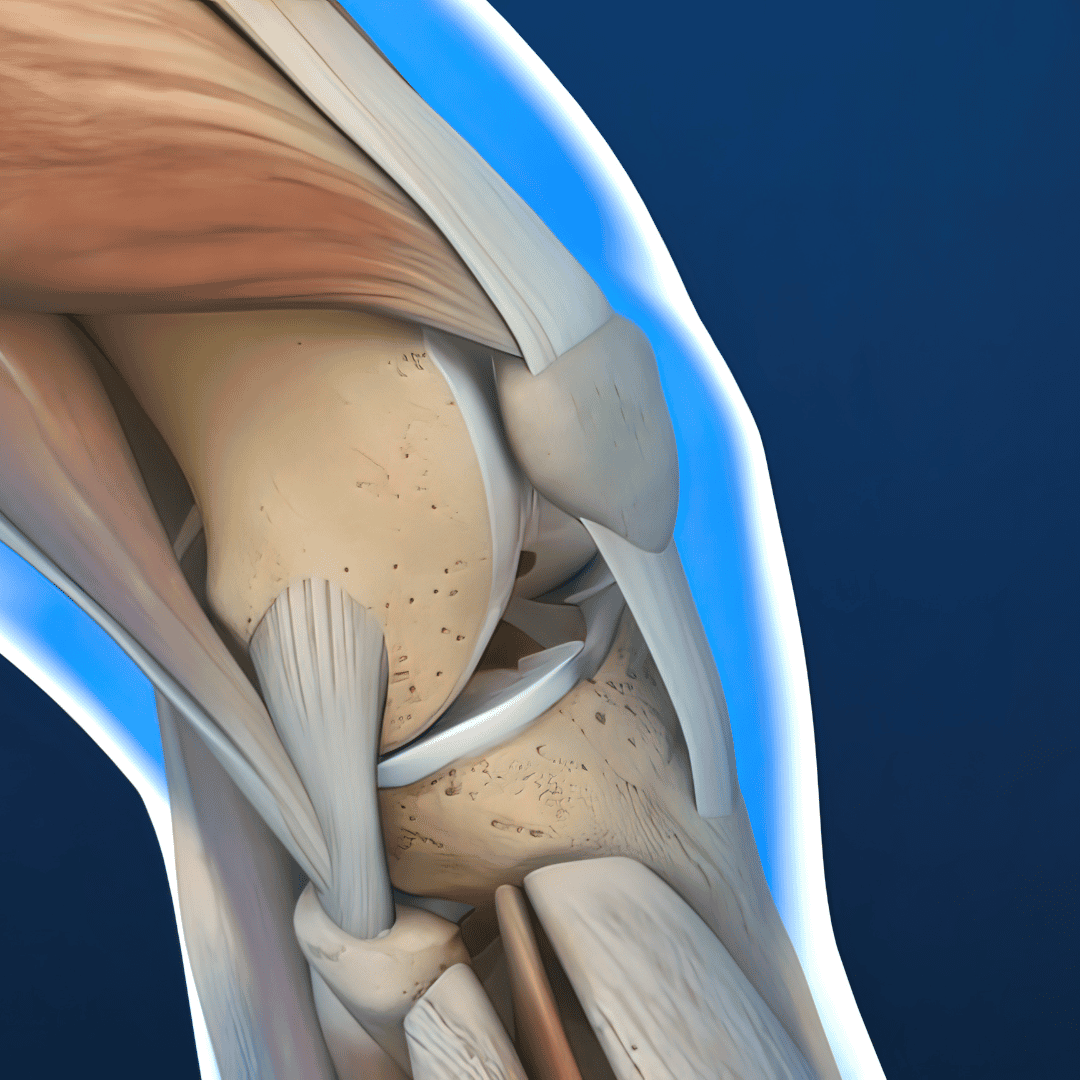
Partial knee replacement, also called unicompartmental knee replacement, treats only one damaged compartment. It is not simply a cheaper version of total replacement. AAOS notes that only selected patients with arthritis confined to one part of the knee are appropriate candidates.
Total replacement resurfaces the damaged ends of the femur and tibia and inserts prosthetic components. Bilateral replacement involves two knees and requires a separate discussion about medical fitness, blood loss, rehabilitation needs, caregiver support and whether simultaneous or staged surgery is appropriate.
| Procedure | Current price | What it means | Main cost driver |
|---|---|---|---|
| Partial knee replacement | $7,500–$11,000 | Only one damaged compartment is resurfaced | Implant system, surgeon volume, compartment involved |
| Total knee replacement | $8,500–$14,000 | Damaged joint surfaces are replaced across the knee | Implant, deformity, fixation, hospital stay |
| Bilateral knee replacement | $15,000–$22,000 | Both knees are treated during one surgical episode in selected patients | Medical fitness, blood loss, rehabilitation |
| Mexico total-or-partial category | $7,380–$15,000 | Current national verified quote range | Provider, city, procedure mix and package scope |
2026 Knee Replacement Cost in Mexico by City and Provider Quote
Mexico does not have one fixed knee replacement price. Current verified national quotes average $11,190, while Tijuana averages about $12,850. Guadalajara's current city-level page shows a $15,000 average based on the visible data available there.
Current visible provider quotes on the national pricing page include $7,380 in Nuevo Laredo, $9,599 in Ensenada, $11,200 in Tijuana, $14,500 in Tijuana and $15,000 in Guadalajara. These are useful market signals, but they are not interchangeable because package scope and patient complexity vary.
| Location | Current range | Current average | Verification context |
|---|---|---|---|
| Mexico overall | $7,380–$15,000 | $11,190 | 14+ verified clinic quotes; June 1, 2026 |
| Tijuana | $11,200–$14,500 | $12,850 | 15+ verified clinic quotes; June 2, 2026 |
| Guadalajara | Current visible city quote around $15,000 | $15,000 | Current city-level pricing; June 2, 2026 |
2026 Knee Replacement Price Line
Five current visible Mexico provider quotes sorted from lowest to highest.
Source note: current visible PlacidWay Mexico knee replacement quotes, verified June 2026.
Histogram of Current Visible Mexico Quotes
The same five quotes grouped into current price bands.
Small visible quote sample; it should not be treated as a national outcome or utilization distribution.
What Is Included in a Knee Replacement Package in Mexico?
A Mexico knee replacement package often bundles the major surgical charges, but there is no universal definition of “all-inclusive.” Current package descriptions commonly include the surgeon, anesthesiologist, hospital stay, standard prosthesis, routine preoperative blood tests and X-rays, operating-room supplies and initial physiotherapy.
Flights, extended hotel recovery, complication insurance, companion travel, take-home medication and prolonged rehabilitation are often excluded. That distinction is important because the least expensive surgical package can become more costly after a long local stay or unplanned care.
Ask for one written price after the surgeon reviews your imaging. If your procedure could change from partial to total replacement, or if a higher-constraint implant might be needed, ask how the price would change before travelling.
| Package item | Often included | What to verify |
|---|---|---|
| Surgeon and specialist fees | Often included | Ask if assistants or extra specialists bill separately |
| Anesthesiologist and anesthesia medication | Often included | Confirm the full professional and medication fee |
| Hospital stay | Often 2–4 nights in current package descriptions | Extra nights or ICU may cost more |
| Standard knee implant | Often included | Confirm manufacturer, model, fixation and premium-option costs |
| Pre-op blood tests and X-rays | Often included | Additional cardiac work-up or advanced imaging may cost extra |
| Operating room and supplies | Often included | Complex equipment or robotics may be extra |
| Initial physiotherapy | Often included | Longer outpatient rehabilitation may not be |
| Ground transfers | Sometimes included | Flights, hotel extension and companion costs usually are not |
Itemized Knee Replacement Cost Breakdown in Mexico
Hospital, surgeon and implant charges make up most of the Mexico knee replacement bill. Current component estimates place the surgeon around $2,500–$4,500, anesthesia around $600–$1,000, hospital facility fees around $2,000–$4,000, and the prosthesis around $1,500–$3,500.
These components should not simply be added to predict every final package because providers bundle them differently. A surgeon may quote a global package, while another hospital may itemize professional, facility and implant charges separately.
Implant cost deserves special attention. Ask for the manufacturer, model, fixation method, constraint level and implant stickers after surgery. Future orthopedic surgeons may need that information if you develop a problem years later.
| Cost component | Current estimate | What changes it | Question to ask |
|---|---|---|---|
| Surgeon's fee | $2,500–$4,500 | Experience, complexity, revision vs primary | Is assistant-surgeon billing included? |
| Anesthesia | $600–$1,000 | Procedure time, medical risk, anesthesia plan | Is the anesthesiologist fee fully included? |
| Hospital facility | $2,000–$4,000 | Operating room, room type, length of stay | How many nights are included? |
| Knee implant / prosthesis | $1,500–$3,500 | Brand, material, implant design | Which exact manufacturer and model will be used? |
| Pre- and postoperative care | $500–$1,000 | Consultations, labs, imaging, early physiotherapy | How many therapy sessions are included? |
Knee Replacement Cost in Mexico vs the U.S. and Canada
Mexico is most straightforward to compare with private self-pay treatment. Current total knee replacement planning estimates in Mexico are about $8,500–$14,000. U.S. private cash pricing can be substantially higher, although insured patients may pay far less than the total hospital charge.
Canada requires a different comparison. Eligible residents generally receive medically necessary hospital and physician services through the public system rather than buying a private knee replacement package. A Canadian considering Mexico is therefore often comparing a self-pay private option with a publicly funded pathway that may involve waiting.
Your personal affordability calculation should include the amount you would actually pay at home, not a headline hospital charge. For Mexico, include flights or border transport, hotel, companion travel, rehabilitation, medications, insurance, extended stay and possible complication costs.
| Country / pathway | Cost context | Payment model | Patient takeaway |
|---|---|---|---|
| Mexico | $8,500–$14,000 total knee replacement planning range | Private self-pay | Package scope and implant must be verified |
| United States | Often far higher in private cash-pay pathways | Private insurance / Medicare / self-pay mix | Actual out-of-pocket can be much lower with insurance |
| Canada | No comparable direct surgical package price for eligible publicly insured residents | Publicly insured medically necessary care | Compare wait, travel and personal costs rather than a sticker price |
Who Is a Good Candidate for Knee Replacement in Mexico?
A good candidate has a clear orthopedic indication and is medically fit enough to travel for major joint surgery. AAOS notes that total knee replacement is commonly considered for severe pain or stiffness, pain at rest, persistent inflammation, deformity and major functional limitation that has not improved enough with other treatment.
Age alone does not determine candidacy. AAOS specifically notes that recommendations are based more on pain and disability than a strict age threshold. The decision should still be individualized because obesity, diabetes, heart or lung disease, infection, anemia, smoking, clotting history and other conditions can affect risk.
International patients need one additional layer of readiness: a realistic recovery setting. You should have a caregiver or support person, accessible lodging, time to remain near the surgical team, and a physiotherapy and follow-up plan at home.
| Candidate factor | Generally supports surgery | Needs more review |
|---|---|---|
| Symptoms | Severe pain or stiffness limits walking, stairs, work, sleep or daily activity | Pain is mild or diagnosis is unclear |
| Imaging | Arthritis or joint damage matches the symptoms | X-rays do not explain the symptoms |
| Nonsurgical care | Appropriate treatment has not provided enough relief | Reasonable nonsurgical options have not been discussed |
| Medical fitness | Chronic conditions are stable and optimized | Active infection, uncontrolled diabetes, severe anemia or unoptimized heart/lung disease |
| Home support | Caregiver, physiotherapy and local follow-up are arranged | No support or rehabilitation plan after return |
| Travel plan | Local stay is long enough for surgeon clearance | Package assumes an early fixed flight regardless of recovery |
How to Choose a Knee Replacement Hospital in Mexico
Start with Mexican regulatory authorization before international accreditation. COFEPRIS states that every establishment performing surgical procedures requires the appropriate sanitary license and a designated responsible health professional. The current federal licensing process identifies surgical facilities under COFEPRIS-05-034.
Mexico's Consejo de Salubridad General also operates a national healthcare-establishment certification system. When a hospital claims current CSG certification, patients can verify that status through SIMOCE. This is an additional national quality signal, not a substitute for the federal surgical license.
For knee replacement, the hospital should be able to manage anesthesia complications, bleeding, infection, blood clots and urgent reoperation. Ask about blood availability, imaging, laboratory support, ICU access when medically relevant, physiotherapy and a pathway for prosthetic-joint infection.
| Hospital quality check | What it means | What you should do |
|---|---|---|
| COFEPRIS surgical license | Federal authorization for facilities performing invasive surgery | Verify the exact legal operating facility |
| Responsible health professional | Required within the surgical-facility licensing framework | Ask who is responsible for clinical compliance |
| CSG / SIMOCE certification | National healthcare-establishment certification when current | Verify through SIMOCE if claimed |
| Blood and emergency support | Important if bleeding, clot, cardiac or other complications occur | Ask about blood products, ICU and emergency reoperation |
| Infection management | Critical for prosthetic-joint surgery | Ask about antibiotic timing, cultures and prosthetic-joint infection pathways |
| Rehabilitation | Early gait and knee-motion training are essential | Confirm inpatient and outpatient physiotherapy arrangements |
How to Verify a Knee Replacement Surgeon in Mexico
Verify formal orthopedic specialty status first, then verify knee-replacement experience. CMOT provides certification and recertification for specialists in Orthopedics and Traumatology within Mexico's recognized specialty-board framework.
Certification does not prove that the surgeon performs a high volume of knee replacements. Ask how many partial, total, bilateral and revision knee replacements the surgeon personally performs each year. If robotic or computer-assisted surgery is proposed, ask how often the surgeon uses that exact platform.
Hospital privileges also matter. The doctor may consult at one clinic and operate in a separate hospital. Ask the operating hospital to confirm the surgeon's privileges before paying a deposit, and make sure the named surgeon—not an unidentified substitute—will perform the procedure.
| Surgeon check | What it tells you | Patient action |
|---|---|---|
| CMOT certification | Confirms recognized Orthopedics and Traumatology specialist certification where applicable | Verify current certification status |
| Annual knee replacement volume | Shows current procedure-specific experience | Ask for partial, total, bilateral and revision numbers separately |
| Hospital privileges | Confirms the surgeon can operate at the named hospital | Verify directly with the hospital |
| Implant experience | Shows familiarity with the proposed knee system | Ask why the chosen implant fits your anatomy |
| Robotic/navigation experience | Relevant when technology is proposed | Ask how often the surgeon uses that exact platform |
| Complication and revision plan | Shows how the surgeon handles infection, stiffness, instability and implant failure | Request the medical and financial plan in writing |
Patient Demographics for Knee Replacement Medical Travel to Mexico
Reliable national 2025–2026 data breaking down knee-replacement medical tourists in Mexico by age, gender and home country is not publicly available. It would be inaccurate to invent percentages. Current public evidence supports broad U.S.-to-Mexico medical travel, but not a knee-specific demographic profile.
CDC's 2026 Yellow Book says Mexico is among the countries most commonly visited by U.S. residents seeking medical care abroad. Canadian patients may also consider private treatment in Mexico, but no reliable national source currently reports what percentage of Mexico knee-replacement travelers come from Canada.
Clinical candidacy is more important than demographics. AAOS notes that knee replacement is based on pain and disability rather than a strict age threshold. Medical fitness, arthritis severity, caregiver support, rehabilitation and travel risk matter more than nationality or gender.
Knee Replacement Recovery in Mexico and Return-Travel Planning
Recovery begins immediately, but full recovery takes months. AAOS notes that early walking, progressive exercises and physical therapy are central to regaining knee strength and motion. Hospital discharge may occur the same day in selected outpatient cases or after roughly one to four days depending on recovery.
Before discharge, patients should be able to manage basic mobility, pain control, eating, drinking, toileting and prescribed exercises. International travel adds another step: you should remain near the surgical team until the surgeon considers the wound, mobility, swelling and medical condition stable enough for the journey.
CDC guidance warns that surgery and long-distance travel independently increase blood-clot risk. Do not book the return flight only around a hotel package. Your travel clearance should consider clot history, medication, walking ability, swelling, flight duration and emergency access after arrival.
| Timeframe | Biological or clinical process | Patient sensation | Activity level | Action required |
|---|---|---|---|---|
| First 1–4 days | Pain control, inflammation, wound monitoring, blood-clot prevention | Pain, swelling, stiffness, fatigue | Supervised standing and walking | Meet discharge goals and learn walker use |
| Days 4–14 | Early wound healing and knee-motion work | Bruising, swelling, sleep disruption | Daily exercises and progressive walking | Remain near the surgical team until travel clearance |
| Weeks 2–6 | Strength, gait and range improve | Swelling and stiffness may persist | Increasing independence and physiotherapy | Continue local follow-up at home |
| Weeks 6–12 | Functional recovery and conditioning | Mobility usually improves gradually | Longer walks and strengthening | Review persistent stiffness, pain or instability |
| Months 3–12 | Long-term strength and adaptation to the prosthesis | Some swelling or sensory changes may persist | Low-impact activity as approved | Continue periodic orthopedic follow-up |
Knee Replacement Risks, Hidden Costs and Emergency Planning in Mexico
The lowest quote is not the full measure of financial or medical risk. Knee replacement complications can include infection, blood clots, stiffness, instability, fracture, nerve or vessel injury, persistent pain, implant loosening or need for revision surgery.
CDC also warns medical tourists about infection risk, including antimicrobial-resistant infections, and about the difficulty of managing complications after returning home. Before surgery, ask who pays for readmission, extra hospital nights, culture testing, prolonged antibiotics, manipulation for stiffness or revision surgery.
Carry complete records home. AAOS recommends ongoing follow-up after knee replacement, while CDC advises medical travelers to request copies of overseas medical records and share them with later healthcare professionals.
| Possible complication | Warning sign | Action |
|---|---|---|
| Infection | Fever, wound drainage, increasing redness or pain | Prompt medical review; deep implant infection can require urgent specialist treatment |
| Blood clot / pulmonary embolism | Calf swelling, chest pain, sudden shortness of breath | Emergency medical assessment |
| Stiffness | Poor bend or inability to fully straighten despite rehabilitation | Early surgeon and physiotherapy review |
| Instability | Giving way or abnormal movement | Orthopedic assessment |
| Fracture or fall | Sudden pain, deformity, inability to bear weight | Urgent imaging and orthopedic assessment |
| Implant problem | New mechanical pain, loosening symptoms, abnormal X-ray | Specialist review; revision may be required |
Frequently Asked Questions About Knee Replacement Cost in Mexico
How much does knee replacement cost in Mexico in 2026?
Current verified total-or-partial knee replacement quotes in Mexico average about $11,190, with most clinics between $7,380 and $15,000. Current procedure estimates are about $7,500–$11,000 for partial knee replacement and $8,500–$14,000 for total knee replacement.
How much does total knee replacement cost in Mexico?
Current total knee replacement planning estimates in Mexico are about $8,500–$14,000. Final cost depends on the surgeon, hospital, implant manufacturer, fixation method, deformity, medical risk, hospital stay, rehabilitation, technology and package inclusions.
How much does partial knee replacement cost in Mexico?
Current partial knee replacement estimates in Mexico are about $7,500–$11,000. Partial replacement is suitable only for selected patients whose arthritis is limited to part of the knee, so the lower cost should never be the reason for choosing it over total replacement.
How much does bilateral knee replacement cost in Mexico?
Current bilateral knee replacement planning estimates are about $15,000–$22,000. Treating both knees during one surgical episode requires careful medical selection because the operation, blood-loss risk, rehabilitation and hospital-resource requirements differ from a single-knee replacement.
What is included in a Mexico knee replacement package?
Current package descriptions commonly include the surgeon, anesthesiologist, hospital stay, standard knee prosthesis, preoperative blood tests and X-rays, operating-room supplies and initial physiotherapy. Flights, extended hotel stay, complication insurance, companion costs and prolonged rehabilitation may be excluded.
Is knee replacement cheaper in Tijuana than the rest of Mexico?
Not necessarily. Current verified Tijuana quotes average about $12,850, compared with the Mexico national average of about $11,190. Tijuana may still be attractive to U.S. patients because of border access and shorter travel, but convenience does not guarantee the lowest price.
How do I verify a knee replacement hospital in Mexico?
Ask for the exact operating hospital and verify its COFEPRIS sanitary license for surgical procedures. If the hospital claims current Consejo de Salubridad General certification, verify it through SIMOCE. Also confirm infection, blood, imaging, emergency and rehabilitation resources.
How do I verify a knee replacement surgeon in Mexico?
Confirm recognized orthopedic specialist status and current CMOT certification where applicable. Then ask about annual partial, total, bilateral and revision knee replacement volume, hospital privileges, implant experience and how the surgeon manages infection, stiffness, instability and revision.
Which knee implant will I get in Mexico?
Implant choice varies by surgeon, hospital, anatomy, bone quality and diagnosis. Before surgery, request the manufacturer, model, fixation method and implant documentation. After surgery, keep the implant stickers or identifying records for future orthopedic care.
How long should I stay in Mexico after knee replacement?
There is no universal safe local stay. Your surgeon should consider wound healing, walking ability, swelling, pain control, blood-clot risk, medical conditions, rehabilitation progress and the duration of your return trip before clearing international travel.
Can I fly home after knee replacement surgery in Mexico?
You can travel when your surgeon considers it medically appropriate, but there is no fixed safe timeline for every patient. Surgery and prolonged sitting both increase blood-clot risk, so travel planning should account for mobility, swelling, medicines, clot history and journey duration.
What hidden costs should I budget for after knee replacement in Mexico?
Possible extra costs include flights, hotel recovery, companion travel, take-home medication, longer physiotherapy, mobility equipment, extra imaging, extended hospital stay, ICU care, complications, readmission and revision surgery. Ask for written exclusions before paying a deposit.
Compare Knee Replacement Costs in Mexico Carefully
PlacidWay can help you share medical records, compare current treatment estimates, ask about surgeon and hospital credentials, and understand implants, rehabilitation, local stay and package inclusions before you request information from Mexican providers.
Request InformationDisclaimer
Disclaimer: This information is for educational purposes only and does not replace professional medical advice. Always consult a qualified healthcare provider before making medical decisions.
References
- Sanitary Licensing for Facilities Performing Surgical Procedures – COFEPRIS
- Orthopedic Specialist Certification – Consejo Mexicano de Ortopedia y Traumatología
- Certified Healthcare Establishments – Consejo de Salubridad General / SIMOCE
- Total Knee Replacement – American Academy of Orthopaedic Surgeons
- Partial Knee Replacement – American Academy of Orthopaedic Surgeons
- Activities After Total Knee Replacement – American Academy of Orthopaedic Surgeons
- Medical Tourism – Centers for Disease Control and Prevention Yellow Book
- Deep Vein Thrombosis and Pulmonary Embolism – CDC Yellow Book
.png)







.png)
.png)
.png)



.jpg)
.jpg)
.jpg)
.jpg)








Share this listing