
Contents
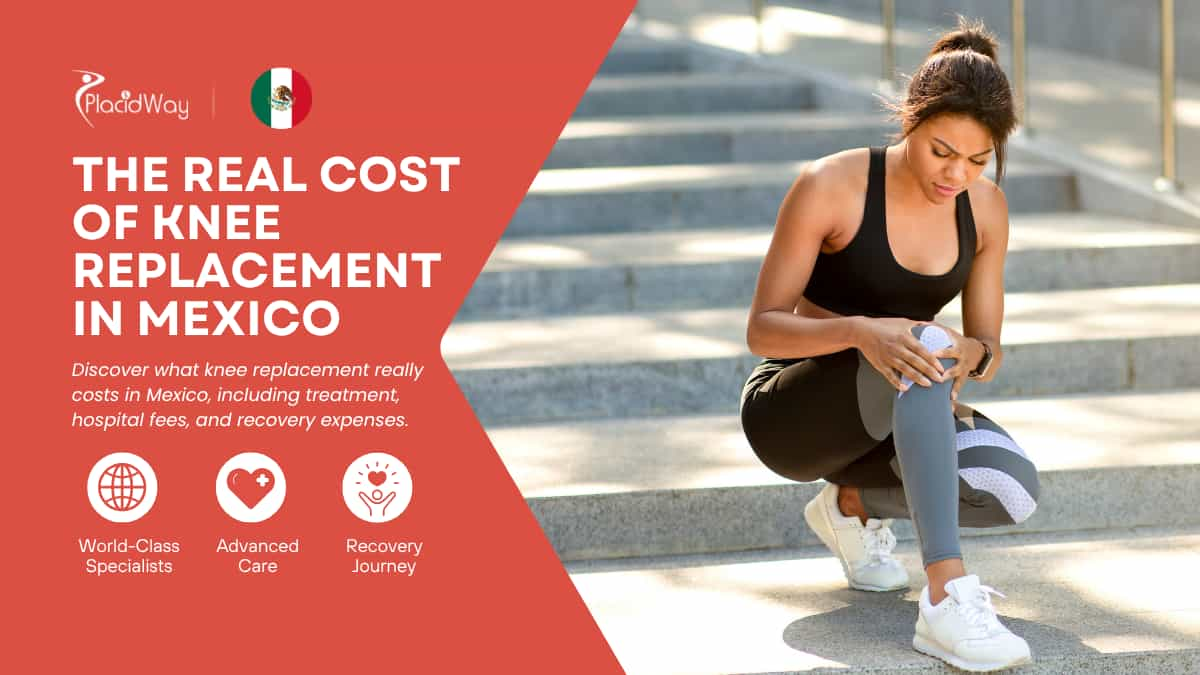
A lower surgical quote can look like the finish line. For knee replacement, it is usually only the starting line. The real question is not simply, “How much does surgery cost?” It is, “What will I pay from my first X-ray to my final rehabilitation session?”
Mexico is mainly considered by patients traveling from the United States and Canada, including people without insurance, those facing high deductibles and patients comparing private-care waiting times. Current provider-listed package prices for knee replacement in Mexico typically range from approximately US$7,380 to US$15,000, with final costs depending on the implant system, case complexity, hospital, and surgeon.
Cost should never replace credential checks. Look for a hospital with a valid Mexican sanitary authorization and, preferably, current certification from the Consejo de Salubridad General. The surgeon should also have a professional medical licence and current orthopedic certification that you can verify independently.
The word “package” can hide more than it explains. One quote may cover only the operation and hospital room, while another includes the implant, anesthesia, preoperative tests, medication and early physical therapy.
Ask every provider for an itemized written quote showing the implant brand, hospital nights, surgeon and anesthesia fees, tests, medicines, rehabilitation, airport transfers and cancellation terms. Also ask what happens financially if you need an extra hospital night or further treatment. Compare the packages shown below by their complete clinical scope rather than their headline price.
Price starting from $14,900
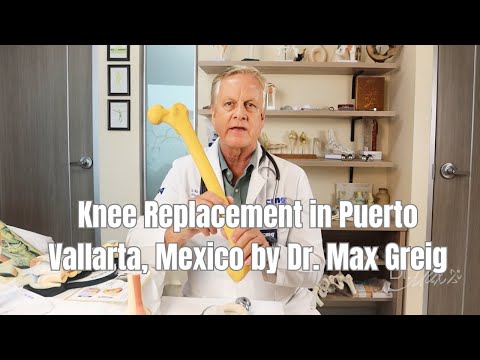
Total Knee Replacement Surgery in Puerto Vallarta, Mexico by Dr. Max Greig
Dr. Maximilian A. Greig - Orthopedic Surgery in Mexico
- Orthopedic/Knee Surgery
Puerto Vallarta, Mexico

Price starting from $9,599
Knee Replacement Surgery Package in Ensenada, Mexico by Hospital Velmar
Hospital Velmar
- Orthopedic/Knee Surgery
Ensenada, Mexico

Price starting from $11,200
Total Knee Replacement Surgery Package in Tijuana, Mexico by Dra. Brenda Delangel
Ortho Wellness
- Orthopedic/Knee Surgery
Tijuana, Mexico
A single total knee replacement generally costs $9,600 to $15,000 USD in Mexico. Selected bilateral knee replacement packages may fall between $18,000 and $22,000, depending on the surgeon, hospital, implant and recovery plan.
The final budget may also include flights, accessible accommodation, a travel companion, additional imaging, medications after discharge and ongoing rehabilitation at home. A cheaper quote may become more expensive when essential services are excluded. Review the cost options below and compare the same inclusions before deciding which proposal offers better overall value.
Orthopedic/Knee Surgery Centers Cost Comparison in Mexico
| Provider | Procedure | Price |
|---|---|---|
| Dr. Rodrigo Aguirre Rojas Orthopedic Surgeon | Knee Surgery, Orthopedic/Knee Surgery | $13000 |
| Hospital Velmar | Knee Replacement Total or Partial, Orthopedic/Knee Surgery | $9599 |
| Ortho Wellness | Knee Replacement Total or Partial, Orthopedic/Knee Surgery | $11200 |
| Sportmed Centro Medico | Knee Replacement Total or Partial, Orthopedic/Knee Surgery | $15000 |
Orthopedic/Knee Surgery Cost Comparison in Mexico
| Country | Procedure | Price |
|---|---|---|
| Singapore | Knee Surgery, Orthopedic/Knee Surgery | $25000 |
| United Kingdom | Knee Surgery, Orthopedic/Knee Surgery | $17000 |
| United States | Knee Replacement Total or Partial, Orthopedic/Knee Surgery | $40000 |
| United States | Knee Surgery, Orthopedic/Knee Surgery | $19000 |
| Germany | Knee Replacement Total or Partial, Orthopedic/Knee Surgery | $16600 |
A spotless lobby is pleasant, but it does not confirm that an operating room meets regulatory standards. Ask the clinic for its full legal name, hospital address and sanitary licence information before paying a deposit.
COFEPRIS authorization relates to lawful sanitary operation, while certification by Mexico’s Consejo de Salubridad General is a separate quality and patient-safety credential. Confirm whether surgery occurs in the advertised hospital, whether intensive-care support is available and how infections or blood clots are managed. Use the clinic options below as a comparison starting point, not as automatic proof of suitability.

Sports Medicine Systems
Cancun, Mexico

Dr. Rodrigo Aguirre Rojas Orthopedic Surgeon
Cabo San Lucas,San Jose del Cabo, Mexico

Ortho Wellness
Tijuana, Mexico

Orthopaedics Art by Dr. Jesus Raul Arjona Alcocer
Cancun, Mexico
Sportmed Centro Medico
Guadalajara,Puerto Vallarta, Mexico

Hospital Velmar
Ensenada, Mexico
A useful clinic video should answer practical questions, not simply provide a tour set to cheerful music. Look for footage showing the actual hospital, patient rooms, rehabilitation areas and the surgeon explaining how candidates are assessed.
Videos can help you understand communication style and facilities, but they cannot verify licensing, infection rates or surgical outcomes. Check when the video was recorded and whether the doctor shown is the person who will perform your operation. Compare the videos below alongside written credentials, consultations and treatment plans.

“Everyone was friendly” is encouraging, but it tells you little about implant selection, pain management or follow-up care. Give more weight to detailed reviews that describe the consultation, hospital stay, rehabilitation and communication after the patient returned home.
Look for patterns across several independent sources rather than relying on one dramatic success story or complaint. Recent, procedure-specific reviews are generally more useful than general clinic ratings. Compare the feedback below while remembering that another patient’s recovery cannot predict your individual result.

How much does a total knee replacement cost in Mexico?
A single total knee replacement in Mexico generally costs about $9,600 to $15,000 USD. The final amount depends on the hospital, implant, medical testing, length of stay and rehabilitation included in the quote.
What is normally included in a Mexico knee replacement package?
A comprehensive package may include the surgeon, anesthesiologist, operating room, knee implant, hospital stay, inpatient medication and initial physical therapy. Inclusions vary, so request a signed, itemized quote rather than relying on the package title.
What costs are commonly excluded from knee replacement packages in Mexico?
Flights, extended hotel stays, companion expenses, additional hospital nights and rehabilitation after discharge may be excluded. Some quotes also exclude advanced imaging, medical clearance for complex conditions or treatment required because of a complication.
Is it safe to have knee replacement surgery in Mexico?
Safety depends on the patient, surgeon, hospital and aftercare plan—not the country name alone. Verify the hospital’s sanitary authorization, available emergency support, infection-control procedures and the surgeon’s current orthopedic certification before committing to surgery.
How can I verify a hospital in Mexico?
Ask for the hospital’s full registered name and sanitary licence information. You can also check whether it holds a current certificate from Mexico’s Consejo de Salubridad General. Confirm that the certificate applies to the facility where your surgery will actually take place.
How can I check a Mexican knee surgeon’s credentials?
Request the surgeon’s full legal name, professional licence number and specialty credentials. Check whether the doctor has current certification through the Consejo Mexicano de Ortopedia y Traumatología and ask about experience with your specific type of knee replacement.
How long should I stay in Mexico after knee replacement?
The appropriate stay varies by health status, surgical method and travel distance. Patients normally need inpatient monitoring followed by additional time near the surgical team for wound checks, mobility training and early rehabilitation. Obtain written medical clearance before leaving.
When can I fly home after knee replacement surgery in Mexico?
There is no safe universal flight date. Knee surgery and prolonged sitting can increase the risk of deep vein thrombosis and pulmonary embolism. Your surgeon must assess your mobility, wound, medications and personal risk factors before approving air travel.
Is partial knee replacement cheaper than total knee replacement in Mexico?
Partial knee replacement is often less expensive because less of the joint is replaced, but it is suitable only when damage is limited to a specific section of the knee. The procedure should be selected for clinical reasons, not simply because the quote is lower.
Which implant brands are used for knee replacement in Mexico?
Implant availability varies by surgeon and hospital. Ask for the manufacturer, model, materials and regulatory status in writing. You should also receive the implant identification record after surgery for future orthopedic care or possible revision treatment.
Will I need physical therapy after returning from Mexico?
Yes. Rehabilitation is a central part of recovery after knee replacement. Before traveling, arrange a local physical therapist and ask the Mexican surgical team to provide your operative report, exercise plan, medication list and rehabilitation instructions.
What happens if I develop a complication after returning home?
Ask this before paying a deposit. The clinic should explain how remote follow-up works, who answers urgent questions and whether your records can be shared promptly with a doctor at home. Seek immediate local medical care for breathing difficulty, chest pain, severe calf swelling, fever or wound drainage.
How Much Does a Knee Replacement Surgery Cost in Mexico?
Living with persistent knee pain can be a daily struggle, limiting your ability to enjoy life's simple pleasures. When non-surgical treatments no longer provide relief, a knee replacement can be a transformative solution. However, the staggering cost of this procedure in countries like the United States and the lengthy wait times in places like Canada can feel like insurmountable hurdles. This is where medical tourism to Mexico shines as a beacon of hope, offering a high-quality, affordable alternative. So, how much does a knee replacement surgery cost in Mexico? In short, a knee replacement in Mexico typically ranges from $7,000 to $15,000 USD. This significant price difference compared to the U.S. and other Western countries makes it a highly sought-after option. This guide will provide a detailed breakdown of the costs, what the procedure entails, and everything you need to know about getting your knee replaced in Mexico. What is the average cost of a total knee replacement in Mexico? "The average cost for a total knee replacement surgery in Mexico is approximately $10,000 to $12,000 USD." This price point is a fraction of what you would encounter in the United States, where the same surgery can easily exceed $40,000. The affordability in Mexico isn't a reflection of lower quality but is due to the country's lower cost of living, reduced hospital operating expenses, and more competitive professional fees for surgeons. This makes it a financially sound choice for individuals without comprehensive insurance or those seeking to avoid depleting their savings. The final cost can fluctuate based on several factors. These include the specific hospital chosen, the surgeon's level of experience, the type and brand of the implant used, and the city where the procedure is performed. Despite these variables, the financial savings remain substantial. How does the cost of knee replacement in Mexico compare to the US, UK, and Canada? "On average, a knee replacement in Mexico is 50-70% cheaper than in the United States. It is also considerably more affordable than in the UK and Canada, with the added advantage of minimal to no waiting times." A direct cost comparison highlights the stark differences: Country Average Cost of Total Knee Replacement (USD) Mexico $10,000 - $12,000 United States $40,000 - $70,000+ United Kingdom (Private) $15,000 - $20,000 Canada (Private) $20,000 - $30,000 The table clearly illustrates the economic benefits. For American patients, the savings can be truly life-altering. For Canadians facing long waits within the public healthcare system, Mexico provides immediate access to top-tier medical care without the lengthy delay, often at a lower price than private options at home. What factors influence the cost of a knee replacement in Mexico? "The main factors that determine the cost of a knee replacement in Mexico are the implant type, the hospital's reputation and location, the surgeon's fees, and the inclusions within the surgical package." To make a well-informed decision, it's helpful to understand these key components: Type of Implant: The material and brand of the knee implant play a role in the overall cost. Reputable Mexican hospitals use high-quality, FDA-approved implants from leading international manufacturers. Hospital and Location: Costs can differ between cities. Major tourist hubs like Cancun might have slightly higher prices than cities like Tijuana or Guadalajara. A hospital's accreditation and modern facilities also influence the price. Surgeon's Fees: Renowned orthopedic surgeons with extensive experience may have higher fees. However, even the most sought-after surgeons in Mexico are more affordable than their U.S. counterparts. Surgical Package: Many hospitals offer comprehensive packages for international patients. It is vital to review what is included to prevent any unexpected expenses. What is typically included in a knee replacement surgery package in Mexico? "Most knee replacement packages in Mexico are all-inclusive, covering surgeon and anesthesiologist fees, the hospital stay, the implant, pre-operative tests, and initial post-operative care." A standard all-inclusive package for a knee replacement will generally cover: All related medical and surgical fees. The anesthesia and the anesthesiologist's professional fees. The knee implant itself. A hospital stay, which is typically for a few nights. Professional nursing care. Pre-operative consultations and necessary diagnostic tests (like X-rays and blood work). Medications administered during your hospital stay. Initial in-hospital physical therapy sessions. Ground transportation between the airport, hotel, and hospital. Always confirm the exact details of the package with your chosen medical provider to understand all the inclusions and potential additional costs, such as flights and post-hospital accommodations. Are surgeons in Mexico qualified to perform knee replacements? "Absolutely. Orthopedic surgeons in Mexico are highly qualified, often with extensive international training and experience in performing knee replacement surgeries. Many are board-certified and active members of prestigious international orthopedic associations." A significant number of Mexican surgeons have completed their training or fellowships in the United States, Europe, or other developed nations. They are frequently bilingual, speaking fluent English, which ensures clear and comfortable communication with international patients. When selecting a surgeon, you can request their credentials, board certifications, and professional affiliations. What is the quality of hospitals in Mexico for orthopedic surgery? "Hospitals in Mexico that serve medical tourists are typically modern, state-of-the-art facilities equipped with advanced technology. They adhere to high international standards of care, with many holding JCI accreditation." The Joint Commission International (JCI) is a gold standard in global healthcare accreditation, signifying that a hospital meets the same rigorous standards as top hospitals in the U.S. When researching options for your surgery in Mexico, looking for this accreditation provides peace of mind regarding quality and patient safety. These hospitals often have dedicated departments for international patients to facilitate a seamless experience. What is the success rate for knee replacement surgery in Mexico? "The success rate for knee replacement procedures in Mexico is comparable to that of the United States and other developed countries, with a vast majority of patients reporting significant pain relief and enhanced mobility." Generally, knee replacement surgery has a very high success rate, with over 90% of patients experiencing a dramatic improvement in their overall quality of life. The outcome depends on factors like the patient's general health, the surgeon's expertise, implant quality, and the patient's commitment to post-operative rehabilitation. What are the different types of knee replacement surgeries available in Mexico? "Mexican hospitals provide a range of knee replacement procedures, including total knee replacement (TKR), partial knee replacement (PKR), and complex revision knee replacement." Total Knee Replacement (TKR): This is the most frequently performed procedure, where the entire knee joint surface is replaced with an artificial implant. Partial Knee Replacement (PKR): A less invasive option suitable for patients where damage is confined to only one compartment of the knee. This procedure involves a smaller incision and generally allows for a quicker recovery. Revision Knee Replacement: This surgery is for patients who need to replace a worn-out or failed implant from a previous knee replacement. Your surgeon will conduct a thorough evaluation to determine the most suitable type of surgery for your specific needs. What is the recovery process like after a knee replacement in Mexico? "The recovery journey after a knee replacement in Mexico involves a brief hospital stay followed by a structured rehabilitation period. Most patients can return to their normal daily activities within a few months." You can anticipate staying in the hospital for 2 to 3 days post-surgery. During this time, you will start working with a physical therapist to restore strength and movement in your new knee. After discharge, you will continue your recovery in a comfortable hotel or a specialized recovery facility. Following your surgeon's instructions and being diligent with your physical therapy exercises is crucial for a successful outcome. While full recovery can take several months, you will likely notice substantial improvements in pain and mobility within just a few weeks. How do I find a reputable clinic or surgeon for my knee replacement in Mexico? "To find a trustworthy clinic for your knee replacement in Mexico, it is highly recommended to work with a reputable medical tourism facilitator. They can connect you with accredited hospitals and experienced, board-certified orthopedic surgeons." A reliable medical tourism agency maintains a network of carefully vetted healthcare providers. They can assist you with every step of your medical journey, from selecting the right surgeon to coordinating your travel and accommodation. They should also be able to provide you with patient reviews and testimonials to help guide your decision. Are there any hidden costs I should be aware of? "While most knee replacement packages in Mexico are designed to be all-inclusive, it's crucial to clarify what is not covered. This typically includes flights, extended hotel stays beyond the package, and any unforeseen medical situations." Before finalizing your plans, ensure you have a transparent breakdown of the price. Inquire about any potential additional expenses, such as: Airfare: You will be responsible for booking your own flights. Accommodation: If your package includes a limited hotel stay, you will need to cover any additional nights. Personal Expenses: Remember to budget for meals and other personal items during your trip. Follow-up Care: You will need to arrange for continued care and physical therapy with a local doctor upon returning home. Is it safe to get a knee replacement in Mexico? "Yes, getting a knee replacement in Mexico is very safe, provided you select a JCI-accredited hospital and a board-certified, experienced orthopedic surgeon." Mexico boasts a robust and advanced healthcare system, with its leading hospitals rivaling the best in the world. The key to a safe and successful experience is thorough research and partnering with a credible medical tourism provider. By taking these steps, you can be confident in receiving high-quality, safe medical care. What are some real patient experiences with knee replacement in Mexico? "Patients who have traveled to Mexico for knee replacement surgery consistently report high levels of satisfaction. They often praise the quality of medical care, the professionalism of the staff, and the immense cost savings." Testimonials frequently highlight the personalized and attentive care received from surgeons and the compassionate approach of the nursing teams. Patients are often impressed by the modern facilities and the seamless coordination provided by medical tourism companies. The combination of receiving world-class healthcare in a beautiful and welcoming country is a recurring theme in positive patient stories. Ready to explore your options for an affordable, high-quality knee replacement? Explore PlacidWay's network of accredited hospitals and experienced surgeons in Mexico. Take the first step towards a pain-free life and get a free, no-obligation quote for your knee replacement surgery today!
What is the cost of Knee Replacement Total or Partial in Mexico City, Mexico?
The estimated cost of a total knee replacement in Mexico City typically ranges from $6,500 to $10,000 USD. A partial knee replacement generally costs between $5,000 and $8,000 USD. Prices vary based on the facility, implant type, and patient needs. Living with severe knee pain can drastically reduce your quality of life, making everyday activities like walking, climbing stairs, or even resting incredibly difficult. When conservative treatments such as physical therapy, medications, and joint injections no longer provide relief, joint replacement surgery may become a medical necessity. For many uninsured or underinsured patients, accessing these procedures locally can be financially overwhelming. As a result, seeking a Knee Replacement in Mexico City, Mexico has become an alternative path for individuals looking for orthopedic care. Key Takeaways Cost Variations: A total knee replacement generally falls between $6,500 and $10,000 USD, while partial procedures cost slightly less. Procedure Types: Candidacy for total versus partial replacement depends on the specific location and severity of joint damage. Recovery Timeline: Patients typically need to stay in the destination city for 10 to 14 days before flying home due to clotting risks. Care Coordination: Local post-operative physical therapy and a designated doctor at home are essential for safe recovery. No Guarantees: Like all major surgeries, joint arthroplasty carries inherent risks, and individual outcomes will vary. What factors affect Knee Replacement cost in Mexico City, Mexico? The total price of the procedure fluctuates based on the specific hospital's pricing structure, the surgeon’s experience, the type of implant materials utilized, and the extent of required preoperative testing. While the baseline estimates give patients a general idea of financial expectations, several elements influence the final bill. The choice of prosthesis plays a major role. Implants manufactured by recognized global orthopedic brands using advanced materials, such as titanium and highly cross-linked polyethylene, often increase the overall price. Furthermore, complex cases requiring specialized implants or computer-assisted navigation systems will naturally incur higher fees. Hospital fees are another significant variable. Private medical centers with advanced intensive care units and international accreditations may charge more for operating room time and inpatient stays. The surgical fee itself reflects the orthopedic surgeon’s expertise and training background. Anesthesia costs, preoperative blood work, imaging (such as X-rays or MRI scans), and initial physical therapy sessions conducted during the hospital stay also contribute to the comprehensive cost estimate. Expense Category Typical Inclusions Medical Facility Fees Operating room use, standard inpatient hospital stay (2-4 days), nursing care, basic surgical supplies. Professional Fees Primary orthopedic surgeon, anesthesiologist, and assisting surgical staff. Prosthetic Implant The actual knee device (femoral component, tibial tray, and plastic spacer). Pre/Post-Op Basics Routine pre-surgical blood tests, EKG, basic medications during the hospital stay, and initial post-op mobility assistance. What is the difference between a total and partial knee replacement? A total knee replacement replaces the entire joint surface with artificial components, whereas a partial knee replacement only replaces the single damaged compartment of the knee, preserving healthy bone and ligaments. The human knee is divided into three main compartments: the medial (inside), the lateral (outside), and the patellofemoral (the front of the knee between the kneecap and thighbone). When osteoarthritis or inflammatory arthritis damages all of these areas, a total knee arthroplasty (TKA) is often the most appropriate intervention. During this surgery, the damaged cartilage and a small amount of underlying bone are removed from the ends of the femur and tibia, and a complete artificial joint is implanted. Conversely, a partial knee arthroplasty (PKA) is considered when disease is strictly confined to just one compartment—most commonly the medial side. Because this approach preserves the healthy compartments and often the crucial stabilizing ligaments (like the ACL), patients may experience a more natural-feeling knee and a quicker initial recovery. However, if arthritis later develops in the unreplaced areas, a revision surgery to a total knee replacement may eventually be required. Am I a good candidate for a Knee Replacement in Mexico City, Mexico? Suitable candidates are typically individuals suffering from severe, debilitating knee pain that has not improved with conservative therapies, provided they are in good enough general health to undergo major surgery and travel safely. Candidacy for joint replacement is not solely based on age, but rather on pain levels, functional disability, and overall health status. Orthopedic specialists generally evaluate several key factors before recommending surgery: Symptom Severity: Chronic pain that restricts routine activities like walking, sleeping comfortably, or getting out of a chair. Failed Alternatives: Lack of adequate improvement after trying anti-inflammatory medications, cortisone injections, physical therapy, and weight management. Radiographic Evidence: X-rays or MRI scans confirming significant cartilage loss, bone-on-bone contact, or severe joint deformity. Medical Fitness: Absence of unmanaged chronic conditions (like poorly controlled diabetes or severe heart disease) that would make anesthesia or surgery highly dangerous. Travel Readiness: The physical ability to endure international travel and the commitment to stay abroad for the necessary post-operative recovery window. How long do I need to stay in Mexico City for recovery? Patients should plan to stay in the city for at least 10 to 14 days following their surgery. This timeline accommodates the hospital stay, initial post-operative medical clearances, and mitigates travel-related health risks. A standard knee replacement procedure usually involves a hospital stay of two to four days. During this acute phase, medical staff monitor your vital signs, manage pain through intravenous or oral medications, and introduce early mobilization exercises. Physical therapists will help you stand and walk with an assistive device, such as a walker, shortly after waking from surgery. After discharge from the hospital, it is crucial not to fly home immediately. The combination of major orthopedic surgery and prolonged immobility during air travel significantly increases the risk of deep vein thrombosis (DVT)—a dangerous blood clot in the leg. Surgeons generally require patients to remain locally in a hotel or recovery facility for about a week to ten days post-discharge. During this time, you may attend follow-up appointments for wound checks, staple removal, and continued physical therapy before receiving medical clearance to fly. What are the potential risks and complications of knee replacement surgery? As a major surgical procedure, knee replacement carries risks including infection, blood clots, nerve damage, persistent pain, joint stiffness, and potential implant loosening over time. While many patients experience significant pain relief and improved mobility, joint replacement is never completely risk-free. One of the most serious complications is a prosthetic joint infection. Infections can occur superficially at the incision site or deep around the artificial implant. Because artificial joints do not have their own blood supply, the body's immune system struggles to fight off bacteria there, occasionally necessitating subsequent surgeries to clean or replace the components. Other risks include deep vein thrombosis (DVT) and pulmonary embolism (PE), where a blood clot travels to the lungs. To minimize these risks, doctors routinely prescribe blood-thinning medications and encourage early walking. Patients may also experience nerve or blood vessel damage during the operation, stiffness that restricts range of motion, or persistent pain. It is vital to thoroughly discuss your personal risk factors with an appropriately qualified healthcare professional prior to committing to surgery. Important Consideration for Traveling Patients If complications arise after returning home, you must have a plan in place. Medical facilities abroad cannot easily manage late-stage infections or acute domestic emergencies. Secure a local primary care physician or orthopedic specialist who is willing to take over your follow-up care before you depart for your procedure. How do I choose a safe Knee Replacement clinic in Mexico City, Mexico? Identifying an appropriate facility requires evaluating hospital accreditations, verifying the surgeon's specialized training and board certifications, and understanding the facility's infection control protocols. When researching healthcare providers abroad, rigorous independent vetting is essential. Look for medical centers that hold recognized accreditations. In Mexico, the Consejo de Salubridad General (CSG) is the national certification standard, and some private facilities also hold Joint Commission International (JCI) accreditation. These designations indicate that the hospital adheres to strict, standardized protocols regarding patient safety, facility maintenance, and sterilization processes. Equally important is the credentialing of the orthopedic surgeon. Verify that the physician has completed formal fellowship training in joint arthroplasty and is certified by relevant national medical boards. Transparency is key; reputable clinics should be willing to share details regarding the exact brands of implants they use, outline their complication rates, and facilitate direct pre-travel consultations with the surgeon to discuss your specific case. What type of implants are used for knee surgeries in Mexico City? Major medical facilities catering to international patients typically utilize high-quality, internationally recognized prosthetic implants made from advanced metal alloys and medical-grade plastics. The materials and design of the prosthetic knee are critical to its longevity and function. Reputable hospitals in major urban centers generally source their implants from the same leading global manufacturers used by surgeons in the United States and Europe. The femoral component (which attaches to the thigh bone) is most frequently made from strong metal alloys, such as cobalt-chromium or titanium. The tibial tray (which attaches to the shin bone) is also typically metallic and supports a durable plastic spacer made of highly cross-linked polyethylene. This spacer acts as the new cartilage, providing a smooth gliding surface. Patients should ask their prospective surgeon which implant brands they intend to use, ensuring they are widely recognized and have a strong track record in clinical joint registries. How does medical tourism in Mexico City, Mexico work for orthopedic patients? The process involves remote consultations and medical record reviews, followed by independent travel planning, on-site preoperative evaluations, the surgery itself, and a dedicated recovery period before flying home. Navigating cross-border healthcare requires careful organization. The journey typically begins with a digital consultation where patients submit their medical history, recent X-rays or MRIs, and current medication lists via a secure portal. The foreign surgical team reviews these documents to determine preliminary eligibility and provide an estimated treatment plan and cost breakdown. Once a patient decides to proceed, they are responsible for organizing their travel, including flights and suitable accommodations. Upon arrival, the initial days are usually dedicated to in-person physical examinations, final diagnostic imaging, and blood tests to ensure the patient is safely prepared for the operating room. Following the surgery and hospital discharge, patients transition to their hotel for the recuperation phase, attending outpatient check-ups until cleared for the journey home. Will I need physical therapy after returning home from Mexico? Yes, intensive physical therapy is a mandatory component of knee replacement recovery, and patients must arrange for weeks of formal outpatient rehabilitation upon returning to their home country. Surgery is only the first half of the joint replacement journey; diligent rehabilitation dictates the final outcome. While initial mobility exercises begin abroad, the bulk of muscle strengthening and range-of-motion work occurs in the months following your return. Without consistent physical therapy, scar tissue can build up in the joint, potentially leading to permanent stiffness and diminished surgical results. Patients should expect to participate in formal outpatient physical therapy two to three times a week for approximately 6 to 12 weeks. In addition to clinic sessions, you will be required to perform daily home exercises. It is highly advisable to schedule your initial domestic physical therapy appointments before you travel, ensuring a smooth continuation of care the moment you arrive back home. Why Choose PlacidWay for Medical Tourism Information? Navigating international healthcare options can be complex. PlacidWay serves as an informational platform designed to help patients research their global healthcare options. When researching procedures abroad, PlacidWay offers: Informational Resources: Access to extensive directories of international healthcare providers, procedures, and medical destinations. Provider Connections: A platform that facilitates direct initial communication between patients and global medical facilities. Cost Transparency: Aggregated estimated pricing information to help individuals compare potential financial differences across regions. Educational Guides: Content focused on the logistical and medical aspects of seeking cross-border healthcare. Accessible Inquiries: Tools designed to help you request information or initial consultations from various clinics without upfront obligations. Frequently Asked Questions (FAQs) Can I fly immediately after knee replacement surgery in Mexico City? No, flying immediately after knee replacement is not recommended due to an increased risk of deep vein thrombosis (blood clots). Most orthopedic surgeons advise waiting at least 10 to 14 days before taking a commercial flight. Are the orthopedic surgeons in Mexico City board-certified? Many surgeons practicing in major urban centers hold certifications from the Consejo Mexicano de Ortopedia y Traumatología. Patients should verify individual credentials, ongoing education, and specific experience with joint arthroplasty. What kind of anesthesia is used for a knee replacement? Knee replacement is typically performed using either regional anesthesia (such as a spinal block) combined with sedation, or general anesthesia. The anesthesiologist will determine the most appropriate option based on your medical history. Do medical facilities in Mexico City accommodate English speakers? Yes, many private hospitals and specialized clinics that cater to international patients employ bilingual staff and medical professionals who speak English fluently, though communication styles can vary by facility. How long does a knee implant typically last? While individual results vary, modern knee implants often function well for 15 to 20 years. Longevity depends on factors such as the patient’s weight, activity level, and adherence to postoperative care guidelines. Does US health insurance cover knee surgery in Mexico? Standard US domestic health insurance plans typically do not cover planned medical procedures abroad. Some employers with specific medical tourism benefits or global health plans may offer partial coverage, but most patients pay out-of-pocket. Is a passport required to travel to Mexico City for surgery? Yes, international travelers arriving by air must present a valid passport to enter Mexico. It is also important to check if you require a visa based on your country of citizenship before planning your trip. Can I get both knees replaced at the same time in Mexico City? A bilateral knee replacement is an option for some healthy patients, but it carries a higher risk of complications and requires a more intense recovery. Suitability must be determined through a rigorous medical evaluation by a qualified surgeon. What should I pack for my knee replacement trip? Patients should pack loose-fitting clothing, supportive flat shoes with non-slip soles, necessary daily medications in their original prescription bottles, relevant medical records, and any mobility aids recommended by their doctor. What happens if I experience complications after going back home? Before traveling, patients must establish a relationship with a local healthcare provider for follow-up care. If an infection, clot, or severe pain occurs at home, you should seek immediate medical attention at a local emergency room or orthopedic clinic. Explore Your Joint Replacement Options Gather information, compare estimated costs, and learn more about orthopedic care opportunities abroad. Request Treatment Information References Total Knee Replacement – American Academy of Orthopaedic Surgeons (AAOS) Unicompartmental Knee Replacement – American Academy of Orthopaedic Surgeons (AAOS) Medical Tourism: Travel for Medical Care – Centers for Disease Control and Prevention (CDC) Knee Replacement: Risks and Complications – Mayo Clinic Joint Surgery Risks – Arthritis Foundation Orthopedic Implants – U.S. Food and Drug Administration (FDA) Patient Safety Fact Sheet – World Health Organization (WHO) Medical Disclaimer: The information provided in this article is for educational and informational purposes only and does not constitute medical advice, diagnosis, or treatment planning. All medical procedures carry inherent risks, and individual suitability, recovery times, and outcomes vary. Always consult with a qualified, local healthcare provider before making any medical decisions or pursuing surgical treatment abroad. Pricing mentioned consists of estimates and is subject to change based on individual health needs, specific facility fees, and varying market conditions.
The surgeon’s title is only the first credential to check. Ask for a professional licence number, current certification through the Consejo Mexicano de Ortopedia y Traumatología and specific experience with total, partial and revision knee replacement.
During the consultation, ask how many knee replacements the surgeon performs, which implant systems are available and why one is recommended for you. You should also know who provides follow-up after you return home and how urgent concerns are handled. Compare the surgeons below by verifiable qualifications and treatment planning—not popularity alone.

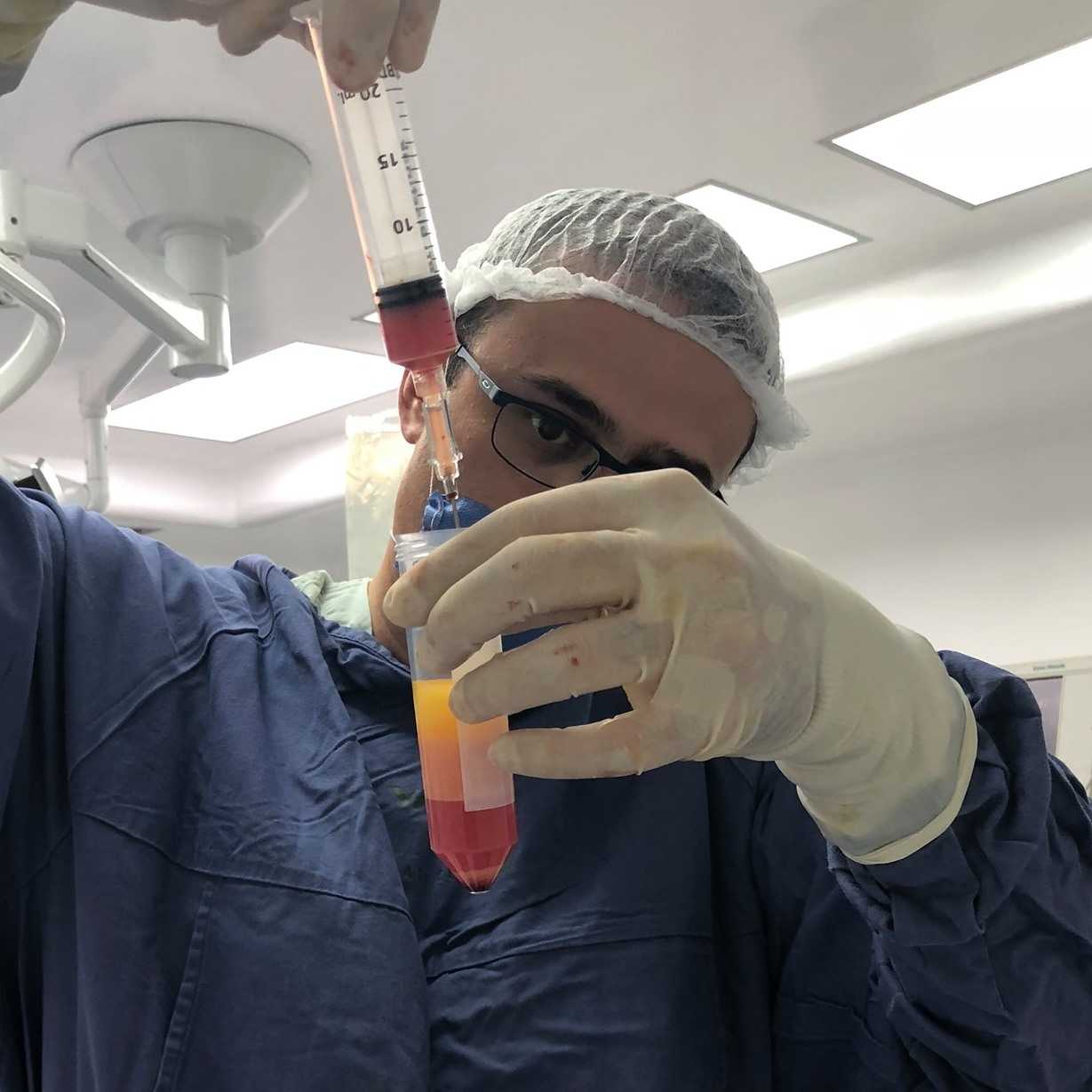
Dr. Jose Manuel Hernandez
Dr. Jose Manuel Hernandez | Orthopedic Surgeon
- Orthopedic surgeon
Puerto Vallarta, Mexico

Dr. Juan Carlos Alvarez Garnier
Dr. Juan Carlos Alvarez Garnier
- Orthopaedic Surgeon
Mexicali, Mexico



Mexico offers several medical-travel routes, and the easiest destination depends on where you live, how comfortably you can travel and how much support you need after surgery. Patients from California, Arizona and other southwestern states may compare northern border destinations. Patients traveling from other parts of the United States or Canada may prefer cities with direct or convenient flight connections.
| Destination option | Typical route | Important comparison point |
|---|---|---|
| Tijuana or Ensenada | Flight to Southern California followed by a coordinated land transfer, or direct travel to the border region. | Confirm wheelchair-accessible transportation and plans for crossing the border after surgery. |
| Guadalajara or Mexico City | Air travel from major cities in the United States, Canada and other regions. | Compare hospital infrastructure, local rehabilitation access and ground-transport distances. |
| Cabo San Lucas or Puerto Vallarta | Air travel from several North American departure cities. | Choose accommodation for accessibility and medical convenience rather than holiday amenities alone. |
Before booking, discuss the following with your orthopedic team:
- How long you should remain near the hospital after discharge.
- Whether a travel companion is medically recommended.
- How you will continue physical therapy after returning home.
- When a long flight or road journey will be medically appropriate.
- Who to contact if you develop fever, wound drainage, calf swelling or breathing difficulty.
Travel safety note: Surgery and prolonged sitting can both increase blood-clot risk. Your surgeon should provide an individualized plan for movement, medication, compression and the timing of your return journey. Do not choose a departure date based only on hotel availability or airfare.
A useful quote should explain the procedure, implant, hospital care, rehabilitation and possible additional charges. Share your medical information with qualified providers, review the written options and discuss your plans with a doctor who understands your health history.Compare the Full Cost Before Choosing
Medical disclaimer: This content is for patient education and cost comparison only. It does not diagnose a condition, determine whether you need knee replacement or replace advice from a licensed orthopedic surgeon. Prices and package details can change and must be confirmed directly in writing.


























Share this listing