
When joint pain or a sports injury severely limits your mobility, facing months of waiting lists or overwhelming healthcare bills at home can feel defeating. Many North American patients now cross the border seeking accessible solutions, but a successful medical trip requires careful planning and a clear understanding of treatment expenses. Choosing a highly qualified provider means looking closely at your projected medical costs and verifying that a surgeon holds active certification from the Consejo Mexicano de Ortopedia y Traumatología and operates in a COFEPRIS-licensed facility. This guide will walk you through the realistic costs, essential credentials to check, and exactly what to expect from your surgical experience.
Quick Answer Summary
- Estimated Cost: Typically ranges between $4,500 and $14,000 USD depending on the specific procedure (e.g., arthroscopy vs. total joint replacement).
- Safety Overview: Generally safe when performed in licensed facilities by board-certified specialists, though all surgeries carry inherent infection and anesthesia risks.
- Ideal Candidate: Individuals with documented joint degeneration, ligament tears, or sports injuries who are healthy enough for travel and surgery.
- Recovery Time: Varies significantly; minor arthroscopy requires a few weeks, while total joint replacements require 3 to 6 months of structured rehabilitation.
- Why Patients Choose Tijuana, Mexico: Proximity to the US border, substantially lower out-of-pocket costs, and access to modern, specialized clinics without long wait times.
- Certifications to Verify: Always look for surgeons certified by the Consejo Mexicano de Ortopedia y Traumatología and facilities licensed by COFEPRIS (Federal Commission for the Protection against Sanitary Risk).
- Important Caution: Never travel immediately after major joint surgery without medical clearance, as long flights or drives can increase the risk of deep vein thrombosis (DVT).
Understanding Sports Medicine and Orthopedic Surgery in Tijuana, Mexico
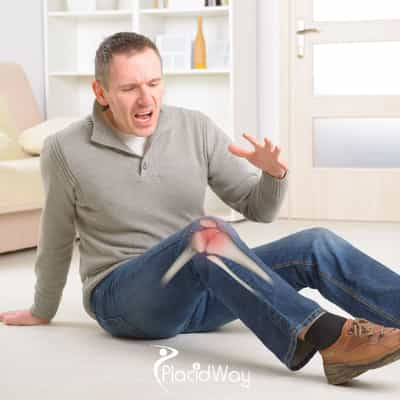
Dealing with chronic joint pain or an acute sports injury affects every aspect of your daily life. Patients often endure limited mobility, disrupted sleep, and a decline in their overall well-being. When the healthcare system in your home country presents barriers—such as exorbitant deductibles or prolonged wait times for specialist consultations—seeking medical care abroad becomes a practical alternative. Orthopedic care encompasses the diagnosis, treatment, and rehabilitation of conditions affecting the musculoskeletal system, including bones, joints, ligaments, tendons, and muscles.
Tijuana has developed into a major hub for cross-border healthcare. The city’s close proximity to San Diego allows patients from the United States and Canada to access specialized medical services conveniently. The primary reasons patients cross the border for these treatments include:
- Substantial savings on out-of-pocket medical expenses.
- Immediate access to diagnostic imaging like MRIs and specialist consultations.
- The availability of modern medical technologies and minimally invasive surgical techniques.
- Convenient geographic location for those living in or flying into Southern California.
- Personalized care in facilities that cater specifically to international medical tourists.
Travel Tip: When planning your trip, coordinate your physical therapy requirements in your home country before you leave. Seamless post-operative care is crucial for optimal healing.
Common Procedures in Sports Medicine and Orthopedic Surgery
The scope of musculoskeletal treatments available across the border is extensive. Patients frequently travel to address degenerative joint diseases like osteoarthritis or to repair injuries sustained through athletic activities. The specific procedure your doctor recommends will depend heavily on diagnostic imaging and your clinical history.
Arthroscopy is one of the most frequently performed minimally invasive procedures. Using a small camera and specialized instruments inserted through tiny incisions, surgeons can diagnose and repair joint issues. This technique is commonly applied to knees, shoulders, and ankles. Because it limits tissue damage, patients typically experience less post-operative pain and a faster return to daily activities compared to open surgery.
Major joint replacement, also known as arthroplasty, is another highly sought-after treatment. When cartilage wears away completely, bone rubs against bone, causing severe pain. Surgeons remove the damaged joint surfaces and replace them with biocompatible prosthetic components made of metal, ceramic, or medical-grade plastic. Total knee replacements and total hip replacements are standard procedures that aim to restore mobility and alleviate chronic pain.
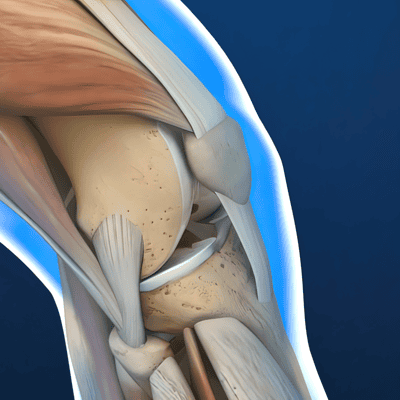
Sports injuries often require ligament reconstruction or tendon repair. The Anterior Cruciate Ligament (ACL) in the knee and the rotator cuff in the shoulder are highly vulnerable to tears. Reconstructive surgery typically involves using a tissue graft to replace a torn ligament, followed by extensive physical therapy to restore strength and range of motion.
| Procedure Category | Common Examples | Typical Surgical Approach |
|---|---|---|
| Diagnostic & Minor Repair | Knee Arthroscopy, Meniscus Trimming | Minimally Invasive (Outpatient) |
| Ligament & Tendon Reconstruction | ACL Repair, Rotator Cuff Repair | Arthroscopic or Mini-Open |
| Joint Replacement | Total Knee, Total Hip Arthroplasty | Open Surgery (Inpatient) |
Why Do Patients Travel for Orthopedic Surgery in Tijuana, Mexico?
The decision to seek healthcare internationally is rarely made lightly. For many patients, the driving factor is a combination of financial necessity and a desire to reclaim their quality of life quickly. In countries with public healthcare systems like Canada, non-emergency orthopedic surgeries often come with wait lists spanning several months or even years. During this waiting period, a patient's condition may deteriorate, leading to further joint damage and muscle atrophy.
In the United States, patients frequently face a different challenge: high financial barriers. Even with health insurance, deductibles, co-pays, and out-of-network charges for specialized surgical care can total tens of thousands of dollars. The comprehensive packages offered by medical facilities across the border often include the surgeon's fee, anesthesiologist, operating room, medical supplies, and initial hospital recovery, providing financial predictability.
Beyond cost and time, the proximity of the border is a major draw. Patients can fly into San Diego International Airport and cross the border via medical fast passes or dedicated shuttle services. This logistical ease allows patients to bring a travel companion for support without the stress of an intercontinental flight. Many international clinics in the region employ bilingual staff and medical coordinators who assist with the entirety of the patient's journey, from initial virtual consultations to coordinating ground transportation.
Evaluating the Cost of Sports Medicine and Orthopedic Surgery in Tijuana, Mexico
Understanding the financial aspects of medical tourism requires looking beyond the base price. While the costs are significantly lower than in the United States, patients must budget for travel, accommodation, and post-operative needs. It is critical to request a transparent, itemized quote from your chosen provider to understand exactly what is included in your surgical package.
A comprehensive quote should detail hospital fees, surgical team fees, anesthesia, standard implants or grafts, pre-operative testing, and the initial hospital stay. However, patients should also account for potential extra costs. These can include specialized diagnostic imaging if previous MRIs are outdated, upgraded prosthetic implants, extended hotel stays for initial recovery, and physical therapy sessions once returning home.
| Procedure | Estimated Cost in USA (USD) | Estimated Cost in Mexico (USD) |
|---|---|---|
| Knee Arthroscopy | $7,000 - $15,000 | $2,500 - $4,500 |
| ACL Reconstruction | $20,000 - $35,000 | $4,500 - $6,500 |
| Total Knee Replacement | $30,000 - $55,000 | $7,500 - $12,000 |
| Total Hip Replacement | $35,000 - $60,000 | $8,000 - $13,000 |
Financial Warning: Always confirm which type of implant is included in the quoted price. Premium implants made of specific durable materials may incur additional fees. Ensure these details are confirmed in writing prior to travel.
How to Verify Surgeons for Orthopedic Surgery in Tijuana, Mexico
Your safety and surgical outcome depend heavily on the expertise of your surgeon. When traveling internationally, you cannot rely solely on marketing materials to evaluate medical competence. You must actively verify the credentials of the doctor performing your procedure. First and foremost, verify that the surgeon is licensed to practice medicine in the country by checking for a valid Cédula Profesional (professional license) issued by the national government.
Specialty board certification is the most critical quality indicator. You should look for a surgeon who is actively certified by the Consejo Mexicano de Ortopedia y Traumatología (Mexican Council of Orthopedics and Traumatology). This certification ensures that the physician has completed rigorous specialized training and stays updated with modern surgical protocols. Additionally, membership in recognized medical societies, such as the Federación Mexicana de Colegios de Ortopedia y Traumatología (FEMECOT), demonstrates a commitment to professional standards.
When interviewing a potential surgeon during an initial consultation, ask specific questions about their experience. Inquire about their annual case volume for your exact procedure, their complication rates, and their protocol for managing post-operative infections. A trustworthy medical professional will answer these questions clearly and will not guarantee a "risk-free" outcome.
Must-Ask Questions
- Are you certified by the national orthopedics board?
- How many times per year do you perform this specific surgery?
- What is the surgical plan if a complication arises?
Red Flags
- Unwillingness to provide license numbers.
- Pressuring you into an immediate surgical booking.
- Claiming the procedure is completely without risks.
Choosing the Right Hospital for Sports Medicine in Tijuana, Mexico
The facility where your surgery takes place is just as important as the surgeon performing it. Medical infrastructure can vary, so patients must prioritize hospitals or specialized clinics that operate under strict regulatory oversight. The baseline requirement for any medical facility in the region is a valid operating license from COFEPRIS (Comisión Federal para la Protección contra Riesgos Sanitarios), the federal health regulatory agency.
Beyond basic licensing, evaluate the hospital's capabilities for handling major surgical procedures. Orthopedic surgeries, particularly joint replacements, require sterile environments to prevent infections. Ask if the facility has specialized orthopedic operating theaters with laminar air flow systems. Additionally, ensure the hospital has an on-site Intensive Care Unit (ICU) or immediate access to emergency transfer protocols in the rare event of a severe surgical complication.
National accreditation by the Consejo de Salubridad General (CSG) is a strong indicator of high hospital quality, as it mirrors many of the standards set by international accrediting bodies. While international accreditations like the Joint Commission International (JCI) are prestigious, they are not mandatory for a facility to be safe. Many highly reputable and safe clinics operate strictly under rigorous national regulations. Always confirm that the hospital provides 24-hour nursing care and has clear protocols for post-operative pain management.
Patient Demographics for Orthopedic Surgery in Tijuana, Mexico
Understanding who travels for medical care can provide context for your own decision-making process. Recent cross-border healthcare data from 2024–2026 highlights a consistent pattern in patient demographics seeking musculoskeletal treatments. The majority of these medical tourists originate from the United States, particularly from California, Texas, Arizona, and Nevada. However, a growing number of patients from Canada are also traveling to bypass prolonged waiting lists in their provincial health systems.
The age distribution of these patients correlates strongly with the type of procedure sought. Younger patients, typically between 25 and 45 years old, frequently seek care for sports-related injuries such as ACL tears, meniscus damage, or shoulder dislocations. Conversely, patients aged 55 and older predominantly travel for degenerative conditions, most notably osteoarthritis, requiring partial or total joint replacement surgeries.
Age Distribution of Cross-Border Orthopedic Patients (2024 Data)
Percentage of medical tourists by age group seeking musculoskeletal procedures.
Additionally, clinical data from 2025 emphasizes the focus on post-operative mobility. Advancements in minimally invasive techniques have allowed patients to begin rehabilitation much sooner after surgery. Restoring functionality is the primary clinical motivation, driving patients to carefully plan their post-operative physical therapy both while abroad and upon returning home.
Average Patient Mobility Recovery Index Post-Surgery (2025 Data)
Tracking functional mobility improvements over 12 months for joint replacement patients.
Preparing for Orthopedic Surgery in Tijuana, Mexico
Thorough preparation before leaving your home country can significantly reduce stress and improve your surgical outcome. The process begins with obtaining detailed medical clearances. Your cross-border surgeon will require recent imaging (such as X-rays or MRIs taken within the last 3 to 6 months) and a comprehensive medical history to ensure you are a suitable candidate. You may also need cardiovascular and blood tests performed by your local physician to confirm you are healthy enough for general or regional anesthesia.
Organizing your medical records is a crucial step. Request digital copies of all relevant lab results and doctor’s notes, and ensure they are securely shared with your chosen clinic ahead of your arrival. It is equally important to prepare your home environment for your return. For instance, if you are undergoing hip or knee surgery, remove tripping hazards at home, install grab bars in the bathroom, and arrange your living space so you can avoid stairs during the initial recovery phase.
| Timeline | Preparation Task |
|---|---|
| 4-6 Weeks Prior | Send MRIs/X-rays, complete virtual consultation, obtain primary care clearance. |
| 2-3 Weeks Prior | Stop certain medications (e.g., blood thinners) as directed by the surgeon. |
| 1 Week Prior | Pack loose clothing, mobility aids (crutches/walker), and confirm travel logistics. |
The Surgical Experience for Orthopedic Procedures in Tijuana, Mexico
Knowing what to expect upon arrival can help alleviate pre-surgery anxiety. Once you cross the border and arrive at the hospital, you will typically undergo a final in-person consultation. During this meeting, the surgeon will physically examine the joint, review the surgical plan, and explain the expected outcomes and risks. You will also meet with the anesthesiologist to discuss whether general anesthesia or a regional nerve block will be utilized based on your health profile and the procedure type.
On the day of surgery, you will be prepped in a sterile environment. The biological process of the surgery depends on the condition being treated. For joint replacements, the surgeon carefully removes damaged bone and cartilage, inserting the prosthetic implant using precise alignment tools. For arthroscopic repairs, small incisions are made to insert the camera and repair torn tissues. The surgical team continually monitors your vital signs throughout the operation.
Immediately after the procedure, you will be moved to a recovery room where medical staff will monitor you as you wake up from anesthesia. Pain management protocols are initiated immediately. Depending on the complexity of the surgery, you may stay in the hospital for a few hours (for minor arthroscopy) or several days (for total joint replacement) under close medical supervision.
Recovery and Post-Operative Care in Tijuana, Mexico
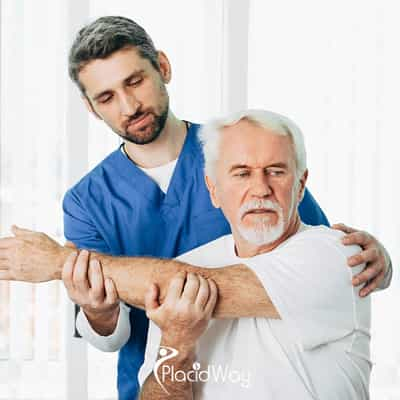
The initial phase of recovery is arguably the most critical part of your medical journey. After orthopedic surgery, early mobilization is often encouraged to prevent blood clots and reduce joint stiffness. A physical therapist in the hospital will typically assist you in standing or taking your first steps using a walker or crutches within 24 hours of a major joint replacement.
Patients are usually advised to remain in the local area for several days to a couple of weeks before traveling home. This allows the surgical team to monitor the incision site for signs of infection, manage pain levels, and ensure you are physically capable of handling a journey. Your doctor will provide explicit instructions regarding wound care, medication schedules, and restricted movements (such as avoiding bending past a certain angle after hip surgery).
| Recovery Phase | Clinical Milestone | Action Required |
|---|---|---|
| Days 1-3 | Initial pain management, wound monitoring, first steps with support. | Rest, use ice therapy, follow medication schedule strictly. |
| Weeks 1-4 | Reduction in swelling, tissue healing, initiation of physical therapy. | Attend local PT sessions, avoid prolonged sitting or standing. |
| Months 2-6 | Implant integration, restoration of muscle strength and joint flexibility. | Commit to long-term physical therapy, gradually increase activity. |
Patient Takeaway: Surgery only accounts for half of the outcome; strict adherence to your physical therapy protocol is required to achieve full mobility and strength.
Risks and Safety Considerations for Orthopedic Surgery in Tijuana, Mexico
All surgical procedures carry inherent risks, regardless of where they are performed. It is essential to approach your decision with a clear understanding of potential medical complications. The most significant risks associated with orthopedic surgery include surgical site infections, adverse reactions to anesthesia, and deep vein thrombosis (DVT). An infection deep within a replaced joint is a severe complication that can necessitate further surgeries or implant removal.
To mitigate these risks, certified medical facilities adhere to rigorous sterilization protocols. Surgeons typically administer prophylactic antibiotics before and after the procedure. To prevent DVT—a blood clot that can form in the legs during periods of inactivity—doctors may prescribe blood-thinning medications and recommend the use of compression stockings. Early mobilization is also a key strategy in preventing blood clots.
When traveling for medical care, the risk of DVT can be slightly elevated due to long flights or car rides. Your surgeon will evaluate this risk and provide specific travel clearance guidelines. You may be advised to take frequent breaks to walk and stretch during your journey home. Always be vigilant for warning signs such as sudden shortness of breath, severe chest pain, or abnormal swelling and redness in the calf, and seek emergency medical help if they occur.
Navigating the Border for Sports Medicine in Tijuana, Mexico
Logistical planning for border crossing is a unique aspect of choosing this destination for healthcare. Depending on your entry point, you can cross by foot, drive your own vehicle, or utilize a transportation service provided by your clinic. For US and Canadian citizens, a valid passport is required to cross the border and re-enter your home country. Ensure your travel documents are up to date well before your scheduled surgery date.
Many reputable clinics offer medical fast passes (Pase Médico) for patients driving back into the United States. This pass allows you to use a designated medical lane at the San Ysidro or Otay Mesa border crossings, significantly reducing wait times and making the return journey more comfortable for someone who has just undergone surgery. If your clinic provides a medical shuttle, their experienced drivers will handle the navigation and border protocols.
It is highly recommended that you travel with a trusted companion. Having someone to assist with carrying luggage, managing travel documents, and providing support during your initial recovery provides peace of mind. Your clinic’s patient coordinator can often assist in arranging nearby accommodations that are fully accessible and equipped for post-surgical patients.
Long-Term Outcomes of Orthopedic Surgery in Tijuana, Mexico
The ultimate goal of joint surgery or sports medicine repair is to restore a pain-free, active lifestyle. When procedures are performed correctly and followed by diligent rehabilitation, the long-term outcomes are generally excellent. Prosthetic implants for knees and hips used by certified surgeons are typically sourced from global medical device manufacturers and can last 15 to 20 years, depending on the patient's activity level and body weight.
For sports injuries like ACL reconstruction, the restored ligament gradually integrates and strengthens over several months. Many patients return to their desired level of athletic activity within 9 to 12 months. However, maintaining a healthy weight and staying active through low-impact exercises (like swimming or cycling) are crucial factors in extending the lifespan of the repair or implant.
Continuity of care is vital for monitoring your progress over the years. Even if your surgery was performed abroad, you must establish a relationship with a local orthopedic specialist or physical therapist in your home country. Routine follow-up X-rays, usually taken annually or bi-annually, help detect any early signs of implant loosening or joint wear, ensuring that your mobility is preserved for the long term.
Frequently Asked Questions About Orthopedic Surgery in Tijuana, Mexico
Addressing common concerns helps clarify the medical travel experience. Below are answers to questions patients frequently ask when researching musculoskeletal treatments across the border.
Is orthopedic surgery in Tijuana, Mexico safe?
Safety depends on choosing a properly licensed facility and a board-certified surgeon. When care is received in COFEPRIS-licensed clinics under the guidance of surgeons certified by the national medical council, safety standards are comparable to those in the US. However, all surgeries carry standard medical risks.
How long should I stay in the area after a knee replacement?
For a major procedure like total knee replacement, surgeons typically recommend staying locally for 7 to 14 days post-surgery. This allows the medical team to monitor your initial recovery, manage pain, ensure the wound is healing, and clear you safely for travel.
Will my home insurance cover sports medicine in Tijuana, Mexico?
Most standard US and Canadian health insurance policies do not cover planned medical care received internationally. Patients usually pay out-of-pocket, though the significantly lower overall costs often make it an affordable alternative to domestic deductibles.
What type of implants do cross-border surgeons use?
Reputable orthopedic surgeons use FDA-approved or internationally recognized medical-grade implants from major global manufacturers. Always ask your surgeon to specify the exact brand and material of the prosthesis during your consultation.
Can I fly immediately after orthopedic surgery?
No, flying immediately after joint surgery is strongly discouraged due to the elevated risk of deep vein thrombosis (DVT) and blood clots. Your surgeon will provide specific travel clearance, usually requiring a waiting period of several days to weeks.
How do I arrange physical therapy after returning home?
You should schedule appointments with a local physical therapist in your home country before you travel for surgery. Your international surgeon will provide a detailed surgical report and rehabilitation protocol to guide your local therapist.
What credentials should my orthopedic surgeon hold?
Your surgeon should hold a valid medical license (Cédula Profesional) and be board-certified by the Consejo Mexicano de Ortopedia y Traumatología. Membership in professional societies is also a strong indicator of expertise.
Are hidden costs common for medical tourists?
Hidden costs can occur if you do not request a fully itemized quote. Ensure your estimate clearly outlines what is included (surgery, anesthesia, hospital stay, standard implant) and what is excluded (travel, hotel, extended stays, upgraded implants).
Is a companion necessary for my medical trip?
While some patients travel alone for minor procedures, bringing a trusted travel companion is highly recommended for major orthopedic surgeries to assist with luggage, border crossing logistics, and emotional support during the initial recovery.
What happens if there is a surgical complication?
Reputable facilities have protocols in place for medical emergencies, including access to an ICU. Discuss complication management and revision policies with your surgeon beforehand, and consider purchasing specialized medical complications insurance for travel.
Take the Next Step in Your Healthcare Journey
Finding the right specialist for your joint repair or replacement requires careful research and verified information. PlacidWay can help you compare board-certified surgeons, review facility credentials, and understand transparent treatment costs.
Disclaimer
Disclaimer: This information is for educational purposes only and does not replace professional medical advice. Always consult a qualified healthcare provider before making medical decisions.
References
- Comisión Federal para la Protección contra Riesgos Sanitarios (COFEPRIS) - Government of Mexico
- Consejo Mexicano de Ortopedia y Traumatología - CMOT
- Federación Mexicana de Colegios de Ortopedia y Traumatología - FEMECOT
- Medical Tourism Travel Information - Centers for Disease Control and Prevention (CDC)
- Total Knee Replacement Patient Education - American Academy of Orthopaedic Surgeons (AAOS)
- Patient Safety Guidelines - World Health Organization (WHO)




















Share this listing