Hip Replacement in Cabo San Lucas, Mexico – Check Prices and Reviews!

Publish date: Modified date: Medically reviewed by: Dr. Raul Valenzano on Sep 09, 2026 Author: Usama Ahmad

Experience Price

$16,000 Price starting from
Hip Replacement in Cabo San Lucas, Mexico – Check Prices and Reviews!

Contents

When hip pain makes walking, sleeping, climbing stairs, or getting in and out of a car increasingly difficult, total hip replacement may become an option to discuss with an orthopedic specialist. For those considering total hip replacement in Cabo San Lucas, important questions include whether the procedure is appropriate, what the treatment may cost, and how recovery will be managed away from home.

Before booking, confirm the hospital, surgeon’s credentials, implant details, facility authorization, treatment inclusions, rehabilitation plan, emergency arrangements, and follow-up care. Comparing these details can help you decide whether treatment in Cabo San Lucas fits your medical and travel needs.

A package may combine professional fees, anesthesia, the implant, operating-room services, hospital accommodation, medicines, and early physiotherapy. However, package definitions vary. Ask whether the quote is for one hip, total or partial replacement, and the exact implant and hospital campus involved.

Also confirm the number of hospital nights, preoperative tests, postoperative reviews, transfers, hotel support, and rehabilitation. Ask what happens if you need extra nights, readmission, intensive care, treatment for another condition, or revision surgery.

Compare the packages below by medical scope, inclusions, exclusions, and aftercare rather than by the headline price.
`

Total hip replacement in Cabo San Lucas is shown in a published planning range of approximately US$16,500. This figure should be checked again because prices, package scope, currency, and provider arrangements can change.

Request a written, itemized estimate covering the surgeon, anesthesiologist, implant manufacturer and model, hospital, tests, medicines, physiotherapy, accommodation, transfers, taxes, and possible additional charges. Do not compare a facility-only fee with an all-inclusive surgical quotation.

Compare the costs below together with the complete travel budget, rehabilitation needs, and complication policy.

Hip Replacement Surgery Partial or Total Cost Comparison in Mexico

Country Procedure Price
United States Hip Replacement Surgery Partial or Total, Orthopedic/Knee Surgery $45000

First identify where the operation will actually occur. A consultation office or medical coordinator may not be the surgical hospital. Ask for the facility’s legal name, exact address, current sanitary authorization, emergency capability, intensive-care access, infection-control process, and arrangements for urgent transfer.

If the provider mentions accreditation or certification, request the issuing organization, certificate date, scope, and covered address. Accreditation may show that systems have been assessed, but it does not guarantee a particular outcome or remove the need to verify the surgeon.

Compare the clinics below by authorization, safety systems, operating location, implant records, and follow-up arrangements.

Videos can make the process easier to picture, including consultation, hospital admission, walking aids, physiotherapy, and discharge. Prefer videos that identify the provider, facility, procedure, and date.

Be cautious with videos that promise identical results, focus only on dramatic testimonials, or avoid discussing risks and follow-up. A patient story describes one experience; it does not establish that the same operation is appropriate for you.

Compare the videos below with written clinical information and a direct consultation.

Reviews may help you assess communication, scheduling, transportation, language support, hospital routines, discharge instructions, and responses to questions after treatment.

They do not replace clinical evidence. Reviewers may have different diagnoses, implants, ages, health conditions, rehabilitation plans, and follow-up periods. Separate comments about hospitality from information about medical results.

Compare the reviews below for recurring practical patterns, while verifying the surgeon, hospital, and treatment plan independently.

How much does hip replacement cost in Cabo San Lucas?

A published planning range for total hip replacement in Cabo San Lucas is approximately US$13,500–US$16,500. The final amount may change with the implant, hospital, anesthesia, testing, rehabilitation, length of stay, medical conditions, and additional care. Request an itemized quotation before booking.

Who may be a candidate for hip replacement in Cabo?

Patients with persistent pain, stiffness, and reduced function caused by significant hip damage may be evaluated. The surgeon should review imaging, symptoms, previous treatment, general health, medicines, and ability to complete rehabilitation. Age alone does not determine candidacy.

What is replaced during total hip replacement in Mexico?

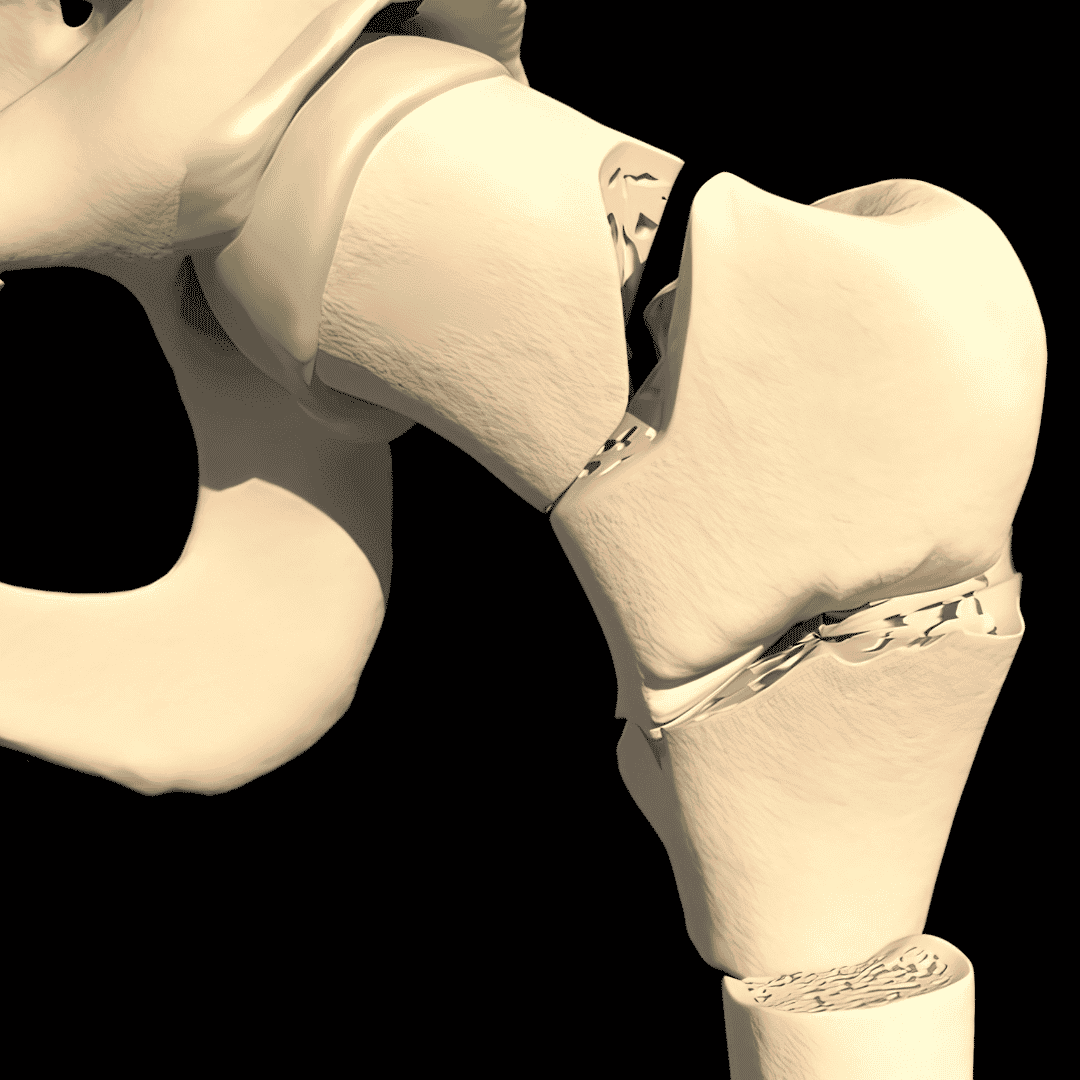
The damaged femoral head and the damaged surface of the hip socket are replaced with prosthetic components. The implant may include a stem, ball, cup, and liner. Materials and fixation methods vary according to anatomy, bone quality, diagnosis, and surgical judgment.

How can I verify a hip replacement hospital in Cabo?

Ask for the hospital’s legal name, exact operating address, current sanitary authorization, emergency services, infection-control process, and intensive-care arrangements. If accreditation is mentioned, request the current certificate and confirm that it applies to the facility where your surgery will occur.

How can I verify a hip replacement surgeon in Cabo San Lucas?

Request the surgeon’s full name, professional license information, orthopedic specialty credentials, hospital privileges, and experience with primary and revision hip replacement. Confirm that the doctor you consult is the doctor scheduled to operate and ask who will provide follow-up care.

What should a Cabo hip replacement package include?

A package may include professional fees, anesthesia, the implant, hospital services, routine tests, medicines, and initial physiotherapy. Confirm hospital nights, transfers, hotel support, extra care, complications, readmission, flights, and home follow-up in writing.

How long should I stay in Cabo after hip replacement?

The required stay depends on mobility, pain control, wound healing, medical history, rehabilitation progress, and travel distance. A package timetable is not a medical instruction. The surgeon should decide when you are ready for discharge, local accommodation, and the return journey.

Can I fly home soon after hip replacement in Cabo?

Travel timing must be individualized because surgery, reduced mobility, and prolonged sitting can increase blood-clot risk. Obtain written clearance after the surgeon reviews your wound, mobility, medicines, and personal risk. Arrange wheelchair assistance and avoid lifting luggage.

What risks should I discuss before hip replacement in Mexico?

Discuss infection, blood clots, bleeding, dislocation, fracture, nerve or blood-vessel injury, leg-length difference, stiffness, persistent pain, implant loosening, and possible revision surgery. Ask how the Cabo provider manages emergencies and who pays for unexpected treatment.

How will follow-up work after I return home from Cabo?

Before leaving Mexico, obtain the operative report, implant information, imaging, discharge summary, medicine list, wound instructions, physiotherapy plan, warning signs, and surgeon contact details. Confirm how the Mexican team will communicate with your local doctor or therapist after you return.

How much does Hip Replacement Surgery Partial or Total cost in Los Cabos, Mexico?

The estimated cost for a partial or total hip replacement in Los Cabos, Mexico, typically ranges from $12,000 to $18,000. Final prices vary depending on whether the procedure is partial or total, the type of implant used, and the specific medical facility chosen. For many patients struggling with severe joint pain, traveling abroad for orthopedic care has become an increasingly viable option. Finding access to affordable, high-quality care can be challenging in regions with high healthcare costs or long public waitlists. As a result, seeking a hip replacement surgery partial or total in Los Cabos, Mexico has emerged as a popular choice for North American patients seeking both medical attention and a calm recovery environment. When evaluating hip replacement surgery partial or total cost in Los Cabos, Mexico, it is crucial to look beyond just the price tag. Patients must carefully consider the quality of medical facilities, the experience of the surgeons, the safety of travel, and the vital steps required for post-operative recovery. This comprehensive guide provides detailed information on what to expect, helping you and your primary healthcare provider make an informed decision about orthopedic medical travel. Key Takeaways The estimated cost for hip replacement in Los Cabos ranges from $12,000 to $18,000, often resulting in significant savings compared to US prices. Procedures can be either partial (replacing only the femoral head) or total (replacing both the femoral head and the acetabulum socket). Patients typically need to stay in Los Cabos for 10 to 14 days to recover sufficiently before it is safe to fly. Top-tier facilities utilize internationally recognized implant brands (e.g., FDA-approved or CE-marked materials). You must coordinate with a local physician in your home country for ongoing physical therapy and follow-up care. What is the difference between partial and total hip replacement? A partial hip replacement replaces only the ball of the femur, while a total hip replacement replaces both the femoral ball and the pelvic socket. The hip is a ball-and-socket joint. In a healthy hip, the femoral head (the ball) rotates smoothly within the acetabulum (the socket), cushioned by cartilage. When disease or injury damages this joint, mobility becomes severely restricted and painful. The decision to perform a partial versus a total replacement depends entirely on the extent and location of the damage. A partial hip replacement (hemiarthroplasty) is often recommended for patients who have suffered a fracture to the neck of the femur, but whose acetabular socket remains healthy. By only replacing the damaged femoral head with a prosthetic, the surgeon preserves the natural socket. This procedure is common following traumatic falls, particularly in older adults with otherwise healthy joint cartilage. Conversely, a total hip replacement (total hip arthroplasty) is the standard treatment for degenerative joint diseases, such as advanced osteoarthritis or rheumatoid arthritis. Because these conditions wear down the cartilage across the entire joint, both the ball and the socket must be replaced. The surgeon implants a prosthetic cup into the pelvis and a metal or ceramic ball into the femur to recreate a smoothly functioning joint. What factors influence the cost of a hip replacement in Los Cabos? The final price depends on the type of surgery, the materials of the implant, hospital fees, and the length of your inpatient stay. While the estimated cost of $12,000 to $18,000 provides a helpful baseline, individual quotes can vary significantly. One of the primary drivers of cost is the implant itself. Prosthetics made from advanced materials, such as ceramic-on-ceramic or highly cross-linked polyethylene, tend to cost more than standard metal-on-polyethylene implants, though they may offer increased longevity. Other important variables include the surgeon’s level of expertise and the hospital's facilities. Opting for a heavily credentialed orthopedic specialist or a hospital with advanced robotic-assisted surgical technology will typically increase the price. Furthermore, a total hip replacement usually requires more operating time and more expensive materials than a partial replacement. Important Consideration: When reviewing a quote from a hip replacement surgery partial or total clinic in Los Cabos, Mexico, ask for a detailed breakdown. Verify whether the quote includes pre-operative testing, anesthesia, hospital room nights, basic post-operative medications, and initial physical therapy sessions. Travel, accommodation, and extended physical therapy are almost always separate expenses. Are the hip implants used in Mexico the same quality as those in the US or Canada? Reputable orthopedic clinics in Mexico use internationally recognized, FDA-approved or CE-marked implants sourced from major global medical manufacturers. A common concern among medical tourists is the quality of the medical hardware being permanently placed in their bodies. Leading private hospitals in Los Cabos typically source their orthopedic implants from the exact same global manufacturers that supply hospitals in the United States, Canada, and Europe. Brands such as Zimmer Biomet, DePuy Synthes, and Stryker are widely utilized. These modern implants are rigorously tested and generally constructed from durable materials like titanium, cobalt-chromium alloys, and advanced ceramics. Because your body will rely on this joint for years, it is perfectly acceptable—and encouraged—to ask your prospective surgeon exactly which brand and model of implant they intend to use. You can then research these specific components independently or discuss them with your local doctor. Is it safe to travel to Los Cabos for orthopedic surgery? Los Cabos is generally considered a safe destination for medical tourists, but undergoing major surgery inherently carries medical risks that require careful planning and professional oversight. When evaluating safety, patients must consider both the geographic location and the medical protocols. Geographically, Los Cabos is a well-established international tourist destination with a strong infrastructure designed to support foreign visitors. The private medical sectors catering to international patients often have high security and rigorous patient care standards. Medically, however, no surgery is entirely free of risk. Medical tourism in Los Cabos, Mexico requires careful vetting of the facilities. To maximize medical safety, look for hospitals that maintain high standards of sterilization and patient care. Some private hospitals achieve accreditation from the Consejo de Salubridad General (CSG), the Mexican equivalent of the Joint Commission, while others may hold international accreditations. A safe medical journey relies on selecting an appropriately certified facility and closely following all pre- and post-operative instructions. How do I choose a reliable clinic and surgeon for my procedure? A reliable choice involves verifying the surgeon's board certifications, reviewing their clinical experience, and ensuring the hospital meets recognized safety standards. Selecting the right medical provider requires diligent research. You should not base your decision solely on the lowest price. Start by examining the surgeon’s credentials. They should be a board-certified orthopedic surgeon in Mexico, and many top surgeons also hold memberships in international organizations, such as the American Academy of Orthopaedic Surgeons (AAOS) or the International Society of Orthopaedic Surgery and Traumatology (SICOT). When communicating with a prospective clinic, ask detailed questions about their facilities and experience. Helpful inquiries include: How many partial and total hip replacements does the surgeon perform annually? What is the hospital's rate of post-operative infection? Are there on-site intensive care units (ICU) in case of an emergency? Do they provide comprehensive post-operative physical therapy while you remain in the country? What is the typical recovery timeline after a hip replacement? Initial recovery requires 2 to 4 days in the hospital, followed by several weeks of assisted walking, with full recovery often taking 3 to 6 months. Recovery from a major joint replacement is a gradual process that requires commitment to physical therapy. Generally, patients spend the first 2 to 4 days post-surgery in the hospital. During this time, pain management is closely monitored, and physical therapists will help you stand and take your first steps, usually utilizing a walker or crutches. Early mobility is vital for preventing blood clots and joint stiffness. After discharge from the hospital, you will spend the next several weeks gradually increasing your activity levels. Most patients transition from a walker to a cane within 3 to 4 weeks, depending on their individual healing progress and overall health. While many individuals can return to light, low-impact daily activities within 6 to 8 weeks, the complete integration of the implant and full restoration of muscle strength can take anywhere from 3 to 6 months, and sometimes up to a year. Am I a good candidate for this type of joint surgery? Suitable candidates typically suffer from severe, debilitating hip pain that no longer responds to conservative treatments like medication or physical therapy. Hip replacement surgery is generally considered a major, elective procedure, meaning it is typically only recommended when all other non-surgical options have been exhausted. An orthopedic surgeon will usually suggest this intervention if you experience chronic hip pain that severely limits everyday activities such as walking, bending, or sleeping. Conditions that frequently necessitate this surgery include advanced osteoarthritis, rheumatoid arthritis, post-traumatic arthritis, and avascular necrosis (loss of blood supply to the bone). However, not everyone is an immediate candidate. Factors that may complicate or temporarily disqualify you from surgery include active infections, severe cardiovascular disease, extreme obesity, or significant osteoporosis (which may prevent the bone from properly supporting the implant). A thorough medical evaluation, including X-rays and blood tests, is essential to confirm that your body can handle the stress of surgery and the demands of rehabilitation. What are the potential risks and complications? Like all major surgeries, hip replacements carry risks, including infection, blood clots, implant dislocation, and changes in leg length. While hip arthroplasty is generally considered a highly effective procedure for appropriately selected patients, it is vital to understand the inherent medical risks. One of the most serious immediate concerns is the formation of deep vein thrombosis (DVT), a blood clot in the leg that can travel to the lungs (pulmonary embolism). To mitigate this, surgeons usually prescribe blood thinners and require patients to wear compression stockings and mobilize early. Other potential complications include infections at the incision site or deeper around the prosthesis. In severe cases, a deep infection may necessitate further surgery to remove and replace the implant. Additionally, there is a risk of the new joint dislocating, especially during the first few months of recovery before the surrounding muscles have fully healed. Some patients also report a slight discrepancy in leg lengths post-surgery, which can often be managed with a simple shoe insert. Always discuss these risks in detail with your surgeon prior to giving consent. How long should I plan to stay in Los Cabos after surgery? Patients should expect to stay in Los Cabos for approximately 10 to 14 days total to allow for hospitalization, initial recovery, and medical clearance before flying. Proper logistical planning is essential for a safe medical trip. After being discharged from the hospital, you will not be ready to immediately board an airplane. Sitting in a cramped airline seat for hours shortly after joint surgery drastically increases the risk of blood clots. Therefore, surgeons strongly advise remaining in the local area for an extended recovery period. Typically, a 10 to 14-day timeline looks like this: You arrive a day or two before surgery for final pre-operative consultations and lab work. You spend 2 to 4 days recovering in the hospital. The remaining days are spent resting in a comfortable, accessible hotel or recovery retreat nearby. During this time, you will likely attend follow-up appointments where the surgeon will check your incision, remove sutures if necessary, and ultimately provide the medical clearance required for you to travel home safely. How do I handle follow-up care once I return home? You must establish a care plan with a local primary care physician or orthopedic specialist in your home country before traveling abroad. The success of your hip replacement relies heavily on what you do after you return home. Continuous, monitored physical therapy is essential to regain strength, flexibility, and proper gait. Because your Mexican surgeon will be thousands of miles away, it is imperative to arrange a local support system beforehand. Before you travel, speak with your local general practitioner or an orthopedic specialist and inform them of your plans. Bring back all medical records, operative reports, implant device cards, and post-operative X-rays provided by your clinic in Los Cabos. In the event you experience symptoms of complication—such as sudden swelling, persistent fever, severe pain, or redness around the incision—you must have a local medical professional ready to evaluate and treat you without delay. Why Choose PlacidWay for Medical Tourism in Los Cabos? PlacidWay is a medical tourism platform designed to help patients research and connect with international healthcare providers. Here is how PlacidWay assists in your medical journey: Information Access: Provides access to detailed clinic profiles, facility photos, and doctor credentials to aid in your independent research. Cost Comparisons: Allows patients to view and compare estimated treatment costs across multiple destinations, including Los Cabos. Direct Communication: Offers a secure platform to request direct quotes and information from international medical facilities. Global Network: Connects patients with a wide directory of international healthcare providers. Educational Resources: Features patient reviews, articles, and testimonials to help you better understand the medical travel process. Frequently Asked Questions Will my home health insurance cover hip surgery in Los Cabos? Most standard US or Canadian health insurance plans do not cover elective procedures performed outside their network or abroad. However, some specialized medical tourism insurance policies or self-funded employer plans may offer partial reimbursement. You should always verify coverage directly with your insurance provider before traveling. Do orthopedic surgeons and medical staff in Los Cabos speak English? Yes, because Los Cabos is a prominent destination for international patients, many board-certified orthopedic surgeons, nurses, and patient coordinators in private medical facilities speak fluent English to ensure clear communication regarding your treatment and recovery. Can I get both hips replaced at the same time in Mexico? Bilateral hip replacement (replacing both hips simultaneously) is sometimes an option for younger, healthy patients without severe underlying medical conditions. However, it carries higher risks of blood loss and complications, so a surgeon must carefully evaluate your medical history to determine if it is appropriate for you. What type of anesthesia is typically used for hip replacement? Orthopedic surgeons typically use either general anesthesia (where you are completely unconscious) or regional anesthesia, such as a spinal or epidural block, often combined with a sedative. The anesthesiologist will recommend the safest option based on your overall health and the specific surgical plan. How soon can I fly home after a hip replacement in Mexico? Patients are generally advised to wait 10 to 14 days after surgery before taking an international flight. Flying too soon increases the risk of deep vein thrombosis (DVT) and blood clots. Your surgeon will need to provide medical clearance before you are allowed to fly. Are there hidden fees in the quoted surgery costs? Reputable clinics usually provide comprehensive estimates that include the surgeon's fee, hospital stay, anesthesia, and standard implants. However, costs can increase if you require specialized implants, extended hospital stays, treatment for unexpected complications, or pre-operative cardiac clearance tests not included in the initial quote. Do I need a passport or visa for medical travel to Los Cabos? Yes, if you are traveling from the United States, Canada, or Europe, you will need a valid passport to enter Mexico by air. Most North American and European citizens do not require a special medical visa for stays under 180 days, but you should verify current entry requirements with the Mexican consulate. What happens if I experience a complication after returning home? If a complication arises after returning home, you should immediately seek care from a local physician or emergency room. It is vital to establish a relationship with a local healthcare provider before traveling to Mexico, so they are prepared to handle your post-operative monitoring and any unexpected issues. Will I need physical therapy while still in Mexico? Yes, physical therapy usually begins the day after surgery while you are still in the hospital. The local physical therapy team will teach you how to stand, walk with aids, and perform basic strengthening exercises. You will need to continue this therapy regimen once you return home. Can a companion stay with me in the hospital during recovery? Many private hospitals in Los Cabos that cater to international patients offer private rooms with sleeping accommodations, such as a sofa bed, for one adult companion. You should confirm the hospital's specific visitor and overnight guest policies prior to your admission. Compare Treatment Options Discover more about the medical facilities, compare estimated costs, and gather the information you need to make an informed decision regarding orthopedic care abroad. Request Treatment Information References Total Hip Replacement – American Academy of Orthopaedic Surgeons (AAOS) Hip Replacement: Risks and Recovery – Mayo Clinic Medical Tourism: Travel Health Precautions – Centers for Disease Control and Prevention (CDC) Patient Safety and Quality of Care – World Health Organization (WHO) Blood Clots and Travel (DVT) – Centers for Disease Control and Prevention (CDC) Hospital Accreditation Standards – Joint Commission International (JCI) Medical Disclaimer: The information provided in this article is for educational and informational purposes only and does not constitute medical advice, diagnosis, or treatment planning. Medical tourism inherently carries risks, and costs, recovery times, and outcomes will vary significantly based on individual health conditions and clinical circumstances. Never disregard professional medical advice or delay seeking it because of something you have read here. Always consult with a qualified local healthcare professional regarding your specific medical needs before deciding to travel abroad for surgery.

Ask for the surgeon’s full name, professional license, orthopedic specialty credentials, hospital privileges, and experience with primary total hip replacement. If you have had previous hip surgery, fracture, infection, or implant failure, ask about experience with complex or revision cases.

The surgeon should explain why total replacement is recommended, which approach and implant are being considered, what risks apply to you, and how rehabilitation will work. Confirm that the doctor you consult is the doctor scheduled to operate.

Compare the surgeons below by training, relevant experience, communication, complication planning, and continuity of care.


Cabo San Lucas is at the southern end of Mexico’s Baja California peninsula. Many international visitors use Los Cabos International Airport near San José del Cabo and then travel by ground transport to their hospital or accommodation. Confirm the exact distance because “Cabo,” “Los Cabos,” and “San José del Cabo” can refer to different locations.

Patients may research Cabo from the United States, Canada, Mexico, and other regions. Border proximity may be useful for some North American patients, while long-distance travelers must plan flights, transfers, accessible lodging, medicines, caregiver support, and local physiotherapy.

What should you arrange before travel?

Travel area What to confirm
Documents Passport, entry requirements, insurance, and companion arrangements.
Transport Accessible airport or border transfer, vehicle space for walking aids, and luggage help.
Accommodation Elevator, safe bathroom, stable seating, and practical distance from the hospital.
Recovery Physiotherapy, wound review, medicines, caregiver support, and emergency contacts.
Return journey Written clearance based on mobility, wound healing, medicines, and blood-clot risk.

Surgery and prolonged sitting can increase blood-clot risk. Do not choose a return date only because it appears in a package itinerary. The treating surgeon should decide when you can safely drive or fly and what precautions apply.

Compare the destination arrangements below with the full medical, financial, and recovery plan.

Compare Hip Replacement Options in Cabo San Lucas

Review the available costs, packages, clinics, reviews, and surgeons carefully. Request a written treatment plan so you can compare inclusions, exclusions, travel needs, and follow-up before making a decision.

Request Free Quote

References

  1. American Academy of Orthopaedic Surgeons: Total Hip Replacement
  2. CDC Yellow Book: Medical Tourism
  3. CDC Travelers’ Health: Blood Clots During Travel
  4. COFEPRIS: Authorizations in Health Services
  5. Cabo San Lucas hip replacement treatment reference
  6. Hip Replacement Information in Cabo San Lucas

Medical Disclaimer

This content is for general education and medical-travel planning. PlacidWay does not practice medicine, diagnose conditions, determine treatment suitability, or guarantee outcomes. Speak with a qualified orthopedic surgeon and your healthcare professional before making medical, financial, or travel decisions. Confirm current prices, credentials, facility authorization, package inclusions, and travel requirements directly before booking.

Hip Replacement in Cabo San Lucas, Mexico – Check Prices and Reviews! thumbnail

About Experience

  • Translations: EN ES
  • Price Range: $16,000 - $16,000
  • Treatment: Hip Replacement Surgery Partial or Total,Orthopedic/Knee Surgery
  • Location: Cabo San Lucas,Mexico
  • Clinics: Cabo Orthopaedics Joint Replacement Clinic in Mexico, Dr. Rodrigo Aguirre Rojas Orthopedic Surgeon,
  • Doctors Dr. Heber Avitia, Dra. Brenda Delángel, Dr. Gino Perretta,
  • Packages Hip Replacement Surgery in Cabo San Lucas Mexico,
  • Overview Why Consider Hip Replacement Surgery in Cabo San Lucas, Mexico?

Trusted Medical Tourism Platform Since 2007

60+
Countries
2k+
Clinics
19.5k+
Reviews
2.5k+
Qualified Doctors
1.1M+
Patients Served Since 2007