


Why I Chose Mexico for My Knee Replacement
Knee replacement surgery in Mexico is generally more affordable than in many higher-cost destinations. The procedure replaces damaged joint surfaces with artificial implants to relieve pain and improve mobility, with final costs depending on the hospital, surgeon, implant, and treatment package.

Key Takeaways: Knee Arthroplasty in Mexico
- Substantial Cost Savings: Choosing knee replacement surgery in Mexico offers total savings of 50% to 70% compared to typical private healthcare prices in the US or Canada.
- Advanced Surgical Technology: Leading joint centers utilize computer-guided navigation, robotic alignment platforms, and minimally invasive techniques.
- Strict Credential Verification: Patient safety depends on confirming the surgeon's professional license (cédula profesional) through official national registries.
- Standardized Implant Systems: Accredited medical centers utilize FDA-cleared or internationally recognized prosthetic components manufactured by established biomechanical brands.
- Geographic Proximity: Short travel times and direct flight connections make medical tourism in Mexico a practical option for North American travelers.
What Is Knee Replacement Surgery in Mexico and How Is It Performed?
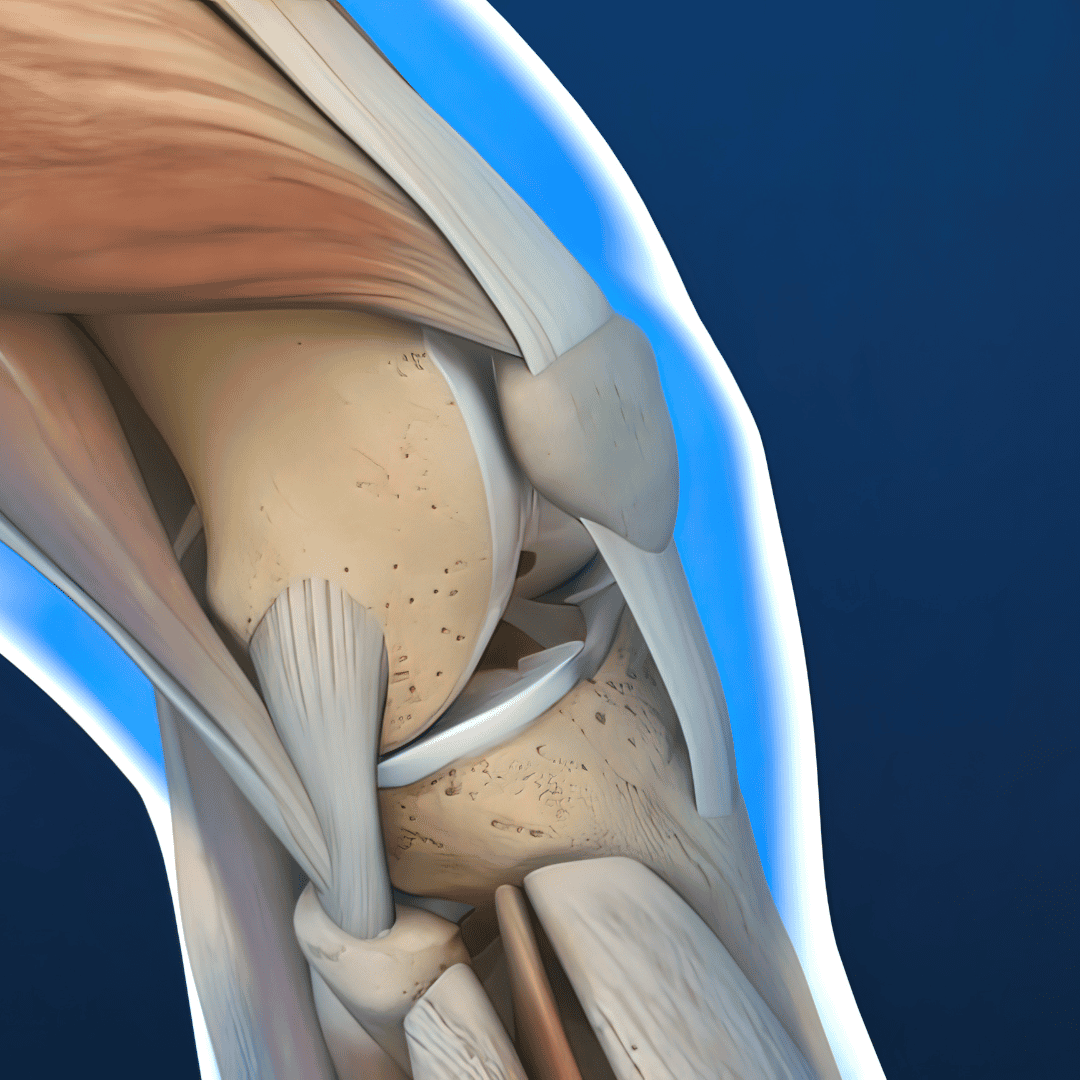
Knee replacement, or total knee arthroplasty, is a surgical procedure that removes worn joint cartilage and resurfaces bone ends with metal and plastic components.
Total knee replacement is a proven orthopedic intervention designed to relieve chronic joint pain and structural stiffness caused by osteoarthritis, rheumatoid arthritis, or post-traumatic joint degeneration. During surgery, the specialist caps the damaged end of the femur with a metal shell, resurfaces the top of the tibia with a metal tray, and inserts a high-density plastic spacer between them to recreate a smooth gliding surface. In partial knee replacement, only the specifically damaged compartment of the joint is resurfaced.
When undergoing knee replacement surgery in Mexico, international patients receive treatment from board-certified orthopedic surgeons specializing in joint reconstruction. Medical teams employ computer-assisted navigation systems and specialized alignment guides to ensure precise prosthetic placement, which supports optimal joint kinematics and long-term implant survival.
Modern surgical suites in Mexico are equipped with laminar airflow systems, advanced arthroscopic monitors, and dedicated post-anesthesia care units. These technological features help surgical teams minimize tissue trauma, control intraoperative blood loss, and encourage rapid physical recovery.
Did You Know?
Computer-navigated joint replacement technology allows orthopedic surgeons to map patient-specific joint anatomy in real time during surgery, improving component alignment accuracy and leg-length precision.
How Much Does Knee Replacement Surgery Cost in Mexico?
The average total knee replacement surgery cost in Mexico ranges between $7,000 and $15,000 per joint, compared to $40,000 to $60,000 in the United States.
Evaluating an orthopedic surgery cost in Mexico reveals significant cost advantages over self-pay options in Western nations. Lower hospital operational costs, streamlined administrative expenses, and lower professional liability insurance premiums allow medical centers in Mexico to provide high-quality care at accessible rates.
Published pricing figures represent general estimates, and an initial estimate may differ from a final customized treatment package. A comprehensive surgical quote typically includes the primary surgeon's fee, assistant fees, anesthesiologist services, operating theater access, prosthetic implant devices, inpatient hospital stays, pre-operative lab tests, diagnostic imaging, and initial bedside physical therapy.
Additional costs may arise if pre-existing health issues require extra subspecialty consultations, extended intensive care observation, or custom prosthetic components. The comparative table below outlines estimated costs across key healthcare markets:
| Destination | Total Knee Replacement (Est.) | Bilateral Knee Replacement (Est.) | Estimated Savings |
|---|---|---|---|
| United States | $40,000 - $60,000+ | $75,000 - $110,000+ | Baseline Cost |
| Mexico | $7,000 - $15,000 | $18,000 - $23,500 | 60% - 70% Savings |
| Turkey | $8,500 - $15,000 | $16,000 - $22,000 | 65% - 75% Savings |
| Costa Rica | $11,500 - $16,500 | $20,000 - $26,000 | 55% - 65% Savings |
What Credentials Should You Check for an Orthopedic Clinic in Mexico?
Verify specialist qualifications by checking the surgeon's professional license (cédula profesional) through the Secretariat of Public Education (SEP) registry and checking board certifications.
Selecting an orthopedic clinic in Mexico or an individual joint specialist requires evaluating professional credentials rather than relying on marketing statements. Patients should verify that their treating doctor holds an active general medical license and a specific subspecialty registration in orthopedics and traumatology through the SEP professional database. Board certification from the Mexican Council of Orthopedics and Traumatology (CMOT) confirms that the specialist meets established national standards.
Professional association memberships demonstrate an ongoing engagement with clinical education but do not serve as standalone proof of surgical licensing or hospital privileges. Inquire directly about a surgeon's specific experience with knee arthroplasty, including their annual case volume and fellowship training history.
Hospital quality standards should also be verified. Choosing facilities accredited by national health authorities or international accreditation bodies ensures the center adheres to strict infection control, emergency response, and surgical safety protocols.
Important Consideration
Always request information about the specific prosthetic system planned for your procedure. Reputable international hospitals utilize FDA-cleared or internationally recognized implant systems produced by major global medical technology manufacturers to ensure durability and worldwide compatibility.
Why Do Patients Choose Medical Tourism in Mexico for Joint Procedures?
Patients choose Mexico due to short flight times, access to board-certified joint specialists, minimal wait times, and comprehensive, affordable care packages.
For individuals living in North America, engaging in medical tourism in Mexico offers practical travel and treatment benefits. Major medical centers located in Tijuana, Guadalajara, Monterrey, and Mexico City feature private hospitals equipped with dedicated orthopedic wings, bilingual clinical teams, and modern diagnostic imaging centers.
A primary driver for medical travel is bypassing long wait times common in public healthcare systems elsewhere. Patients experiencing severe osteoarthritic pain can schedule consultations, diagnostic workups, and surgical procedures promptly, preventing further joint deterioration and mobility loss.
Furthermore, premier medical centers in Mexico cater specifically to international travelers by offering structured care packages, private inpatient recovery rooms, and dedicated international patient coordinators who handle logistics, record transfers, and travel arrangements.
What Types of Knee Replacement Surgery Are Available in Mexico?
Surgical options include total knee replacement, partial (unicondylar) knee replacement, bilateral knee replacement, and complex revision arthroplasty.
Orthopedic specialists in Mexico provide several surgical approaches tailored to specific joint pathology:
- Total Knee Replacement (TKR): Resurfaces all three joint compartments (medial, lateral, and patellofemoral) to address widespread arthritis.
- Partial Knee Replacement (PKR): Replaces only the damaged compartment, preserving healthy native bone, cartilage, and ligaments for a more natural joint feel.
- Bilateral Knee Replacement: Replaces both knees simultaneously or sequentially during a single surgical journey for suitable candidates.
- Revision Knee Arthroplasty: Replaces worn, loose, or failed prior joint implants with specialized revision hardware.
During preliminary virtual evaluations, the surgical team reviews diagnostic X-rays and MRI scans to determine which procedure offers the safest and most effective solution for the patient's joint condition.
How Long Is Hospital Stay and Recovery After Knee Replacement in Mexico?
Hospital stays typically last 2 to 4 days, followed by 10 to 14 days of local physical therapy before receiving fit-to-fly medical clearance.
Post-operative recovery following knee arthroplasty requires careful clinical oversight. Immediately after surgery, patients are admitted to an orthopedic ward where pain control, wound checks, and early leg exercises begin under physical therapy supervision.
Bedside physical therapy starts within 24 hours of surgery. Therapists guide patients through assisted standing, walking with a walker or crutches, and range-of-motion exercises to restore joint flexibility and encourage healthy leg circulation.
Following discharge from the hospital, international patients should remain nearby in local accommodations for 10 to 14 days. This extended stay enables the clinical team to monitor wound healing, evaluate physical therapy milestones, and provide clearance before the patient travels home.
What Risks and Complications Are Associated with Knee Replacement Surgery?
Potential risks include infection, joint stiffness, implant loosening, nerve irritation, and travel-related deep vein thrombosis (DVT).
Knee replacement is a major joint operation carrying recognized clinical risks, regardless of location. Possible complications include wound infection, excessive bleeding, joint stiffness, persistent pain, nerve irritation, or premature implant loosening.
Traveling for major surgery adds specific considerations, particularly regarding long flights and DVT risks. Surgical teams manage blood clot risks using mechanical compression garments, early walking regimens, and prescription blood thinners prior to flight clearance.
Patients can minimize risks by disclosing their complete medical history during pre-op evaluations, following physical therapy guidelines strictly, and establishing a plan for local follow-up care prior to traveling.
How Can Patients Prepare for Medical Travel for Knee Replacement Surgery in Mexico?
Preparation involves gathering diagnostic imaging, completing virtual consultations, verifying travel documentation, and arranging local follow-up care.
Proper pre-travel planning is essential for a safe medical journey. Start by compiling recent high-resolution weight-bearing X-rays, MRI scans, and medical notes from your home doctor. Sending these records for virtual pre-consultations allows international joint specialists to evaluate your condition and propose a preliminary treatment plan.
Travel and entry documentation requirements depend on your citizenship and whether you travel by air, land, or sea. Ensure your passport is valid for at least six months beyond your travel dates and check for any required medical visas. Traveling with a companion is strongly recommended to assist with mobility during early recovery.
Finally, establish connection with an orthopedist or physical therapist in your home city before departure. Securing local follow-up ensures that routine post-op X-rays, wound checks, and ongoing rehabilitation proceed smoothly after you return home.
Why Choose PlacidWay for Connecting with Joint Specialists in Mexico?
PlacidWay provides a global medical information platform connecting patients with accredited hospitals, transparent cost comparisons, and direct facility communication channels.
Evaluating international medical choices independently can feel complex. PlacidWay serves as a global medical information portal, helping patients explore accredited international hospitals and connect directly with experienced orthopedic centers worldwide.
1. Access to Broad Global Provider Directories
Browse comprehensive profiles of accredited hospitals and specialty joint centers across top medical destinations in Mexico.
2. Transparent Cost Comparisons
Compare estimated procedure costs, package inclusions, and care options across multiple clinics to plan your healthcare budget effectively.
3. Direct Facility Communication Channels
Connect directly with hospital international patient departments to share diagnostic imaging, request case evaluations, and ask treatment questions.
4. Verified Specialist Credentials and Profiles
Review surgeon qualifications, subspecialty fellowship details, and facility accreditations before selecting a treatment center.
5. Comprehensive Educational Content
Access detailed procedure guides, travel destination overviews, and medical travel planning checklists to support your healthcare journey.
Frequently Asked Questions
How much does knee replacement surgery cost in Mexico?
The average knee replacement surgery cost in Mexico ranges from $7,000 to $15,000 per joint, providing 50% to 70% savings compared to United States prices.
How do I verify the official license of an orthopedic surgeon in Mexico?
Verify the specialist holds an active medical license and specialty registration, known as a cedula profesional, through the Mexican Secretariat of Public Education (SEP) online registry and board certification from the Mexican Council of Orthopedics and Traumatology (CMOT).
Are medical implant brands used in Mexico internationally recognized?
Reputable hospitals in Mexico utilize FDA-cleared or internationally recognized implant systems manufactured by major global medical technology firms.
How long should I plan to stay in Mexico after knee replacement surgery?
Most international patients stay in the hospital for 2 to 4 days, followed by 10 to 14 days in local accommodations to complete initial physical therapy and receive fit-to-fly clearance.
What is included in a typical knee replacement package in Mexico?
Care packages generally include surgeon fees, operating room expenses, hospital room stays, prosthetic implants, diagnostic imaging, pre-op blood tests, basic medications, and early physical therapy.
Can I get robotic or computer-assisted knee replacement in Mexico?
Yes, many modern orthopedic centers across major Mexican cities offer robotic-assisted navigation and minimally invasive joint replacement techniques.
Is traveling for knee replacement surgery in Mexico safe for foreign patients?
Knee replacement surgery in Mexico can be safe when performed at internationally accredited hospitals by board-certified specialists following global infection control protocols.
How does health insurance handle knee replacement surgery performed in Mexico?
Coverage depends on your policy provider. Certain international health plans or employer-sponsored travel programs offer partial reimbursement for overseas procedures.
What risks are associated with long flights after knee replacement surgery in Mexico?
Long flights increase the risk of deep vein thrombosis (DVT). Surgeons manage this risk using compression garments, early mobilization, and prescription anticoagulant medications.
How should I plan post-operative physical therapy after returning home?
Before traveling, arrange for a local physical therapist or orthopedist at home to oversee outpatient rehabilitation, suture removal, and long-term joint recovery.
Explore Knee Replacement Options in Mexico Today
Compare accredited medical centers, review specialist qualifications, and request personalized procedure estimates for your joint care journey.
Request Treatment InformationReferences
- Activities After Total Knee Replacement Guidelines – American Academy of Orthopaedic Surgeons (AAOS)
- Total Knee Replacement Exercise Guide – American Academy of Orthopaedic Surgeons (AAOS)
- Total Joint Arthroplasty Outcomes and Economics – PMC NCBI
- Pre-Travel Consultation & Health Guidelines – Centers for Disease Control and Prevention (CDC)
- WHO Surgical Safety Guidelines – World Health Organization (WHO)
- International Healthcare Facility Accreditation Standards – Joint Commission International (JCI)
.png)


.png)
.png)
.png)
.png)
.png)



.png)
.png)
.png)
.png)












Share this listing