

A torn ACL, painful meniscus, or sports-related knee injury can change how you walk, work, train, and plan the next season. If you are considering sports surgery in Tijuana, the central question is not simply how quickly you can book.
You need to know which structure is injured, whether surgery is appropriate, who will perform it, which facility is licensed, what the quote covers, and how rehabilitation and follow-up will continue after you cross the border or fly home.
Quick Summary: ACL, Meniscus & Sports Surgery in Tijuana
- Cost context: A currentpricing page lists an average near $9,700 and a range of about $8,900–$10,500, while another Tijuana orthopedic page lists ACL reconstruction at about $4,000–$6,000. Different labels and package scopes make these non-comparable without a written quote.
- Safety: Knee arthroscopy and ligament reconstruction are surgical procedures with risks including infection, blood clots, stiffness, nerve or vessel injury, graft failure, and persistent symptoms.
- Candidate: You may be assessed when instability, locking, pain, or loss of function persists and imaging and examination support a particular injury. Not every ACL or meniscus tear needs surgery.
- Recovery: Early walking, weight bearing, bracing, and return-to-sport timing depend on the exact repair, graft, cartilage condition, strength, and rehabilitation progress.
- Facility checks: Confirm the actual clinic or hospital’s operating license, emergency arrangements, surgical privileges, infection-control process, and applicable Mexican health-authority requirements.
- Important caution: “Accelerated recovery,” “expert,” and “best” are not clinical outcomes. Ask for patient-specific reasoning, written limitations, and a plan for problems after you return home.
Why Patients Consider ACL and Meniscus Surgery in Tijuana
Tijuana is investigated most often by patients from the United States, Canada, and other countries who want to compare orthopedic consultations, scheduling, treatment quotations, and rehabilitation arrangements across the border. For some U.S. residents, driving distance may be simpler than international air travel. For Canadian or overseas patients, travel still requires a clear plan for mobility, accommodation, companion support, and local follow-up.
The reason to travel should remain separate from the medical indication. A lower listing price, an earlier appointment, or a convenient location cannot tell you whether your knee needs ACL reconstruction, meniscus repair, partial meniscectomy, cartilage treatment, or continued non-surgical care.
- A second opinion after a sports injury or persistent knee instability.
- A comparison of surgery, physiotherapy, bracing, activity changes, and observation.
- A written estimate that separates the operation from travel and recovery expenses.
- Access to an orthopedic or sports-medicine consultation near the U.S.–Mexico border.
- A need to coordinate treatment with work, school, training, or caregiving.
- Language or scheduling support while retaining direct communication with the clinical team.
Confirm the diagnosis and whether the proposed operation addresses it.
Plan transportation, accommodation, border crossing, and rehabilitation.
Know who will review your knee after you leave Tijuana.
For general directory context, you can review the current orthopedic options in Tijuana, then verify the named facility directly.
ACL, Meniscus and Sports Injuries Treated in Tijuana
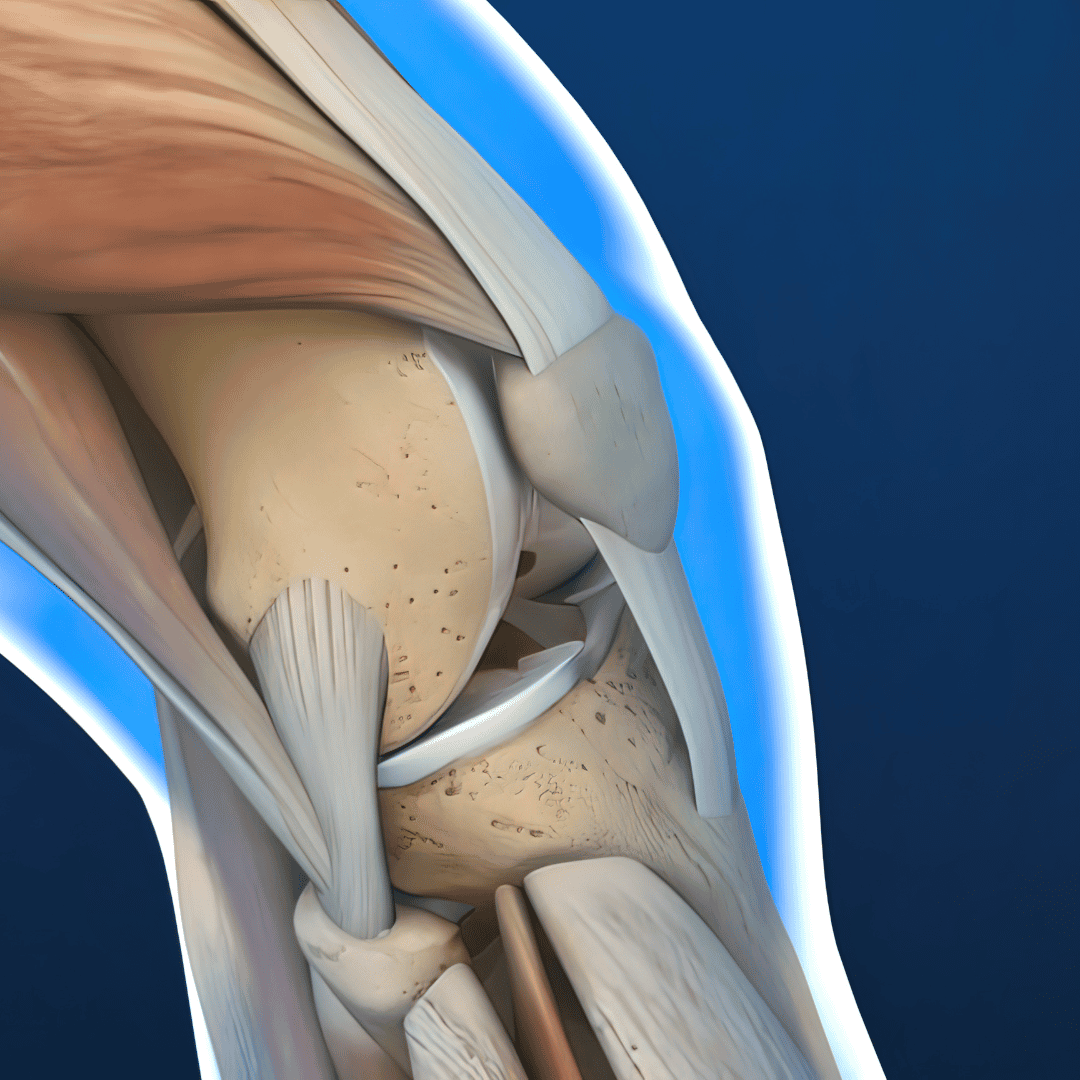
The anterior cruciate ligament, or ACL, helps limit forward movement and rotation between the thighbone and shinbone. A tear may cause swelling, instability, difficulty changing direction, or a feeling that the knee gives way. The menisci are crescent-shaped cartilage structures that help distribute load and support movement; a tear may cause pain, swelling, catching, or locking.
Sports surgery is a broad term, not one standardized operation. A consultation may involve ACL reconstruction, meniscus repair, partial meniscectomy, cartilage procedures, patellar stabilization, or another treatment. MRI findings must be interpreted with your history and examination because an imaging abnormality does not always explain symptoms.
| Injury or procedure | What it addresses | Question for the surgeon |
|---|---|---|
| ACL reconstruction | Replaces a torn ACL with a graft when instability and patient goals support surgery. | Why is reconstruction preferable to rehabilitation or observation? |
| Meniscus repair | Uses sutures or another technique to preserve a repairable tear. | Is the tear’s location and blood supply suitable for repair? |
| Partial meniscectomy | Removes unstable damaged tissue when repair is not appropriate. | What tissue would remain and what are the long-term implications? |
| Combined injury | ACL, meniscus, cartilage, or collateral-ligament problems may occur together. | How does each injury change surgery and rehabilitation? |
When ACL or Meniscus Surgery in Tijuana May Be Discussed
Surgery may be discussed when the knee remains unstable, painful, locked, or functionally limited after an appropriate assessment and non-surgical options. For an ACL injury, age, activity, instability, associated damage, joint degeneration, and personal goals influence the decision. For a meniscus tear, the tear pattern, symptoms, cartilage condition, alignment, and response to treatment matter.
You should not book an operation solely from a written MRI report or a remote package estimate. Send the images and report, but expect the surgeon to take a history and perform or arrange an examination. If swelling, loss of motion, infection, medical illness, or another injury needs attention first, the plan may change.
- Bring MRI or X-ray files, reports, injury date, prior treatment, medicines, allergies, and relevant medical history.
- Describe instability, locking, swelling, pain, work demands, sport, and the movements you cannot perform.
- Ask whether the plan is primary surgery, revision surgery, or diagnostic arthroscopy with possible treatment.
ACL and Meniscus Surgery Cost in Tijuana
Current PlacidWay pages show why ACL pricing must be read carefully. The ACL Repair page for Tijuana reports an average near $9,700 with most listed quotes between $8,900 and $10,500, while a broader Tijuana orthopedic pricing page lists ACL reconstruction at about $4,000–$6,000. “ACL repair” and “ACL reconstruction” can represent different procedures, and the pages may use different provider or package populations.
Use the current ACL pricing page for Tijuana as a budgeting reference only. Ask the provider to confirm the procedure, graft, surgeon, facility, hospital or ambulatory stay, anesthesia, tests, braces, therapy, medicines, and follow-up in writing.
| Published context | USD figure | Interpretation |
|---|---|---|
| ACL Repair in Tijuana pricing page | Average about $9,700; range about $8,900–$10,500 | Page-level listing data; confirm procedure and inclusions. |
| ACL Reconstruction in Tijuana orthopedic pricing page | About $4,000–$6,000 | Different page category and scope; not directly comparable. |
| United States or Canada | Obtain a local insurer, hospital, or private estimate | Coverage, deductibles, public pathways, province, and facility change the total. |
| Travel and recovery expenses | Separate and variable | Add transport, lodging, companion costs, therapy, equipment, and delayed return. |
Price review date: September 2, 2026. Listings can change and do not establish a guaranteed final charge.
What the Current Tijuana ACL Pricing Data Shows
The visual below compares two PlacidWay listing contexts reviewed in September 2026. It is not a clinical outcome graph, a national Mexican price survey, or evidence that one procedure is preferable. The difference illustrates why “repair” and “reconstruction” must be clarified before you compare quotes.
Histogram: published ACL price contexts in Tijuana
Bars show page-level average or range midpoint, not a final patient quote.
Line graph: comparison of the same Tijuana listing contexts
This two-point comparison is not a time trend. It places the current page-level figures on one line so the difference between the labels is easy to see.
What Your Tijuana Sports-Surgery Quote Should Include
A useful quote identifies the diagnosis, side, procedure, surgeon, facility, graft or implant, anesthesia, admission plan, and rehabilitation. “Package” is not a medical term and does not automatically include every service needed for recovery.
| Item | Confirm whether included | Possible separate cost |
|---|---|---|
| Assessment | Consultation, imaging review, examination, blood tests, and anesthesia clearance. | New MRI, specialist assessment, ECG, or repeat testing. |
| Operation | Surgeon, anesthesia, operating room, arthroscopy, graft, repair materials, and brace. | Unexpected repair, additional procedure, blood products, or readmission. |
| Recovery | Hospital or ambulatory monitoring, medicines, crutches, initial therapy, and wound review. | Extra nights, equipment, outpatient physiotherapy, or delayed travel. |
| Continuity | Operative report, graft details, imaging, restrictions, contacts, and follow-up plan. | Home-country review, additional imaging, or treatment of a complication. |
How to Check a Tijuana Facility for Sports Surgery
Ask where the operation will occur and what legal entity operates that site. Mexican healthcare facilities must meet applicable federal, state, and local requirements, while COFEPRIS is the federal authority responsible for sanitary risks and regulated health products. COFEPRIS oversight does not certify a surgeon’s ACL experience or guarantee a clinical outcome.
Request the facility’s current operating license or permit information, emergency-transfer process, anesthesia coverage, infection-control process, imaging access, and postoperative contact. If an accreditation is advertised, ask for the exact issuing organization, certificate scope, legal entity, and validity date. Treat accreditation as one data point, not a replacement for clinical questions.
- Confirm the named surgeon has operating privileges at the named facility.
- Ask whether complications can be assessed on site and where transfer would occur.
- Verify the facility’s process for sterilization, implant or graft traceability, and records.
- Ask how postoperative therapy, wound review, and urgent questions are handled.
For a procedure-specific directory, you can check ACL providers listed in Tijuana, then independently confirm licensing and the actual surgical location.
How to Verify a Tijuana ACL or Meniscus Surgeon
Ask for the surgeon’s full name, specialty, medical registration, current hospital appointment, and experience with your exact procedure. ACL reconstruction, meniscus repair, partial meniscectomy, cartilage procedures, and revision surgery involve different decisions. Ask who will perform the operation if your consultation is led by a coordinator or another clinician.
Do not use “sports specialist,” “internationally trained,” review counts, or a technology label as a substitute for verification. Ask the surgeon to explain graft choices, repairability, rehabilitation restrictions, return-to-sport testing, and what happens if the knee remains unstable or painful.
| Check | Question | Record to keep |
|---|---|---|
| Registration | Which official body registers the physician? | Name and registration information. |
| Specialty | What orthopedic or sports-medicine qualification applies? | Certificate or official profile reference. |
| Procedure experience | How often does the surgeon perform this specific operation? | Procedure category and answer provided. |
| Privileges | Is the surgeon authorized to operate at the named facility? | Facility confirmation and date. |
You can also review ACL doctor information for Mexico as a research starting point, but verify credentials and the operating surgeon directly.
What Happens Before and During Sports Surgery in Tijuana
Before surgery, the team should confirm your identity, affected knee, diagnosis, consent, allergies, medicines, and planned procedure. The anesthetist reviews your general health and may request testing based on your age and medical history. The surgeon explains whether the final plan depends on arthroscopic findings.
During arthroscopy, a small camera allows the surgeon to inspect the joint through small incisions. Treatment may include reconstruction, repair, removal of unstable meniscal tissue, or another procedure that you have discussed. The operation’s duration and hospital setting vary with the injury and treatment.
Send records, confirm the named team, check the quote, and plan transportation.
Confirm side, consent, allergies, medicines, graft or repair plan, and discharge contact.
Receive restrictions, brace or crutch instructions, wound guidance, records, and follow-up dates.
ACL and Meniscus Surgery Recovery Timeline
Recovery depends on what was repaired or reconstructed. A patient after isolated arthroscopy may have different restrictions from someone with ACL reconstruction and meniscus repair. Early swelling and weakness are common, but worsening symptoms or a new loss of movement needs clinical review.
Return to sport is a progression based on movement, strength, balance, control, healing, and the surgeon’s assessment. A calendar date cannot prove readiness. Your physiotherapist should coordinate with the surgeon, especially if you train or compete at a high level.
| Timeframe | Clinical process | Possible sensation | Activity | Action required |
|---|---|---|---|---|
| First days | Wound, swelling, circulation, pain, and safe transfers are monitored. | Soreness, swelling, fatigue, and limited movement. | Crutches or brace as directed. | Learn exercises, restrictions, wound care, and warning signs. |
| Weeks 1–6 | Soft-tissue healing and early strength or range-of-motion work continue. | Pain and swelling may fluctuate. | Daily activity follows weight-bearing and brace instructions. | Attend review and continue prescribed therapy. |
| Months 2–6 | Strength, neuromuscular control, balance, and function are rebuilt. | Endurance improves unevenly. | Low-impact activity may progress if cleared. | Do not add running, cutting, or jumping without clearance. |
| Later rehabilitation | Return-to-sport testing and activity-specific conditioning may be considered. | Confidence and control remain individual. | Sport only after clinical criteria are met. | Keep follow-up and report instability, locking, or increasing pain. |
Risks and Complications of ACL and Meniscus Surgery
Possible complications include infection, bleeding, blood clots, anesthesia problems, stiffness, persistent pain, nerve or blood-vessel injury, weakness, loss of motion, graft failure, recurrent instability, meniscus re-tear, cartilage damage, and the need for further surgery. Your risk depends on the injury, procedure, health, rehabilitation, and chance of a new injury.
Ask the team how it prevents, recognizes, and treats these problems. You should know whether urgent imaging, readmission, revision, or care in the United States or Canada is included, excluded, or handled separately.
| Concern | Question before booking | Urgent warning sign |
|---|---|---|
| Infection | How is infection evaluated and treated? | Fever, increasing redness, drainage, wound opening, or worsening pain. |
| Blood clot | What is my travel and clot-prevention plan? | New calf swelling, sudden chest pain, breathlessness, fainting, or coughing blood. |
| Stiffness or weakness | What therapy and follow-up are required? | Rapid loss of motion, new weakness, or pain that keeps increasing. |
| Graft or repair problem | How are re-tear, instability, or locking assessed? | A new giving-way episode, deformity, fall, or inability to bear weight. |
Emergency rule: Seek urgent local medical help for chest symptoms, severe breathlessness, fainting, a cold or discolored foot, uncontrolled bleeding, fever with a worsening wound, or sudden inability to bear weight.
Traveling to and From Tijuana After Sports Surgery
Travel after surgery adds sitting time, border or airport logistics, and distance from the operating team. Surgery and prolonged travel can increase blood-clot concerns. Your surgeon should decide when you can cross the border or fly based on the procedure, wound, mobility, medical history, pain control, and planned prevention measures.
A local patient may arrange a driver and home support, while an international patient may need accessible lodging and a companion. Plan crutches or a brace, transport that does not require long walking, luggage assistance, medication storage, and a home-country clinician who can review your records.
Ask about the minimum stay, border or flight clearance, and what would delay departure.
Confirm wound status, mobility, records, medicines, transport, and follow-up contacts.
Arrange rehabilitation and know where to seek urgent assessment if symptoms change.
Patient Demographics and Sports-Surgery Travel Patterns
Public Mexican medical-tourism data does not provide a reliable Tijuana breakdown of ACL or meniscus patients by age, gender, nationality, sport, or procedure. It would be misleading to create a typical patient profile. Inquiries may come from recreational athletes, workers with physically demanding jobs, students, older adults with degenerative meniscus symptoms, or people with previous knee surgery.
Patients may travel from nearby U.S. states, other parts of the United States, Canada, and additional countries. Origin affects transport and follow-up, but it does not determine the surgical plan. The injury pattern, cartilage condition, goals, health, and rehabilitation access do.
Patient-planning framework for Tijuana sports surgery
Insurance, Deposits, and Cancellations for Tijuana Surgery
Before paying, obtain written terms for the deposit, currency, payment schedule, cancellation, postponement, refund, and what happens if the surgeon changes the diagnosis or decides you are not fit for surgery. Ask whether the terms differ for an ACL reconstruction, a meniscus repair, a combined procedure, or an operation cancelled after arthroscopic findings.
Travel insurance may exclude planned surgery, pre-existing conditions, complications, or medical evacuation connected with elective treatment. Ask an insurer about exclusions and ask the provider who pays for extra nights, readmission, revision, delayed travel, and treatment after you return to the United States or Canada.
| Question | Written answer needed | Reason |
|---|---|---|
| Deposit | Amount, recipient, deadline, refund conditions. | The plan may change after examination. |
| Complications | Responsibility for extra care, revision, and home treatment. | The initial quote may not cover an unexpected course. |
| Insurance | Coverage, exclusions, evacuation, and documentation. | Planned surgery is often treated differently from emergencies. |
Records to Bring Home After Tijuana Sports Surgery
Before leaving, ask for a discharge summary, operative report, images, graft or implant information, medicines and restrictions, brace or crutch instructions, therapy plan, wound-care guidance, and direct contacts. Your home clinician needs enough information to understand what was done and what follow-up is expected.
Questions to Ask Before Booking ACL or Meniscus Surgery in Tijuana
Use the consultation to test whether the proposal is specific to your injury and goals.
- What exactly is torn, and what evidence connects it to my symptoms?
- Why do you recommend surgery rather than rehabilitation or observation?
- Is the plan ACL reconstruction, meniscus repair, partial meniscectomy, or a combined operation?
- Which surgeon will operate, and how can I verify registration and specialty?
- Which facility will be used, and what emergency resources are available?
- What graft, repair material, brace, or implant is planned?
- What are the weight-bearing, driving, work, and sport restrictions?
- What does the quote include, and what is excluded?
- When can I cross the border or fly, and who gives clearance?
- Who manages complications or persistent instability after I return home?
Frequently Asked Questions About Sports Surgery in Tijuana
How much does ACL surgery cost in Tijuana?
Current PlacidWay listing contexts show an ACL Repair page average near $9,700 and a range around $8,900–$10,500, while another Tijuana page lists ACL reconstruction around $4,000–$6,000. These figures use different labels and scopes, so request an itemized patient-specific quote.
Does every ACL tear need reconstruction in Tijuana?
No. The decision depends on instability, age, activity, associated injuries, joint condition, goals, examination, and response to non-surgical care. An orthopedic surgeon should explain rehabilitation, bracing, observation, and reconstruction options before recommending an operation, with the plan tailored to your examination and goals.
Can a meniscus tear be repaired instead of removed?
Sometimes. Repair depends on the tear’s location, pattern, tissue quality, blood supply, cartilage condition, alignment, and patient factors. Ask whether repair is realistic, what restrictions it creates, and what partial meniscectomy would mean if repair is not possible. The choice is made after reviewing imaging and the knee examination.
How do I verify a sports surgeon in Tijuana?
Request the surgeon’s full name, medical registration, orthopedic specialty, current hospital appointment, and experience with your exact procedure. Confirm who will operate and who will provide follow-up. Keep copies of the information and verify the facility separately, including the surgical address and emergency arrangements.
What facility documents should I request in Mexico?
Ask for the facility’s current operating license or permit information, legal name, surgical location, emergency-transfer process, and anesthesia coverage. If accreditation is mentioned, request the issuing organization, scope, and validity. COFEPRIS oversight does not prove a surgeon’s specialty or outcome.
How long is ACL reconstruction recovery?
Recovery varies by graft, meniscus or cartilage treatment, strength, movement, rehabilitation, and goals. Early walking may use crutches or a brace, while return to cutting or pivoting sports requires later testing. Your surgeon and physiotherapist should set criteria rather than promise a date.
Can I drive across the border after knee surgery?
Only when your treating clinician says you can safely control the vehicle and your medicines, brace, pain, and movement allow it. Arrange a driver if needed. Border travel also requires planning for swelling, sitting time, crutches, and access to urgent care.
What are the main risks of sports surgery abroad?
Risks include infection, blood clots, stiffness, nerve or vessel injury, persistent pain, graft or repair failure, recurrent instability, and further surgery. Travel can complicate early review and emergency care. Ask who manages complications and how records are transferred home, including who to contact after returning.
Do Tijuana sports-surgery packages include physiotherapy?
Some quotations may include initial therapy, but inclusions differ. Confirm the number and setting of sessions, brace or crutch costs, exercises, transportation, wound reviews, home therapy, and what happens if rehabilitation takes longer than planned. Ask whether later physiotherapy at home is excluded.
Can PlacidWay help compare ACL and meniscus options?
PlacidWay can help you review available provider information, compare quoted services, prepare questions, and request treatment information. The treating surgeon and facility remain responsible for diagnosis, consent, surgery, medical advice, and clinical follow-up. You should make clinical decisions with your treating medical team.
Request Information About Sports Surgery in Tijuana
If you are comparing ACL, meniscus, or other sports-surgery options in Tijuana, you can use PlacidWay to review available providers, clarify quote inclusions, prepare surgeon questions, and request clinic information. Include your imaging, diagnosis, injury date, medical history, origin country, preferred timing, and rehabilitation needs.
Request treatment informationDisclaimer: This information is for educational purposes only and does not replace professional medical advice. Always consult a qualified healthcare provider before making medical decisions.
ACL and Meniscus Surgery in Tijuana: References
- Anterior Cruciate Ligament Injuries – American Academy of Orthopaedic Surgeons
- ACL Injury: Does It Require Surgery? – American Academy of Orthopaedic Surgeons
- Meniscus Tears – American Academy of Orthopaedic Surgeons
- Meniscus Repair – American Academy of Orthopaedic Surgeons
- Knee Arthroscopy – American Academy of Orthopaedic Surgeons
- Clinical Practice Guideline for Acute Isolated Meniscal Pathology – American Academy of Orthopaedic Surgeons
- Medical Tourism – CDC Yellow Book
- What COFEPRIS Does – Government of Mexico



















Share this listing