

Contents
Regaining confidence and achieving a fuller head of hair is now more accessible than ever, especially when advanced solutions meet world-class expertise. Hair Transplant in Istanbul, Turkey has become a leading choice for individuals seeking natural-looking results with cutting-edge techniques. As a global hotspot for aesthetic procedures, the city blends modern innovation with exceptional patient care, making Hair Transplantation in Istanbul Turkey a trusted option for international patients.
The city hosts a network of highly skilled specialists dedicated to Hair Restoration in Istanbul Turkey, many of whom are internationally trained and recognized. These experts utilize the latest advancements, including FUE Hair Transplant in Istanbul and Hair Transplant in Istanbul Turkey, ensuring precision, minimal scarring, and optimal hair density. When compared globally, Istanbul stands out by offering premium-quality treatments at competitive pricing, supported by advanced clinics equipped with state-of-the-art technology.
Choosing hair restoration here is more than just a cosmetic decision; it is a life-enhancing journey. Whether addressing hair thinning, receding hairlines, or complete hair loss, clinics focus on personalized care and long-term satisfaction. With innovative techniques like FUE Hair Transplant in Istanbul and Hair Transplant in Istanbul Turkey, patients benefit from faster recovery and natural growth patterns, all while experiencing the vibrant culture of one of the world’s most iconic cities.
Did You Know?
Istanbul has rapidly evolved into a global leader in hair restoration. This transformation has driven major investments in advanced clinics specializing in Hair Transplantation in Istanbul Turkey, where cutting-edge methods like sapphire blades and implanter pens enhance precision and natural hairline design. Patients benefit from innovative approaches used in FUE Hair Transplant in Istanbul and Hair Transplant in Istanbul Turkey, ensuring high graft survival rates and aesthetically pleasing outcomes.
Key Insights at a Glance
Patients can save significantly on Hair Transplantation in Istanbul Turkey compared to Western countries while receiving high-quality care in internationally accredited clinics.
Highly experienced doctors specialize in Hair Restoration in Istanbul Turkey, ensuring precise techniques and natural-looking hairlines tailored to each patient.
Clinics utilize innovative tools and methods such as FUE Hair Transplant in Istanbul and Hair Transplant in Istanbul Turkey for minimally invasive and highly effective results.
Istanbul Airport (IST) connects globally, making travel convenient for patients seeking Hair Transplant in Istanbul, Turkey from all over the world.
International patient teams offer multilingual support, ensuring a smooth Hair Restoration in Istanbul Turkey experience from consultation to recovery.
Patients often recover in premium accommodations, enjoying a relaxing and comfortable environment that complements the healing process after procedures like FUE Hair Transplant in Istanbul.
The Meeting Point
While restoring your hair, you are in the only city in the world spanning two continents. Istanbul’s unique blend of cultures creates a distinctive healing atmosphere, enhancing the overall experience of undergoing Hair Transplantation in Istanbul Turkey.
To simplify your aesthetic journey, many leading clinics provide all-inclusive Hair Transplant in Istanbul Turkey packages tailored for international patients. These comprehensive offers often include surgeon fees, anesthesia, clinic facilities, consultation, medications, and post-procedure care. Patients choosing Hair Transplantation in Istanbul Turkey benefit from a seamless experience that combines affordability with high medical standards, making it easier to achieve their Hair Restoration in Istanbul Turkey goals with confidence.
Note: When selecting a package, many individuals opt for advanced methods such as FUE Hair Transplant in Istanbul or DHI Hair Transplant in Istanbul Turkey to ensure natural results, minimal downtime, and a more comfortable recovery process.
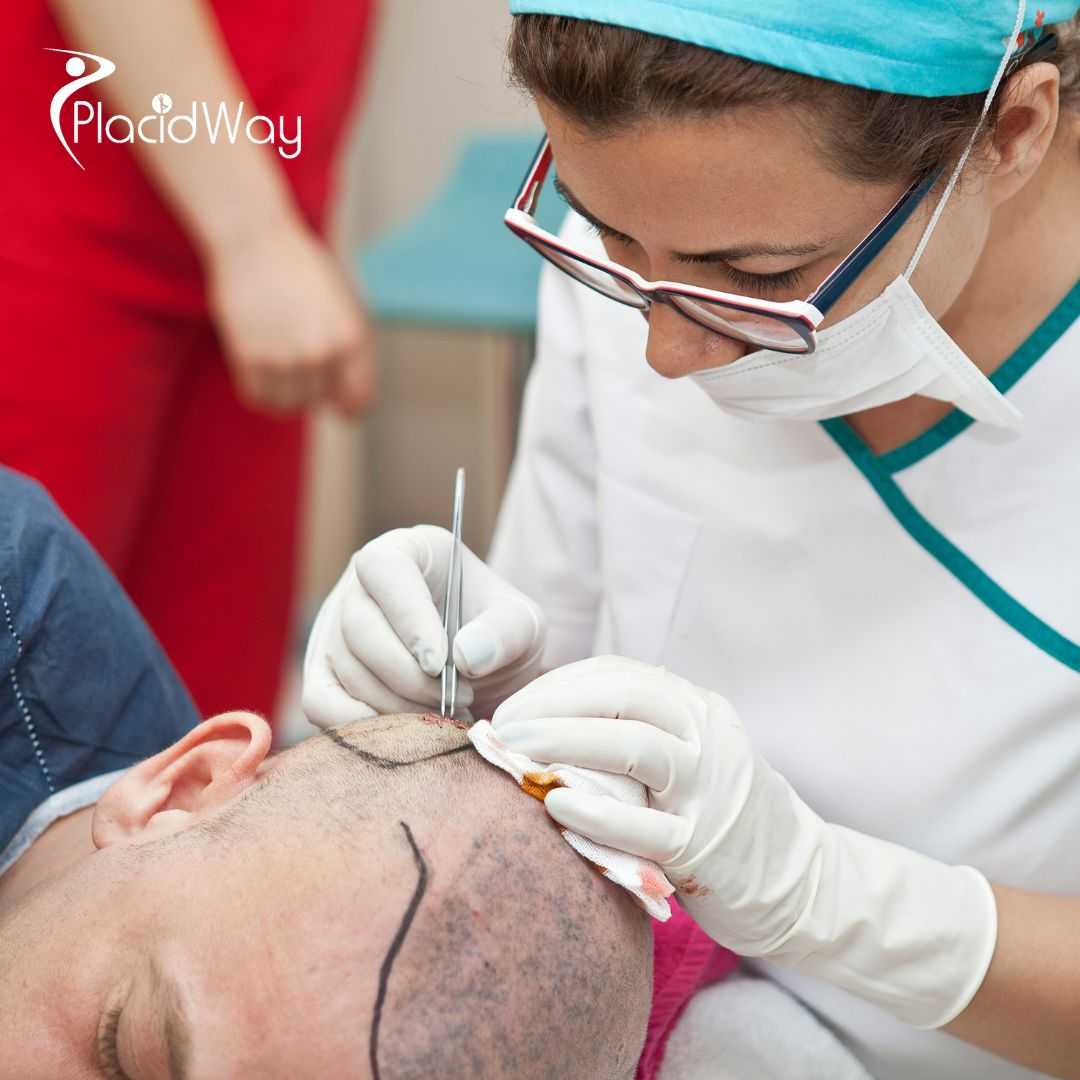
Price starting from $2,000
Hair Transplant Package in Istanbul, Turkey for Overseas Patients Experiencing Hair Loss
International Multispecialty Hospital in Istanbul, Turkey
- Hair Transplantation
Istanbul, Turkey
Cost is a major consideration when planning aesthetic procedures abroad. Understanding the investment for Hair Transplant in Istanbul Turkey Prices involves evaluating the overall value offered through Hair Transplantation in Istanbul Turkey. Compared to many Western countries, patients benefit from significantly more affordable options without compromising quality. Clinics specializing in Hair Restoration in Istanbul Turkey provide comprehensive packages that often include consultation, procedure, aftercare, and accommodation. The final cost can vary depending on the number of grafts required, the technique selected such as FUE Hair Transplant in Istanbul or DHI Hair Transplant in Istanbul Turkey, and the experience of the medical team. These factors allow patients to plan their hair restoration journey with clarity and confidence while receiving world-class care.
Tip: Always consider additional aspects such as aftercare products, follow-up consultations, and a comfortable recovery stay when planning your total budget for Hair Restoration in Istanbul Turkey.
Hair Transplantation Cost Comparison in Turkey
| Country | Procedure | Price |
|---|---|---|
| Canada | Follicular Unit Extraction FUE, Hair Transplantation | $10500 |
| United States | Follicular Unit Extraction FUE, Hair Transplantation | $9500 |
| United Kingdom | Follicular Unit Extraction FUE, Hair Transplantation | $7000 |
Istanbul has become a global hotspot for Hair Transplant in Istanbul Turkey Clinics, thanks to its combination of experienced specialists and advanced medical infrastructure. Patients seeking Hair Restoration in Istanbul Turkey can choose from premium clinics offering innovative techniques such as FUE Hair Transplant in Istanbul and DHI Hair Transplant in Istanbul Turkey. These modern facilities are tailored for international patients, providing a seamless journey that blends medical excellence with personalized care and hospitality.
Beyond the procedure itself, choosing Hair Transplantation in Istanbul Turkey allows patients to access high-quality treatments at significantly lower costs compared to Western countries. When planning your Hair Restoration in Istanbul Turkey, it is essential to evaluate the clinic’s certifications, surgeon expertise, and patient reviews to ensure safe procedures and natural-looking outcomes with methods like FUE Hair Transplant in Istanbul and DHI Hair Transplant in Istanbul Turkey.
Safety First: Always confirm that your chosen clinic follows international hygiene protocols and that the medical team is licensed and experienced in performing Hair Transplantation in Istanbul Turkey, particularly in advanced methods like FUE Hair Transplant in Istanbul and DHI Hair Transplant in Istanbul Turkey.

International Multispecialty Hospital in Istanbul, Turkey
Istanbul, Turkey
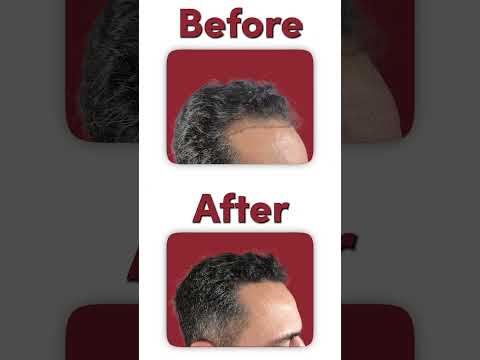
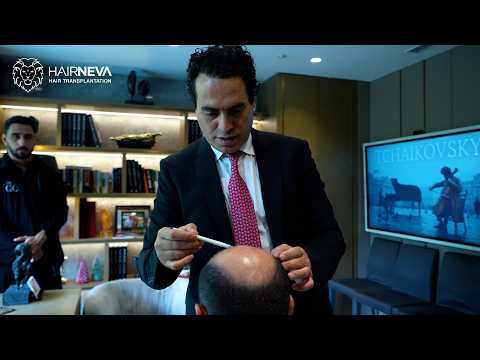
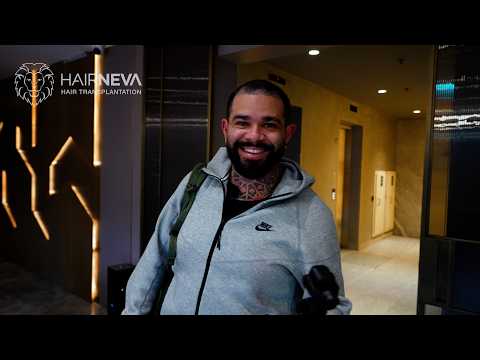
Seeing real transformations can provide the clarity and confidence you need when exploring Hair Transplant in Istanbul Turkey Videos. In this section, we have curated a collection of patient journeys that highlight authentic results and experiences. These videos offer a transparent look into Hair Restoration in Istanbul Turkey, capturing every stage from clinic arrival to visible hair growth outcomes. By watching these testimonials, you can better understand the effectiveness of FUE Hair Transplant in Istanbul and DHI Hair Transplant in Istanbul Turkey, as well as the personalized care behind successful Hair Transplantation in Istanbul Turkey.
Insight: When viewing videos related to Hair Restoration in Istanbul Turkey, focus on the timeline of hair growth and patient feedback over time to set realistic expectations for your own results after FUE Hair Transplant in Istanbul or DHI Hair Transplant in Istanbul Turkey.

Below, you will find verified reviews and ratings from patients who have undergone Hair Transplant in Istanbul, Turkey with experienced specialists. These testimonials highlight real experiences with Hair Transplantation in Istanbul Turkey, offering insights into natural-looking results, clinic professionalism, and the overall journey of Hair Restoration in Istanbul Turkey. Patients frequently share feedback on advanced techniques such as FUE Hair Transplant in Istanbul and DHI Hair Transplant in Istanbul Turkey, helping future patients understand what to expect and choose the right clinic with confidence.
Review Tip: Pay close attention to comments about hairline design, graft survival, and how well the clinic communicates post-procedure care instructions during the recovery phase.
Is Hair Transplant in Istanbul Turkey safe?
Yes, Hair Transplantation in Istanbul Turkey is considered highly safe, as clinics follow strict international medical standards and hygiene protocols. Specialists performing Hair Restoration in Istanbul Turkey are often globally trained and experienced in advanced procedures like FUE Hair Transplant in Istanbul and DHI Hair Transplant in Istanbul Turkey, ensuring reliable and natural results.
What are the benefits of FUE Hair Transplant in Istanbul?
FUE Hair Transplant in Istanbul offers advantages such as minimal scarring, faster healing, and a more natural hairline design. As part of Hair Restoration in Istanbul Turkey, this technique allows surgeons to extract and implant individual follicles with precision, resulting in high-density outcomes and improved patient comfort.
What is DHI Hair Transplant in Istanbul Turkey?
DHI Hair Transplant in Istanbul Turkey is an advanced method where hair follicles are implanted directly using a specialized implanter pen. This technique, widely used in Hair Transplantation in Istanbul Turkey, allows for better control of angle, depth, and direction, resulting in more natural-looking hair growth.
Why choose Hair Restoration in Istanbul Turkey?
Hair Restoration in Istanbul Turkey is preferred due to its combination of expert surgeons, advanced technology, and personalized care. Clinics specialize in both FUE Hair Transplant in Istanbul and DHI Hair Transplant in Istanbul Turkey, offering tailored solutions that match each patient’s hair type and aesthetic goals.
How long do I need to stay for Hair Transplantation in Istanbul Turkey?
Most patients undergoing Hair Transplantation in Istanbul Turkey stay for several days to complete the procedure and attend follow-up checks. The exact duration depends on whether the patient chooses FUE Hair Transplant in Istanbul or DHI Hair Transplant in Istanbul Turkey, as well as the extent of hair restoration required.
Is recovery after Hair Transplant in Istanbul Turkey difficult?
Recovery after Hair Transplantation in Istanbul Turkey is generally smooth, especially with modern techniques like FUE Hair Transplant in Istanbul and DHI Hair Transplant in Istanbul Turkey. Patients may experience mild swelling or redness, but most return to normal activities within a short time with proper aftercare.
Can I combine Hair Restoration in Istanbul Turkey with other treatments?
Yes, many clinics offering Hair Restoration in Istanbul Turkey provide additional aesthetic or wellness treatments that can be combined with hair procedures. Patients undergoing FUE Hair Transplant in Istanbul or DHI Hair Transplant in Istanbul Turkey often benefit from comprehensive care plans designed for overall appearance enhancement.
How do doctors plan Hair Transplantation in Istanbul Turkey?
Doctors plan Hair Transplantation in Istanbul Turkey through detailed scalp analysis, hairline design, and donor area evaluation. Whether performing FUE Hair Transplant in Istanbul or DHI Hair Transplant in Istanbul Turkey, precise planning ensures natural density and long-lasting results.
What is the success rate of Hair Transplant in Istanbul Turkey?
The success rate of Hair Transplantation in Istanbul Turkey is very high when performed by experienced specialists. Techniques like FUE Hair Transplant in Istanbul and DHI Hair Transplant in Istanbul Turkey are designed to maximize graft survival and deliver consistent, natural-looking outcomes.
How can I book Hair Restoration in Istanbul Turkey?
You can book Hair Restoration in Istanbul Turkey through trusted medical tourism platforms that connect you with top clinics and specialists. Many providers offer online consultations to discuss options such as FUE Hair Transplant in Istanbul and DHI Hair Transplant in Istanbul Turkey before planning your trip.
How much does a hair transplant cost in Istanbul, Turkey?
The estimated cost of a hair transplant in Istanbul, Turkey typically ranges from $1,500 to $3,500. This often depends on the technique used, the number of grafts required, and the specific clinic's pricing structure for international patients. For many individuals managing hair loss, exploring surgical options often involves looking beyond their home borders. A hair transplant in Turkey has become a prominent option for international patients seeking treatment. When researching this destination, understanding the financial commitment is usually the first step. This article provides an in-depth look at what influences the hair transplant cost in Turkey, focusing specifically on Istanbul. We will cover the different surgical techniques, what patient packages typically include, medical eligibility, and important safety considerations when pursuing medical tourism in Turkey. Key Takeaways The average cost for a procedure in Istanbul is estimated between $1,500 and $3,500. FUE (Follicular Unit Extraction) and DHI (Direct Hair Implantation) are the most common methods offered. Many clinics provide bundled packages that may include local transport and hotel stays. Not all patients are suitable candidates; a thorough medical assessment is required prior to travel. Patients must plan for post-operative care and possible local follow-up once they return home. 1. Why is a hair transplant in Istanbul, Turkey often more affordable? The affordability of hair restoration in Istanbul is primarily driven by Turkey's lower cost of living and favorable exchange rates, rather than a necessary reduction in medical standards. When comparing prices globally, patients often wonder why the estimates in Istanbul are lower than those in North America or Western Europe. The primary factor is the broader economic context. Overhead costs for maintaining a medical facility, including rent, utilities, and administrative expenses, are generally lower in Turkey. Additionally, labor costs for medical staff, including nurses and surgical technicians, align with the local economy. The currency exchange rate between the Turkish Lira and major global currencies like the US Dollar, Euro, or British Pound also plays a significant role in making treatments more accessible to international visitors. Finally, the concentration of clinics in Istanbul has created a highly competitive market. To attract international patients, clinics often optimize their operations and bundle services, creating price efficiencies. However, patients should remember that low cost should never override the verification of safety protocols and the medical qualifications of the treating team. 2. What does the average hair transplant cost in Istanbul include? International patient packages in Istanbul usually bundle the surgery, local airport transfers, hotel accommodation, and initial post-operative medications into one comprehensive price. When you receive a quote from a hair transplant clinic in Turkey, it is rarely just for the time spent in the operating chair. Because clinics cater heavily to international arrivals, they have structured their offerings to reduce logistical stress for the patient. The Procedure: The surgical fees, local anesthesia, and medical consumables. Accommodation: Usually 2 to 3 nights in a partnered hotel. Transfers: VIP transport between the airport, hotel, and clinic. Aftercare Products: Specialized shampoos, lotions, and a few days' supply of antibiotics and painkillers. Translation Services: A dedicated host to help communicate with the medical staff if there is a language barrier. It is important to note what is generally not included. Flights, travel insurance, meals outside the clinic/hotel, and any long-term prescription medications are typically the responsibility of the patient. Always ask for an itemized list before committing. Expert Insight: When reviewing packages, verify whether the quoted price covers a set number of grafts or an "unlimited" session. Be cautious of "unlimited graft" claims, as extracting too many follicles in one day can severely damage the donor area. 3. Which hair transplant methods are commonly available in Istanbul? Clinics in Istanbul most commonly utilize Follicular Unit Extraction (FUE) and Direct Hair Implantation (DHI), which are modern techniques designed to avoid the linear scarring associated with older methods. The surgical technique used is a major factor in both the outcome and the overall cost. In the past, Follicular Unit Transplantation (FUT) was the standard, which involved removing a strip of scalp. Today, the vast majority of clinics in Istanbul focus on extraction methods that remove individual follicles. FUE (Follicular Unit Extraction): This method involves using a micro-punch tool to extract individual hair follicles from the back of the head. The surgeon then creates tiny incisions (channels) in the balding area and implants the grafts. A variation called Sapphire FUE uses blades made from synthetic sapphire, which some professionals suggest allows for more precise incisions. DHI (Direct Hair Implantation): DHI is a modified version of FUE. The extraction process is similar, but for the implantation phase, a specialized tool (often called a Choi pen) is used. This tool creates the incision and implants the follicle simultaneously, which may reduce the time the graft spends outside the body and sometimes allows for a higher density of placement. 4. Am I a suitable candidate for a hair restoration procedure? Not everyone is suited for a hair transplant; ideal candidates have sufficient donor hair, realistic expectations, and hair loss that has been assessed by a medical professional. Before considering travel or costs, it is vital to determine if surgery is medically appropriate for your specific condition. A transplant does not create new hair; it simply redistributes existing healthy hair. Therefore, the quality and density of your "donor area" (usually the back and sides of the head) are critical. Age is another important consideration. While younger patients in their early twenties may want a transplant, many surgeons advise waiting until the pattern of hair loss has stabilized. Performing surgery too early can result in an unnatural appearance if the native hair continues to thin behind the transplanted hairline. Patients with active scalp infections, certain autoimmune disorders (like alopecia areata), or poorly managed chronic health conditions may be contraindicated for surgery. A comprehensive medical consultation, which may involve blood tests and reviewing your medical history, is a necessary step to ensure safety and suitability. 5. How do the costs vary between FUE and DHI techniques? DHI procedures typically cost more than standard FUE due to the specialized implanter tools required and the increased time and precision required by the medical team. When evaluating estimates, you will likely notice a price difference based on the technique. A standard FUE procedure usually falls on the lower end of the pricing spectrum. Because the channel-opening and implantation phases are separated, the medical team can work efficiently, often allowing for a larger number of grafts to be moved in a single session. DHI requires the use of single-use, sterile implanter pens. Loading these pens with individual grafts requires additional skilled technicians working simultaneously with the surgeon. This labor-intensive process limits the number of grafts that can be safely placed in a single day compared to FUE, driving up the cost per graft. Some clinics may recommend a combination of both methods, using DHI for the front hairline where precision is crucial, and FUE for the crown area to maximize coverage. Your pricing will reflect the specific surgical plan tailored to your needs. Important Consideration: Do not choose a technique based solely on price. A qualified medical professional should recommend the method most likely to achieve a natural result based on your hair caliber, skin type, and degree of loss. 6. What are the potential risks and complications of hair transplants? While generally considered safe when performed by qualified professionals, hair transplants carry medical risks such as infection, scarring, poor graft survival, and unnatural-looking results. Because hair transplantation is a minimally invasive surgical procedure, it carries inherent risks that patients must carefully weigh. One of the primary medical risks is infection, which can occur if the surgical environment is not sterile or if the patient fails to follow proper aftercare hygiene. Another significant risk is donor area depletion. If a clinic over-harvests the back of the head in an attempt to provide maximum coverage, it can result in a moth-eaten appearance and prevent the possibility of future procedures. Furthermore, if the grafts are handled poorly or deprived of blood supply for too long during surgery, they may fail to grow, resulting in low density. There is also the risk of aesthetic dissatisfaction. An improperly designed hairline that does not account for facial proportions or future aging can look highly unnatural. Discussing these risks openly with your chosen provider is an essential part of the informed consent process. 7. How long does it take to recover and see results? Initial recovery typically takes 10 to 14 days for the scalp to heal, while final, visible hair growth usually requires 12 to 18 months as the follicles enter a new growth cycle. Patience is a crucial aspect of the hair restoration journey. The initial recovery phase lasts about two weeks. During this time, you will experience redness, swelling, and scabbing across the treated areas. Most patients feel comfortable returning to non-strenuous work within a week to ten days, though the scalp may still look visibly healing. Between weeks two and eight, a phenomenon known as "shock loss" commonly occurs. This is when the newly transplanted hairs shed. This is a normal part of the process, as the trauma of surgery forces the follicles into a resting phase. New growth typically begins around the third or fourth month, appearing thin and fine at first. The hair will gradually thicken over the following months. By month twelve, most patients can see significant improvement, though final density in areas like the crown can take up to 18 months to fully mature. 8. How should I prepare for medical tourism in Turkey? Planning your trip requires arranging necessary travel documents, scheduling adequate time off work for initial healing, and coordinating medical reviews well before booking flights. Proper preparation can significantly reduce the stress associated with receiving medical care abroad. First, research the entry requirements for Turkey based on your nationality. Many travelers will need to secure an e-Visa online prior to departure. Before finalizing travel dates, have a thorough virtual consultation with the clinic. You should share clear photographs of your scalp and provide a comprehensive medical history, including any medications you currently take. Blood thinners, certain vitamins, and alcohol usually need to be discontinued several days or weeks before surgery to minimize bleeding risks. Plan to arrive at least a day before your surgery to rest and attend an in-person pre-operative consultation. Ensure you have comfortable, button-down shirts to wear after the procedure, as pulling clothing over your head can dislodge the newly placed grafts. 9. What type of aftercare is required once I return home? Long-term success relies on following specific clinic washing protocols, avoiding strenuous physical activity initially, and maintaining regular communication with your provider. The success of the procedure depends heavily on how you treat your scalp in the weeks following the surgery. Once you return home, you must adhere strictly to the post-operative instructions provided by your clinic. This includes how to sleep (usually elevated to reduce swelling) and how to carefully wash the scalp without using high water pressure or aggressive rubbing. You will need to avoid heavy exercise, swimming, saunas, and direct sun exposure for several weeks to prevent infection and protect the grafts. Because you will be far from your treating physician, it is highly beneficial to establish contact with a local primary care doctor or dermatologist who knows you traveled for surgery. If you experience signs of infection, such as excessive redness, pain, or fever, you will need prompt local medical attention while simultaneously updating your clinic abroad. 10. Are additional procedures or multiple sessions usually needed? Depending on the severity of your current hair thinning and future progressive loss, a single session may not provide sufficient coverage, requiring additional surgeries later on. It is a common misconception that one procedure will completely restore a full head of hair for a lifetime. Hair loss is often a progressive condition. While the transplanted hair is usually resistant to falling out, the native hair surrounding it may continue to thin over time. Patients with extensive baldness (such as Norwood Scale 5 or 6) often require two or more sessions spaced a year apart to achieve adequate density across the entire scalp. Attempting to cover a massive area in one day often results in a very sparse look or risks over-harvesting the donor site. Understanding this reality helps manage expectations regarding the total, long-term financial commitment. If you might need a second procedure in the future, you must factor that into your overall budget beyond the initial estimate. Why Choose PlacidWay for Medical Tourism? Navigating healthcare options in another country requires access to organized information. PlacidWay serves as a resource for international patients in the following ways: Provides a comprehensive directory of international healthcare facilities and clinics. Allows individuals to compare pricing estimates across different regions and countries. Offers educational resources to help patients understand various medical procedures. Facilitates direct communication requests between patients and international healthcare providers. Operates as a transparent platform designed to support your information-gathering process. Frequently Asked Questions How many grafts can be safely transplanted in one session? The safe number of grafts varies by patient, but many medical professionals recommend capping a single session at 3,000 to 4,000 grafts. Exceeding this limit may increase the risk of donor area depletion or compromise blood supply to the newly implanted follicles. Is the hair transplant procedure painful? The procedure is typically performed under local anesthesia, meaning the scalp is numb during the extractions and implantations. Patients often report mild discomfort during the initial anesthetic injections and some soreness during the recovery phase. Can women get hair transplants in Istanbul? Yes, women experiencing certain types of female pattern hair loss or traction alopecia may be candidates. However, female hair loss often has different underlying causes than male pattern baldness, requiring a thorough diagnostic evaluation before surgery is considered. What happens if I experience a complication after returning home? If a complication arises after returning home, you should immediately contact your treating clinic for guidance and seek care from a local physician or dermatologist. It is highly recommended to establish a relationship with a local doctor before traveling for surgery. Are the results of a hair transplant permanent? Transplanted hair follicles are generally resistant to the hormone DHT, meaning they typically continue to grow long-term. However, a transplant does not stop the progression of native hair loss, which may require ongoing medical management. How soon can I wash my hair after the procedure? Most clinics provide specific post-operative washing instructions, typically advising the first gentle wash to occur 24 to 48 hours after surgery. This is often done using a specialized lotion and shampoo to protect the newly placed grafts. Does insurance cover hair restoration abroad? Because hair transplantation is almost universally classified as an elective cosmetic procedure, health insurance typically does not cover the cost, whether performed locally or internationally. Can I wear a hat after the surgery? You must avoid tight-fitting hats for at least 10 to 14 days to prevent dislodging the grafts. Clinics may provide a loose, specialized medical hat to protect your scalp from sun exposure and dust during your journey home. What is the difference between a high-volume center and a specialized clinic? High-volume centers often perform many surgeries daily, frequently delegating most steps to technicians. Specialized clinics typically limit their daily procedures, with the primary physician directly performing or closely supervising critical steps like extractions and incisions. Do I need to take medications like Finasteride afterward? Many hair restoration surgeons recommend medications such as Minoxidil or Finasteride after a transplant to help preserve your existing, non-transplanted hair. The suitability of these medications depends on your individual medical history and potential side effects. Compare Treatment Options Gather the information you need to make an informed decision. Request pricing estimates and clinic details to understand your options abroad. Request Treatment Information References Surgical Treatments for Hair Loss – International Society of Hair Restoration Surgery (ISHRS) Hair Transplants: What to Expect – American Academy of Dermatology (AAD) Hair Transplant Overview – National Health Service (NHS UK) Medical Tourism: Travel for Medical Care – Centers for Disease Control and Prevention (CDC) Beware of Medical Tourism in Hair Transplants – ISHRS Patient Warning Complications in Hair Transplantation – Journal of Cutaneous and Aesthetic Surgery (NCBI) Medical Disclaimer: The information provided in this article is for educational and informational purposes only and does not constitute medical advice. Costs, recovery times, and outcomes vary by individual patient and treatment complexity. Hair transplantation is a surgical procedure carrying inherent risks. Always consult with a qualified, appropriately licensed healthcare provider or specialist to determine if this procedure is suitable for your specific medical history and condition.
How Can Hair Transplant Doctors in Turkey Restore Your Hair and Confidence
A hair transplant in Turkey involves relocating healthy hair follicles to thinning areas to naturally restore hair density. When performed by appropriately qualified medical professionals, the procedure can effectively address hair loss, though individual recovery times, graft survival, and final cosmetic results will vary. Hair loss can significantly impact self-esteem and confidence. For many individuals experiencing pattern baldness or thinning hair, surgical restoration offers a potential solution. In recent years, Turkey has emerged as a prominent destination for patients seeking these procedures, combining advanced medical techniques with localized care ecosystems. However, undergoing surgery abroad requires careful consideration. Understanding the medical techniques involved, realistic recovery timelines, and the importance of verifying provider credentials is essential for protecting your health and achieving satisfactory outcomes. This guide explores the factual realities of seeking hair restoration abroad. Key Takeaways Doctors typically utilize Follicular Unit Extraction FUE or Direct Hair Implantation DHI for precise graft placement. Prices generally range from $1,500 to $3,500, varying based on the complexity of your specific hair loss pattern. Suitable candidates must have sufficient healthy donor hair and stable hair loss before undergoing surgery. Final, fully matured results typically take 12 to 18 months to become visible. Patient safety requires strictly verifying that procedures are performed by licensed medical doctors rather than uncredentialed technicians. Which hair transplant techniques do doctors in Turkey use Doctors primarily utilize Follicular Unit Extraction FUE or Direct Hair Implantation DHI to relocate individual hair follicles. These modern methods are designed to minimize linear scarring at the back of the head compared to older techniques. The fundamental goal of any hair transplant is to move hair from an area of the scalp resistant to balding usually the back and sides to areas experiencing thinning. Follicular Unit Extraction is currently the most widely adopted method. During FUE, the surgeon uses a micro-punch tool to extract individual follicular units one by one. Tiny incisions are then made in the recipient area, and the extracted grafts are carefully placed into these channels. Direct Hair Implantation is a variation of FUE. While the extraction process remains similar, the implantation differs. In DHI, the surgeon uses a specialized pen-like tool that simultaneously creates the incision and implants the follicle. Some practitioners prefer this method as it can offer greater control over the angle and depth of the implanted hair, which may help create a more natural-looking hairline. Both techniques are complex surgical procedures that require substantial skill. The choice between FUE and DHI depends on the patient's specific type of hair loss, the doctor's expertise, and the density required. Neither method is entirely scar-free, though the micro-scars they produce are typically easily concealed by short hair. What is the average hair transplant cost in Turkey The estimated cost for hair restoration in this region usually ranges from $1,500 to $3,500. This is often significantly lower than prices in North America or Western Europe, primarily due to lower local operational costs and currency exchange rates. When evaluating the financial aspect of the procedure, it is important to understand what is typically included. Many clinics offer comprehensive pricing structures that cover the surgical procedure, local anesthesia, necessary pre-operative blood tests, and post-operative medications like antibiotics and anti-inflammatory drugs. These estimates reflect the general market rate, but your individual cost will depend heavily on your specific needs. Several factors influence the final price. The total number of grafts required to achieve your desired density is the primary driver of cost. A patient requiring minor hairline adjustments will naturally pay less than someone needing extensive restoration across the entire crown. Furthermore, the experience level of the operating doctor and the specific technique used for example, DHI is sometimes priced slightly higher than FUE will impact the estimate. While affordability is a major draw for international patients, medical experts strongly advise against choosing a provider based on price alone. Extremely low costs can sometimes indicate that uncredentialed technicians, rather than qualified doctors, will be performing the critical stages of the surgery, which significantly increases the risk of complications. Who is considered an ideal candidate for hair restoration Suitable candidates generally have stabilized hair loss, adequate donor hair at the back of the head, and realistic expectations about the surgical outcome. A thorough medical evaluation is necessary to confirm eligibility and rule out underlying health issues. Not everyone experiencing hair loss is a viable candidate for a transplant. The procedure relies on a finite supply of donor hair; therefore, individuals with severe, widespread balding may not have enough healthy follicles to adequately cover the thinning areas. The quality, thickness, and color contrast of the donor hair also play crucial roles in determining how dense the final result will appear. Age and the progression of hair loss are critical factors. Surgeons often advise younger patients those in their early twenties to wait before undergoing surgery. Because male pattern baldness is progressive, transplanting hair too early can result in an unnatural appearance if the native hair behind the transplanted area continues to recede. Establishing a stabilized hair loss pattern is essential for long-term aesthetic success. Furthermore, candidacy depends on your overall health. Conditions that impair healing, such as uncontrolled diabetes, or certain scalp conditions like active alopecia areata, may contraindicate surgery. Your medical history, current medications, and blood work must be reviewed by a qualified healthcare professional prior to proceeding. What happens during the initial consultation at a hair transplant clinic in Turkey During the consultation, the doctor will evaluate your scalp elasticity, review your medical history, and discuss your aesthetic goals. They will calculate the number of grafts safely available and mathematically design your new, age-appropriate hairline. The initial consultation is a vital step in the treatment process, often beginning before you even travel. Many providers conduct initial assessments via photographs to provide a preliminary estimate of feasibility and graft counts. However, the comprehensive in-person consultation on the day before or morning of surgery is where the definitive surgical plan is established. During this in-person meeting, the doctor uses specialized magnification to examine the density and health of your donor area. Blood tests are drawn to screen for transmissible diseases and ensure you are fit for local anesthesia and surgery. This is also the time when the doctor will map out the recipient area. Designing the hairline is both a medical and artistic process; the surgeon must take into account your facial symmetry, age, and future hair loss trajectory to ensure the result looks natural years down the line. A responsible consultation must include a transparent discussion of risks. Your doctor should explain potential complications, the expected timeline for recovery, and alternative medical therapies such as minoxidil or finasteride that may be required to maintain your non-transplanted hair. Patients should use this time to ask detailed questions and ensure they feel comfortable with the proposed approach. What should I expect during the recovery period Recovery involves initial rest with swelling, scabbing, and redness that typically resolves within one to two weeks. Patients must carefully follow instructions regarding sleeping positions and physical activity to protect the newly implanted grafts. The immediate post-operative period is critical for the survival of the transplanted follicles. In the first few days, it is common to experience swelling around the forehead and eyes, which can be managed with cold compresses and medication. Small scabs will form around each incision site in both the donor and recipient areas. These scabs generally heal and flake off within ten to fourteen days if proper washing protocols are followed. During the first week, patients must sleep with their head elevated to minimize swelling and prevent accidental rubbing of the grafts against pillows. Heavy lifting, strenuous exercise, direct sunlight exposure, and swimming must be avoided for several weeks, as increased blood pressure or infection can dislodge or damage the healing follicles. It is vital to understand that recovery varies by individual. While many people feel well enough to return to office-based work within a week, visible signs of surgery may persist slightly longer. If you experience unexpected pain, excessive bleeding, or signs of infection after returning home, you must seek prompt medical evaluation, either through your surgical provider or a local physician. When will I see the final results of my hair transplant Visible new hair growth usually begins around three to four months after the procedure. However, hair grows in cycles, and it typically takes 12 to 18 months for the hair to thicken fully and reveal the final cosmetic outcome. Patience is a necessary component of hair restoration. Shortly after the procedure, typically between weeks two and eight, patients often experience what is known as shock loss. During this phase, the newly transplanted hairs shed. This shedding can be alarming, but it is a normal physiological response to surgical trauma. The root of the follicle remains secure beneath the skin, preparing for a new growth cycle. Around the third or fourth month, fine, wispy hairs will begin to emerge. Over the subsequent months, these hairs gradually lengthen, thicken, and mature into normal terminal hairs, matching the texture of the hair from your donor area. By the six-month mark, many patients see roughly fifty percent of their expected growth, which can significantly improve their appearance. The complete maturation of the transplanted hair, particularly in the crown area where blood supply can be slightly lower, may take up to a year and a half. Because outcomes rely on the individual's healing capacity and hair characteristics, density will never perfectly replicate the hair of your youth, but it can provide substantial cosmetic improvement for suitable candidates. Are there risks or side effects associated with the procedure Like any surgical intervention, hair transplants carry risks such as infection, bleeding, visible scarring, and poor graft survival. Choosing highly qualified medical professionals is essential to minimize the likelihood of unnatural-looking results or donor area depletion. While generally considered safe when performed by experienced surgeons, hair restoration is a medical procedure with inherent risks. Minor side effects like temporary numbness, itching, or small cysts in the recipient area are relatively common and usually resolve on their own. However, more significant complications can occur, particularly if strict hygiene and surgical protocols are not followed. One of the most concerning risks is the over-harvesting of the donor area. If an inexperienced practitioner extracts too many grafts or removes them too closely together, it can result in patchy, moth-eaten scarring at the back of the head that cannot be reversed. Additionally, poor placement of the grafts at incorrect angles can result in an unnatural, plug-like appearance. Infection is a risk with any incision, requiring strict adherence to post-operative cleaning instructions. Furthermore, poor blood supply or traumatic handling of the follicles during extraction can lead to low graft survival rates, meaning the transplanted hair fails to grow. To mitigate these risks, comprehensive pre-operative screening and meticulous surgical technique by a board-certified doctor are critical. Important Consideration: The International Society of Hair Restoration Surgery (ISHRS) strongly warns patients against the global "black market" of hair transplants, where operations are performed entirely by unlicensed technicians rather than medical doctors, which severely increases the risk of irreversible complications. How does medical tourism in Turkey work for hair transplants Medical tourism in this region typically involves specialized packages designed for international patients. These often combine the surgical procedure, required medications, local transportation, and translation services to facilitate care for those traveling from abroad. Turkey has developed a robust infrastructure dedicated to international healthcare. For hair restoration, clinics have streamlined their processes to accommodate patients flying in for brief stays. Most international patients arrive in major cities like Istanbul, where a high concentration of specialized medical facilities is located. The logistics of medical tourism require careful planning. Care packages frequently provide an assigned patient coordinator who assists with communication, ensuring language barriers do not impede medical care. The typical itinerary involves arriving a day before the surgery for in-person consultations and blood work, undergoing the procedure the next day, and remaining in the city for a few days to rest and attend post-operative checkups. While this ecosystem is convenient, patients must remain vigilant. Returning home shortly after surgery means you will handle the majority of the recovery process away from your primary surgeon. Reputable providers will establish a clear plan for virtual follow-ups to monitor your progress and advise you on what steps to take should any unexpected complications arise once you are back in your home country. How can I ensure my safety when traveling for a hair transplant Prioritize your safety by rigorously researching facility accreditations, verifying the specific doctor’s medical qualifications, and understanding all potential risks. Avoid facilities that promise guaranteed results or pressure you into immediate decisions. Safeguarding your health begins long before you book a flight. It is critical to confirm that the facility is registered with local health authorities, such as the Turkish Ministry of Health. Additionally, seek out doctors who are recognized by international bodies, such as the ISHRS or the American Board of Hair Restoration Surgery, which require adherence to strict ethical and medical standards. A key safety measure is confirming exactly who will perform the surgery. In legitimate medical settings, a doctor conducts the consultation, designs the hairline, and performs or directly supervises the surgical extraction and incision-making processes. Be highly skeptical of providers who are unwilling to name the attending physician or who delegate surgical steps entirely to non-medical staff. Finally, consult with your local primary care physician before committing to surgery abroad. They can review your medical history to ensure you are a safe candidate for elective surgery and help you develop a contingency plan for handling any necessary medical care or complication management upon your return home. Why Choose PlacidWay for Medical Tourism Research Navigating the complexities of healthcare abroad requires access to organized, objective information. PlacidWay serves as a global medical tourism platform designed to help patients research international treatment options. Here is how the platform assists patients exploring healthcare overseas: Educational Resources: PlacidWay provides detailed informational guides about specific procedures, helping patients understand medical requirements before making decisions. Provider Profiles: The platform hosts comprehensive listings of international clinics and hospitals, detailing their available specialties and facility information. Direct Communication: Patients can use the system to connect directly with international healthcare providers to ask specific medical questions and request estimates. Global Comparison: The platform allows users to compare different medical centers and healthcare destinations to see how approaches and estimated costs vary worldwide. Focus on Information Gathering: PlacidWay encourages patients to conduct thorough research and individualized consultations rather than rushing into immediate medical commitments. Frequently Asked Questions Can a hair transplant fail? Yes, a hair transplant can fail if the newly implanted grafts do not survive. This can happen due to poor surgical technique, inadequate blood supply, infection, or failing to follow aftercare instructions. A thorough medical evaluation beforehand helps minimize this risk. Does the hair transplant procedure hurt? The procedure itself is typically performed under local anesthesia, meaning you should not feel pain while the follicles are extracted and implanted. However, patients often experience mild discomfort, tightness, or soreness during the initial recovery days, which is usually managed with prescribed medication. Can women undergo hair restoration in Turkey? Yes, women can be candidates for hair restoration, particularly those experiencing certain types of thinning, such as traction alopecia or female pattern hair loss. However, because female hair loss patterns often differ from men's, a specialized diagnosis is required to determine if surgery is appropriate. How many grafts can be safely extracted in one session? Most qualified surgeons recommend extracting no more than 3,000 to 4,000 grafts in a single session. Taking too many grafts at once can severely deplete the donor area, leaving visible thin patches or scarring at the back of the head. Will I need a second hair transplant later in life? It is possible. While transplanted hair is usually resistant to the hormones that cause male pattern baldness, your native hair may continue to thin over time. Some patients opt for a second procedure years later to address new areas of hair loss. How long should I stay in Turkey after the surgery? Doctors generally advise staying in the country for at least three to five days after the procedure. This allows time for the initial post-operative checkup and the crucial first hair wash, which is usually performed by the clinic staff to demonstrate proper technique. Can beard or body hair be used for a transplant? In cases where the scalp donor area is severely depleted, some doctors may extract hair from the beard or chest. However, body hair has a different texture and growth cycle than scalp hair, so results vary and it is typically used only to add density behind the hairline. Is it safe to fly after a hair transplant? Flying is usually permitted 48 to 72 hours after the procedure, provided your doctor clears you for travel. Patients must be careful not to bump their head on the airplane and should stay hydrated to minimize swelling. What is shock loss after a hair transplant? Shock loss is a temporary shedding of the newly transplanted hairs, and sometimes surrounding native hairs, due to the trauma of surgery. This typically occurs two to eight weeks post-surgery and is a normal part of the hair cycle before new growth begins. Do I need to take medication after the procedure? Many doctors recommend FDA-approved medical therapies, such as minoxidil or finasteride, after a transplant. These medications help maintain the native hair that was not transplanted and can improve the overall long-term density of your hair. Research Your Hair Restoration Options Gather information, compare international medical facilities, and explore estimated costs to make an informed decision about your healthcare. Request Treatment Information References Hair Transplant Surgery – International Society of Hair Restoration Surgery (ISHRS) A Hair Transplant Can Give You Permanent, Natural-Looking Results – American Academy of Dermatology Complications in Hair Transplantation – National Center for Biotechnology Information Hair Transplant Overview – National Health Service (NHS) Hair Loss Diagnosis and Treatment – Mayo Clinic Health Tourism in Turkey – Republic of Turkey Ministry of Health Medical Disclaimer: The information provided in this article is for educational purposes only and does not constitute medical advice, diagnosis, or treatment. Outcomes, risks, and recovery times for hair restoration surgery vary significantly among individuals. Always consult with a qualified, board-certified healthcare professional to determine if a medical procedure is appropriate for your specific health condition and needs.
Choosing the right specialist for Hair Transplant in Istanbul Turkey Doctors is a crucial step toward achieving natural and long-lasting results. We have curated a selection of experienced professionals in the city who are recognized for their excellence in Hair Transplantation in Istanbul Turkey and advanced Hair Restoration in Istanbul Turkey. These doctors are evaluated based on international training, clinical expertise, and patient satisfaction, helping you confidently select the right expert for your hair restoration journey.
Board-Certified Hair Transplant Specialists
Verified Professional Credentials
Doctors specializing in Hair Transplantation in Istanbul Turkey are board-certified and follow strict international standards. Their qualifications reflect extensive training in both FUE Hair Transplant in Istanbul and DHI Hair Transplant in Istanbul Turkey, ensuring patients receive safe, effective, and aesthetically refined outcomes.
Expertise in Advanced Hair Techniques
Precision-Focused Hair Restoration
Many specialists in Hair Restoration in Istanbul Turkey utilize advanced tools and refined methods such as FUE Hair Transplant in Istanbul and DHI Hair Transplant in Istanbul Turkey. These techniques allow precise graft placement, minimal scarring, and natural hairline design, making them highly preferred for modern hair restoration solutions.
Personalized Treatment Planning
Individualized Hair Solutions
Leading doctors in Hair Transplantation in Istanbul Turkey emphasize customized treatment strategies tailored to each patient’s hair type, pattern of hair loss, and expectations. From consultation to post-procedure care, Hair Restoration in Istanbul Turkey focuses on achieving natural density, long-term growth, and overall patient satisfaction.

Hair Transplant Doctor in Istanbul
International Multispecialty Hospital in Istanbul, Turkey
- Hair Transplantation
Istanbul, Turkey
Expert Hair Transplant Doctors in Istanbul
Istanbul has earned global recognition for Hair Transplantation in Istanbul Turkey, supported by highly experienced doctors specializing in advanced hair restoration techniques. These professionals are trained in modern approaches and continuously refine their skills to deliver natural-looking results for patients from around the world.
Patients seeking treatment benefit from comprehensive care led by experts in Hair Restoration in Istanbul Turkey. From initial consultation to post-procedure follow-up, doctors focus on precision, patient comfort, and long-term success through tailored Hair Restoration in Istanbul Destination plans.
Advanced Techniques by Skilled Specialists
Leading doctors in Istanbul are known for performing FUE Hair Transplant in Istanbul and Hair Transplant in Istanbul Turkey with exceptional accuracy. These minimally invasive techniques allow for precise graft placement, natural hairline design, and minimal downtime for patients.
Hair Restoration in Istanbul Destination emphasizes innovation and personalization, ensuring each treatment plan aligns with the patient’s hair structure and aesthetic goals. This dedication to excellence makes Istanbul a preferred destination for advanced hair transplant procedures.
Comprehensive Patient-Focused Care
Doctors specializing in Hair Transplantation in Istanbul Turkey work closely with multidisciplinary teams to ensure a seamless experience from consultation through recovery. Their approach integrates medical expertise with aesthetic precision, delivering consistent and reliable outcomes.
With its strategic location and advanced medical infrastructure, Istanbul continues to attract patients seeking trusted expertise in FUE Hair Transplant in Istanbul and Hair Transplant in Istanbul Turkey. The combination of skilled doctors and modern facilities ensures a smooth and effective hair restoration journey.
Choosing the right clinic abroad is a significant step in your transformation journey. PlacidWay serves as your trusted guide, connecting you with carefully vetted specialists for Hair Transplantation in Istanbul Turkey to ensure a smooth, safe, and rewarding experience.
Strict Vetting
We assess clinic standards, surgeon expertise, and safety protocols so you can confidently plan your Hair Restoration in Istanbul Destination with trusted professionals.
Customized Quotes
Receive tailored, no-obligation plans from leading clinics offering FUE Hair Transplant in Istanbul and Hair Transplant in Istanbul Turkey, helping you compare options with clarity.
Video Consultations
Connect directly with specialists to discuss your goals for Hair Restoration in Istanbul Destination and understand the best approach for your hairline design.
Travel Support
We coordinate your journey from arrival to accommodation, ensuring your FUE Hair Transplant in Istanbul experience is seamless and stress-free.
Patient Advocacy
Our dedicated team supports you throughout your Hair Transplantation in Istanbul Turkey journey, ensuring clear communication and continuous assistance.
Verified Reviews
Explore authentic patient experiences to understand outcomes from Hair Transplant in Istanbul Turkey and set clear expectations for your transformation.
Take the first step toward restoring your confidence. Contact PlacidWay today for a personalized consultation and begin your Hair Restoration in Istanbul Destination journey.
Get Your Free Personalized Quote




















Share this listing