


The Complete Guide to Receiving a Hair Transplant in Istanbul, Turkey
Millions of men and women struggle silently with the psychological and physical impacts of severe hair loss, believing that surgical restoration is a luxury reserved for the ultra-wealthy. Today, an affordable, world-class solution exists, and it requires booking a flight to the medical tourism capital of the world. Watching this comprehensive video on receiving a hair transplant in Istanbul, Turkey will completely change your perspective on hair restoration. Discover how elite Turkish surgeons are combining advanced medical technology, unparalleled artistic precision, and incredibly affordable all-inclusive packages to help international patients reclaim their natural hairlines and their self-confidence.
Video Chapters & Quick Navigation
The Global Capital of Hair Restoration: Why Choose Istanbul?
For decades, individuals suffering from thinning hair had limited, mostly ineffective options to camouflage their receding hairlines. Today, as highlighted at in the video, Istanbul has firmly established itself as the undisputed global capital of hair transplantation. This vibrant transcontinental city now hosts hundreds of specialized medical facilities dedicated exclusively to the art and science of restoring hair.
The rise of Turkish medical tourism did not happen by accident. It is the result of strict government healthcare initiatives combined with a highly competitive free market that drives continual innovation. International patients from the United States, Europe, and the Middle East travel to Turkey because they recognize the unmatched value and surgical expertise available.
World-Class Surgeons and Unmatched Experience
The sheer volume of procedures performed in Turkey gives local surgeons a massive experiential advantage over their Western counterparts. While a top-tier surgeon in London or New York might perform one or two hair transplants a week, leading specialists in Istanbul often oversee hundreds of successful cases every single month. This relentless repetition hones their skills, allowing them to perfect the intricate art of designing natural-looking hairlines that complement individual facial structures.
Furthermore, the best hair transplant clinics in Istanbul mandate rigorous continuous education for their medical staff. Many head surgeons hold prestigious memberships in international organizations such as the International Society of Hair Restoration Surgery (ISHRS). This global integration ensures that the clinical protocols used in Turkey remain at the absolute cutting edge of modern medicine.
Understanding the Mechanisms of Severe Hair Loss
Before undergoing any surgical intervention, it is vital to understand why hair falls out in the first place. As discussed near in the video, androgenetic alopecia, commonly known as male or female pattern baldness, is the primary culprit behind the vast majority of hair loss cases worldwide. This condition is deeply rooted in human genetics and hormonal fluctuations.
Androgenetic alopecia is triggered by a specific hormone known as Dihydrotestosterone (DHT), which attacks genetically susceptible hair follicles found at the crown and the front of the scalp. Over time, DHT causes these vulnerable follicles to miniaturize, producing shorter, thinner hairs until the follicle eventually dies and ceases production entirely. Fortunately, hair follicles located at the back and sides of the head are naturally resistant to the destructive effects of DHT.
The Concept of Donor Dominance
The entire scientific foundation of modern hair transplantation rests on a physiological principle known as "donor dominance." When DHT-resistant hair follicles are carefully extracted from the back of the scalp and surgically implanted into the balding areas, they retain their genetic resistance to DHT. This means that the newly transplanted hair will continue to grow naturally for the rest of the patient's life.
This biological phenomenon allows Turkish medical teams to guarantee virtually permanent results for their international clients. By strategically harvesting these robust donor hairs, surgeons can meticulously reconstruct a youthful hairline without the fear of the new hair falling out years down the line. It is a permanent, biological solution to a previously unsolvable aesthetic problem.
Advanced Hair Transplant Techniques: FUE vs. DHI
The days of painful "strip" surgeries that left horrific linear scars across the back of the patient's head are largely over. As shown at , Turkish clinics have fully embraced and refined minimally invasive extraction techniques. Understanding the difference between these modern surgical methods is crucial for any prospective patient planning a trip to Istanbul.
Every reputable clinic in Turkey conducts a thorough 3D digital scalp analysis before recommending a specific surgical route. The choice between techniques depends heavily on the patient's Norwood scale classification, their scalp laxity, and their specific density goals. Both methods rely on the same extraction principles but differ wildly in how the hair is placed back into the scalp.
Follicular Unit Extraction (FUE) and Sapphire FUE
Follicular Unit Extraction (FUE) revolutionized the hair restoration industry by allowing surgeons to remove individual follicular units one by one using a microscopic punch tool. This painstaking process leaves behind tiny, dot-like micro-scars that are virtually invisible to the naked eye once the surrounding hair grows out to even a short buzz cut. The traditional FUE technique involves making tiny incisions (channels) in the recipient area using steel blades before manually placing the grafts.
In Istanbul, many elite clinics have upgraded to the Sapphire FUE hair transplant method. Instead of using standard steel, surgeons use incredibly sharp blades crafted from synthetic sapphire gemstones to open the recipient channels. Sapphire blades create smaller, V-shaped micro-incisions that bleed significantly less and heal much faster. This allows the medical team to pack the transplanted hairs closer together, resulting in a much denser, more natural-looking final aesthetic.
Direct Hair Implantation (DHI)
Detailed around , Direct Hair Implantation (DHI) is an advanced modification of the FUE process that skips the channel-creation phase entirely. Once the grafts are safely extracted from the donor area, they are immediately loaded into a specialized, pen-like surgical instrument called the Choi Implanter Pen. The surgeon then uses this pen to simultaneously pierce the scalp and inject the hair follicle in one swift, seamless motion.
The DHI hair implantation technique in Istanbul provides the surgeon with ultimate control over the precise angle, depth, and direction of the newly implanted hair. This level of granular control is absolutely vital when reconstructing delicate areas like the frontal hairline or filling in a patchy beard. Furthermore, DHI often allows patients to undergo the procedure without fully shaving the recipient area, making it an incredibly popular choice for female patients and public figures.
The Economics of Hair Restoration: Shattering the Price Barrier
The primary catalyst driving thousands of patients to Istanbul every month is the jaw-dropping cost differential. As discussed at , the financial barrier to entry for cosmetic surgery in Western nations is prohibitively high for the average citizen. In cities like Los Angeles, New York, or London, a high-quality, dense hair transplant can easily drain a patient's savings account.
It is important to understand that the lower cost of an affordable hair restoration surgery in Turkey does not equate to lower quality or compromised safety. The price disparity is driven strictly by global economics, specifically the lower overall cost of living, lower domestic operational costs, and the highly favorable exchange rate between Western currencies and the Turkish Lira. Clinics can afford to utilize the finest medical technology and hire the brightest medical minds while still offering prices that seem impossibly low to outsiders.
| Location | Average Cost (3,000 Grafts) | Inclusions |
|---|---|---|
| United States | $10,000 - $15,000+ | Surgery only. No travel or hotels included. |
| United Kingdom | £7,000 - £12,000+ | Surgery only. Strict graft limits usually apply. |
| Istanbul, Turkey | $1,800 - $3,500 | Surgery, 5-star hotel, VIP transfers, PRP, meds. |
What to Expect: All-Inclusive Hair Transplant Packages in Turkey
The concept of medical tourism can be incredibly intimidating for first-time travelers. Navigating a foreign healthcare system while dealing with language barriers is a daunting prospect. To solve this, Turkish medical centers revolutionized the industry by pioneering the concept of the "all-inclusive medical package," as seen at . These packages are meticulously designed to remove every single ounce of stress from the patient's shoulders.
From the moment you step off your flight at Istanbul Airport (IST) or Sabiha Gökçen (SAW), your entire itinerary is managed by dedicated patient coordinators. These all-inclusive hair transplant packages in Turkey typically cover luxury 4-star or 5-star hotel accommodations located mere minutes away from the medical facility. Furthermore, private VIP transport via luxury vans ensures you never have to worry about hailing a taxi or navigating foreign public transit systems while recovering from surgery.
The Role of PRP Therapy
Beyond logistics, these comprehensive medical packages almost always include post-operative treatments designed to maximize the survival rate of the newly implanted hair grafts. The most vital of these inclusions is Platelet-Rich Plasma (PRP) therapy for hair loss. PRP involves drawing a small amount of the patient's own blood, spinning it in a specialized centrifuge to isolate the growth factors, and injecting this nutrient-dense plasma directly into the freshly operated scalp.
Clinical data strongly suggests that administering PRP immediately following a hair transplant significantly reduces post-operative bleeding, dramatically accelerates the healing of the micro-incisions, and stimulates dormant hair follicles. In Western clinics, a single session of PRP can easily cost an additional $500 to $1,000. In Istanbul, it is standard practice to include this highly beneficial therapy at no extra cost to the patient.
The Step-by-Step Patient Journey: From Arrival to the First Wash
A transparent understanding of the surgical timeline helps alleviate pre-operative anxiety. The standard timeline for an international hair transplant patient in Istanbul typically spans three to four days, as outlined at . This efficient scheduling allows professionals to fly in over a long weekend, undergo the transformative procedure, and fly back home with minimal disruption to their busy lives.
Upon arrival, day one is usually reserved for rest and acclimation, though some fast-track itineraries schedule the surgical consultation immediately. During this vital face-to-face consultation, the head surgeon evaluates the donor area's density, conducts comprehensive blood panels to rule out underlying health issues, and uses a surgical marker to collaboratively design the new hairline with the patient. This artistic phase is critical, as it dictates the symmetry and natural flow of the final result.
The Day of Surgery
Day two is entirely dedicated to the surgical intervention. Depending on the sheer number of grafts required to achieve the desired density, the procedure can last anywhere from six to eight hours. Patients are administered localized anesthesia to ensure the scalp is completely numb, meaning the entire extraction and implantation process is virtually painless. Many patients spend this time comfortably watching movies, listening to podcasts, or simply sleeping through the procedure.
Post-Op Care and the First Professional Wash
The third day is a crucial milestone in the recovery journey, highlighted at . Patients return to the medical facility for follow-up examinations, bandage removal, and their first professional hair wash. A specialized nurse meticulously cleanses the scalp using medical-grade lotions and foams specifically formulated to soften the dried blood and scabs without dislodging the fragile new grafts. The patient is then thoroughly educated on how to replicate this gentle washing technique at home before being cleared to fly.
Long-Term Care, Recovery Timeline, and Maximizing Results
Patience is arguably the most important requirement for anyone undergoing a hair restoration procedure. The final aesthetic results do not materialize overnight. In fact, as explained around , the biological journey of a newly transplanted hair follicle is a complex, months-long process that requires strict adherence to the surgeon's post-operative aftercare instructions.
In the first two weeks following the surgery, the primary goal is sheer survival of the grafts. Patients must sleep in an elevated position, avoid strenuous cardiovascular exercise to prevent blood pressure spikes, and stay out of direct sunlight. By day ten to fourteen, the scabs should naturally flake off, leaving behind a clean scalp filled with tiny, short hairs. This is when patients get a highly accurate preview of their newly designed hairline.
Navigating the "Shock Loss" Phase
Between weeks three and six, nearly every patient experiences a phenomenon known as telogen effluvium, commonly referred to as "shock loss." During this daunting phase, the newly transplanted hair shafts will detach and fall out. This is a completely natural biological response to surgical trauma. Patients must remember that the actual follicle—the biological "root" responsible for future growth—remains safely anchored beneath the skin.
The Timeline to Full Density
The true magic of the procedure begins around month three or four, as fine, baby-like hairs start breaking through the surface of the scalp. As the months progress, these hairs will rapidly thicken, darken, and mature in texture. By month six, patients typically see about 50% to 60% of their final density. The ultimate, fully matured result is usually visible between the twelve and eighteen-month mark, leaving the patient with a dense, permanent, and perfectly natural head of hair.
Selecting the Best Hair Transplant Clinic in Turkey
While Istanbul is blessed with hundreds of phenomenal medical centers, the explosive boom in medical tourism has inevitably led to the rise of unregulated, subpar facilities. Patients must exercise extreme caution and perform rigorous due diligence before wiring a deposit. A botched hair transplant is incredibly difficult and expensive to repair, as the donor area is a finite, non-renewable resource.
The most important factor is confirming that an actual, medically licensed surgeon will be present and actively involved during the operation, rather than delegating the entirety of the surgery to uncertified technicians. Prospective patients should demand to see high-resolution, unedited before-and-after portfolios of patients with similar hair loss patterns. Furthermore, searching for clinics that possess international accreditations, such as from the Joint Commission International (JCI), is an excellent way to guarantee strict adherence to global safety and sterilization standards.
The easiest way to navigate this overwhelming sea of options is to utilize an established medical tourism facilitator. Companies that rigorously vet clinics, demand transparent pricing, and prioritize patient safety are invaluable assets. As noted at the end of the video at , taking the first step toward restoring your hairline does not have to be a blind leap of faith when you have experienced professionals guiding your journey.
Ready to Reclaim Your Hairline in Istanbul?
PlacidWay Medical Tourism partners exclusively with the highest-rated, internationally accredited hair transplant clinics in Turkey. Stop letting hair loss dictate your confidence. Let us help you secure an all-inclusive VIP package with elite surgeons at a fraction of Western costs.
GET A FREE QUOTE TODAY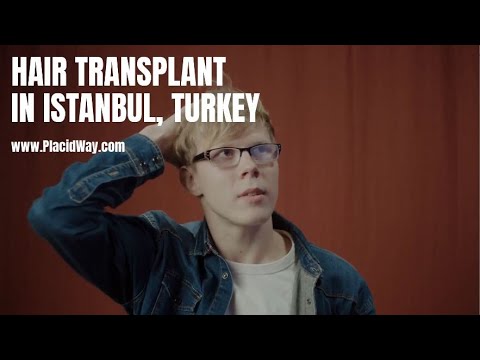





-Over-Traditional-FUE-Methods.png)


Share this listing