FUE Hair Transplant in Turkey

Publish date: Jun 23, 2022 Modified date: Apr 04, 2026 Medically reviewed by: Dr. Emre Yıldız on Apr 04, 2026 Author: Araya Chaiyaporn

Experience Price

$2,500 Price starting from
FUE Hair Transplant in Turkey

Contents

Turkey, and particularly Istanbul, has revolutionized the global hair transplant industry. It is estimated that over 500,000 people travel to Turkey annually for hair restoration, attracted by a unique value proposition: premium quality results using the latest techniques for a fraction of the cost found in the UK, US, or Europe. The "Turkish Hair Transplant" has become synonymous with high-density packing and natural hairline design.

Turkish clinics are pioneers in refining Follicular Unit Extraction (FUE). They have largely moved beyond standard steel blades to Sapphire FUE (using gemstone blades for cleaner incisions and faster healing) and (Hair Transplant) using Choi pens for precise angle control without shaving the recipient area.

The experience is famously "all-inclusive." Unlike in Western clinics where you pay per graft, Turkish packages typically offer a fixed price for the maximum number of grafts safely harvestable (often 4,000+), along with VIP airport transfers, luxury hotel accommodation, and translation services. This makes the logistics of traveling for surgery incredibly simple and stress-free.

Whether you need to restore a receding hairline or cover a thinning crown, Turkey offers the most experienced surgeons and the most comprehensive care packages in the world.

!

Did You Know?

Istanbul is sometimes jokingly referred to as the "City of the Bandaged Heads." If you walk through Istanbul Airport or the Grand Bazaar, you will see hundreds of men wearing the distinct black headbands used post-surgery to reduce swelling. This sight has become a badge of honor, signifying they've just visited the world's leading hub for hair restoration.

Key Insights at a Glance

1
Maximum Grafts:

Packages often include "maximum safe grafts" (up to 4,500-5,000) for one fixed price, unlike per-graft pricing elsewhere.

2
Sapphire FUE:

Standard use of Sapphire blades creates smaller channels, leading to higher density and faster healing.

3
All-Inclusive:

Prices typically cover the surgery, 2-3 nights in a 5-star hotel, VIP transfers, and post-op medication.

4
Massive Savings:

Save up to 70% compared to the UK/US. Packages start as low as €1,500 - €2,000.

5
Expertise:

Turkish surgeons perform more hair transplants per capita than any other nation, ensuring unmatched experience.

6
PRP Included:

Most packages include a free PRP (Platelet Rich Plasma) session to boost initial graft survival.

FUN FACT

Why "Sapphire" Blades?

Standard FUE uses steel blades to open channels for the hair. Turkish clinics popularized the use of blades made from Sapphire gemstone. These blades are sharper and smoother, creating V-shaped rather than U-shaped incisions. This allows surgeons to pack grafts closer together for higher density and causes less tissue trauma, meaning scabs heal much faster.

Finding the right clinic is essential to avoid "hair mills" and ensure quality care. In the section below, we have curated a list of top-rated, Ministry of Health accredited clinics in Istanbul and Antalya. These packages typically include the consultation, blood tests, FUE/DHI procedure (maximum grafts), PRP therapy, 2-3 nights in a 4 or 5-star hotel, VIP private transfers, post-op medications, and shampoo. Browse the options to find the package that best suits your needs.

Note: Most clinics guarantee a "Warranty Certificate," promising free revision if the transplanted hair does not grow.

`

Understanding the financial commitment is a crucial part of your decision-making process. The table below provides a transparent breakdown of average costs for FUE and DHI procedures in Turkey compared to UK and US prices. While these figures are estimates, they highlight the substantial savings available—often allowing you to get a premium DHI procedure for less than a basic FUE at home.

Tip: A standard Sapphire FUE package typically ranges from €1,500 to €2,500. DHI packages are slightly higher, around €2,200 to €3,500.

Follicular Unit Extraction FUE Centers Cost Comparison in Turkey

Provider Procedure Price
Capital Hair Center Follicular Unit Extraction FUE, Hair Transplantation $3250

Follicular Unit Extraction FUE Cost Comparison in Turkey

Country Procedure Price
Canada Follicular Unit Extraction FUE, Hair Transplantation $10500
United States Follicular Unit Extraction FUE, Hair Transplantation $9500
United Kingdom Follicular Unit Extraction FUE, Hair Transplantation $7000

Your results depend on the skill of the team. We have selected a list of premier hair restoration centers in Turkey known for their specialization in FUE and DHI. These clinics are vetted for their hygiene standards, doctor involvement (avoiding technician-only clinics), and positive patient outcomes. Explore the profiles below to learn more about their specific technologies and see their before-and-after galleries.

Standard: Look for clinics where a plastic surgeon or dermatologist is present and supervising the entire procedure.

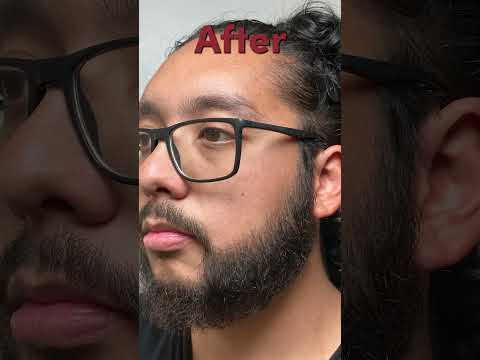
Hearing directly from past patients can offer invaluable reassurance. The video testimonials featured below showcase real stories from individuals who have traveled to Turkey for hair restoration. Watch these videos to see their 12-month results, hear about the painlessness of the procedure, and their experience with the VIP hospitality.

Insight: Patients often emphasize the luxury of the hotel and the ease of having a private driver waiting at the airport.

Patient reviews provide an honest look at the quality of care. In this section, you will find verified reviews and ratings from patients who have entrusted their hair restoration to specialists in Turkey. Read through their feedback regarding the density of the transplant, the natural look of the hairline, and the overall value to help guide your own choice of provider.

Review Tip: Look for reviews that mention the specific doctor's name and the post-op follow-up process.

1 Is it safe to get a hair transplant in Turkey?

Yes, provided you choose an accredited clinic. Turkey has strict regulations for medical tourism. Look for clinics accredited by the Turkish Ministry of Health and surgeons who are members of ISHRS (International Society of Hair Restoration Surgery). Avoid unusually cheap offers from black-market clinics.

2 How much does it cost?

A comprehensive package usually ranges from €1,500 to €3,000. This fixed price typically covers up to 5,000 grafts, hotel accommodation, and transfers. In the UK or US, the same procedure could cost €8,000 to €15,000 calculated per graft.

3 What is the difference between FUE and DHI?

In FUE (Follicular Unit Extraction), channels are opened first, and then grafts are placed. In DHI (Direct Hair Implantation), a Choi pen is used to open the channel and implant the graft simultaneously. DHI allows for higher density and often doesn't require shaving the recipient area, but it is more labor-intensive and slightly more expensive.

4 How long do I need to stay?

You only need to stay for 3 days (2 nights). Day 1: Arrival and consultation. Day 2: Surgery (6-8 hours). Day 3: Wash, check-up, and return home. You can fly immediately after the final check-up.

5 Is the procedure painful?

The procedure is performed under local anesthesia. You may feel a brief sting during the numbing injections, but the rest of the surgery is painless. Many clinics now offer needle-free jet injection for anesthesia or "soft sedation" to make the process completely comfortable.

6 Will it look natural?

Yes. Turkish surgeons are famous for their artistic skills in designing hairlines. They use single-hair grafts in the front row and place them in irregular patterns to mimic nature. The use of Sapphire blades allows for denser packing and correct angling for a seamless look.

7 Do the doctors speak English?

Yes. In international clinics, doctors speak English. Additionally, you will be assigned a personal host/translator who speaks your language fluently and accompanies you throughout the process to ensure clear communication.

8 What is the success rate?

The graft survival rate is typically 90-95% in top Turkish clinics. This high success rate is due to the use of advanced storage solutions (like Hypothermosol) and the speed/skill of the surgical teams.

9 Can women get hair transplants?

Yes. Women are excellent candidates for DHI or Unshaven FUE, which allows hair to be transplanted without shaving the recipient area. It is popular for lowering hairlines or thickening parting lines.

10 Do I need a visa?

Many nationalities (including UK and some EU citizens) can enter Turkey without a visa for short stays. US and Canadian citizens typically need an e-Visa, which is easily obtained online. Always check the latest requirements before travel.

How much does a hair transplant cost in Istanbul, Turkey?

The estimated cost of a hair transplant in Istanbul, Turkey typically ranges from $1,500 to $3,500. This often depends on the technique used, the number of grafts required, and the specific clinic's pricing structure for international patients. For many individuals managing hair loss, exploring surgical options often involves looking beyond their home borders. A hair transplant in Turkey has become a prominent option for international patients seeking treatment. When researching this destination, understanding the financial commitment is usually the first step. This article provides an in-depth look at what influences the hair transplant cost in Turkey, focusing specifically on Istanbul. We will cover the different surgical techniques, what patient packages typically include, medical eligibility, and important safety considerations when pursuing medical tourism in Turkey. Key Takeaways The average cost for a procedure in Istanbul is estimated between $1,500 and $3,500. FUE (Follicular Unit Extraction) and DHI (Direct Hair Implantation) are the most common methods offered. Many clinics provide bundled packages that may include local transport and hotel stays. Not all patients are suitable candidates; a thorough medical assessment is required prior to travel. Patients must plan for post-operative care and possible local follow-up once they return home. 1. Why is a hair transplant in Istanbul, Turkey often more affordable? The affordability of hair restoration in Istanbul is primarily driven by Turkey's lower cost of living and favorable exchange rates, rather than a necessary reduction in medical standards. When comparing prices globally, patients often wonder why the estimates in Istanbul are lower than those in North America or Western Europe. The primary factor is the broader economic context. Overhead costs for maintaining a medical facility, including rent, utilities, and administrative expenses, are generally lower in Turkey. Additionally, labor costs for medical staff, including nurses and surgical technicians, align with the local economy. The currency exchange rate between the Turkish Lira and major global currencies like the US Dollar, Euro, or British Pound also plays a significant role in making treatments more accessible to international visitors. Finally, the concentration of clinics in Istanbul has created a highly competitive market. To attract international patients, clinics often optimize their operations and bundle services, creating price efficiencies. However, patients should remember that low cost should never override the verification of safety protocols and the medical qualifications of the treating team. 2. What does the average hair transplant cost in Istanbul include? International patient packages in Istanbul usually bundle the surgery, local airport transfers, hotel accommodation, and initial post-operative medications into one comprehensive price. When you receive a quote from a hair transplant clinic in Turkey, it is rarely just for the time spent in the operating chair. Because clinics cater heavily to international arrivals, they have structured their offerings to reduce logistical stress for the patient. The Procedure: The surgical fees, local anesthesia, and medical consumables. Accommodation: Usually 2 to 3 nights in a partnered hotel. Transfers: VIP transport between the airport, hotel, and clinic. Aftercare Products: Specialized shampoos, lotions, and a few days' supply of antibiotics and painkillers. Translation Services: A dedicated host to help communicate with the medical staff if there is a language barrier. It is important to note what is generally not included. Flights, travel insurance, meals outside the clinic/hotel, and any long-term prescription medications are typically the responsibility of the patient. Always ask for an itemized list before committing. Expert Insight: When reviewing packages, verify whether the quoted price covers a set number of grafts or an "unlimited" session. Be cautious of "unlimited graft" claims, as extracting too many follicles in one day can severely damage the donor area. 3. Which hair transplant methods are commonly available in Istanbul? Clinics in Istanbul most commonly utilize Follicular Unit Extraction (FUE) and Direct Hair Implantation (DHI), which are modern techniques designed to avoid the linear scarring associated with older methods. The surgical technique used is a major factor in both the outcome and the overall cost. In the past, Follicular Unit Transplantation (FUT) was the standard, which involved removing a strip of scalp. Today, the vast majority of clinics in Istanbul focus on extraction methods that remove individual follicles. FUE (Follicular Unit Extraction): This method involves using a micro-punch tool to extract individual hair follicles from the back of the head. The surgeon then creates tiny incisions (channels) in the balding area and implants the grafts. A variation called Sapphire FUE uses blades made from synthetic sapphire, which some professionals suggest allows for more precise incisions. DHI (Direct Hair Implantation): DHI is a modified version of FUE. The extraction process is similar, but for the implantation phase, a specialized tool (often called a Choi pen) is used. This tool creates the incision and implants the follicle simultaneously, which may reduce the time the graft spends outside the body and sometimes allows for a higher density of placement. 4. Am I a suitable candidate for a hair restoration procedure? Not everyone is suited for a hair transplant; ideal candidates have sufficient donor hair, realistic expectations, and hair loss that has been assessed by a medical professional. Before considering travel or costs, it is vital to determine if surgery is medically appropriate for your specific condition. A transplant does not create new hair; it simply redistributes existing healthy hair. Therefore, the quality and density of your "donor area" (usually the back and sides of the head) are critical. Age is another important consideration. While younger patients in their early twenties may want a transplant, many surgeons advise waiting until the pattern of hair loss has stabilized. Performing surgery too early can result in an unnatural appearance if the native hair continues to thin behind the transplanted hairline. Patients with active scalp infections, certain autoimmune disorders (like alopecia areata), or poorly managed chronic health conditions may be contraindicated for surgery. A comprehensive medical consultation, which may involve blood tests and reviewing your medical history, is a necessary step to ensure safety and suitability. 5. How do the costs vary between FUE and DHI techniques? DHI procedures typically cost more than standard FUE due to the specialized implanter tools required and the increased time and precision required by the medical team. When evaluating estimates, you will likely notice a price difference based on the technique. A standard FUE procedure usually falls on the lower end of the pricing spectrum. Because the channel-opening and implantation phases are separated, the medical team can work efficiently, often allowing for a larger number of grafts to be moved in a single session. DHI requires the use of single-use, sterile implanter pens. Loading these pens with individual grafts requires additional skilled technicians working simultaneously with the surgeon. This labor-intensive process limits the number of grafts that can be safely placed in a single day compared to FUE, driving up the cost per graft. Some clinics may recommend a combination of both methods, using DHI for the front hairline where precision is crucial, and FUE for the crown area to maximize coverage. Your pricing will reflect the specific surgical plan tailored to your needs. Important Consideration: Do not choose a technique based solely on price. A qualified medical professional should recommend the method most likely to achieve a natural result based on your hair caliber, skin type, and degree of loss. 6. What are the potential risks and complications of hair transplants? While generally considered safe when performed by qualified professionals, hair transplants carry medical risks such as infection, scarring, poor graft survival, and unnatural-looking results. Because hair transplantation is a minimally invasive surgical procedure, it carries inherent risks that patients must carefully weigh. One of the primary medical risks is infection, which can occur if the surgical environment is not sterile or if the patient fails to follow proper aftercare hygiene. Another significant risk is donor area depletion. If a clinic over-harvests the back of the head in an attempt to provide maximum coverage, it can result in a moth-eaten appearance and prevent the possibility of future procedures. Furthermore, if the grafts are handled poorly or deprived of blood supply for too long during surgery, they may fail to grow, resulting in low density. There is also the risk of aesthetic dissatisfaction. An improperly designed hairline that does not account for facial proportions or future aging can look highly unnatural. Discussing these risks openly with your chosen provider is an essential part of the informed consent process. 7. How long does it take to recover and see results? Initial recovery typically takes 10 to 14 days for the scalp to heal, while final, visible hair growth usually requires 12 to 18 months as the follicles enter a new growth cycle. Patience is a crucial aspect of the hair restoration journey. The initial recovery phase lasts about two weeks. During this time, you will experience redness, swelling, and scabbing across the treated areas. Most patients feel comfortable returning to non-strenuous work within a week to ten days, though the scalp may still look visibly healing. Between weeks two and eight, a phenomenon known as "shock loss" commonly occurs. This is when the newly transplanted hairs shed. This is a normal part of the process, as the trauma of surgery forces the follicles into a resting phase. New growth typically begins around the third or fourth month, appearing thin and fine at first. The hair will gradually thicken over the following months. By month twelve, most patients can see significant improvement, though final density in areas like the crown can take up to 18 months to fully mature. 8. How should I prepare for medical tourism in Turkey? Planning your trip requires arranging necessary travel documents, scheduling adequate time off work for initial healing, and coordinating medical reviews well before booking flights. Proper preparation can significantly reduce the stress associated with receiving medical care abroad. First, research the entry requirements for Turkey based on your nationality. Many travelers will need to secure an e-Visa online prior to departure. Before finalizing travel dates, have a thorough virtual consultation with the clinic. You should share clear photographs of your scalp and provide a comprehensive medical history, including any medications you currently take. Blood thinners, certain vitamins, and alcohol usually need to be discontinued several days or weeks before surgery to minimize bleeding risks. Plan to arrive at least a day before your surgery to rest and attend an in-person pre-operative consultation. Ensure you have comfortable, button-down shirts to wear after the procedure, as pulling clothing over your head can dislodge the newly placed grafts. 9. What type of aftercare is required once I return home? Long-term success relies on following specific clinic washing protocols, avoiding strenuous physical activity initially, and maintaining regular communication with your provider. The success of the procedure depends heavily on how you treat your scalp in the weeks following the surgery. Once you return home, you must adhere strictly to the post-operative instructions provided by your clinic. This includes how to sleep (usually elevated to reduce swelling) and how to carefully wash the scalp without using high water pressure or aggressive rubbing. You will need to avoid heavy exercise, swimming, saunas, and direct sun exposure for several weeks to prevent infection and protect the grafts. Because you will be far from your treating physician, it is highly beneficial to establish contact with a local primary care doctor or dermatologist who knows you traveled for surgery. If you experience signs of infection, such as excessive redness, pain, or fever, you will need prompt local medical attention while simultaneously updating your clinic abroad. 10. Are additional procedures or multiple sessions usually needed? Depending on the severity of your current hair thinning and future progressive loss, a single session may not provide sufficient coverage, requiring additional surgeries later on. It is a common misconception that one procedure will completely restore a full head of hair for a lifetime. Hair loss is often a progressive condition. While the transplanted hair is usually resistant to falling out, the native hair surrounding it may continue to thin over time. Patients with extensive baldness (such as Norwood Scale 5 or 6) often require two or more sessions spaced a year apart to achieve adequate density across the entire scalp. Attempting to cover a massive area in one day often results in a very sparse look or risks over-harvesting the donor site. Understanding this reality helps manage expectations regarding the total, long-term financial commitment. If you might need a second procedure in the future, you must factor that into your overall budget beyond the initial estimate. Why Choose PlacidWay for Medical Tourism? Navigating healthcare options in another country requires access to organized information. PlacidWay serves as a resource for international patients in the following ways: Provides a comprehensive directory of international healthcare facilities and clinics. Allows individuals to compare pricing estimates across different regions and countries. Offers educational resources to help patients understand various medical procedures. Facilitates direct communication requests between patients and international healthcare providers. Operates as a transparent platform designed to support your information-gathering process. Frequently Asked Questions How many grafts can be safely transplanted in one session? The safe number of grafts varies by patient, but many medical professionals recommend capping a single session at 3,000 to 4,000 grafts. Exceeding this limit may increase the risk of donor area depletion or compromise blood supply to the newly implanted follicles. Is the hair transplant procedure painful? The procedure is typically performed under local anesthesia, meaning the scalp is numb during the extractions and implantations. Patients often report mild discomfort during the initial anesthetic injections and some soreness during the recovery phase. Can women get hair transplants in Istanbul? Yes, women experiencing certain types of female pattern hair loss or traction alopecia may be candidates. However, female hair loss often has different underlying causes than male pattern baldness, requiring a thorough diagnostic evaluation before surgery is considered. What happens if I experience a complication after returning home? If a complication arises after returning home, you should immediately contact your treating clinic for guidance and seek care from a local physician or dermatologist. It is highly recommended to establish a relationship with a local doctor before traveling for surgery. Are the results of a hair transplant permanent? Transplanted hair follicles are generally resistant to the hormone DHT, meaning they typically continue to grow long-term. However, a transplant does not stop the progression of native hair loss, which may require ongoing medical management. How soon can I wash my hair after the procedure? Most clinics provide specific post-operative washing instructions, typically advising the first gentle wash to occur 24 to 48 hours after surgery. This is often done using a specialized lotion and shampoo to protect the newly placed grafts. Does insurance cover hair restoration abroad? Because hair transplantation is almost universally classified as an elective cosmetic procedure, health insurance typically does not cover the cost, whether performed locally or internationally. Can I wear a hat after the surgery? You must avoid tight-fitting hats for at least 10 to 14 days to prevent dislodging the grafts. Clinics may provide a loose, specialized medical hat to protect your scalp from sun exposure and dust during your journey home. What is the difference between a high-volume center and a specialized clinic? High-volume centers often perform many surgeries daily, frequently delegating most steps to technicians. Specialized clinics typically limit their daily procedures, with the primary physician directly performing or closely supervising critical steps like extractions and incisions. Do I need to take medications like Finasteride afterward? Many hair restoration surgeons recommend medications such as Minoxidil or Finasteride after a transplant to help preserve your existing, non-transplanted hair. The suitability of these medications depends on your individual medical history and potential side effects. Compare Treatment Options Gather the information you need to make an informed decision. Request pricing estimates and clinic details to understand your options abroad. Request Treatment Information References Surgical Treatments for Hair Loss – International Society of Hair Restoration Surgery (ISHRS) Hair Transplants: What to Expect – American Academy of Dermatology (AAD) Hair Transplant Overview – National Health Service (NHS UK) Medical Tourism: Travel for Medical Care – Centers for Disease Control and Prevention (CDC) Beware of Medical Tourism in Hair Transplants – ISHRS Patient Warning Complications in Hair Transplantation – Journal of Cutaneous and Aesthetic Surgery (NCBI) Medical Disclaimer: The information provided in this article is for educational and informational purposes only and does not constitute medical advice. Costs, recovery times, and outcomes vary by individual patient and treatment complexity. Hair transplantation is a surgical procedure carrying inherent risks. Always consult with a qualified, appropriately licensed healthcare provider or specialist to determine if this procedure is suitable for your specific medical history and condition.

Your hairline is in expert hands. We have compiled a list of top-tier hair restoration specialists in Turkey who possess extensive experience and international recognition. These profiles highlight their memberships in global societies (ISHRS), surgical volume, and dedication to natural aesthetics.

1

Plastic Surgeons

Board-Certified Medical Experts

Our listed specialists often include Board-Certified Plastic Surgeons who oversee the transplant process. Their deep understanding of facial anatomy and aesthetics ensures that your new hairline is not just full, but perfectly proportioned to your face.

2

ISHRS Members

International Standards

Many leading Turkish surgeons are members of the International Society of Hair Restoration Surgery (ISHRS). This membership signifies their commitment to the highest ethical standards and continuous education in the latest hair restoration techniques.

3

Medical Aestheticians

Specialized Hair Technicians

In Turkey, highly skilled medical teams (technicians and nurses) with years of specific hair transplant experience often perform the graft extraction and placement under the supervision of a doctor. Their daily practice of this single procedure leads to incredible speed and precision.

1

Cost vs. Quality

Turkey offers the best price-to-quality ratio globally. Government subsidies and lower operational costs allow clinics to offer premium services at rock-bottom prices.

You get European-standard medical care for a fraction of the European price.

2

All-Inclusive Convenience

The seamless "package deal" model is a major draw. Patients don't have to worry about booking hotels or finding taxis.

From the moment you land to the moment you leave, every logistical detail is handled for you.

3

Tourism Opportunity

Istanbul is a world-class tourist destination connecting East and West.

Combining your procedure with a day or two of sightseeing (before surgery) allows you to experience the rich history and culture of Turkey.

With thousands of clinics to choose from, finding a reputable one can be overwhelming. PlacidWay acts as your trusted guide, connecting you with verified, accredited clinics in Turkey. We handle the vetting and coordination so you can focus on your transformation.

Clinic Verification

We partner only with Ministry of Health accredited clinics that maintain strict hygiene standards and have proven track records of success.

Free Assessment

We facilitate a free analysis of your photos by the medical team to estimate the number of grafts needed and provide a personalized plan before you book.

Transparent Quotes

We provide clear, all-inclusive package quotes so you know exactly what is covered (transfers, hotel, meds) with no hidden fees upon arrival.

Travel Logistics

From recommending flights to ensuring your driver is waiting at the airport, we help manage the practical details of your trip.

Translation Support

We ensure you have access to English-speaking coordinators (or other languages) so you fully understand your medical procedure.

Patient Advocacy

Our team is available to support you throughout your journey, answering questions and ensuring your experience meets your expectations.

Reclaim your hairline and your confidence. Contact PlacidWay today for a free, no-obligation quote and start your hair transplant journey in Turkey.

Get Your Free Personalized Quote

FUE Hair Transplant in Turkey thumbnail

About Experience

  • Translations: EN AR ES DE
  • Price Range: $2,500 - $3,025
  • Treatment: Follicular Unit Extraction FUE, Hair Transplantation
  • Location: Turkey
  • Clinics: MAXIM Hair Restoration Turkey, Capital Hair Center, CapilClinic Hair Transplant Turkey,
  • Packages Cost Effective Package for FUE Hair Transplant in Turkey by Capital Hair Center, Best FUE Hair Transplant in Istanbul, Turkey - MAXIM Clinic,
  • Overview FUE Hair Restoration in Turkey - Regain Natural-Looking Hair!

Trusted Medical Tourism Platform Since 2007

60+
Countries
2k+
Clinics
19.5k+
Reviews
2.5k+
Qualified Doctors
1.1M+
Patients Served Since 2007