

Dealing with hair loss often brings frustration especially when local restoration procedures carry prohibitive price tags. Many patients look across the border for high quality and affordable medical care in certified clinics. Exploring your options requires understanding the estimated expenses and knowing exactly which Mexican health credentials guarantee a safe clinical environment. By verifying local clinic licenses like COFEPRIS alongside proper board certifications you can safely explore your treatment possibilities while keeping expenses manageable.
- Estimated Cost Treatment typically ranges from $3000 to $5000 USD depending on graft count and technique.
- Safety Overview Clinics regulated by COFEPRIS and surgeons certified by Mexican national medical boards offer regulated and standardized care.
- Ideal Candidate Men and women with stable hair loss sufficient donor hair and good overall health are generally suitable.
- Recovery Time Most patients can return to non strenuous work within five to seven days while full integration of grafts takes several months.
- Why Choose Monterrey The city offers proximity to the United States modern medical infrastructure and highly experienced medical professionals.
- Important Caution Always verify the physical clinic license and ensure the attending doctor is a certified specialist rather than a technician.
Why Patients Choose Hair Transplant in Monterrey Mexico
Medical tourism continues to grow as patients seek accessible healthcare solutions without compromising quality. Monterrey represents a major medical hub in northern Mexico. The city features advanced hospital infrastructure and numerous specialized medical centers. Patients traveling from the United States and Canada frequently select this destination due to its convenient geographic location.
Quality of care remains a primary motivator alongside financial savings. Mexican specialists often complete extensive international training and participate in global medical societies. Facilities in major metropolitan areas frequently invest in modern extraction and implantation technology. This dedication to clinical excellence helps reassure international visitors.
Advantages of Traveling to Monterrey
- Short flight times from major US southern cities.
- Significant cost savings compared to US or Canadian averages.
- Access to bilingual medical staff and specialized care coordinators.
- High concentration of government regulated medical facilities.
Important Patient Considerations
- Requires careful vetting of clinical credentials and licenses.
- Involves cross border travel planning and passport requirements.
- Necessitates arranging post operative support in your home country.
- Follow up visits may require additional travel.
Understanding FUE and FUT Hair Transplant Procedures
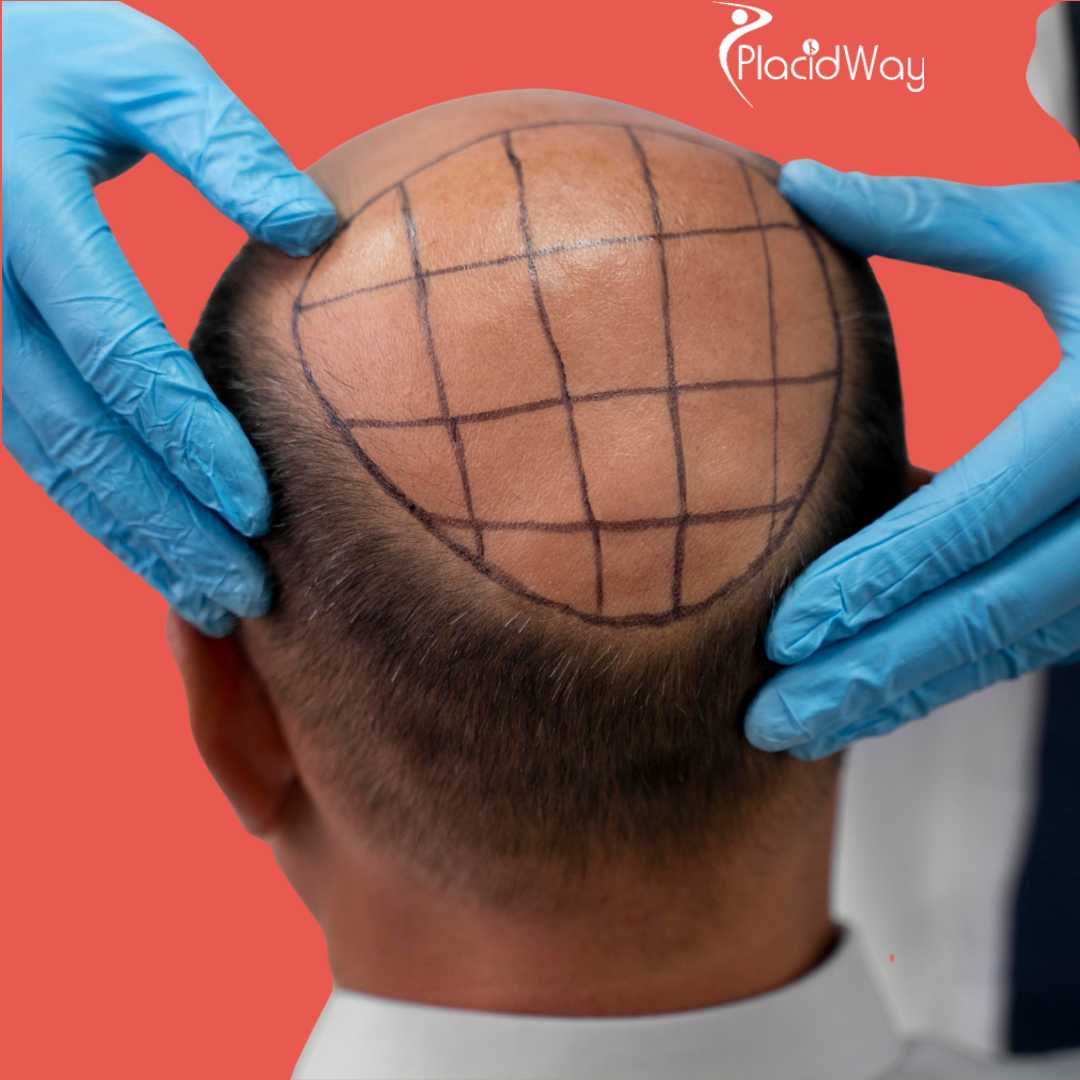
Hair restoration relies on relocating healthy hair follicles from a donor site to areas experiencing thinning or baldness. The two primary techniques utilized globally are Follicular Unit Extraction and Follicular Unit Transplantation. Both methods aim to achieve natural looking density while minimizing visible scarring. Your surgeon will evaluate your scalp laxity and donor density to recommend the most appropriate approach.
Follicular Unit Extraction involves removing individual hair follicles directly from the scalp using a specialized micro punch tool. This method avoids a linear incision making it highly sought after by patients who prefer wearing short hair. The procedure requires precision and time as each graft is harvested one by one.
Follicular Unit Transplantation commonly known as the strip method involves removing a narrow strip of tissue from the back of the head. The clinical team carefully dissects this tissue under microscopes to separate individual follicular units. This technique allows for the harvesting of a large number of grafts in a single session.
Clinical Context of Graft Survival
The success of either technique depends heavily on how the follicles are handled outside the body. Factors such as hydration temperature control and minimal tissue handling directly influence the survival rate of the transplanted hair. Experienced surgical teams prioritize reducing the time grafts spend outside the scalp.
Comparing Extraction and Transplantation Techniques
Choosing between extraction methods involves weighing your lifestyle goals hair characteristics and the extent of your hair loss. Each technique carries specific benefits and limitations regarding recovery time and donor area management. The decision should always involve a thorough clinical assessment by a qualified doctor.
While extraction methods differ the implantation phase remains largely identical. The surgeon creates tiny recipient sites in the balding areas matching the natural angle and direction of native hair growth. Careful placement ensures the final result blends seamlessly with your existing hair.
| Procedure Aspect | Follicular Unit Extraction | Follicular Unit Transplantation |
|---|---|---|
| Extraction Method | Individual follicle removal via micro punch. | Surgical removal of a tissue strip. |
| Scarring Profile | Scattered dot like scars easily concealed. | A single linear scar at the donor site. |
| Session Size | Typically yields smaller graft counts per session. | Capable of high graft yields in one sitting. |
| Recovery Speed | Generally faster healing of the donor area. | Requires slightly longer healing and suture removal. |
| Hair Length Requirement | Usually requires shaving the donor area. | Can often be performed without fully shaving the back. |
Patient Demographics for Hair Restoration in Mexico
Understanding who travels for hair restoration provides valuable context for prospective patients. Recent data highlights specific trends in age groups and origin locations for individuals seeking medical care in northern Mexico. The majority of patients are male though female hair restoration represents a steadily growing segment of clinical practice.
Many patients fall into the age range where androgenetic alopecia becomes most visibly prominent. By analyzing travel patterns clinics continuously adapt their services to meet the linguistic and logistical needs of North American visitors. The visualizations below represent recent 2024 demographic patterns for cross border hair restoration patients in the region.
Patient Age Distribution 2024
Source: Documented cross border medical demographic reports reflecting 2024 patient age brackets.
Top Origin Locations for Medical Travel to Monterrey 2024
Source: Regional 2024 healthcare travel volume trends highlighting border proximity influence.
Estimated Cost of Hair Transplant in Monterrey Mexico
Financial considerations frequently drive the decision to seek treatment internationally. In the United States the expense of clinical hair restoration often prevents patients from pursuing their desired treatment. The favorable exchange rate and lower operational costs in Mexico allow clinics to offer identical procedures at a fraction of the price.
When reviewing financial estimates it is important to distinguish between procedure only pricing and comprehensive packages. Many clinics bundle ground transportation hotel accommodations and post operative medication into a single fee to simplify the patient experience. Always request a clearly itemized quote to avoid unexpected out of pocket expenses.
| Destination Country | Estimated Treatment Cost USD | General Inclusion Scope |
|---|---|---|
| United States | $8000 to $15000 | Procedure only. Consultations may be extra. |
| Canada | $7000 to $12000 | Procedure only. Excludes travel logistics. |
| Monterrey Mexico | $3000 to $5000 | Often includes procedure transfers and initial medication. |
What Influences Your Hair Transplant Cost in Monterrey
No two hair loss profiles are identical meaning your final price will reflect your unique clinical requirements. Clinics typically structure their pricing models based on either a flat session fee or a price per graft. Understanding these variables helps you accurately budget for your medical journey.
Facility prestige and surgeon expertise also dictate pricing tiers. A highly credentialed specialist operating in a premium hospital district will generally charge more than a standard outpatient clinic. Patient safety and outcome quality should always outweigh the desire for the lowest possible price.
Common Cost Variables
- Number of Grafts Needed Extensive baldness requires more follicles increasing surgical time and cost.
- Technique Selected Complex extraction methods generally require more specialized labor impacting the final invoice.
- Surgeon Experience Board certified doctors with high demand command higher professional fees.
- Package Additions Including premium hotel stays or extended recovery monitoring adds to the total package price.
- Preoperative Testing Required blood work and medical evaluations may incur separate fees depending on the clinic.
Ideal Candidate for Hair Restoration Procedures
Not everyone experiencing hair thinning qualifies for surgical intervention. A thorough medical evaluation determines your suitability and helps establish realistic expectations regarding coverage and density. The underlying cause of your hair loss drastically impacts the potential success of the procedure.
Male or female pattern baldness remains the most common and treatable diagnosis. Conditions like alopecia areata or active scalp infections generally contraindicate surgery until the medical issue resolves. Your donor area must possess sufficient density to supply follicles without appearing visibly depleted after extraction.
Patient Eligibility Checklist
- You have experienced stabilized hair loss rather than rapid unpredictable shedding.
- You possess adequate hair density at the back and sides of your scalp.
- You are in good general physical health with no uncontrolled systemic conditions.
- You hold realistic expectations regarding the visual outcome and necessary recovery time.
- You are prepared to commit to post operative care and potential maintenance medications.
Medical Regulations and Clinic Certifications in Mexico
Patient safety relies on strict adherence to medical regulations and sanitary protocols. The healthcare system in Mexico utilizes a structured regulatory framework to monitor medical facilities. Knowing which credentials indicate a legitimate and safe clinic protects you from unregulated practitioners.
The Federal Commission for the Protection against Sanitary Risk acts as the primary health regulatory body in the country. This government agency evaluates clinic infrastructure sanitation practices and emergency protocols. Operating without proper government authorization is illegal and poses significant risks to patient safety.
Critical Regulatory Licenses to Verify
Before booking any procedure ask the clinic to provide their official COFEPRIS operating license number. Legitimate clinics proudly display this certification on their websites and in their reception areas. Furthermore ensure the facility holds a valid municipal operating permit for specialized surgical procedures.
How to Choose a Hair Transplant Surgeon in Monterrey
The skill of the individual performing your procedure dictates both the safety of the surgery and the natural appearance of the final result. In recent years the global medical community has raised concerns regarding clinics delegating surgical steps to unlicensed technicians. Your primary surgeon should actively participate in both the extraction and implantation phases.
Verifying physician credentials requires looking at specific national medical registries. In Mexico specialists must register their degrees with the national medical council. Professional memberships in recognized dermatological or plastic surgery associations further demonstrate a commitment to continued education and ethical practice.
Step One Medical Degree Verification
Check that the doctor holds a valid Cedula Profesional which is the official Mexican medical license required to practice medicine.
Step Two Specialty Certification
Ensure the surgeon is certified by recognized bodies such as the Mexican Board of Plastic Aesthetic and Reconstructive Surgery or relevant national dermatological boards.
Step Three Outcome Review
Examine consistent high resolution before and after clinical photos focusing on hairline design and donor area preservation.
Preparing for Your Hair Transplant Journey to Mexico
Successful cross border medical care requires organized logistical and physical preparation. Rushing the planning phase often leads to elevated stress levels on the day of your surgery. Coordination with your clinic representative ensures you arrive fully prepared for the clinical process.
Medical preparation begins several weeks before your departure date. Your surgeon will likely request you pause certain supplements or medications that increase bleeding risks. Adhering strictly to these pre operative guidelines minimizes surgical complications and supports ideal graft survival.
Travel and Medical Timeline
One Month Prior Book your flights finalize accommodations and submit necessary preoperative blood work to the clinic.
Two Weeks Prior Cease smoking alcohol consumption and avoid blood thinning medications as directed by your surgeon.
Arrival Day Settle into your hotel and attend the initial in person consultation for final hairline design.
Procedure Day Eat a light approved breakfast wear comfortable button down clothing and arrive at the facility on time.
Step by Step Hair Transplant Procedure Overview
Understanding the clinical sequence helps alleviate preoperative anxiety. The entire process generally spans six to eight hours depending on the required graft volume. The procedure takes place under local anesthesia meaning you remain awake but comfortable throughout the day.
The clinical team carefully monitors your vital signs while the surgeon begins the extraction phase. After harvesting the follicles the team meticulously sorts and preserves them in a specialized chilling solution. The final phase involves creating microscopic recipient sites and delicately placing each individual unit into the scalp.
The Clinical Sequence
- Anesthesia Administration Local anesthetics numb the scalp ensuring a painless experience.
- Follicle Extraction The surgeon carefully harvests grafts from the designated donor safe zone.
- Graft Preparation Clinical technicians inspect and categorize follicles under magnification.
- Incision Creation The doctor designs the recipient sites matching natural hair angulation.
- Implantation Grafts are inserted into the incisions completing the surgical phase.
Expected Recovery Timeline After Hair Transplant
Postoperative healing requires patience and strict adherence to clinical aftercare instructions. The initial days following surgery involve careful management of the newly implanted grafts. Mishandling the scalp during this fragile period can result in graft dislodgement and compromised outcomes.
Swelling around the forehead and eyes commonly occurs during the first few days. Scabs will form around the extraction and implantation sites naturally flaking off within ten to fourteen days. Most patients resume normal social activities within a week though strenuous physical exercise requires a longer waiting period.
| Timeframe | Biological Process | Patient Activity Level |
|---|---|---|
| Days 1 to 3 | Grafts secure themselves in the tissue. Mild swelling peaks. | Rest entirely. Sleep with head elevated. Avoid direct sunlight. |
| Days 4 to 7 | Scabbing hardens. Donor area begins noticeable healing. | Return to light non strenuous work. Begin gentle scalp washing as directed. |
| Days 10 to 14 | Scabs naturally detach. Follicles are firmly rooted. | Resume normal daily activities. Haircut possible on donor area. |
| Weeks 3 to 6 | Transplanted hairs shed resting before new growth. | Resume heavy exercise. Wear hats normally. |
Potential Risks and Complication Management
Like any surgical intervention transferring follicles carries inherent medical risks. While generally considered safe when performed by qualified professionals complications can arise if protocols are ignored. Understanding these risks empowers you to monitor your healing process effectively.
Infection remains a risk primarily mitigated by sterile clinical environments and prescribed prophylactic antibiotics. Poor surgical technique can lead to excessive scarring or unnatural hairline aesthetics. Choosing an extensively vetted surgeon drastically reduces the likelihood of these adverse events.
Emergency Warning Signs
Contact your clinic immediately if you experience persistent bleeding that does not stop with light pressure escalating pain not managed by prescribed medication or signs of infection such as severe redness swelling or localized heat radiating from the scalp.
Traveling to Monterrey Mexico for Medical Care
Navigating international travel for healthcare demands attention to local geography and transportation. Monterrey features a major international airport providing direct connections to numerous cities across the United States. The short flight duration minimizes travel fatigue which is highly beneficial immediately following surgery.
Many specialized clinics reside in upscale commercial districts offering proximity to premium hotels and pharmacies. Reputable facilities often provide dedicated driver services to escort patients between the airport hotel and clinic. This coordinated approach eliminates the stress of navigating a foreign transit system during your recovery.
Travel Planning Advice
- Verify your passport remains valid for at least six months beyond your travel dates.
- Confirm whether your selected clinic package includes airport transfers and daily transport.
- Pack front buttoning shirts to avoid pulling clothing over your sensitive scalp.
- Notify your bank of international travel to prevent card holds during medical payments.
Long Term Results and Hair Transplant Aftercare
Achieving your final aesthetic outcome requires long term commitment and realistic patience. The transplanted hair typically sheds entirely within the first month entering a dormant resting phase. New steady growth usually becomes visible between the third and fourth months post procedure.
Substantial visual improvement generally appears by month eight with complete maturation of the results taking up to twelve to fifteen months. Your surgeon may recommend adjunctive therapies to support existing native hair and prevent further thinning over time. Adhering to these maintenance recommendations protects your overall investment.
Long Term Maintenance Takeaway
Surgery does not stop the biological progression of native hair loss. Clinicians frequently prescribe maintenance routines potentially including topical solutions oral medications or specialized laser therapies to maintain density behind the newly transplanted frontal zones.
Frequently Asked Questions About Hair Transplant in Monterrey Mexico
Patients researching international medical care share common concerns regarding safety logistics and clinical outcomes. Reviewing these detailed answers helps clarify expectations and supports confident decision making. Always discuss your specific medical questions directly with your chosen healthcare provider.
Is it safe to get a hair transplant in Monterrey Mexico?
Yes undergoing treatment in Monterrey can be highly safe when selecting a government licensed clinic. Ensure the facility holds COFEPRIS certification and the surgeon is board certified. Reputable clinics follow strict international hygiene protocols and utilize modern medical equipment.
How much does the procedure typically cost in Monterrey?
The estimated cost generally falls between $3000 and $5000 USD depending on the number of grafts required and the specific extraction technique used. This price often includes package amenities like transportation and initial medications making it significantly more affordable than North American averages.
Will the transplanted hair fall out after the surgery?
Yes the transplanted hairs typically shed within the first three to four weeks. This process is a normal biological reaction to the surgical transfer. The follicles remain securely anchored beneath the skin and new permanent growth usually begins after three months.
How many days should I plan to stay in Mexico?
Most clinics recommend a stay of three to five days. This timeframe allows you to arrive comfortably undergo the procedure and attend the crucial postoperative follow up and first hair wash before flying home.
Do clinics in Monterrey offer bilingual medical staff?
Yes facilities catering to international patients typically employ bilingual surgeons nurses and dedicated patient coordinators. Clear communication regarding medical instructions and aesthetic goals is prioritized in specialized medical tourism centers.
When can I safely wear a hat after the procedure?
Surgeons generally advise against wearing tight caps or hats for at least ten to fourteen days to prevent rubbing or dislodging the new grafts. A loose fitting adjustable cap provided by the clinic may sometimes be worn carefully under strict guidance.
What credentials should my Mexican surgeon possess?
Your doctor must hold a Cedula Profesional the national medical license and ideally be certified by the Mexican Board of Plastic Aesthetic and Reconstructive Surgery or hold equivalent national specialist recognition.
Is the extraction and implantation process painful?
The procedure relies on local anesthesia meaning you will not feel pain during the surgery. Patients commonly report mild discomfort during the initial numbing injections followed by a pressure sensation. Postoperative soreness is typically managed easily with standard oral analgesics.
Can women receive hair restoration treatments in Monterrey?
Yes women experiencing specific types of pattern hair loss or looking to lower a naturally high hairline often qualify for these procedures. The surgeon will perform a detailed evaluation to ensure the donor area is stable and the hair loss pattern is suitable for surgical intervention.
How do I arrange a medical consultation from abroad?
Clinics typically offer initial virtual consultations. You will be asked to submit clear photographs of your scalp from multiple angles along with a brief medical history. The medical team will review these to provide an initial assessment and cost estimate.
Ready to Explore Your Hair Restoration Options
PlacidWay can help you compare certified providers understand treatment costs and request information directly from specialized clinics in Monterrey. Let us assist you in navigating your medical journey safely.
Request Free InformationDisclaimer: This information is for educational purposes only and does not replace professional medical advice. Always consult a qualified healthcare provider before making medical decisions.
References
- Federal Commission for the Protection against Sanitary Risk COFEPRIS – Government of Mexico
- Hair Transplant Surgery Patient Guide – International Society of Hair Restoration Surgery
- National Specialist Registry Directory – Mexican Board of Plastic Aesthetic and Reconstructive Surgery
- Clinical Review of Hair Restoration Complications – National Center for Biotechnology Information
- Patient Expectations for Hair Transplants – American Academy of Dermatology
- Health Abroad Medical Tourism Guidelines – U.S. Department of State



























Share this listing