

Losing your hair can deeply impact your confidence, but traveling for a hair transplant in Guadalajara Mexico offers a safe way to restore your natural look without the financial burden found at home. Before booking your trip to evaluate surgical hair restoration cost in Mexico, you must carefully review the facility's COFEPRIS licensing and the surgeon's national board certifications to ensure your utmost safety. By combining verified medical expertise with transparent pricing, this vibrant city helps thousands of international patients achieve lasting hair restoration results every year.
Quick Answer Summary
- Estimated Cost: Typically ranges from $2,500 to $4,500 USD, depending on the technique and number of grafts required.
- Safety Overview: Generally safe when performed in licensed facilities, but carries standard surgical risks like infection or poor graft survival.
- Ideal Candidate: Men and women with stable hair loss, sufficient healthy donor hair, and realistic expectations.
- Recovery Time: Most patients return to light activities within a few days, while full visible results take 12 to 18 months.
- Why Choose Guadalajara: Offers highly skilled specialists, modern medical infrastructure, and lower operational costs compared to the US or Canada.
- Important Caution: Always verify that the clinic holds an active COFEPRIS license and that your surgeon is board-certified by recognized Mexican medical councils.
Understanding Hair Restoration Surgery In Guadalajara Mexico
Hair transplant surgery is a clinical procedure designed to treat hair loss by moving healthy hair follicles from a donor area to a thinning or bald recipient site. Patients frequently consider traveling abroad for this treatment because domestic healthcare costs often place elective cosmetic procedures out of reach. Guadalajara has emerged as a premier medical destination due to its robust healthcare infrastructure and specialized surgical teams.
International patients travel to this region not just for affordability, but for the high standard of personalized care. Navigating medical tourism requires understanding both the biological aspects of the surgery and the local regulatory environment. Below are the primary reasons individuals choose this destination for their hair restoration needs.
- Significantly lower procedural costs compared to North American averages
- Proximity to the United States and Canada with direct, short-haul flights
- Access to experienced surgeons who focus entirely on hair restoration
- Comprehensive care packages that often include local transportation and accommodation
- High-quality hospital facilities regulated by federal health authorities
Why North American Patients Choose Guadalajara For Hair Restoration
The decision to undergo surgery in another country involves carefully weighing the potential financial benefits against travel logistics and safety concerns. Patients from the United States and Canada frequently look toward Guadalajara because the city blends modern medical technology with an accessible location. The local healthcare system supports specialized clinics that cater specifically to international medical tourists.
Beyond the financial advantage, the personalized attention patients receive often exceeds what they experience in their home countries. Many clinics assign dedicated patient coordinators who assist with language translation, travel itineraries, and post-operative care scheduling. This comprehensive approach helps alleviate the anxiety associated with undergoing surgery far from home.
Emotional Drivers
Many patients feel self-conscious about their hair loss and desire a permanent, natural-looking solution to regain their confidence and youthful appearance.
Financial Drivers
The ability to save thousands of dollars on the exact same medical procedure allows patients to invest in higher graft counts or extended recovery care.
Comparing FUE And FUT Hair Transplant Techniques
When you consult with a surgeon in Guadalajara, they will typically recommend one of two primary hair extraction methods based on your specific hair loss pattern and donor area density. The Follicular Unit Extraction method involves harvesting individual hair follicles directly from the scalp using tiny micro-punches. This approach leaves scattered, pinpoint scars that are easily concealed by short hair.
Alternatively, the Follicular Unit Transplantation method requires the surgeon to remove a narrow strip of scalp from the back of the head. The medical team then dissects this strip under microscopes into individual follicular units for implantation. While this technique leaves a linear scar, it is often recommended for patients requiring a massive number of grafts in a single session.
| Feature | Follicular Unit Extraction | Follicular Unit Transplantation |
|---|---|---|
| Harvesting Method | Individual follicle extraction | Surgical strip removal |
| Scarring Profile | Scattered tiny dots | Single linear scar |
| Recovery Speed | Typically faster healing | Requires slightly longer healing |
| Yield Volume | Excellent for mild to moderate loss | Ideal for extensive hair loss |
Estimated Hair Transplant Costs In Guadalajara Compared To The US And Canada
Understanding the financial landscape is often the first step for patients researching hair restoration options abroad. In the United States and Canada, clinic overhead, medical malpractice insurance, and labor costs drive the price of hair transplants to premium levels. In contrast, the lower cost of living and operational expenses in Mexico allow clinics to offer the same procedures at a fraction of the cost.
It is crucial to remember that prices vary based on the specific clinic, the surgeon's expertise, and the exact number of grafts your treatment plan requires. Always request a written, itemized quote to ensure you understand exactly what is included in your surgical package before you commit to travel.
| Country | Average Estimated Cost USD |
|---|---|
| United States | $8,000 - $15,000 |
| Canada | $7,500 - $14,000 |
| Guadalajara Mexico | $2,500 - $4,500 |
What Influences The Total Price Of Your Hair Procedure
The advertised base price for a hair transplant often reflects a standard package, but several individual factors can influence your final out-of-pocket expense. The most significant variable is the number of grafts required to achieve your desired density. A patient needing minor hairline correction will pay substantially less than someone requiring extensive crown restoration.
Additionally, the specific surgical technique plays a role in the cost structure, as individualized extraction methods are highly labor-intensive and time-consuming. You must also account for travel expenses, accommodation, specialized post-operative medications, and necessary aftercare products when calculating your total budget.
Budgeting Tip
Always ask your chosen clinic if their quoted price includes pre-operative blood tests, post-surgery medications, and airport transfers. Hidden travel costs can quickly diminish the financial benefits of medical tourism if not properly planned.
Selecting A Safe And Regulated Hair Transplant Clinic In Mexico
Patient safety must be your absolute priority when traveling to another country for elective surgery. Mexico has strict federal regulations governing medical facilities, but enforcement and quality can vary between individual clinics. You should only consider facilities that operate transparently and willingly provide proof of their active health and safety licenses.
The primary regulatory body in Mexico is the Federal Commission for the Protection against Sanitary Risk, known as COFEPRIS. A legitimate clinic will prominently display its COFEPRIS operating license. Furthermore, hospitals or larger surgical centers may carry accreditation from the Consejo de Salubridad General, indicating compliance with national healthcare standards.
| Safety Indicator | Why It Matters For Patients |
|---|---|
| COFEPRIS License | Proves the facility meets federal sanitary and operational requirements. |
| Dedicated Operating Room | Ensures a sterile environment to minimize the risk of post-surgical infections. |
| Emergency Protocols | Confirms the clinic can safely manage unexpected adverse medical events. |
| Transparent Contracts | Protects you from hidden fees and outlines specific revision policies clearly. |
Verifying Your Hair Transplant Surgeon Credentials In Guadalajara
The success and natural appearance of your hair transplant depend almost entirely on the skill and artistic eye of your surgeon. In Mexico, any licensed physician can legally perform aesthetic procedures, making it vital for you to verify their specific training in hair restoration. You should seek out doctors who dedicate their entire practice to hair transplant surgery rather than those who perform it occasionally.
Look for surgeons who are board-certified by relevant Mexican medical councils, which validates their specialized surgical training. Checking their registration with national specialty boards ensures they have completed rigorous peer-reviewed evaluations. You can also request to see their portfolio of past patient results to assess the quality of their hairline design.
Surgeon Vetting Checklist
- Verify their general medical license number with the Mexican health authorities.
- Check for specific board certification in plastic surgery or dermatology.
- Ask how many hair restoration procedures they perform annually.
- Inquire if the surgeon performs the crucial extraction and incision steps themselves.
Ideal Candidates For Surgical Hair Restoration
Not everyone experiencing hair thinning is medically suitable for a surgical hair transplant. Ideal candidates are typically adults who suffer from stabilized androgenetic alopecia, commonly known as male or female pattern baldness. Your doctor will carefully evaluate your scalp to determine if you have sufficient, healthy donor hair available at the back or sides of your head.
Patients with active, unpredictable hair loss may be advised to wait or use medical management before undergoing surgery to prevent uneven results later in life. Additionally, you must be in good overall physical health without uncontrolled medical conditions that could impair surgical healing or increase bleeding risks.
Conditions That May Disqualify A Candidate
Patients suffering from widespread unpatterned alopecia, active scalp infections, severe autoimmune disorders, or those completely lacking viable donor hair are typically not candidates for surgical restoration. Your doctor will conduct a thorough medical history review to ensure the procedure is safe for you.
Step By Step Hair Transplant Patient Journey And Timeline
Understanding the standard procedural timeline helps international patients plan their travel and manage their expectations appropriately. Your journey begins long before you arrive in Mexico, starting with initial virtual consultations where you share photographs of your scalp. During this phase, the clinic will estimate your required graft count and provide a preliminary treatment plan.
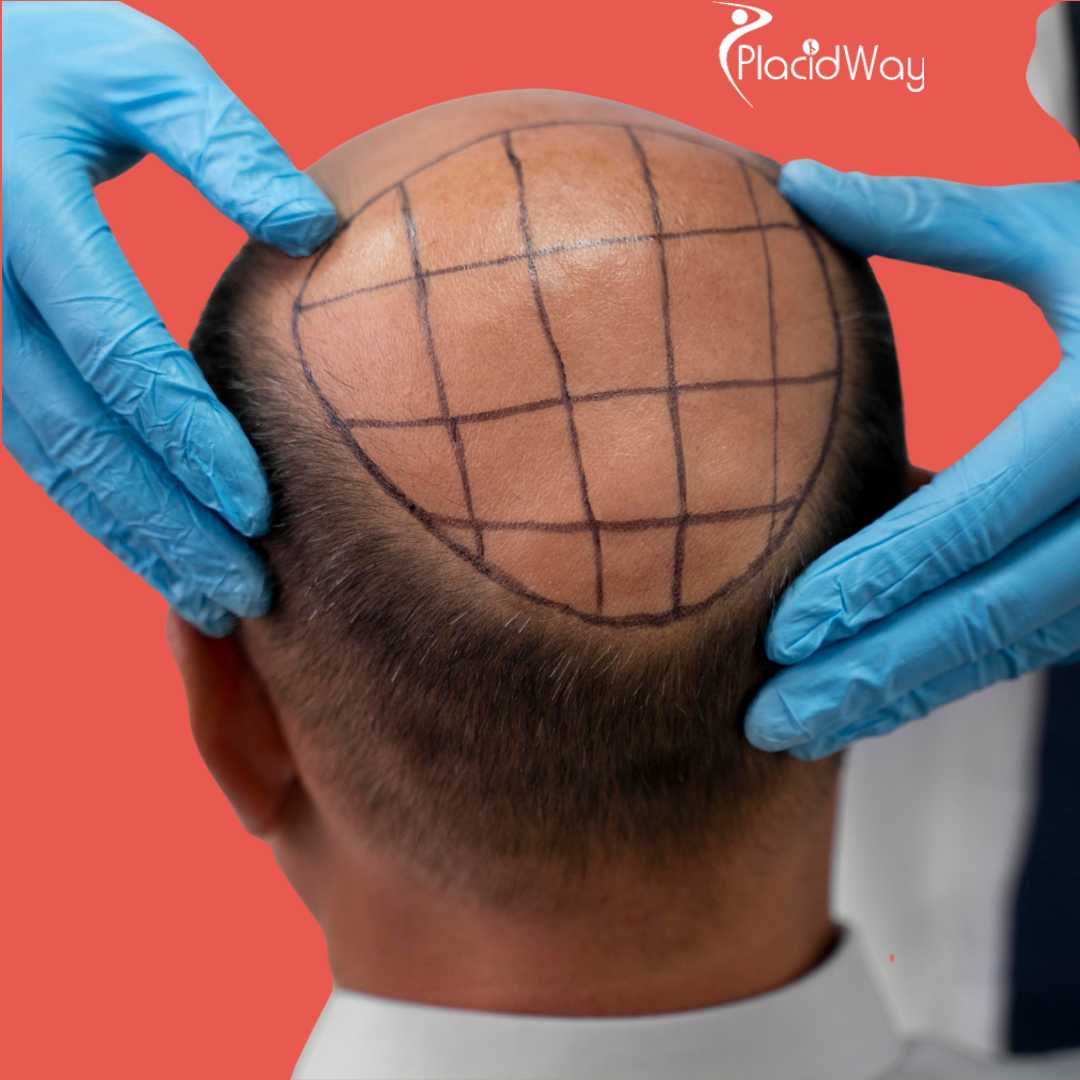
Once you arrive in Guadalajara, you will attend an in-person consultation for a final scalp analysis, hairline design drawing, and pre-operative blood work. The surgery itself usually takes a full day, depending on the complexity, followed by a post-operative check-up the next morning. Most clinics recommend staying in the city for a few days to ensure safe early healing before you board a flight home.
| Travel Day | Patient Activity And Clinical Process |
|---|---|
| Day 1 | Arrive in Guadalajara, settle into your accommodation, rest. |
| Day 2 | In-person medical consultation, blood tests, and final hairline design. |
| Day 3 | Procedure day. Surgery takes 6 to 8 hours under local anesthesia. |
| Day 4 | Post-operative clinical washing, bandage removal, and doctor review. |
| Day 5 | Cleared for travel. Return flight home with detailed aftercare instructions. |
Managing Recovery And Expecting Realistic Hair Growth Results
The recovery phase requires strict adherence to your surgeon's aftercare instructions to ensure the newly implanted grafts survive and thrive. Immediately following the procedure, your scalp will be tender, red, and slightly swollen, which is a normal biological response to the micro-incisions. You must sleep with your head elevated and strictly avoid scratching or rubbing the recipient area to prevent dislodging the fragile grafts.
It is crucial to understand that your newly transplanted hair will typically shed within the first few weeks, a process known as shock loss. This shedding is entirely normal, and the dormant follicles will begin producing new, fine hair around the third or fourth month. Full, mature aesthetic results generally take 12 to 18 months to become completely visible.
Critical Recovery Milestone
The first 10 to 14 days are the most critical period for graft survival. During this time, the follicles anchor securely into the scalp blood supply. Heavy physical exertion, swimming, and direct sun exposure must be strictly avoided during this initial window.
Understanding Medical Risks And Managing Complications
While hair transplantation is generally considered a safe, minimally invasive outpatient procedure, no surgery is entirely free of medical risks. Common, temporary side effects include localized swelling, minor bleeding, scalp numbness, and mild discomfort during the first week. These issues are typically well-managed with prescribed oral medications and proper post-operative care.
More severe complications are rare but can occur, particularly if the procedure is performed in an unsterile environment or by an inexperienced technician. These risks include scalp infections, tissue necrosis, noticeable scarring, or poor graft survival leading to patchy results. Choosing a highly credentialed clinic with strict infection control protocols significantly reduces these adverse risks.
| Potential Risk | Clinical Prevention Strategy |
|---|---|
| Surgical Infection | Operating in sterile environments and completing prescribed antibiotic courses. |
| Poor Graft Survival | Gentle tissue handling by the surgeon and strict patient compliance with aftercare. |
| Over-harvesting | Careful calculation of the donor area limits to avoid permanent patchiness. |
| Unnatural Hairline | Detailed pre-operative drawing and artistic placement of single follicles at the front. |
Patient Demographics And Medical Travel Trends For Guadalajara
Recent healthcare data reveals significant shifts in the demographics of patients traveling for cosmetic restoration. Documented medical tourism reports from 2024 and 2025 highlight that while men still account for the majority of these procedures, the average age of patients seeking early intervention has lowered. International patients are no longer waiting until they experience severe baldness to seek surgical correction.
Guadalajara has seen a steady increase in cross-border patient volume due to increased direct flight connectivity and a growing reputation for medical excellence. The data indicates that patients prioritize clinics offering transparent medical protocols and experienced surgical teams over the absolute lowest available price.
Projected Growth in Cross-Border Hair Restoration Patients (Guadalajara, 2024-2026)
*Based on aggregated 2024-2025 clinic volume data trends for medical tourism in western Mexico.
Age Distribution of Hair Transplant Patients (2025 Clinical Data Analysis)
*Reflects 2025 age bracket distributions for patients traveling internationally for surgical restoration.
Frequently Asked Questions About Hair Transplants In Guadalajara
Is it safe to travel to Guadalajara for a hair transplant?
Yes, it is generally safe if you thoroughly research your chosen clinic. Ensure the medical facility operates under a valid COFEPRIS license and is located in a secure, well-regarded area of the city. Stick to reputable medical tourism providers and follow standard travel safety precautions.
Will the surgical results look completely natural?
When performed by an experienced and board-certified surgeon, the results can appear highly natural. The surgeon must carefully recreate your natural hairline angles and implant single hair follicles at the very front to avoid an artificial, plug-like appearance.
Does the hair restoration procedure hurt?
The surgery itself is not typically painful because the scalp is numbed with local anesthesia. You may feel slight pinching during the initial anesthetic injections. Post-operative discomfort is usually mild and easily managed with over-the-counter pain relievers.
How many grafts will I need for full coverage?
The exact number of grafts varies entirely on your degree of hair loss and donor area density. Minor hairline adjustments may require 1,000 to 1,500 grafts, while advanced thinning might necessitate 3,000 or more grafts spread across multiple sessions.
How long should I stay in Mexico after my surgery?
Most clinics strongly advise staying in Guadalajara for at least 3 to 4 days post-surgery. This timeline allows the medical team to conduct vital follow-up washes, ensure there are no early infections, and confirm that the grafts are securely anchored before you fly.
Are hidden costs common with Mexican hair clinics?
Reputable facilities provide transparent, itemized quotes upfront. However, if you choose unverified clinics, you may encounter unexpected fees for anesthesia, blood work, or specific post-operative medications. Always demand a written contract detailing all inclusions.
Can women undergo hair transplant surgery in Guadalajara?
Yes, female patients experiencing distinct pattern hair loss can be excellent candidates. However, female hair loss is often diffuse, requiring a specialized medical evaluation to ensure there is an adequate and stable donor area for harvesting.
When can I safely wear a hat after my procedure?
Surgeons typically advise waiting at least 10 to 14 days before wearing a loose-fitting cap. Wearing a tight hat too early can compress the grafts, disrupt blood flow, and potentially cause the newly implanted follicles to dislodge and fail.
What happens if I experience complications back home?
Quality clinics offer structured remote aftercare programs to monitor your healing via photographs. If a medical complication arises, they will guide you on seeking local medical attention. Some medical tourism packages also offer complication insurance for added peace of mind.
Is a hair transplant considered a permanent solution?
The transplanted follicles are genetically resistant to the hormones that cause baldness, meaning they typically grow for a lifetime. However, you may still lose your native, non-transplanted hair over time, requiring ongoing medical management to maintain overall density.
Ready To Explore Your Hair Restoration Options?
PlacidWay can help you compare highly vetted providers, understand your treatment costs, and request vital information from certified clinics in Guadalajara.
Request Free Information TodayDisclaimer: This information is for educational purposes only and does not replace professional medical advice. Always consult a qualified healthcare provider before making medical decisions.
References
- Federal Commission for the Protection against Sanitary Risk (COFEPRIS) – Government of Mexico
- Hair Transplant Surgery Patient Guide – International Society of Hair Restoration Surgery
- Complications in Hair Transplantation – National Center for Biotechnology Information (NCBI)
- National Normative Committee of Medical Specialty Councils – CONACEM Mexico
- General Health Council Accreditation Information – Consejo de Salubridad General Mexico
- Follicular Unit Excision (FUE) Overview – International Society of Hair Restoration Surgery
- Medical Tourism Travel Health Guidelines – Centers for Disease Control and Prevention (CDC)



























Share this listing