

Losing your hair can deeply impact your confidence, but finding a trusted solution at home often comes with a steep price tag. Many patients cross the border to find high-quality medical care that fits their budget without compromising on safety standards. Before booking your procedure, you must carefully evaluate treatment costs and verify essential clinic credentials like COFEPRIS licensing to ensure a secure and successful experience.
- Estimated cost in USD: $3,000 to $5,000
- Safety overview: Highly safe when selecting fully licensed facilities approved by Mexican health authorities
- Ideal candidate: Healthy individuals experiencing stable hair loss with adequate donor hair availability
- Recovery time: 7 to 14 days for initial scalp healing and graft stabilization
- Main reason patients choose Tijuana Mexico: Exceptional cost savings combined with close proximity to the United States
- Important caution: Always verify that your surgeon holds active medical licensing and check for ISHRS membership
- Certifications to look for: COFEPRIS facility license and Mexican Board of Plastic, Esthetic and Reconstructive Surgery certification
Why Patients Travel for Hair Transplants in Tijuana Mexico
Experiencing hair loss often feels isolating and frustrating. You might spend months researching treatments only to discover that local clinics charge prices far beyond your budget. Medical tourism offers a practical pathway to restore your hairline while keeping expenses manageable.
Tijuana has grown into a major hub for cross-border healthcare. Patients from North America regularly choose this destination because it offers a seamless blend of expert medical care and geographical convenience. You can achieve excellent clinical outcomes when you partner with the right medical professionals.
Primary reasons international patients choose this destination:
- Significant financial savings compared to domestic healthcare pricing
- Easy travel access via the San Diego border crossing
- Availability of highly experienced surgical specialists
- Modern clinics equipped with advanced surgical technology
- Comprehensive care packages that simplify the travel experience
Understanding Hair Restoration Techniques Available
Surgeons typically utilize two primary methods to extract and implant healthy hair follicles. The right approach depends entirely on your specific pattern of baldness and your personal aesthetic goals. Your doctor will evaluate your scalp thoroughly before recommending a specific surgical strategy.
Follicular Unit Extraction and Follicular Unit Transplantation are the standard techniques recognized by global medical bodies. Both methods aim to relocate healthy hair to thinning areas permanently. Understanding the distinct differences between these two approaches helps you make an informed decision.
| Procedure Feature | Follicular Unit Extraction | Follicular Unit Transplantation |
|---|---|---|
| Extraction Method | Individual follicles removed one by one | A single strip of scalp is surgically removed |
| Scarring Profile | Tiny dot-like scars scattered across the donor area | One continuous linear scar across the back of the head |
| Recovery Speed | Typically faster with less post-operative discomfort | Requires slightly more healing time for the linear incision |
| Ideal Candidate | Patients who prefer to wear their hair very short | Patients requiring a massive amount of grafts in one session |
Patient Demographics for Hair Restoration in Tijuana
Medical tourism data from 2024 to 2025 highlights specific trends among patients seeking hair restoration across the border. Thousands of individuals travel annually, motivated by a combination of affordability and high clinical standards. The statistics reveal clear patterns regarding who travels and why.
Men typically comprise the vast majority of patients seeking this specific procedure. Most traveling patients fall into the middle-aged demographic, seeking to address progressive androgenetic alopecia. Analyzing these verified demographic trends provides helpful context for your own medical journey.
Age Distribution of Traveling Patients (2024-2025 Data)
Top Patient Origin Countries (2024-2025)
Evaluating Hair Transplant Costs in Tijuana Mexico
Understanding the financial aspects of medical tourism helps you plan your journey effectively. Procedure pricing varies based on the number of grafts required, the complexity of your hair loss, and the specific clinic you select. Mexican clinics can offer lower prices because local operational costs and overhead are significantly lower than in northern countries.
You must request a detailed, itemized quote before making any financial commitments. A transparent quote prevents unexpected expenses and allows you to compare different providers accurately. Most facilities offer comprehensive packages that bundle medical fees with local transportation and lodging.
| Country | Estimated Minimum Cost | Estimated Maximum Cost |
|---|---|---|
| United States | $8,000 | $15,000+ |
| Canada | $7,500 | $14,000+ |
| Tijuana, Mexico | $3,000 | $5,000 |
What to Expect in a Treatment Package
Many specialized facilities bundle their services to make the experience stress-free for international visitors. These packages typically cover the core surgical procedure alongside logistical support for your stay. You should confirm exactly what your chosen clinic includes to avoid surprise charges.
Reviewing the inclusions carefully ensures you compare apples to apples when evaluating different providers. Some clinics charge separately for post-operative medications, while others include a complete aftercare kit in the base price.
Standard package inclusions typically feature:
- Pre-operative blood tests and medical evaluations
- Surgeon fees and operating room costs
- Local anesthesia during the procedure
- Ground transportation between the border, hotel, and clinic
- Initial post-operative medications and specialized shampoo
Selecting a Safe Hair Transplant Clinic in Tijuana
Your safety depends heavily on the facility where your surgery takes place. Tijuana features numerous world-class medical centers, but you must know how to identify the reputable ones. Government oversight plays a crucial role in maintaining high healthcare standards in Mexico.
The most important credential to look for is the COFEPRIS license. This federal commission regulates all health facilities in Mexico, ensuring they meet strict sanitary and operational requirements. You should never undergo surgery in a facility that cannot produce a valid COFEPRIS certification.
| Credential Type | Organization Name | Why It Matters For Patients |
|---|---|---|
| National Licensing | COFEPRIS | Ensures the clinic meets federal sanitary and safety standards in Mexico. |
| Medical Board | National Medical Council | Confirms the facility operates legally under national healthcare laws. |
| International Accreditation | Joint Commission International | Indicates the hospital meets global standards for patient safety and care quality. |
Verifying Your Hair Transplant Surgeon Credentials
The skill of your surgeon directly dictates the natural appearance of your new hairline. You must take the time to independently verify the credentials of the doctor who will perform your procedure. Not all doctors offering aesthetic services possess the appropriate surgical training.
Look for surgeons certified by the Mexican Board of Plastic, Esthetic and Reconstructive Surgery. Additionally, active membership in the International Society of Hair Restoration Surgery indicates a commitment to ethical practices and continuing medical education.
Warning Checklist for Surgeon Selection:
- Avoid clinics that refuse to provide the name of your specific surgeon beforehand.
- Do not choose doctors who rely solely on technicians to perform surgical extractions.
- Verify the doctor's national registration number through official medical board portals.
Determining if You Are a Good Candidate for Hair Restoration
Surgical intervention cannot help everyone experiencing hair loss. You must have a healthy supply of permanent donor hair, typically located at the back and sides of your head. The surgeon moves these resilient follicles to the thinning areas to restore density.
Your overall health also plays a vital role in your eligibility. Patients with uncontrolled diabetes, severe autoimmune conditions, or certain scalp diseases may face higher risks of graft failure. A qualified doctor will thoroughly assess your medical history during the initial consultation.
- You should have stabilized hair loss rather than rapid, ongoing shedding.
- You must maintain realistic expectations regarding the final density achievable.
- You need a healthy scalp completely free from active infections or severe inflammation.
Preparing for Your Medical Trip to Tijuana
Thorough preparation minimizes travel stress and sets the stage for a smooth surgical experience. Planning a medical trip requires organizing both your healthcare logistics and your travel itinerary. You should begin organizing your documents and medical records several weeks before your departure date.
Communicating clearly with your clinic coordinator helps resolve any lingering anxieties. They will guide you regarding border crossing protocols, dietary restrictions before surgery, and what clothing is most comfortable for your recovery period.
One Month Before Travel
Renew your passport, finalize your clinic booking, and submit all required medical history forms. Discuss any current medications with your surgeon.
One Week Before Travel
Stop smoking and avoid consuming alcohol or blood-thinning supplements as directed by your doctor. Pack comfortable, button-down shirts.
The Step by Step Hair Transplant Procedure Process
Knowing exactly what happens on surgery day helps alleviate procedural anxiety. The process typically spans an entire day, requiring patience and a calm mindset. Clinics design the experience to keep you as comfortable and relaxed as possible while the medical team works.
You will remain awake throughout the procedure, as doctors use local anesthesia to numb your scalp completely. You can usually listen to music, watch movies, or simply rest while the surgeon extracts and implants the follicles.
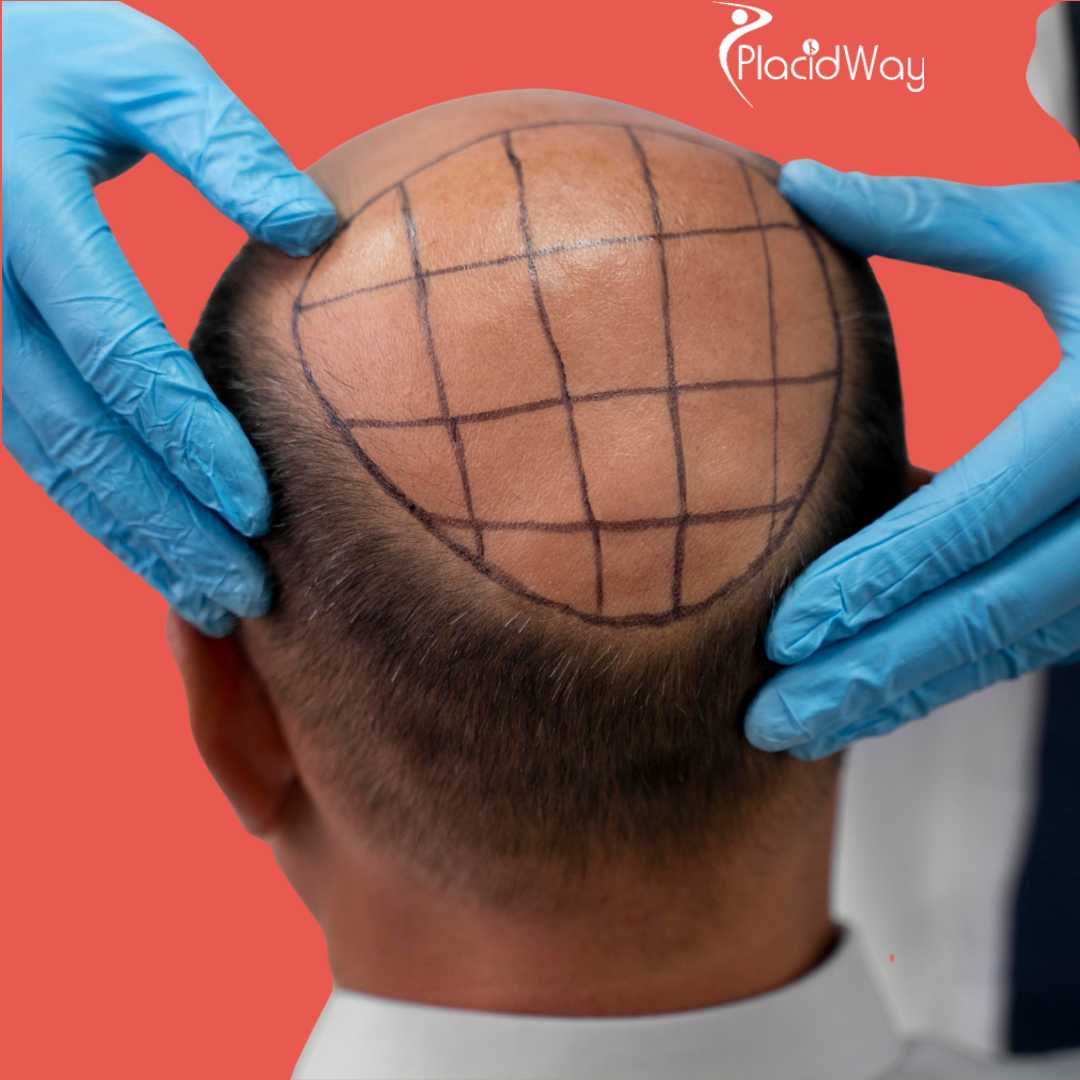
- Morning Consultation: The surgeon reviews your hairline design and marks the final surgical plan on your scalp.
- Anesthesia Application: The team administers local numbing agents to ensure you feel no pain during extraction.
- Follicle Extraction: The surgeon carefully removes individual grafts from the designated donor area.
- Site Preparation: The doctor creates tiny, precise incisions in the recipient area to match your natural hair growth angle.
- Graft Implantation: The medical team delicately places the extracted follicles into the prepared recipient sites.
Navigating Your Hair Restoration Recovery Process
Post-operative care critically influences the survival rate of your newly transplanted grafts. You must strictly follow the written aftercare instructions provided by your medical team. Proper care prevents infection and ensures the follicles anchor securely into your scalp.
You can expect some mild swelling, redness, and scabbing during the first week. Most patients feel well enough to return to remote or light office work within a few days, though visible healing takes slightly longer.
| Timeframe | Biological Process | Patient Sensation | Action Required |
|---|---|---|---|
| Days 1 to 3 | Grafts begin to anchor into the scalp tissue. | Mild soreness, tightness, and potential swelling. | Sleep with your head elevated. Spray saline as directed. |
| Days 4 to 7 | Scabs form over the recipient sites. | Itching typically begins as the skin heals. | Do not scratch. Begin gentle washing techniques. |
| Weeks 2 to 4 | Transplanted hairs shed (shock loss). | Scalp looks clear, but hair appears thinner. | Remain calm; shedding is a normal part of the cycle. |
| Months 3 to 6 | New hair shafts begin growing from the follicles. | Excitement as fine, new hairs become visible. | Maintain a healthy diet and attend follow-up reviews. |
Understanding Potential Hair Transplant Risks
Every surgical intervention carries inherent medical risks, regardless of the destination you choose. While severe complications remain rare when performed by qualified professionals, you must understand what to watch for. Complete transparency regarding risks helps you make an educated healthcare decision.
Choosing a licensed facility and strictly adhering to your aftercare protocol drastically reduces the likelihood of adverse events. If you notice any warning signs of infection, you must contact your clinic's emergency support line immediately.
| Potential Risk | Clinical Explanation | Prevention Strategy |
|---|---|---|
| Folliculitis | Inflammation or minor infection of the hair follicles. | Follow the clinic's exact washing instructions and take prescribed antibiotics. |
| Poor Graft Survival | Transplanted follicles fail to establish blood supply and die. | Avoid smoking, heavy exercise, and direct sun exposure during early recovery. |
| Shock Loss | Temporary shedding of existing native hair near the surgical zone. | Your doctor may recommend specific medical therapies to minimize this effect. |
Planning Your Journey Back Home
Returning home safely after your procedure requires careful logistical planning. Most clinics advise staying in the city for at least one or two days following the surgery. This allows your surgeon to perform a crucial follow-up wash and inspect the initial graft stability.
When traveling back across the border, you must protect your scalp from accidental bumps or prolonged sun exposure. Wear a loose-fitting, adjustable medical cap provided by your clinic rather than a tight baseball hat, which could dislodge the fragile grafts.
Travel Health Considerations:
- Keep your clinic's 24/7 contact information easily accessible on your phone.
- Avoid lifting heavy luggage that strains your neck or increases blood pressure.
- Stay hydrated and avoid consuming alcohol during your travel day.
Frequently Asked Questions About Hair Transplants in Tijuana
How much does a hair transplant cost in Tijuana Mexico
The total cost typically ranges between $3,000 and $5,000. Prices vary depending on the specific technique used, the total number of grafts your doctor extracts, and the comprehensive nature of the medical package you choose.
Is it safe to travel to Tijuana Mexico for a hair transplant
Yes, undergoing surgery can be highly safe when you select a clinic licensed by COFEPRIS. You must verify that your chosen facility adheres strictly to Mexican national healthcare regulations and employs board-certified medical professionals.
How long do I need to stay in Tijuana Mexico for the procedure
Most patients spend about three days in the city. You arrive the day before surgery, spend one full day undergoing the procedure, and typically stay one more night for a post-operative checkup before traveling home.
Will my hair transplant results look completely natural
When performed by a skilled surgeon, the final results can blend seamlessly with your native hair. The doctor carefully angles each implanted follicle to match your natural growth pattern, avoiding an artificial appearance.
Does the hair restoration procedure hurt
Doctors use local anesthesia to completely numb your scalp, meaning you will not feel pain during the extractions or implantations. You may experience minor discomfort and tightness for a few days during the initial healing phase.
What is the difference between FUE and FUT methods
FUE involves extracting individual hair follicles one by one, leaving tiny dot-like scars. FUT requires the surgeon to remove a continuous strip of scalp tissue from the back of the head, resulting in a single linear scar.
Can women get a hair transplant in Tijuana Mexico
Yes, female patients can undergo hair restoration if they experience specific types of pattern hair loss. A specialist must diagnose the exact cause of the thinning to ensure surgical intervention represents the appropriate clinical solution.
How do I know if I have enough donor hair
Your doctor will examine the density of the hair at the back and sides of your head during a clinical evaluation. This assessment determines if you possess sufficient healthy follicles to cover the thinning zones adequately.
When will I see the final results of my hair transplant
Hair restoration requires immense patience. New growth typically begins around three to four months after surgery, but you may not see the full density and final aesthetic outcome for 12 to 18 months.
What happens if I experience a complication after returning home
Reputable clinics provide detailed aftercare instructions and maintain digital follow-up communication. In the rare event of a severe complication, you must consult a local healthcare provider and notify your surgical team immediately for guidance.
Are you ready to explore your options for a safe and affordable hair transplant?
PlacidWay can help you compare top-rated providers, understand treatment costs, and request essential information from certified clinics.
Request Information TodayDisclaimer: This information is for educational purposes only and does not replace professional medical advice. Always consult a qualified healthcare provider before making medical decisions.
References
- Hair Transplant Surgery Information – International Society of Hair Restoration Surgery (ISHRS)
- Sanitary Risk Protection Regulations – Federal Commission for the Protection against Sanitary Risk (COFEPRIS)
- Board Certification Search – Mexican Board of Plastic, Esthetic and Reconstructive Surgery
- Patient Safety Guidelines for Medical Tourism – Centers for Disease Control and Prevention (CDC)
- 2024 Practice Census Results on Patient Demographics – International Society of Hair Restoration Surgery (ISHRS)
- Complications in Hair Transplantation and Prevention – National Center for Biotechnology Information (NCBI)



























Share this listing