
Dealing with hair loss can severely impact your confidence, but traveling for an FUE hair transplant in Mexico offers a highly viable solution to restore your natural hairline without draining your savings. If you are exploring this option, you probably have questions about the estimated FUE hair transplant costs in Mexico and how to verify if a clinic operates safely. This guide will help you understand package pricing, treatment timelines, and exactly which local COFEPRIS licenses and international board certifications you must look for to ensure a secure, successful procedure.
- Estimated Cost: Typically ranges from $2,500 to $5,000 USD, depending on the number of grafts and clinic location.
- Safety Overview: Highly safe when performed in heavily regulated clinics; verify the facility is authorized by the Mexican Ministry of Health.
- Certifications to Look For: Ensure the clinic holds a current COFEPRIS sanitary license and the surgeon is registered with CMCPER or the ISHRS.
- Ideal Candidate: Individuals with adequate donor hair density, realistic expectations, and stabilized hair loss.
- Recovery Time: Most patients return to light activities within 3 to 7 days, with full healing of the donor area in about two weeks.
- Primary Reason for Travel: Access to highly experienced, specialized medical teams at a fraction of the cost found in the US and Canada.
- Important Caution: Avoid heavily discounted, unverified clinics and always confirm exactly who will be extracting and implanting the follicles.
Understanding FUE Hair Transplant in Mexico
Many individuals dealing with alopecia or genetic hair thinning eventually seek medical intervention to restore their hair. When exploring surgical options, traveling across the border has become increasingly common. Patients typically seek this medical journey to find a balance between high clinical standards and accessible pricing.
Before committing to surgery abroad, you must understand exactly what the procedure entails and what to expect from the medical ecosystem in your destination country. Gathering accurate information helps you navigate consultations confidently and avoid potential pitfalls.
Primary reasons international patients travel to Mexico for this treatment include:
- Significant cost reductions compared to clinics in the United States, Canada, and the United Kingdom.
- Proximity and short flight times from major North American cities.
- Access to comprehensive, all-inclusive medical packages that simplify travel logistics.
- High concentration of specialized clinics focusing exclusively on follicular unit extraction.
- Availability of internationally trained surgeons who participate in global medical societies.
Patient Demographics and Treatment Trends
Recent data from 2024 to 2026 highlights a continuing surge in cross-border travel for cosmetic and restorative procedures. According to international medical tourism registries, North American men make up the vast majority of inbound hair restoration patients in Mexico.
While historically viewed as a procedure for older men, younger demographics are increasingly utilizing early intervention techniques to maintain their hairlines. The clinical motivations for travel typically include androgenetic alopecia treatment, scar revision, and beard restoration.
Cost of Treatment in Mexico vs. Your Home Country
Financial considerations are often the primary driver for medical travel. The economic structure of healthcare in Mexico allows facilities to offer medical services at substantially lower rates without necessarily compromising on technology or sanitation.
When analyzing costs, it is important to distinguish between paying per graft and purchasing an all-inclusive package. Many facilities group the surgery, local transportation, hotel stays, and aftercare medications into one transparent price.
| Country | Estimated Average Cost (USD) | Typical Inclusions |
|---|---|---|
| United States | $8,000 – $15,000+ | Procedure only, limited follow-up |
| Canada | $7,500 – $14,000+ | Procedure only, limited follow-up |
| Mexico | $2,500 – $5,000 | Procedure, medications, hotel, transfers |
Always ask for an itemized written quote before traveling. Hidden costs can sometimes include preoperative blood work, specialized post-operative shampoos, or an extra fee if your clinical evaluation requires more grafts than initially estimated online.
How the Follicular Unit Extraction Procedure Works
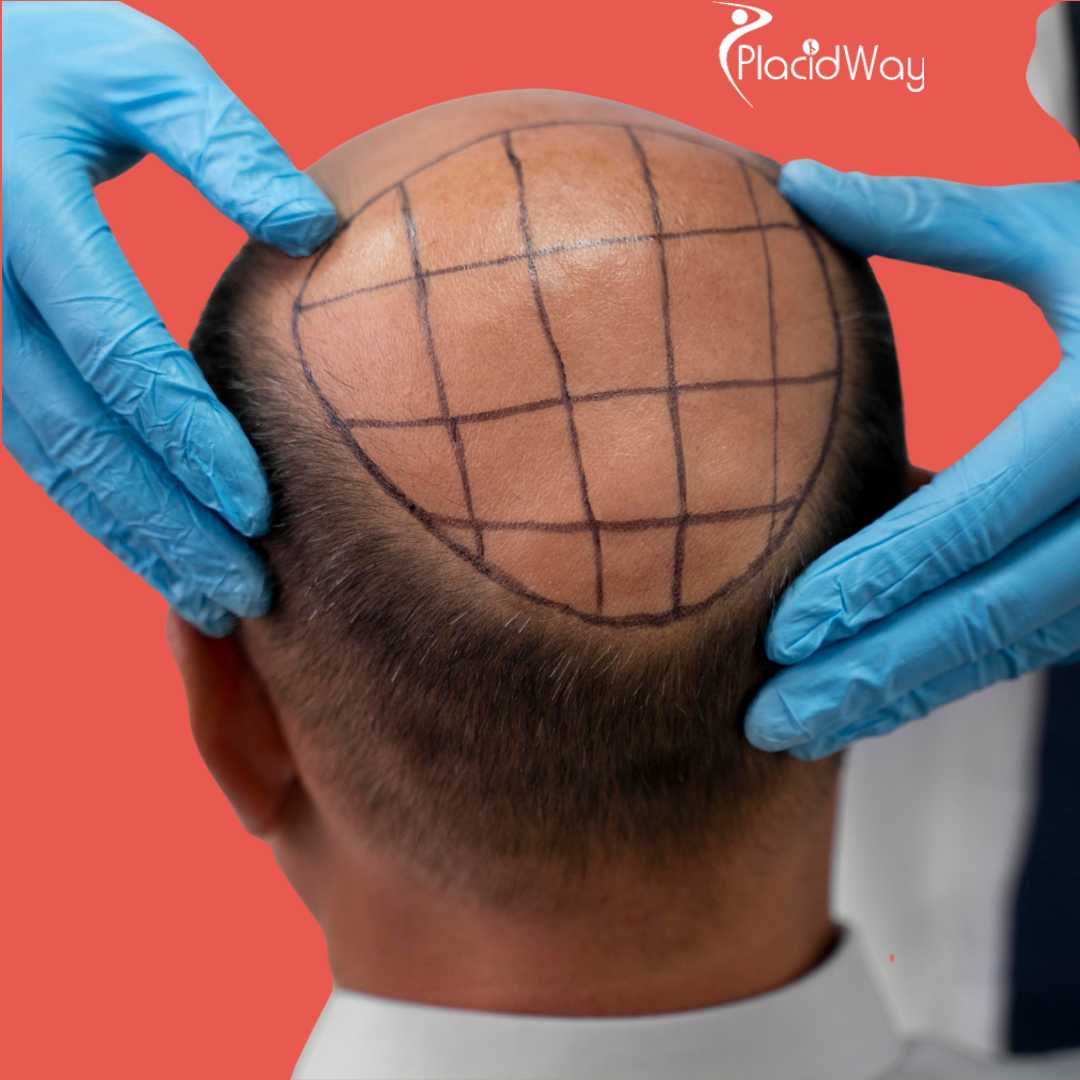
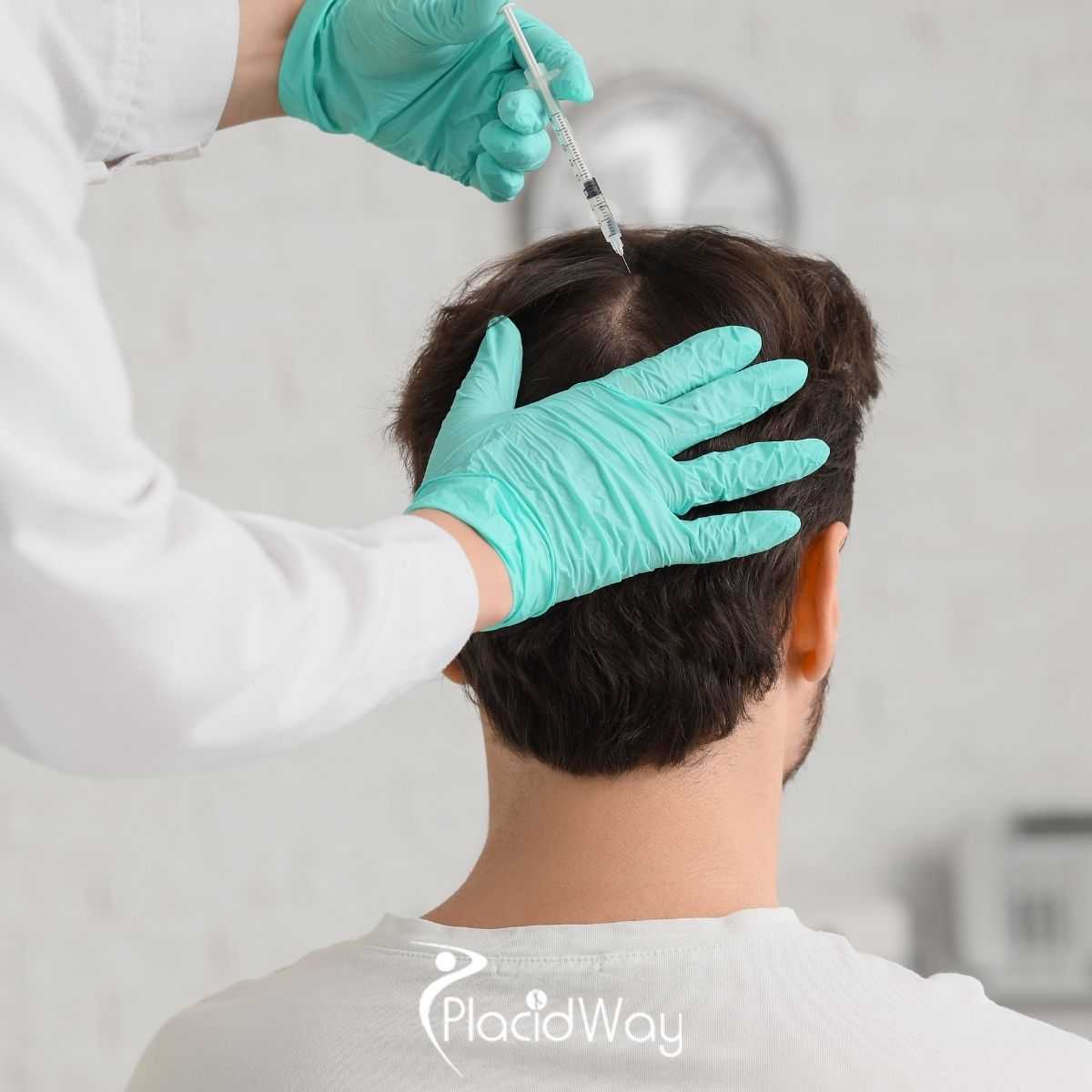
FUE is a minimally invasive surgical technique used to treat male and female pattern baldness. Unlike older methods that remove a strip of scalp, this approach involves extracting individual hair follicles directly from the donor area, which is typically the back or sides of the head.
Because the follicles are removed one by one using a specialized micro-punch tool, the scarring left behind is minimal, appearing as tiny white dots that are easily concealed by surrounding hair.
The standard process generally follows these steps:
- Preparation and Anesthesia: The donor and recipient areas are shaved and numbed using local anesthesia to ensure comfort.
- Extraction: The surgeon carefully scores and extracts individual follicular units without damaging the surrounding tissue.
- Graft Preparation: The extracted follicles are preserved in a specialized sterile solution to maintain their viability.
- Incision and Implantation: Tiny incisions are made in the balding areas, matching the natural angle and direction of your hair growth. The grafts are then meticulously placed into these sites.
Evaluating Your Candidacy for Surgery
Not everyone experiencing hair loss is a suitable candidate for this specific surgical approach. Proper patient selection is crucial for achieving satisfactory, long-lasting aesthetic results. If your hair loss is still rapidly progressing, your doctor may recommend stabilizing it with medication before proceeding with surgery.
A thorough clinical evaluation by a medical professional will determine your eligibility based on several anatomical and health factors.
| Candidacy Factor | Ideal Characteristics | Potential Concerns |
|---|---|---|
| Donor Density | Thick, healthy hair on the back of the head. | Overall thinning across the entire scalp (Diffuse thinning). |
| Age and Stability | Hair loss pattern has stabilized (typically over age 30). | Very young patients with unpredictable, rapid hair loss. |
| Expectations | Understands the limits of graft numbers and density. | Expecting the density of a teenager. |
| General Health | No severe autoimmune conditions or bleeding disorders. | Uncontrolled diabetes, active scalp infections. |
Choosing a Certified Clinic in Mexico
The healthcare landscape in Mexico includes world-class private facilities, but varying degrees of regulation mean you must be diligent in your research. You cannot rely on marketing materials alone to evaluate facility safety.
Proper licensing ensures the facility meets national health, safety, and sanitation standards. When researching destinations, you must verify the facility’s legal standing within the country's healthcare system.
Before booking a consultation, ask the provider to present these credentials:
- COFEPRIS Sanitary License: This is the Federal Commission for the Protection against Sanitary Risk. Any facility performing invasive medical procedures must hold an active COFEPRIS license.
- Ministry of Health Registration: The clinic must be officially registered with the Secretaría de Salud.
- Emergency Protocols: Ask if the clinic has a structured protocol for managing unexpected allergic reactions to anesthesia.
Selecting a Qualified Surgeon for Hair Restoration
The success of your treatment relies entirely on the skill, artistry, and experience of your medical provider. Extracting grafts without damaging them and designing a natural-looking hairline requires specialized training that goes beyond a general medical degree.
In some clinics, technicians perform the majority of the extraction and implantation while the doctor only supervises. You must clarify exactly who will perform the surgical steps. The leading facilities ensure a licensed physician leads the surgical intervention.
- Is the primary doctor a board-certified dermatologist or registered with the Mexican Council of Plastic, Esthetic and Reconstructive Surgery (CMCPER)?
- Is the doctor a recognized member of the International Society of Hair Restoration Surgery (ISHRS)?
- Can the surgeon provide documented, unedited before-and-after photos of previous patients with similar hair loss patterns?
- Does the doctor perform the critical steps of the surgery, or is it delegated entirely to unlicensed technicians?
Comparing FUE to FUT Hair Transplants
During your research, you will likely encounter another common surgical method known as Follicular Unit Transplantation (FUT). Understanding the differences between these two approaches will help you and your provider choose the best path for your specific clinical needs.
While FUE extracts individual follicles, FUT involves removing a continuous strip of skin from the donor zone, which is then dissected into smaller grafts under a microscope.
| Feature | FUE (Extraction) | FUT (Strip Method) |
|---|---|---|
| Scarring | Microscopic dot scars, easy to hide with short hair. | Linear scar across the back of the head. |
| Procedure Length | Typically longer (6 to 8 hours). | Generally shorter surgical time. |
| Recovery Discomfort | Minimal tension, faster donor area healing. | More tension in the donor area, longer healing. |
| Yield | May yield slightly fewer total lifetime grafts. | Can sometimes maximize graft yield in a single session. |
Preparation Before Traveling for Surgery
Careful planning before your departure can significantly reduce complications and ensure your body is ready for the healing process. Your doctor will provide a specific set of preoperative instructions that you must follow closely.
Failing to prepare properly can lead to excessive bleeding during surgery or poor graft survival. Because you are traveling internationally, you also need to manage logistical preparations.
Typical pre-surgery guidelines include:
- Stopping blood-thinning medications, aspirin, and certain vitamins at least two weeks before your procedure (only under your doctor's supervision).
- Refraining from alcohol and tobacco use, as they restrict blood flow and impair wound healing.
- Arranging comfortable, button-down shirts for your travel home to avoid pulling clothing over your freshly implanted scalp.
- Ensuring your passport is valid and reviewing any travel health advisories for your specific destination city in Mexico.
The Recovery Process and Timeline
Post-operative care is just as critical as the surgery itself. The newly implanted grafts are fragile during the first few days and require strict adherence to your doctor’s washing and sleeping protocols.
While recovery is generally well-tolerated, you must protect your scalp from direct sunlight, physical trauma, and excessive sweating. Swelling around the forehead and eyes is common and typically resolves within a week.
| Timeframe | Biological Process | Patient Sensation | Required Action |
|---|---|---|---|
| Days 1-3 | Grafts anchoring into tissue. | Mild soreness, tightness, possible swelling. | Sleep elevated, spray saline solution, avoid touching. |
| Days 4-10 | Scabs forming and naturally detaching. | Itching in donor and recipient areas. | Begin gentle washing per clinic protocol; do not scratch. |
| Weeks 2-4 | Shock loss (transient shedding of implanted hair). | Anxiety over shedding hair (normal process). | Return to normal activities and light exercise. |
| Months 3-6 | New hair shafts begin growing from resting follicles. | Excitement as fine, new hairs appear. | Attend follow-up consultations (virtual or in-person). |
Potential Risks and Complications
Every surgical intervention carries inherent risks. While hair restoration is minimally invasive, complications can occur, especially if post-operative hygiene protocols are ignored or if the procedure is performed in an unsterile environment.
Understanding these risks allows you to identify warning signs early and seek prompt medical attention. Most reputable clinics in Mexico will provide you with a direct contact number for 24/7 post-operative support.
Contact your healthcare provider immediately if you experience:
- Severe, escalating pain that is not relieved by prescribed medication.
- Pus, excessive redness, or severe heat radiating from the surgical sites.
- A fever developing in the days following your procedure.
- Signs of necrosis (darkening or death of tissue) along the scalp.
Expected Results and Long-Term Care
Patience is essential when evaluating the results of your surgery. Hair growth follows a natural biological cycle, meaning you will not see immediate aesthetic improvements. In fact, most patients look slightly worse during the initial "shock loss" phase before new growth begins.
By month six, you will typically notice about half of your final density. The complete maturation of the transplanted hairs, where they thicken and match your natural hair texture, can take up to 12 to 15 months.
To preserve your results long-term, your doctor may recommend maintenance therapies. Because the surrounding non-transplanted native hair can continue to thin over time, medications like Minoxidil or Finasteride are often prescribed to prevent future native hair loss and maintain a uniform appearance.
Understanding Medical Tourism Logistics in Mexico
Booking a medical procedure abroad involves coordinating several logistical details. Most specialized clinics catering to international patients offer dedicated patient coordinators who assist with the non-medical aspects of your trip.
These coordinators help bridge the language gap and ensure your transition from the airport to the hotel, and subsequently to the clinic, is smooth. English is widely spoken in major medical hubs such as Tijuana, Cancun, Mexico City, and Guadalajara.
When planning your itinerary, you should typically allocate at least three to four days in the country. This allows for a pre-operative consultation, the surgery day, and a vital post-operative check-up and first hair wash before you board a flight home.
Frequently Asked Questions
Is it safe to travel to Mexico for an FUE hair transplant?
Traveling for medical care can be safe if you perform rigorous due diligence. Ensuring the clinic holds a COFEPRIS license and that the surgeon is properly credentialed significantly mitigates medical risks. Always follow standard travel safety advisories for your specific destination city.
Will the transplanted hair fall out again?
The transplanted follicles are typically extracted from the "safe donor zone" at the back of the head, which is genetically resistant to DHT (the hormone responsible for pattern baldness). Therefore, the transplanted hair is highly likely to remain permanently, though natural age-related thinning can still occur.
How many grafts will I need for my procedure?
The required number of grafts depends entirely on your level of hair loss, hair thickness, and desired density. Minor hairline corrections may require 1,000 to 1,500 grafts, while extensive restoration might require 3,000 to 4,000 grafts across one or two sessions.
Does the extraction process hurt?
The procedure is performed under local anesthesia, so you should not feel pain during the extractions or implantations. You may experience some discomfort during the initial anesthetic injections, and mild soreness during the first few days of recovery.
Why is this treatment cheaper in Mexico than in the US?
The lower cost is primarily due to the overall lower cost of living, reduced operational overhead, lower administrative expenses, and different medical malpractice insurance structures in Mexico. It does not inherently indicate lower quality materials or outdated techniques.
Can women undergo an FUE procedure?
Yes, women experiencing certain types of hair loss, such as traction alopecia or a naturally high hairline, can be excellent candidates. However, women with diffuse female pattern hair loss across the entire scalp may not have sufficient dense donor areas to support a transplant.
When can I fly home after surgery in Mexico?
Most clinics recommend staying in the country for at least 48 to 72 hours after surgery. This allows the medical team to conduct a follow-up assessment, carefully wash your scalp, and ensure the grafts are securely anchored before you navigate an airport.
How soon can I wear a hat to hide the scabs?
You should avoid regular, tight-fitting hats for at least 10 to 14 days to prevent friction from dislodging the new grafts. Your clinic may provide a specific, loose-fitting surgical cap to protect your scalp from the sun during your journey home.
What happens if I experience a complication back home?
Before your procedure, ask the clinic about their follow-up protocol. Reputable providers offer ongoing virtual consultations. If a severe local infection occurs, you will need to visit a local doctor or emergency room in your home country for immediate antibiotic treatment.
Is it normal for my hair to fall out a month after surgery?
Yes, this is a completely normal process called "shock loss." The trauma of the surgery causes the newly transplanted hair shafts to shed between weeks two and eight. The follicle root remains intact beneath the skin and will begin producing new hair a few months later.
Ready to Plan Your Hair Restoration Journey?
Navigating international medical options can be complex. PlacidWay can help you compare highly vetted providers, understand treatment costs, review doctor credentials, and request direct information from trusted clinics in Mexico.
Request Information Today
Disclaimer: This information is for educational purposes only and does not replace professional medical advice. Always consult a qualified healthcare provider before making medical decisions.
References
- 2024 Practice Census Results – International Society of Hair Restoration Surgery (ISHRS)
- Regulatory Framework for Medical Facilities – Comisión Federal para la Protección contra Riesgos Sanitarios (COFEPRIS)
- Directory of Certified Surgeons – Mexican Council of Plastic, Esthetic and Reconstructive Surgery (CMCPER)
- Certification Standards for Hair Restoration – American Board of Hair Restoration Surgery (ABHRS)
- Travel Health Information for Mexico – Centers for Disease Control and Prevention (CDC)
- Complications in Follicular Unit Extraction – National Center for Biotechnology Information (NCBI)
























Share this listing