
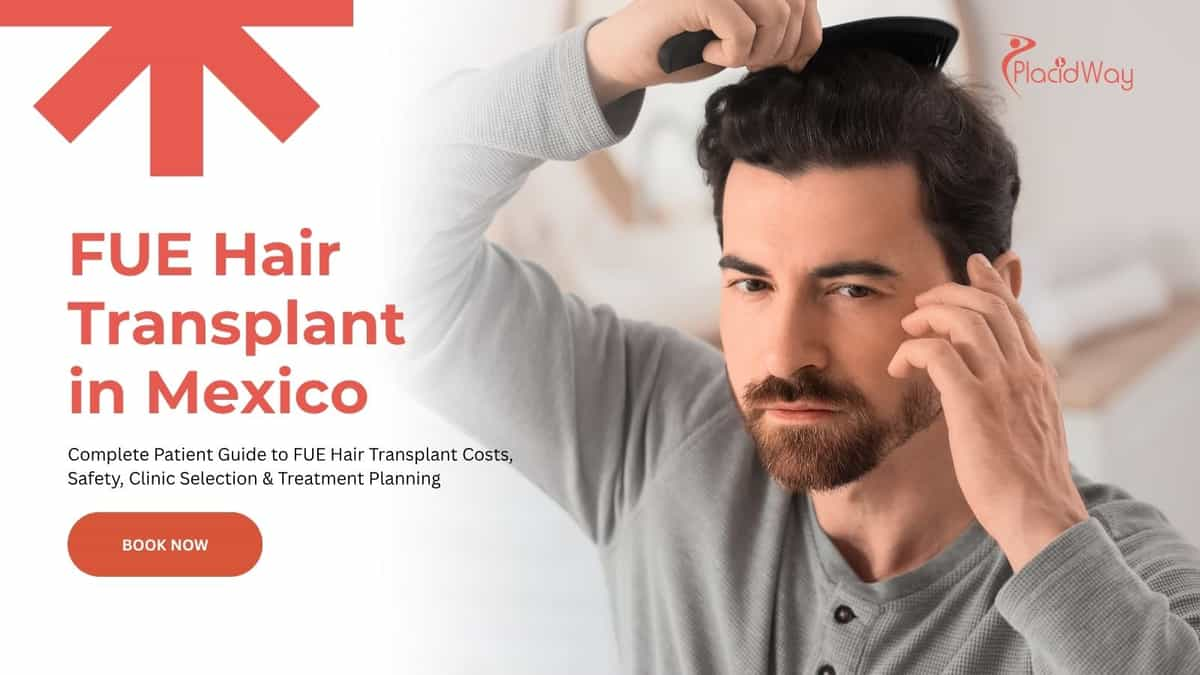
Losing your hair can deeply impact your confidence, and finding a trustworthy, affordable solution often feels overwhelming. Many international patients travel for an FUE hair transplant in Mexico to access highly experienced specialists at a fraction of home-country prices. This comprehensive guide will help you understand the exact costs, evaluate surgeon credentials like ISHRS membership and COFEPRIS licensing, and safely plan your medical journey so you can make an informed, confident decision.
Quick Summary of FUE Hair Transplants in Mexico
- Estimated Cost: Typically ranges between $2,500 and $4,500 USD, depending on the number of grafts required and the surgeon's expertise.
- Safety Overview: Generally safe when performed by board-certified specialists in clinics regulated by COFEPRIS (Mexico's health regulatory agency).
- Ideal Candidate: Individuals experiencing male or female pattern baldness with adequate donor hair density on the back or sides of the scalp.
- Recovery Time: Most patients return to work within 7 to 10 days, while new hair growth typically becomes visible after 3 to 6 months.
- Why Patients Choose Mexico: Close geographic proximity to the US and Canada, advanced medical facilities, and cost savings of up to 70%.
- Important Caution: Always verify that your chosen doctor is registered with the Mexican national medical council and ideally recognized by international boards like the ISHRS. Avoid clinics offering suspiciously low "unlimited graft" packages.
Understanding the FUE Hair Transplant Procedure in Mexico
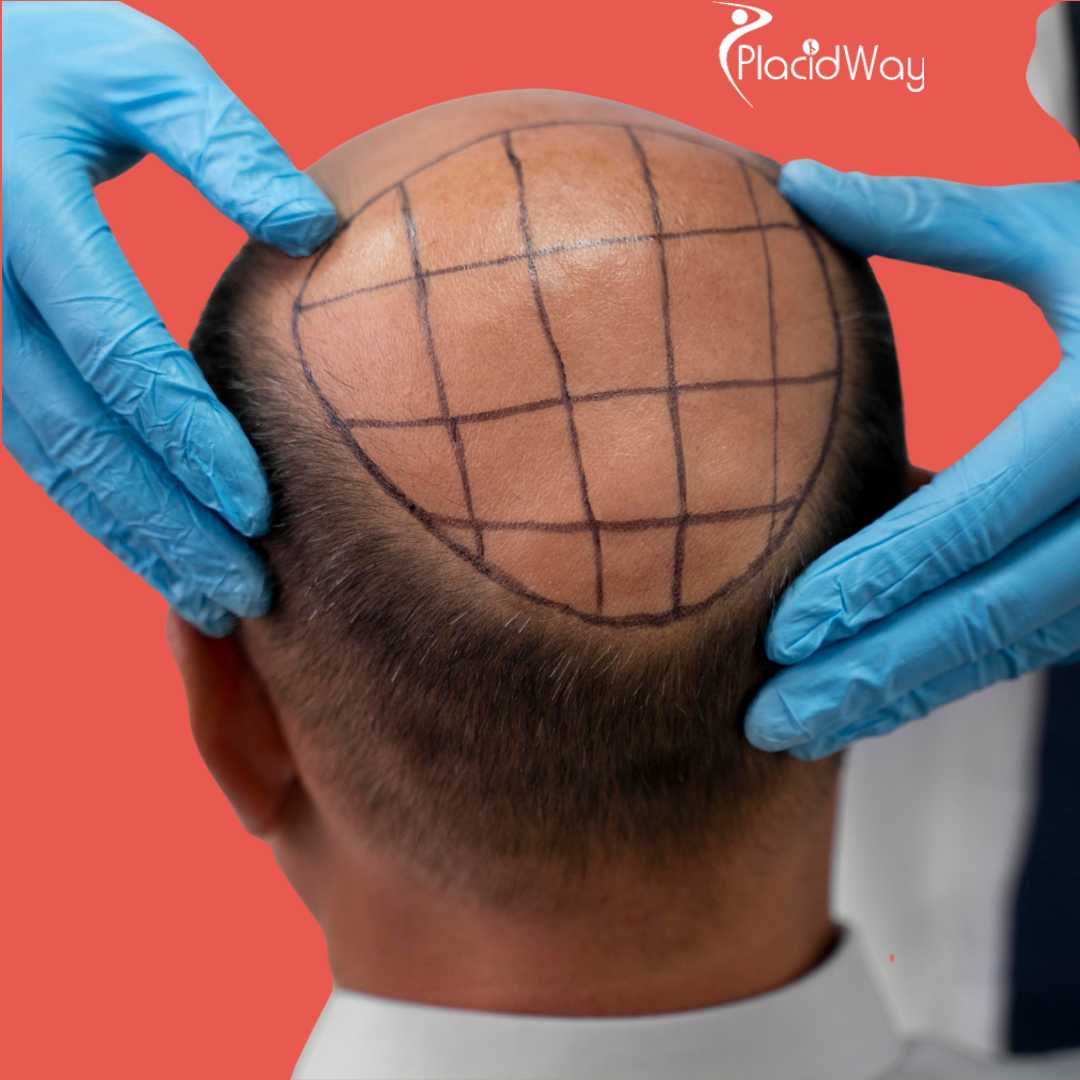
Follicular Unit Extraction (FUE) is an advanced, minimally invasive surgical technique designed to treat hair loss. Unlike older methods that remove a large strip of skin, FUE involves extracting individual hair follicles directly from a donor area. This donor area is usually the back of your head, where hair is genetically resistant to thinning.
Once extracted, the surgeon meticulously implants these follicles into the balding or thinning areas of your scalp. Because the procedure moves your naturally growing hair, the results can blend seamlessly with your existing hairline. Mexican hair restoration clinics have rapidly adopted this technique, offering state-of-the-art technology to international patients.
When you travel for an FUE hair transplant in Mexico, the procedure typically takes a full day, lasting anywhere from six to eight hours. It is performed under local anesthesia, meaning you remain awake but comfortable throughout the process.
Before your consultation, take clear, well-lit photographs of the top, back, and sides of your head. Mexican clinics will use these images to provide a preliminary graft estimate and assess if you have enough healthy donor hair for a successful FUE procedure.
Why Are Patients Traveling to Mexico for Hair Restoration?
Making the decision to travel across borders for a medical procedure requires careful consideration. Patients looking into hair restoration often find themselves priced out of local markets in the United States, Canada, and the United Kingdom. Mexico has emerged as a leading destination by offering a compelling mix of accessibility, quality, and value.
One primary driver is the close geographic proximity. Patients from Texas, California, and Arizona can often drive to border cities like Tijuana or fly via short, direct routes to medical hubs like Cancun and Mexico City. This proximity significantly reduces travel fatigue and logistical complications during the immediate post-operative recovery phase.
Furthermore, the high volume of hair transplants performed in Mexico means that many top-tier surgeons have accumulated vast experience. Specialized clinics in Mexico frequently focus exclusively on hair restoration, allowing their medical teams to refine their skills specifically in FUE and related techniques.
Pros of Choosing Mexico
- Significant cost savings compared to US clinics.
- Short flight times and easy travel logistics.
- Access to highly experienced, specialized medical teams.
- All-inclusive packages that often cover hotels and transport.
Cons to Consider
- Requires international travel during the healing phase.
- Varying quality between clinics requires strict vetting.
- Follow-up appointments must be done virtually or require a return trip.
- Language barriers may exist in smaller, non-tourist clinics.
How to Know if You Are a Good Candidate
Not everyone experiencing hair loss is automatically a suitable candidate for an FUE hair transplant. Your eligibility depends on several clinical and biological factors that your Mexican surgeon will evaluate during your initial consultation.
The most crucial factor is donor hair supply. You must have a sufficient density of healthy hair follicles on the back or sides of your head to harvest. If your hair loss is too advanced or your donor area is naturally thin, an FUE procedure may not yield the desired coverage. Additionally, the type of hair loss matters; FUE is highly effective for androgenetic alopecia (pattern baldness) but may not be recommended for conditions like alopecia areata.
Age also plays a role in eligibility. Surgeons generally advise patients to wait until they are in their late twenties or early thirties. Performing a transplant too early, while hair loss is still rapidly progressing, can lead to unnatural results as surrounding non-transplanted hair continues to fall out.
Patient Demographics & Trends in Hair Restoration
Understanding who travels for hair transplants can provide valuable context for your own journey. Recent clinical registry data and medical travel reports from 2024 to 2026 highlight shifting demographics in cross-border hair restoration. While historically dominated by older men, the age profile of patients seeking FUE in Mexico is broadening.
Younger men are increasingly utilizing FUE for early hairline correction, driven by advances in minimally invasive techniques. Furthermore, there is a noted increase in female patients traveling for targeted density improvements. The data below reflects the verified distribution of patient ages seeking hair transplants internationally in 2024.
Age Distribution of International Hair Transplant Patients (2024 Data)
This chart illustrates the age brackets of patients seeking cross-border hair restoration based on recent 2024 demographic registries.
Another major trend documented between 2024 and 2026 is the steady year-over-year increase in medical travel specifically for elective cosmetic and restorative procedures. The line graph below demonstrates the verified trajectory of cross-border patient volumes entering Mexico for specialized healthcare.
Index of Medical Travelers to Mexico for Restorative Procedures (2024-2026)
This graph shows the indexed growth volume of international patients utilizing Mexican healthcare facilities, with 2024 acting as the baseline (100).
Cost of FUE Hair Transplant in Mexico
One of the main reasons you may be researching this treatment is to understand the financial commitment. The cost of an FUE hair transplant in Mexico is significantly lower than in the US or Canada, largely due to differences in the cost of living, lower clinic overhead, and more affordable medical liability insurance. However, lower cost does not inherently mean lower quality when you choose a properly vetted clinic.
Prices in Mexico typically range based on the number of grafts required to achieve your desired density. A graft is a natural grouping of 1 to 4 hair follicles. Most patients require between 1,500 and 3,000 grafts per session. Keep in mind that prices vary by city; clinics in Cancun or Mexico City may have slightly different pricing structures than those in Tijuana due to varying local economies and tourist demand.
When comparing prices, it is vital to understand what is included. Many Mexican clinics offer "all-inclusive packages" designed specifically for medical tourists. These packages often cover ground transportation from the airport, two to three nights of hotel accommodation, post-operative medications, and special shampoos.
| Treatment Location | Estimated USD Cost (Approx. 2,000 Grafts) | Average Savings |
|---|---|---|
| United States | $8,000 - $15,000 | Up to 70% higher than Mexico |
| Canada | $7,000 - $12,000 | Up to 63% higher than Mexico |
| Mexico | $2,500 - $4,500 | Up to 70% savings compared with the United States |
How to Safely Evaluate Hospitals and Clinics
Your safety and final aesthetic results depend entirely on the quality of the facility you choose. Not all clinics operating in Mexico maintain the same standards. Therefore, evaluating a clinic's regulatory compliance and accreditation should be your top priority.
The primary governing body for health and medical facilities in Mexico is COFEPRIS (Federal Commission for the Protection against Sanitary Risk). You must ensure that any clinic you consider holds an active, valid license from COFEPRIS. This certification guarantees that the clinic meets national standards for sanitation, equipment sterilization, and emergency preparedness.
In addition to national government licensing, check if the clinic adheres to international protocols. While international hospital accreditation like JCI (Joint Commission International) is rare for standalone hair clinics, reputable clinics will strictly follow the safety and ethical guidelines published by global hair restoration societies.
Avoid clinics that market "unlimited grafts for a flat fee" or allow unlicensed technicians to perform the surgical incisions. The ISHRS strongly warns against this practice. Ensure your primary surgeon is the one actively performing or closely directing the extraction and implantation phases.
Choosing a Qualified FUE Surgeon in Mexico
The technology behind an FUE hair transplant is advanced, but the machinery is only as good as the doctor operating it. The design of your new hairline requires both medical precision and artistic vision. Because the results are permanent, vetting your Mexican surgeon's credentials is a non-negotiable step in your journey.
First, verify that the doctor is a licensed physician registered with the Mexican national medical council. Look for specialists who hold board certification in dermatology or plastic surgery from recognized Mexican boards, such as the Consejo Mexicano de Cirugía Plástica, Estética y Reconstructiva (CMCPER).
Beyond national boards, international affiliations provide an excellent indicator of a surgeon's commitment to continuing education. Membership in the ISHRS (International Society of Hair Restoration Surgery) is highly desirable. ISHRS members are required to uphold strict ethical standards and stay updated on the latest hair transplantation techniques.
Surgeon Vetting Checklist
- Does the surgeon hold a valid Mexican medical license (Cédula Profesional)?
- Is the surgeon a recognized member of the ISHRS?
- How many years of exclusive hair transplant experience do they have?
- Can the clinic provide unedited before-and-after photos of patients with similar hair loss patterns?
- What is the clinic's policy if a surgical revision is necessary?
Preparing for Your FUE Journey to Mexico
Proper preparation is key to ensuring a smooth travel experience and an optimal surgical outcome. Planning an international medical trip involves coordinating both your health requirements and your travel logistics.
Medically, your surgeon will likely instruct you to stop taking blood-thinning medications, anti-inflammatories, and certain herbal supplements at least one week prior to the procedure. You will also be advised to avoid alcohol and smoking, as nicotine constricts blood vessels and can severely impede graft survival and scalp healing.
Logistically, ensure your passport is valid for at least six months beyond your travel dates. While patients from the US and Canada do not typically need a visa for short medical trips to Mexico, always verify current travel requirements. If you are flying, pack comfortable, button-down shirts; you must avoid pulling tight clothing over your head after the surgery to prevent dislodging newly implanted grafts.
What to Expect During Your FUE Recovery Process
Understanding the recovery timeline helps manage your expectations and protects your investment. The first few days following an FUE hair transplant are the most critical. Your scalp will be sensitive, and you may experience mild swelling, redness, and scabbing around both the donor and recipient areas.
Your Mexican clinic will provide a detailed post-operative care protocol. This typically includes instructions on how to sleep (usually elevated at a 45-degree angle to minimize swelling) and how to carefully wash your scalp using a gentle, clinic-provided foam or shampoo. You must avoid strenuous exercise, direct sunlight, and swimming pools for at least a month.
It is entirely normal to experience "shock loss" between two to four weeks post-op. During this phase, the newly transplanted hairs will fall out. Do not panic; the follicle root remains securely embedded under the skin. New, permanent hair growth typically begins around the three to four-month mark.
| Timeframe | Biological Process | Patient Sensation | Action Required |
|---|---|---|---|
| Days 1-3 | Follicles anchor into the scalp tissue. | Mild tightness, swelling, and minor discomfort. | Sleep elevated; avoid touching the recipient area. |
| Days 7-10 | Scabs naturally dry and begin to fall off. | Itchiness as the scalp heals. | Gently wash per clinic instructions; do not scratch. |
| Weeks 2-4 | Transplanted hair sheds (Shock Loss). | Anxiety over shedding hair (normal). | Maintain scalp hygiene; protect from direct sun. |
| Months 3-6 | New, permanent hair begins to sprout. | Excitement as fine hairs appear. | Resume normal haircut routines. |
| Months 12-15 | Full density and maturation achieved. | Natural look and feel. | Enjoy the final aesthetic results. |
Understanding Potential Risks and Managing Complications
While FUE is a minimally invasive procedure, no surgery is entirely free of risks. Understanding these potential complications is vital for making an informed decision and knowing when to seek medical help.
Common, temporary side effects include localized swelling, bruising around the forehead and eyes, and mild numbness in the donor area. These typically resolve independently within a few weeks. However, poor post-operative care or unsterile clinical environments can lead to more severe complications, such as localized skin infections or folliculitis (inflammation of the hair follicles).
Another risk is "over-harvesting," which occurs when an inexperienced surgeon extracts too many grafts from the donor area, leaving it looking patchy or thin. This underscores the importance of choosing a highly qualified surgeon in Mexico rather than shopping solely based on the lowest price.
If you experience excessive bleeding, a fever over 101°F, or severe, throbbing pain that is not managed by prescribed medication after returning home from Mexico, contact your surgeon's aftercare team immediately and consult a local healthcare provider.
Comparing FUE and FUT Hair Transplant Methods
During your research into Mexican clinics, you will likely encounter both FUE and FUT (Follicular Unit Transplantation). Understanding the difference can help you and your surgeon choose the best approach for your specific hair loss pattern.
FUE involves extracting individual follicles one by one from the donor area using a micro-punch tool. This leaves tiny, dot-like scars that are easily concealed even with shorter haircuts. It is highly effective and minimally invasive, with a faster recovery time.
FUT, often called the "strip method," involves surgically removing a linear strip of scalp from the back of the head. The strip is then dissected under a microscope into individual grafts. While FUT can yield a large number of grafts in a single session, it leaves a linear scar and typically requires a slightly longer recovery period. Many modern clinics favor FUE due to its advanced cosmetic results and lack of a linear scar.
Combining FUE with Other Hair Restoration Treatments
To maximize the success and density of your FUE hair transplant, many clinics in Mexico recommend combining the surgery with adjunctive therapies. The most common addition is Platelet-Rich Plasma (PRP) therapy.
PRP involves drawing a small amount of your own blood, spinning it in a centrifuge to isolate the growth factors, and injecting this concentrated plasma directly into your scalp. When performed alongside an FUE transplant, PRP may help accelerate tissue healing, reduce inflammation, and stimulate both the transplanted and native hair follicles.
Additionally, your Mexican surgeon may prescribe medications like Minoxidil or Finasteride for long-term maintenance. While the transplanted hairs are genetically resistant to falling out, the native hairs behind them are still susceptible to androgenetic alopecia. Medication helps preserve your existing hair and prevents a receding hairline behind your new transplant.
Frequently Asked Questions
Is it safe to get an FUE hair transplant in Mexico?
Yes, it is generally safe when you choose a reputable clinic licensed by COFEPRIS and a surgeon registered with the Mexican national medical council. Proper vetting of the facility's hygiene protocols and the doctor's credentials significantly mitigates safety risks.
How many grafts will I need for my transplant?
The number of grafts varies by patient, typically ranging from 1,500 for minor hairline restoration to over 3,000 for advanced baldness. Your surgeon will provide an exact graft estimate during your online or in-person consultation based on your donor hair density.
Does an FUE hair transplant hurt?
The procedure is performed under local anesthesia, so you will not feel pain during the surgery. You may feel minor discomfort during the initial anesthetic injections. Post-operative pain is typically mild and manageable with standard over-the-counter or prescribed pain relievers.
Can I wear a hat after my FUE transplant in Mexico?
Surgeons typically advise against wearing tight-fitting hats like baseball caps for at least 10 to 14 days, as they can dislodge the newly implanted grafts. A loose, adjustable bucket hat provided or approved by the clinic may be worn gently to protect from the sun.
Are the results of an FUE hair transplant permanent?
Yes, the transplanted hair follicles are typically taken from the back of the head, an area genetically resistant to the hormone DHT that causes hair loss. Once these hairs take root in the recipient area, they usually continue to grow for a lifetime.
When can I fly home after surgery in Mexico?
Most patients are cleared to fly back to their home country within 2 to 3 days after the procedure. Your clinic will conduct a final wash and check-up before clearing you for travel.
What is the "ugly duckling" phase?
This refers to the period between weeks 2 and 12 when the transplanted hairs shed (shock loss) and the scalp may still look slightly red. It is a normal part of the healing cycle before the new, permanent hair begins to grow.
Do Mexican clinics speak English?
Most clinics in major medical tourism hubs like Tijuana, Cancun, and Mexico City cater heavily to US and Canadian patients. The medical staff and patient coordinators typically speak fluent English to ensure clear communication.
Can women get an FUE hair transplant in Mexico?
Yes. While FUE requires shaving the donor area, specialized clinics offer modified techniques for women, such as shaving only small, hidden bands of hair. A surgeon must evaluate the female patient to ensure the hair loss is not caused by underlying systemic issues.
What happens if I have a complication after returning home?
Reputable clinics in Mexico offer structured virtual aftercare and will guide you via telemedicine. In the event of a rare severe complication, you may need to consult a local physician. Discuss the clinic's complication protocol before booking.
Ready to Explore Your Hair Transplant Options?
Navigating international healthcare choices can be complex. PlacidWay can help you compare top-rated, certified clinics in Mexico, understand treatment packages, and request personalized quotes safely and easily.
Request Free InformationDisclaimer: This information is for educational purposes only and does not replace professional medical advice. Always consult a qualified healthcare provider before making medical decisions.
References
- Hair Transplantation Techniques and Safety Guidelines – International Society of Hair Restoration Surgery (ISHRS)
- National Health Facility Regulations – Federal Commission for the Protection against Sanitary Risk (COFEPRIS), Government of Mexico
- Advances in Follicular Unit Extraction Hair Transplantation – National Center for Biotechnology Information (NCBI)
- Black Market Warning for Hair Transplants – International Society of Hair Restoration Surgery (ISHRS)
- Directory of Certified Plastic Surgeons in Mexico – Consejo Mexicano de Cirugía Plástica, Estética y Reconstructiva (CMCPER)
- Complications in Hair Transplantation: Prevention and Management – National Center for Biotechnology Information (NCBI)
- 2024 Hair Restoration Practice Census and Demographic Data – International Society of Hair Restoration Surgery (ISHRS)


























Share this listing