
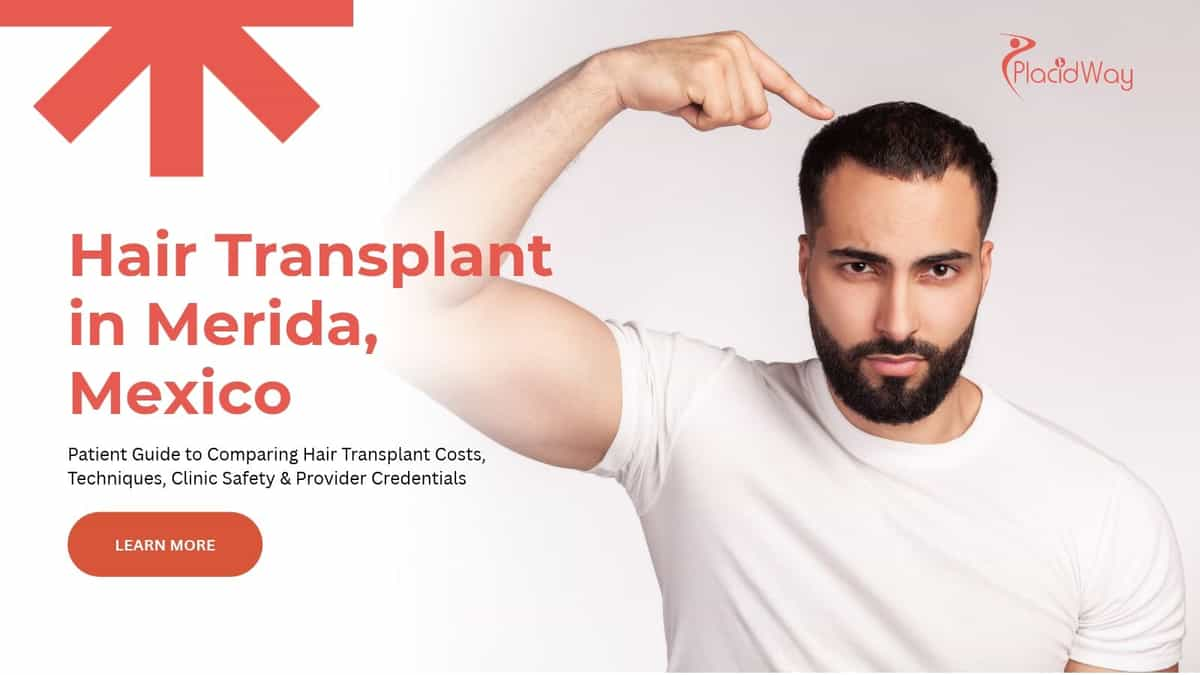
Losing your hair can deeply impact your confidence, but finding an affordable and safe solution abroad requires careful research. When planning your hair restoration journey, you need transparent information about expected costs and which specific Mexican medical licenses guarantee quality care. This guide walks you through verifying COFEPRIS clinic certifications and navigating the medical tourism landscape so you can make confident choices about a hair transplant in Merida Mexico.
- Estimated Cost: Treatment generally ranges from $2,800 to $4,500 USD depending on the number of grafts required.
- Safety Overview: Merida is considered one of the safest cities in Mexico with advanced private hospitals regulated by federal authorities.
- Ideal Candidate: Individuals experiencing patterned baldness with sufficient healthy donor hair on the back of the scalp.
- Recovery Time: Most patients return to light activities within a week and see noticeable new growth after six to nine months.
- Main Reason for Travel: Patients choose this destination for the combination of high-quality specialized care, significant cost savings compared to North America, and a peaceful recovery environment.
- Important Caution: Always verify that your chosen clinic is licensed by COFEPRIS and your surgeon holds active registration with the national medical council.
Understanding the Basics of Hair Restoration in Mexico
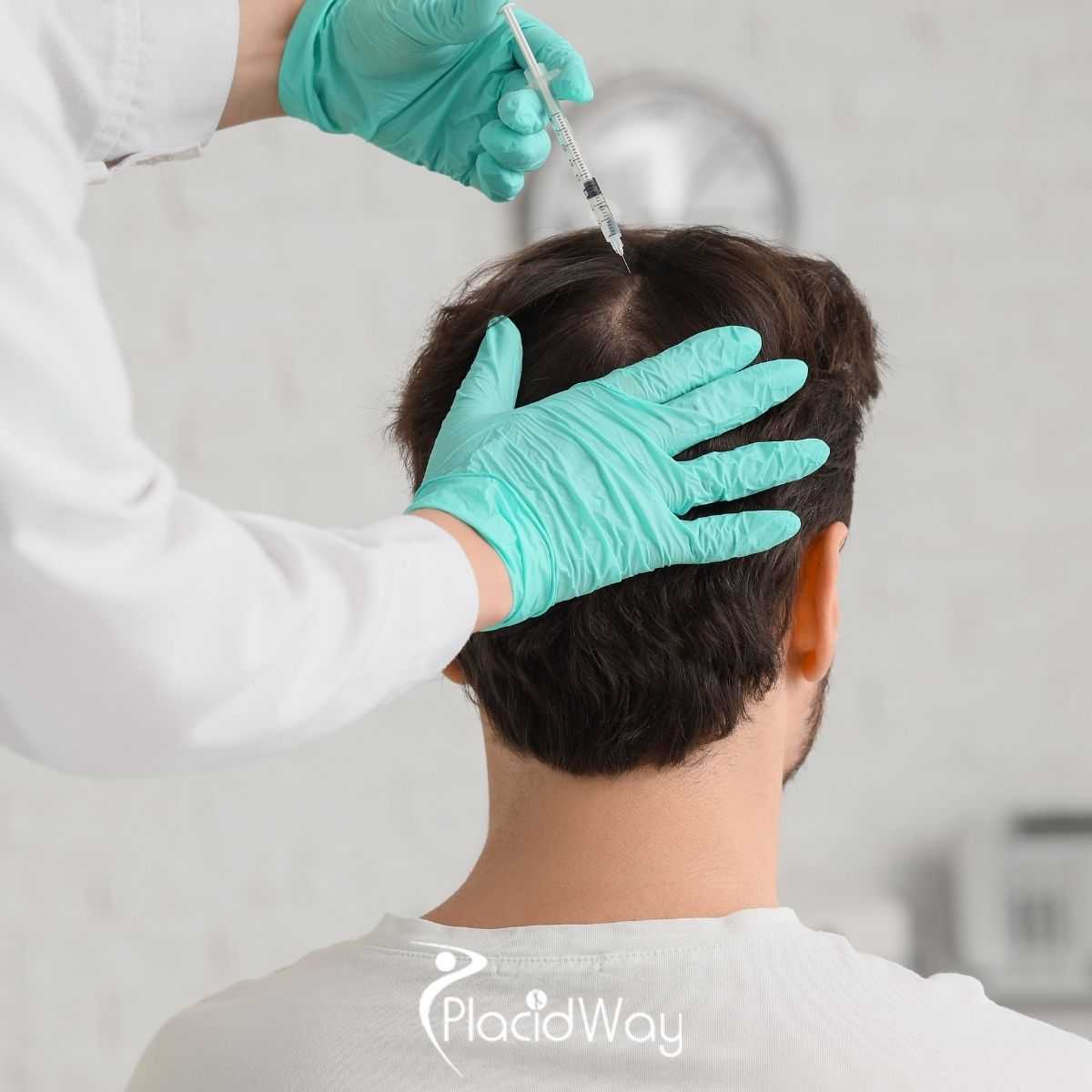
Hair restoration is a specialized medical procedure designed to address thinning or bald areas on your scalp. The treatment works by relocating healthy, resilient hair follicles from a donor area to areas where growth has stopped. Doctors perform this procedure under local anesthesia to ensure you remain comfortable while awake.
When you seek this treatment internationally, understanding the biological process helps you set realistic expectations. Transplanted follicles retain their genetic resistance to hair loss. Once these follicles heal in their new location, they continue to produce hair naturally for decades. Your surgeon carefully angles each graft to match your natural growth pattern.
Treatment Planning Tip
Before traveling abroad for treatment, request a thorough virtual consultation. A reputable doctor will ask for clear photographs of your scalp from multiple angles to estimate your required graft count accurately.
Why International Patients Choose Hair Transplant in Merida Mexico
Traveling for medical care requires careful consideration of both the destination and the clinical standards available. Merida stands out globally for its exceptional safety record and robust private healthcare infrastructure. Unlike busy border towns, this city offers a calm, stress-free environment highly conducive to postoperative healing.
Beyond the attractive cost savings, the standard of specialized care draws thousands of international patients annually. The medical facilities here invest heavily in modern extraction technology and maintain stringent hygiene protocols. Many practicing specialists have completed fellowships internationally and bring advanced restorative techniques back to their local practice.
Primary Reasons for Choosing This Destination
- Access to highly trained specialists at a fraction of US or Canadian prices.
- Merida consistently ranks as one of the safest cities in the Americas.
- Direct access to premium private healthcare facilities and modern recovery suites.
- Close proximity and short flight times from major North American travel hubs.
- A peaceful, culturally rich environment that reduces patient travel stress.
Patient Demographics and Global Travel Trends
Recent data highlights a significant shift in who travels for medical restoration services. According to 2025 cross-border healthcare reports, the demographic of patients seeking treatment in the Yucatan Peninsula continues to broaden. While historically dominated by older males, modern clinics now see a substantial increase in younger individuals taking preventative action.
This evolving demographic landscape reflects growing confidence in international medical standards. Patients traveling from the United States and Canada make up the vast majority of international visitors for this specific procedure. They are highly educated consumers who spend considerable time comparing surgeon credentials and clinical outcomes before booking their flights.
Expected Costs of Hair Transplant Procedures in Merida
Understanding exactly what you are paying for helps you avoid unexpected expenses during your trip. The price of your treatment largely depends on the degree of your hair loss and the number of follicular grafts necessary to achieve your desired density. Most modern clinics offer comprehensive pricing packages that cater specifically to international arrivals.
When reviewing financial quotes, you must clarify whether the price covers only the surgical procedure or includes additional vital services. Comprehensive packages often bundle airport transfers, hotel accommodations, and specialized post-operative care products. Always ask the clinic for a written, itemized breakdown before making a deposit.
| Expense Category | Estimated Cost Range (USD) | Typical Inclusions |
|---|---|---|
| Standard Procedure (up to 2,000 grafts) | $2,500 - $3,200 | Surgeon fees, local anesthesia, facility use, basic medication |
| Extensive Procedure (2,000 to 4,000 grafts) | $3,200 - $4,500 | Surgeon fees, extended operating time, post-op consultation |
| Comprehensive Medical Package | $3,800 - $5,500 | Surgery, hotel stay, ground transfers, special healing shampoos |
| Additional Out of Pocket Costs | $400 - $800 | International flights, travel insurance, personal meals |
Comparing International Treatment Costs
Financial considerations remain a primary driver for patients exploring medical travel. The economic structure in Mexico, including lower administrative overhead and medical malpractice insurance costs, allows clinics to offer highly competitive rates. These lower operational costs do not equate to a lower standard of medical care or compromised clinical environments.
When comparing international options, you will notice a stark difference in regional pricing. Clinics in North America typically charge per graft, causing prices to escalate rapidly for extensive restorations. In contrast, providers abroad often use tiered pricing or fixed comprehensive rates, providing excellent financial predictability.
| Location | Average Cost per Graft (USD) | Estimated Total Range (USD) |
|---|---|---|
| United States | $4.00 - $8.00 | $8,000 - $16,000 |
| Canada | $3.50 - $7.00 | $7,000 - $14,000 |
| Merida Mexico | $1.20 - $2.00 | $2,800 - $4,500 |
How to Select a Safe Hair Transplant Clinic in Merida
Choosing the right clinical facility is the most critical decision in your medical tourism journey. You should never select a clinic based entirely on promotional photographs or the lowest available price. Instead, focus strictly on federal regulations and the objective safety standards maintained by the institution.
In Mexico, the primary regulatory body ensuring clinical safety is COFEPRIS (Federal Committee for Protection from Sanitary Risks). Any facility performing surgical procedures must hold an active license from this government authority. You have the absolute right to request this documentation before committing to any treatment plan.
Essential Clinic Vetting Checklist
- Confirm the clinic holds a current, valid COFEPRIS operating license.
- Verify the facility has emergency protocols and access to immediate hospital transfer.
- Check if the surgical rooms meet the standards of the General Health Council (CSG).
- Ensure the clinic offers a transparent, written revision policy for any necessary corrections.
- Confirm the presence of an in-house interpreter if you do not speak Spanish fluently.
Verifying Surgeon Credentials and Medical Licenses
The success of your restoration depends entirely on the skill, experience, and artistic eye of your operating doctor. In many countries, technicians rather than licensed physicians perform these procedures, which greatly increases the risk of poor outcomes. You must ensure that a qualified medical doctor leads your treatment.
A reputable doctor in this region will be registered with the national medical council. While international affiliations are beneficial, national board certification is your primary indicator of legal medical competence. Ask your provider directly about their specific training background and their annual case volume for this exact procedure.
Warning Signs to Avoid
Never proceed with treatment if the clinic refuses to disclose the operating doctor's full name and federal medical license number (Cédula Profesional) upfront. Unlicensed technicians performing surgical steps without a doctor present pose a severe threat to your health and the final aesthetic outcome.
Determining Your Eligibility for Hair Restoration
Not every person experiencing hair loss qualifies for a surgical intervention. The procedure relies on having an adequate supply of permanent hair follicles available for extraction. If your donor area is too thin or your loss pattern is unstable, surgery may not provide the dense coverage you desire.
Your doctor must carefully evaluate your age, family history of baldness, and overall physical health. Certain medical conditions, such as uncontrolled diabetes, blood clotting disorders, or active scalp infections, serve as strong contraindications for surgery. A comprehensive virtual or physical consultation is necessary to accurately assess your clinical suitability.
Favorable Candidate Traits
- Stable, predictable pattern of hair loss.
- High density of thick hair at the back of the scalp.
- Realistic expectations regarding final density.
- Good overall cardiovascular health.
- Commitment to long-term post-operative care.
Unfavorable Candidate Traits
- Active, rapidly progressing, unpredictable hair loss.
- Diffuse thinning across the entire scalp.
- Severe scarring or active skin conditions on the head.
- Uncontrolled chronic medical conditions.
- History of keloid scarring.
Comparing Follicular Unit Extraction and Follicular Unit Transplantation
Medical professionals utilize two primary methods for extracting follicles from your donor area. The chosen technique profoundly impacts your recovery time and the type of scar left behind. Your surgeon will recommend the best approach based on your hair type, scalp laxity, and lifestyle preferences.
Follicular Unit Extraction involves removing individual hair units one by one using a specialized micro-punch tool. Follicular Unit Transplantation involves removing a thin strip of tissue from the back of the scalp, from which technicians dissect individual grafts under a microscope. Both methods are highly effective when performed by skilled clinical teams.
| Feature | Follicular Unit Extraction (FUE) | Follicular Unit Transplantation (FUT) |
|---|---|---|
| Extraction Method | Individual units removed one by one | Strip of tissue removed and dissected |
| Scarring Type | Tiny, scattered circular micro-scars | Single linear scar at the back of the head |
| Recovery Speed | Generally faster, minimal discomfort | Slightly longer healing for the donor incision |
| Hair Length After | Allows for very short hairstyles | Requires slightly longer hair to hide the scar |
| Ideal Candidate | Patients wanting minimal scarring, active lifestyles | Patients needing massive graft counts in one session |
Planning Your Medical Trip to the Yucatan Peninsula
Organizing a medical journey requires coordination between your clinical appointments, flights, and accommodations. Merida features an international airport (MID) with convenient connections through major travel hubs, making the logistics relatively straightforward. However, you must carefully time your arrival to allow adequate rest before surgery.
Patients typically need to stay in the city for at least four to five days. This timeframe allows for the initial consultation, the surgical day, and crucial post-operative check-ups. Most premium clinics provide dedicated patient coordinators who assist with securing safe transportation and comfortable lodging near the medical facility.
Suggested Travel Timeline
- Day 1: Arrive in Mexico, settle into your hotel, and rest.
- Day 2: Attend your pre-operative consultation and finalize the hairline design.
- Day 3: Surgery day (expect to spend 6 to 8 hours at the clinic).
- Day 4: Rest at your hotel following specific postoperative instructions.
- Day 5: Attend your follow-up clinic visit for your first hair wash, then fly home.
Step by Step Guide to the Hair Restoration Procedure
Knowing what happens inside the operating room can significantly reduce your pre-treatment anxiety. The process begins early in the morning with a comprehensive review of your hairline design. Once you and your doctor agree on the aesthetic plan, you will receive local anesthesia to numb the donor area completely.
The entire process is meticulous and time-consuming, requiring intense focus from the medical team. After extracting the grafts, the team preserves them in a chilled, specialized solution to maintain tissue viability. Finally, the surgeon carefully places each graft into precise recipient sites, matching your natural hair angle and direction.
The Clinical Steps Explained
- Preparation: The scalp is cleaned, shaved (if required), and numbed with local anesthetics.
- Extraction: Follicles are carefully removed using either the individual punch or strip method.
- Preservation: Extracted units are sorted by size and kept hydrated in specialized clinical solutions.
- Site Creation: The surgeon makes tiny incisions in the recipient area to define the growth pattern.
- Placement: Technicians and doctors gently insert the preserved grafts into the prepared sites.
Expected Recovery Timeline and Aftercare Guidelines
Post-operative care determines the survival rate of your newly implanted grafts. The first two weeks are critical; you must protect your scalp from direct sunlight, heavy sweating, and physical impact. Your clinic will provide specific medications, sleeping instructions, and special shampoos to protect the healing tissue.
It is entirely normal for the transplanted hairs to shed a few weeks after the procedure. This biological event, known as shock loss, paves the way for new, permanent growth. Following your doctor's exact aftercare protocols ensures the underlying follicles remain securely anchored and healthy during this dormant phase.
| Timeframe | Biological Process | Patient Sensation | Activity Level | Action Required |
|---|---|---|---|---|
| Days 1-3 | Grafts anchor into the scalp | Mild swelling, tightness, numbness | Strict rest | Sleep elevated, spray saline regularly |
| Days 4-7 | Crusts form over recipient sites | Mild itching | Light walking only | Begin gentle specialized washes |
| Weeks 2-4 | Transplanted hairs begin to shed | Sensation returns to normal | Moderate activity | Resume normal daily routine carefully |
| Months 3-4 | New hair cycles begin | Excitement as fine hairs appear | Full activity | Maintain healthy diet and scalp care |
| Months 12-15 | Hair matures and thickens fully | Normal | Unrestricted | Enjoy final aesthetic results |
Managing Potential Risks and Long Term Success Rates
Like any surgical intervention, hair restoration carries some degree of medical risk, even when performed correctly. Potential complications include infection, excessive bleeding, or delayed wound healing. Selecting a highly qualified, federally licensed provider drastically reduces the probability of these adverse events occurring.
When you follow proper aftercare instructions, the long-term survival of transplanted follicles is exceptionally high. Recent clinical observations from 2025 demonstrate that properly extracted and placed grafts thrive in their new location permanently. Choosing a skilled surgeon ensures the grafts survive the physical transfer process without suffering traumatic damage.
Frequently Asked Questions About Hair Restoration in Merida
Is it safe to travel to Merida Mexico for a medical procedure?
Yes, Merida is widely recognized as one of the safest cities in North America. The private healthcare infrastructure is highly developed, strictly regulated by federal authorities, and accustomed to serving international medical tourists securely.
How do I verify the credentials of my Mexican hair restoration surgeon?
You should ask for the doctor's Cédula Profesional (federal medical license). You can verify this number through the official Mexican government registry. Additionally, look for memberships in national dermatological or plastic surgery boards.
Are the results of this surgical treatment completely permanent?
In most cases, transplanted follicles retain their genetic resistance to balding and will continue to grow for your lifetime. However, natural thinning related to aging can still affect the surrounding non-transplanted hair over time.
What is the primary difference between FUE and FUT methods?
FUE extracts individual follicles leaving scattered micro-scars, ideal for shorter haircuts. FUT removes a strip of tissue leaving a linear scar, but is highly efficient for patients needing a massive amount of grafts relocated in a single session.
When will I start seeing visible new hair growth after surgery?
Most patients experience shedding in the first month. New, fine hair begins to emerge around the third or fourth month. Noticeable density improves significantly by month six, with final aesthetic results visible between twelve to fifteen months.
Will the surgical process cause significant pain or discomfort?
The procedure is performed under local anesthesia, so you will feel no pain during the extraction or implantation phases. You may experience minor discomfort or tightness for a few days during recovery, which is easily managed with prescribed medications.
Are hidden costs common with international treatment packages?
Reputable clinics provide transparent, all-inclusive quotes. However, patients must clarify if the quote covers medications, post-operative washes, and airport transfers. Always request a written, itemized breakdown before traveling.
Can women undergo hair restoration surgery successfully?
Yes, women experiencing specific patterns of hair loss are often excellent candidates. The doctor must carefully evaluate the cause of the thinning to ensure surgical intervention is the appropriate clinical approach.
What happens if I encounter complications after returning home?
Quality clinics provide comprehensive virtual aftercare and specific instructions for local follow-up. In the rare event of a severe complication, they maintain protocols for coordinating with your primary care physician back home.
How soon can I wear a hat or resume strenuous exercise?
You should wait at least ten to fourteen days before wearing a loose-fitting cap to avoid dislodging grafts. Strenuous exercise that causes heavy sweating or increases blood pressure should be avoided for three to four weeks.
Request Information and Compare Clinics
Disclaimer: This information is for educational purposes only and does not replace professional medical advice. Always consult a qualified healthcare provider before making medical decisions.
References
- Surgical Treatments for Hair Loss – International Society of Hair Restoration Surgery
- Regulation of Hospitals and Clinics – Federal Committee for Protection from Sanitary Risks (COFEPRIS)
- Mexico Destination Guide and Safety Standards – Medical Tourism Association
- Advances in Follicular Unit Extraction Techniques – National Center for Biotechnology Information
- Travelers' Health Information for Mexico – Centers for Disease Control and Prevention
- 2024 Global Practice Census Data on Patient Demographics – International Society of Hair Restoration Surgery
- 2025 Clinical Observations on Long-Term Graft Survival Rates – PubMed Central

























Share this listing