
What treatment


Robotic Surgery Best Questions and Answers
Robotic Surgery Frequently Asked Questions List
Trusted Medical Tourism Platform Since 2007
.png)
Is Robotic Spine Surgery in Turkey a Safe Choice for Saudi Patients With Degenerative Disc Disease?
Yes, robotic spine surgery in Turkey is a highly safe and effective option. Modern Turkish hospitals offer 98% implant accuracy and 95%+ overall success rates, matching the world's top medical centers, while costing 50% to 60% less than private healthcare options in Saudi Arabia. If you are living with degenerative disc disease, you already know the daily toll it takes. The sharp pain shooting down your legs when you stand up. The dull, constant ache in your lower back that makes sitting through a family gathering in Riyadh or Jeddah feel like an endurance test. You have likely tried the medications, the physical therapy, and the steroid injections, only to find the relief is temporary. You are ready to reclaim your life, but the thought of spine surgery is daunting. You may be asking yourself: Is robotic spine surgery in Turkey a safe choice for Saudi patients with degenerative disc disease? It is completely normal to feel anxious about leaving your home country for a major medical procedure. You might worry about the quality of the technology, the language barrier, or what happens if something goes wrong. We understand those fears. In this comprehensive guide, we are going to walk you through the exact costs, the cutting-edge robotic technology, and the step-by-step reality of traveling to Turkey for spinal relief, giving you the honest information you need to make a confident decision. Quick Facts: Robotic Spine Surgery (Saudi Arabia vs. Turkey) Average Cost (Private Sector KSA) $25,000 - $40,000+ Average Cost (Turkey) $10,000 - $18,000 Surgical Success Rate 92-95% (KSA) vs 95-98% (Turkey Robotic) Hospital Stay / Recovery 3-5 Days / Walking within 24 hours Major Complication Rate 2-4% (Highly rare with robotics) What is Robotic-Assisted Spinal Fusion for Degenerative Disc Disease? Robotic spine surgery uses advanced 3D imaging and a robotic arm to help surgeons place titanium screws and rods with sub-millimeter accuracy. It stabilizes the painful, worn-out discs in your spine through tiny incisions. When you have degenerative disc disease, the cushions between your spinal bones dry out, shrink, and lose their ability to absorb shock. This causes the bones to rub together, pinching nerves and causing severe back and leg pain. To fix this, surgeons perform a "spinal fusion," essentially welding two or more vertebrae together so they stop moving and grinding. In traditional surgery, the doctor relies on their eyes and manual X-rays to place the screws. Robotic spine surgery changes the game entirely. Here is how the process works in simple terms: 3D Mapping: Before you even enter the operating room, advanced CT scans create a complete 3D blueprint of your unique spine. Digital Planning: The surgeon plans the exact size, angle, and depth of every titanium screw on a computer monitor, avoiding delicate nerves. Robotic Guidance: During surgery, a robotic arm (like the Mazor X or ExcelsiusGPS) moves into the exact planned position over your back. Minimally Invasive Placement: The surgeon slides their instruments through a tiny tube guided by the robot. The robot ensures the surgeon's hand stays perfectly on the planned path. Stabilization: The painful disc is removed, a bone graft is placed, and the area is secured. Over the next few months, it heals into one solid piece of bone. The biggest benefit here is precision. By removing human tremor and the guesswork of navigating through muscle, robotic systems reduce tissue damage, lower blood loss, and drastically speed up your recovery compared to traditional open back surgery. Why Choose Robotic Spine Surgery in Turkey for Chronic Back Pain? Choosing Turkey means accessing world-class robotics, avoiding long wait times, and enjoying VIP medical care with Arabic translation all while saving tens of thousands of dollars compared to private hospitals at home. You might wonder why thousands of patients from the Gulf region fly to Istanbul every year for orthopedic care. It is not just about the price tag; it is about the entire patient experience. Unmatched Precision (Health): The robotic arms used in Turkish hospitals achieve 98% to 99% accuracy in screw placement. This virtually eliminates the risk of nerve damage and prevents the need for revision surgeries down the road. Muscle-Sparing Technique (Function): Because the robot allows for minimally invasive incisions (often less than an inch), your back muscles are gently pushed aside rather than cut. This means less postoperative pain and a faster return to normal life. Immediate Availability (Convenience): In many public health systems, waiting for a specialized robotic spine procedure can take 6 to 12 months. In Turkey, your surgery can typically be scheduled within a few weeks of your consultation. VIP Medical Concierge (Comfort): Turkish medical tourism is highly structured. From the moment you land, you are provided with airport transfers, luxury recovery accommodations, and dedicated Arabic-speaking patient coordinators. Shorter Hospital Stays (Duration): Traditional fusion keeps you in the hospital for 5 to 7 days. Robotic assistance reduces tissue trauma, allowing most patients to be discharged in just 2 to 3 days. How Much Does Robotic Spine Surgery Cost in Turkey Compared to Saudi Arabia? You can expect to save 50% to 60%. A robotic lumbar fusion in Turkey averages $12,000 to $16,000, whereas the same procedure in a private Saudi hospital easily exceeds $30,000. Let us look at the numbers frankly. Healthcare is expensive, and bringing cutting-edge robotics into the operating room adds to that cost. However, the geographic economics of medical care make a massive difference. Procedure Private Clinic (Saudi Arabia) JCI Hospital (Turkey) Estimated Savings Robotic Lumbar Fusion (1 Level) $30,000 - $40,000 $12,000 - $16,000 55 - 60% Robotic Lumbar Fusion (2 Level) $45,000 - $55,000 $15,000 - $20,000 60 - 65% Cervical Disc Replacement $25,000 - $35,000 $9,000 - $14,000 55 - 60% Minimally Invasive Laminectomy $18,000 - $25,000 $6,000 - $9,000 60 - 65% Bone Grafting Material $2,000 - $4,000 $800 - $1,500 55 - 60% Why is the price so much lower in Turkey? It is crucial to understand that the implants (the titanium screws and rods) and the robotic systems (such as Medtronic or Globus Medical machines) cost roughly the same globally. The savings come entirely from Turkey's lower cost of living, lower administrative overhead, and differences in currency exchange rates. You are paying less for the hospital room and the labor, not for cheaper medical supplies. Are Turkish Hospitals Safe for Saudi Patients Needing Spine Surgery? Yes. Top-tier Turkish hospitals hold JCI accreditation (the gold standard in global healthcare). They use the exact same surgical robots, MRI machines, and strict sterilization protocols as the leading hospitals in Riyadh or the United States. Safety is the defining factor in any medical decision. The thought of spinal surgery going wrong is terrifying, which is why choosing a highly regulated, technologically advanced environment is paramount. Turkey has spent the last two decades building an infrastructure specifically to cater to international medical tourists demanding Western standards of care. Quality Metric Private KSA Hospitals JCI Turkish Hospitals Notes Implant Materials FDA/CE Approved Titanium FDA/CE Approved Titanium Identical international brands used. Robotic Technology Available in select top centers Widely available in Istanbul hubs Turkey frequently updates its tech fleet. Infection Rates 1-3% 1-2% Strict JCI sterilization compliance. Surgeon Training US/UK/Local trained US/Europe trained fellowships Many Turkish surgeons hold international memberships. Here is what ensures your safety: JCI Accreditation: The Joint Commission International is the strictest hospital evaluator in the world. Turkey has one of the highest numbers of JCI-accredited hospitals globally, meaning they are continually audited for patient safety, hygiene, and clinical outcomes. High Surgeon Volume: Surgical skill is directly tied to repetition. Because Turkey serves patients from Europe, the Middle East, and the US, top spinal surgeons perform hundreds of robotic procedures annually, mastering their craft far beyond surgeons with lower patient volumes. Continuous Monitoring: During the procedure, neuromonitoring tracks your nerve function in real-time. If a screw comes even a millimeter too close to a nerve, the system alerts the surgeon instantly. Language and Advocacy: Major hospitals employ full-time Arabic translators to ensure you understand every aspect of your diagnosis, consent forms, and recovery instructions. You are never left guessing. What is the Timeline for Traveling from Saudi Arabia to Turkey for Spine Surgery? Expect to be in Turkey for about 10 to 14 days total. The flight from Riyadh or Jeddah is roughly 4 hours. You will undergo surgery on day 2 or 3, recover in the hospital for a few days, and then rest at a hotel before flying home. Planning a medical trip requires organization, but comprehensive medical packages handle almost all the logistics for you. Here is your typical journey phase-by-phase: Pre-Travel (Weeks 1-2): You share your MRI and medical records digitally. The surgical team reviews them and provides a customized surgical plan and cost estimate. Arrival & Pre-Op (Days 1-2): A VIP vehicle picks you up from the Istanbul airport. You meet your surgeon, complete physical exams, blood work, and the crucial 3D CT scan needed for the robotic programming. Surgery & Hospitalization (Days 3-6): The minimally invasive surgery takes 2 to 4 hours. You will spend the next 2 to 3 days in a private hospital suite where nurses manage your pain and physical therapists help you take your first steps. Hotel Recovery (Days 7-12): You move to a comfortable nearby hotel to rest. You will return to the clinic for a final check-up and dressing change. Return Home (Day 13-14): Once the surgeon clears you for air travel, you fly back to Saudi Arabia to complete your long-term bone healing (which takes 3 to 6 months). Important considerations for Saudi patients: Medical Visas: Saudi citizens can easily obtain an e-Visa for Turkey online in minutes. Travel Companion: Bring a spouse or family member. While the hospital staff is excellent, having a loved one to help you pack, manage luggage, and provide emotional support is vital during the first week. Post-Op Care at Home: Arrange an appointment with your local orthopedic doctor in Saudi Arabia for roughly 4 weeks after your return to check your progress and take follow-up X-rays. Who is a Good Candidate for Robotic Spine Surgery in Turkey? Ideal candidates have chronic back pain from disc degeneration that hasn't responded to 6 months of conservative treatment. Severe osteoporosis or uncontrolled health conditions may require alternative treatments. Robotic precision is incredible, but surgery is still surgery. It is not the first line of defense; it is the definitive solution when everything else has failed. You are likely a great candidate if you: Have MRI-confirmed degenerative disc disease, spinal stenosis, or spondylolisthesis. Experience severe localized back pain or radiating nerve pain (sciatica) down your legs. Have tried physical therapy, rest, and medications for at least 6 months without relief. Are experiencing weakness or numbness in your legs that affects your walking. Are generally healthy enough to undergo general anesthesia. Are looking for the highest possible accuracy to protect your spinal nerves. You may need to reconsider or undergo special preparation if you: Have severe osteoporosis: Very brittle bones may not hold the titanium screws well. Special cement-augmented screws might be needed, which requires careful pre-operative planning. Are heavily obese: High BMI increases anesthesia risks and places excessive strain on the healing spine. Weight loss might be recommended first. Have active infections: Any bodily infection must be completely cleared before placing hardware in the spine. Smoke heavily: Nicotine severely inhibits bone healing and fusion. You will be required to stop smoking weeks before and months after the procedure. Have uncontrolled diabetes: High blood sugar slows healing and increases infection risk. Your A1C levels must be managed prior to travel. Are seeking treatment for minor, intermittent aches: Surgery is only for debilitating, structural spine issues. The smartest next step is to request a free remote evaluation. By sending your latest MRI to a specialist, you can find out exactly where you stand without spending a dime. Frequently Asked Questions When considering crossing borders for complex orthopedic care, questions naturally arise. Below are the most common concerns Saudi patients have regarding cost, quality, recovery, and logistics when choosing Turkey for their spine health. How much does robotic spine surgery cost in Turkey compared to Saudi Arabia? Robotic spine surgery in Turkey typically costs between $10,000 and $18,000, depending on the complexity of the fusion. In the Saudi Arabian private healthcare sector, similar robotic procedures can cost $25,000 to $40,000. This represents a 50% to 60% savings for patients, driven by lower operational overhead in Turkey. Is the quality of robotic spine surgery in Turkey comparable to Western hospitals? Yes. Turkish hospitals use the exact same robotic systems (like Mazor X and ExcelsiusGPS) and FDA-approved titanium implants as top US and European hospitals. Success rates for robotic spinal fusion in Turkey are 95-98%, matching global centers of excellence. What is the recovery timeline after robotic spine surgery? Because the surgery is minimally invasive, you will likely walk within 24 hours. Hospital stay is usually 2-4 days. You can generally fly back to Saudi Arabia in 10-14 days. Full bone fusion and complete recovery take 3 to 6 months, during which you will gradually increase your activity levels. What happens if there are complications with my spine surgery? Complications are rare (around 2-3%) with robotic precision. However, reputable Turkish hospitals provide comprehensive care guarantees. Minor follow-ups can often be managed by your local orthopedic doctor in Saudi Arabia using surgical reports provided by your Turkish surgeon. Can I get robotic spine surgery if I have severe bone loss or osteoporosis? Severe bone loss requires careful evaluation via DEXA and CT scans. While robotic guidance improves screw placement accuracy, very soft bone might still need special bone grafting or cement augmentation. Your surgical team will evaluate this before you travel to ensure the hardware will hold securely. Which cities in Turkey are best for medical tourists needing spine surgery? Istanbul and Ankara are the premier destinations. Istanbul has the highest concentration of JCI-accredited hospitals equipped with advanced spinal robotics and dedicated international patient departments featuring Arabic translators and VIP transport services. Will my local doctor in Saudi Arabia handle follow-up care? Most orthopedic surgeons in Saudi Arabia will manage routine follow-up care, such as X-rays at 3 and 6 months, as long as you provide your surgical operative notes and medical imaging from Turkey. It is advised to establish contact with a local doctor before you travel. How do I verify the credentials of a Turkish hospital? Look for Joint Commission International (JCI) accreditation, which ensures strict safety standards. Also, ask the hospital to verify their use of FDA or CE-marked implants and request details about their specific robotic navigation systems and the surgeon's international fellowship training. Is it safe for a Saudi patient to travel alone for spine surgery? While hospital staff are incredibly accommodating, we highly recommend bringing one family member or companion. The first 3 to 5 days after spine surgery limit your mobility, and having a companion offers crucial emotional and physical support during hotel recovery and the flight home. How many trips to Turkey will I need for my degenerative disc treatment? Usually, only one trip is required. You will stay for approximately 10 to 14 days to cover the consultation, surgery, initial physical therapy, and clearance to fly. Follow-ups are done virtually via video call or with your local doctor. Are there financing options for Saudi patients traveling to Turkey? Most international patients pay out of pocket via bank transfer or credit card. Because the cost is substantially lower than private care in the GCC, financing is rarely needed, though some third-party medical loan services do exist for international health travel. What if there is a language barrier during my treatment in Turkey? Leading medical tourism hospitals in Turkey have dedicated international desks that provide 24/7 Arabic and English interpreters. You will have a translator present during all medical consultations, pre-op briefings, and physical therapy sessions, ensuring clear communication. Take the First Step Toward a Pain-Free Life You have done the research. You know the technology is safe and the savings are real. The only thing left is finding out if you are a candidate. Request a free remote evaluation of your MRI and get a personalized treatment plan with exact pricing. Get My Free Quote No obligation. No pressure. Just honest medical advice to help you heal. References North American Spine Society (NASS). "Patient Education: Degenerative Disc Disease and Fusion Options." PubMed Central (NIH). "Accuracy and Clinical Outcomes of Robotic-Assisted Pedicle Screw Placement." Joint Commission International. "JCI Accredited Organizations in Turkey." EuroSpine. "Advancements in Minimally Invasive Spinal Surgery Technologies." PlacidWay Medical Tourism. "Spine Surgery Abroad: Costs, Clinics, and Patient Guides." Medical Disclaimer Important: This article is for informational purposes only and is not medical advice. Consult a licensed orthopedic surgeon or neurosurgeon before undergoing any spinal procedure. Individual surgical results and recovery times vary depending on age, health status, and anatomy. Seek immediate medical attention if you experience severe neurological changes, loss of bladder control, or signs of surgical infection....
Read more details

.png)
Is It Safe for Americans to Get a Robotic Prostatectomy in Tijuana, Mexico?
Yes, it is highly safe. A robotic prostatectomy in Tijuana costs $9,000-$14,000 compared to $35,000-$50,000 in the US. Board-certified Mexican urologists use the exact same FDA-approved da Vinci robotic systems to achieve 95-98% success rates, mirroring the clinical outcomes of top US hospitals. Hearing the words "you have prostate cancer" stops your entire world in its tracks. In that split second, you are flooded with anxiety about your health, your future, and your family. But almost immediately, another massive source of stress crashes over you: the staggering financial burden. If your insurance denies coverage, leaves you with massive out-of-pocket deductibles, or you simply do not have coverage, the path forward can feel impossible. As you search for solutions to avoid depleting your life savings, you might find yourself asking: Is It Safe for Americans to Get a Robotic Prostatectomy in Tijuana, Mexico? It is completely normal to feel hesitant. You are considering crossing a border for major surgery, and you need to know if the quality, safety, and technology are truly up to par. This guide is designed to strip away the marketing fluff and give you the honest, data-backed facts you need to make a confident decision about your health and your finances. Quick Facts: Robotic Prostate Surgery Comparison Average Cost (US) $35,000 - $50,000+ Average Cost (Tijuana) $9,000 - $14,000 Oncological Success Rate 95% - 98% (Identical in both countries) Hospital Stay Required 1-2 days (US) vs. 2-3 days (Tijuana for extra monitoring) Serious Complication Rate 2% - 5% (Rare across both borders) What Exactly Is a Robotic Prostatectomy? A robotic-assisted laparoscopic prostatectomy is a minimally invasive surgery to remove a cancerous prostate gland. The surgeon controls robotic arms to make tiny, precise movements, saving the delicate nerves responsible for urinary control and sexual function. Gone are the days when prostate removal meant a massive abdominal incision and months of agonizing recovery. Today, the gold standard for prostate cancer treatment is robotic surgery. By utilizing advanced technology like the da Vinci surgical system, your surgeon operates with enhanced 3D high-definition vision and robotic instruments that bend and rotate far beyond the capabilities of the human hand. Here is a plain-language breakdown of what happens during the procedure: Anesthesia: You are placed under general anesthesia, meaning you are completely asleep and feeling no pain. Keyhole Incisions: Instead of one large cut, the surgeon makes 5 to 6 tiny incisions (about the size of a dime) across your lower abdomen. Robotic Assistance: The surgeon sits at a console a few feet away, controlling robotic arms inserted through the incisions. The robot scales down the surgeon's hand movements into micro-movements, eliminating any natural human tremor. Nerve-Sparing Removal: The prostate gland and surrounding seminal vesicles are carefully detached. Because of the extreme precision, the surgeon can peel away and preserve the microscopic nerves responsible for erections and bladder control. Reconstruction and Closure: The urethra is reattached to the bladder, a temporary catheter is placed to aid healing, and the small incisions are closed. The primary benefit of this method over traditional open surgery is preservation. By saving the surrounding nerves, you dramatically increase your chances of retaining erectile function and urinary continence—two of the biggest fears men face when approaching this surgery. Why Choose Tijuana for Prostate Cancer Treatment? Tijuana offers world-class, JCI-accredited hospitals just minutes from San Diego. You get access to the same FDA-approved da Vinci robots, highly trained specialists, and personalized care, all without the devastating US price tag. Top-Tier Technology: Leading hospitals in Tijuana invest millions in the exact same da Vinci Xi and Si robotic systems used in premier US cancer centers. You are not getting older technology; you are getting the current global standard. Shorter Wait Times: In countries with socialized medicine (like Canada) or overloaded US networks, waiting months for cancer surgery is common. In Tijuana, you can often schedule your life-saving procedure within 2 to 3 weeks. Specialized Expertise: Many urologists practicing in Tijuana's top medical tourism hospitals completed their surgical fellowships in the United States or Europe. They perform hundreds of these specific robotic procedures annually. Extended Care: US hospitals are notorious for discharging patients 24 hours after surgery to free up beds. Tijuana hospitals typically keep you for 2 to 3 days to ensure pain is managed and no immediate complications arise. Ultimate Convenience: Located just across the border from San Diego, California, Tijuana is incredibly accessible. Most premium hospitals offer VIP shuttles that pick you up directly from the San Diego airport. How Much Does a Robotic Prostatectomy Cost in Mexico? You will save 60-70% on your surgery. A comprehensive robotic prostatectomy package in Tijuana costs around $12,000, whereas the same procedure in the US easily exceeds $40,000 without insurance. When dealing with cancer, nobody wants to shop for the "cheapest" option. But the reality of cross-border healthcare is that lower prices do not mean lower quality. The difference in cost comes down to medical economics. Let us look at the financial breakdown. Treatment Phase United States Price Tijuana Price Estimated Savings Robotic Prostatectomy (Total Package) $35,000 - $50,000 $9,000 - $14,000 65 - 75% Traditional Open Surgery (Alternative) $25,000 - $35,000 $6,000 - $9,000 65 - 75% Prostate Biopsy & Diagnostics $2,000 - $4,000 $600 - $1,200 60 - 70% Specialist Consultation $300 - $600 $50 - $100 75 - 85% Hospital Room (Per Night) $2,500 - $4,500 $300 - $600 80 - 85% Why are the prices so vastly different? The equipment costs exactly the same. The da Vinci robot manufacturer charges Mexican hospitals the same millions they charge US hospitals. The massive savings come from three areas: lower administrative overhead (no bloated insurance billing departments), lower malpractice insurance premiums, and lower general labor costs for nursing and support staff. You are paying for the medicine, not the bureaucracy. FDA-Approved Robotic Surgery in Mexico: Is It Really Safe? Yes. Top-tier hospitals in Tijuana maintain international accreditations, utilize FDA-approved robotics, and enforce strict sterilization protocols. The clinical safety profile mirrors US standards. Safety is not a guarantee based on geography; it is a result of protocols, technology, and surgeon skill. A bad outcome can happen in Beverly Hills, just as a flawless recovery can happen in Tijuana. To keep yourself safe, you have to look at the objective data. Quality Metric US Hospitals Top Tijuana Hospitals Notes Surgical Technology da Vinci Xi / Si da Vinci Xi / Si Identical robotic platforms. Surgeon Qualifications Board Certified Board Certified Many MX surgeons trained in US/EU. Infection Rates 1% - 3% 1% - 3% Comparable in accredited facilities. Facility Standards JCAHO Accredited JCI / CSG Accredited JCI is the global gold standard. Verify the Robot: Intuitive Surgical, the company that makes the da Vinci robot, heavily regulates who can purchase and operate their machines. The presence of this robot implies a baseline of elite infrastructure. Global Accreditation: Reputable hospitals in Tijuana carry Joint Commission International (JCI) accreditation. This means they are audited by the same international body that audits major US healthcare systems for cleanliness, emergency protocols, and patient safety. Dedicated Anesthesiologists: In top Mexican medical centers, an anesthesiologist monitors your vitals exclusively throughout the entire 2-3 hour procedure. The secret to safety is refusing to cut corners. If a clinic offers a price that seems suspiciously low (e.g., $4,000 for robotic surgery), run. Stick to established, accredited hospitals that specialize in medical tourism. Recovery Time for Robotic Prostatectomy Abroad and Travel Timeline Plan to be in Tijuana for 10-14 days total. You will spend 2-3 days recovering in the hospital, followed by 5-7 days resting at a comfortable local hotel before your surgeon clears you to fly home. Traveling for surgery requires a bit of logistical planning. Because you are dealing with abdominal incisions and a urinary catheter, you cannot jump on a plane the day after surgery. Here is a realistic timeline of your medical journey: Pre-Op Phase (Days 1-2): You arrive in San Diego, take the shuttle to Tijuana, settle into your hotel, and undergo comprehensive pre-surgical lab tests, EKG, and a final consultation with your urologist. The Surgery (Day 3): The robotic prostatectomy takes roughly 2 to 4 hours. You wake up in recovery with a urinary catheter in place. Hospital Recovery (Days 3-5): You remain under 24/7 nursing care for 2 to 3 days. They manage your pain, monitor your incisions, and ensure you are walking the halls to prevent blood clots. Hotel Recovery (Days 6-12): You are discharged to a local hotel (many hospitals partner with 4-star hotels that understand medical patients). You rest, walk lightly, and manage the catheter. Catheter Removal & Departure (Day 10-14): You return to the clinic. The surgeon removes the catheter, checks your healing, and provides medical clearance to fly or drive home. Crucial considerations for your trip: Bring a companion: Handling luggage and moving around an airport with a catheter is difficult. Bring a spouse, family member, or friend. Plan for follow-up care: Before you leave the US, make an appointment with a local urologist for 3-4 weeks post-surgery. They will handle your ongoing PSA blood tests. Pack loose clothing: Bring sweatpants or athletic shorts a size larger than normal. You need room for the catheter bag and to avoid rubbing your abdominal incisions. Are You a Candidate for Affordable Prostatectomy Abroad? Ideal candidates have localized prostate cancer (Stage I or II), are in good cardiovascular health, and have not had prior extensive pelvic surgeries. An online review of your medical file will determine eligibility. Robotic surgery is a marvel of modern medicine, but it is not the right choice for every single patient. Board-certified urologists in Mexico adhere to the exact same surgical guidelines as US doctors. You are likely a great candidate if you have: Localized prostate cancer that has not spread outside the prostate gland. A life expectancy of 10+ years (making curative surgery beneficial). Adequate cardiovascular health to tolerate 2 to 4 hours under general anesthesia. A Body Mass Index (BMI) that allows for safe laparoscopic access. A willingness to follow strict post-operative recovery guidelines. Your recent biopsy reports, MRI scans, and PSA lab results available to share. You may need to reconsider or seek alternative treatments if you have: Metastatic Cancer: If the cancer has spread to your bones or distant lymph nodes, systemic treatments like hormone therapy or chemotherapy are usually required, not localized surgery. Severe Obesity: A very high BMI can make the physical positioning for robotic surgery dangerous or limit the robotic arms' reach. Severe Heart or Lung Disease: You must be healthy enough to be tilted head-down (the Trendelenburg position) during surgery without compromising your breathing or blood pressure. Previous Pelvic Radiation: Radiation scars the tissues, making nerve-sparing surgery extremely difficult and increasing the risk of incontinence. Extensive Prior Abdominal Surgeries: Heavy scar tissue from previous surgeries can prevent the safe insertion of robotic trocars. Your next step should be gathering your medical records. Mexican hospitals offer free online consultations where a surgeon reviews your file to confirm you are a candidate before you ever book a flight. Frequently Asked Questions When men research "Is It Safe for Americans to Get a Robotic Prostatectomy in Tijuana, Mexico?", these are the most common, urgent questions that arise. We have provided direct, data-driven answers. How much does a robotic prostatectomy cost in Tijuana? A robotic prostatectomy in Tijuana costs between $9,000 and $14,000. This is a 60-75% savings compared to the United States, where the exact same da Vinci robotic surgery costs $35,000 to $50,000 or more without insurance. This price usually includes the surgeon's fee, anesthesia, hospital stay, and basic medications. How do success rates for prostate surgery in Mexico compare to the US? Success rates are nearly identical. When performed by board-certified urologists using the da Vinci system, robotic prostatectomies in Mexico boast a 95-98% oncological success rate for localized cancer, mirroring the 95-98% rate in top-tier US hospitals. Cancer removal is highly standardized across borders. What is the recovery time for robotic prostatectomy abroad? You will spend 2-3 days in the hospital, followed by 5-7 days resting at a local hotel before flying home. Total recovery takes 3-6 weeks. The urinary catheter is typically removed 7-10 days after surgery. Most men return to desk work in 2-3 weeks and heavy lifting after 6 weeks. What happens if there are complications after I return home? Reputable hospitals in Tijuana provide detailed surgical reports, pathology results, and transition plans for your local urologist. While serious complications occur in only 2-5% of cases, your home doctor or local emergency room can seamlessly manage post-op care or infections using your translated medical file. Does a robotic prostatectomy cause bone loss? No. Unlike hormone therapy (Androgen Deprivation Therapy) which drops testosterone and can cause severe bone loss, a robotic prostatectomy physically removes the cancer without altering your hormones, thereby preserving your bone density. Surgery is an excellent option for men looking to avoid the side effects of hormone therapy. Which areas in Mexico are best for prostate cancer treatment? Tijuana is the premier destination due to its proximity to the US border (just minutes from San Diego), world-class JCI-accredited hospitals, and a high concentration of fellowship-trained robotic surgeons. Monterrey and Mexico City are also excellent, but Tijuana is vastly more convenient for American and Canadian patients. Will my US urologist provide follow-up care? Yes, most US urologists will manage your post-operative PSA testing and follow-up care. It is highly recommended to establish this relationship before traveling to Mexico. You simply explain you are having the surgery out-of-network and need them to monitor your recovery and conduct routine PSA checks. How do I verify a Tijuana hospital's quality? Look for Joint Commission International (JCI) or Consejo de Salubridad General (CSG) accreditation. Verify that they use the latest da Vinci surgical systems (Xi or Si models), and ensure the urologists are board-certified, ideally possessing international urologic oncology or robotic fellowship training. Is it safe to travel to Tijuana alone for prostate surgery? While many medical tourists travel solo using hospital-provided concierge shuttle services from the San Diego airport, it is highly recommended to bring a companion. Having someone to help you carry bags, navigate the hotel, and assist you while you have a urinary catheter makes the first week of recovery significantly easier. How many trips to Mexico are required for this treatment? Only one trip is required. You will stay in Tijuana for roughly 10-14 days to cover the pre-op consultation, the surgery, the hospital stay, and the initial hotel recovery before receiving medical clearance and having your catheter removed prior to traveling back home. Can I finance my robotic prostatectomy in Mexico? Yes. While US medical insurance rarely covers cross-border planned care, many medical tourism facilitators and specialized third-party lenders offer financing options. Because the total cost is dramatically lower ($12,000 vs $40,000), many patients successfully use personal savings, credit cards, or medical loans to fund their treatment. Take Control of Your Health and Finances Today You have done the research. You know that it is safe for Americans to get a robotic prostatectomy in Tijuana, Mexico. The technology is identical, the surgeons are experts, and the savings are life-changing. Do not let the fear of medical debt delay your cancer treatment. Request a free consultation to have your medical files reviewed by a board-certified specialist. Get My Free Quote No obligation. No pressure. Just honest answers from medical professionals. References American Cancer Society. "Surgery for Prostate Cancer." Urology Care Foundation. "What is Prostate Cancer?" Intuitive Surgical. "da Vinci Robotic Surgery Overview." Joint Commission International. "JCI Accredited Organizations." PlacidWay Medical Tourism. "Robotic Prostatectomy Cost and Clinics in Mexico." Medical Disclaimer Important: This article is for informational and educational purposes only and is not intended as medical advice. Always consult a licensed urologist or oncologist before undergoing cancer treatment or surgery. Individual results, recovery times, and candidacy vary based on specific health conditions. Seek immediate medical attention if you experience severe abdominal pain, high fever, heavy bleeding, or an inability to urinate after any surgical procedure....
Read more details.png)
What Is the Success Rate of Prostate Cancer Robotic Surgery in Istanbul for American Men?
The oncological success rate (complete cancer removal) is 94% to 96%, matching top-tier US hospitals. Thanks to internationally trained surgeons and the exact same da Vinci robotic technology used in America, men experience a 60-75% cost savings without compromising on safety, continence recovery, or nerve-sparing outcomes. Hearing the words "you have prostate cancer" is a moment that splits your life into a before and an after. The sheer panic sets in instantly. You are suddenly thrust into a world of PSAs, Gleason scores, and terrifying choices. You are worried about your survival, your manhood, and your quality of life. And if you are an American man dealing with our healthcare system, you are probably also looking at deductibles, out-of-network fees, and co-pays that could quietly drain your retirement savings. You may have started researching prostate cancer treatment abroad and stumbled upon Turkey. Maybe a friend mentioned it, or you saw it on a medical forum. But right now, you are skeptical. You are wondering, "Is it really safe to travel halfway across the world for major surgery? Will I be trading quality for a lower price?" This guide is written specifically for you. We are going to strip away the marketing fluff and look at the hard data regarding What Is the Success Rate of Prostate Cancer Robotic Surgery in Istanbul for American Men? We understand your hesitation, and we promise to give you the honest, transparent facts you need to take control of your health and your future. Quick Facts: Robotic Prostatectomy in US vs. Turkey Average Cost (US Self-Pay) $35,000 - $50,000+ Average Cost (Istanbul) $9,000 - $15,000 Cancer Removal Success Rate 94% - 96% (Identical in both countries) Length of Hospital Stay 1-2 days (US) vs 2-4 days (Istanbul) Major Complication Rate Less than 2% in high-volume JCI hospitals What Exactly Is a da Vinci Robotic Prostatectomy? A da Vinci robotic prostatectomy is a minimally invasive surgery to remove a cancerous prostate gland. The surgeon uses a high-tech console to control tiny robotic arms, allowing for 3D vision, zero hand tremors, and pinpoint precision that saves surrounding nerves. Let's clear up a common misconception: the robot does not perform the surgery on its own. The "da Vinci robot" is essentially the ultimate surgical tool, entirely controlled by an experienced human surgeon. It allows them to perform complex procedures with much more precision than traditional open surgery. Here is step-by-step how the procedure works: Anesthesia and Incisions: You are put under general anesthesia. Instead of a massive, painful cut across your abdomen, the surgeon makes 5 to 6 tiny "keyhole" incisions (about the size of a dime). Camera Placement: A high-definition, 3D camera is inserted through one incision, giving the surgeon a magnified, perfectly clear view of the prostate and surrounding delicate nerves. Robotic Precision: Sitting at a console a few feet away, the surgeon uses hand controls that translate their exact hand movements into smaller, precise movements of tiny instruments inside your body. The robot filters out even the slightest natural human hand tremor. Prostate Removal and Nerve Sparing: The surgeon carefully frees the prostate gland from the urethra and bladder. Crucially, they use the robot's precision to gently peel away the fragile nerve bundles responsible for erections (this is known as nerve-sparing surgery). Reconstruction: The surgeon stitches the urethra back to the bladder (anastomosis) and removes the prostate through one of the small incisions. The benefits over traditional open surgery are massive: less blood loss, significantly less pain, a shorter hospital stay, and a faster return to normal activities. Why Choose Robotic Prostatectomy in Turkey? Choosing a da Vinci robotic surgery Istanbul means getting world-class oncological care, superior nerve-sparing techniques, extended hospital monitoring, and VIP logistical support all while saving tens of thousands of dollars compared to US prices. World-Class Technology: The da Vinci XI robots used in Istanbul are manufactured by the exact same American company (Intuitive Surgical) that supplies Johns Hopkins or the Mayo Clinic. You are not getting a "knock-off" machine. Unrushed Hospital Care: In the US, hospitals push you out within 24 hours to clear beds. In Istanbul, your package includes 2 to 4 days of in-patient hospital care. You recover under the watchful eye of nurses, not alone in your own bed hours after waking up. Nerve-Sparing Expertise: Istanbul surgeons perform high volumes of these specific surgeries. High volume correlates directly with better outcomes in preserving urinary continence and erectile function. VIP Convenience: Medical tourism in Istanbul is a well-oiled machine. You are picked up at the airport in a private van, driven to your hotel, and assigned an English-speaking patient coordinator who holds your hand through every step. Financial Relief: The stress of cancer is bad enough. You should not have to take out a second mortgage to cure it. The pricing is completely transparent no surprise bills in the mail months later. Cost Comparison of Prostate Cancer Treatment US vs Turkey You can expect an average savings of 60% to 75%. An all-inclusive robotic prostatectomy package in Istanbul costs $9,000 to $15,000. In the US, the same surgery bills out at $35,000 to $50,000 before hidden fees. Let's look at why so many American men are making the flight. In the US healthcare system, pricing is notoriously opaque. You are billed separately by the hospital, the surgeon, the anesthesiologist, and the pathology lab. In Istanbul, private hospitals cater to international patients with "all-inclusive" packages. Expense Component United States Estimate Istanbul Package Savings % Surgeon & Operating Room Fee $20,000 - $30,000 Included N/A Anesthesia & Pre-op Testing $3,000 - $5,000 Included N/A Hospital Stay (per night) $4,000 - $8,000 Included (2-4 nights) N/A Pathology & Medications $2,000 - $4,000 Included N/A VIP Transfers & Coordinator Not Available Included N/A TOTAL ESTIMATED COST $35,000 - $50,000+ $9,000 - $15,000 60% - 75% Why is Istanbul so much cheaper? You might be thinking, "If it is so cheap, they must be cutting corners." They are not. The actual materials, the robot, and the surgical supplies cost the exact same globally. The savings come strictly from economics: the cost of living, hospital administrative overhead, and malpractice insurance rates are a fraction of what they are in the US. The Turkish government also heavily subsidizes the medical tourism sector to attract foreign patients. You are simply benefiting from global economics. Is It Safe to Travel to Turkey for Prostate Surgery? Yes. When you choose a Tuska-accredited hospital in Istanbul, you are choosing a facility that meets or exceeds the exact same rigorous clinical, hygiene, and safety standards required of American hospitals. Safety is not negotiable, especially when we are talking about cancer. It is completely normal to feel anxious about flying to another country for major surgery. But let's look at how the safety metrics compare. Quality Metric US Hospitals Top Istanbul Hospitals Notes Hospital Accreditation JCAHO (Joint Commission) JCI (Joint Commission Int'l) Identical rigorous standards Surgical Technology da Vinci Xi System da Vinci Xi System Same manufacturer Oncological Success Rate 94% - 96% 94% - 96% Equal cancer eradication Infection Rates Very Low (<2%) Very Low (<2%) Strict sterilization protocols Surgeon Qualifications Board Certified Urologists Board Certified Urologists Many Istanbul doctors did US fellowships Here is how you can ensure your safety when traveling for care: Verify JCI Accreditation: The Joint Commission International is the gold standard for global healthcare. If the hospital has it, they adhere to US-level safety protocols. Check the Surgeon's CV: Reputable clinics proudly display their doctors' credentials. Look for surgeons who have completed fellowships in urologic oncology in the United States or Western Europe. Ask About Volume: The best surgeons for prostatectomies are the ones who do them constantly. A surgeon who performs 100+ robotic prostatectomies a year will have far better outcomes than one who does 10. Demand English Translation: Top hospitals employ dedicated international patient departments. You will always have a medical translator by your side, ensuring nothing gets lost in translation. The closing reassurance? Thousands of American, British, and European patients fly to Istanbul every week for complex oncology treatments. You are stepping into a highly sophisticated medical infrastructure. Recovery Time for Robotic Prostate Surgery in Istanbul Plan for a total trip of 10 to 14 days. You will spend 2-4 days in the hospital, followed by a week recovering in a comfortable nearby hotel before getting medical clearance to fly home. Understanding the timeline will help you plan your time off work and coordinate with your family. Here is exactly what your medical journey to Istanbul will look like: Days 1-2 (Arrival & Pre-Op): You arrive in Istanbul and are driven to your hotel. The next day, you visit the hospital for comprehensive pre-operative testing (blood work, EKG, consultations with anesthesia and your surgeon). Day 3 (Surgery): The robotic prostatectomy takes about 2 to 4 hours. You wake up in recovery and are moved to your private room. Days 4-5 (Hospital Recovery): The hospital staff monitors your vital signs, manages your pain (which is usually quite mild), and helps you get out of bed to walk—crucial for preventing blood clots. Days 6-12 (Hotel Recovery): You are discharged to your hotel with a urinary catheter in place. You will rest, take short walks, and eat lightly. Your patient coordinator checks on you daily. Day 13-14 (Catheter Removal & Departure): You return to the clinic. The surgeon removes your catheter, does a final check-up, hands over your translated medical file, and clears you to fly home. Important considerations for your trip: Flying: You will be cleared to fly, but a 10+ hour flight requires preparation. Book an aisle seat, stay hydrated, wear compression socks, and get up to walk every hour. Companionship: Bring your wife, a family member, or a friend. Navigating the airport and carrying bags while recovering is not something you should do alone. Follow-Up: Establish a relationship with a local urologist before you leave the US so you have someone ready to monitor your PSA levels at the 3-month mark. Patience with Continence: Catheter removal does not mean instant bladder control. You will likely need continence pads for several weeks to months as your pelvic floor muscles strengthen. Robotic Prostatectomy Success Rate for American Men: Are You a Candidate? The ideal candidate is a man with localized prostate cancer (cancer that has not spread beyond the prostate) who is in good overall health. A robotic prostatectomy is a major surgery, and it is not the right choice for every man or every stage of cancer. You are likely a great candidate if you have: Localized prostate cancer (Stage I or Stage II) that is confined to the prostate gland. A life expectancy of 10+ years. Good overall cardiovascular and pulmonary health to safely undergo general anesthesia. No prior history of severe pelvic radiation or extensive pelvic surgeries. A desire for the physical removal of the cancer rather than active surveillance or radiation. A willingness to perform pelvic floor exercises (Kegels) diligently after surgery. You may need to reconsider or look into alternative treatments if you have: Advanced Metastatic Cancer: If the cancer has spread extensively to your bones or distant lymph nodes, removing the prostate will not cure the disease. Systemic therapies are usually required. Severe Obesity: Extremely high BMI can make the physical positioning required for robotic surgery dangerous or impossible. Severe Bleeding Disorders: Any major surgery poses a risk if your blood cannot clot properly. Major Heart or Lung Disease: If you cannot safely undergo general anesthesia in the US, you cannot safely do it in Turkey either. A Preference for Non-Surgical Options: Some men prefer radiation therapy (like CyberKnife or proton therapy) to avoid the surgical risks of incontinence and impotence. The only way to know for sure is to have your medical records reviewed. Reputable Istanbul clinics offer free preliminary reviews of your biopsy reports and MRI scans before you ever book a flight. Frequently Asked Questions You probably still have a lot of questions. That is completely normal. Below, we have answered the 12 most common questions American men ask when researching the complications of da Vinci prostatectomy, the costs, and the logistics of traveling to Turkey. What is the success rate of prostate cancer robotic surgery in Istanbul? The oncological success rate (complete cancer removal) for localized prostate cancer in Istanbul is 94-96%, which is identical to top US hospitals. Functional success rates for continence and erectile function are also equivalent, depending heavily on the individual's pre-surgery health. Nerve-sparing techniques are highly prioritized by Turkish surgeons. How much does a robotic prostatectomy cost in Turkey compared to the US? A da Vinci robotic prostatectomy in Turkey typically costs between $9,000 and $15,000. In the United States, the same procedure often costs $35,000 to $50,000 or more without insurance, representing a 60-75% savings for American men. These packages usually include hospital stays, surgery, and VIP transfers. Is it safe to travel to Turkey for prostate surgery? Yes. Thousands of American men safely travel to Istanbul for medical tourism each year. The top private hospitals in Istanbul hold JCI (Joint Commission International) accreditation, ensuring strict safety, hygiene, and clinical standards identical to Western hospitals. What is the recovery time for robotic prostate surgery? You will stay in the hospital for 2-3 days, followed by 5-7 days recovering in a nearby hotel. You can usually fly home 10-14 days after surgery. Full recovery of continence can take a few weeks to a few months depending on your dedication to pelvic floor rehabilitation. What are the complications of da Vinci prostatectomy? The primary risks are temporary urinary incontinence and erectile dysfunction, which are risks with any prostate removal. Infection and bleeding rates are very low (under 2%) due to the precision of the robotic instruments. Your surgeon will discuss your specific risk profile during consultation. Will they use the same da Vinci robot as in the US? Yes. The da Vinci surgical systems used in top Istanbul hospitals are manufactured by Intuitive Surgical, the exact same American company that supplies US hospitals. There is no difference in the technology or the high-definition 3D cameras used. How long will I have to wear a catheter? Most men wear a urinary catheter for 7 to 10 days after a robotic prostatectomy. Your surgical team in Istanbul will usually remove it just before you are cleared to fly back to the United States. You will be taught exactly how to manage and empty the bag while in your hotel. Can my local doctor do my follow-up care? Absolutely. You will bring home comprehensive medical records, surgical reports, and pathology results translated into English. Your local urologist or oncologist can seamlessly take over your PSA monitoring and post-op care once you return home. How do I know if an Istanbul hospital is reputable? Look for JCI accreditation, English-speaking international patient departments, transparent pricing, and surgeons who have completed fellowships in urologic oncology in the US or Europe. Reputable hospitals will gladly provide you with their statistics and credentials before you commit. Is it safe to travel to Istanbul alone for surgery? While many men travel alone, it is highly recommended to bring a spouse, family member, or friend. The first few days after surgery can leave you fatigued, and having a companion helps with managing your luggage, navigating the airport, and dealing with the catheter. How many trips to Istanbul will I need? You only need one trip. The consultation, pre-operative testing, surgery, and immediate post-operative recovery all happen during a single 10 to 14-day stay in Istanbul. Once you are cleared to fly, you return home for good. Will my US health insurance cover prostate surgery in Turkey? Most standard US domestic health insurance plans do not cover elective treatment abroad. However, because the self-pay cost in Turkey is often less than a high US deductible or out-of-network fee, many men pay out-of-pocket and still come out financially ahead. Take Control of Your Health Today You have done the research. You know that world-class, life-saving care is available without bankrupting your family. Do not let fear dictate your treatment. Request a free, confidential review of your medical files today. Get My Free Quote No obligation. No pressure. Just honest answers from medical experts. References American Cancer Society. "Surgery for Prostate Cancer." Mayo Clinic. "Robotic Prostatectomy - Overview and Results." Joint Commission International. "JCI-Accredited Organizations List." National Institutes of Health (NIH). "Oncological and Functional Outcomes of Robotic Prostatectomy." PlacidWay Medical Tourism. "Prostatectomy Treatment Cost and Clinics Abroad" Medical Disclaimer Important: This article is for informational purposes only and is not intended as medical advice, diagnosis, or treatment. Always consult a licensed physician, urologist, or oncologist before making decisions about cancer treatment. Individual results vary based on age, health status, and cancer stage. Seek immediate medical attention if you experience severe pain, high fever, or excessive bleeding after any surgical procedure....
Read more detailsDiscover your treatment options with a free, no-obligation quote!
Get your quote now!-Cost-in-Turkey.png)
How Much Does Robotic Scoliosis Surgery (Mazor-X Assisted) Cost in Turkey?
Robotic scoliosis surgery (Mazor-X assisted) in Turkey typically ranges from $18,000 to $35,000. This competitive pricing makes Turkey an attractive option for patients seeking advanced spinal correction procedures with state-of-the-art technology. When you're facing a diagnosis of scoliosis and surgery becomes an option, one of the first questions that comes to mind, after understanding the procedure itself, is often about the cost. Especially when considering advanced techniques like robotic-assisted surgery with systems like Mazor-X, the financial aspect can be a significant concern. Many individuals explore international options to find high-quality care at more affordable prices, and Turkey has emerged as a leading destination for medical tourism, particularly for complex spinal procedures. This detailed guide will explore everything you need to know about the cost of robotic scoliosis surgery (Mazor-X assisted) in Turkey, what influences these prices, and why so many patients are choosing this pathway for their treatment. We'll break down the factors involved, provide clear answers to common questions, and help you understand what to expect. How much does robotic scoliosis surgery (Mazor-X assisted) cost in Turkey? The cost of robotic scoliosis surgery (Mazor-X assisted) in Turkey generally ranges from $18,000 to $35,000. This estimate typically includes the surgical procedure, hospital stay, anesthesia, and initial post-operative care, offering a significant saving compared to Western countries. Detailed Explanation: The precise cost for robotic scoliosis surgery using the Mazor-X system in Turkey can vary widely based on several factors, but it generally falls within a range that is notably more affordable than in many Western European countries or North America. This pricing attracts a large number of international patients seeking advanced spinal care without the prohibitive costs often found elsewhere. The quoted range of $18,000 to $35,000 is an average and can fluctuate depending on the complexity of the patient's condition, the number of vertebral levels requiring correction, the specific hospital chosen, and the duration of the hospital stay. While this figure provides a good benchmark, it is always crucial for prospective patients to obtain a personalized quote from their chosen medical provider. What factors influence the cost of Mazor-X scoliosis surgery in Turkey? Several factors influence the cost of Mazor-X scoliosis surgery in Turkey, including the severity of the scoliosis, the number of vertebrae fused, hospital reputation, surgeon's experience, duration of hospital stay, and any required additional medical services. Detailed Explanation: Understanding the various components that contribute to the overall cost can help patients budget and plan effectively. Here are the key factors: Scoliosis Severity and Complexity: The degree of spinal curvature and the complexity of the deformity directly impact the surgical time, the amount of instrumentation (screws, rods) needed, and the overall difficulty of the procedure. More severe cases requiring extensive correction will naturally incur higher costs. Number of Vertebrae Fused: Spinal fusion surgery involves joining several vertebrae. The more segments of the spine that need to be fused, the longer the surgery and the greater the material cost, leading to a higher overall price. Hospital Accreditation and Reputation: High-end private hospitals, especially those with international accreditations (like JCI), often have higher overheads and may charge more for their services. However, they also offer state-of-the-art facilities, advanced technology, and comprehensive patient care. Surgeon's Expertise and Experience: Highly experienced spinal surgeons specializing in robotic-assisted procedures may command higher fees. Their expertise is invaluable in ensuring the best possible outcomes. Duration of Hospital Stay: The standard hospital stay for scoliosis surgery can vary, typically ranging from 5 to 10 days. Any extensions due to post-operative monitoring or unexpected complications will add to the overall hospital bill. Pre-operative Diagnostics and Post-operative Care: While often included in package deals, extensive pre-operative imaging (MRI, CT scans) or specialized rehabilitation programs post-discharge can influence the final cost. Choice of Implants: The quality and brand of the surgical implants (rods, screws) used can also affect the price, although most reputable Turkish hospitals use internationally recognized, high-quality implants. Why is Turkey a popular destination for robotic scoliosis surgery? Turkey is a popular destination for robotic scoliosis surgery due to its combination of advanced medical technology, internationally accredited hospitals, highly skilled surgeons, and significantly lower costs compared to Western countries, all within a rich cultural experience. Detailed Explanation: Turkey's rise as a medical tourism hub is no accident. It has strategically invested in its healthcare infrastructure, creating an environment that attracts patients globally. For robotic scoliosis surgery, several factors contribute to its popularity: Advanced Technology and Infrastructure: Turkish hospitals, particularly in major cities like Istanbul and Ankara, are equipped with cutting-edge medical technology, including the latest Mazor-X robotic navigation systems. These facilities rival those found in top-tier Western hospitals. Highly Qualified Medical Professionals: Many Turkish surgeons are trained internationally, possess vast experience in complex spinal surgeries, and are adept at using advanced robotic systems. They regularly handle a high volume of international patients, further refining their expertise. Cost-Effectiveness: As mentioned, the primary draw for many is the substantial cost savings. Patients can receive world-class treatment at a fraction of the price they would pay in their home countries, often without compromising on quality. International Accreditation: A significant number of Turkish hospitals hold international accreditations, such as those from the Joint Commission International (JCI). This signifies adherence to stringent quality and safety standards, providing assurance to international patients. Geographic Accessibility and Tourism Appeal: Turkey's strategic location makes it easily accessible from Europe, Asia, and Africa. Its rich history, vibrant culture, and beautiful landscapes also offer an appealing backdrop for recovery, making the medical journey a holistic experience. Efficient Medical Processes: Hospitals catering to medical tourists often have dedicated international patient departments that streamline everything from initial consultations and travel arrangements to post-operative support, ensuring a smooth experience. What is included in the cost package for scoliosis surgery in Turkey? A typical cost package for robotic scoliosis surgery in Turkey often includes pre-operative consultations, the robotic-assisted surgical procedure, anesthesia, implants, a standard hospital stay (5-10 days), initial medications, and basic post-operative follow-up appointments. Detailed Explanation: While packages can vary between hospitals and clinics, a comprehensive cost estimate for robotic scoliosis surgery in Turkey typically covers the following: Pre-operative Assessments: This includes initial consultations with the surgeon, necessary diagnostic tests like X-rays, MRI, CT scans, and blood tests to thoroughly evaluate the patient's condition and plan the surgery. Surgical Fees: Covers the cost of the surgical team (surgeon, assistant surgeons, anesthesiologist, nurses) and the use of the operating room, including the Mazor-X robotic system. Anesthesia Fees: The cost of general anesthesia administered by a qualified anesthesiologist during the procedure. Implants and Instrumentation: Includes the spinal rods, screws, and other hardware necessary for fusion, which are typically made of high-quality, biocompatible materials like titanium. Hospital Stay: Encompasses the costs associated with the hospital room, nursing care, meals, and basic amenities for the standard recovery period, usually ranging from 5 to 10 days in an intensive care unit (ICU) and a regular ward. Medications: Initial post-operative medications administered during the hospital stay, including pain relief and antibiotics. Basic Post-operative Follow-up: Often includes one or two follow-up consultations with the surgeon during the patient's stay in Turkey before returning home. It is important to clarify with the hospital what is explicitly included and what might incur additional charges, such as extended stays, specialized rehabilitation, or specific travel arrangements. How does Mazor-X technology improve scoliosis surgery outcomes? Mazor-X technology improves scoliosis surgery outcomes by providing enhanced surgical precision for screw placement, reducing radiation exposure, minimizing invasiveness, and potentially leading to shorter recovery times and fewer complications compared to traditional open surgery. Detailed Explanation: The Mazor-X robotic guidance system represents a significant leap forward in spinal surgery, offering numerous benefits for patients undergoing scoliosis correction: Unmatched Precision: The robot assists the surgeon in creating a detailed 3D surgical plan before the operation. During surgery, it guides instruments with sub-millimeter accuracy for pedicle screw placement, which is critical for successful fusion and minimizing risks to neural structures. Reduced Radiation Exposure: While imaging is still used, the precision of robotic guidance often allows for fewer intraoperative X-rays, reducing radiation exposure for both the patient and the surgical team. Minimally Invasive Potential: In some cases, robotic assistance can facilitate less invasive approaches, leading to smaller incisions, less muscle dissection, and potentially reduced blood loss. This can translate to less post-operative pain and faster recovery. Improved Safety Profile: The real-time navigation and guidance help surgeons avoid critical anatomical structures, significantly reducing the risk of nerve damage or other complications often associated with complex spinal surgery. Consistent Outcomes: The technology helps standardize screw placement, leading to more predictable and consistent surgical results in correcting spinal deformity. These advancements make robotic scoliosis surgery a highly desirable option for patients and surgeons alike, enhancing the overall safety and effectiveness of the procedure. Is robotic scoliosis surgery (Mazor-X) suitable for all scoliosis patients? Robotic scoliosis surgery (Mazor-X) is not suitable for all scoliosis patients. Its suitability depends on factors like the type and severity of the spinal curvature, patient age, overall health, and prior spinal surgeries. A thorough medical evaluation determines candidacy. Detailed Explanation: While the Mazor-X system offers significant advantages, it is not universally applicable to every patient with scoliosis. The decision for robotic-assisted surgery is made after a comprehensive evaluation by a specialized spinal surgeon. Factors considered include: Type and Severity of Scoliosis: While effective for various types of scoliosis (idiopathic, congenital, neuromuscular), the complexity of certain curves or the presence of rigid deformities might influence the surgical approach. Patient's Age and Bone Health: Patients need to have sufficient bone quality for the screws to hold securely. Bone density is a key consideration. Overall Health Status: Patients must be fit enough to undergo a major surgical procedure and anesthesia. Co-existing medical conditions could be contraindications. Previous Spinal Surgeries: Prior spinal operations can alter spinal anatomy and scar tissue, potentially making subsequent robotic procedures more challenging or less suitable. Surgeon's Preference and Experience: Ultimately, the surgeon will assess if robotic assistance will genuinely benefit the specific patient's case, considering their expertise and the patient's unique spinal anatomy. A detailed consultation, including physical examination, imaging studies, and discussion of medical history, is essential to determine if Mazor-X assisted surgery is the best course of action. What are the risks associated with Mazor-X assisted scoliosis surgery? Although Mazor-X assisted scoliosis surgery enhances precision, risks still include general surgical complications like infection, bleeding, blood clots, and adverse reactions to anesthesia. Specific risks involve nerve damage, implant failure, pseudarthrosis (non-union), and persistent pain. Detailed Explanation: While robotic assistance aims to minimize risks, no surgical procedure is entirely without potential complications. Patients considering Mazor-X assisted scoliosis surgery should be aware of the following general and specific risks: General Surgical Risks: Infection: Any surgery carries a risk of infection at the incision site or deeper in the spine. Bleeding: Significant blood loss during or after surgery may require transfusions. Blood Clots: Deep vein thrombosis (DVT) in the legs, which can sometimes travel to the lungs (pulmonary embolism). Anesthesia Risks: Adverse reactions to anesthesia, including allergic reactions or respiratory problems. Specific Risks Related to Scoliosis Surgery and Implants: Nerve Damage: Though minimized by robotic precision, there's still a small risk of damage to spinal nerves, leading to weakness, numbness, or paralysis. Implant-Related Complications: Screws or rods can loosen, break, or shift, potentially requiring revision surgery. Pseudarthrosis (Non-union): The bones may fail to fuse properly, which can lead to continued pain and may necessitate further surgery. Adjacent Segment Disease: Increased stress on spinal segments above or below the fused area, potentially leading to degeneration over time. Persistent Pain: Even after successful surgery, some patients may experience ongoing pain or discomfort. Spinal Cord Injury: A very rare but severe complication that could lead to paralysis. The Mazor-X system is designed to reduce many of these specific risks by improving the accuracy of instrumentation placement, but it does not eliminate them entirely. What should patients consider when choosing a hospital for scoliosis surgery in Turkey? When choosing a hospital for scoliosis surgery in Turkey, patients should consider its international accreditations, the surgeon's experience with robotic (Mazor-X) procedures, facility technology, comprehensive patient support services, transparent pricing, and post-operative care options. Detailed Explanation: Choosing the right hospital for a complex procedure like robotic scoliosis surgery is paramount. Here are key considerations for patients looking at Turkey: International Accreditations: Look for hospitals with certifications from reputable international bodies like the Joint Commission International (JCI). This indicates adherence to global standards of patient safety and quality. Specialization and Experience: Opt for hospitals and surgeons with extensive experience specifically in spinal deformity correction and a proven track record with robotic-assisted surgery systems like Mazor-X. Inquire about the number of such procedures performed annually. Technological Infrastructure: Ensure the hospital is equipped with the latest diagnostic tools and surgical technology, including the specific robotic system you are interested in. Multilingual Staff and International Patient Services: A dedicated international patient department with staff who speak your language can significantly ease communication, logistics, and overall experience. Transparency in Pricing: Request a detailed, all-inclusive quote that clearly outlines what is covered and what might be extra. Avoid facilities that are vague about costs. Post-operative Care and Rehabilitation: Understand what kind of post-operative care and rehabilitation services are available both during your stay and remotely, should you need ongoing support after returning home. Patient Reviews and Testimonials: While not the sole factor, reviewing feedback from previous international patients can provide valuable insights into the hospital's service quality and patient experience. What is the typical recovery time after robotic scoliosis surgery? The typical recovery time after robotic scoliosis surgery involves an initial hospital stay of 5-10 days, followed by 4-6 weeks of restricted activity, and a full return to normal activities within 6-12 months. Bone fusion can take up to a year or more. Detailed Explanation: Recovery from robotic scoliosis surgery, while potentially faster than traditional open surgery due to less tissue disruption, is still a significant process that requires patience and adherence to medical advice. Here's a general timeline: Hospital Stay (5-10 days): Immediately after surgery, patients will be closely monitored in an intensive care unit (ICU) for 1-2 days. Once stable, they will move to a regular hospital room, where physical therapy begins with gentle mobilization and walking exercises. Pain management is carefully controlled. First 4-6 Weeks Post-Discharge: Patients will need assistance with daily activities and should avoid bending, lifting heavy objects, and twisting. Light walking is encouraged, but strenuous activities and sports are strictly forbidden. Pain levels will gradually decrease, managed with prescribed medications. 3-6 Months Post-Surgery: Gradual return to light activities and school or sedentary work. Physical therapy will intensify, focusing on core strengthening and flexibility, as approved by the surgeon. Restrictions on heavy lifting and high-impact sports usually remain. 6-12 Months and Beyond: Most patients can typically return to most normal activities, including many sports, after the 6-12 month mark, provided bone fusion is progressing well. Full bone fusion can take up to a year or even longer. Regular follow-up appointments with the surgeon are crucial to monitor progress. It's vital for patients to follow their surgeon's specific post-operative instructions and physical therapy regimen to ensure optimal recovery and long-term success. How does the cost of robotic scoliosis surgery in Turkey compare to Western countries? The cost of robotic scoliosis surgery in Turkey is significantly lower than in Western countries, typically 50-70% less. For example, a procedure costing $18,000-$35,000 in Turkey might range from $80,000 to $150,000 or more in the US or Western Europe, making Turkey a highly economical choice. Detailed Explanation: The cost differential between Turkey and Western countries for advanced medical procedures like robotic scoliosis surgery is one of the most compelling reasons for medical tourism. Consider the following comparison: Region Estimated Cost (USD) Factors Contributing to Cost Turkey $18,000 - $35,000 Lower operational costs, favorable exchange rates, government support for medical tourism, competitive market. United States $80,000 - $150,000+ High overheads, insurance complexities, higher salaries for medical professionals, extensive legal liabilities. Western Europe (e.g., UK, Germany) $50,000 - $100,000+ Generally lower than US but still significantly higher than Turkey due to higher living costs, labor costs, and taxation. The substantial difference is due to several economic factors: lower labor costs for medical staff, reduced administrative expenses, more affordable medical supplies and pharmaceuticals, and a favorable exchange rate for foreign currencies. Despite these lower costs, the quality of care, technology, and surgeon expertise in accredited Turkish hospitals often meet or exceed international standards, providing excellent value for international patients. Considering a complex and life-changing procedure like robotic scoliosis surgery, exploring options in Turkey can offer a compelling balance of high-quality care and financial accessibility. If you are exploring options for robotic scoliosis surgery or other specialized medical treatments and seeking transparent information, PlacidWay can connect you with reputable international healthcare providers that offer advanced solutions tailored to your needs....
Read more details
Is Robotic Knee Surgery Better Than Traditional Surgery in Istanbul Turkey?
Robotic knee surgery in Istanbul, Turkey, often provides enhanced precision and potentially faster recovery compared to traditional methods, leading to better long-term outcomes for many patients. This advanced technique minimizes human error and customizes the procedure to each patient's unique anatomy. Deciding between robotic and traditional knee surgery can feel like a big step, especially when considering medical travel to a vibrant city like Istanbul, Turkey. Many people wonder if the newer, high-tech approach of robotic surgery truly offers advantages over the established traditional method. The good news is that Istanbul has become a hub for both, providing world-class facilities and experienced surgeons. When comparing robotic knee surgery to traditional surgery in Istanbul, it's important to understand that "better" often depends on individual patient needs, surgeon expertise, and specific desired outcomes. Generally, robotic-assisted knee surgery is gaining popularity due to its potential for increased precision, personalized planning, and possibly quicker initial recovery. This doesn't mean traditional surgery is obsolete; it remains a highly effective and safe option. This detailed guide will explore both methods, helping you understand the nuances and make an informed decision for your knee replacement journey in Turkey. What are the benefits of robotic knee surgery compared to traditional methods? Robotic knee surgery offers several benefits, including enhanced surgical precision, customized implant placement, reduced soft tissue damage, potentially less postoperative pain, and a more natural-feeling knee post-surgery compared to traditional methods. Robotic-assisted knee surgery brings a new level of sophistication to knee replacement. One of the primary advantages is the remarkable precision it offers. The robotic system uses 3D models of your knee created from CT scans to help the surgeon plan the exact placement and alignment of the implant before the first incision is even made. During the surgery, the robotic arm acts as a guide, ensuring that bone cuts are made with extreme accuracy, often within a millimeter of the planned position. This level of precision can lead to a more balanced knee joint and improved function. Another significant benefit is the potential for reduced soft tissue damage. Because the robotic system helps in making precise cuts, the surgeon can often preserve more of the surrounding healthy tissue, ligaments, and tendons. This minimally invasive approach can translate to less blood loss, reduced postoperative pain, and a potentially quicker initial recovery for many patients. The customized approach also means that the implant is optimally fitted to your unique anatomy, aiming for a more natural feel and motion in your new knee, which can significantly enhance patient satisfaction and long-term outcomes. How does robotic knee surgery improve precision in Istanbul? Robotic knee surgery in Istanbul improves precision by utilizing 3D pre-operative planning based on CT scans and real-time intraoperative guidance systems that ensure bone cuts and implant placement are executed with sub-millimeter accuracy, minimizing human error. The precision in robotic knee surgery stems from a sophisticated combination of advanced imaging and computer-assisted guidance. Before your surgery in Istanbul, a CT scan of your knee is taken to create a detailed 3D anatomical model. This digital blueprint allows your surgeon to meticulously plan every aspect of the procedure, including the exact size and placement of the implant and the precise angles for bone resection, all tailored specifically to your unique anatomy and biomechanics. During the actual surgery, the robotic system doesn't perform the surgery independently; it assists the surgeon. The robotic arm is equipped with sensors that track the knee's movement and provide real-time feedback. This enables the surgeon to stay within the pre-defined surgical boundaries, preventing any deviation from the personalized plan. If the surgeon attempts to move outside these boundaries, the robotic system will gently resist, ensuring that the bone cuts are executed with unparalleled accuracy. This technological assistance significantly reduces the margin for human error, leading to a highly reproducible and precise surgical outcome, which is a major draw for patients opting for knee replacement in Istanbul. Is the recovery time shorter for robotic knee surgery in Turkey? While individual recovery varies, many patients undergoing robotic knee surgery in Turkey report a potentially shorter hospital stay, less initial pain, and a faster return to daily activities compared to traditional knee replacement due to reduced soft tissue trauma. The question of recovery time is crucial for many patients considering knee surgery. With robotic-assisted knee surgery in Turkey, there is a growing body of evidence and anecdotal experience suggesting a potentially accelerated recovery process. This is largely attributed to the highly precise nature of the surgery, which often results in less trauma to the surrounding soft tissues, muscles, and ligaments compared to traditional methods. When less tissue is disturbed, there can be less inflammation and pain immediately after the operation. Patients who undergo robotic knee surgery may experience a quicker reduction in postoperative pain, require less pain medication, and achieve earlier mobilization. This can lead to a shorter hospital stay and a faster transition to physical therapy. While the overall timeline for full recovery (typically several months) remains similar for both methods as the bone needs time to heal around the implant, the initial phases of recovery, such as regaining mobility and performing daily tasks, can be quicker and more comfortable with robotic surgery. However, it is essential to remember that individual recovery rates are influenced by various factors, including age, overall health, adherence to physical therapy, and the surgeon's specific protocol. What is the cost of robotic knee surgery in Istanbul compared to traditional surgery? The cost of robotic knee surgery in Istanbul is generally higher than traditional knee surgery due to the specialized technology and additional equipment involved, though it remains significantly more affordable than in many Western countries. Cost is a significant factor for anyone considering medical treatment abroad, and knee surgery in Istanbul is no exception. Typically, robotic knee surgery commands a higher price tag than its traditional counterpart. This difference in cost is primarily due to the substantial investment clinics make in the robotic systems themselves, along with the maintenance, specialized training for the surgical team, and the disposable components used during the procedure. These advanced technologies contribute to the overall operational expenses, which are then reflected in the patient's bill. Despite being more expensive than traditional surgery, robotic knee surgery in Istanbul remains a very attractive option for international patients because the overall cost is still considerably lower than what one would pay in countries like the United States, Canada, or Western Europe. The competitive pricing in Turkey, combined with high-quality medical services, makes it an appealing destination for medical tourism. Patients should inquire about a comprehensive package price that includes the surgery, hospital stay, anesthesia, post-operative care, and potentially even initial physical therapy sessions when comparing options. Here's a general comparison of factors influencing costs: Cost Factor Traditional Knee Surgery Robotic Knee Surgery Technology Investment Lower Higher (Robotic system purchase & maintenance) Surgeon Training Standard orthopedic training Additional specialized robotic training Operating Room Time Standard Potentially slightly longer setup initially Overall Price in Istanbul More affordable Relatively more expensive, but still competitive globally Are there any disadvantages to robotic knee surgery? Potential disadvantages of robotic knee surgery include higher cost, slightly longer surgical time for setup, and the need for a pre-operative CT scan, which involves additional radiation exposure. While robotic knee surgery offers numerous advantages, it's also important to be aware of potential drawbacks. One primary disadvantage, as mentioned, is the higher cost compared to traditional knee replacement. For some patients, this additional expense might be a deterrent, especially if their budget is a significant concern. Although more affordable in Istanbul than in many Western nations, the cost difference still exists within Turkey's healthcare system. Another point to consider is the surgical time. While the actual bone cutting phase might be quicker due to robotic assistance, the overall procedure can sometimes take slightly longer than traditional surgery. This is largely due to the setup time required for the robotic system, including calibrating the equipment and registering the patient's anatomy with the computer. Additionally, robotic systems typically require a pre-operative CT scan to create the 3D model of the knee. This means additional radiation exposure for the patient, albeit generally low, which might be a concern for some individuals. It's crucial for patients to discuss these potential disadvantages with their surgeon in Istanbul to ensure they have a full understanding before making a decision. What should patients consider when choosing between robotic and traditional knee surgery in Istanbul? When choosing between robotic and traditional knee surgery in Istanbul, patients should consider their budget, health status, surgeon's experience with each method, desired precision, potential recovery expectations, and willingness for a pre-operative CT scan. Making the right choice for your knee surgery involves a careful evaluation of several factors. First and foremost, consider your individual health profile and the specific recommendations of your surgeon. An experienced orthopedic surgeon in Istanbul will assess your unique condition, the extent of your knee damage, and your overall health to advise which approach might be best suited for you. Not all patients are ideal candidates for robotic surgery, and a skilled surgeon can achieve excellent results with traditional methods. Secondly, evaluate your priorities. If enhanced precision, potentially reduced soft tissue trauma, and a personalized implant fit are paramount to you, and you're comfortable with the higher cost and the need for a pre-operative CT scan, then robotic surgery might be more appealing. If budget is a primary concern, and you are confident in your surgeon's expertise with traditional techniques, then the conventional approach remains a very effective and reliable option. Consider the recovery expectations as well; while robotic surgery may offer a quicker initial recovery, the long-term rehabilitation commitment is similar for both. Don't hesitate to ask your medical team in Istanbul detailed questions about their experience with both techniques, their success rates, and what to expect during your entire treatment journey. Why is Istanbul, Turkey, a popular destination for knee replacement medical tourism? Istanbul, Turkey, is a popular destination for knee replacement medical tourism due to its combination of advanced medical facilities, highly skilled orthopedic surgeons, significantly competitive pricing, short waiting times, and renowned hospitality, all within a vibrant cultural setting. Istanbul has emerged as a leading global hub for medical tourism, and knee replacement surgery is one of its most sought-after procedures. Several compelling reasons draw international patients to this historic city for their orthopedic needs. The primary allure is the exceptional quality of healthcare at a fraction of the cost found in many Western countries. Patients can access state-of-the-art hospitals equipped with the latest technology, including robotic surgical systems, and benefit from the expertise of internationally trained and board-certified orthopedic surgeons. These facilities often boast international accreditations, ensuring adherence to global standards of care. Beyond the cost-effectiveness, Turkey offers minimal to no waiting lists for surgical procedures, a stark contrast to public healthcare systems in many nations. This allows patients to plan their surgery promptly without prolonged discomfort. The overall patient experience is also highly valued; clinics and hospitals in Istanbul often provide comprehensive packages that include accommodation, airport transfers, interpreter services, and dedicated patient coordinators, making the entire process smooth and stress-free for international visitors. Furthermore, recovering in a city rich with history, culture, and beautiful scenery adds an appealing dimension to the medical journey, allowing patients to combine their treatment with a unique travel experience. What is the process for international patients seeking knee surgery in Turkey? International patients seeking knee surgery in Turkey typically start by sending their medical records for an initial assessment, receive a personalized treatment plan and cost estimate, then arrange travel and accommodation, undergo surgery, and complete post-operative care before returning home. The process for international patients seeking knee surgery in Turkey is generally streamlined and designed to be as convenient as possible. It typically begins with an initial inquiry, where you would share your medical history, diagnostic reports (like X-rays or MRI scans), and a brief description of your symptoms with a chosen medical provider or a medical tourism facilitator in Istanbul. Based on this information, an orthopedic specialist will review your case and provide a preliminary diagnosis, a recommended treatment plan (which may include robotic or traditional knee surgery), and a detailed cost estimate. Once you approve the plan and cost, the next steps involve logistical arrangements. The medical facility or facilitator often assists with booking flights, arranging airport transfers, and securing suitable accommodation for your stay, which might include pre- and post-operative lodging. Upon arrival in Istanbul, you will undergo comprehensive pre-operative consultations, physical examinations, and any necessary additional diagnostic tests. The surgery then proceeds as planned, followed by a hospital stay and initial physical therapy sessions. Before returning home, you'll receive detailed instructions for continued recovery and follow-up care. Many facilities offer virtual follow-ups to monitor your progress once you're back in your home country. How can I ensure I choose a reputable facility for knee surgery in Istanbul? To choose a reputable facility for knee surgery in Istanbul, look for international accreditations (like JCI), inquire about the surgeon's qualifications and experience, read patient reviews, request transparent cost breakdowns, and assess communication and support services for international patients. Ensuring you choose a reputable facility for your knee surgery in Istanbul is paramount for a safe and successful outcome. The first and perhaps most crucial step is to look for international accreditations. Hospitals in Turkey that cater to medical tourists often seek accreditation from recognized global bodies, such as the Joint Commission International (JCI). JCI accreditation signifies that the facility meets rigorous international standards for patient safety and quality of care. This provides a strong indicator of reliability and excellence. Secondly, thoroughly research the orthopedic surgeon who will be performing your procedure. Inquire about their qualifications, years of experience in knee replacement surgery (especially with robotic assistance if that's your preference), their success rates, and any specific areas of specialization. Don't hesitate to ask for before-and-after testimonials or patient success stories, if available. Reading reviews and testimonials from previous international patients can also offer valuable insights into their experiences with the facility, the medical staff, and the overall service quality. Finally, assess the level of support and communication offered to international patients; a reputable facility will provide clear, transparent information regarding treatment plans, costs, and logistical assistance, ensuring you feel informed and supported throughout your entire medical journey in Istanbul. What are the long-term outcomes of robotic knee surgery compared to traditional surgery? Long-term outcomes for both robotic and traditional knee surgery are generally excellent, but robotic surgery shows promise for greater implant longevity, reduced revision rates, and superior functional outcomes due to its enhanced precision in implant alignment and soft tissue balancing. When considering knee surgery, patients are naturally concerned about how well their new knee will perform years down the line. Both traditional and robotic knee replacement surgeries have demonstrated excellent long-term success rates, providing significant pain relief and improved mobility for the vast majority of patients. However, emerging data suggests that robotic-assisted procedures may offer some distinct advantages in the long run. The enhanced precision achieved with robotic systems in implant placement and alignment is hypothesized to lead to greater implant longevity. A perfectly aligned implant experiences more even wear, potentially extending the lifespan of the prosthetic components and reducing the likelihood of early revision surgery due to loosening or uneven wear. Furthermore, the ability to achieve optimal soft tissue balance during robotic surgery contributes to a knee that feels more natural and stable. This improved biomechanical function can translate to better patient satisfaction and sustained activity levels over many years. While more extensive long-term studies are continuously being conducted, the initial findings from Istanbul and other global centers indicate that robotic knee surgery holds strong potential for superior, durable outcomes. For individuals exploring healthcare solutions and medical tourism options related to knee surgery or other medical needs, PlacidWay offers comprehensive support and guidance to connect you with world-class facilities and expert care....
Read more details
What Is The Cost Of Robotic Partial Knee Replacement In Bengaluru India?
The cost of robotic partial knee replacement in Bengaluru, India, generally ranges from INR 3,00,000 to INR 5,50,000. This estimate can fluctuate significantly based on various factors, including the hospital's reputation, the surgeon's expertise, the specific type of implant used, and the extent of post-operative care required. Welcome to an in-depth exploration of robotic partial knee replacement, specifically focusing on its cost in Bengaluru, India. If you're considering this advanced surgical option for knee pain relief, understanding the financial aspects is naturally a top priority. Bengaluru, often hailed as India's "Silicon Valley," is also a burgeoning hub for medical excellence, offering state-of-the-art healthcare facilities and highly skilled surgeons, particularly in orthopedic procedures like robotic partial knee replacement. This blog aims to shed light on the financial outlay involved, helping you make an informed decision about your knee health. We'll dive into the specifics of what influences the overall expense, from surgical fees to rehabilitation, and address common queries people have when researching this procedure. Our goal is to provide clear, actionable information, ensuring you have a comprehensive understanding of what to expect when planning for robotic partial knee replacement in this vibrant Indian city. What is the cost of robotic partial knee replacement in Bengaluru, India? "The average cost for robotic partial knee replacement in Bengaluru, India, typically falls between INR 3,00,000 to INR 5,50,000, though this can vary considerably based on individual circumstances and chosen medical facility." Robotic partial knee replacement is an advanced surgical procedure designed to treat osteoarthritis that affects only one compartment of the knee. In Bengaluru, a city known for its cutting-edge medical technology, this procedure is offered by several leading hospitals. The cost mentioned above is an estimated range, and the actual price can be influenced by a myriad of factors. It's important for patients to receive a detailed breakdown of costs from their chosen hospital to avoid any surprises. This range usually encompasses the surgeon's fees, anesthesia charges, hospital stay, the cost of the implant itself, and initial post-operative consultations. However, pre-operative tests, rehabilitation sessions, and any unforeseen complications might add to the total expenditure. Patients are encouraged to inquire about all-inclusive packages if available, which can sometimes provide a more predictable financial outlook for the entire treatment process. What factors influence the cost of robotic partial knee replacement in Bengaluru? "Several key factors influence the cost of robotic partial knee replacement in Bengaluru, including the hospital's reputation, surgeon's experience, type of robotic system and implants used, length of hospital stay, and post-operative rehabilitation requirements." Understanding the cost breakdown for robotic partial knee replacement in Bengaluru is crucial. The total expense is not a fixed amount but rather an aggregation of several components. Being aware of these elements can help patients budget effectively and choose a treatment plan that aligns with their financial capabilities and medical needs. Here are the primary factors influencing the cost: Hospital Category: Private corporate hospitals or super-specialty hospitals with advanced infrastructure typically charge more than smaller or government-aided institutions. Their higher costs often reflect better facilities, advanced technology, and more personalized care. Surgeon's Expertise: Highly experienced orthopedic surgeons with a strong track record in robotic-assisted surgeries may command higher fees. Their specialized skills and reputation contribute significantly to the overall cost. Type of Implant: The quality and brand of the prosthetic implant used can greatly affect the price. Premium implants made from advanced materials may offer better longevity and performance but come at a higher cost. Robotic Technology Used: Different robotic systems (e.g., MAKO, NAVIO) have varying operational costs, which can be reflected in the patient's bill. Length of Hospital Stay: While partial knee replacement often requires a shorter hospital stay than total knee replacement, any extended stay due to recovery complications or patient preference will increase accommodation and care charges. Pre-operative Diagnostics and Post-operative Rehabilitation: Initial consultations, diagnostic tests (X-rays, MRI scans), and the full course of physiotherapy and rehabilitation sessions post-surgery are often separate costs that add to the total. Is robotic partial knee replacement covered by insurance in India? "Yes, robotic partial knee replacement is generally covered by health insurance policies in India, provided it is deemed medically necessary. The extent of coverage can vary significantly based on the specific policy terms, sum insured, and the network hospital chosen." Most comprehensive health insurance plans in India do cover knee replacement surgeries, including robotic partial knee replacement, as it's a medically necessary procedure for treating severe osteoarthritis. However, it's vital for patients to understand the specific terms and conditions of their policy. This includes checking for waiting periods, co-payment clauses, sub-limits on certain expenses, and exclusions. Patients should always contact their insurance provider well in advance to clarify what is covered. Many insurance companies have cashless facility tie-ups with network hospitals, which can simplify the billing process. For non-network hospitals, patients may need to pay upfront and then claim reimbursement. It's advisable to get pre-authorization from the insurance company before undergoing the surgery to ensure a smooth claim process. How does robotic partial knee replacement compare to traditional partial knee replacement in terms of cost and outcome? "Robotic partial knee replacement generally has a slightly higher cost than traditional partial knee replacement due to the advanced technology involved. However, it often offers superior outcomes, including greater precision, faster recovery, and potentially better long-term function." When comparing robotic partial knee replacement with the traditional manual approach, cost is often a primary differentiator. The use of advanced robotic systems introduces an additional cost component, making the robotic procedure slightly more expensive upfront. This premium reflects the investment in technology, specialized training for surgeons, and the precision offered by the robotic assistance. However, the benefits in terms of outcomes often justify this incremental cost. Robotic assistance allows surgeons to achieve unparalleled precision in implant placement, leading to better alignment and potentially a more natural-feeling knee. This enhanced accuracy can translate into: Reduced soft tissue damage Less post-operative pain Faster rehabilitation and recovery times Potentially increased implant longevity Improved functional outcomes and patient satisfaction While the initial cost may be higher, the long-term benefits of a more precisely placed implant and a potentially quicker return to daily activities can make robotic partial knee replacement a cost-effective choice for many. What are the benefits of choosing robotic partial knee replacement in Bengaluru? "Choosing robotic partial knee replacement in Bengaluru offers numerous benefits, including access to world-class hospitals, highly skilled orthopedic surgeons, advanced robotic technology, competitive pricing compared to Western countries, and excellent post-operative care." Bengaluru has emerged as a preferred destination for advanced orthopedic procedures, including robotic partial knee replacement. The city's medical landscape combines cutting-edge technology with experienced medical professionals, offering significant advantages for patients. Key benefits include: Advanced Technology: Bengaluru's hospitals are equipped with the latest generation of robotic surgical systems, ensuring high precision and optimal outcomes. Expert Surgeons: The city boasts a large pool of internationally trained and highly experienced orthopedic surgeons specializing in robotic-assisted knee surgeries. Quality Healthcare Infrastructure: Patients benefit from state-of-the-art operation theatres, intensive care units, and rehabilitation facilities, ensuring a safe and comfortable treatment journey. Cost-Effectiveness: While offering world-class care, the cost of robotic partial knee replacement in Bengaluru is significantly lower than in many Western countries, making it an attractive option for both domestic and international patients. Comprehensive Post-operative Care: Hospitals provide robust physiotherapy and rehabilitation programs designed to facilitate a speedy and complete recovery. What is the recovery time for robotic partial knee replacement? "The typical recovery time for robotic partial knee replacement is relatively swift, with many patients walking with assistance on the day of surgery and achieving significant functional recovery within 4-6 weeks. Full recovery, including a return to most normal activities, can take 3-6 months." One of the distinct advantages of robotic partial knee replacement is its potentially faster and smoother recovery compared to total knee replacement or even traditional partial knee replacement. Due to the minimally invasive nature and precise implant placement, there is less trauma to surrounding tissues. Patients usually begin physical therapy almost immediately after surgery, sometimes even on the same day. The recovery timeline generally looks like this: Hospital Stay: Typically 1-3 days. Initial Recovery (1-2 weeks): Patients can usually walk with crutches or a walker, perform light daily activities, and manage pain with medication. Significant Functional Improvement (4-6 weeks): Most patients can walk without assistance, resume driving, and engage in light recreational activities. Physical therapy is crucial during this phase to regain strength and range of motion. Full Recovery (3-6 months): By this time, most patients experience a significant reduction in pain and can return to most of their pre-surgical activities, including some sports. Continued adherence to a personalized physical therapy program is essential for long-term success. Are there financing options available for robotic knee surgery in Bengaluru? "Yes, many robotic knee surgery hospitals in Bengaluru offer various financing options for robotic knee surgery, including EMI plans through partnerships with financial institutions, medical loan providers, and flexible payment arrangements to help patients manage the cost effectively." Understanding that the cost of robotic partial knee replacement can be substantial, many healthcare providers and financial institutions in Bengaluru offer solutions to ease the financial burden on patients. These options aim to make advanced medical care more accessible. Common financing avenues include: Medical Loans: Several banks and non-banking financial companies (NBFCs) offer specialized medical loans with competitive interest rates and flexible repayment tenures. EMI (Equated Monthly Installment) Plans: Many hospitals collaborate with financial partners to provide EMI options, allowing patients to convert their medical bills into manageable monthly installments. This is often available through credit cards or specific loan products. Hospital Payment Plans: Some hospitals might offer their own internal payment plans or allow for staggered payments, especially for patients who might not qualify for traditional loans. It's always worth discussing financial concerns directly with the hospital's billing department. It is advisable to thoroughly research and compare the terms and conditions of different financing options to choose the one that best suits your financial situation. Why choose Bengaluru for robotic partial knee replacement as a medical tourist? "Medical tourists choose Bengaluru for robotic partial knee replacement due to its combination of high-quality, advanced medical care, significantly lower costs compared to Western nations, availability of English-speaking staff, and a supportive environment for international patients." Bengaluru's reputation as a medical tourism hub is growing, particularly for specialized orthopedic procedures like robotic partial knee replacement. International patients are increasingly drawn to the city for a compelling blend of factors that make it an attractive and practical choice. The reasons for choosing Bengaluru include: Exceptional Medical Standards: Hospitals in Bengaluru are accredited by international bodies and adhere to global benchmarks for patient care and safety. Cost-Effectiveness: The cost of robotic partial knee replacement in Bengaluru can be anywhere from 50-70% less than in countries like the USA, UK, or Australia, without compromising on quality. Access to Advanced Technology: Patients can access the latest robotic surgical systems and techniques that are on par with leading global medical centers. Skilled Professionals: Many surgeons and medical staff in Bengaluru have international training and experience, often speaking multiple languages, including English, which eases communication. Integrated Services: Hospitals often provide comprehensive packages for medical tourists, including airport transfers, accommodation assistance, and dedicated international patient support. What should international patients consider when planning robotic knee surgery in Bengaluru? "International patients planning robotic knee surgery in Bengaluru should consider visa requirements, travel logistics, comprehensive medical packages, post-operative accommodation, and follow-up care arrangements to ensure a smooth and successful medical journey." For international patients considering Bengaluru for robotic partial knee replacement, careful planning is essential to ensure a smooth and stress-free experience. Beyond the medical procedure itself, there are several logistical and personal considerations. Key aspects to consider include: Medical Visa: Ensure you apply for and obtain the correct medical visa for India well in advance. Hospitals can often provide invitation letters to support the visa application process. Travel and Accommodation: Plan your flights and accommodation. Many hospitals have tie-ups with nearby hotels or guesthouses. Consider staying for an extended period for initial recovery and follow-up physical therapy. Medical Package Inclusions: Thoroughly review what is included in the medical package. Confirm if it covers all surgical costs, hospital stay, anesthesia, implants, consultations, and initial physiotherapy. Clarify what is excluded. Language and Communication: While many medical professionals speak English, having an interpreter for other languages, if needed, can be arranged through the hospital's international patient desk. Post-operative Support: Arrange for sufficient support during your recovery period. This might involve a companion traveling with you or utilizing dedicated post-operative care services offered by some hospitals. Follow-up Care: Discuss the plan for follow-up care once you return to your home country. Get all necessary medical records and instructions from your Bengaluru surgeon. What is the typical hospital stay for robotic partial knee replacement? "The typical hospital stay for robotic partial knee replacement is relatively short, usually ranging from 1 to 3 days. This shorter stay is a significant advantage, often allowing patients to return home quicker for recovery." One of the noticeable benefits of robotic partial knee replacement is the reduced hospital stay compared to more extensive knee surgeries. This is largely due to the minimally invasive nature of the procedure, which results in less tissue damage and quicker initial recovery. Here's a breakdown of what to expect during your hospital stay: Day of Surgery: After the procedure, you will be monitored in a recovery room before being moved to your hospital room. Pain management will begin, and often, initial mobility exercises with the help of a physical therapist will start. Day 1 Post-Surgery: You will typically be encouraged to sit up, stand, and take a few steps with assistance. Physical therapy sessions will intensify, focusing on regaining knee range of motion and strength. Day 2-3 Post-Surgery: If your pain is well-managed and you can safely mobilize, perform basic self-care, and meet specific physical therapy milestones, you will likely be discharged. You'll receive instructions for home care, medication, and outpatient physical therapy. The exact duration of stay can vary based on individual recovery progress, the specific hospital's protocols, and any pre-existing health conditions. A shorter hospital stay not only aids in quicker home recovery but can also contribute to reducing the overall cost of treatment. Ready to explore your options for robotic partial knee replacement in Bengaluru or other global healthcare solutions? Visit PlacidWay today to connect with top-tier medical providers and personalized support for your health journey....
Read more details
Is Robotic Knee Surgery Better Than Traditional Surgery In Bengaluru India?
Robotic knee surgery in Bengaluru often offers enhanced precision and personalized implant placement, potentially leading to faster recovery and better long-term outcomes compared to traditional methods for suitable candidates. Knee pain can significantly impact daily life, often leading many to consider surgical solutions like total knee replacement. In a bustling medical hub like Bengaluru, India, patients now have advanced options, including both traditional and state-of-the-art robotic-assisted knee surgery. The choice between these two methods is a significant one, prompting many to question which approach offers superior results, especially considering the rapid advancements in medical technology. For individuals dealing with chronic knee pain or degenerative joint conditions, understanding the nuances of each surgical technique is crucial. While traditional knee replacement has a long-standing record of success, robotic surgery brings the promise of even greater precision and potentially smoother recovery. This blog post aims to demystify these options, providing comprehensive answers to common questions and helping you navigate the decision-making process regarding knee replacement in Bengaluru. What are the main benefits of robotic knee surgery? Key benefits of robotic knee surgery include improved precision, customized implant fit, reduced blood loss, quicker recovery, and potentially longer implant lifespan due to accurate alignment. Robotic-assisted knee surgery offers several distinct advantages that contribute to its growing popularity. The primary benefit lies in its unparalleled precision. Robotic systems allow surgeons to create a highly detailed, 3D map of the patient's knee joint before and during the procedure. This map guides the surgeon in making extremely accurate bone cuts and precisely positioning the implant, often within a millimeter of the planned location. This enhanced precision translates into a more personalized implant fit, which can significantly improve knee function and comfort post-surgery. Furthermore, the accuracy of robotic assistance can lead to less damage to surrounding soft tissues, ligaments, and tendons. This minimally invasive approach often results in reduced blood loss during surgery, less post-operative pain, and a potentially faster rehabilitation period. The meticulous alignment of the implant also plays a crucial role in the longevity of the knee replacement, potentially extending its functional lifespan. What are the disadvantages or risks of robotic knee surgery? Disadvantages of robotic knee surgery can include higher initial costs, slightly longer operative time due to setup, and the need for surgeons experienced with the technology, though risks are generally low. While robotic knee surgery in Bengaluru offers numerous benefits, it's also important to consider its potential disadvantages. One of the most common concerns is the cost. Robotic systems are a significant investment for hospitals, and this can sometimes translate into higher surgical fees for patients compared to traditional knee replacement procedures. Patients should inquire about the full cost breakdown when considering this option. Another factor is the operative time. While the actual bone cutting phase might be faster with robotic assistance, the initial setup and mapping of the knee joint with the robotic system can add a small amount of time to the overall surgical procedure. Additionally, as with any advanced technology, the outcome is highly dependent on the surgeon's experience and proficiency with the specific robotic platform. While complications are rare, they can include risks inherent to any surgery, such as infection, blood clots, or issues related to anesthesia. How does recovery from robotic knee surgery compare to traditional surgery? Recovery from robotic knee surgery often involves less post-operative pain, earlier mobilization, and a potentially quicker return to daily activities compared to traditional knee replacement due to less invasive techniques and precise alignment. The recovery trajectory is a key differentiator between robotic and traditional knee surgery for many patients. Due to the enhanced precision and often less invasive nature of robotic procedures, patients frequently report less immediate post-operative pain. This can lead to a reduced need for strong painkillers and a more comfortable start to the rehabilitation process. Patients undergoing robotic knee surgery often experience earlier mobilization, meaning they can typically start weight-bearing and physical therapy sooner after the operation. This quick start to rehabilitation is crucial for regaining strength and range of motion. While the overall recovery period for both types of surgery still requires diligent physical therapy, many individuals find they can return to their daily activities, such as walking, driving, and light work, in a shorter timeframe following robotic surgery. The precise alignment achieved with robotic assistance also contributes to a smoother and more natural feeling knee post-recovery. What is the cost of robotic knee surgery in Bengaluru, India? The cost of robotic knee surgery in Bengaluru, India, typically ranges from INR 3,50,000 to INR 6,00,000 (approximately $4,200 to $7,200 USD), varying based on hospital, surgeon, and implant type. Bengaluru has emerged as a prominent destination for medical tourism, offering advanced healthcare at a fraction of the cost found in Western countries. When considering robotic knee surgery in Bengaluru, the cost is a significant factor. Prices can vary widely depending on several elements: Hospital Accreditation and Facilities: Premier hospitals with cutting-edge infrastructure and extensive post-operative care may have higher charges. Surgeon's Expertise: Highly experienced surgeons with a strong track record in robotic surgery may command higher fees. Type of Implant: The quality and brand of the knee implant used will influence the overall cost. Length of Hospital Stay: Any extended hospital stay or additional medical services required can add to the bill. Pre- and Post-Operative Care: Comprehensive packages might include diagnostics, rehabilitation, and follow-up consultations. It's advisable for patients to obtain a detailed cost estimate from the robotic knee surgery hospital in Bengaluru, which should clearly outline what is included in the package. Despite the variations, the cost of robotic knee surgery in Bengaluru remains highly competitive globally, making it an attractive option for many international patients seeking high-quality care without the exorbitant price tag. Are there specific eligibility criteria for robotic knee surgery? Eligibility for robotic knee surgery typically includes patients with severe knee arthritis, good general health, and a realistic understanding of the procedure, with the surgeon determining suitability based on individual anatomy and condition. While robotic knee surgery offers advanced benefits, it is not suitable for everyone. The decision to undergo any type of knee replacement, including robotic-assisted, is made in consultation with an orthopedic surgeon who assesses various factors to determine suitability. Key eligibility criteria often include: Severity of Arthritis: Patients usually have severe osteoarthritis or other degenerative knee conditions that significantly impair daily activities and haven't responded to conservative treatments. Overall Health: Candidates should be in good general health, without severe underlying medical conditions that would increase surgical risks. Controlled chronic conditions like diabetes or heart disease are generally acceptable. Bone Quality: Sufficient bone quality is necessary to support the knee implant. Realistic Expectations: Patients should have a clear understanding of the surgical process, potential outcomes, and the commitment required for post-operative rehabilitation. The surgeon will conduct a thorough physical examination, review medical history, and analyze imaging scans (X-rays, MRI) to evaluate the extent of knee damage and determine if a robotic approach is the most appropriate and beneficial option for the individual's specific anatomy and condition. What is the success rate of robotic knee surgery in India? Robotic knee surgery in India boasts high success rates, often reported above 95%, with many patients experiencing significant pain relief, improved mobility, and satisfaction post-procedure due to advanced technology and skilled surgeons. India, particularly cities like Bengaluru, has become a hub for advanced orthopedic procedures, including robotic knee surgery, with impressive success rates. The "success" of a knee replacement is generally measured by several factors: Significant reduction or elimination of pain. Improved range of motion and functional mobility. Patient satisfaction with the outcome. Long-term durability of the implant without complications. Globally and within India, robotic knee surgery is consistently reported to have success rates upwards of 95%. This high success rate is attributed to the combination of cutting-edge robotic technology, which ensures precise implant placement, and the expertise of highly trained orthopedic surgeons who are adept at utilizing these systems. Patients undergoing robotic knee surgery in India often experience excellent long-term outcomes, enjoying a return to activities with reduced pain and improved quality of life. The emphasis on advanced diagnostics, meticulous surgical planning, and comprehensive post-operative rehabilitation further contributes to these favorable results. Why choose Bengaluru, India, for knee replacement surgery? Bengaluru, India, is a preferred destination for knee replacement surgery due to its world-class hospitals, highly skilled orthopedic surgeons, advanced medical technology including robotics, and significantly lower costs compared to Western countries. Bengaluru, often referred to as the "Silicon Valley of India," is also a burgeoning hub for medical tourism, particularly for orthopedic procedures like knee replacement. There are several compelling reasons why patients, both domestic and international, choose Bengaluru: World-Class Hospitals: The city boasts numerous JCI and NABH accredited hospitals equipped with state-of-the-art infrastructure, advanced diagnostic tools, and modern operating theaters. Expert Surgeons: Bengaluru is home to a large pool of highly qualified and experienced orthopedic surgeons, many with international training and extensive expertise in both traditional and robotic knee replacement techniques. Advanced Technology: Hospitals in Bengaluru are quick to adopt the latest medical technologies, including various robotic systems for knee surgery, ensuring patients have access to cutting-edge treatment options. Cost-Effectiveness: The cost of knee replacement surgery in Bengaluru is significantly lower than in many Western countries (USA, UK, Europe, Australia), without compromising on the quality of care. This makes it an attractive option for patients seeking high-value healthcare. Multilingual Support: Many hospitals cater to international patients with dedicated departments offering language assistance, visa support, and accommodation arrangements. These factors combine to provide a robust and appealing environment for patients seeking high-quality, affordable knee replacement surgery. What should international patients consider when planning knee surgery in India? International patients considering knee surgery in India should research hospitals and surgeons, understand visa requirements, arrange accommodation, plan for post-operative recovery, and consider travel insurance. For international patients planning knee surgery in India, careful preparation can ensure a smooth and successful medical journey. Here are crucial considerations: Research and Selection: Thoroughly research hospitals and orthopedic surgeons specializing in knee replacement. Look for accreditations (JCI, NABH), surgeon experience, patient testimonials, and technological capabilities. Visa and Travel: Understand the specific medical visa requirements for India from your home country. Ensure your passport is valid and arrange flights well in advance. Accommodation: Plan for accommodation before and after your hospital stay. Many hospitals have tie-ups with nearby hotels, or you can opt for serviced apartments for comfort during recovery. Financial Planning: Obtain detailed cost estimates from your chosen hospital, including surgery, implant, hospital stay, physician fees, and potential rehabilitation. Understand payment methods and any upfront deposits. Language and Communication: While English is widely spoken in major hospitals, inquire about dedicated international patient services that offer language assistance if needed. Post-Operative Stay and Rehabilitation: Plan for an extended stay of typically 2-4 weeks after discharge from the hospital to complete initial physical therapy and ensure you are stable for travel. Arrange for any necessary follow-up appointments. Travel Insurance: Consider comprehensive travel insurance that covers medical emergencies and trip cancellations. Connecting with a reputable medical tourism facilitator can also greatly simplify these arrangements, providing guidance and support throughout the entire process. How long does a robotic knee surgery procedure take? A robotic knee surgery procedure typically takes between 1 to 2 hours, which might be slightly longer than traditional surgery due to the setup and mapping phase of the robotic system, but actual surgical time can be efficient. The actual duration of a robotic knee surgery can vary depending on the specific robotic system used, the complexity of the patient's knee condition, and the surgeon's experience. Generally, the procedure itself, from incision to closure, typically ranges from 60 to 120 minutes. This is comparable to, or sometimes slightly longer than, a traditional knee replacement. The slight increase in time is often due to the initial setup phase, where the robotic system is calibrated, and the surgeon creates a detailed 3D model of the patient's knee. This crucial planning stage ensures the precise execution of the surgery. Once the planning is complete, the robotic arm assists the surgeon in making highly accurate bone cuts and implant placement, often leading to a more efficient and precise surgical phase. Patients should also factor in pre-operative preparation (anesthesia administration) and post-operative recovery room time when considering the overall time spent at the hospital on the day of surgery. Is robotic knee surgery better than traditional surgery in Bengaluru, India? Robotic knee surgery in Bengaluru often offers enhanced precision and personalized implant placement, potentially leading to faster recovery and better long-term outcomes compared to traditional methods for suitable candidates. When comparing robotic knee surgery to traditional surgery in Bengaluru, "better" is a nuanced term, as both methods aim to alleviate pain and restore function. However, robotic assistance introduces several technological advantages that can lead to superior outcomes for many patients. The core benefit of robotic surgery lies in its enhanced precision. Surgeons use a robotic arm as a highly accurate tool, guided by a sophisticated computer system that generates a 3D model of the patient's knee. This allows for extremely precise bone cuts and optimal implant positioning, customized to each individual's anatomy. This level of precision is difficult to achieve consistently with manual instrumentation alone. This increased accuracy can result in better knee alignment, which is crucial for the longevity of the implant and the overall function of the knee. Patients often experience reduced blood loss, less soft tissue damage, and potentially a quicker and less painful recovery period compared to traditional methods. While traditional surgery remains a highly effective procedure, robotic surgery in Bengaluru's advanced hospitals offers an evolution in orthopedic care, pushing the boundaries for precision, customization, and potentially improved long-term results for suitable candidates. The decision ultimately rests on a detailed discussion with a qualified orthopedic surgeon who can assess individual needs and recommend the most appropriate surgical approach. For more information on medical tourism solutions, healthcare services, or to explore options for advanced surgical procedures like robotic knee replacement in Bengaluru, visit PlacidWay. We can help you connect with world-class hospitals and experienced specialists....
Read more detailsDiscover your treatment options with a free, no-obligation quote!
Get your quote now!
Are Robotic Spine Surgeries Safe in Turkey?
Turkey has become a notable destination for medical tourism, attracting patients worldwide for various procedures, including complex spinal surgeries. The country has invested significantly in its healthcare infrastructure, adopting cutting-edge technologies like robotic assistance for spine procedures. This blog post aims to answer common questions regarding the safety, efficacy, and overall experience of undergoing robotic spine surgery in Turkey, providing detailed explanations to help you make an informed decision. We'll delve into the specifics of why Turkey has gained a reputation for quality in this specialized field, addressing concerns and highlighting the benefits. What is Robotic Spine Surgery? "Robotic spine surgery is a minimally invasive surgical technique that uses robotic systems to assist surgeons in performing spinal procedures with enhanced precision and control." Robotic spine surgery involves a surgeon controlling a robotic arm that aids in the placement of implants and instruments during spinal procedures. This advanced technology combines pre-operative imaging with real-time navigation, allowing for highly accurate surgical planning and execution. The robot acts as a guide, ensuring that instruments follow the precise path determined by the surgeon, which can lead to smaller incisions, less tissue damage, reduced blood loss, and potentially faster recovery times compared to traditional open surgery. Systems like Mazor X Stealth Edition and ExcelsiusGPS are examples of the sophisticated platforms used in Turkish hospitals. What are the Benefits of Robotic Spine Surgery? "The benefits of robotic spine surgery include enhanced precision, reduced invasiveness, smaller incisions, less blood loss, lower infection risk, decreased postoperative pain, and faster recovery times." Robotic assistance in spine surgery offers several significant advantages. The enhanced precision allows for more accurate placement of screws and other hardware, minimizing the risk of nerve damage or other complications. Because the procedure is minimally invasive, surgeons can operate through smaller incisions, leading to less trauma to surrounding muscles and tissues. This typically translates to reduced blood loss during surgery, lower chances of infection, and a significant decrease in postoperative pain. Patients often experience a shorter hospital stay and a quicker return to their daily activities due to the faster healing process. How do Turkish Hospitals Ensure Safety in Robotic Spine Surgery? "Turkish hospitals ensure safety in robotic spine surgery through international accreditation, state-of-the-art technology, highly qualified surgeons, and adherence to stringent healthcare standards." Many leading hospitals in Turkey are accredited by international organizations such as the Joint Commission International (JCI), which signifies their adherence to rigorous patient safety and quality-of-care standards. These hospitals are equipped with the latest generation of robotic surgical systems, often comparable to those found in Western countries. Furthermore, Turkish surgeons performing robotic spine procedures undergo specialized training and possess extensive experience. The combination of internationally recognized accreditation, advanced technology, and expert medical professionals contributes to a high level of safety for patients undergoing robotic spine surgery in Turkey. What is the Success Rate of Robotic Spine Surgery in Turkey? "Robotic spine surgeries in Turkey boast high success rates, often exceeding 90-95% for various conditions like herniated discs, scoliosis, and spinal fusion, largely due to precision and advanced techniques." The success rates for robotic spine surgery in Turkey are very encouraging. For specific conditions such as scoliosis and herniated discs, efficacy rates are reported to be as high as 95%. This high success rate is attributed to the precision afforded by robotic guidance, which significantly improves the accuracy of implant placement and reduces the likelihood of complications. The expertise of the surgeons, coupled with the advanced technology, contributes to optimal outcomes for patients seeking relief from spinal conditions. What are the Risks Associated with Robotic Spine Surgery? "While generally safe, robotic spine surgery carries potential risks, including infection, nerve damage, bleeding, complications from anesthesia, and the rare possibility of equipment malfunction, similar to any surgical procedure." Like any surgical intervention, robotic spine surgery is not entirely without risks. These can include: Infection: Although minimally invasive techniques generally reduce this risk, infection at the surgical site is still a possibility. Nerve damage: While robotic precision aims to minimize this, there's always a slight risk of injury to nerves or the spinal cord. Bleeding: Though less common than in traditional open surgery, some blood loss can occur. Complications from anesthesia: Patients may experience adverse reactions to general anesthesia. Equipment malfunction: Though rare, technical issues with the robotic system could potentially occur, requiring the surgeon to switch to a traditional freehand technique. Persistent pain or symptoms: In some cases, the surgery may not fully alleviate the patient's symptoms. It's crucial for patients to have a thorough discussion with their surgeon about these potential risks before the procedure. Is Robotic Spine Surgery More Expensive in Turkey? "No, robotic spine surgery in Turkey is often significantly more affordable than in Western countries like the U.S. or Europe, while still maintaining high standards of care." One of the primary reasons many international patients choose Turkey for robotic spine surgery is the cost-effectiveness. The cost of these advanced procedures in Turkey can be 50% to 70% lower than in countries such as the United States or the United Kingdom. This affordability does not typically come at the expense of quality. Turkish hospitals offer competitive pricing due to lower operational costs, favorable exchange rates, and a high volume of medical tourism, making high-quality treatment accessible to a broader range of patients. How Long is the Recovery Period After Robotic Spine Surgery? "The recovery period after robotic spine surgery in Turkey is generally shorter than traditional methods, with hospital stays often lasting a few days and a full return to normal activities within weeks to a few months, depending on the complexity of the case." Thanks to its minimally invasive nature, robotic spine surgery usually results in a quicker recovery compared to conventional open surgery. Patients typically spend a few days in the hospital post-operation. Initial recovery, involving reduced pain and increased mobility, can be observed within weeks. However, complete recovery and return to strenuous activities may take several months, as the bones and tissues need time to heal fully. Rehabilitation programs, including physical therapy, are often recommended to optimize recovery and strengthen the spine. What Spinal Conditions Can be Treated with Robotic Spine Surgery? "Robotic spine surgery can effectively treat various spinal conditions, including herniated discs, scoliosis, spinal stenosis, spondylolisthesis, spinal fractures, and certain types of spinal tumors." Robotic assistance is particularly beneficial for procedures requiring high precision. Common conditions treated with robotic spine surgery include: Herniated discs: Where a disc presses on a nerve, causing pain. Scoliosis and kyphosis: Corrective surgeries for spinal deformities. Spinal stenosis: Narrowing of the spinal canal causing nerve compression. Spondylolisthesis: When one vertebra slips over another. Spinal fusion: A procedure to stabilize the spine by joining vertebrae. Vertebral fractures: Repairing damaged vertebrae. Certain spinal tumors: For precise removal with minimal damage to surrounding healthy tissue. The technology is primarily used for procedures in the thoracic and lumbar regions of the spine. What Should I Expect During a Consultation for Robotic Spine Surgery in Turkey? "During a consultation for robotic spine surgery in Turkey, you should expect a comprehensive medical evaluation, including imaging studies, a detailed discussion of your condition, treatment options, and a personalized plan." When you consult a Turkish hospital for robotic spine surgery, the process typically begins with a thorough medical history review and a physical examination. You will likely undergo advanced imaging studies, such as MRI and CT scans, which are crucial for detailed surgical planning with the robotic system. The surgeon will then explain your specific spinal condition, discuss whether robotic surgery is the most suitable option for you, outline the proposed treatment plan, including the type of robotic system to be used, and address any concerns or questions you may have. The costs and logistics of your stay will also be covered. Are Turkish Spine Surgeons Qualified for Robotic Procedures? "Yes, many Turkish spine surgeons are highly qualified for robotic procedures, often possessing international training and certifications, and have extensive experience performing these advanced surgeries." Turkish spine surgeons who perform robotic procedures often have significant training and experience in this specialized field. Many have received education and certifications from renowned medical institutions globally and are members of international neurosurgical and orthopedic societies. They are skilled in operating the advanced robotic systems and are committed to continuous professional development, ensuring they are up-to-date with the latest surgical techniques and technologies. This expertise contributes significantly to the safe and effective delivery of robotic spine surgeries in Turkey. What is the Role of the Robot During the Surgery? "During robotic spine surgery, the robot acts as a highly precise guidance system, assisting the surgeon by holding instruments, ensuring accurate screw placement, and maintaining the surgical plan determined pre-operatively." The robot does not perform the surgery autonomously. Instead, it works as an advanced tool under the direct control and supervision of the surgeon. Before the procedure, the surgeon creates a detailed 3D surgical plan using the patient's CT scans. During surgery, the robotic arm guides the instruments with pinpoint accuracy, following this pre-programmed plan. This ensures that implants are placed precisely where intended, minimizing human error and providing unparalleled stability and control, especially during delicate maneuvers near vital neural structures. Is there a Language Barrier in Turkish Hospitals? "While Turkish is the official language, many Turkish hospitals catering to international patients provide multilingual staff and dedicated interpreters to overcome any language barriers, ensuring clear communication." Turkish hospitals that are popular destinations for medical tourism are well-prepared to accommodate international patients. They often employ multilingual staff, including doctors, nurses, and administrative personnel who speak English, Arabic, Russian, and other major languages. Additionally, many hospitals provide dedicated international patient departments with interpreters to facilitate seamless communication between patients and the medical team. This ensures that patients understand their treatment plan, ask questions, and express any concerns without language being an obstacle. How Can I Choose a Reputable Hospital for Robotic Spine Surgery in Turkey? "To choose a reputable hospital for robotic spine surgery in Turkey, look for international accreditations (e.g., JCI), specialized centers with experienced surgeons, positive patient testimonials, and transparent cost structures." Selecting the right hospital is crucial. When researching, prioritize hospitals with: International Accreditations: Look for certifications like JCI, which indicate high standards of quality and patient safety. Specialized Departments: Hospitals with dedicated spine centers or neurosurgery departments equipped with robotic systems are preferable. Surgeon Experience: Inquire about the surgeons' qualifications, experience with robotic procedures, and their success rates. Patient Testimonials: Read reviews and testimonials from previous international patients. Transparent Pricing: Ensure the hospital provides a clear breakdown of costs, including pre-operative assessments, surgery, hospital stay, and post-operative care. Patient Support Services: Check if they offer services like airport transfers, accommodation assistance, and interpreter services. What is the Difference Between Traditional and Robotic Spine Surgery? "The key difference between traditional and robotic spine surgery lies in the level of invasiveness and precision: traditional surgery involves larger incisions and direct visualization, while robotic surgery uses smaller incisions with robotic guidance for enhanced accuracy." Traditional open spine surgery typically involves a longer incision, requiring muscles and tissues to be moved or cut to expose the spine. This can lead to more pain, blood loss, a higher risk of infection, and a longer recovery period. Robotic spine surgery, on the other hand, is a minimally invasive approach. It utilizes smaller incisions, and the robotic arm, guided by the surgeon, navigates with extreme precision, reducing trauma to surrounding tissues. While both methods aim to address spinal issues, robotic surgery generally offers the benefits of less pain, faster healing, and improved accuracy for implant placement. How Long Do I Need to Stay in Turkey for Robotic Spine Surgery? "The required stay in Turkey for robotic spine surgery typically ranges from 1 to 3 weeks, including pre-operative consultations, the surgical procedure, and initial recovery before returning home." The duration of your stay in Turkey will depend on the specific spinal condition being treated, the complexity of the surgery, and your individual recovery progress. Generally, patients are advised to plan for a stay of about one to three weeks. This period allows for initial consultations and diagnostic tests, the surgery itself, a few days of hospital stay for immediate post-operative care, and then a period for early recovery and follow-up appointments before it is safe to travel back home. Some patients might opt for a longer stay for additional rehabilitation. Explore PlacidWay for solutions related to medical tourism, healthcare services, or other relevant offerings....
Read more details
Does Turkey offer robotic-assisted orthopedic surgery?
Are you considering robotic-assisted orthopedic surgery and wondering if Turkey is a viable option? The answer is a resounding yes. Turkey has rapidly emerged as a leading destination for advanced medical procedures, offering state-of-the-art robotic-assisted orthopedic surgery at a fraction of the cost you might find in other Western countries. This innovative approach to joint replacement and other orthopedic procedures is revolutionizing patient outcomes, providing greater precision, less pain, and faster recovery times. If you're exploring options for knee replacement, hip replacement, or other orthopedic interventions, understanding the benefits and availability of this technology in Turkey is essential. This guide will walk you through everything you need to know about this cutting-edge treatment. What is robotic-assisted orthopedic surgery? "Robotic-assisted orthopedic surgery is a minimally invasive procedure where surgeons use a robotic arm to perform complex joint replacements and other orthopedic surgeries with enhanced precision and control." This advanced surgical technique is not about a robot performing the surgery independently. Instead, it's a tool that a highly skilled surgeon controls. The robotic system provides a 3D-visualisation of the surgical area, allowing the surgeon to create a personalized surgical plan based on each patient's unique anatomy. During the procedure, the robotic arm provides real-time feedback, ensuring that the surgeon's movements are incredibly precise, which is crucial for the optimal placement of implants. Think of it like an expert artist using a very sophisticated brush. The artist is still in complete control, but the brush allows for finer strokes and more intricate detail than would be possible with a standard tool. This level of precision translates to better alignment and balancing of the joint, which can lead to a more natural-feeling joint and improved long-term function. Is robotic orthopedic surgery available in Turkey? "Yes, numerous modern hospitals and clinics in major Turkish cities like Istanbul, Ankara, and Izmir are equipped with the latest robotic surgery systems for orthopedic procedures." Turkey has made significant investments in its healthcare infrastructure, and many of its top hospitals are accredited by international organizations. These facilities have adopted cutting-edge technologies like the MAKOplasty® and ROSA® Knee systems to offer patients the best possible care. The availability of such advanced technology, combined with the expertise of Turkish surgeons, makes it a highly attractive option for medical tourists. Patients traveling to Turkey for robotic-assisted orthopedic surgery can expect to find facilities that rival those in the United States or Western Europe. The commitment to adopting the latest medical advancements ensures that patients receive world-class treatment. What are the main benefits of this type of surgery? "The primary benefits of robotic-assisted orthopedic surgery include greater surgical precision, less damage to surrounding tissues, reduced blood loss, smaller incisions, less postoperative pain, and a quicker recovery period." The precision of the robotic arm allows for the preservation of healthy bone and soft tissues. This minimally invasive approach means smaller incisions, which leads to less scarring and a lower risk of infection. Patients often experience a significant reduction in postoperative pain, which can decrease the need for strong pain medications. Furthermore, the meticulous planning and execution of the surgery often result in a more stable and better-aligned joint. This can lead to a more natural range of motion and improved longevity of the implant. For many patients, the combination of these benefits means a faster return to their daily activities. Which orthopedic procedures can be performed robotically in Turkey? "In Turkey, the most common robotic-assisted orthopedic procedures are total knee replacement, partial knee replacement, and total hip replacement." While knee and hip replacements are the most frequently performed robotic orthopedic surgeries, the technology is also being applied to other areas. Some centers may offer robotic-assisted spine surgery and other complex orthopedic interventions. The field is continually evolving, and Turkish hospitals are at the forefront of adopting new applications for this technology. If you are considering a specific type of orthopedic surgery, it is always best to inquire with the hospital or your medical tourism facilitator to confirm if a robotic-assisted option is available for your particular condition. How does the cost of robotic-assisted surgery in Turkey compare to other countries? "The cost of robotic-assisted orthopedic surgery in Turkey is significantly lower, often 50-70% less than in countries like the United States, the UK, or Canada, without compromising on quality." The lower cost is one of the most compelling reasons why patients travel to Turkey for medical procedures. This cost advantage is due to several factors, including lower operational costs and favorable exchange rates. The affordable price, however, does not mean a compromise on the quality of care or the technology used. The savings can be substantial, even after factoring in the cost of travel and accommodation. This makes high-quality, advanced orthopedic surgery accessible to a much broader range of people who might not be able to afford it in their home countries. Who is a good candidate for robotic-assisted orthopedic surgery? "Ideal candidates for robotic-assisted orthopedic surgery are individuals suffering from severe joint pain and limited mobility due to conditions like osteoarthritis, rheumatoid arthritis, or post-traumatic arthritis who have not found relief with conservative treatments." A thorough evaluation by an orthopedic surgeon is necessary to determine if you are a suitable candidate. The surgeon will review your medical history, conduct a physical examination, and use imaging studies like X-rays or CT scans to assess the extent of the joint damage. Generally, if you are healthy enough to undergo traditional joint replacement surgery, you are likely a candidate for the robotic-assisted approach. Your surgeon will discuss the potential benefits and risks with you to help you make an informed decision. What is the recovery process like after surgery? "Recovery after robotic-assisted orthopedic surgery is typically faster and less painful than with traditional methods. Most patients can walk within a day of the surgery and can expect a return to most of their normal activities within a few weeks." Physical therapy is a crucial component of the recovery process. You will begin a rehabilitation program shortly after surgery to help restore strength and mobility to the new joint. The minimally invasive nature of the surgery often means that patients can engage in physical therapy more comfortably and progress more quickly. The specific timeline for recovery will vary depending on the individual and the type of surgery performed. However, the goal is always to get you back on your feet and enjoying a pain-free life as soon as possible. Are Turkish orthopedic surgeons experienced in this field? "Yes, Turkish orthopedic surgeons who perform robotic-assisted procedures are highly trained and often have international experience and certifications. They are required to undergo specialized training to operate the robotic systems." Many Turkish surgeons have trained in Europe and the United States, bringing a wealth of knowledge and expertise back to their home country. They are adept at using the latest surgical techniques and technologies to achieve the best possible outcomes for their patients. When choosing a surgeon, it is important to look at their credentials, experience with robotic-assisted surgery, and patient testimonials. Reputable medical tourism facilitators can help you connect with highly qualified and experienced surgeons in Turkey. What robotic systems are commonly used in Turkey? "The most prevalent robotic systems for orthopedic surgery in Turkey are the MAKOplasty® SmartRobotics™ system and the ROSA® (Robotic Surgical Assistant) Knee system." The MAKO system is widely used for total knee, partial knee, and total hip replacements. It utilizes a CT scan to create a 3D virtual model of the patient's joint, which the surgeon uses to create a personalized surgical plan. During the procedure, the robotic arm provides haptic feedback, creating a "safe zone" that prevents the surgeon from moving outside the planned boundaries. The ROSA Knee system is another advanced platform used for total knee replacements. It provides real-time data on soft tissue and bone anatomy, helping the surgeon to place the implant with exceptional precision. Both systems are designed to enhance the surgeon's skill and improve patient outcomes. How do I prepare for my surgery in Turkey? "Preparation for robotic-assisted orthopedic surgery in Turkey involves an initial online consultation, sharing your medical records, and then traveling to Turkey a few days before the scheduled procedure for a pre-operative evaluation." The process typically begins with a remote consultation with your chosen surgeon. You will discuss your condition, and the surgeon will review your medical history and imaging studies. Once you are confirmed as a candidate, the hospital and your medical tourism facilitator will assist you in planning your trip. Upon arrival in Turkey, you will undergo a comprehensive pre-operative assessment, including blood tests and a final consultation with your surgeon and anesthesiologist. This ensures that you are fully prepared and that the surgical plan is optimized for your specific needs. What should I look for in a hospital that offers this surgery? "When choosing a hospital for robotic-assisted orthopedic surgery in Turkey, look for international accreditations (like JCI), the specific robotic technology they use, the experience of their surgical team, and patient reviews." A hospital with Joint Commission International (JCI) accreditation meets the highest international standards for patient safety and quality of care. It is also important to confirm that the hospital has the specific robotic system that is best suited for your procedure. Reading testimonials from previous patients can provide valuable insights into the patient experience and the quality of care provided by the hospital. A reputable medical tourism agency can help you identify the best hospitals that meet these criteria. Are there any risks involved? "As with any surgical procedure, robotic-assisted orthopedic surgery carries some risks, including infection, blood clots, implant failure, and nerve or blood vessel damage, although these complications are rare." The use of robotic technology is designed to minimize these risks. The precision of the robotic arm reduces trauma to the surrounding tissues, which can lower the risk of complications. Your surgical team will take every precaution to ensure your safety. Before your surgery, your surgeon will discuss all the potential risks and complications with you in detail. This will allow you to make an informed decision and understand the steps that will be taken to mitigate these risks. Ready to explore your options for robotic-assisted orthopedic surgery in Turkey? PlacidWay can connect you with leading hospitals and experienced surgeons. Explore our network of trusted healthcare providers and take the first step towards a pain-free life....
Read more details
Who is a candidate for Robotic Knee Surgery in Turkey?
Living with chronic knee pain can feel like a daily battle, limiting your activities and diminishing your quality of life. When conservative treatments fail, knee replacement offers a powerful solution. The latest advancement in this field, robotic knee surgery in Turkey, combines surgical expertise with incredible precision, attracting patients from all over the world. This state-of-the-art procedure offers the promise of a faster recovery and better long-term outcomes. But is it the right choice for you? This comprehensive guide will answer all the critical questions to help you determine if you are a candidate for this innovative treatment. Who is an ideal candidate for robotic knee surgery? "An ideal candidate for robotic knee surgery is someone suffering from severe knee pain and disability due to conditions like osteoarthritis, who has not found relief from non-surgical treatments. If you are a candidate for traditional knee replacement, you are likely a good candidate for the robotic-assisted approach." The primary candidates are individuals whose knee joints have been significantly damaged by arthritis or injury, leading to persistent pain, stiffness, and loss of mobility. If simple actions like walking, climbing stairs, or even resting are painful, and you've already tried medications, injections, and physical therapy without success, this surgery may be your best option. Robotic knee surgery is particularly beneficial for more complex cases. This includes patients who have deformities in their thigh bone (femur) from a previous injury, have existing hardware from past surgeries, or experience complex degenerative joint disease. The enhanced precision of the robotic system allows surgeons to navigate these unique challenges with greater accuracy. What are the main advantages of choosing robotic surgery in Turkey? "The main advantages of robotic knee surgery in Turkey are enhanced surgical precision leading to better implant alignment, less trauma to surrounding tissue, reduced post-operative pain, and a potentially faster recovery compared to traditional methods." Turkish orthopedic hospitals have invested heavily in the latest robotic technology (like Mako and NAVIO systems) to provide superior outcomes. The process begins with a specialized 3D CT scan of your knee, which creates a precise virtual model. Your surgeon uses this model to plan the entire procedure with millimeter accuracy before even making an incision. This detailed pre-planning and the robot's real-time guidance during surgery allow for the most accurate implant placement and optimal joint alignment possible. This precision helps ensure a more natural-feeling joint, reduces the risk of complications, and can lead to better long-term durability of the implant. Patients often report less pain and a quicker return to their daily activities. How does your overall health affect your candidacy? "To be a good candidate for robotic knee surgery in Turkey, you should be in good general health. Surgeons will require a thorough medical evaluation to ensure there are no uncontrolled conditions, like severe heart disease or active infections, that could complicate the surgery." While the procedure is advanced, it is still a major surgery. Reputable Turkish hospitals prioritize patient safety above all else. Before being approved, you will need to provide your medical history and may undergo tests like an ECG and blood work. Chronic conditions such as diabetes or high blood pressure do not automatically disqualify you, but they must be well-managed. It is also important to have realistic expectations about the surgical process and the recovery period. A positive mindset and a commitment to following your post-operative rehabilitation plan are crucial components of a successful outcome. Is there a specific age or weight requirement? "No, there are no strict age or weight limits for robotic knee surgery. The decision is primarily based on a patient's level of pain and disability, not their age. While a healthy weight is always beneficial, surgeons in Turkey evaluate each patient on an individual basis." This procedure is performed successfully on patients from middle age into their 80s and 90s. What matters most is your overall health and the impact the knee pain has on your life. A healthy and active 75-year-old may be a better candidate than a younger person with significant health issues. Similarly, while a high BMI can increase surgical risks, it is not an absolute barrier. Top surgeons in Turkey will assess your specific situation. They may recommend a weight management plan before surgery to lower risks and improve the long-term success of your new knee joint. Why is robotic knee surgery in Turkey more affordable? "The cost of robotic knee surgery in Turkey typically ranges from $12,000 to $15,000, which is significantly more affordable than in the U.S. or UK. This is due to the lower cost of living and operational expenses, not a compromise on quality, technology, or surgeon expertise." The cost-effectiveness of medical care in Turkey is a major draw for international patients. A procedure that could cost over $50,000 in the United States is available at a fraction of the price. This price difference makes advanced technology accessible to a much wider range of people. Many JCI-accredited hospitals in Istanbul, Ankara, and other major cities offer all-inclusive packages. These packages often cover: The surgery itself Surgeon and anesthesiologist fees The hospital stay (typically 2-3 days) High-quality knee implants Pre-operative tests Airport transfers and language assistance How do you choose a hospital and surgeon in Turkey? "When choosing a provider, prioritize internationally accredited hospitals (such as those with JCI certification) and board-certified orthopedic surgeons with extensive, verifiable experience in robotic-assisted procedures. Look for patient reviews and transparent communication." Turkey is home to many world-class medical facilities. Focus your research on hospitals known for their orthopedic departments, such as Acibadem Hospitals, Memorial Healthcare Group, Medipol University Hospital, and Turan Turan Health Group. These institutions are renowned for their high success rates and use of cutting-edge technology. Ensure your surgeon has specific training and a strong track record with the robotic system being used. A reputable clinic will be happy to provide you with the surgeon's credentials and testimonials from previous international patients. What does the recovery process look like? "Recovery after robotic knee surgery in Turkey is often faster than traditional methods. Physical therapy begins within 24 hours of the surgery, and most patients can walk with assistance on the same day. A full return to normal activities typically takes between 3 to 6 months." The minimally invasive nature of the robotic technique means less damage to the muscles and ligaments around the knee. This translates to a less painful and quicker rehabilitation period. You can expect to stay in Turkey for about one to two weeks for the initial recovery and follow-up. Your physical therapy plan is crucial for regaining strength and mobility. The medical team will provide a detailed plan for you to continue once you return home. Diligent adherence to this plan is the key to achieving the best possible long-term function from your new knee. Ready to explore a high-tech, affordable solution for your knee pain? PlacidWay can connect you with leading, board-certified orthopedic surgeons and internationally accredited hospitals in Turkey specializing in robotic knee surgery. Take the first step towards a more active, pain-free life today....
Read more detailsShare with AI
Share this page with AI assistants to get summaries and insights


Table of Contents
- Is Robotic Spine Surgery in Turkey a Safe Choice for Saudi Patients With Degenerative Disc Disease?
- Is It Safe for Americans to Get a Robotic Prostatectomy in Tijuana, Mexico?
- What Is the Success Rate of Prostate Cancer Robotic Surgery in Istanbul for American Men?
- How Much Does Robotic Scoliosis Surgery (Mazor-X Assisted) Cost in Turkey?
- Is Robotic Knee Surgery Better Than Traditional Surgery in Istanbul Turkey?
Unlock the Best Packages Just for You
Discover the ultimate packages designed to meet your health and wellness goals. Choose the perfect fit for your journey.

Price starting from $9,000
Penile Implant Package at Urology Clinic in Mexicali | Dr. Marnes Molina, Mexicali, Mexico
Urology Clinic in Mexicali | Dr. Marnes Molina
- Urology
Mexicali, Mexico

Price starting from $6,600
Penis Enlargement with Ligamentotomy & HA Filler in Istanbul, Turkey by Assoc. Prof. Dr. Zulfu Sertkaya
Assoc. Prof. Dr. Zülfü Sertkaya - Urology in Istanbul, Turkey
- Cosmetic/Plastic Surgery
Istanbul, Turkey
Price starting from $15,000
Hair Restoration and Transplantation Package at The Best Medical Hair Center by Dr. Orn , Bangkok, Thailand
The Best Medical Hair Center by Dr. Orn
- Cosmetic/Plastic Surgery
Bangkok, Thailand

Price starting from $2,999
All on 4 Dental Implants Package in Ahmedabad, India by House of Dontics Dental Clinic
House of Dontics Dental Clinic in Ahmedabad, India
- Dentistry
Ahmedabad, India
Solutions Near You: Explore Top Medical Centers
Discover how is transforming lives at leading medical centers in , . Dive into center profile, specialties, doctors, reviews, etc. and explore the best options tailored to your needs in this region.

HELENE - Stem Cell Clinic
Tokyo, Japan

CellsTime Clinique Guadalajara
Guadalajara, Mexico

Alternative Cancer Treatment by ITC - Immunity Therapy Center
Tijuana, Mexico

CellCenter - Stem Cell Therapy in Bratislava and Malacky, Slovakia
Bratislava,Malacky, Slovakia
Transformative Experiences: Dive into Procedure Insights
Discover the power of through compelling patient experiences. Uncover detailed insights into procedures, recovery journeys, and life-changing results.
.png)
Price starting from $6,350
Facelift in Dominican Republic
- Face Lift, Cosmetic/Plastic Surgery
Dominican Republic
.png)
Price starting from $15,050
Benefits of Getting All on 8 Dental Implants in Los Algodones - Mexico
- All on 8 Dental Implants, Dentistry
Los Algodones, Mexico
.png)
.png)
Price starting from $5,500
Brazilian Butt Lift in Thailand
- Brazilian Butt Lift, Cosmetic/Plastic Surgery
Thailand
Explore : Stories, Testimonials, and Procedures
Watch in-depth videos covering everything from success stories to detailed procedure explanations. Learn what to expect and hear from real patients.

Developmental Delay Improvements After Regenerative Treatment| Parent Shares Positive Progress Story
Stem Cell Therapy
StemRx Hospital and Research Centre
India
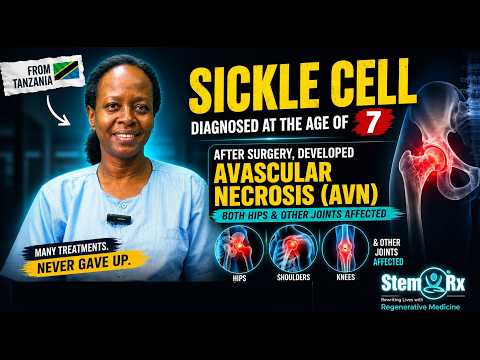
Sickle Cell Disease & #AVN Recovery | Remarkable Improvement Through Regenerative Treatment in India
Stem Cell Therapy
StemRx Hospital and Research Centre
India

Dental Care in Ahmedabad India: Stop Doing These 3 Things If You Want Straight Teeth
Dentistry
House of Dontics Dental Clinic in Ahmedabad, India
India
Stem Cell Therapy for Spine Conditions at CellsTime
Stem Cell Therapy
CellsTime Clinique Guadalajara
Mexico
Learn More with These Articles
Take a look at these interesting articles, stories and research that will help you learn more about .
-(10).png)
Stem Cell Therapy for Autism in Tijuana Exploring New Options for Children
PlacidWay Medical Tourism
- Stem Cell Therapy
Mexico

All-on-4 Dental Implants in Costa Rica - Cost, Timeline & Recovery
PlacidWay Europe Medical Tourism
- Dentistry
Costa Rica

Best Dental Clinics in Turkey for Implants in 2026
PlacidWay Turkey Medical Tourism
- Dentistry
Turkey
.png)
Mommy Makeovers in Colombia: Affordable Transformations for Post-Pregnancy Confidence
PlacidWay Medical Tourism
- Cosmetic/Plastic Surgery
Colombia







