
What treatment


87+ Leading Medical Clinics for Cosmetic/Plastic Surgery in Turkey
What are the best plastic surgery clinics in Turkey?
The 10 best plastic surgery clinics in Turkey are: 1. Medical Park Hospitals Group (Istanbul), 2. ClinicExpert (Istanbul), 3. Hospital XP (Istanbul), 4. Private Koru Ankara Hospital (Ankara), 5. Academic Hospital (Istanbul), 6. Dr. Sibel Atalay International Clinic (Antalya), 7. Istanbul Okan University Hospital (Istanbul), 8. Memorial Hospital Group (Istanbul), 9. Private Olimpos Hospital (Antalya), and 10. ADATIP Hospital Group (Istanbul).
These facilities feature JCI accreditations and TSAPS board-certified surgeons. They specialize in procedures including rhinoplasty, breast augmentation, tummy tucks (abdominoplasty), facelifts, and FUE hair transplants. Treatment costs range from $1,300 to $8,000 USD, providing significant savings compared to US pricing. Many clinics offer all-inclusive packages that cover accommodations, local transfers, and post-operative care.
 100.00% Patient Recommend
Medical Park Hospitals Group in Istanbul, Turkey


Overview
Medical Park Hospital Istanbul offers advanced healthcare services, and modern facilities for international patients seeking quality treatment in Turkey.
Read more details

 100.00% Patient Recommend
ClinicExpert - Multispecialty Hospital in Istanbul
Overview
Best Hospital in Istanbul offers premier Hair, Plastic, Obesity & Dental Care in Turkey. Expert treatments for hair transplants, surgery & dental needs.
Read more details

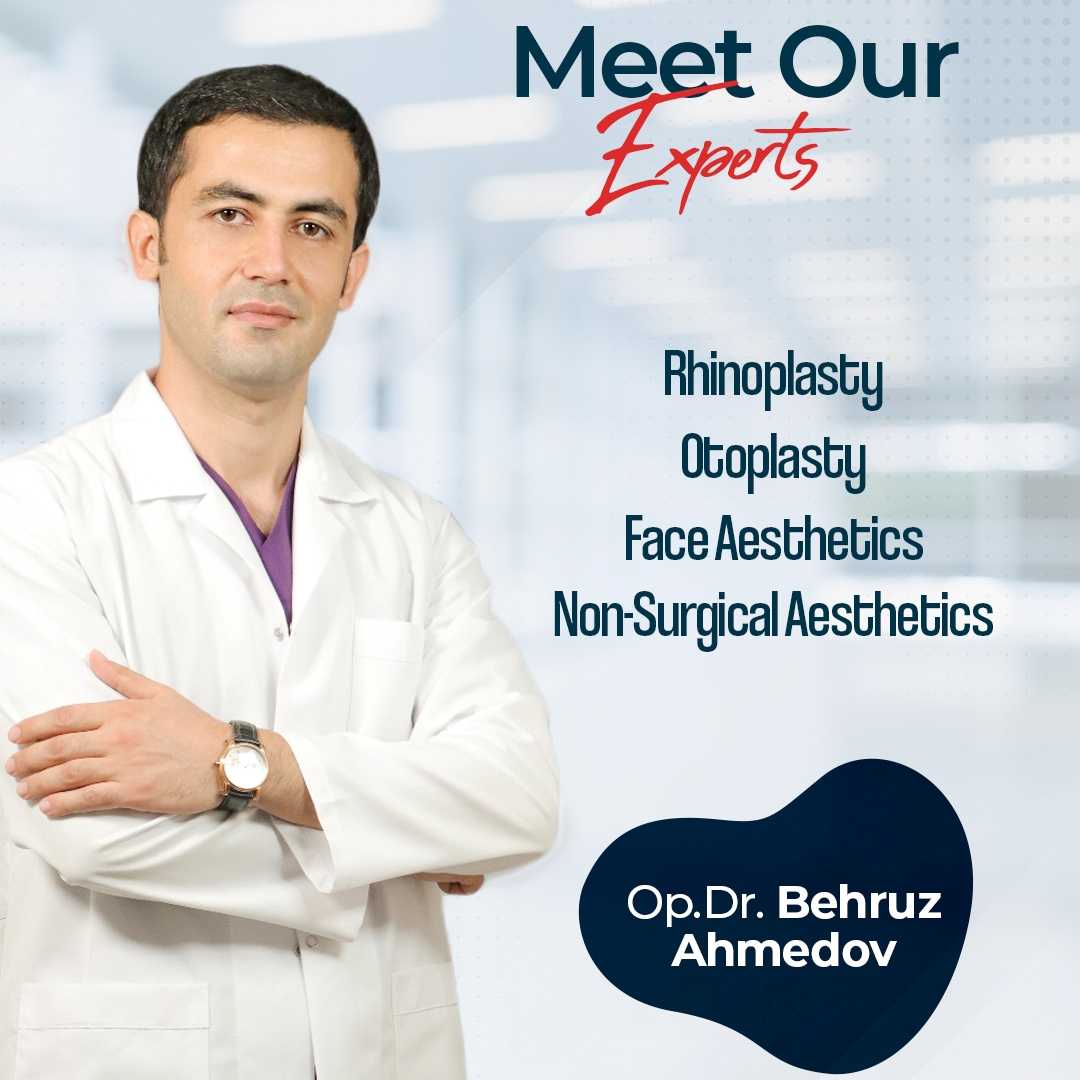

Hospital XP - Plastic Surgery in Istanbul Turkey
Overview
Istanbul-based HospitalXP delivers premium aesthetic surgery and hair transplant care. Led by expert PhD surgeons, it offers free virtual consultations, high-end tech, and personalized service.
Read more details
 100.00% Patient Recommend
Private Koru Ankara Hospital
Overview
Experience advanced Robotic Bariatric Surgery & Heart Surgery at Private Koru Ankara Hospital in Turkey. Exceptional care and cutting-edge technology.
Read more details
Discover your treatment options with a free, no-obligation quote!
Get your quote now! 100.00% Patient Recommend
Academic Hospital
Overview
Academic Hospital affiliated with Harvard Medical School in Turkiye, we ensure a comprehensive and patient-centered diagnosis and treatment process.
Read more details 100.00% Patient Recommend
Dr. Sibel Atalay International Clinic
Overview
Discover a world-class surgical experience defined by 16+ years of expertise and meticulous care. We ensure a seamless and accessible journey toward your aesthetic goals ✨
Read more details 100.00% Patient Recommend
Istanbul Okan University Hospital
Overview
Istanbul Okan University Hospital, located in Istanbul, Turkey, has 250 beds and seamlessly emphasizes patient satisfaction, quality healthcare, academic expertise, and advanced medical services.
Read more details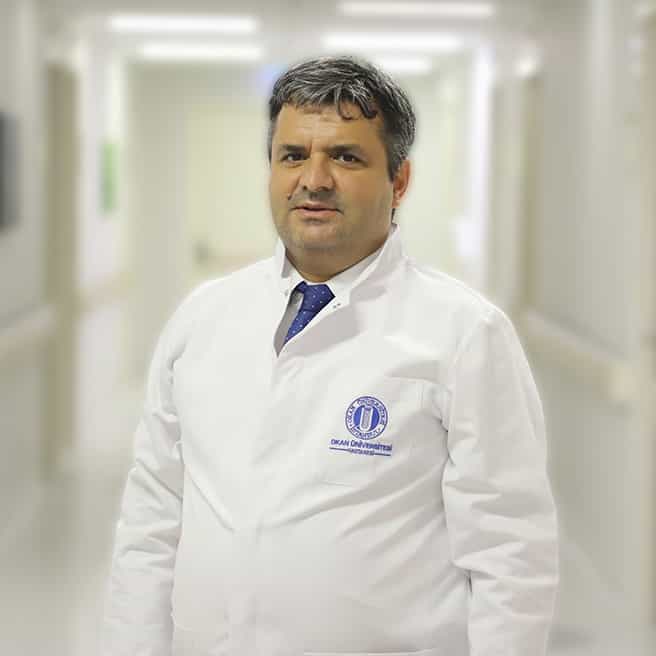

Memorial Hospital Group
Overview
Memorial, with 12 hospitals & 8000+ staffs, treats over 85,000 patients from 170 countries. As Turkeys first JCI-accredited hospital, we set the gold standard for international medical care.
Read more detailsDiscover your treatment options with a free, no-obligation quote!
Get your quote now! 100.00% Patient Recommend
Private Olimpos Hospital
Overview
Discover transformative Plastic & Bariatric Surgery at Private Olimpos Hospital, Antalya. Excellence in medical specialties awaits in Turkey premier facility.
Read more details
 100.00% Patient Recommend
ADATIP Hospital Group
Overview
Discover ADATIP Hospital, the leading healthcare facility in Istanbul, Turkey, renowned for its excellence in IVF, orthopedic, and cosmetic surgery.
Read more details 80.00% Patient Recommend
AG Clinic
Overview
AG Clinic provides best Plastic Surgery in Izmir Turkey. Book online now Liposuction, Rhinoplasty and Breast Reduction at PlacidWay.
Read more details
AKM Clinic - Hair Transplantation & Cosmetic Surgery in Istanbul
Overview
Discover advanced plastic surgery, hair transplantation, and aesthetic care in Turkey at AKM Clinic with personalized treatments and expert care.
Read more details 100.00% Patient Recommend
Aktip Hospital
Overview
Discover top-notch healthcare at Private Aktip Hospital in Bartin, Turkey. Expertise in Cardiology, Urology, Plastic Surgery, and all medical specialties.
Read more details
Ali Cetinkaya
Overview
Dr. Ali Cetinkaya Plastic Surgery Clinic in Istanbul, Turkey, offers rhinoplasty, breast surgery, tummy tuck, facelift and more. Book now at PlacidWay!
Read more details
Baskent University Istanbul Hospital
Overview
Top Multispecialty Medical Center in Istanbul, Turkey by Baskent University Istanbul Hospital
Read more details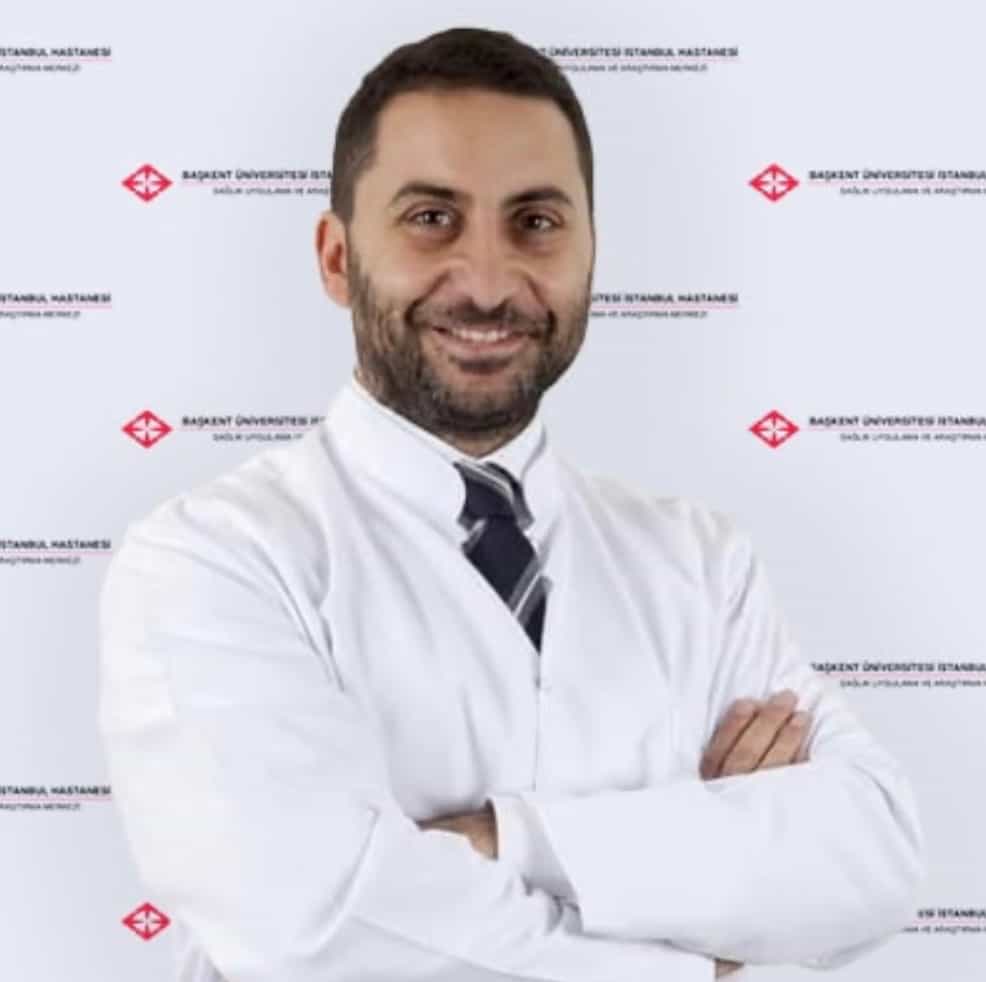
 100.00% Patient Recommend
Biruni University Hospital
Overview
Biruni University Hospital in Istanbul, Turkey specializes in Neurosurgery, Cosmetic Surgery, Obesity Surgery, and Orthopedics & Traumatology.
Read more details

 100.00% Patient Recommend
CorpusRenew by Termessos Hospital
Overview
We aim to provide health tourism services to patients beyond their expectations by adopting the principle of patient satisfaction with high technology and quality service understanding.
Read more details 100.00% Patient Recommend
Dr. Alper Tuncel - Plastic Surgery
Overview
Achieve your aesthetic goals with the leading cosmetic surgery in Istanbul, Turkey at Dr. Alper Tuncel Clinic. Transform with confidence.
Read more details 100.00% Patient Recommend
Dr. Asim Uslu - Plastic Surgeon in Antalya, Turkey
Overview
Dr. Asim Uslu offers advanced care at a leading plastic surgery clinic in Antalya, Turkey with personalized aesthetic and reconstructive treatments.
Read more details 96.43% Patient Recommend
Dr. Cemal Kara Clinic
Overview
He has won awards in many international and national scientific competitions and also patented his own invention, a laparoscopic surgical instrument.More than 10000 laparoscopic surgeries performed
Read more detailsWhy Istanbul is the Global Capital for Cosmetic Plastic Surgery?
Istanbul uniquely bridges European medical standards with unparalleled Turkish hospitality. Millions of patients travel here annually to access world-renowned aesthetic surgeons, achieving life-changing transformations at a fraction of Western costs.
Elite Board-Certified Surgeons
Istanbul is home to globally recognized plastic surgeons who are board-certified by the Turkish Society of Plastic, Reconstructive and Aesthetic Surgeons (TSAPS) and ISAPS. Clinics like ClinicExpert and Medical Park Hospitals Group employ pioneers in advanced techniques like preservation rhinoplasty and deep plane facelifts.
JCI-Accredited Super Hospitals
Patient safety is the cornerstone of Turkey's medical tourism boom. Istanbul features numerous Joint Commission International (JCI) accredited facilities. These mega-hospitals utilize state-of-the-art sterile operating theaters and 3D aesthetic imaging that rival the most expensive private clinics in Beverly Hills or London.
The Ultimate Recovery Experience
Recovering from plastic surgery in Istanbul feels less like a hospital stay and more like a luxury retreat. Patients enjoy premium VIP care, recovering in five-star accommodations overlooking the Bosphorus, which significantly reduces the stress and anxiety associated with post-operative healing.
Exceptional Value and Transparency
Because of favorable exchange rates and lower operational costs, Istanbul offers premium cosmetic surgery at up to 75% less than US and UK clinics. Top facilities provide transparent, all-inclusive packages that cover the surgery, anesthesia, hospital stay, and essential post-operative garments with zero hidden fees.
Cosmetic Plastic Surgery Costs in Istanbul vs. US/UK (2026)
Review the projected 2026 pricing for the most requested aesthetic procedures. Istanbul clinics offer comprehensive surgical packages that deliver elite results without the exorbitant price tags found in North America and Western Europe.
| Procedure | Istanbul Price | US / UK Price | You Save | Savings % |
|---|---|---|---|---|
| Rhinoplasty (Nose Reshaping) | $3,000–$3,500 | $10,000–$15,000 | $7,000+ | 70% |
| Breast Augmentation (Implants) | $3,490–$4,500 | $8,000–$12,000 | $4,500+ | 60% |
| Tummy Tuck (Abdominoplasty) | $3,490–$4,500 | $12,000–$18,000 | $8,500+ | 73% |
| Deep Plane Facelift | $4,000–$5,500 | $15,000–$25,000 | $11,000+ | 75% |
| Mommy Makeover (Combo Surgery) | $7,000–$8,500 | $20,000–$30,000 | $13,000+ | 68% |
* Prices are projected 2026 estimates based on data from top verified PlacidWay partner clinics in Istanbul. Actual costs vary based on surgical complexity, the specific surgeon's expertise, and hospital selection. Contact us for a personalized, exact quote.
Istanbul vs. Alternative Turkish Cities for Plastic Surgery
While Istanbul is the undisputed cosmetic capital, Turkey offers other fantastic hubs for medical tourists. Here is how Istanbul compares to alternative cities for your aesthetic journey.
Istanbul
Bosphorus Metropolis
The ultimate destination offering the highest concentration of globally acclaimed surgeons and ultra-modern JCI-accredited hospitals. Ideal for complex surgeries, facial feminization, and patients who want a vibrant cultural experience alongside their recovery.
Antalya
The Turkish Riviera
Perfect for patients who want to combine their plastic surgery—like breast augmentation or a tummy tuck—with a serene beachside holiday. Facilities like Dr. Sibel Atalay International Clinic provide top-tier aesthetic care in a deeply relaxing Mediterranean setting.
Ankara
The Capital City
Known for its rigorous academic hospitals like Private Koru Ankara Hospital. Ankara caters to patients prioritizing strictly clinical environments and highly specialized reconstructive procedures, offering exceptional care away from heavy tourist crowds.
Izmir
Aegean Coast
A beautiful, laid-back alternative to Istanbul. Clinics here, such as AG Clinic, offer highly personalized aesthetic treatments in a relaxed coastal city. It provides excellent surgical outcomes for body contouring and breast surgeries without the fast pace of a metropolis.
Top Cosmetic Plastic Surgery Procedures in Istanbul
From intricate facial balancing to comprehensive body contouring, Istanbul's plastic surgeons leverage cutting-edge techniques to deliver natural-looking, harmonious results.
Structural & Preservation Rhinoplasty
$3,000 – $3,500Istanbul is famous worldwide as the center for advanced rhinoplasty. Surgeons use ultrasonic piezosurgery and preservation techniques to reshape the nose with minimal bruising, preserving the underlying cartilage to ensure life-long structural integrity and natural aesthetics.
Save up to 70% vs. US prices
Deep Plane Facelift & Neck Lift
$4,000 – $5,500Unlike traditional skin-pulling methods, the deep plane facelift releases the facial ligaments and repositions the underlying SMAS muscle layer. This highly specialized technique, mastered by top Turkish surgeons, provides a dramatically youthful yet completely un-pulled appearance.
Save up to 75% vs. US prices
Mommy Makeover (Combo Surgery)
$7,000 – $8,500A fully customized combination of procedures designed to restore the pre-pregnancy body. It typically pairs a full tummy tuck with muscle repair (diastasis recti), extensive liposuction, and a breast lift with or without implants, all performed safely in one comprehensive session.
Save up to 68% vs. US prices
High-Definition Liposuction
$3,000 – $3,500Using advanced VASER technology, ultrasound energy gently melts fat before removal, allowing the surgeon to sculpt the body with extreme precision. This is ideal for abdominal etching, flank contouring, and creating a highly athletic, toned physique with faster recovery times.
Save up to 65% vs. US prices
How to Choose a Plastic Surgery Clinic in Istanbul?
With hundreds of options available, selecting the right aesthetic clinic in Turkey requires careful consideration. Follow this 5-step checklist to ensure a safe, successful transformation.
Verify Surgeon Credentials & Board Certifications
Ensure your specific doctor is fully board-certified by the Turkish Society of Plastic, Reconstructive and Aesthetic Surgeons (TSAPS) and ideally holds membership with ISAPS. Check their specialization—a great breast surgeon might not be the best choice for a complex rhinoplasty.
Look for International Hospital Accreditations
Prioritize clinics operating within or partnered with Joint Commission International (JCI) accredited hospitals. This guarantees that the facility adheres to rigorous global standards for infection control, sterile operating environments, and emergency preparedness.
Analyze Authentic Before-and-After Portfolios
Do not rely solely on heavily edited Instagram photos. Ask the clinic to provide diverse, high-resolution before-and-after cases of patients with similar body types or facial structures to yours, specifically performed by the doctor assigned to you.
Demand Transparent, All-Inclusive Pricing
A reputable Turkish clinic will provide a written quote that covers everything: surgeon fees, general anesthesia, operating room costs, compression garments, necessary medications, and follow-up care. Be wary of prices that seem too low, as they may hide essential medical fees.
Utilize a Verified Medical Facilitator
Avoid the overwhelming marketing noise by booking through PlacidWay. We pre-screen every aesthetic clinic and hospital for safety protocols, licensing, and genuine patient outcomes, connecting you only with Istanbul's most trustworthy cosmetic surgeons.
Your Aesthetic Transformation Journey in Istanbul
Knowing what to expect from day one helps ensure a stress-free experience. Here is the typical timeline for an international cosmetic patient traveling to Turkey.
Step 1: Virtual Consultation & Aesthetic Mapping
Submit your photos and medical history through PlacidWay. An expert Istanbul surgeon will review your goals, recommend the exact surgical procedures needed, and provide a customized digital projection of your potential results alongside a transparent quote.
Step 2: VIP Arrival & Pre-Operative Testing
Upon arriving at Istanbul Airport, you are greeted and transferred to your hotel. The next day, you will visit the hospital for a comprehensive in-person consultation with your surgeon, complete necessary blood tests, EKG, and finalize the surgical plan.
Step 3: The Surgical Procedure
Your surgery takes place in a JCI-accredited operating theater under the care of a board-certified anesthesiologist. Depending on the complexity of the procedure (e.g., mommy makeover vs. simple breast augmentation), the surgery will last between 2 to 6 hours.
Step 4: Hospital Rest & Luxury Post-Op Care
You will spend 1 to 2 nights recovering in a private hospital suite with 24/7 nursing supervision. Once cleared by your surgeon, you return to your hotel to rest, wearing the provided compression garments and following a strict medication protocol.
Step 5: Final Check-up & Journey Home
Between 5 to 8 days post-surgery, you will have a final consultation. The surgeon will check your incisions, remove any drains or splints (such as nose casts), and give you medical clearance to fly back home to reveal your new look.
Cosmetic Plastic Surgery in Istanbul, Turkey FAQ
Detailed answers to the most common questions regarding aesthetic enhancements in Turkey's leading medical hub.
What Patients Say About Cosmetic Surgery in Istanbul
Read firsthand accounts from individuals who traveled to Istanbul for aesthetic enhancements through our verified network of Turkish cosmetic clinics.
"I spent years hating my profile and was quoted over $12,000 for rhinoplasty back in London. Traveling to Istanbul was the best decision I ever made. The hospital was immaculate, my surgeon was a true artist who listened to exactly what I wanted, and the structural preservation technique meant I had almost zero bruising. My nose looks completely natural."
"After massive weight loss, I needed a tummy tuck and lipo. The US quotes were simply unattainable for me. The team in Istanbul provided a VIP experience from the moment I landed. The nursing staff during my two-night hospital stay were incredibly attentive. Six months later, the scars are fading beautifully and I finally feel comfortable in my own skin."
Why Choose PlacidWay for Your Aesthetic Journey?
Navigating international plastic surgery requires expertise and immense trust. As an independent medical facilitator, PlacidWay connects you with Turkey's highest-rated aesthetic specialists safely and efficiently.
Rigorous Clinic Vetting
We independently verify every Turkish aesthetic clinic in our network for proper medical licensing, TSAPS board certifications, and strict adherence to Ministry of Health safety protocols.
Objective Medical Facilitation
As a facilitator rather than a marketing agency for a single clinic, our primary allegiance is to you. We provide transparent, comparative options from multiple top-tier facilities so you can choose the best fit.
Direct Surgeon Access
We bridge the gap by setting up direct virtual consultations between you and the plastic surgeons in Istanbul. Ask your clinical questions directly to the doctor who will be operating on you.
Comprehensive Patient Advocacy
From assisting with initial photo assessments and translating quotes to following up with the hospital regarding your post-op progress, our patient coordination team advocates for your successful transformation.
Achieve Your Aesthetic Goals with Confidence
Don't let high local costs stand in the way of the body or facial harmony you desire. Access elite cosmetic plastic surgery in Turkey and save up to 75%. Get connected with world-class specialists today.
Get Free QuoteDisclaimer: PlacidWay is a medical tourism facilitator and does not provide medical advice, diagnosis, or treatment. We connect patients with independently verified clinics abroad. Always consult with a qualified healthcare provider regarding your specific medical condition and before undergoing any surgical procedures.
Share with AI
Share this page with AI assistants to get summaries and insights


List of Best Cosmetic/Plastic Surgery Clinics in Turkey
Unlock the Best Cosmetic Plastic Surgery Packages Just for You
Discover the ultimate Cosmetic Plastic Surgery packages designed to meet your health and wellness goals. Choose the perfect fit for your journey.
Price starting from $3,000
BBL Package in Istanbul, Turkey at VM Medical Park Florya
Medical Park Hospitals Group in Istanbul, Turkey
- Cosmetic/Plastic Surgery
Istanbul, Turkey
.png)
Price starting from $1,600
Labiaplasty in Istanbul, Turkey by Quartz Clinique
Quartz Clinique - Cosmetic Surgery & Anti Aging Clinic in Istanbul Turkey
- Cosmetic/Plastic Surgery
Istanbul, Turkey

Price starting from $5,000
Liposuction 360 + Tummy Tuck Package in Istanbul, Turkey at VM Medical Park Florya
Medical Park Hospitals Group in Istanbul, Turkey
- Cosmetic/Plastic Surgery
Istanbul, Turkey

Price starting from $3,550
Breast Augmentation Package in Ankara, Turkey by Prof. Dr. Furkan Karabekmez Clinic
Prof. Dr. Furkan Karabekmez Clinic | Best Plastic Surgery Ankara
- Cosmetic/Plastic Surgery
Ankara, Turkey
Transformative Cosmetic Plastic Surgery Experiences: Dive into Procedure Insights
Discover the power of Cosmetic Plastic Surgery through compelling patient experiences. Uncover detailed insights into procedures, recovery journeys, and life-changing results.
.png)
Price starting from $3,000
Rhinoplasty in Antalya Turkey
- Nose Surgery Rhinoplasty, Cosmetic/Plastic Surgery
Antalya, Turkey

Price starting from $11,868
Facial Feminization in Turkey
- Facial Feminization, Cosmetic/Plastic Surgery
Turkey
.png)
Price starting from $4,100
Gynecomastia in Antalya Turkey
- Gynecomastia, Cosmetic/Plastic Surgery
Antalya, Turkey
.png)
Brazilian Butt Lift in Antalya, Turkey
- Brazilian Butt Lift, Cosmetic/Plastic Surgery
Antalya, Turkey

Excellent! I can't wait for my turn. treatment.
Read More