










Request a video call
Confirm Your Virtual Consultation
EmCell Clinic Profile Overview

Emcell Clinic: Pioneering Fetal Stem Cell Therapy in Kyiv, Ukraine
In the complex and rapidly evolving field of regenerative medicine, certain names stand out for their unique approaches and long histories. Emcell Clinic, located in Kyiv, Ukraine, is one such name, globally recognized – and sometimes debated – for its decades-long focus on a specific and distinct type of treatment: fetal stem cell therapy. Since its inception, Emcell has positioned itself as a pioneer, attracting patients from around the world seeking alternative or advanced therapies for a wide range of chronic degenerative diseases, autoimmune conditions, neurological disorders, and age-related decline.
Understanding the Emcell approach requires delving into their use of fetal stem cells, the conditions they aim to treat, and the patient experience at their Kyiv center. Let's explore the profile of this unique clinic. EmCell was the first clinic in the world to use fetal stem cells for treating individuals as a routine procedure and the first in Ukraine to receive a license permitting the application of stem cells.
We also hold the world's first patents for the clinical use of fetal stem cells. Since its opening in 1994, EmCell has gained extensive experience in fetal stem cell therapy and follow-up worldwide. We have performed more than 8,500 transplantations of fetal stem cell suspensions to more than 4,700 patients from 90 countries. EmCell has developed and introduced the largest number of approved and safe clinical protocols into clinical practice.
Introducing Emcell: A Decades-Long Legacy in Stem Cell Treatment
The story of Stem Cell Therapy in Kyiv, Ukraine by Emcell is deeply intertwined with its founder, the late Professor Alexander Smikodub Sr., and the specific therapeutic modality he championed. Established around 1994, Emcell emerged as one of the earliest clinics dedicated to the clinical application of suspensions derived from fetal stem cells.
Located in Kyiv, the capital of Ukraine, the clinic built its reputation over nearly three decades on the belief in the potent regenerative capabilities of these specific cells. Their philosophy centers on the idea that fetal stem cells possess unique properties that allow them to repair damaged tissues, modulate the immune system, and potentially reverse or slow down disease processes and aging in ways that other cell types might not. This singular focus on fetal stem cell transplantation distinguishes Emcell from many other regenerative medicine centers globally.
EmCell's method is very effective, minimally invasive, and has no known side effects. The unique properties of stem cells that we use allow for their application in many diseases, including cases where other methods have proved ineffective. EmCell's in-house procedure for preparing fetal stem cell suspensions, testing and applying them allows us to ensure high-quality transplants and effective treatment. Suspensions containing fetal stem cells are used solely for our patients and are not intended for sale.
EmCell owns the largest bank of fetal stem cell suspensions. This large variety of samples makes it possible for us to find the best solution for each patient.

What are Stem Cells?
Stem cells are precursors of all cell types of organs and tissues in the human body. They play a vital role by ensuring the continuous replacement of aging and dying cells. As we age, however, their number decreases.
Unlike other body cells, stem cells can both maintain an undifferentiated state and turn into specialized cells in response to signals from the organism. Because of their unique properties, stem cells are successfully used in regenerative medicine and in treating various diseases and conditions. Stem Cell Treatment can result in partial or full restoration of impaired functions, the inhibition of progressive or degenerative diseases, rejuvenation, and a better quality of life for the patient.
The Emcell Approach: Understanding Fetal Stem Cell Therapy
The core of Emcell's treatment lies in the administration of fetal stem cell suspensions. It's crucial to understand what this involves according to the clinic's descriptions:
It is vital for potential patients to understand that the specific mechanisms and efficacy of fetal stem cell therapy for many conditions remain subjects of ongoing scientific investigation and debate within the broader international medical community.
Why Fetal Stem Cells?
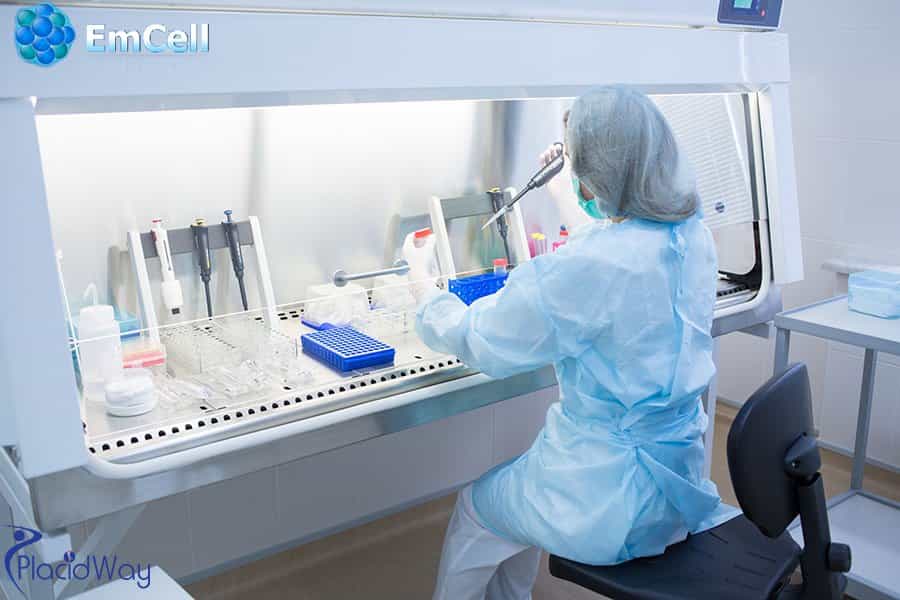
EmCell Clinic in Kyiv, Ukraine Today
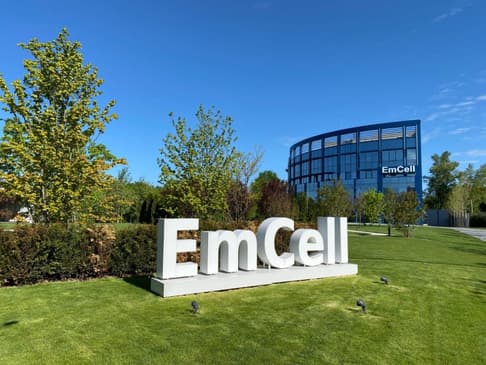
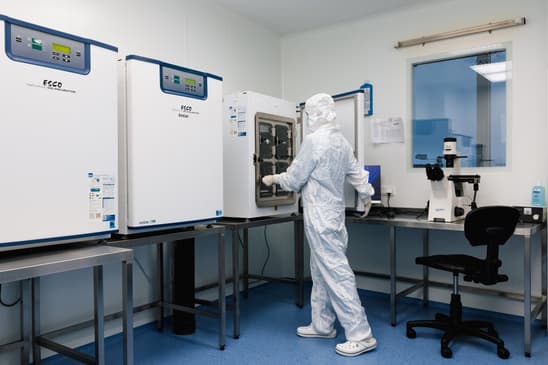
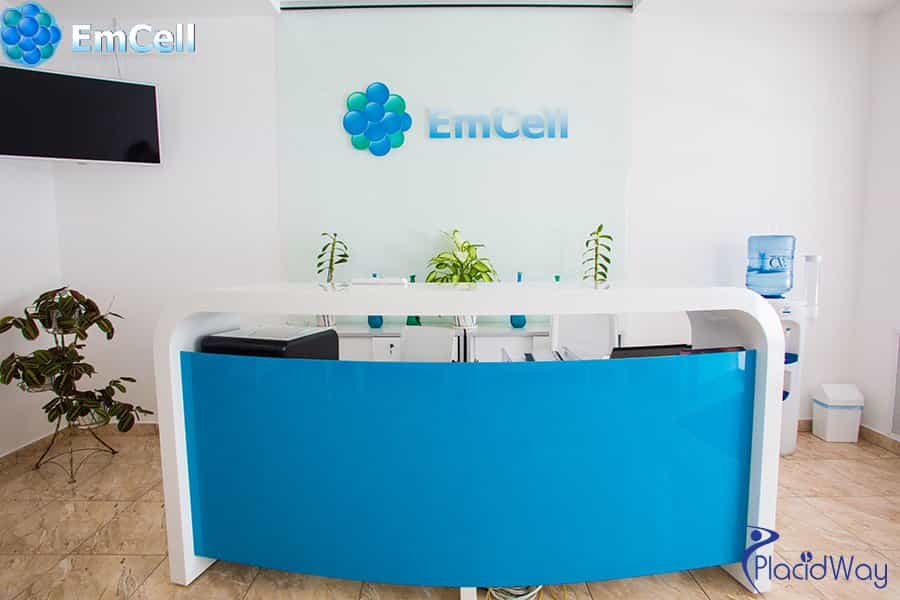
Today, EmCell consists of a Clinical Department and a laboratory complex operating in its own 1,200 sq m renovated building with 8 VIP rooms offering patients comfort and hospitality.
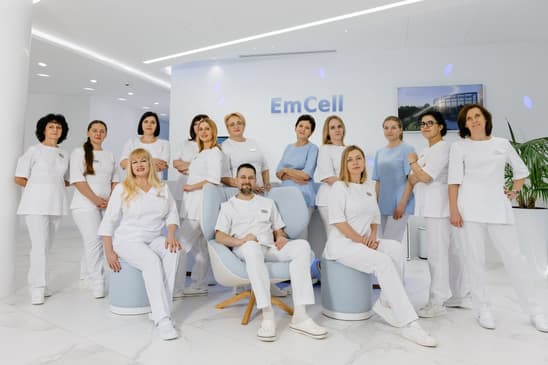
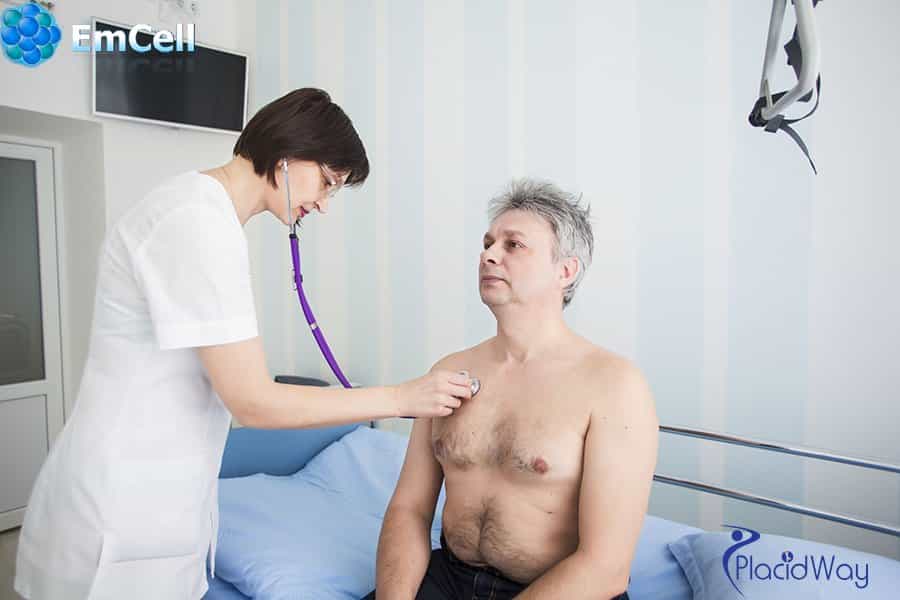
The Clinical Department employs highly qualified, experienced doctors with different specializations who also hold scientific degrees and have numerous patents. Our professional team of nurses and assistants completes our clinical department staff.
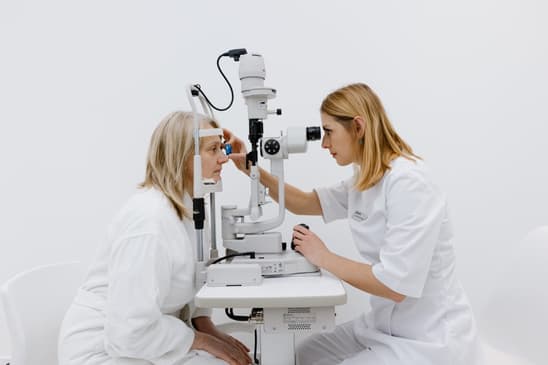
The Clinical Department offers both diagnostic (ultrasound, ECG, EchoCG, Doppler, spirography, and so on) and consultative services.
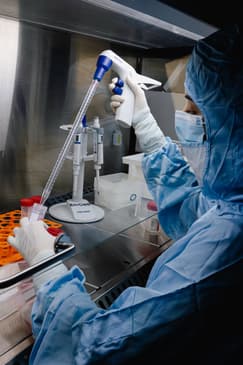
The Laboratory Complex consists of five EmCell lab units functioning as a single department:
Frequently Asked Questions (FAQs) about Emcell Clinic and Fetal Stem Cell Therapy
Book Now at Emcell Clinic: A Unique Path in Regenerative Medicine!
Emcell Clinic holds a unique and long-standing position in the field of regenerative medicine due to its dedicated focus on fetal stem cell therapy. For nearly three decades, under the pioneering vision of its founder, it has offered treatments in Kyiv, Ukraine, for a vast spectrum of challenging health conditions and age-related decline, attracting patients from around the globe seeking alternative options.

However, potential patients must undertake thorough research, critically evaluate the available evidence and claims versus mainstream medical consensus, consider the significant financial investment, understand the ethical dimensions of the therapy, and carefully assess the feasibility and safety of travel to Kyiv given the current geopolitical climate.
Considering regenerative medicine options? PlacidWay can help you explore various types of stem cell therapies and connect with clinics globally, including providing information and facilitating contact with centers like Emcell where operationally feasible. Contact PlacidWay today to discuss your needs and receive personalized guidance. For more information about Stem Cell Therapy or if you need a FREE quote, don't hesitate to get in touch with us!


EmCell Clinic, Kiev, Kyiv, Ukraine Profile Details
History of EmCell Clinic in Kyiv Ukraine
EmCell history is remarkable for inventing fetal stem cell isolation methods and pioneering their practical application.

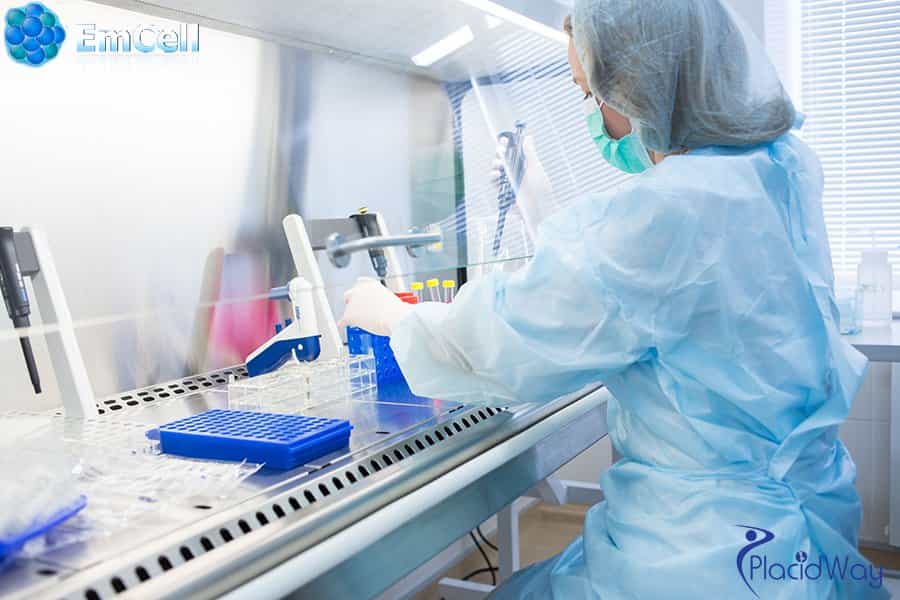
Cell Suspension Bank
Patents
We were the first in the world to offer fetal stem cell-based medicinal preparations and mentioned this in our US, Dutch, Russian and Ukrainian patents. We believe that sales of fetal stem cell-based medicinal preparations in specialized pharmacies for domiciliary or hospital treatment will become possible in this century.
This will create the grounds for the development of the new ideology of practical medicine when medical professional will issue prescription for cell composite consisting of HLA-free stem cells. It is they that will help to cope with illness- or age-related cell deficiency.
EmCell clinic welcomes cooperation for the development of this idea.
Scientific Activities
The scope of our scientific interests was wide: it included clinical trials and development of treatment methods for type 1 and 2 diabetes mellitus, AIDS, HIV-infection, leukosis, aplastic anemia, primary and secondary thrombocytopenia, cytostatic myelodepression, cancer diseases, degenerative diseases of central nervous system, multiple sclerosis, amyotrophic lateral sclerosis, muscular dystrophies, such conditions as climax, infertility, aging, as well as functional disturbances of internal organs, chronic fatigue syndrome, application of fetal stem cells in surgical practice, etc.
We regularly attend international and national scientific events where we present our posters, reports and lectures. So far, our professionals took part in a number of international and national conferences and congresses.
EmCell professionals are authors of more than 300 scientific works published in the national as well as international magazines and congress proceedings.
Our clinic owns the trademark EmCell registered in the USA, Russia and Ukraine.

Safety Issues
For more information about Stem Cell Therapy or if you need a FREE quote, please contact us!
EmCell Clinic Treatments Offered
Conditions Treated at Emcell Clinic
Based on information from Emcell's website and related profiles, the clinic offers fetal stem cell therapy for an exceptionally broad range of conditions. Their focus often includes chronic, degenerative, and difficult-to-treat diseases:
Prospective patients should critically evaluate claims regarding specific conditions and consult with their primary healthcare providers, recognizing that fetal stem cell therapy is often considered experimental for these indications outside specialized centers like Emcell.
The Treatment Process at Emcell
Patients considering treatment at Emcell typically follow a structured process:
The Science and Claims Behind Emcell's Therapy
Emcell presents its therapy based on nearly three decades of clinical application and internal research.
It is important for patients to understand that while Emcell presents its internal data and experience, the broader international scientific and medical community generally regards fetal stem cell therapy for most of the listed conditions as experimental. Large-scale, independent, multi-center, randomized controlled trials confirming efficacy and long-term safety according to standards set by bodies like the FDA or EMA are often lacking for many of these applications.
Safety, Ethics, and Considerations
Given the unique nature of their therapy, Emcell addresses safety and ethical aspects:
EmCell Clinic Certificates, Accreditations, Qualifications Treatments Offered
The Emcell Team and Facilities
Information available suggests:
Patient Experiences & Emcell Ukraine Reviews
Patient reports and reviews about Emcell can be found online, often on medical tourism platforms or patient forums. These experiences tend to be diverse:
Potential patients should seek out a balanced range of Emcell Ukraine Reviews and patient stories while maintaining critical evaluation.
Planning Your Treatment at Emcell in Kyiv
Assuming normal operating conditions, planning treatment at Emcell typically involves:
Location
Reviews

Scars are always telling a story. For some they are a reason to brag about an adventure but for others they are a constant reminder of a very painful memory. For men, scars are showing their bravery but a woman is embarrassed and has a low self-esteem everytime is looking at her scars.
Anonymous
Dec 12 2021
I am the son of the patient and my name is H.H. My mother is better than before!
Anonymous
Dec 02 2021
A success story of a patient who took stem cell treatment for brain injury from Emcell Clinic in Ukraine.
Anonymous
Dec 01 2021
About Medical Center
- Speciality: Stem Cell Therapy
- Location: 40a Metrolohichna street, Kyiv 03143, Ukraine , Kiev, Kyiv 04073 , Ukraine
- Last Reviewed: 2026-06-18
- Author Name: Usama Ahmad
- Overview: EmCell Clinic in Kyiv Ukraine is the world's pioneer clinic using fetal stem cell transplantation to successfully treat various diseases and conditions, including anti-aging treatment.



.png)














Share this listing