






Request a video call
Confirm Your Virtual Consultation
Laser Dental Clinic Profile Overview
Welcome to Laser Dental Clinic
“ LASERDENTAL CLINIC” has been established in Mumbai, India, in the year 2005. With an excellent track record for the best patient satisfaction &personalised care for every patient, we has been quite popular amongst our clientale who travel from different countries. Our testimonials would help you know that better. With a specialized and high end dental centre in Mumbai, along with highly qualified team of doctors, we provide pre-operative checkups, radiographic facilities & pathological tests along with complete dental care under one roof in a time frame which is very suitable for patients travelling from abroad. Also the centre is situated at a distance of only 4kms from Mumbai - International airport which makes it very convenient for International travellers.
Our Aim:Toprovide simple to complex dentistry with the world renowned brands & products along with high tech laboratory & technological support at highly economic pricing as compared worldwide.
Our Pricing: Our Economic Packages for Full mouth Rehabilitations can be finished in a few days with proper planning and online Consultations. We understand the requirements of our patients travelling from abroad as they are short of time & that's why we make it so simple for you to rely on us. Just a prior intimation & Consultation online, and we can help you finish your Full mouth Rehabilitation in just 10 days. You are assured of quality services that are provided with the highest qualified Doctors.
Our belief: We believe in keeping patients happy and providing them with latest & best dental treatment, at a very competent price compared worldwide. We recognize that treatment costs need to be controlled and managed if high-quality services need to be made available to everyone. We also recognize that with our Highly qualified doctors, motivated staff & applying the technological tools and web-based systems developed over the past 9 years, we can lower costs and improve service to the patients travelling from abroad.
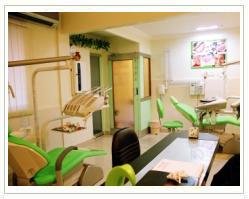
Our setup: With our Highly qualified team of Doctors,we practice with the latest instruments &equipments required for all kinds of Dental treatment and being discerning in our use of dental materials, we import them from America / Europe/ Germany/ Korea. Thus, you are ensured of quality dental treatment along with impeccable sterilization methods followed for every patient undergoing treatment.
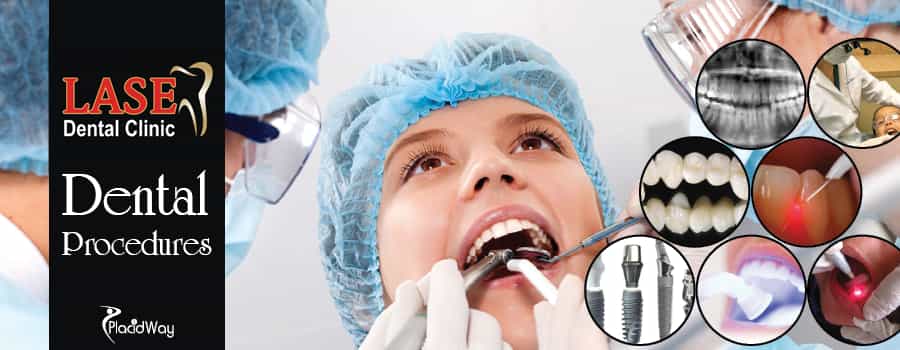
Treatment Offered
- Laser Combined Surgeries
- Root Planning
- Crowns
- Dental Bridges
- Bonding/Composive filling
- Implants
- Dental Vineers
- Denture
- Flap Surgery
- Root Canal Treatment
- Teeth Whitening
- Tooth Extraction
- AND MORE...
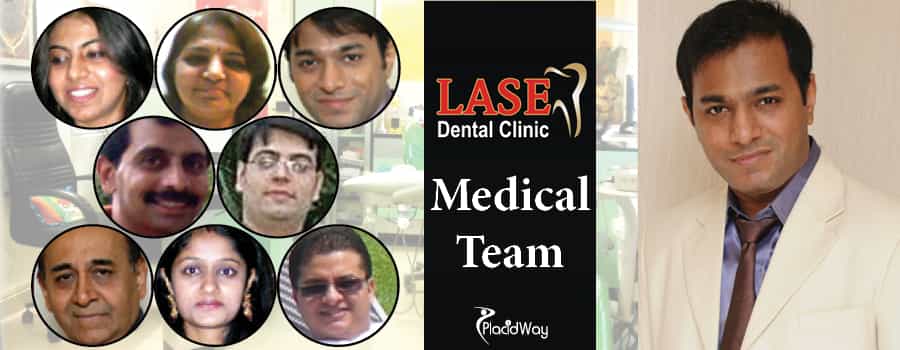
Our team
- Dr. Viral S. Turakhia
Faculty Reader in prestigious Dental College
Specialises in Gum Surgeries, Full mouth Rehabilitation & Implantology
- Dr. Neha V. Turakhia
M.B.B.S, M.D (Anaesthesia)
Attached to Tata Memorial Hospital, Mumbai
Consulting Anaesthetist for advanced surgeries and paediatric anaesthesia
- Dr. Shashikant C. Turakhia
Specialises in Medical Health care
- Dr. Asha S. Turakhia
M.B.B.S (General Physician)
Specialises in Medical Health care
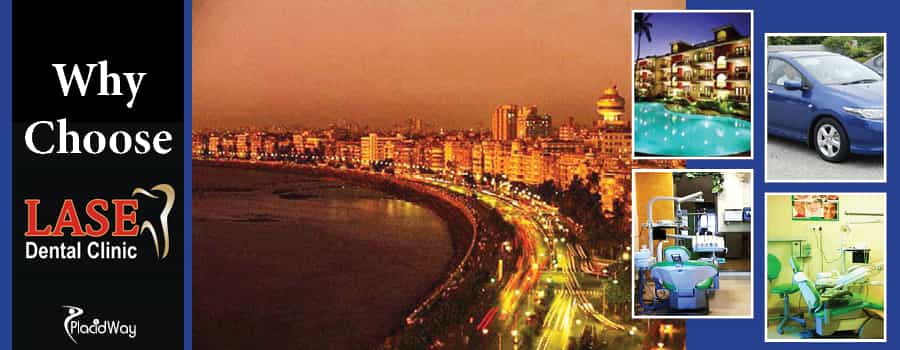
Why our center?
- All treatment under one roof by well trained specialists with long term experience.
- High quality work at low cost
- Instruments used as per International standards I.S.O 9001 Certified Laboratory Attachment Sterilization: Autoclave, ultrasonic cleaner, glass bead steriliser, U.V chamber, Disinfectants, Fumigation, Pure micron filtered and ozonised water, Disposables for every patient, RVG used for precise radiograph with the least amount of radiation exposure Intraoral camera for live demonstration Post-operative rest roo
We have a lot of visitors from abroad : both foreign nationals and non resident Indians who have been highly satisfied with our services.

Laser Dental Clinic, Mumbai, India Profile Details
The first appointment of a consultation / examination, is a very important process before initiating any dental procedure. After a thorough evaluation of your oral health, the doctors would explain the same to you and formulate an ideal treatment plan for your case. The time required for the completion of the treatment and the exact fee estimate would be clarified during this appointment.
Various alternative treatment plans would be given to you as well to suit your budget and time constraints if any. All your doubts and queries would be solved by the doctor at this stage and this first appointment serves as a platform for a healthy doctor - patient relationship.
After this appointment, you can choose to proceed with the further treatment only if you feel comfortable as there are no obligations for the same. Only a one time consultation fee would be charged.
We have a lot of visitors from abroad: both foreign nationals and non resident Indians who have been highly satisfied with our services.
Being discerning in our use of dental materials, we import them from America / Europe. Thus you are ensured of quality dental treatment. As an added advantage, the treatments are available at a fraction of the cost you would pay in your home country.
So come, take advantage of the Indian currency and the excellent value it offers.
Laser Dental Clinic Treatments Offered
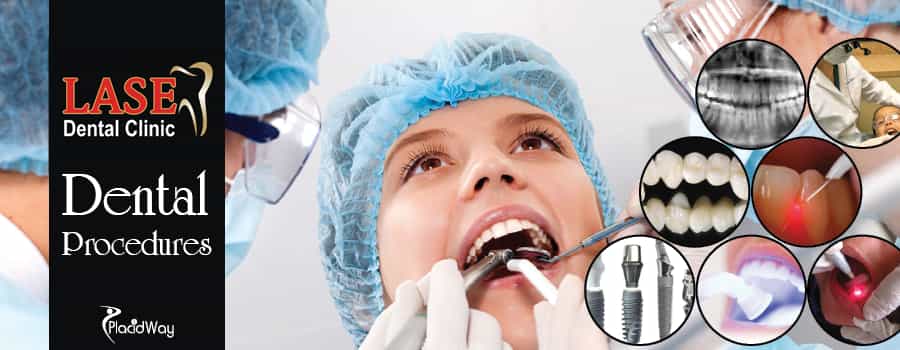
FLAP SURGERY
Flap surgery involves lifting back the gums and removing the tartar. The gums are then sutured back in place so that the tissue fits snugly around the tooth again.Periodontal Flap Surgery, which is also called pocket depth reduction, your periodontist folds the gum back away from the tooth. Periodontal Flap surgery is recommended in many cases where pocketing depths have reached a level that makes maintenance or cleansing difficult. It is often associated with areas of bone loss and inflammation of the gum tissue around the teeth.
BONE GRAFTING
A bone graft is used to recreate bone and soft supporting tissues lost due to gum disease. It's also called regenerative surgery.
Regenerative surgery is a treatment for the gum disease called periodontitis. People with periodontitis lose gum coverage and bone support around their teeth. Regenerative surgery regrows these lost tissues.
GTR
Guided tissue regeneration is a surgical procedure that utililizes a barrier membrane which is placed under the gum and over the remaining bone. The purpose of the procedure is to enhance and allow for the regeneration of new bone in an area where teeth are being extracted or have already been removed.
This surgical procedure is usually done to increase the bony support in an area where a dental implant is about to be placed. The surgery results in an improvement in the shape and contour of the area.
CONNECTIVE TISSUE GRAFTING
Gingival recession is an intriguing condition. The patients today are increasingly conscious of personal appearance and much attention has been focused on denuded roots that are exposed during smiling and are unesthetic. The use of subepithelial connective tissue graft represented a major breakthrough in root coverage grafting. The graft is taken from the palatal tissue and sutured at the recipient site. The procedure can be considered as the most delicate surgical procedure amongst all periodontal surgical procedures and so extreme caution during the surgical procedure as well as post-operatively have to be followed.
RIDGE AUGMENTATION
Sometimes when you lose one or more teeth, you can get an indention in your gums and jawbone where the tooth used to be. This happens because the jawbone recedes when it no longer is holding a tooth in place.
A periodontist can fill in this "defect" with a procedure called ridge augmentation, recapturing the natural contour of your gums and jaw. A new tooth can then be created that is natural looking, easy-to-clean and beautiful.
SINUS LIFT OPERATION
A sinus-lift procedure is a surgical procedure, performed by an appropriately trained dentist or dental specialist, to augment bone mass in the top jaw (maxilla), which increases the likelihood of successful placement of dental implants. Bone from another part of the body, such as the iliac crest, or artificial bone grafting material is grafted into the bone (endosseous) below the floor of the maxillary sinus
FULL MOUTH REHABILITATION
This is a concept where after a proper examination and diagnosis a treatment plan is sketched out to fully rehabilitate patient's quality of teeth and associated structures to the maximum possible function and aesthetics.
FOLLOWING EXHAUSTIVE EXAMINATION AND ASSESSMENT, THE SEQUENCE OF MEASURES ARE CARRIED OUT
- All non salvageable teeth are removed
- All foci of infection are eliminated, including gum infection
- All decayed and carious teeth are restored
- All lost teeth are replaced preferably by dental implants or removable flexible dentures
- Cosmetic dental treatments are carried out to fulfill the patient's demands
This concept is widely becoming popular and it is worth for dental tourists to travel a long way for this major makeover. All what is needed can be discussed before hand and expenses can be worked out time frame and visits required can also be charted out.
TOOTH JEWELLERY
Teeth jewellery is a brilliant way to add sparkles to your smile and stand out of the crowd. The beauty of a dazzling white smile can be further enhanced by use of "Tooth Jewellery". These jewels are made of crystal glass and are available in various colors. They are glued to the front surfaces of the upper anterior teeth. Placing these stones is a very brief procedure but it goes a long way in satisfying the dental cosmetic needs of the patient.
- It's temporary
- It's painless
- It's fun
- No drilling or holes
- Does not harm the tooth
COSMETIC FILLINGS
ADVANTAGES OF WHITE FILLINGS
- Since they bond to the tooth, composite fillings restore most of the original strength of the tooth. Silver weakens the teeth, making them more susceptible to breaking. Since broken teeth are very expensive to restore, composites can save a lot of expense over the long run.
- Composite fillings restore the natural appearance of the tooth.
- Teeth restored with white fillings are less sensitive to hot and cold than teeth restored with amalgam, if correct techniques are used.
- Composites are mercury-free. Mercury in the fillings is viewed by some as being toxic.
- Composites require less removal of tooth structure. Especially with new cavities, the size of the hole made for the filling can be dramatically smaller with composites.
- One caution-the composite fillings can be seriously weakened by excessive alcohol consumption. If you have a habit of drinking beverages with high alcohol content (whiskey, etc.) On a daily basis, you may find the composite fillings deteriorating prematurely.
- Dental schools, as a rule, do not fully train dentists for placing these newer types of fillings. Unfortunately, dentists have to pursue additional post-graduate continuing education to become proficient in composite bonding technology.
CROWNS AND BRIDGES
Bridges can be used to replace a small number of missing teeth if the neighboring teeth are sufficiently strong. The number of missing teeth, condition of the neighboring teeth, condition of the supporting gums and bone are all important factors which need to be assessed prior to making a bridge.
A fixed bridge helps to
- Replace missing tooth / teeth
- Helps balance a normal bite.
- Helps prevent undesirable stress on the dental ridge.
- Prevents over-eruption of the opposing teeth
- Prevents drift and tilt of adjacent teeth
- Prevents tooth decay in adjacent drifted teeth
- Retards onset of gum diseases
Unlike partial dentures, bridges are permanent; patients need not remove them. The missing tooth is replaced with an artificial tooth connected between two crowns (caps), which are permanently cemented or bonded on the adjacent teeth.
BLEACHING
Teeth presents with 2 types of stains
Extrinsic Stains:
These stains are caused by tea, coffee, cigarettes, pan masala and other tobacco products, spicy food containing lots of red chillies and turmeric. Since these stains are of exogenous origin, they can be removed by bleaching.
Intrinsic stains:
These stains are of developmental origin being incorporated within the structure of the tooth. These stains are caused by factors which operate at the time when the tooth is being formed. Common factors responsible for intrinsic staining include drinking of water with high fluoride content, ingestion of tetracyline medication, and injury to the tooth. Bleaching does effect these stains too but the effect varies depending on the severity of the clinical condition.
Bleaching can be done by the dentist in the dental clinic or at home by various commercially available bleaching kits. However, before directly jumping to the home bleaching, it is important that a dentist be consulted. This is important since home bleaching product may not be effective or indicated for every individual.
ROOT CANAL TREATMENT
In simple terms, root canal treatment is the removal of the infected soft tissue within the tooth and its replacement by an artificial inert 'filling' material. This procedure basically saves the tooth and eliminates dental pain.
Advantages of getting it done at Dr.Viral 's Clinic:
- Absolutely painless and extremely comfortable.
- Generally completed in a single sitting of 45 minutes. If required, upto six root canals can be performed in a single sitting.
- Performed by experienced endodontists who exclusively practice root canals. (Endodontists are dentists who further specialize in the root canal treatment).
- Single Visit treatment in 95 % cases
- Use of advanced equipments
VENEERS AND LAMINATES
Dental veneers (sometimes called porcelain veneers or dental porcelain laminates) are wafer-thin, custom-made shells of semi translucent tooth-colored porcelain designed to cover the front surface of teeth. These shells are bonded to the front of the teeth changing their color, shape, size or length and resulting in an improved appearance.
Not all teeth are good candidates for veneers. Veneers are best placed on healthy teeth that can provide adequate support and are fairly well aligned. Some minor alignment problems can be corrected with veneers. This is sometimes called "instant orthodontics." Other likely candidates are teeth with gaps or spaces, dark colors or bad stains, chips or cracks.
IMPLANTS
With Fixed Prosthesis
A dental implant is an artificial tooth root that a periodontist places into your jaw to hold a replacement tooth or bridge. Dental implants are an ideal option for people in good general oral health who have lost a tooth or teeth due to periodontal disease, an injury, or some other reason.
Dental implants are so natural-looking and feeling, you may forget you ever lost a tooth.You know that your confidence about your teeth affects how you feel about yourself, both personally and professionally. Perhaps you hide your smile because of spaces from missing teeth. Maybe your dentures don't feel secure.
What Dental Implants Can Do?
- Replace one or more teeth without affecting bordering teeth.
- Support a bridge and eliminate the need for a removable partial denture.
- Provide support for a denture, making it more secure and comfortable.
Types of Implants in Use Today
- Endosteal (in the bone)
- Subperiosteal (on the bone)
- Advantages of Dental Implants Over Dentures or a Bridge
- Every way you look at it, dental implants are a better solution to the problem of missing teeth
- Esthetic Dental implants look and feel like your own teeth! Since dental implants integrate into the structure of your bone, they prevent the bone loss and gum recession that often accompany bridgework and dentures. No one will ever know that you have a replacement tooth.
IMPLANT WITH DENTURE
We also provide Implant with denture. These are especially useful when the upper or lower jaw bone is poor and causes the denture to be loose. ISODs offer much better retention.
INDICATIONS OF IMPLANT WITH DENTURES
- Denture stabilized with implants. So renewed confidence and improved quality of life as well
- Possible to use existing dentures
- Removable
- Simple and relatively Inexpensive
ROOT PLANNING
Scaling and root planing is the most common and conservative form of treatment for periodontal (gum) disease. Scaling is the removal of calculus (commonly called tartar) and plaque that attach to the tooth surfaces. The process especially targets the area below the gum line, along the root. Plaque is more likely to stick to rough surfaces. For this reason, the root surface is smoothed down in a process called root planing. Root planing removes any remaining calculusand smoothes irregular areas of the root surface.
Bacteria cause periodontal disease. Plaque and calculus provide an irregular surface that allows these bacteria to attach easily. Scaling and root planing are done to remove them. For early stages of the disease, this treatment may be all that is needed to get the condition under control. This is especially effective with gingivitis.With more advanced gum disease, scaling and root planing may be the first step before surgery.
GINGIVECTOMY
Gingivectomy is the removal of gum tissue (gingiva) by surgery. Gingivoplasty is a type of gum surgery used to reshape healthy gum tissue around teeth. Both types of surgery are typically performed by periodontists. These dentists specialize in treating gums and the other structures that support teeth.
FRENECTOMY
A frenectomy is the surgical removal of frenulum or frenum (frenae - plural), which is a thin band of tissue found in various parts of the body, especially the mouth. A frenectomy is a common surgical procedure in dental and orthodontic practices. Children and people being fitted for dentures are the most frequent candidates for a frenectomy.
ORTHODONTICS
Metal Braces
Metal brackets are the ones that are most frequently used. They appear as small metal buttons that are glued to the front of each tooth. These tend to be less expensive than other types of brackets. Additionally, they can be made colorful with ligature rubber bands that come in a wide range of colors.
Ceramic (Tooth Colored) Braces
Ceramic brackets are made of composite materials. They are very strong and generally do not stain. Adults like to choose ceramic because they "blend in" with the teeth and are less noticeable than metal. The ligatures (tiny rubber bands) that hold the arch wire on to the ceramic brackets are often white or clear.
Lingual / Invisible Braces
These are the ultimate in brace concealing technology. They are placed on the backs of your teeth so nobody will even see that you have them on, unless they get an up close and personal look at the inside of your mouth.
Prices
|
Treatment |
USD |
AED |
|
Online/Clinical Consultation with treatment planning |
50 |
200 |
|
Supragingival Scaling (Full mouth) |
30 |
120 |
|
Subgingival scaling (Full mouth) |
50 |
200 |
|
Extraction (per tooth) |
30 |
120 |
|
Wisdom tooth removal (per tooth) |
150 |
600 |
|
White Cement fillings (per tooth) |
20 |
80 |
|
Removable Complete denture(U & L) Acrylic Lucitone Valplast |
200 400 600 |
800 1600 2400 |
|
Metal crown/ bridge ( 1 unit) |
50
|
200 |
|
Ceramic (PFM) crown/Bridge (1 unit) |
100 |
400 |
|
Root piece extraction (per root) |
50 |
200 |
|
PAN Xray / OPG |
20 |
80 |
|
CBCT (Complete mandible & maxilla) |
80 |
320 |
|
Complete Blood tests& ECG |
200 |
800 |
|
RVG Digital Xray (per Xray) |
10 |
40 |
Endodontic treatment
|
Treatment |
USD |
AED
|
|
Root canal treatment (per tooth) Anterior Posterior |
50 100 |
200 400 |
|
Post & core (per tooth) |
50 |
200 |
|
Corebuildup(per tooth) |
25 |
100 |
|
Re-Root canal treatment (per tooth) Anterior Posterior |
100 200 |
400 800 |
|
Apicectomy (Single tooth) |
100 |
400 |
Paediatric Dentistry
|
Treatment |
USD |
AED
|
|
Supragingival Scaling (Full mouth) |
60 |
240 |
|
Subgingival scaling (Full mouth) |
100 |
400 |
|
Mobile tooth Extraction (per tooth) |
50 |
200 |
|
White Cement fillings (per tooth) |
40 |
160 |
|
Composite fillings (per tooth) |
40 |
160 |
|
Tooth Bonding (Sensitivity) (per tooth) |
30 |
120 |
|
Metal crown (per unit) |
100 |
400 |
|
Pit & fissure Sealants (per tooth) |
30 |
120 |
|
Space maintainers (U/L) |
100 |
400 |
|
Habit breaking appliance |
100 |
400 |
Periodontal therapy
|
Treatment |
USD |
AED
|
|
Root Planing (Full mouth) |
400 |
1600 |
|
Flap surgery (Full Mouth) |
500 |
2000 |
|
Bone grafting (per defect) |
100 |
400 |
|
GTR membrane ( Per defect) |
100 |
400 |
|
Gingivectomy (quadrant) |
100 |
400 |
|
Crown lengthening (per tooth) |
100 |
400 |
|
Root resection (per root) |
100 |
400 |
|
Hemisection (per tooth) |
100 |
400 |
|
Connective tissue graft (per tooth) |
200 |
800 |
|
Operculectomy (per tooth) |
100 |
400 |
|
Biopsy/ Frenectomy |
100 |
400 |
|
Surgical excision (quadrant) |
200 |
800 |
Cosmetic Dentistry
|
Treatment |
USD |
AED |
|
Tooth jewellery ( per tooth) |
200 |
800 |
|
PFM CAD CAM crown/bridgs (per unit) |
100 |
400 |
|
Zirkon/Tilite CAD CAM crown/bridge (per unit) |
200 |
800 |
|
Bruxir CAD CAM crown/bridge (per unit) |
250 |
1000 |
|
Empress/LAVA/Captek crown/bridge (per unit) |
300 |
1200 |
|
Laminates/Vineers E-MAX (per tooth) |
200 |
800 |
|
Composite Laminates (per tooth) |
60 |
240 |
|
Laser Depigmentation (quadrant) |
300 |
1200 |
|
Teeth whitening (Full mouth)
|
200 |
800 |
Advanced treatment
|
Treatment |
USD |
AED
|
|
Implant therapy (per Implant depending on Brand) |
600-1000 |
2400-4000 |
|
Ridge augmentation (per quadrant) |
200 |
800 |
|
Sinus lift procedure (unilateral) |
300 |
1200 |
|
Laser assisted Flap surgery (Full mouth) |
600 |
2400 |
|
Laser Biostimulation (per site) |
100 |
400 |
|
Laser root canal treatment (per tooth) |
150 |
600 |
|
Laser desensitisation (per tooth) |
50 |
200 |
|
Laser assisted new att procedure (LANAP) (Full mouth) |
800 |
3200 |
|
Loupe magnified flap surgery (Full mouth) |
1000 |
4000 |
|
Non surgical pocket therapy (Full mouth) |
500 |
2000 |
|
Tooth Bonding (Sensitivity) (per tooth) |
30 |
120 |
|
Coronoplasty/Bite balancing (Full mouth) |
200 |
800 |
Laser Dental Clinic Certificates, Accreditations, Qualifications Treatments Offered
All treatment done under one roof by Specialists with long term experience & success:
- Periodontist
- Oral-surgeon
- Endodontist
- Prosthodontist
- Pedodontist
- Orthodontist
- Anaesthetist on call
- General Physician on call
- Personal General Pathology Laboratory for basic pre-surgical investigations
OUR TEAM OF DOCTORS
Dr. Viral S. Turakhia
B.D.S, M.D.S (Periodontology & Implant Dentistry)
Faculty Reader in prestigious Dental College Specialises in Gum Surgeries, Full mouth Rehabilitation & Implantology
Personal Achievements
Paper Presentations done in several National Conferences
Publications in Dental Journals
Lectures on Dentistry with Special Attention to Esthetic Oral Rehabilitation
Poster presented in International Conference and several Indian Conferences
Reader in Dental college
Conferences Attended
World Symposium on Post-Graduate Periodontology & Implant Dentistry
Indian Academy of Osseointegration
3rd Post-Graduate Convention in Periodontology and Implant dentistry
1st Continuing Dental Education in India
4th I.S.P Post-Graduate Workshop
Workshop on Basic Research Methodology & Medical Biostatistics
29th National Conference of ISP
1st Central India and 24th MP State Dental Conference
52nd ISP Conference
Several other Conferences
Dr. Neha V. Turakhia
M.D (Anaesthesia)
Attached to Tata Memorial Hospital
MumbaiConsulting Anaesthetist for advanced surgeries and paediatric anaesthesia
Dr. Shashikant C. Turakhia
M.B.B.S (General Physician)
Specialises in Medical Health care
Dr. Asha S. Turakhia
M.B.B.S (General Physician)
Specialises in Medical Health care
Dr.Vaishakhi T. Rastgi
M.B.B.S, M.D (Paediatrics)
Attached to Bombay Hospital, Mumbai
Consulting Paediatrician for child management during Dental treatment
Dr. Dipti Navander
B.D.S, M.D.S (Orthodontics)
Specialises in braces and lingual orthodontic treatment
Sr.Lecturer in dental college
Dr. Amit Kukreja
B.D.S, M.D.S (Prosthodontics)
Consulting Denture & Implant prosthesis specialist
Reader in Dental college
Dr.Devayya Shyam
M.D.S.
Professor (Oral & Maxillofacial Surgeon)
Dr.Nitin. Jaggi
B.D.S, M.D.S
Consulting Oral & Maxillofacial surgeon for Advanced cases
Dr.Amit Kalra
B.D.S, M.D.S
Consultant for Lingual Orthodontics
Dr. Purushotham Manvi
B.D.S, M.D.S.
Professor of Prosthodontics
Consultant for advanced prosthodontics
Dr.Tushar Shah
B.D.S.
Specialises in cosmetic dentistry
Cleaning of instruments, equipment & surroundings
Meticulous cleaning of equipment & instruments are carried out prior to subjecting them to disinfections / sterilization procedures.
Disinfections
Use of chemical disinfectants such as: glutaraldehyde, ethyl alcohol, isopropyl alcohol, sodium hypochlorite, iodophores & iodines, formaldehyde.
Sterilization
Using steam under pressure (autoclave), boiling water sterilizer, ultrasonic cleaner, ultra violet chamber & additional methods to sterilize hand-pieces.
Preventive measures adopted by staff
Doctors & Staff are very much aware of the importance of proper infection control measures. They adhere to all norms in this respect. Doctors are all vaccinated against Hepatitis B. The best defense against disease is information. The more you know, the better equipped you are to make wise decisions about your health care. The more you know about our daily procedures and policies, the more comfortable you will feel.
Instruments used as per International standards
- I.S.O 9001 Certified Laboratory Attachment
- Autoclave
- Glass bead sterilizer
- Ultrasonic cleaner
- Ultra - Violet Chamber
- Disinfectant used for cleaning complete chair attachments for every patient
- Changed for every individual patient
- Glasses, suction tubes, drapes, head rest cover, Seat covers, Working trays, Light handle cover
- Pure micron filtered and ozonised water used for every treatment
- Intra-oral camera for live demonstration of treatment
- RVG used for precise radiograph with the least amount of radiation exposure
- General Pathology laboratory in the same place
- Advanced radiology centre closeby
- Post-operative rest room
Laser Dental Clinic Testimonials
Mrs. Sheron Paes
"I have been very impressed by the service provided by you. Although dentists have been on a worst list of mine, you have been an exception. I'm glad I came to you and would recommend your treatment to all my friends and family."
Ms. Tanya Khan
"Dr. VIRAL was highly recommended by family members who received complex dentistry. My sister and I had considered implants but had not plucked up courage to take any further. We decided to visit Mumbai to ascertain whether implants would be suitable. The procedure was explained fully and felt really confident with Dr. VIRAL and the work to be undertaken. We found that the cast of the staff to be friendly and helpful. The treatment started promptly, professionally and the care was second to none."
Ms. Khushboo Kothari
"Simply superb.That 's what I would describe my treatment which consisted of Root Canal Treatment followed with a life like Zirconia Crown.The treatment was absolutely painless and was over in 45 minutes [Single Sitting RC!!] The staff is warm and friendly and take great care of Sterilization and hygiene .. It feels great and I am very happy about it. I strongly recommend Dr.Viral and his team of specialists."
Mr. Jerome Rodrigues
"I was quite impressed with clinical judgement of Dr.Viral who diagnosed my poor gum condition with food lodgement. It was corrected with minimal occlusal adjustment and now my gums are fine and there is no food deposits. A small diagnosis but a huge relief. I had this long standing problem for almost a year but my past dentists couldn't help me out and the same complaint recurred. Finally am happy and relieved."
Mr.Sheikh
"I am very happy that I got Implants done by Dr.Viral which was planned for a fixed denture later. The denture was made by Dr.Amit later and now I can eat everything that I only could dream of before."
Mrs. Jasmine Kothari
"I was quite impressed with the ease with which Dr. VIRAL did a Single Sitting Full mouth Flap Surgery treatment. It was absolutely painless. The surgical protocols are meticulously followed and the post operative care is ashtonishing."
Mr. Bakul Kothari
"Excellent!!! Stop worrying of dental pain .. Just visit My Dentist clinic once to know what advanced dentistry actually is!!"
Mr. D'mello
"Amazing ... hope to see you again but may be not for treatment because that's been solved by you already .. I highly recommend My Dentist for any dental problems."
Mr. Pravin Shah
"I am very happy with my full mouth Implant with fixed bridges done by Dr.Viral. Now I am able to eat well and also I am keeping good health. I highly recommend Dr.Viral for any dental problems."
"I met Dr.Viral on a recommendation by a Fellow Colleague who also is into Film Industry. I was really impressed with the kind of Dental Care being provided by Dr.Viral and his team. They explained me the procedure on a computer with animation software. I was extremely happy that I got my Full smile designing and further procedure including three Implants done by him & with my busy schedule as a Bollywood actor, I flew back the very next day for my shoot without any discomfort and finished the treatment as planned on time. My smile matters a lot for my fans but seldom do they know that the one who has given me that is"
"Dr.Viral. Thanks a lot for being there MY DENTIST."
"Just see it to believe it ... Just get your treatment done and am sure you will feel confident as never before. The relaxing feeling like that of SPA will want you stay more for treatment and am sure you will forget the phobia of dental pain forever. Dr.Viral is an excellent Periodontist and he finished with surgery of my gums for a better smile in a few minutes. The entire procedure was painless."
"My alignment of teeth was horrible before I met Dr.Dipti who did my Orthodontic treatment at Dr.Viral 's Clinic. I really can smile more in front of the camera now .. Am glad I finally look better and the treatment was also done in such a way that it was not seen esthetically (Lingual Orthodontics)."
Location
Reviews

Had phobia. Visited Dr.Viral.Turakhia for laser treatment of gums..It was painless and I highly recommend everyone to visit him. He is very considerate and kind and has very light hands. No pain..Highly advanced centre and as per International standards. If ever you have dental issues, kindly visit him..
neha
Google Apr 26 2021
Very good dental clinic with the most advanced facilities. Clinic and doctor highly recommended.
Prajakta
Google Aug 08 2021
Highly reliable..must visit for all dental problems
Abhay
Google Aug 17 2021
About Medical Center
- Translations: EN RU AR
- Speciality: Dentistry
-
Location:
01, Bhagya Apartments,
Bhardawadi Road, Andheri (West) Close to Mumbai (India) International & Domestic Airport (3-4 kms) only , Mumbai 400058 , India - Packages: Wonderful Hollywood Smile Package in Mumbai, India ,
- Last Reviewed: 2025-10-16
- Author Name: Sofia Mendez Ivaro
- Overview: Laser Dental Clinic Mumbai, India offer a range of esthetic procedures ranging from simple to complex and increase you self-confidence. Book now at PlacidWay!



.png)
.png)
.png)


Share this listing