

Embracing Hope: Your Guide to Egg Donation and Fertility Treatment Abroad
Navigating the journey to parenthood can sometimes lead down unexpected paths. For many individuals and couples, the dream of having a child faces challenges like diminished ovarian reserve, premature ovarian failure, or genetic conditions. When these obstacles arise, egg donation emerges as a beacon of hope, offering a viable and often highly successful route to conception.
Egg donation involves using eggs from a young, healthy donor, which are then fertilized with sperm (from a partner or sperm donor) in a laboratory to create embryos. These embryos are subsequently transferred to the recipient's uterus, with the aim of achieving pregnancy. This procedure is a deeply personal and life-changing decision, providing the chance to experience pregnancy and childbirth, and build a family.
As you search for answers like "who needs egg donation" or "what is the egg donation process," you're not alone. Many individuals explore this option due to advanced maternal age, recurrent IVF failures, or a need to avoid passing on genetic disorders. The emotional and financial aspects can be significant, leading many to consider "egg donor treatment abroad" for its potential benefits. Medical tourism for fertility, specifically for egg donation, has grown exponentially, offering access to high-quality care, shorter waiting lists, and significantly lower costs in renowned clinics worldwide.
This comprehensive guide will walk you through everything you need to know about egg donation, from understanding its necessity to exploring the global landscape of fertility treatments. Whether you're just starting your research on "infertility treatment options" or actively looking for "best countries for egg donation," we're here to provide clarity, empathy, and actionable insights to help you make an informed decision on your path to building a family.
What Are the Signs and Symptoms That Might Suggest a Need for Egg Donation?
Identifying the right path to parenthood often begins with understanding the challenges you might be facing. While only a fertility specialist can definitively recommend egg donation, several signs and medical diagnoses can indicate that using donor eggs might be your most successful option.
- Inability to Conceive After Multiple IVF Cycles with Own Eggs: If you've undergone several rounds of In Vitro Fertilization (IVF) using your own eggs without success, it could point to issues with egg quality or quantity, despite good ovarian stimulation.
- Advanced Maternal Age: As women age, particularly after 40, both the quantity and quality of their eggs naturally decline, leading to lower success rates with IVF using their own eggs and an increased risk of chromosomal abnormalities.
- Premature Ovarian Insufficiency (POI) or Premature Ovarian Failure (POF): This condition, where ovaries stop functioning normally before age 40, results in an inability to produce viable eggs.
- Diminished Ovarian Reserve (DOR): Characterized by low Anti-Müllerian Hormone (AMH) levels and a low antral follicle count, DOR means fewer eggs are available for retrieval during IVF.
- Recurrent Miscarriages: While many factors can cause miscarriage, poor egg quality can be a significant contributing factor, especially if genetic testing of miscarried tissue reveals chromosomal issues.
- Genetic Conditions: If you carry a significant genetic disorder that you wish to avoid passing on to your child, using donor eggs can eliminate this risk, even if you are capable of producing your own eggs.
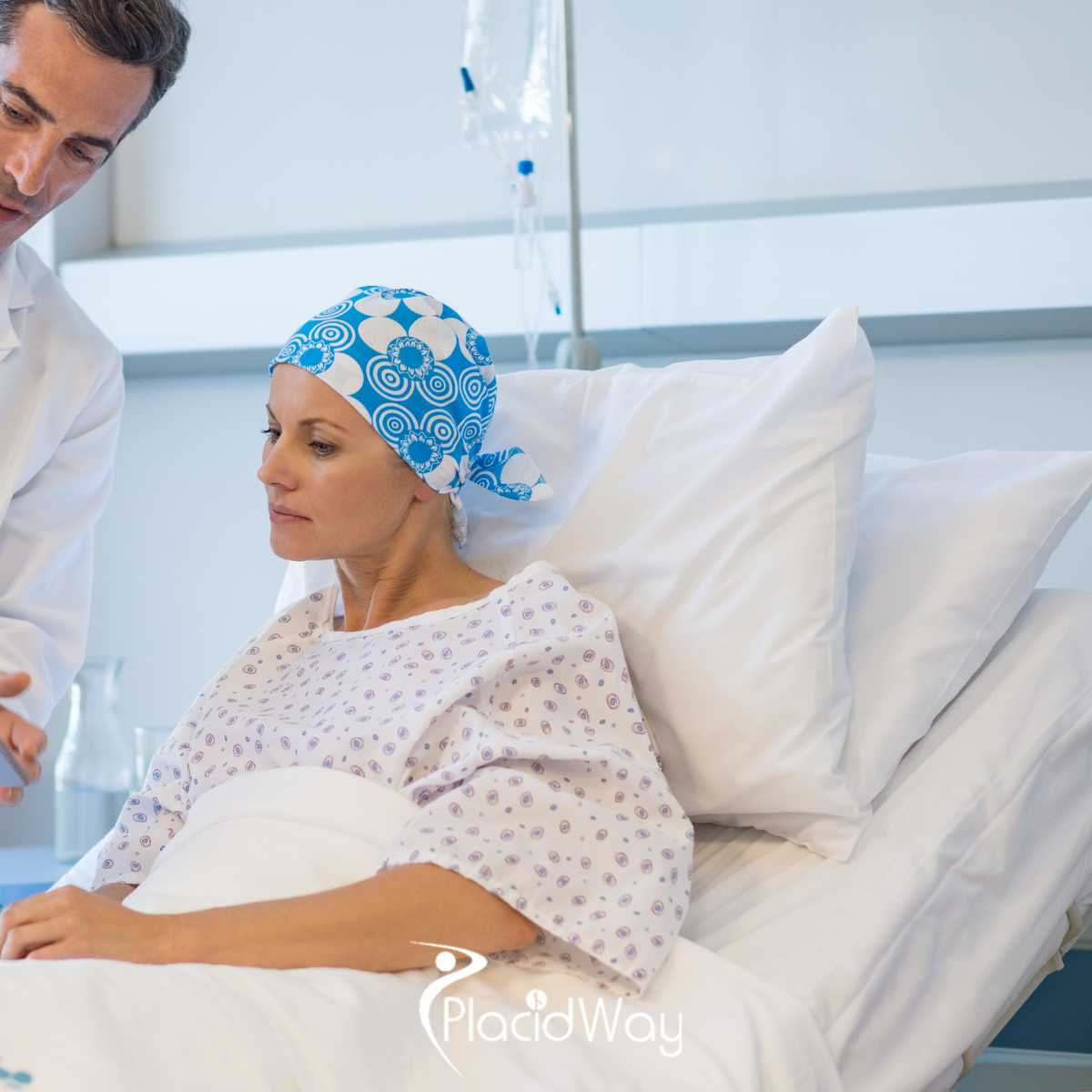
- Previous Ovarian Surgery or Cancer Treatment: Treatments like chemotherapy or radiation can damage the ovaries, leading to reduced egg supply or complete ovarian failure.
What Are the Common Causes and Risk Factors for Needing Egg Donation?
Understanding "why egg donation might be needed" helps clarify the medical journey. The reasons are varied and often stem from biological realities or previous medical interventions that impact a woman's reproductive capacity.
- Age-Related Decline in Ovarian Function: The most common cause. Female fertility naturally decreases with age, particularly after 35, and sharply after 40, due to a reduction in both the number and genetic quality of eggs.
- Genetic Predisposition: Some women are born with fewer eggs or experience an earlier decline in ovarian function due to genetic factors. Certain genetic mutations can also lead to conditions like Fragile X syndrome, impacting ovarian reserve.
- Medical Treatments:
- Cancer Therapy: Chemotherapy and radiation, while life-saving, can be toxic to eggs and ovarian tissue, often leading to premature ovarian failure.
- Ovarian Surgery: Surgical removal of cysts, endometriomas, or parts of the ovaries can inadvertently reduce the ovarian reserve.
- Autoimmune Disorders: Conditions like lupus or rheumatoid arthritis can sometimes lead the immune system to mistakenly attack ovarian tissue, causing POF.
- Endometriosis: Severe endometriosis can damage ovarian tissue and impact egg quality, even if it doesn't directly cause a lack of eggs.
- Unexplained Infertility with Poor Response to IVF: Sometimes, despite no clear diagnosis, a woman's ovaries consistently respond poorly to stimulation, or the eggs retrieved are of low quality.
- Chromosomal Abnormalities: Women who carry certain chromosomal abnormalities may opt for egg donation to prevent passing these on to their offspring.
What Are the Different Types of Egg Donation Procedures and Treatments Available?
When considering "types of donor egg IVF," patients often encounter various options designed to suit different needs and circumstances. The main distinctions usually revolve around the state of the eggs (fresh vs. frozen) and the donor's anonymity.
- Fresh Egg Donation Cycle:
- Process: The donor undergoes ovarian stimulation and egg retrieval, while the recipient synchronizes her cycle to prepare her uterus for embryo transfer. The retrieved eggs are immediately fertilized with sperm.
- Pros: Historically, higher success rates due to fresh eggs. More eggs typically available from a single donor, allowing for multiple embryos.
- Cons: Requires careful cycle synchronization between donor and recipient. More logistical challenges and potential for cycle cancellation if the donor doesn't respond as expected.
- Frozen Egg Donation Cycle (Egg Bank):
- Process: The recipient selects eggs from an egg bank, which have already been retrieved, frozen, and stored by a screened donor. The eggs are thawed, fertilized, and then the resulting embryos are transferred.
- Pros: Immediate availability of eggs, no need for donor-recipient cycle synchronization. Often more flexible scheduling for the recipient. Can be more cost-effective as you purchase a specific number of eggs/cohorts.
- Cons: Historically, slightly lower success rates compared to fresh eggs, though vitrification (modern freezing technique) has significantly narrowed this gap. Limited number of eggs per cohort.
- Anonymous vs. Directed (Known) Donation:
- Anonymous: The vast majority of egg donations. The recipient knows limited non-identifying information about the donor (e.g., medical history, physical characteristics), but identities are kept confidential.
- Directed: The recipient chooses a specific individual they know (e.g., a family member or friend) to be their egg donor. This requires extensive screening of the known donor.
- IVF with Donor Eggs and Surrogacy: For individuals or couples who cannot carry a pregnancy themselves, donor eggs can be used to create embryos that are then transferred to a gestational surrogate.
Who is Egg Donation For? Understanding Eligibility Criteria
Many individuals and couples search for "am I eligible for donor eggs" or "who can use egg donation." The criteria for being a recipient of egg donation are quite broad, focusing on the ability to carry a pregnancy to term and maintain overall health. Generally, egg donation is suitable for:
- Women with Diminished Ovarian Reserve (DOR) or Premature Ovarian Insufficiency (POI): As discussed, these conditions mean a woman has few or no viable eggs of her own.
- Women of Advanced Reproductive Age: Those over 40 (and sometimes even younger, depending on individual ovarian health) who desire pregnancy but face significantly reduced success rates with their own eggs due to age-related decline in egg quality.
- Women Who Have Undergone Cancer Treatment: Chemotherapy or radiation can render ovaries unable to produce eggs, making donor eggs a vital option for future pregnancy.
- Women with Certain Genetic Conditions: If there's a risk of passing on a severe genetic disorder, donor eggs can prevent this.
- Women with Repeated IVF Failures: Especially when poor egg quality is suspected as the primary factor.
- Single Men or Gay Male Couples: For these individuals, donor eggs combined with a gestational surrogate are necessary to build a family.
- Transgender Women: Who wish to build a family with a gestational surrogate.
- Women Born Without Ovaries or with Non-Functional Ovaries: Due to congenital conditions.
While the focus is on the recipient's uterine health and overall physical ability to carry a pregnancy, mental and emotional readiness are also crucial. Most clinics require a psychological evaluation for recipients to ensure they are fully prepared for the unique aspects of conceiving through egg donation.
What is the Recovery Time and What Can I Expect After Egg Donation Treatment?
For the recipient of donor eggs, the "recovery after donor egg transfer" is generally straightforward, similar to a standard IVF embryo transfer. The focus is more on post-transfer precautions and emotional well-being rather than significant physical recovery.
Physical Recovery:
- Immediately After Transfer: You'll typically rest for a short period (15-30 minutes) at the clinic. Most clinics advise taking it easy for the remainder of the day.
- First Few Days: You might experience mild cramping or spotting, similar to pre-menstrual symptoms, which is usually normal. Avoid strenuous activities, heavy lifting, and intense exercise. Light walking is often encouraged to aid blood flow.
- Medication: You will continue progesterone support (and possibly estrogen) for several weeks to support the uterine lining and early pregnancy.
- Return to Normal Activities: Most recipients can resume light daily activities within 1-2 days. Full return to normal, non-strenuous activities is usually fine after a few days, always following your doctor's specific advice.
Emotional and Psychological Expectations:
- The "Two-Week Wait": The period between embryo transfer and the pregnancy test can be emotionally challenging, filled with anxiety and hope. This is often the hardest part.
- Emotional Processing: Conceiving with donor eggs can bring a mix of emotions – excitement, relief, but also potential feelings of grief for not using one's own genetic material. Open communication with your partner, support groups, or a therapist can be immensely helpful.
- Early Pregnancy Symptoms: If successful, you'll start experiencing typical early pregnancy symptoms. It's important to remember that these are due to the pregnancy itself, not specifically the donor egg process.
The donor, on the other hand, undergoes an egg retrieval procedure, which is a minor surgical procedure. They typically recover within a few days, often experiencing mild discomfort, bloating, or cramping similar to menstrual symptoms. Strict monitoring and aftercare are provided to the donor to prevent complications like Ovarian Hyperstimulation Syndrome (OHSS).
What Are the Egg Donation Procedure Risks and Side Effects (for the Recipient)?
While egg donation is a highly successful and generally safe procedure for recipients, it's important to be aware of potential "risks of donor egg IVF" and side effects. Most of these are similar to those associated with a standard IVF cycle for the recipient.
- Multiple Pregnancy: The risk of conceiving twins or triplets is higher with IVF, especially if more than one embryo is transferred. Multiple pregnancies carry increased risks for both the mother (e.g., preeclampsia, gestational diabetes) and babies (e.g., premature birth, low birth weight). Many clinics now advocate for single embryo transfer (SET) to mitigate this risk.
- Ectopic Pregnancy: This occurs when an embryo implants outside the uterus, usually in a fallopian tube. While rare, it's a serious condition requiring immediate medical attention.
- Ovarian Hyperstimulation Syndrome (OHSS): Although OHSS is a risk primarily for the egg donor (who undergoes ovarian stimulation), in rare cases, a recipient may experience a mild form, particularly if she has a high baseline estrogen level or reacts strongly to hormonal support. Severe OHSS is extremely rare for recipients.
- Emotional and Psychological Stress: The emotional toll of infertility, the financial investment, the hope, and potential disappointment can be significant. There can also be unique emotional aspects related to not being genetically related to the child conceived through donor eggs.
- Side Effects from Hormonal Medications: Recipients take estrogen and progesterone to prepare the uterus. Side effects can include bloating, breast tenderness, mood swings, headaches, and nausea.
- Risk of Miscarriage: As with any pregnancy, miscarriage is a possibility. The rate of miscarriage with donor eggs is often tied to the recipient's age and overall health, though it can be lower than with autologous IVF for older women because the eggs are from a younger, healthier donor.
- Procedure-Related Risks: The embryo transfer itself is a minimally invasive procedure, but very rare risks include infection or bleeding, though these are exceedingly uncommon.
Worldwide Cost Comparison for Egg Donation
The "cost of egg donation abroad" is a major driver for medical tourism. Prices can vary significantly based on the country, clinic reputation, inclusion of medication, number of eggs/embryos, and additional services like genetic screening. The table below provides an estimated range for a single fresh or frozen egg donation cycle (excluding travel and accommodation).
| Country | Estimated Cost Range (USD) | Key Considerations |
|---|---|---|
| USA | $30,000 - $60,000+ | Highest costs, extensive donor selection, strict regulations. |
| Spain | $7,000 - $12,000 | Anonymous donation, strong regulatory framework, high success rates. |
| Greece | $6,000 - $10,000 | Anonymous donation, competitive pricing, popular destination. |
| Czech Republic | $5,000 - $9,000 | Anonymous donation, very affordable, good quality clinics. |
| Mexico | $6,000 - $12,000 | Increasingly popular, diverse donor pool, close proximity for North Americans. |
| Cyprus (North & South) | $5,000 - $8,000 | Relaxed regulations (especially North), good value. |
Note: These are estimated ranges and can vary based on clinic, specific services included, and individual circumstances. It's crucial to get a detailed quote directly from clinics.
Why Consider Egg Donation Abroad for Fertility Treatment?
Many patients actively search for "benefits of egg donation overseas" or "why travel for fertility treatment." The decision to pursue egg donation abroad is often driven by a compelling combination of factors:
- Significant Cost Savings: This is often the primary motivator. Egg donation cycles in countries like Spain, Greece, or the Czech Republic can be 50-70% less expensive than in the USA or UK, even when factoring in travel and accommodation.
- Shorter Waiting Lists: In many Western countries, the demand for egg donors often outstrips supply, leading to long waiting periods. Abroad, clinics often have readily available donor pools, allowing for quicker initiation of treatment.
- Access to Diverse Donor Pools: International clinics can offer a broader range of donor profiles, which can be particularly important for individuals seeking specific ethnic or physical characteristics in their donor.
- Anonymity Laws: Many popular destinations for egg donation (e.g., Spain, Greece, Czech Republic) have laws that ensure donor anonymity, which some recipients prefer.
- High Success Rates: Many international clinics boast comparable, if not higher, success rates than those in more expensive regions, thanks to advanced technology, experienced specialists, and rigorous donor screening.
- Comprehensive Care and Personalized Approach: Clinics catering to international patients often provide excellent patient coordination, including assistance with travel, accommodation, and multilingual staff, offering a more personalized experience.
- Legal Frameworks: Some countries have more favorable or clearer legal frameworks regarding egg donation and parental rights, which can be appealing.
- Combine Treatment with a Vacation: For some, the opportunity to combine treatment with a relaxing trip can help alleviate stress, though the primary focus remains on the medical procedure.
Which Countries Offer the Best Value and Quality for Egg Donation?
When searching for "best countries for donor egg IVF" or "where is egg donation cheapest," several nations consistently rise to the top, balancing affordability with high standards of care and favorable legal environments.
- Spain: Renowned for its cutting-edge fertility technology and strict regulatory oversight. Spain offers anonymous egg donation with high success rates and a vast pool of diverse donors. While not the cheapest, it's considered excellent value for quality.
- Greece: A highly popular destination known for its competitive pricing, anonymous donation, and modern clinics. Greece also allows for an older recipient age limit (up to 50, sometimes 52 with medical approval), attracting many international patients.
- Czech Republic: Often cited as one of the most affordable options in Europe, the Czech Republic provides anonymous egg donation with excellent medical standards. It's a top choice for those seeking cost-effective treatment without compromising quality.
- Cyprus (North and South): Both sides of the island have become fertility hubs. South Cyprus (EU member) has stricter regulations similar to Greece. North Cyprus (Turkish Republic of Northern Cyprus) offers a more relaxed regulatory environment, which some patients prefer, often resulting in lower costs and broader donor selection.
- Mexico: An increasingly attractive option, especially for patients from North America. Mexico boasts competitive pricing, diverse donor pools, and experienced specialists. It also offers geographical convenience for US patients.
- Portugal: Similar to Spain, Portugal offers anonymous donation within a well-regulated framework, with competitive pricing and high-quality clinics, though it might be slightly less known than its neighbor.
When evaluating these destinations, it's essential to consider not just the base cost, but also travel expenses, accommodation, the clinic's specific success rates, and the support services they offer to international patients.
What to Expect When Traveling for Egg Donation Abroad?
Planning for "traveling for fertility treatment" involves more than just the medical procedure. It requires careful coordination and understanding of the logistical and cultural aspects. Here's what you can generally expect:
Pre-Travel Planning (Initial Contact & Consultations):
- Initial Inquiry: Contact fertility clinics or medical tourism facilitators (like PlacidWay) to discuss your needs and receive initial information.
- Remote Consultations: Most clinics offer virtual consultations (video calls) with their fertility specialists to review your medical history, discuss treatment plans, and answer questions.
- Donor Selection: You'll typically receive access to anonymous donor profiles (non-identifying information like physical characteristics, medical history, education) to help you make a selection.
- Cycle Synchronization & Medication Plan: The clinic will provide a detailed medication protocol for you to follow at home to prepare your uterine lining. This might include taking birth control pills, estrogen, and progesterone.
- Travel Arrangements: Book flights and accommodation. Many clinics or facilitators can assist with this, offering recommendations for patient-friendly hotels or serviced apartments.
During Your Stay (Treatment Phase):
- Arrival & Local Appointments: Upon arrival, you'll have an in-person consultation, blood tests, and ultrasound scans to ensure your uterus is ready for embryo transfer.
- Donor Egg Retrieval (if fresh cycle) / Thawing (if frozen cycle): If a fresh cycle, the donor will undergo retrieval (you won't be present). For frozen cycles, eggs are thawed and prepared.
- Fertilization & Embryo Development: Your partner's sperm (or donor sperm) will be used to fertilize the eggs. Embryos are cultured for 3-5 days.
- Embryo Transfer: This is a quick, painless procedure where the selected embryo(s) are transferred to your uterus. You'll typically rest at the clinic for a short period afterward.
- Duration of Stay: For fresh cycles, expect to stay about 7-10 days. For frozen egg transfers, it can be shorter, often 2-5 days, as most of the preparation is done remotely.
Post-Treatment & Return Home:
- Post-Transfer Care: Continue prescribed medications and follow clinic instructions regarding rest and activity.
- "Two-Week Wait": The nerve-wracking wait for your pregnancy test results. Many clinics offer remote support during this time.
- Follow-up: If successful, your local doctor will take over prenatal care.
How to Ensure Safety and Quality for Egg Donation Abroad?
The question of "safe egg donation abroad" is paramount for any patient. While cost savings are attractive, ensuring the highest standards of medical care and ethical practices should be your top priority. Here's how to ensure safety and quality:
- Choose Accredited Clinics: Look for clinics that are internationally accredited by recognized bodies (e.g., ISO, JCI) or are members of reputable national/European fertility societies (e.g., ESHRE). This indicates adherence to quality and safety standards.
- Research Doctor Credentials and Experience: Verify that the fertility specialists are board-certified, have extensive experience in reproductive medicine and specifically in donor egg IVF, and belong to professional organizations.
- Understand Donor Screening Protocols: Inquire about the clinic's donor screening process. Donors should undergo rigorous physical and psychological evaluations, extensive infectious disease testing, and genetic screening to minimize risks to the recipient and future child.
- Review Success Rates: Request detailed, verifiable success rates, broken down by age groups if possible (though for donor eggs, the recipient's age is less relevant than the donor's). Ensure these rates are transparent and align with international benchmarks.
- Legal and Ethical Frameworks: Familiarize yourself with the country's laws regarding egg donation, parental rights, and donor anonymity. Ensure the clinic operates within these legal boundaries. If using a surrogate, clarify all legal aspects of parentage.
- Communication and Language Support: Ensure the clinic has English-speaking staff and good communication channels. Misunderstandings due to language barriers can compromise care.
- Transparent Pricing: Get a detailed, all-inclusive quote upfront. Be wary of hidden costs. Understand what is included (medications, donor compensation, freezing of extra embryos).
- Seek Independent Advice: Consider consulting with a medical tourism facilitator (like PlacidWay) who has vetted clinics and can provide unbiased information and support throughout your journey.
- Patient Testimonials and Reviews: While not a sole factor, reading reviews and testimonials from other international patients can offer insights into the patient experience.
What are Patient Success Stories from Egg Donation Abroad?
Many individuals seek "donor egg success stories abroad" as a source of hope and reassurance. While specific patient details remain confidential, the narrative of successful egg donation abroad is widespread and deeply inspiring. These stories often highlight not just the medical triumph, but also the emotional and financial relief experienced by patients who chose to travel.
Imagine a couple, Sarah and Mark, who had exhausted their savings on multiple IVF cycles in their home country with no success. Facing the daunting prospect of giving up on their dream, they researched clinics in Spain. They found a reputable clinic offering anonymous donor eggs at a fraction of the cost. After a few remote consultations and a well-coordinated trip, Sarah became pregnant on her first donor egg cycle. Today, they are proud parents to a healthy baby girl, a dream realized thanks to accessible and affordable care abroad.
Another common narrative involves single women or same-sex couples who find that legal restrictions or prohibitive costs in their home countries make parenthood seem impossible. For instance, Ana, a single woman from Ireland, traveled to Greece where legal frameworks and a wide choice of anonymous donors made her journey possible. She found the clinic staff empathetic, the process seamless, and conceived successfully. Her story echoes the experience of many who find a welcoming and effective environment overseas.
These are not just isolated incidents; they represent a growing trend. Clinics in popular medical tourism destinations frequently share aggregated success rates, often on par with or even exceeding those in higher-cost regions. Patients often praise the personalized attention, the efficiency of the treatment cycles, and the compassionate care received, which contributes significantly to a positive overall experience despite the challenges of undergoing treatment far from home.
These success stories underscore the powerful combination of medical advancement, supportive legal environments, and cost-effectiveness that makes egg donation abroad a transformative option for so many yearning to start or grow their families.
Take the Next Step with PlacidWay
Ready to explore treatment options abroad? Discover top clinics, compare prices, and get a free quote tailored to your needs with PlacidWay.
Fertility Treatment Abroad, Best Fertility Clinics


.png)
.png)
.png)
.png)
















Share this listing