
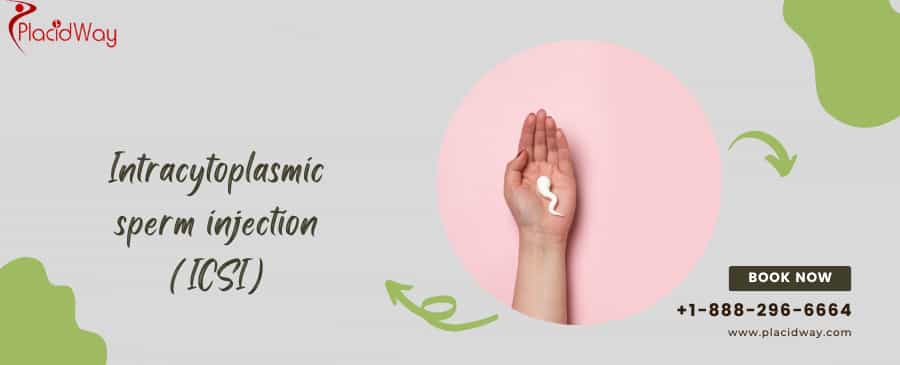
Unlock Parenthood: Your Guide to ICSI Treatment Abroad
Facing infertility can be an emotionally challenging journey, often leaving couples searching for effective solutions. For many, Intracytoplasmic Sperm Injection, or ICSI, stands out as a powerful ray of hope, particularly when male factor infertility is a significant concern. This advanced fertility technique has revolutionized reproductive medicine, helping countless individuals achieve their dream of starting a family.
ICSI is a specialized form of in vitro fertilization (IVF) designed to overcome fertilization challenges by directly introducing a single sperm into an egg. It's an intricate process that demands expertise and precision, offering a higher probability of fertilization where natural or conventional IVF methods might fall short. The procedure has become a cornerstone of modern fertility treatment, providing viable options for couples previously deemed untreatable.
When considering ICSI, many couples also explore the appealing advantages of medical tourism. Traveling abroad for fertility treatments like ICSI can open doors to world-class medical care, shorter wait times, and significantly more affordable prices without compromising on quality. This comprehensive guide will walk you through everything you need to know about ICSI, from understanding the procedure itself to navigating the exciting possibilities of pursuing this life-changing treatment internationally. Prepare to discover how ICSI, combined with the benefits of medical tourism, could be your ultimate path to parenthood.
What is Intracytoplasmic Sperm Injection (ICSI)?
Intracytoplasmic Sperm Injection (ICSI) is an advanced assisted reproductive technology (ART) used to fertilize an egg. Unlike conventional IVF, where sperm and eggs are placed together in a dish hoping for natural fertilization, ICSI takes a more direct approach. A highly skilled embryologist uses a tiny needle (micropipette) to pick up a single, healthy sperm and inject it directly into the cytoplasm of a mature egg. This bypasses many potential barriers to fertilization, making it exceptionally effective for specific infertility issues.
The procedure is carried out in a sophisticated laboratory under a high-powered microscope. After the injection, the fertilized eggs (now called zygotes) are monitored for healthy development. If fertilization and early embryo development occur successfully, these embryos are then transferred to the woman’s uterus, similar to a standard IVF cycle. ICSI provides a targeted solution, ensuring that at least one sperm reaches the interior of each egg, significantly increasing the chances of fertilization, especially in challenging cases.
Who is an ideal candidate for ICSI treatment?
ICSI is primarily recommended for couples experiencing male factor infertility, but its applications have broadened over time. It offers a crucial solution for men with low sperm count (oligozoospermia), poor sperm motility (asthenozoospermia), or abnormal sperm morphology (teratozoospermia). In such cases, the sperm may not be able to naturally penetrate the egg's outer layers.
Beyond male factor infertility, ICSI is also beneficial in other scenarios:
- Previous Fertilization Failure: If couples have undergone conventional IVF cycles without successful fertilization.
- Surgically Retrieved Sperm: When sperm needs to be retrieved directly from the epididymis or testicles (e.g., in cases of vasectomy or ejaculatory dysfunction).
- Using Frozen Sperm: Especially if the sperm quality might be compromised after thawing.
- Preimplantation Genetic Testing (PGT): To prevent potential contamination of embryos by extraneous sperm cells.
- Low Number of Eggs: When only a few eggs are retrieved, ICSI can maximize the chances of successful fertilization for each precious egg.
A fertility specialist will evaluate each couple's specific situation to determine if ICSI is the most appropriate and effective treatment plan.
What are the different types of ICSI procedures or scenarios where it's recommended?
While ICSI isn't categorized into different "types" in the same way, its application varies depending on the underlying cause of infertility or the method of sperm retrieval. Essentially, ICSI is an add-on procedure to a standard IVF cycle. The primary distinction often lies in the source of the sperm used for injection.
- ICSI with Ejaculated Sperm: This is the most common scenario, where sperm is collected via ejaculation and then processed to select the healthiest individual sperm for injection. This addresses issues like low sperm count or poor motility.
- ICSI with Surgically Retrieved Sperm:
- TESA (Testicular Sperm Aspiration): Sperm is aspirated directly from the testicle using a fine needle.
- TESE (Testicular Sperm Extraction): A small biopsy of testicular tissue is taken to extract sperm.
- PESA (Percutaneous Epididymal Sperm Aspiration): Sperm is aspirated from the epididymis, a tube behind the testis.
- MESA (Microsurgical Epididymal Sperm Aspiration): A microsurgical procedure to collect sperm from the epididymis.
The choice of sperm retrieval method directly impacts the overall ICSI procedure, but the process of injecting the sperm into the egg remains consistent. Regardless of the source, ICSI offers a powerful tool to overcome fertilization barriers that would otherwise prevent conception.
What are the typical steps involved in an ICSI treatment cycle?
An ICSI treatment cycle closely mirrors a conventional IVF cycle, with the crucial addition of the direct sperm injection step. Understanding each stage can help you feel more prepared for the journey ahead:
- Ovarian Stimulation: The woman receives fertility medications (hormones) for about 8-14 days to stimulate her ovaries to produce multiple mature eggs, rather than just one. This increases the chances of retrieving viable eggs.
- Egg Retrieval: Once the eggs are mature, a minor surgical procedure called transvaginal ultrasound aspiration is performed. Under light sedation, a thin needle is guided through the vaginal wall to collect the eggs from the ovarian follicles.
- Sperm Collection: On the same day as egg retrieval, a sperm sample is collected from the male partner. If surgical sperm retrieval is needed (TESA, TESE, etc.), this is also performed.
- ICSI in the Lab: In the embryology lab, mature eggs are identified and prepared. A single, healthy sperm is then selected and injected directly into each egg using a micromanipulation system. This is the defining step of ICSI.
- Embryo Culture: After injection, the fertilized eggs (now embryos) are placed in an incubator to grow and develop for 3 to 5 days. Embryologists monitor their development closely.
- Embryo Transfer: One or more selected embryos (typically 1-2 to minimize risks of multiple pregnancies) are gently transferred into the woman's uterus using a thin catheter. This procedure is usually painless and doesn't require anesthesia.
- Pregnancy Test: Approximately 10-14 days after embryo transfer, a blood test is performed to detect pregnancy.
Each step is carefully coordinated by a team of fertility specialists, nurses, and embryologists, ensuring the highest standards of care and maximizing the chances of success.
What are the success rates and potential risks associated with ICSI?
ICSI has significantly improved outcomes for couples facing severe male infertility. While fertilization rates for injected eggs typically range from 50% to 80%, this doesn't directly translate to pregnancy rates. The overall success rate of an ICSI cycle (live birth rate per cycle started) is generally similar to that of conventional IVF, primarily influenced by the female partner's age and overall egg quality, as well as embryo quality. For women under 35, success rates can be as high as 40-50% per cycle, gradually decreasing with age.
Like any medical procedure, ICSI carries potential risks, though they are generally minimal and similar to those of standard IVF. These include:
- Multiple Pregnancies: The transfer of multiple embryos can lead to twins or triplets, which carries higher risks for both mother and babies.
- Ovarian Hyperstimulation Syndrome (OHSS): A rare but serious complication from fertility medications, causing swollen, painful ovaries and fluid retention.
- Egg Damage: Although rare, there's a small chance (around 1-2%) that an egg may be damaged during the injection process.
- Birth Defects: Studies have shown a slight, but not definitive, increase in certain birth defects (e.g., imprinting disorders, sex chromosome abnormalities) compared to natural conception, though the absolute risk remains low and often linked to underlying infertility issues rather than ICSI itself.
It's crucial to discuss all potential risks and benefits thoroughly with your fertility specialist to make an informed decision.
Why consider medical tourism for your ICSI fertility journey?
The decision to pursue fertility treatment, especially one as intricate as ICSI, is often accompanied by significant financial and logistical considerations. Medical tourism has emerged as a compelling option for many couples seeking high-quality care without the exorbitant costs or lengthy waiting lists often found in their home countries. The primary driver is often affordability, with savings potentially ranging from 30% to 70% compared to Western countries, making a life-changing treatment more accessible.
Beyond cost, medical tourism for ICSI provides several other compelling advantages:
- Access to Advanced Technology: Many international clinics, particularly in destinations known for medical tourism, boast state-of-the-art facilities and cutting-edge reproductive technologies that may not be readily available or affordable locally.
- Highly Experienced Specialists: Leading fertility clinics abroad often attract world-renowned fertility doctors and embryologists with extensive experience in ICSI and complex infertility cases.
- Shorter Wait Times: In some countries, the demand for fertility treatments can lead to long waiting lists, delaying treatment. Medical tourism can offer immediate access to care, helping couples begin their journey sooner.
- Privacy and Anonymity: For some, the opportunity to undergo fertility treatment away from their local community offers a desired level of privacy and discretion during a deeply personal process.
- Relaxed Environment: Combining treatment with travel can turn a stressful medical procedure into a more positive experience, allowing for relaxation and recovery in a new environment.
Choosing medical tourism for ICSI is about optimizing your chances of success while managing the financial and emotional burden effectively.
How does the cost of ICSI treatment vary across different countries?
The cost of an ICSI cycle is one of the most significant factors influencing a couple's decision, and it can vary dramatically from one country to another. This disparity is due to differences in living costs, healthcare regulations, insurance coverage (or lack thereof), pharmaceutical prices, and the overall economic landscape of a region. What might cost tens of thousands in one country could be a fraction of that in another, without necessarily compromising quality.
Here’s a general overview of average ICSI costs (often including the basic IVF cycle it's paired with) in various popular medical tourism destinations, compared to Western countries. Prices are estimates and can vary based on clinic, specific medications, and additional services (e.g., genetic testing, freezing embryos).
| Country | Estimated Cost Range (USD) | Notes |
|---|---|---|
| USA | $15,000 - $25,000+ | Among the highest globally; varies widely by state. |
| UK | $10,000 - $18,000+ | Costs often lower than US, but still significant. |
| Mexico | $5,000 - $9,000 | Popular for US patients seeking affordability. |
| Spain | $6,000 - $10,000 | High success rates, less expensive than Northern Europe. |
| Czech Republic | $3,500 - $6,000 | Very affordable, high standards. |
| Thailand | $6,000 - $10,000 | Excellent medical infrastructure, popular for Asian patients. |
| India | $3,000 - $7,000 | Highly competitive pricing with skilled professionals. |
These figures typically include ovarian stimulation, egg retrieval, ICSI, embryo culture, and embryo transfer. Medications, pre-cycle testing, and cryopreservation are often extra, so always request an itemized quote.
Which international destinations offer the best ICSI treatment options?
When selecting an international destination for ICSI, couples often prioritize a combination of factors: reputation, success rates, cost-effectiveness, and ease of travel. Several countries have established themselves as leaders in fertility tourism:
- Spain: Renowned for its progressive fertility laws, advanced clinics, and high success rates. Many clinics offer comprehensive services in English and cater specifically to international patients.
- Czech Republic: A popular choice for European patients due to its significantly lower costs compared to Western Europe, combined with modern facilities and highly trained medical staff.
- Mexico: Especially attractive to patients from the United States and Canada, Mexico offers proximity, competitive pricing, and a growing number of world-class fertility clinics.
- Thailand: A major hub for medical tourism in Asia, Thailand boasts excellent private hospitals with international accreditations, highly skilled doctors, and a reputation for compassionate care.
- India: Known for its affordable healthcare, India provides advanced fertility treatments, including ICSI, at some of the lowest prices globally, with many clinics adhering to international standards.
- Turkey: Emerging as a strong contender, offering state-of-the-art facilities and experienced specialists at very competitive prices, particularly for patients from Europe and the Middle East.
Each destination offers a unique blend of cultural experience alongside top-tier medical care. Researching specific clinics within these countries and reading patient testimonials is key to making an informed choice.
What should you look for in an overseas clinic offering ICSI?
Selecting the right clinic abroad for your ICSI journey is paramount. It’s not just about cost; it’s about quality of care, safety, and ultimately, your chances of success. Here are key factors to consider:
- Accreditation and Certification: Look for clinics accredited by international bodies (e.g., JCI - Joint Commission International) or recognized by reputable national fertility associations. This signifies adherence to global standards of patient care and safety.
- Success Rates: Request transparent, verified success rates for ICSI (specifically for your age group and diagnosis if possible). Be wary of clinics that promise unusually high rates without supporting data.
- Experienced Team: Ensure the clinic has highly qualified and experienced fertility specialists, embryologists, and nursing staff, particularly those with extensive experience in ICSI procedures.
- Technology and Facilities: Modern laboratories equipped with advanced technology for embryo culture, cryopreservation, and genetic testing are essential for optimal outcomes.
- Communication and Language Support: English-speaking staff and dedicated international patient coordinators are crucial for clear communication and navigating the process smoothly.
- Transparent Pricing: Request a detailed, itemized quote that includes all potential costs (medications, tests, surgical sperm retrieval if needed, cryopreservation) to avoid hidden fees.
- Patient Reviews and Testimonials: Read reviews from previous international patients to gauge their experiences with the clinic's care, communication, and overall support.
- Legal and Ethical Standards: Ensure the clinic operates within a legal framework that aligns with your ethical considerations regarding embryo disposition, donor options, etc.
Taking the time to thoroughly vet potential clinics will provide peace of mind and improve your overall treatment experience.
How can medical tourism facilitate a smoother ICSI treatment experience?
Navigating medical treatment in a foreign country can seem daunting, but specialized medical tourism facilitators and clinics are designed to make the ICSI experience as smooth as possible. These services bridge the gap between you and your chosen international clinic, providing comprehensive support every step of the way.
Key ways medical tourism streamlines your ICSI journey include:
- Dedicated Patient Coordinators: Many clinics or facilitators assign a personal coordinator who acts as your single point of contact, assisting with scheduling appointments, relaying medical information, and answering non-medical questions.
- Travel and Accommodation Assistance: They can help with flight bookings, airport transfers, and arranging comfortable, convenient accommodation close to the clinic, often at negotiated rates.
- Visa and Documentation Support: Guidance on visa requirements and necessary travel documents specific to your chosen destination.
- Language Services: Ensuring there are interpreters or English-speaking staff available during consultations and procedures to facilitate clear communication.
- Pre-treatment Consultations: Many clinics offer initial virtual consultations, allowing you to discuss your case with the doctor and finalize a treatment plan before traveling.
- Local Orientation: Assistance with navigating the local area, including recommendations for dining, local attractions, and essential services.
This holistic approach reduces the stress of planning and allows you to focus solely on your treatment and well-being, transforming a potentially complex trip into a manageable and positive experience.
What post-treatment care and support can you expect when undergoing ICSI abroad?
The care doesn't end when you leave the clinic after your embryo transfer. Reputable international clinics understand the importance of comprehensive post-treatment support for their medical tourism patients. You can expect:
- Detailed Discharge Instructions: Clear guidelines on medication schedules, activity restrictions, and signs to watch for (e.g., symptoms of OHSS) will be provided before you leave.
- Medication Supply: Often, clinics will provide a supply of necessary post-transfer medications (e.g., progesterone) to last until you can consult with your local doctor.
- Remote Follow-up: Most clinics offer virtual follow-up appointments, allowing you to communicate with your fertility specialist via video call or email for questions or concerns after returning home.
- Coordination with Local Healthcare Providers: Your international clinic can provide detailed medical reports and recommendations to your local gynecologist or family doctor, ensuring continuity of care. This is especially important for managing early pregnancy or addressing any complications.
- Emotional Support: Some clinics or medical tourism facilitators also offer access to counseling or support groups for patients, recognizing the emotional toll of the "two-week wait" and the overall fertility journey.
The goal is to ensure you feel supported and informed throughout the critical period following your ICSI transfer, no matter where you are geographically. Planning for this ongoing care before you travel is a vital part of your medical tourism strategy.
Is ICSI always combined with IVF, and what are the benefits?
It's important to understand that ICSI is not a standalone procedure but rather a specific fertilization technique used within the broader framework of In Vitro Fertilization (IVF). Think of IVF as the complete process of egg retrieval, fertilization, and embryo transfer, and ICSI as the specific method used to achieve fertilization in the lab. Therefore, every ICSI treatment is, by definition, an IVF cycle that incorporates ICSI for the fertilization step.
The main benefits of combining ICSI with IVF are directly related to overcoming fertilization barriers:
- High Fertilization Rates: ICSI significantly increases the chance of fertilization for each mature egg, especially when sperm quality is poor or when very few eggs are available.
- Overcoming Male Infertility: It's the most effective treatment for severe male factor infertility, allowing men with low sperm count, poor motility, or abnormal morphology to father biological children.
- Addressing Fertilization Failure: For couples who have experienced failed fertilization in previous standard IVF cycles, ICSI provides a targeted solution to achieve successful fertilization.
- Utilizing Surgically Retrieved Sperm: For men whose sperm must be retrieved surgically (e.g., due to blockages), ICSI is essential because the limited number of sperm obtained often requires direct injection.
By integrating ICSI into the IVF process, fertility specialists can maximize the chances of creating viable embryos, giving couples the best possible opportunity to achieve a successful pregnancy and build their family.
Take the Next Step with PlacidWay
Ready to embark on your ICSI journey and embrace parenthood? Your dream of starting a family is closer than you think. Explore top-rated international clinics, compare transparent prices, and get a free, personalized quote for your Intracytoplasmic Sperm Injection (ICSI) treatment with PlacidWay. Let us help you plan a seamless and hopeful medical travel experience, connecting you with world-class fertility care. Start your path to parenthood today!
Fertility Treatment Abroad, Best Fertility Clinics







.png)










Share this listing