
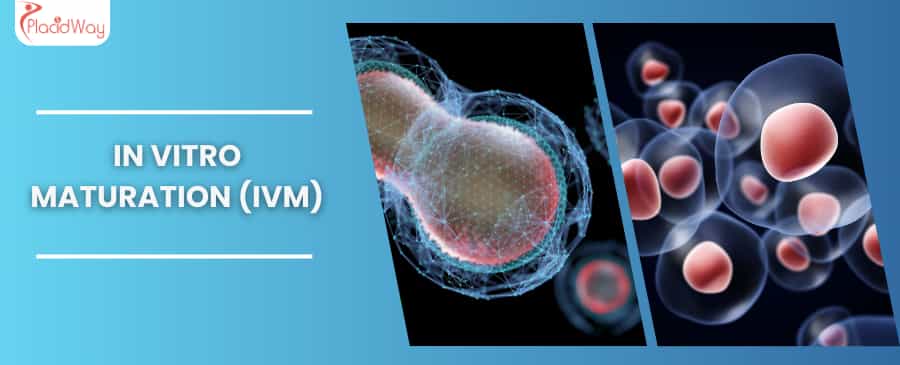
Unlock Your Dream: Exploring In Vitro Maturation (IVM) for a Gentler Path to Parenthood
Navigating the journey to parenthood can be filled with hope, anticipation, and sometimes, unexpected challenges. For many, conventional In Vitro Fertilization (IVF) is a well-known path, but it's not the only one. Have you heard of In Vitro Maturation (IVM)? This less conventional, often gentler fertility treatment is gaining recognition, especially for specific patient profiles. Unlike traditional IVF, which relies on significant hormonal stimulation to mature eggs inside the body, IVM retrieves immature eggs and matures them in a specialized laboratory environment before fertilization. This approach drastically reduces or even eliminates the need for high doses of fertility drugs, making it an appealing option for those seeking a more natural or less invasive fertility journey.
Many patients searching for "gentle IVF," "fertility treatment without hormones," or "PCOS fertility options" often find themselves learning about IVM. It’s particularly beneficial for women with Polycystic Ovary Syndrome (PCOS), who are at a higher risk of Ovarian Hyperstimulation Syndrome (OHSS) with conventional IVF. For others, the allure of fewer injections and a potentially lower cost makes IVM an attractive alternative. Understanding IVM means exploring not just the procedure itself, but also the symptoms it addresses, its unique benefits, potential risks, and why so many are now considering global options for this specialized care.
What Symptoms Indicate a Need for Fertility Treatment Like IVM?
While infertility itself is the overarching "symptom" that brings individuals to fertility clinics, there are underlying conditions or characteristics that might lead a specialist to suggest IVM. Patients often search for "signs of infertility in women" or "when to see a fertility doctor." If you've been trying to conceive without success, especially for over 12 months (or 6 months if you're over 35), it's time to consult a specialist. Beyond this general guideline, specific signs might point towards IVM:
- Irregular Menstrual Cycles: This is a common symptom of ovulatory disorders, particularly PCOS, where ovulation can be inconsistent or absent.
- Polycystic Ovary Syndrome (PCOS) Diagnosis: Women with PCOS often have many small, immature follicles in their ovaries. These patients are ideal candidates for IVM because it capitalizes on retrieving these very follicles.
- History of Ovarian Hyperstimulation Syndrome (OHSS) or High Risk: If you've experienced OHSS in previous IVF cycles, or if your doctor identifies you as high-risk (e.g., due to many small follicles or a very high Anti-Müllerian Hormone - AMH - level), IVM is designed to minimize this risk.
- Difficulty Responding to Conventional Stimulation: Some women may not respond well to high doses of fertility medications, or they may develop too many follicles, increasing OHSS risk.
- Cancer Patients Requiring Urgent Fertility Preservation: IVM can be performed with minimal delay, making it an option for women who need to preserve fertility quickly before cancer treatments.
What Are the Causes and Risk Factors for Conditions Where IVM is Beneficial?
Understanding the root causes of fertility challenges, particularly those that make IVM a suitable choice, is key. Many patients search for "causes of female infertility" or "why am I not getting pregnant with PCOS."
- Polycystic Ovary Syndrome (PCOS): This is the most common endocrine disorder in women of reproductive age. Its exact cause is unknown but involves a combination of genetic and environmental factors. Key features include:
- Hormonal Imbalance: Higher levels of androgens (male hormones), insulin resistance.
- Irregular Ovulation: Due to hormonal disruptions, ovaries may not release eggs regularly.
- Polycystic Ovaries: Ovaries may contain numerous small follicles, but few develop into mature eggs.
- Risk of Ovarian Hyperstimulation Syndrome (OHSS): This is a potential side effect of fertility medications used in conventional IVF, where ovaries over-respond to stimulation, leading to swelling and pain. Factors increasing OHSS risk include:
- High number of follicles developed during stimulation.
- High estrogen levels.
- PCOS diagnosis.
- Fertility Preservation for Cancer Patients: Chemotherapy and radiation can damage ovarian function. For these patients, time is often of the essence. IVM can be performed quickly, even during an ongoing menstrual cycle, without needing weeks of hormonal stimulation, making it a viable option for urgent fertility preservation.
What Are the Differences Between IVM and Traditional IVF Procedures?
Understanding "IVM vs IVF" is crucial for patients weighing their options. While both aim for fertilization outside the body, their approaches to egg maturation diverge significantly:
| Feature | In Vitro Maturation (IVM) | Traditional In Vitro Fertilization (IVF) |
|---|---|---|
| Hormonal Stimulation | Minimal or none; sometimes a few days of mild stimulation. | Significant daily injections for 10-14 days to stimulate multiple egg growth. |
| Egg Retrieval | Immature eggs retrieved from smaller follicles (typically 6-12mm). | Mature eggs retrieved from larger follicles (typically 18-20mm). |
| Egg Maturation | Occurs in the laboratory over 24-48 hours after retrieval. | Occurs inside the body before retrieval. |
| Risk of OHSS | Very low to negligible. | Higher risk, especially for women with PCOS. |
| Cost | Often lower due to fewer medications and monitoring. | Generally higher due to extensive medication and monitoring. |
| Patient Experience | Fewer injections, less discomfort, potentially shorter treatment cycle. | More injections, potential for side effects from hormones, longer cycle. |
While IVF has a longer track record, IVM offers a powerful alternative for those who meet the specific criteria, prioritizing patient comfort and safety.
Who is a Good Candidate for In Vitro Maturation (IVM)?
Patients often ask, "Is IVM right for me?" or "Who can do IVM?" The best candidates generally share certain characteristics:
- Women with PCOS: As discussed, their ovaries naturally contain a large number of small, immature follicles, making them excellent candidates for IVM.
- Women at High Risk of OHSS: If you've been advised against conventional IVF due to OHSS risk, IVM provides a safer route.
- Younger Women (typically under 38): Younger women generally have a higher quality of eggs and are more likely to have a good number of immature follicles that can mature successfully in vitro. While older women can undergo IVM, success rates may be lower due to egg quality.
- Patients with Hormone-Sensitive Conditions: For those who need to avoid high estrogen levels (e.g., certain cancer patients or those with a history of estrogen-sensitive cancers).
- Patients Seeking Fertility Preservation: Particularly those facing urgent medical treatments like chemotherapy, where prolonged hormonal stimulation is not feasible.
- Women seeking a "natural" or "mild" fertility treatment: Who prefer to minimize medication and injections.
A thorough consultation with a fertility specialist is essential to determine if IVM is the most appropriate treatment path for your individual circumstances.
What Recovery Time and Expectations Should I Have After IVM?
A common question patients have is, "How long is recovery after IVM egg retrieval?" or "What does IVM recovery feel like?" One of the significant advantages of IVM's minimal stimulation approach is a generally smoother and quicker recovery compared to traditional IVF.
- Immediately After Retrieval: You might experience mild cramping, spotting, and general abdominal discomfort for a day or two. This is similar to what one might feel during a menstrual period.
- Pain Management: Over-the-counter pain relievers are usually sufficient to manage any discomfort.
- Activity Levels: Most women can return to light activities and work within 24-48 hours. Strenuous exercise should be avoided for a few days to a week to allow the ovaries to recover.
- Absence of Severe OHSS: Because of the minimal stimulation, the severe bloating, abdominal pain, and other complications associated with OHSS are extremely rare after IVM. This greatly contributes to a more comfortable recovery.
- Emotional Recovery: While physical recovery is quick, the emotional journey of fertility treatment can be intense. Ensure you have a strong support system in place.
Your clinic will provide specific post-procedure instructions, but generally, IVM patients report a much less taxing recovery experience.
What Are the Potential Risks and Side Effects of In Vitro Maturation (IVM)?
Patients often ask, "Are there risks with IVM?" or "Is IVM safe?" While IVM is considered a gentler procedure, no medical treatment is entirely without risk. However, many of the severe risks associated with conventional IVF are significantly reduced or eliminated with IVM.
- Egg Retrieval Risks:
- Discomfort: Mild pain, cramping, or pressure during and after the procedure.
- Bleeding or Infection: A very small risk associated with any invasive procedure.
- Damage to surrounding organs: Extremely rare, but possible.
- Egg Maturation Failure: Not all retrieved immature eggs will successfully mature in the lab. This is a known limitation of the technique.
- Lower Fertilization/Embryo Development Rates: Some studies suggest slightly lower fertilization or embryo development rates compared to mature eggs retrieved from highly stimulated cycles, though advancements in IVM protocols are continuously improving these outcomes.
- Ovarian Hyperstimulation Syndrome (OHSS): As noted, the risk of severe OHSS is dramatically lower with IVM, one of its primary benefits. Mild OHSS symptoms are still possible, but rarely problematic.
- Multiple Pregnancy: Like all assisted reproductive technologies, there's a risk of multiple pregnancy if more than one embryo is transferred. This is mitigated by single embryo transfer (SET) policies.
It's important to discuss these potential risks and your individual circumstances with your fertility specialist.
How Does the Worldwide Cost of IVM Compare?
Patients frequently search for "IVM cost abroad" or "affordable fertility treatment overseas." One of the appealing aspects of IVM, besides its gentler approach, is often its cost-effectiveness. Because it requires fewer and less expensive medications, the overall cost of an IVM cycle can be significantly lower than a traditional IVF cycle, particularly when considering international options.
Estimated IVM Cost Comparison (Per Cycle, USD)
| Country/Region | Estimated IVM Cost Range | Notes |
|---|---|---|
| United States | $7,000 - $15,000+ | Highly variable by clinic and state; generally highest costs. |
| Western Europe (e.g., UK, Germany) | $5,000 - $10,000 | Costs vary, may have specific regulations or waiting lists. |
| Eastern Europe (e.g., Czech Republic, Poland) | $3,000 - $6,000 | Known for competitive pricing, high standards, and experienced specialists. |
| Asia (e.g., South Korea, Thailand, Malaysia) | $4,000 - $8,000 | Emerging medical tourism hubs with advanced technology and skilled doctors. |
| Latin America (e.g., Mexico, Brazil) | $4,000 - $7,500 | Growing medical tourism destination, often with good value. |
*Note: These are estimated ranges and can fluctuate based on the clinic, specific services included (e.g., freezing embryos, genetic testing), and individual patient needs. Always request a detailed quote.
Why Consider In Vitro Maturation (IVM) Abroad?
The decision to seek fertility treatment abroad, or "fertility tourism," is increasingly common, especially for specialized procedures like IVM. People often search for "benefits of fertility treatment overseas" or "why travel for IVM."
- Cost Savings: This is often the primary driver. As seen in the table above, the cost of IVM can be substantially lower in many countries compared to the US or Western Europe, making it accessible to more individuals.
- Access to Advanced Expertise and Technology: Some countries and clinics are at the forefront of IVM research and application, offering highly experienced specialists and state-of-the-art laboratory facilities.
- Reduced Waiting Times: In some domestic healthcare systems, long waiting lists for fertility treatments can add emotional strain and delay treatment. Abroad, immediate access is often possible.
- Privacy and Discretion: For some, undergoing fertility treatment away from their home environment offers a greater sense of privacy.
- Opportunity for a Healing Environment: Combining treatment with travel can turn a stressful medical journey into a more holistic experience, offering a chance for relaxation and rejuvenation in a new cultural setting.
- IVM Specialization: As IVM is still less common than IVF, some clinics abroad might have more extensive experience and specialized protocols for this particular treatment.
Which Countries Offer the Best Value for IVM Treatment?
When searching for "best countries for IVM" or "affordable IVM options," several nations consistently rise to the top for offering a compelling blend of quality and cost-effectiveness:
- Czech Republic: Renowned for its stringent medical regulations, state-of-the-art clinics, and highly trained specialists. Prices are significantly lower than in Western Europe or the US, making it a top choice for fertility tourism.
- Poland: Offers similar advantages to the Czech Republic, with modern facilities and competitive pricing, particularly in cities like Warsaw and Krakow.
- Mexico: A popular destination for North Americans, offering convenient travel, advanced clinics in cities like Cancun and Mexico City, and often personalized care at a fraction of US costs.
- Thailand: A leading medical tourism hub in Asia, known for its world-class hospitals, experienced doctors, excellent patient care, and attractive pricing.
- South Korea: Emerges as a leader in reproductive medicine with highly advanced technology and some of the highest success rates in Asia, often at more accessible price points than Western countries.
- Malaysia: Another strong contender in Southeast Asia, offering quality care and services at competitive rates, with English-speaking staff common.
When selecting a country and clinic, always prioritize accreditation, success rates, patient testimonials, and clear communication from the medical team.
What Should I Expect When Traveling for IVM Abroad, and How Can I Ensure Safety and Quality?
Embarking on a medical journey abroad requires careful planning. Patients often ask, "How do I plan fertility travel overseas?" or "How to find a safe fertility clinic abroad?"
What to Expect:
- Initial Consultation: Many clinics offer virtual consultations to review your medical history, discuss IVM suitability, and outline a treatment plan before you travel.
- Travel Logistics: You'll need to arrange flights, accommodation, and local transportation. Many medical tourism facilitators (like PlacidWay) can assist with these arrangements.
- Duration of Stay: An IVM cycle typically requires a stay of about 10-14 days in the destination country, depending on the clinic's protocol and your individual response.
- Local Support: Some clinics offer interpreters or patient coordinators to assist with language barriers and logistical needs.
- Follow-up Care: Discuss post-treatment care and monitoring with your home physician and the overseas clinic before you travel back.
Ensuring Safety and Quality:
- Accreditation: Look for clinics that hold international accreditations (e.g., JCI - Joint Commission International) or are recognized by reputable national fertility organizations in their country.
- Doctor Qualifications: Verify the credentials, experience, and specialization of the fertility specialists. Check if they are members of international reproductive medicine societies.
- Success Rates: Request transparent success rates specifically for IVM, broken down by age group if possible. Compare these against international benchmarks.
- Laboratory Standards: The quality of the embryology lab is paramount for IVM. Inquire about their lab equipment, air filtration systems, and the experience of their embryologists.
- Patient Testimonials & Reviews: Seek out real patient experiences and reviews. Platforms like PlacidWay often feature verified patient success stories and feedback.
- Clear Communication: Ensure the clinic provides clear, comprehensive information in English (or your preferred language) and responds promptly to your questions.
- Comprehensive Packages: Understand what is included in the package price to avoid hidden costs.
Patient Success Stories from Abroad: Many individuals have found success with IVM abroad. For example, a couple from the US, struggling with PCOS and high OHSS risk, found an affordable and successful IVM cycle in the Czech Republic, welcoming a healthy baby. Another patient from the UK, seeking a gentler approach after a difficult IVF experience, chose a clinic in Thailand for IVM and praised the personalized care and positive outcome. These stories highlight the increasing trust and positive experiences patients have when opting for IVM in international settings, often driven by the combination of advanced care and empathetic patient focus.
Take the Next Step with PlacidWay
Ready to explore treatment options abroad? Discover top clinics, compare prices, and get a free quote tailored to your needs with PlacidWay.
Fertility Treatment Abroad, Best Fertility Clinics







.png)










Share this listing