
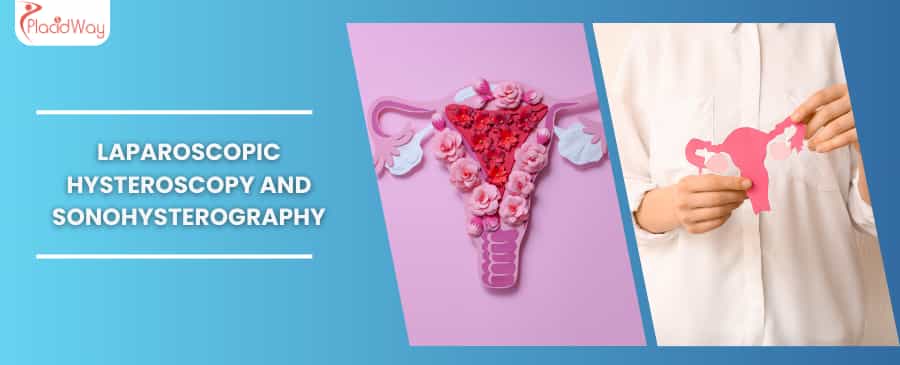
Unlocking Uterine Health: A Comprehensive Guide to Laparoscopic Hysteroscopy & Sonohysterography
Experiencing symptoms like unusual pelvic pain, persistent heavy bleeding, or facing challenges with infertility can be incredibly distressing. These signs often point to underlying conditions within or around the uterus that require precise diagnosis and treatment. Fortunately, modern gynecological advancements offer highly effective solutions. Among the most sophisticated are Laparoscopic Hysteroscopy and Sonohysterography – a powerful combination of procedures designed to thoroughly examine and address your uterine health.
These procedures move beyond conventional imaging, offering doctors a clearer, more direct view of the uterine cavity and surrounding pelvic organs. Whether it's to precisely identify uterine fibroids, remove polyps, correct structural anomalies, or investigate causes of infertility, this diagnostic and therapeutic duo provides clarity and targeted intervention. For many, seeking these specialized treatments abroad through medical tourism offers a compelling pathway to world-class care, often at a more accessible cost and with shorter wait times. This guide will walk you through everything you need to know, from understanding the procedures and their benefits to exploring global options for your uterine health journey.
What symptoms might indicate a need for uterine investigation?
Your body often sends clear signals when something isn't quite right. When it comes to uterine health, these signals can manifest in several ways that significantly impact your quality of life. Understanding these symptoms is the first step towards seeking the right diagnosis and treatment:
- Abnormal Uterine Bleeding: This is one of the most common red flags. It can include heavy menstrual periods (menorrhagia), prolonged periods, bleeding between periods (metrorrhagia), or post-menopausal bleeding. Many patients search for "heavy bleeding cure" or "irregular periods treatment."
- Chronic Pelvic Pain: A persistent ache or discomfort in the lower abdomen or pelvis that isn't related to your menstrual cycle. Women often search for "pelvic pain solutions."
- Infertility or Recurrent Miscarriage: If you're struggling to conceive despite trying for over a year (or six months if over 35), or have experienced multiple miscarriages, uterine factors could be at play. Many look for "infertility diagnosis options" or "causes of recurrent miscarriage."
- Painful Periods (Dysmenorrhea): While some discomfort is normal, severe, debilitating pain could indicate conditions like endometriosis or fibroids.
- Pressure or Heaviness in the Pelvis: This can be a symptom of larger fibroids or other uterine growths.
If you're experiencing any of these symptoms, especially if they are new, worsening, or affecting your daily life, it's crucial to consult a healthcare professional. These advanced procedures can provide the clarity needed for effective intervention.
What conditions are diagnosed or treated by Laparoscopic Hysteroscopy and Sonohysterography?
The beauty of Laparoscopic Hysteroscopy and Sonohysterography lies in their ability to uncover a wide array of gynecological conditions, some of which might otherwise remain elusive. These procedures serve both diagnostic and therapeutic purposes, addressing concerns ranging from structural anomalies to benign growths.
- Uterine Fibroids: Non-cancerous growths that develop in the uterus, causing heavy bleeding, pain, or pressure. Hysteroscopy can remove submucosal fibroids (those inside the uterine cavity), while laparoscopy can remove subserosal or intramural fibroids (on the outer wall or within the muscular wall). Patients often search for "uterine fibroids treatment" or "fibroid removal surgery."
- Uterine Polyps: Overgrowths of endometrial tissue that protrude into the uterine cavity, often causing irregular bleeding. Hysteroscopy is highly effective for both diagnosing and removing these. Searches like "uterine polyps removal" are common.
- Asherman's Syndrome: Scar tissue (adhesions) inside the uterus, typically caused by previous uterine surgery or infection, leading to light periods, infertility, or recurrent miscarriage. Operative hysteroscopy can precisely cut and remove these adhesions. Patients often look for "Asherman's syndrome treatment."
- Uterine Septum: A congenital abnormality where a wall of tissue divides the uterus. This can lead to recurrent miscarriages. Hysteroscopy can correct this by resecting the septum.
- Endometriosis and Adenomyosis: While hysteroscopy focuses inside the uterus, laparoscopy is the gold standard for diagnosing and treating endometriosis (tissue similar to the uterine lining growing outside the uterus) and can sometimes help diagnose adenomyosis (endometrial tissue growing into the uterine muscle wall). Many women search for "endometriosis diagnosis" or "adenomyosis treatment."
- Infertility Investigations: Both procedures are invaluable in diagnosing structural issues that impede conception or pregnancy, offering clearer insights than less invasive methods.
By providing direct visualization or enhanced imaging, these procedures allow specialists to not only identify the problem but often treat it during the same session, leading to quicker relief and improved health outcomes.
How do Laparoscopic Hysteroscopy and Sonohysterography procedures differ?
While all three procedures are crucial for assessing female reproductive health, they each offer a unique perspective and approach:
Sonohysterography (Saline Infusion Sonography - SIS)
Imagine trying to see details inside a deflated balloon – it’s difficult. Sonohysterography is like gently inflating that balloon with a clear liquid to get a better look. In this outpatient diagnostic procedure, a thin catheter is inserted into the cervix, and a sterile saline solution is injected into the uterus. This expands the uterine cavity, allowing clearer visualization with a transvaginal ultrasound. It's excellent for detecting polyps, fibroids, or structural anomalies within the uterine lining with high precision, often serving as an initial, less invasive step.
Hysteroscopy (Diagnostic & Operative)
If sonohysterography is like a detailed map, hysteroscopy is like an actual walkthrough. During a hysteroscopy, a thin, lighted telescope called a hysteroscope is gently inserted through the cervix into the uterus. This allows the doctor to directly visualize the uterine cavity on a monitor. It can be:
- Diagnostic: To investigate abnormal bleeding, infertility, or confirm findings from other tests like sonohysterography.
- Operative: To treat conditions found, such as removing polyps or fibroids, cutting scar tissue (Asherman's syndrome), or correcting a uterine septum.
It's a minimally invasive procedure, often performed under local or general anesthesia, depending on its purpose.
Laparoscopy (Diagnostic & Operative)
Unlike hysteroscopy and sonohysterography which focus *inside* the uterus, laparoscopy examines the *outside* of the uterus and other pelvic organs. It involves making one or more small incisions (usually 0.5-1 cm) in the abdomen. A laparoscope (a thin, lighted tube with a camera) is inserted to view the pelvic and abdominal organs, including the ovaries, fallopian tubes, and the outer surface of the uterus. It is used for:
- Diagnosing conditions: Such as endometriosis, ovarian cysts, pelvic inflammatory disease, or adhesions.
- Treating conditions: Like removing fibroids on the outer uterine wall, ovarian cysts, or performing tubal ligations.
It’s crucial to understand that these procedures are often complementary. A comprehensive diagnosis or treatment plan might involve sonohysterography as a screening tool, followed by hysteroscopy for internal uterine issues, and laparoscopy to address external uterine or surrounding pelvic organ conditions.
Who is an ideal candidate for these advanced uterine diagnostic procedures?
Determining if these procedures are right for you involves a thorough evaluation by a gynecologist. Generally, an ideal candidate is someone who:
- Experiences Persistent Gynecological Symptoms: As outlined earlier, abnormal bleeding, chronic pelvic pain, or pressure that hasn't responded to initial treatments.
- Has Fertility Concerns: Individuals or couples struggling with infertility or recurrent pregnancy loss, where uterine factors are suspected. They might search for "infertility causes investigation."
- Needs Confirmation of Previous Imaging: If an ultrasound or MRI has shown suspicious findings (like a suspected polyp or fibroid) but requires a more definitive diagnosis or direct intervention.
- Requires Removal of Growths: For known uterine polyps, submucosal fibroids, or scar tissue.
- Is in Good General Health: While these are minimally invasive, candidates should be fit enough to undergo anesthesia and recover without major complications.
Contraindications typically include active pelvic infection, ongoing pregnancy, or severe medical conditions that make anesthesia risky. Your doctor will carefully review your medical history to ensure these procedures are safe and appropriate for your specific situation.
What is the typical recovery process after Laparoscopic Hysteroscopy?
Recovery varies slightly depending on which procedure(s) you undergo and whether they were diagnostic or operative. Generally, these are minimally invasive, allowing for a relatively quick return to normal activities.
- Sonohysterography: This is a very quick outpatient procedure. You can usually return to normal activities immediately. Some mild cramping or spotting might occur for a few hours.
- Diagnostic Hysteroscopy: Often performed in-office or as an outpatient procedure. Most women experience mild cramping (like period pain) and light spotting for a day or two. You can typically resume normal activities within 24 hours.
- Operative Hysteroscopy: Since it involves intervention, recovery might take a few days. You might experience more noticeable cramping and light to moderate bleeding for several days up to a week. Pain medication can manage discomfort. Avoid intercourse, tampons, and douching for a period advised by your doctor to prevent infection. Most resume light activities within 2-3 days and full activities within a week.
- Laparoscopy: As this involves small abdominal incisions, recovery takes a bit longer. You might experience soreness at the incision sites, abdominal discomfort, and sometimes "shoulder tip" pain due to gas used to inflate the abdomen during surgery.
- First few days: Rest is crucial. Manage pain with prescribed medication. Light walking is encouraged to aid recovery and prevent blood clots.
- First week: Gradual increase in activity. Avoid heavy lifting or strenuous exercise. Most people can return to light work or daily routines.
- Full recovery: Typically 1-2 weeks, depending on the extent of the procedure. Incision sites will heal, and internal soreness will subside.
Always follow your surgeon's specific post-operative instructions, especially regarding wound care, activity restrictions, and medication, to ensure a smooth and complication-free recovery. Patients often search for "hysteroscopy recovery time" or "laparoscopy aftercare."
What are the potential risks and side effects of these gynecological procedures?
Like any medical procedure, Laparoscopic Hysteroscopy and Sonohysterography carry potential risks, though serious complications are rare, especially with experienced medical teams. Understanding these helps you make an informed decision:
Risks common to all procedures:
- Infection: Any invasive procedure carries a small risk of infection, typically managed with antibiotics.
- Bleeding: Some light bleeding or spotting is normal, but excessive bleeding is a rare complication.
- Allergic Reactions: To anesthesia or medications.
Specific risks:
- For Sonohysterography & Hysteroscopy:
- Uterine Perforation: A very rare complication where the instrument accidentally punctures the uterine wall. Often self-limiting, but may require further intervention.
- Fluid Overload: During operative hysteroscopy, fluid is used to distend the uterus. Rarely, too much fluid can be absorbed, leading to electrolyte imbalance.
- Cramping and Pain: Mild to moderate cramping is common post-procedure.
- For Laparoscopy:
- Organ Injury: Although rare, there's a slight risk of damage to nearby organs such as the bowel, bladder, or blood vessels, especially during entry into the abdomen.
- Anesthesia Risks: As with any surgery requiring general anesthesia.
- Hernia: A very small risk of a hernia developing at an incision site.
- Adhesions: While laparoscopy can treat adhesions, new ones can sometimes form after surgery, though less common than with open surgery.
Your medical team will discuss these risks with you in detail, ensuring you are fully informed and comfortable before proceeding. Choosing an experienced surgeon and accredited facility significantly minimizes these potential complications. Many patients search for "hysteroscopy risks" or "laparoscopy side effects."
How much do Laparoscopic Hysteroscopy and Sonohysterography cost worldwide?
The cost of gynecological procedures can vary dramatically based on location, the complexity of the case, the type of facility, the surgeon's fees, and whether the procedure is diagnostic or operative. For many, seeking care abroad is a practical way to access high-quality treatment without the prohibitive costs or long wait times found in their home countries. Below is an estimated cost comparison for these procedures:
| Country | Sonohysterography (USD) | Diagnostic Hysteroscopy (USD) | Operative Hysteroscopy (USD) | Diagnostic Laparoscopy (USD) | Operative Laparoscopy (USD) |
|---|---|---|---|---|---|
| USA | $500 - $1,500 | $2,000 - $5,000 | $4,000 - $10,000+ | $5,000 - $15,000 | $8,000 - $25,000+ |
| UK | £300 - £800 ($400 - $1,000) | £1,500 - £3,000 ($2,000 - $4,000) | £2,500 - £6,000 ($3,500 - $8,000) | £3,000 - £8,000 ($4,000 - $10,000) | £5,000 - £12,000+ ($6,500 - $16,000+) |
| Canada | CAD $500 - $1,200 ($370 - $900) | CAD $2,500 - $6,000 ($1,800 - $4,500) | CAD $4,000 - $10,000 ($3,000 - $7,500) | CAD $5,000 - $15,000 ($3,700 - $11,000) | CAD $8,000 - $20,000+ ($6,000 - $15,000+) |
| Mexico | $200 - $600 | $1,000 - $2,500 | $2,000 - $4,500 | $2,500 - $5,000 | $4,000 - $8,000+ |
| India | $150 - $400 | $800 - $2,000 | $1,500 - $3,500 | $2,000 - $4,500 | $3,000 - $7,000+ |
| Thailand | $250 - $700 | $1,200 - $3,000 | $2,500 - $5,000 | $3,000 - $6,000 | $5,000 - $9,000+ |
| Turkey | $200 - $500 | $1,000 - $2,800 | $2,000 - $4,800 | $2,500 - $5,500 | $4,000 - $8,500+ |
*Please note: These are estimated ranges and actual costs can vary based on the specific clinic, surgeon's expertise, complexity of the case, and included services (e.g., hospital stay, pre/post-operative consultations, medication). It is always recommended to obtain a personalized quote. Currency conversions are approximate and subject to change.
Many patients search for "hysteroscopy cost," "laparoscopy cost abroad," or "uterine fibroid surgery price comparison." As you can see, countries known for medical tourism often offer significant savings, sometimes 50-70% less than Western nations, without compromising on quality of care.
Why consider traveling abroad for Laparoscopic Hysteroscopy and Sonohysterography?
The decision to seek medical treatment outside your home country is a significant one, driven by several compelling factors. For advanced gynecological procedures like Laparoscopic Hysteroscopy and Sonohysterography, medical tourism presents a highly attractive option:
- Cost-Effectiveness: This is often the primary driver. As seen in the cost comparison table, procedures can be significantly more affordable in certain countries, making life-changing treatment accessible without breaking the bank. Patients frequently search for "affordable hysteroscopy abroad."
- Reduced Wait Times: In many Western countries, specialists' appointments and surgical schedules can have long waiting lists. Traveling abroad can mean receiving timely treatment, preventing conditions from worsening.
- Access to Expertise and Technology: Leading medical tourism destinations often boast world-renowned gynecologists and state-of-the-art medical facilities equipped with the latest diagnostic and surgical technologies.
- Privacy and Discretion: Some individuals prefer to undergo sensitive medical procedures away from their home community.
- Combining Treatment with Travel: Many patients find the opportunity to recover in a beautiful, relaxing environment appealing, turning a medical trip into a restorative experience.
For those prioritizing both health and financial prudence, the global healthcare market offers a compelling solution.
Which countries offer the best value and expertise for uterine health procedures?
When considering medical travel for something as crucial as uterine health, selecting the right destination is paramount. Several countries have established themselves as leaders in medical tourism, offering a blend of quality, affordability, and patient-focused care:
- India: Known for its highly skilled doctors, world-class hospitals with international accreditations (like JCI), and significantly lower costs. India is a hub for a wide range of medical procedures, including advanced gynecology. Many search for "best gynecologist in India" or "hysteroscopy in India."
- Thailand: Offers excellent healthcare facilities, renowned for their hospitality and combining medical treatment with a relaxing recovery in a beautiful setting. Hospitals in cities like Bangkok and Phuket are popular choices. Patients might look for "hysteroscopy in Thailand" or "medical treatment in Bangkok."
- Mexico: Particularly convenient for patients from the US and Canada, Mexico provides accessible, high-quality care at a fraction of the cost. Border cities and popular tourist destinations have modern medical centers. Searches like "hysteroscopy Mexico" are common.
- Turkey: An emerging leader in medical tourism, especially for its advanced medical technology, experienced specialists, and competitive pricing. Istanbul and Ankara host many internationally accredited hospitals. Many search for "gynecology surgery Turkey."
- South Korea: Renowned for its cutting-edge technology and highly specialized medical professionals, particularly in reproductive health. While potentially higher in cost than some other Asian destinations, it offers exceptional quality.
When evaluating destinations, look for facilities with international accreditation (e.g., Joint Commission International - JCI), surgeons with extensive experience in the specific procedures you need, and transparent pricing. Researching "best clinics for uterine surgery overseas" is a good starting point.
How can I ensure safety and quality when choosing a clinic for treatment abroad?
Choosing to undergo medical procedures abroad requires diligence and careful planning. Ensuring safety and quality is paramount. Here's how you can confidently select a clinic and prepare for your journey:
- Look for International Accreditation: Prioritize hospitals and clinics that hold international accreditations like Joint Commission International (JCI). This signifies that the facility meets rigorous global standards for patient safety and quality of care.
- Verify Surgeon Credentials: Research your surgeon's qualifications, experience, and specialization. Ensure they are board-certified and have extensive experience specifically with Laparoscopic Hysteroscopy and Sonohysterography. Don't hesitate to ask for their CV or patient success rates.
- Read Patient Reviews and Testimonials: Real-world experiences from previous international patients can provide invaluable insights into the clinic's quality of care, staff professionalism, and overall patient satisfaction.
- Seek Transparent Pricing: Request a detailed, all-inclusive quote that covers the procedure, anesthesia, hospital stay, medications, and follow-up care. Be wary of hidden costs.
- Communicate Clearly: Establish clear communication channels with the clinic's international patient department. Ensure there are no language barriers that could lead to misunderstandings about your treatment plan or aftercare.
- Consult with a Medical Tourism Facilitator: Companies like PlacidWay specialize in connecting patients with reputable, accredited clinics worldwide. We can help with vetting facilities, coordinating travel logistics, and securing personalized treatment packages, simplifying your medical journey and adding a layer of security. We can help you navigate questions like "how to find a safe clinic overseas for uterine conditions."
- Prepare Your Medical Records: Have all your relevant medical history, diagnostic reports, and current medications ready to share with the overseas medical team.
By taking these steps, you can significantly enhance your chances of a successful and safe medical tourism experience, ensuring you receive the high-quality care you deserve for your uterine health.
Take the Next Step with PlacidWay
Ready to explore treatment options abroad? Discover top clinics, compare prices, and get a free quote tailored to your needs with PlacidWay.
Fertility Treatment Abroad, Best Fertility Clinics

.jpg)

.jpg)

Share this listing