
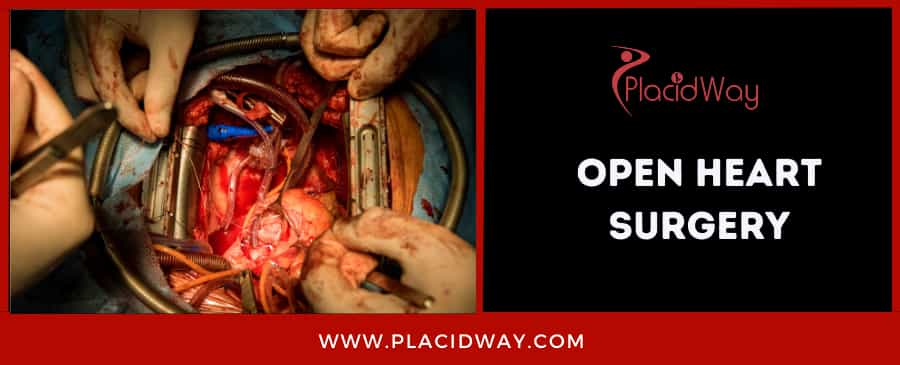
Considering Open Heart Surgery? Discover Your Global Treatment Options
Facing the need for open heart surgery can be an overwhelming experience, filled with questions about recovery, outcomes, and perhaps most pressingly, cost and accessibility. Whether you're experiencing persistent chest pain, shortness of breath, or have been diagnosed with a serious heart condition, understanding your treatment avenues is the first step towards a healthier future. Open heart surgery, often referred to when discussing procedures like Coronary Artery Bypass Graft (CABG), heart valve repair or replacement, or even aneurysm repair, is a critical intervention designed to restore proper heart function and extend life.
Globally, millions seek advanced cardiac care each year. For many, the high costs and long waiting lists in their home countries make international medical travel, or "medical tourism," an attractive and viable solution. This comprehensive guide will walk you through everything you need to know about open heart surgery, from recognizing symptoms and understanding causes to exploring world-class treatment options abroad, comparing costs, and ensuring a safe, successful journey towards recovery. If you're searching for "affordable heart surgery options," "best heart bypass surgery abroad," or "international cardiac treatment," you've come to the right place.
What are the Symptoms that Might Lead to Open Heart Surgery?
Recognizing the signs that your heart might need significant intervention is crucial. Many patients search for "heart disease symptoms" or "signs I need heart surgery" when their daily life is impacted. Common symptoms that could indicate the need for open heart surgery include:
- Chest Pain (Angina): A feeling of pressure, tightness, or aching in your chest, often radiating to the arm, neck, jaw, or back, especially during physical activity or stress.
- Shortness of Breath (Dyspnea): Difficulty breathing, particularly with exertion or when lying down, which can indicate your heart isn't pumping enough blood.
- Fatigue and Weakness: Persistent tiredness, even after rest, and a general lack of energy due to reduced blood flow to the body's tissues.
- Palpitations: A sensation of a racing, pounding, or fluttering heart, which might signal an arrhythmia or valve issue.
- Swelling (Edema): Swelling in the legs, ankles, and feet, a common sign of heart failure as the heart struggles to pump blood effectively.
- Lightheadedness or Dizziness: Caused by a decrease in blood flow to the brain.
These symptoms, especially if worsening or occurring at rest, warrant immediate medical evaluation. They are often signals of advanced coronary artery disease, heart valve disease, or other structural heart problems that may require surgical repair.
What Causes Heart Conditions Requiring Open Heart Surgery?
Understanding the "causes of coronary artery disease" or "why do people need heart bypass" helps in both prevention and treatment planning. The primary reasons for needing open heart surgery include:
- Atherosclerosis (Coronary Artery Disease - CAD): This is the most common cause. Plaque—a buildup of cholesterol, fats, and other substances—hardens and narrows your arteries, restricting blood flow to the heart muscle. Severe blockages often lead to the need for a CABG.
- Heart Valve Disease: Valves can become stiff (stenosis) or leaky (regurgitation) due to aging, infection (rheumatic fever, endocarditis), or congenital defects. This forces the heart to work harder, leading to symptoms and potential damage.
- Aortic Aneurysm: A bulge in the aorta (the body's main artery) that can weaken and potentially rupture, requiring surgical repair.
- Congenital Heart Defects: Structural problems with the heart present at birth, such as holes in the heart or abnormal connections, which may require correction later in life.
- Heart Failure: While not a direct cause, severe heart failure due to other conditions might eventually necessitate procedures like ventricular assist device implantation or even heart transplantation.
Risk factors contributing to these conditions include high blood pressure, high cholesterol, diabetes, smoking, obesity, lack of physical activity, and a family history of heart disease.
What Types of Open Heart Surgery Procedures Are Available?
When searching for "types of heart surgery" or "open heart bypass surgery types," you'll encounter several common procedures:
- Coronary Artery Bypass Graft (CABG): Often called "bypass surgery," this procedure reroutes blood around blocked coronary arteries using a healthy blood vessel (graft) taken from another part of the body. It restores blood flow to the heart muscle.
- Heart Valve Repair or Replacement: Surgeons either repair existing heart valves (e.g., by reshaping, patching, or separating fused leaflets) or replace them with artificial (mechanical) or biological (tissue) valves.
- Aortic Aneurysm Repair: Involves replacing the weakened section of the aorta with a synthetic graft to prevent rupture.
- Repair of Congenital Heart Defects: Corrective surgeries for conditions like atrial septal defects (ASD) or ventricular septal defects (VSD), which are holes in the heart walls.
- Heart Transplant: In severe cases of heart failure, a diseased heart is replaced with a healthy donor heart (less common for medical tourism due to organ matching complexities).
The choice of procedure depends on the specific heart condition, its severity, and the patient's overall health.
Who is an Ideal Candidate for Open Heart Surgery?
Many patients wonder "who needs heart bypass" or "eligibility for heart valve replacement." An individual is generally considered an ideal candidate for open heart surgery if:
- They have severe coronary artery disease with multiple blockages that cannot be effectively treated with less invasive procedures like angioplasty and stenting.
- They have significant heart valve disease (stenosis or regurgitation) causing severe symptoms and impacting heart function.
- They have an aortic aneurysm that is large or growing rapidly, posing a risk of rupture.
- They have certain complex congenital heart defects requiring surgical correction.
- Their overall health condition allows them to withstand a major surgical procedure and recover effectively. This includes considering factors like lung function, kidney function, and the presence of other chronic diseases.
A comprehensive evaluation by a cardiologist and cardiothoracic surgeon, including diagnostic tests like angiograms, echocardiograms, and stress tests, will determine the best course of action.
What is the Recovery Time and What Can I Expect Post-Surgery?
Understanding the "open heart surgery recovery timeline" and "life after heart bypass" is crucial for patients and their families. Here’s a general overview:
- Hospital Stay: Typically 5 to 7 days. This includes a period in the Intensive Care Unit (ICU) for close monitoring, followed by transfer to a regular hospital room.
- Initial Recovery (First 6 Weeks): You'll experience pain, fatigue, and difficulty with mobility. Pain medication will be prescribed. Cardiac rehabilitation will begin, involving supervised exercises and education on lifestyle changes. Activities like lifting heavy objects, driving, and strenuous exercise will be restricted.
- Full Recovery (6-12 Weeks and Beyond): Most patients can return to light activities and work around 6-8 weeks, but full recovery, including regaining strength and stamina, can take up to 3-6 months or even longer. Lifestyle modifications, including diet, exercise, and medication adherence, are vital for long-term success.
You can expect a surgical scar down the center of your chest. Emotional recovery is also important, as patients may experience mood swings or depression post-surgery.
What Are the Potential Risks and Side Effects of Open Heart Surgery?
Patients often search for "risks of heart bypass surgery" or "complications of open heart surgery." While open heart surgery is a life-saving procedure, like any major surgery, it carries potential risks:
- Bleeding: During or after surgery.
- Infection: At the incision site or within the chest.
- Blood Clots: Which can lead to stroke or pulmonary embolism.
- Stroke: A serious complication that can cause permanent brain damage.
- Heart Attack: Can occur during or after surgery, though it's typically performed to prevent future attacks.
- Kidney Failure: Temporary or permanent, particularly in patients with pre-existing kidney issues.
- Arrhythmias: Irregular heartbeats, often temporary.
- Lung Complications: Such as pneumonia or difficulty breathing.
- Memory Loss or Cognitive Changes: Often temporary and mild, sometimes referred to as "pump head."
- Adverse Reaction to Anesthesia: Rare but possible.
Modern surgical techniques, advanced monitoring, and experienced medical teams have significantly reduced these risks, making open heart surgery safer than ever before. Your medical team will discuss all potential risks with you in detail.
How Does the Cost of Open Heart Surgery Compare Worldwide?
For many, the "cost of heart surgery abroad" or "affordable bypass surgery" is a major motivator for medical travel. The price difference for open heart surgery, particularly procedures like CABG or valve replacement, can be staggering between Western countries and popular medical tourism destinations. Here’s an illustrative comparison:
| Country | Estimated Cost (USD) for CABG/Valve Surgery | Notes |
|---|---|---|
| USA | $70,000 - $200,000+ | Highest costs, long wait times for non-urgent cases. |
| UK (NHS) | Funded, but significant wait lists; Private: $50,000 - $100,000+ | Long wait times common for elective procedures. |
| Canada | Funded, but significant wait lists; Private: $40,000 - $80,000+ | Similar to UK, wait times are a concern. |
| India | $5,000 - $15,000 | Very competitive pricing, world-class facilities, highly experienced surgeons. |
| Turkey | $10,000 - $25,000 | Excellent medical infrastructure, JCI-accredited hospitals, cultural experience. |
| Mexico | $15,000 - $30,000 | Proximity to USA, growing medical tourism sector, modern hospitals. |
| Thailand | $15,000 - $30,000 | High-quality care, renowned hospitality, exotic destination. |
These costs typically include the surgeon's fees, hospital stay, anesthesia, and sometimes even initial post-operative follow-ups. However, travel, accommodation, and extended recovery outside the hospital are usually separate.
Why Consider Open Heart Surgery Abroad for Treatment?
The "benefits of international heart surgery" and "medical tourism for heart surgery" are clear for many patients:
- Significant Cost Savings: As seen in the table above, the difference can be tens of thousands, making life-saving surgery accessible.
- Reduced Waiting Times: In countries with universal healthcare, wait times for elective (but often crucial) surgeries can be lengthy. Traveling abroad allows for quicker access to treatment.
- Access to World-Class Specialists and Technology: Many international hospitals boast highly trained surgeons, often educated in Western countries, and utilize the latest medical technology and techniques.
- Comprehensive Treatment Packages: Many medical tourism providers offer all-inclusive packages covering surgery, hospital stay, medications, initial recovery, and sometimes even accommodation and airport transfers.
- Privacy and Anonymity: Some patients prefer the discretion that comes with receiving treatment away from their home country.
It's like getting an essential, high-quality car engine overhaul at a fraction of the price, without compromising on expertise or parts, because labor and overhead costs are lower.
Which Countries Offer the Best Value for Open Heart Surgery?
When researching the "best country for heart bypass surgery" or "top medical tourism destinations heart surgery," several nations consistently stand out:
- India: A global leader in cardiac medical tourism, known for its highly skilled cardiothoracic surgeons, JCI-accredited hospitals, and extremely competitive pricing.
- Turkey: Offers a blend of modern medical facilities, experienced surgeons, and a rich cultural experience. Many hospitals are JCI-accredited and cater specifically to international patients.
- Mexico: A convenient option for North American patients, providing state-of-the-art hospitals with bilingual staff and significant cost savings.
- Thailand: Famous for its hospitality, Thailand also boasts world-class hospitals with international accreditations and highly trained medical professionals, particularly in Bangkok and Phuket.
- Malaysia: A rising star in medical tourism, offering excellent healthcare infrastructure, skilled doctors, and attractive prices, especially in Kuala Lumpur and Penang.
These countries have invested heavily in their healthcare infrastructure, making them reliable choices for complex procedures like open heart surgery.
What Should I Expect When Traveling for This Procedure?
Preparing for "traveling for heart surgery overseas" or "medical tourism planning heart surgery" involves several key steps:
- Initial Consultation & Planning: You'll typically have virtual consultations with the international medical team. Share your medical records, diagnostics, and discuss the proposed treatment plan.
- Travel Logistics: This includes arranging flights, visas (if necessary), and accommodation for yourself and any accompanying family members. Many facilitators offer assistance with these arrangements.
- Arrival and Pre-Op: Upon arrival, you'll undergo thorough pre-operative assessments, including blood tests, imaging, and consultations with your surgical team.
- Surgery and Hospital Stay: The procedure itself will be followed by a hospital stay for recovery, including time in the ICU and a regular ward.
- Post-Operative Care & Follow-up: You'll receive post-operative care, medication, and instructions for recovery. Many patients stay for an additional 1-2 weeks in local accommodation for initial outpatient recovery and follow-up appointments before flying home.
- Return Home: Your medical team will provide guidelines for flying and continued care back in your home country.
It's like planning a critical business trip where every detail, from travel to meetings (surgery), and follow-ups, is meticulously managed for a successful outcome.
How Can I Ensure Safety and Quality for My Procedure Abroad?
Concerns about "safe heart surgery abroad" or "finding quality medical care overseas" are valid. Here’s how to mitigate risks:
- Accreditation: Look for hospitals with international accreditations, particularly Joint Commission International (JCI). This signifies adherence to global standards of patient safety and quality.
- Surgeon Credentials: Verify the surgeon's qualifications, experience, and specialization in cardiac surgery. Many international surgeons have trained or practiced in Western countries.
- Technology and Infrastructure: Ensure the hospital uses modern equipment and has robust ICU facilities and support staff.
- Patient Testimonials and Reviews: Read real patient experiences and ask for references.
- Communication: Ensure clear communication channels with the medical team, preferably in your native language, or with translation services readily available.
- Medical Tourism Facilitator: Working with a reputable medical tourism company like PlacidWay can provide an extra layer of vetting, planning, and support, connecting you with trusted providers.
- Understand the Package: Know exactly what’s included in the cost and what’s not to avoid surprises.
Just as you wouldn't trust your car to an uncertified mechanic, ensure your heart is in the hands of internationally recognized experts.
What Are Patient Success Stories and Outcomes from Abroad?
The numerous "heart surgery abroad reviews" and "successful medical tourism stories" highlight the positive experiences of patients who have traveled for open heart surgery. Patients often share stories of:
- Restored Quality of Life: Many report being able to return to activities they loved, like walking, gardening, or playing with grandchildren, without pain or breathlessness.
- Improved Health Metrics: Post-operative check-ups often show significantly improved heart function, reduced symptoms, and better overall health markers.
- High Satisfaction with Care: Patients frequently praise the attentive nursing staff, the expertise of their surgeons, and the state-of-the-art facilities, often exceeding expectations compared to their home country’s healthcare.
- Financial Relief: The ability to access life-saving surgery at an affordable price, avoiding crippling debt, is a recurring theme in success stories.
These stories are a testament to the fact that high-quality, life-changing cardiac care is accessible globally, offering hope and health to those who need it most.
Take the Next Step with PlacidWay
Ready to explore treatment options abroad? Discover top clinics, compare prices, and get a free quote tailored to your needs with PlacidWay.
Heart Surgery Abroad, Cardiac Care Abroad




.png)
.png)
.png)
.png)


















Share this listing