
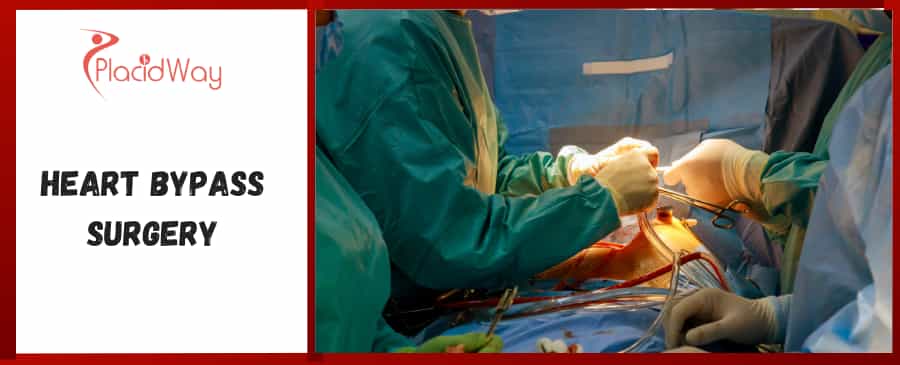
Reclaim Your Heart Health: Understanding Heart Bypass Surgery & Global Options
Discovering you need heart bypass surgery can be a life-altering moment, filled with questions, concerns, and a strong desire to find the best possible care. Coronary Artery Bypass Grafting (CABG), commonly known as heart bypass surgery, is a critical procedure designed to restore healthy blood flow to your heart when its own arteries become narrowed or blocked. This life-saving intervention helps alleviate severe symptoms, prevent heart attacks, and significantly improve long-term heart health.
If you've been diagnosed with Coronary Artery Disease (CAD), characterized by the buildup of plaque in the arteries supplying your heart, you might experience symptoms like persistent chest pain (angina), shortness of breath, or fatigue. These are often clear signals that your heart isn't getting enough oxygen-rich blood. While medication and lifestyle changes are initial steps, for severe cases, especially when multiple arteries are affected or blockages are extensive, bypass surgery becomes the recommended path.
In your search for solutions, you might be asking, "What exactly is heart bypass surgery?", "How long does recovery take?", or "What are the risks involved?". Beyond these clinical questions, many patients also explore global options, wondering "How much does heart bypass surgery cost abroad?" or "Which countries offer the best heart care?". This comprehensive guide aims to address all your concerns, providing clear, empathetic information about heart bypass surgery, its benefits, risks, recovery, and why considering medical tourism might offer a viable, high-quality solution for your heart health journey.
What are the Symptoms of Coronary Artery Disease (CAD) Requiring Bypass Surgery?
Understanding the signs your body sends is crucial for early detection and intervention. Coronary Artery Disease (CAD) often develops silently over years, but as blockages worsen, symptoms become more noticeable. When arteries supplying blood to the heart are significantly narrowed, the heart muscle struggles to get the oxygen and nutrients it needs, leading to various forms of discomfort. The most common and telling symptom is angina, which can manifest as:
- Chest Pain or Discomfort: Often described as pressure, tightness, squeezing, or a heavy feeling in the chest. This pain may occur during physical activity or emotional stress and typically subsides with rest. Patients often search for "what does chest pain feel like when it's heart-related" or "signs of a heart attack."
- Shortness of Breath (Dyspnea): Feeling winded or unable to catch your breath, particularly during exertion or even at rest in severe cases. This happens because the heart isn't pumping enough blood to meet the body's oxygen demands.
- Fatigue: Unusual and persistent tiredness, especially if it interferes with daily activities.
- Pain in Other Body Parts: Discomfort can radiate to your arms (often the left), jaw, neck, back, or stomach.
- Nausea or Lightheadedness: Less common but can occur, especially in women.
If you experience any of these symptoms, especially if they are new, worsening, or occur with minimal exertion, it’s imperative to seek medical attention immediately. These can be "signs of blocked arteries" that may eventually require interventions like heart bypass surgery.
What Causes Coronary Artery Disease (CAD) and Who is at Risk?
The root cause of Coronary Artery Disease (CAD) is a process called atherosclerosis. This is where fatty deposits, cholesterol, cellular waste products, calcium, and fibrin build up on the inner walls of your coronary arteries, forming plaque. Over time, this plaque hardens and narrows the arteries, restricting blood flow to your heart. It’s like a garden hose slowly getting clogged with mineral deposits.
Several factors increase your likelihood of developing CAD, often referred to as "why do arteries get blocked" or "risk factors for heart disease":
- High Blood Pressure (Hypertension): Damages arterial walls, making them more susceptible to plaque buildup.
- High Cholesterol: Especially high LDL ("bad") cholesterol contributes to plaque formation.
- Diabetes: High blood sugar levels can damage blood vessels throughout the body.
- Smoking: Nicotine and other chemicals in tobacco smoke severely damage blood vessel walls and accelerate atherosclerosis.
- Obesity: Often linked to other risk factors like high blood pressure, diabetes, and high cholesterol.
- Lack of Physical Activity: Contributes to obesity and other risk factors.
- Unhealthy Diet: High in saturated fats, trans fats, cholesterol, sodium, and sugar.
- Age: Risk increases with age; men generally have a higher risk after age 45, women after age 55.
- Family History of Heart Disease: A genetic predisposition can increase your risk.
Managing these risk factors through lifestyle changes and medical treatment can significantly reduce your chances of developing severe CAD and potentially needing bypass surgery.
What Exactly is Heart Bypass Surgery (CABG) and How Does it Work?
Heart bypass surgery, or Coronary Artery Bypass Grafting (CABG), is a surgical procedure designed to improve blood flow to the heart muscle when one or more coronary arteries are significantly blocked or narrowed. The goal is to "bypass" the diseased segments of the arteries. If you're asking "how does a heart bypass work?", imagine a detour built around a traffic jam on a major road.
During the surgery, a surgeon takes a healthy blood vessel (a "graft") from another part of your body – typically the chest wall (internal mammary artery), leg (saphenous vein), or arm (radial artery). This graft is then surgically attached to the aorta (the body's main artery) and to the coronary artery below the point of the blockage. This creates a new pathway, allowing blood to flow around the obstruction and reach the heart muscle.
There are a few variations of the procedure:
- On-Pump CABG: This is the traditional method, where the heart is temporarily stopped, and a heart-lung machine takes over the functions of the heart and lungs during the surgery.
- Off-Pump CABG ("Beating Heart" Surgery): In some cases, surgeons can perform the bypass while the heart is still beating, using stabilization devices to keep the surgical area still. This might be considered for patients with certain risk factors or conditions.
- Minimally Invasive Direct Coronary Artery Bypass (MIDCAB): A smaller incision is made, typically for single-vessel blockages, avoiding the need to open the sternum completely.
The choice of technique depends on the number and location of blockages, as well as your overall health. The procedure aims to relieve symptoms like angina, reduce the risk of future heart attacks, and improve your heart's pumping function. It's a critical intervention for those with significant "coronary artery bypass graft explained" needs.
Who is a Good Candidate for Heart Bypass Surgery? (Eligibility Criteria)
Deciding whether heart bypass surgery is the right course of action is a complex decision made by your cardiology team. If you're asking "am I eligible for bypass surgery?" or "when is bypass surgery necessary?", here are the common criteria:
- Severe Coronary Artery Disease: Especially if you have multiple blocked or significantly narrowed coronary arteries (e.g., triple vessel disease).
- Left Main Coronary Artery Disease: Blockage in the left main artery is particularly critical as it supplies a large portion of the heart muscle.
- Blockages Not Suitable for Stenting (Angioplasty): Some blockages are too complex, long, or located in areas that cannot be effectively treated with angioplasty and stent placement.
- Persistent Angina: If you continue to experience severe chest pain even after trying medications and lifestyle changes.
- Reduced Heart Function: If CAD has already weakened your heart muscle's pumping ability.
- Failed Previous Angioplasty: In cases where a stent procedure has failed or the artery has re-narrowed.
Beyond the severity of CAD, your overall health plays a significant role. Doctors will assess your lung function, kidney function, and other medical conditions to ensure you can safely undergo and recover from major surgery. While age is a factor, it's physiological age and overall health, rather than chronological age alone, that determines suitability.
What is the Recovery Time and What Can I Expect After Heart Bypass Surgery?
Recovery from heart bypass surgery is a gradual process, but with patience and adherence to medical advice, most patients achieve excellent long-term results. If you're wondering "how long does it take to recover from bypass surgery?" or "what is life after heart bypass like?", here’s a general timeline and what to expect:
- Hospital Stay (5-7 days):
- Immediately after surgery, you'll be in the Intensive Care Unit (ICU) for 1-2 days for close monitoring.
- You'll then move to a regular hospital room. Pain management will be a priority.
- Early mobilization is encouraged, starting with sitting up, then walking short distances.
- First Few Weeks at Home (Weeks 1-6):
- Pain and discomfort are common, especially around the incision sites. Your doctor will prescribe pain medication.
- You'll need to limit lifting, pushing, and pulling to protect your sternum as it heals (usually 6-8 weeks).
- Fatigue is normal. Rest is crucial, but light activities like short walks are encouraged.
- Cardiac rehabilitation will likely begin, providing supervised exercise and education.
- Longer-Term Recovery (Weeks 6-12 and beyond):
- Most patients can gradually return to normal activities, including driving, light household chores, and even work, by 6-12 weeks.
- Cardiac rehab is vital for strengthening your heart, improving stamina, and adopting a heart-healthy lifestyle.
- Full recovery, including emotional and mental well-being, can take several months.
Adhering to your doctor's instructions, taking medications as prescribed, participating in cardiac rehab, and making heart-healthy lifestyle changes are key to a successful recovery and improved quality of life.
What are the Potential Risks and Side Effects of Heart Bypass Surgery?
While heart bypass surgery is generally safe and highly effective, especially for appropriate candidates, it is a major operation with potential risks and side effects. When considering "is heart bypass surgery risky?" or "what are the complications of CABG?", it’s important to be fully informed:
- Bleeding: Both during and after surgery, requiring blood transfusions.
- Infection: At the incision site (chest or graft harvest site) or within the chest.
- Blood Clots: Can lead to heart attack, stroke, or pulmonary embolism.
- Stroke: A serious complication that can result in long-term neurological problems.
- Heart Attack: Although designed to prevent heart attacks, one can occur during or soon after surgery.
- Arrhythmias (Irregular Heartbeat): Common after surgery, often temporary and treatable.
- Kidney Problems: Especially if you have pre-existing kidney issues.
- Pneumonia or Lung Complications: Due to prolonged immobility or anesthesia.
- Cognitive Changes: Some patients experience temporary memory loss, difficulty concentrating, or "pump-head" if a heart-lung machine was used. These often improve over time.
- Emotional Distress: Depression, anxiety, and mood swings are common after major heart surgery.
Your medical team will assess your individual risk factors and take precautions to minimize these complications. The benefits of bypass surgery in treating severe CAD often far outweigh these potential risks.
Heart Bypass Surgery Cost Comparison: Global Prices for Value and Quality
The cost of heart bypass surgery is a significant factor for many patients, especially those without adequate insurance coverage or facing high deductibles. If you're asking "how much does heart bypass surgery cost?" or "affordable heart surgery abroad," you'll find a wide disparity in prices globally, driven by healthcare system structures, labor costs, and living expenses.
Here’s a general comparison of heart bypass surgery costs (CABG) around the world. These figures are estimates and can vary based on hospital, surgeon's fees, length of stay, type of bypass (single, double, triple), and any complications:
| Country | Estimated Cost (USD) | Notes on Value |
|---|---|---|
| United States | $70,000 - $200,000+ | Highest costs globally; highly advanced technology and expertise. |
| United Kingdom | $40,000 - $80,000+ | Generally lower than US, but still substantial for private care. |
| India | $7,000 - $15,000 | Significant cost savings with JCI-accredited hospitals and highly experienced surgeons. |
| Turkey | $10,000 - $20,000 | Excellent modern facilities, JCI accredited, strong focus on medical tourism. |
| Mexico | $12,000 - $25,000 | Convenient for North American patients, growing number of high-quality hospitals. |
| Thailand | $15,000 - $25,000 | Renowned for patient-centered care, luxury facilities, and skilled specialists. |
| South Korea | $20,000 - $35,000 | Highly advanced medical technology and top-tier expertise. |
These comparisons highlight why many patients turn to medical tourism for significant cost savings without compromising on quality, often finding "affordable heart surgery abroad" options that meet international standards.
Why Consider Heart Bypass Surgery Abroad for Your Treatment?
The decision to travel abroad for a critical procedure like heart bypass surgery is often driven by compelling factors that offer a unique blend of value and opportunity. Many patients are exploring the "benefits of medical tourism for heart surgery" for several key reasons:
- Significant Cost Savings: As seen in the cost comparison, the most prominent driver is the drastic reduction in cost, often 50-80% less than in Western countries, making life-saving surgery accessible.
- Access to High-Quality Care and Expertise: Many international hospitals in medical tourism hubs boast JCI (Joint Commission International) accreditation, state-of-the-art technology, and highly experienced, English-speaking surgeons trained in Western countries.
- Reduced Wait Times: In some countries, patients face long waiting lists for essential procedures. Traveling abroad can offer immediate access to treatment, which is crucial for heart conditions.
- Comprehensive Packages: Many medical tourism providers offer all-inclusive packages that cover not just the surgery, but also accommodation, transfers, interpreter services, and post-operative care, simplifying the patient journey.
- Privacy and Anonymity: Some patients prefer the discretion that comes with receiving medical treatment away from their home country.
- Opportunity for Recovery in a Different Environment: For some, the change of scenery and the opportunity to recover in a pleasant, potentially vacation-like setting can be a psychological benefit.
Choosing to undergo heart bypass surgery abroad is a strategic decision that can provide excellent medical outcomes alongside substantial financial relief.
Which Countries Offer the Best Value and Quality for Heart Bypass Surgery?
When searching for "best countries for heart surgery" or "top hospitals for CABG abroad," several nations consistently rise to the top for offering an optimal balance of quality, affordability, and patient experience:
- India: A powerhouse in medical tourism, India is home to numerous JCI-accredited hospitals with world-renowned cardiac surgeons. They perform a high volume of complex heart surgeries annually, providing cutting-edge treatments at exceptionally competitive prices.
- Turkey: Istanbul, in particular, has become a major medical tourism destination. Turkish hospitals are known for their modern infrastructure, advanced technology, and high standards of patient care, with many surgeons having international training.
- Mexico: Offering geographical proximity for North American patients, Mexico has several internationally accredited hospitals, particularly in cities like Tijuana, Monterrey, and Mexico City, providing excellent cardiac care.
- Thailand: Known for its exceptional hospitality and patient-centered approach, Thailand offers luxurious hospitals with state-of-the-art cardiac centers. Patients often rave about the high standard of nursing care and comfortable recovery environments.
- South Korea: While slightly higher in cost than some other Asian destinations, South Korea provides incredibly advanced medical technology, leading-edge surgical techniques, and excellent outcomes, appealing to those prioritizing ultra-modern facilities.
These countries have invested heavily in their healthcare infrastructure and medical education, establishing themselves as reliable destinations for complex procedures like heart bypass surgery.
What to Expect When Traveling Abroad for Your Heart Bypass Procedure?
Embarking on a "medical travel guide for heart surgery" journey requires careful planning, but reputable medical tourism facilitators and hospitals make the process smooth. Here's what you can generally expect:
- Initial Consultation and Medical Review: You'll share your medical records, diagnostic reports, and current health status. Doctors abroad will review these, often through virtual consultations, to confirm your eligibility and recommend a treatment plan.
- Treatment Plan & Quote: You'll receive a detailed treatment plan, including the recommended procedure, estimated hospital stay, and a comprehensive cost estimate.
- Travel and Logistics Planning: Your medical tourism facilitator or hospital's international patient department will assist with visa applications, flight bookings, airport transfers, and arranging accommodation for you and your companion.
- Arrival and Pre-Operative Assessments: Upon arrival, you'll undergo thorough in-person medical evaluations, blood tests, and imaging to finalize the surgical plan. This is also a chance to meet your surgical team.
- The Procedure and Hospital Stay: After your surgery, you'll spend time in the ICU and then a regular ward, following the recovery timeline discussed earlier.
- Post-Operative Care and Follow-up: Before discharge, you'll receive detailed instructions for wound care, medication, and activity restrictions. Many hospitals offer tele-consultations for post-discharge follow-up once you return home.
- Local Support: Many hospitals provide dedicated patient coordinators or interpreters to assist you throughout your stay, ensuring a comfortable experience.
Being prepared and communicating openly with your medical team and facilitator will ensure a seamless experience.
How to Ensure Safety and Quality When Choosing a Hospital Abroad?
When making a decision about your heart health, quality and safety are paramount. If you're looking for "safe medical tourism for heart bypass" or "how to choose an overseas hospital," consider these crucial steps:
- Accreditation: Look for international accreditations, particularly Joint Commission International (JCI) accreditation. JCI standards are rigorous and ensure adherence to international best practices in patient safety and quality of care.
- Surgeon Credentials and Experience: Research the surgeon's qualifications, experience, and specialization in cardiac surgery. Many top international surgeons have Western training and affiliations. Ask about their success rates for CABG.
- Hospital Technology and Facilities: Ensure the hospital has state-of-the-art operating theaters, ICU facilities, diagnostic equipment, and a dedicated cardiac department.
- Patient Reviews and Testimonials: Read reviews from previous international patients. Medical tourism facilitators can often provide references or case studies.
- Transparency and Communication: Choose a hospital or facilitator that communicates clearly, provides detailed information about the procedure, costs, and potential risks, and offers easy access to medical staff.
- Comprehensive Care Packages: Confirm what is included in your package – pre-op tests, surgery, hospital stay, medications, physician fees, post-op follow-ups, and rehabilitation.
- Emergency Protocols: Inquire about the hospital's emergency protocols and what would happen in case of complications.
- Language Support: Ensure that English-speaking staff or interpreters will be readily available throughout your treatment.
Thorough due diligence and working with a reputable medical tourism agency can significantly enhance the safety and quality of your experience.
Real Patient Stories: Success with Heart Bypass Surgery Abroad
The true measure of medical tourism's success lies in the improved lives of patients. Many individuals, facing daunting costs or long wait times in their home countries, have found renewed health through heart bypass surgery abroad. These are not just statistics; they are stories of individuals who once felt limited by angina and fatigue, now enjoying active, fulfilling lives.
For example, John, a retired teacher from the UK, needed a triple bypass but faced a year-long wait. He traveled to India, underwent successful surgery, and was back home in a few weeks, having paid a fraction of the private UK cost. He often shares how he's now back to playing golf and spending quality time with his grandchildren, free from debilitating chest pain.
Similarly, Maria from the US, without sufficient insurance, found an accredited hospital in Mexico that performed her double bypass for less than her deductible at home. She praises the attentive nursing staff and the personalized care she received, emphasizing that the experience was not just about saving money, but about receiving compassionate, high-quality treatment that gave her back her vitality.
These "heart bypass abroad testimonials" underscore a common theme: accessible, high-quality care that not only addresses the medical condition but also offers a pathway to a better quality of life that might otherwise be out of reach. These stories serve as powerful encouragement for those considering their options globally.
Take the Next Step with PlacidWay
Ready to explore treatment options abroad? Discover top clinics, compare prices, and get a free quote tailored to your needs with PlacidWay.
Heart Surgery Abroad, Cardiac Care Abroad





.png)
.png)


















Share this listing