
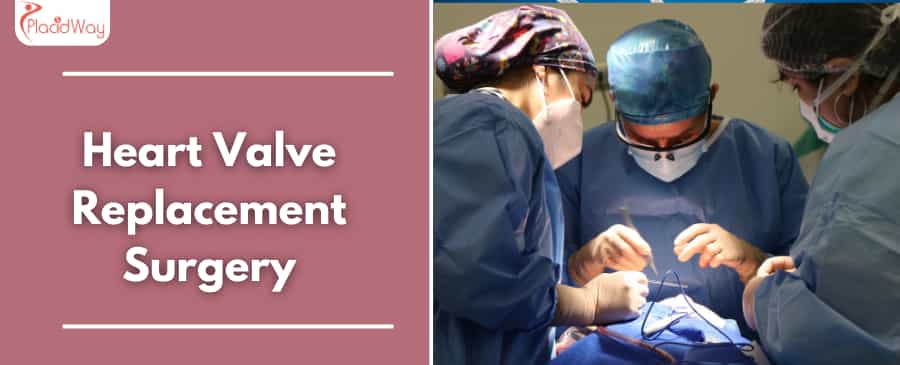
A New Beat: Your Path to Heart Valve Replacement Abroad
Imagine your heart, a powerful pump, working tirelessly to circulate blood throughout your body. This intricate process relies on four crucial valves that ensure blood flows in the right direction and at the right time. But what happens when one of these valves doesn't work as it should? Conditions like stenosis (narrowing) or regurgitation (leaking) can severely impact your heart's efficiency, leading to symptoms that range from breathlessness and fatigue to chest pain and swelling.
For many, the solution is heart valve replacement surgery – a life-changing procedure designed to restore healthy blood flow and improve overall quality of life. While this surgery is a major medical intervention, the thought of undergoing it can be daunting, especially when considering factors like high costs, long waiting lists, or limited access to advanced techniques in one's home country.
This is where medical tourism offers a beacon of hope. For individuals seeking superior cardiac care without the prohibitive price tag or extensive delays, looking beyond borders for heart valve replacement surgery has become an increasingly popular and viable option. Countries renowned for their medical expertise, state-of-the-art facilities, and experienced cardiac surgeons are opening their doors, providing world-class treatment at a fraction of the cost. This comprehensive guide will walk you through everything you need to know about heart valve replacement surgery, exploring the benefits of medical tourism, what to expect, and how to make an informed decision for your heart's health.
What are the Symptoms of a Diseased Heart Valve?
Recognizing the symptoms of a faulty heart valve is the first step towards seeking treatment. These symptoms often develop gradually, and you might initially dismiss them as signs of aging or general fatigue. However, as the condition progresses, they can significantly impact your daily life.
Common indicators include persistent shortness of breath, especially during exertion or when lying flat, a feeling of extreme tiredness or weakness, chest discomfort or pain, and lightheadedness or fainting spells. You might also notice swelling in your ankles, feet, or abdomen, which indicates fluid retention due to your heart's reduced pumping ability. If you experience any of these symptoms, it's crucial to consult a healthcare professional for an accurate diagnosis and appropriate management.
Am I a Candidate for Heart Valve Replacement Surgery?
Determining if you are a candidate for heart valve replacement surgery involves a thorough evaluation by a cardiologist and a cardiac surgical team. They will consider several factors, including the specific heart valve affected, the severity of the damage (e.g., how much the valve is narrowed or leaking), and how significantly your symptoms are impacting your quality of life.
Your overall health, including any other medical conditions like diabetes, kidney disease, or lung problems, will also be assessed. While surgery is typically recommended for severe valve disease causing symptoms, it may also be considered for asymptomatic patients with certain high-risk valve conditions. Advanced diagnostic tests such as echocardiograms, electrocardiograms (ECGs), stress tests, and cardiac catheterization will provide detailed information about your heart's function and the extent of valve damage, guiding the decision-making process.
What are the Different Types of Heart Valve Replacement Procedures?
Heart valve replacement surgery has evolved significantly, offering various approaches and valve types tailored to individual patient needs. The primary goal remains the same: to replace a malfunctioning valve with a new, functional one. Understanding the options is key to making an informed decision with your medical team.
Types of Replacement Valves:
- Mechanical Valves: These are made from durable materials like carbon and polyester. They are highly durable and designed to last a lifetime. However, patients with mechanical valves require lifelong anticoagulant (blood-thinning) medication to prevent blood clots from forming on the valve, which can lead to strokes.
- Biological (Tissue) Valves: These valves are made from animal tissue (e.g., porcine from pigs, bovine from cows) or, less commonly, human donor tissue. They generally do not require lifelong anticoagulation, which is a significant advantage for many patients. However, tissue valves are less durable than mechanical valves and typically need to be replaced after 10-20 years, especially in younger patients.
Surgical Approaches:
- Open-Heart Surgery (Traditional Valve Replacement): This is the most common approach, involving a sternotomy (an incision through the breastbone) to access the heart. The patient is placed on a heart-lung machine, which takes over the function of the heart and lungs during the procedure. The surgeon then removes the diseased valve and implants the new one. This method allows for a clear view and direct access to the heart.
- Minimally Invasive Heart Valve Surgery: This approach uses smaller incisions, often on the side of the chest, avoiding a full sternotomy. Surgeons use specialized instruments and cameras to perform the surgery. Benefits can include less pain, smaller scars, reduced blood loss, and a potentially quicker recovery compared to traditional open-heart surgery.
- Transcatheter Aortic Valve Replacement (TAVR) / Transcatheter Aortic Valve Implantation (TAVI): Primarily used for aortic valve replacement, TAVR is a less invasive procedure where a new valve is inserted through a catheter, usually from an artery in the groin. It's often preferred for patients who are considered high-risk for traditional open-heart surgery due to age or other medical conditions. The diseased valve is not removed but rather pushed aside by the new, expandable valve.
- Transcatheter Mitral Valve Replacement (TMVR): Similar to TAVR, TMVR is an emerging less-invasive option for mitral valve repair or replacement, typically for patients unsuitable for open-heart surgery. Research and development in this area are rapidly advancing.
The choice of valve type and surgical approach depends on numerous factors, including your age, overall health, specific valve condition, lifestyle, and your medical team's expertise. A comprehensive discussion with your cardiologist and cardiac surgeon is essential to determine the best option for your individual case.
What is the Recovery Process Like After Heart Valve Replacement Surgery?
Recovery from heart valve replacement surgery is a gradual process that varies for each individual, but generally follows a predictable timeline. Immediately after surgery, you'll spend a day or two in the intensive care unit (ICU) for close monitoring, followed by several days in a regular hospital ward. During this time, the medical team will manage your pain, monitor your heart function, and help you gradually start moving around.
Once discharged, you'll continue your recovery at home for several weeks to months. It's common to experience fatigue, muscle soreness, and some discomfort around the incision site. Adhering to your doctor's instructions regarding activity restrictions, wound care, and medication is crucial. Many patients participate in cardiac rehabilitation programs, which involve supervised exercise, education on heart-healthy living, and emotional support to help them regain strength, improve cardiovascular fitness, and make sustainable lifestyle changes.
Why Choose Medical Tourism for Heart Valve Replacement Surgery?
For many patients, the decision to seek heart valve replacement surgery abroad is driven by compelling advantages that traditional domestic healthcare systems might not offer. The most significant factor is often cost. In countries like the USA or Western Europe, the price of this complex surgery can be exorbitant, often reaching well into six figures, even with insurance, making it inaccessible for many.
Beyond cost, medical tourism provides access to world-class facilities equipped with cutting-edge technology and highly skilled, internationally trained cardiac surgeons who perform a high volume of these procedures. This high volume can translate to greater expertise and potentially better outcomes. Additionally, patients facing long waiting lists in their home countries can often secure timely appointments for surgery abroad, preventing further deterioration of their condition. The appeal is further enhanced by the prospect of recovering in a serene, often beautiful, new environment, combining a necessary medical procedure with a unique travel experience.
Which Countries Offer the Best Heart Valve Replacement Surgery Options?
Several countries have established themselves as leaders in medical tourism, particularly for complex cardiac procedures like heart valve replacement. These destinations boast a combination of advanced medical technology, highly qualified surgeons, international accreditations, and competitive pricing, making them attractive options for global patients.
India is a powerhouse in medical tourism, known for its highly skilled cardiologists and state-of-the-art hospitals accredited by international bodies like JCI (Joint Commission International). They offer comprehensive cardiac care at a fraction of Western costs. Turkey has also emerged as a popular choice, particularly for its modern facilities, experienced surgeons, and strategic location. Other notable countries include Mexico, especially for North American patients seeking proximity and affordability; Thailand, which offers excellent medical services combined with renowned hospitality; and South Korea, known for its technological advancements and highly specialized medical professionals. When choosing a destination, it's vital to research specific hospitals and surgeon credentials within these countries.
How Does Medical Tourism for Heart Valve Surgery Work?
The process of undergoing heart valve replacement surgery through medical tourism is designed to be as seamless as possible, often with the assistance of a medical tourism facilitator. It usually begins with an initial inquiry, where you provide your medical records, diagnostic reports, and a brief history to the facilitator or directly to a chosen international hospital.
The hospital's medical team will then review your case and provide a treatment plan, including the recommended procedure, an estimated cost, and the surgeon's profile. Once you accept, the facilitator helps with travel logistics like flights, accommodation, and local transportation. Upon arrival, you'll undergo pre-operative consultations and tests. After the surgery and initial recovery period, you'll receive instructions for post-operative care and follow-up before returning home. Many medical tourism packages also include language translation services, ensuring clear communication throughout your journey.
What Should I Consider When Planning Heart Valve Replacement Abroad?
Planning heart valve replacement surgery abroad requires careful consideration to ensure a safe and successful experience. First and foremost, verify the accreditation of the hospital or clinic. Look for international accreditations like JCI (Joint Commission International), which signifies adherence to global standards of patient safety and quality of care. Research your surgeon's credentials, experience with heart valve procedures, and patient testimonials.
It’s also important to understand the full scope of costs involved. While the surgery itself might be cheaper, factor in travel expenses, accommodation for yourself and a companion, food, and potential unforeseen costs. Enquire about all-inclusive packages that cover medical fees, hospital stay, medication, and sometimes even accommodation and airport transfers. Furthermore, consider the duration of your stay, which typically needs to be longer than just the hospital recovery to allow for adequate initial healing before flying home. Communication is key, so check if language interpretation services are provided. Finally, discuss your post-operative care plan and how follow-up will be managed once you return to your home country.
Are There Risks Associated with Medical Tourism for Heart Valve Surgery?
Like any major medical procedure, heart valve replacement surgery carries inherent risks, regardless of where it's performed. When undertaking the procedure abroad, additional considerations come into play. One potential risk is the difficulty of post-operative follow-up care once you return home. Ensure your domestic healthcare provider is aware of your surgery abroad and is prepared to take over your long-term care, including managing any required blood thinners or monitoring the new valve.
Another concern can be variations in medical standards or unforeseen complications. This risk is largely mitigated by choosing JCI-accredited hospitals and highly reputable medical tourism facilitators. Communication barriers, though often addressed by translation services, can sometimes lead to misunderstandings. Thorough research, asking detailed questions, and choosing well-established institutions and experienced surgeons significantly reduce these potential risks, making the journey much safer and more predictable.
How Much Does Heart Valve Replacement Surgery Cost Worldwide?
The cost difference for heart valve replacement surgery is often the primary motivator for patients considering medical tourism. The disparity in pricing between Western nations and leading medical tourism destinations can be staggering, allowing patients to save tens of thousands of dollars without compromising on quality.
These cost variations are influenced by several factors, including lower labor costs, reduced administrative overheads, government support for healthcare infrastructure, and differences in insurance models. The table below illustrates typical price ranges for heart valve replacement surgery (excluding travel and accommodation unless specified in a package) in various countries. It's important to remember these are estimates and exact prices will depend on the specific procedure, hospital, surgeon, and any complications.
| Country | Estimated Cost (USD) | Notes |
|---|---|---|
| United States | $100,000 - $200,000+ | Highly variable, depends on insurance, hospital, and type of procedure. |
| United Kingdom | $70,000 - $120,000+ | Private sector costs; NHS often has long wait times. |
| India | $15,000 - $25,000 | JCI accredited hospitals, experienced surgeons, comprehensive packages. |
| Turkey | $18,000 - $30,000 | Modern facilities, competitive pricing, good for European patients. |
| Mexico | $20,000 - $35,000 | Proximity to USA, growing medical tourism infrastructure. |
| Thailand | $22,000 - $40,000 | High-quality care with excellent patient experience. |
| South Korea | $25,000 - $45,000 | Technologically advanced, highly specialized care. |
This table clearly demonstrates the potential for substantial savings when opting for heart valve replacement surgery in international medical tourism hubs. These costs typically include surgeon's fees, hospital stay, anesthesia, and basic medications, but always confirm what is included in your quote.
What is the Success Rate of Heart Valve Replacement Surgery?
The success rate of heart valve replacement surgery is generally very high, especially in patients who are otherwise in good health. For many, the procedure dramatically improves symptoms, enhances quality of life, and can extend life expectancy. Modern surgical techniques, advanced imaging, and meticulous post-operative care have continually improved outcomes over the years.
The exact success rate can vary based on several factors: the patient's age and overall health, the specific valve being replaced, whether it's an isolated procedure or combined with other surgeries (like bypass), and the experience of the surgical team. For instance, in low-risk patients, the mortality rate for isolated aortic valve replacement is often less than 2-3%. While no surgery is without risk, the benefits of heart valve replacement for patients with severe valve disease overwhelmingly outweigh the potential complications, leading to a much healthier and more active life.
Take the Next Step with PlacidWay
Ready to revitalize your heart's health with affordable and high-quality care? Your journey to a healthier heart is just a click away. Explore top-rated international clinics, compare prices, and get a free, personalized quote for your heart valve replacement surgery with PlacidWay. Let us help you plan a seamless and life-changing medical travel experience. Start your transformation today!
Heart Surgery Abroad, Cardiac Care Abroad








.png)










Share this listing