
Restore Your Heart's Rhythm: Understanding Pacemaker Procedures Abroad
Experiencing irregular heartbeats can be unsettling, impacting your daily life and overall well-being. When your heart's natural electrical system falters, a heart pacemaker can be a life-changing solution, restoring a steady rhythm and significantly improving your quality of life. For many, the thought of undergoing such a procedure can bring questions about cost, quality of care, and accessibility.
This is where medical tourism for heart pacemaker procedures shines. It offers a compelling opportunity to receive top-tier cardiac care in world-renowned facilities, often at a fraction of the cost found in Western countries, and without the long waiting lists. Imagine combining your essential medical treatment with the chance to recover in a serene, supportive environment, all while potentially saving thousands of dollars.
Whether you're exploring options for a new pacemaker implant or seeking a replacement, understanding the procedure, its benefits, and the landscape of international healthcare can empower you to make an informed decision. This comprehensive guide will walk you through everything you need to know about heart pacemaker procedures, from what they are and why you might need one, to how medical tourism can make this vital treatment accessible and affordable for you.
What is a Heart Pacemaker and Why is it Needed?
Your heart has a natural electrical system that controls its rhythm. When this system malfunctions, it can lead to arrhythmias – heartbeats that are too slow (bradycardia), too fast (tachycardia), or irregular. A heart pacemaker acts as a backup system, providing precisely timed electrical impulses to ensure your heart maintains a healthy and effective beat. It's like a tiny, vigilant conductor for your heart, stepping in only when the natural rhythm goes off-key.
The primary reasons for needing a pacemaker include:
- Bradycardia: A slow heart rate that can cause symptoms like dizziness, fatigue, shortness of breath, or fainting.
- Sick Sinus Syndrome: A condition where the heart's natural pacemaker (sinoatrial node) doesn't function properly.
- Heart Block: When the electrical signals from the upper chambers (atria) don't reach the lower chambers (ventricles) effectively, causing a slow or irregular heartbeat.
- Certain Heart Conditions: Sometimes, after a heart attack or during treatment for other cardiac issues, a pacemaker might be necessary to stabilize heart rhythm.
Symptoms indicating a potential need for a pacemaker often include persistent dizziness, chronic fatigue, fainting spells (syncope), shortness of breath, and chest discomfort. If you experience these symptoms, consulting a cardiologist for an evaluation is crucial.
What are the Different Types of Pacemakers and How Do They Work?
The type of pacemaker recommended will depend on your specific heart condition and needs. Here's a breakdown of the main types:
- Single-Chamber Pacemaker: This device typically has one lead, which is placed in either the right atrium or the right ventricle of the heart. It paces and senses in only one chamber. It's often used for patients with bradycardia where the issue is isolated to one chamber, or in cases of chronic atrial fibrillation with a slow ventricular response.
- Dual-Chamber Pacemaker: The most common type, it has two leads—one in the right atrium and one in the right ventricle. This allows it to monitor and pace both chambers, coordinating their contractions to mimic the heart's natural rhythm more closely. This synchronization helps optimize blood flow and is ideal for conditions like heart block.
- Biventricular Pacemaker (CRT-P): Also known as a Cardiac Resynchronization Therapy Pacemaker, this device has three leads: one in the right atrium, one in the right ventricle, and one on the outside of the left ventricle (via a vein). It's designed for patients with heart failure whose ventricles don't contract in sync. By pacing both ventricles simultaneously, CRT-P helps improve the heart's pumping efficiency and alleviates heart failure symptoms.
- Leadless Pacemaker: A revolutionary, miniature pacemaker that is implanted directly into the right ventricle without the need for traditional leads or a surgical pocket in the chest. It's significantly smaller than conventional pacemakers and offers a minimally invasive option for certain patients with single-chamber pacing needs, reducing some risks associated with leads and surgical pockets.
Each pacemaker type works by sensing the heart's electrical activity. If the heart rate drops below a preset minimum or if a pause in activity is detected, the pacemaker sends a tiny electrical pulse to stimulate the heart muscle, causing it to contract. This intricate dance ensures your heart maintains a consistent and life-sustaining rhythm.
Who is Eligible for a Heart Pacemaker?
Deciding if a pacemaker is right for you involves a thorough evaluation by a cardiologist. Generally, you may be considered eligible if you experience:
- Persistent and Symptomatic Bradycardia: A consistently slow heart rate that causes symptoms like fatigue, dizziness, fainting, or shortness of breath.
- High-Degree Atrioventricular (AV) Block: A serious condition where electrical signals are severely disrupted between the upper and lower heart chambers.
- Sick Sinus Syndrome: Dysfunction of the heart's natural pacemaker (sinus node) leading to alternating fast and slow rhythms or prolonged pauses.
- Certain types of Tachyarrhythmias: In some cases, a pacemaker can be used in conjunction with other devices (like an ICD) or to terminate certain fast rhythms.
- Heart Failure with Dyssynchrony: For biventricular pacemakers (CRT-P), patients with moderate to severe heart failure whose ventricles don't beat in sync are candidates.
The evaluation typically includes an electrocardiogram (ECG), Holter monitoring (wearing a portable ECG for 24-48 hours), echocardiogram, and sometimes an electrophysiology study (EPS). Your cardiologist will assess your overall health, medical history, and specific heart condition to determine the most appropriate course of action.
What is the Heart Pacemaker Procedure Like?
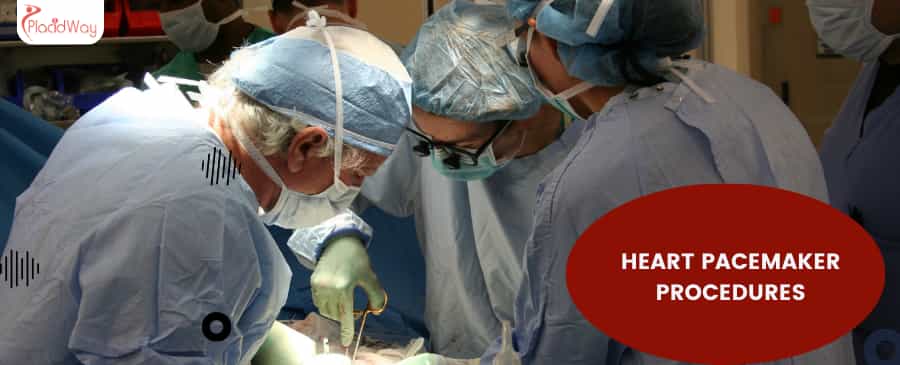
The pacemaker implantation is a routine cardiac procedure, typically performed in a hospital setting and usually lasts between one to two hours. Here’s a general overview of what to expect:
- Before the Procedure: You will be asked to fast for several hours. Once at the hospital, an intravenous (IV) line will be inserted, and you’ll receive a mild sedative to help you relax. The area where the pacemaker will be implanted (usually below the collarbone on your left or right side) will be cleaned and numbed with local anesthesia.
- During the Procedure: The surgeon will make a small incision (about 2-3 inches) under the collarbone. A lead (or leads) is then carefully guided through a vein into the appropriate chamber(s) of your heart, with the help of X-ray imaging. Once the leads are in place and confirmed to be working correctly, they are connected to the pacemaker generator (a small metal box). The generator is then tucked into a small pocket created under the skin.
- After the Procedure: The incision is closed with sutures. You’ll typically stay in the hospital for 12-24 hours for observation to ensure the pacemaker is functioning correctly and there are no complications. You might experience some soreness or bruising at the incision site, which is normal. Before discharge, the pacemaker will be programmed to your specific needs.
Recovery is generally quick, with most patients able to return to light activities within a few days. You will receive specific instructions regarding wound care, activity restrictions (e.g., avoiding heavy lifting for a few weeks), and follow-up appointments.
What are the Risks and Recovery Associated with a Pacemaker Implant?
Like any medical procedure, pacemaker implantation carries some potential risks, though serious complications are rare. These can include:
- Infection at the incision site or around the device.
- Bleeding or bruising.
- Pneumothorax (collapsed lung) during lead insertion (rare).
- Displacement of the leads, requiring repositioning.
- Allergic reaction to medication or materials.
- Damage to blood vessels or nerves.
Your medical team will discuss these risks with you in detail. Modern techniques and experienced surgeons significantly minimize these possibilities.
Recovery: Post-procedure recovery is typically smooth. You'll likely feel some discomfort at the incision site for a few days, managed with pain medication. You'll be advised to:
- Keep the incision site clean and dry.
- Avoid raising the arm on the pacemaker side above shoulder level for several weeks to prevent lead displacement.
- Refrain from heavy lifting or strenuous activities for 4-6 weeks.
- Attend all follow-up appointments for pacemaker checks and wound assessment.
Most patients resume normal activities within a few weeks. Modern pacemakers are designed to be long-lasting, with battery lives typically ranging from 5 to 15 years, after which a simple battery replacement procedure is performed.
Why Consider Medical Tourism for Heart Pacemaker Procedures?
For many, the cost and wait times for essential cardiac procedures like pacemaker implantation can be prohibitive in their home countries. Medical tourism provides a powerful alternative, opening doors to high-quality healthcare globally. Here's why patients choose to travel for their pacemaker surgery:
- Significant Cost Savings: This is often the primary driver. Procedures can cost 50-80% less in popular medical tourism destinations compared to the US, UK, or Canada, even when factoring in travel and accommodation.
- Access to Expert Cardiologists and Surgeons: Many international hospitals boast highly trained, often Western-educated, cardiac specialists with extensive experience in pacemaker implantation.
- State-of-the-Art Facilities: Leading medical tourism hospitals are equipped with advanced diagnostic tools, operating theatres, and recovery units that meet or exceed international standards.
- Reduced Wait Times: Avoid lengthy waiting lists for crucial procedures, allowing for prompt treatment and peace of mind.
- Privacy and Anonymity: Some patients prefer the discretion and privacy offered by receiving treatment away from their local community.
- Opportunity for Recovery and Travel: Combine your treatment with a relaxing recovery period in an appealing new location, turning a medical necessity into a holistic wellness journey.
Choosing medical tourism for your heart pacemaker procedure means prioritizing your health without compromising on quality or affordability.
What is the Cost of a Heart Pacemaker Procedure Worldwide?
The cost of a heart pacemaker procedure can fluctuate widely depending on the country, the type of pacemaker required, the complexity of the case, and the specific hospital. Below is an illustrative comparison of average costs, highlighting the potential savings through medical tourism. Please note these are estimates and actual prices may vary.
| Country | Estimated Cost (USD) | Notes |
|---|---|---|
| United States | $30,000 - $60,000+ | Highest costs globally; varies by state and hospital. |
| United Kingdom (Private) | $20,000 - $45,000+ | Private healthcare costs; public healthcare (NHS) often has wait lists. |
| India | $5,000 - $10,000 | Known for high-quality, affordable cardiac care; includes major city hospitals. |
| Turkey | $7,000 - $12,000 | Modern facilities, experienced surgeons, competitive pricing. |
| Mexico | $8,000 - $15,000 | Popular for US patients seeking proximity and value. |
| Thailand | $8,000 - $15,000 | Excellent patient experience, good for recovery vacation. |
These figures often include the device cost, surgeon's fees, anesthesia, hospital stay, and initial follow-up. It's crucial to get a detailed quote that outlines all inclusions when considering international options.
How to Choose a Destination and Clinic for Pacemaker Surgery Abroad?
Choosing the right destination and clinic is paramount for a successful medical tourism experience. Consider these factors:
- Accreditation and Reputation: Look for internationally accredited hospitals, such as those with Joint Commission International (JCI) accreditation. This indicates adherence to rigorous quality and safety standards. Research patient reviews and testimonials.
- Surgeon's Expertise: Verify the cardiologist's and cardiac surgeon's qualifications, experience with pacemaker procedures, board certifications, and professional affiliations. Ask about their success rates.
- Technology and Equipment: Ensure the clinic uses modern pacemaker devices and up-to-date surgical techniques and diagnostic equipment.
- Language and Communication: Confirm that medical staff can communicate effectively in English or offer translation services to avoid misunderstandings.
- Comprehensive Packages: Many medical tourism providers offer packages that include airport transfers, accommodation, hospital stays, and sometimes even a dedicated patient coordinator.
- Post-Operative Care: Inquire about the follow-up care plan, including how long you need to stay in the country for monitoring and how remote follow-ups (if any) are handled.
Organizations like PlacidWay specialize in connecting patients with reputable international healthcare providers, helping you navigate these choices with ease and confidence.
What are the Common Concerns and Risks of Medical Tourism for Pacemakers?
While the benefits are significant, it's wise to be aware of potential concerns and risks:
- Quality of Care: Not all international clinics meet the same standards. Thorough vetting is essential to ensure you choose a facility with proven quality.
- Post-Operative Complications: While rare, complications can arise. Being far from home can make immediate follow-up difficult. It's important to understand the clinic's policy for addressing unexpected issues.
- Legal and Ethical Recourse: In case of medical malpractice, legal recourse might be more challenging in a foreign country.
- Language Barriers: Even with translators, nuances can be missed, potentially affecting patient communication and understanding of care instructions.
- Continuity of Care: Ensuring your home cardiologist receives comprehensive reports and can manage your pacemaker long-term is crucial.
- Travel Risks: Flying soon after surgery carries risks, particularly related to blood clots. Plan adequate recovery time before flying.
To minimize these risks, always opt for JCI-accredited hospitals, work with experienced medical tourism facilitators, and ensure you have comprehensive travel and medical insurance that covers international treatment and potential complications.
What Should I Consider for Post-Operative Care When Traveling for a Pacemaker?
Post-operative care is critical for the long-term success of your pacemaker. When traveling for treatment, careful planning is even more important:
- Extended Stay: Plan to stay in the destination country for at least 7-10 days after the procedure. This allows for initial recovery, incision check, and a post-implant pacemaker interrogation by the local medical team to ensure optimal function.
- Follow-up Appointments: Understand the schedule for follow-up appointments both while abroad and once you return home. Get detailed instructions on wound care, activity restrictions, and signs of potential complications.
- Medication Management: Ensure you have an adequate supply of any prescribed medications, both for your recovery and any pre-existing conditions. Understand how to obtain refills if needed.
- Communication with Home Doctor: Request comprehensive medical records from your international clinic, including discharge summaries, pacemaker specifications, and programming details. Share these immediately with your local cardiologist for ongoing care.
- Lifestyle Adjustments: Be prepared for temporary activity restrictions. Discuss flying restrictions with your doctor, as air travel soon after surgery might require specific precautions.
- Emergency Plan: Know what to do and whom to contact if an emergency arises during your recovery abroad or after you return home.
A well-planned post-operative strategy ensures a smooth transition and continuous, effective management of your new pacemaker.
How Do I Plan My Medical Trip for a Pacemaker Procedure?
Organizing a medical trip for a pacemaker procedure can seem daunting, but with proper planning, it can be a smooth and rewarding experience:
- Initial Consultation & Research: Start by consulting your local cardiologist to confirm the need for a pacemaker. Then, research potential medical tourism destinations and clinics known for cardiac care and pacemaker implants.
- Gather Medical Records: Compile all relevant medical documents, including diagnosis reports, ECGs, echocardiograms, and a physician's referral letter. These will be needed by the international clinic for evaluation.
- Get Quotes & Compare: Contact several accredited international clinics or use a medical tourism facilitator like PlacidWay to get detailed quotes. Compare costs, inclusions, surgeon experience, and post-operative care plans.
- Choose a Provider & Plan Travel: Once you've selected a clinic, coordinate your treatment dates. Book flights and accommodation. Consider options near the hospital for convenience during recovery.
- Visa & Travel Insurance: Check visa requirements for your chosen destination. Secure comprehensive travel insurance that includes medical emergencies and repatriation, ensuring you're covered for unexpected events.
- Communication & Logistics: Maintain open communication with the international clinic. Confirm airport transfers, translation services (if needed), and any pre-operative instructions.
- Pack Wisely: Pack light, comfortable clothing, all necessary medications, and a copy of your medical records. Inform your airline about your medical condition if necessary.
A medical tourism facilitator can be an invaluable resource, streamlining the entire process, from initial inquiry to post-recovery follow-up, ensuring a stress-free experience.
Take the Next Step with PlacidWay
Ready to regulate your heart's rhythm and regain your vitality at an affordable cost? Your journey to a healthier heart is just a click away. Explore top-rated international clinics, compare prices, and get a free, personalized quote for your heart pacemaker procedure with PlacidWay. Let us help you plan a seamless and reassuring medical travel experience. Start your transformation today!
Heart Surgery Abroad, Cardiac Care Abroad




.png)
.png)
.png)




-(1).png)













Share this listing