

Considering MIDCAB? Discover Minimally Invasive Heart Bypass Options Abroad
Facing a diagnosis of coronary artery disease can be daunting, but advancements in cardiac surgery offer hope. If you're dealing with blocked arteries, especially those affecting the front of your heart, you might be exploring options beyond traditional open-heart surgery. That's where MIDCAB, or Minimally Invasive Direct Coronary Artery Bypass, comes in – a groundbreaking procedure offering a less invasive path to a healthier heart.
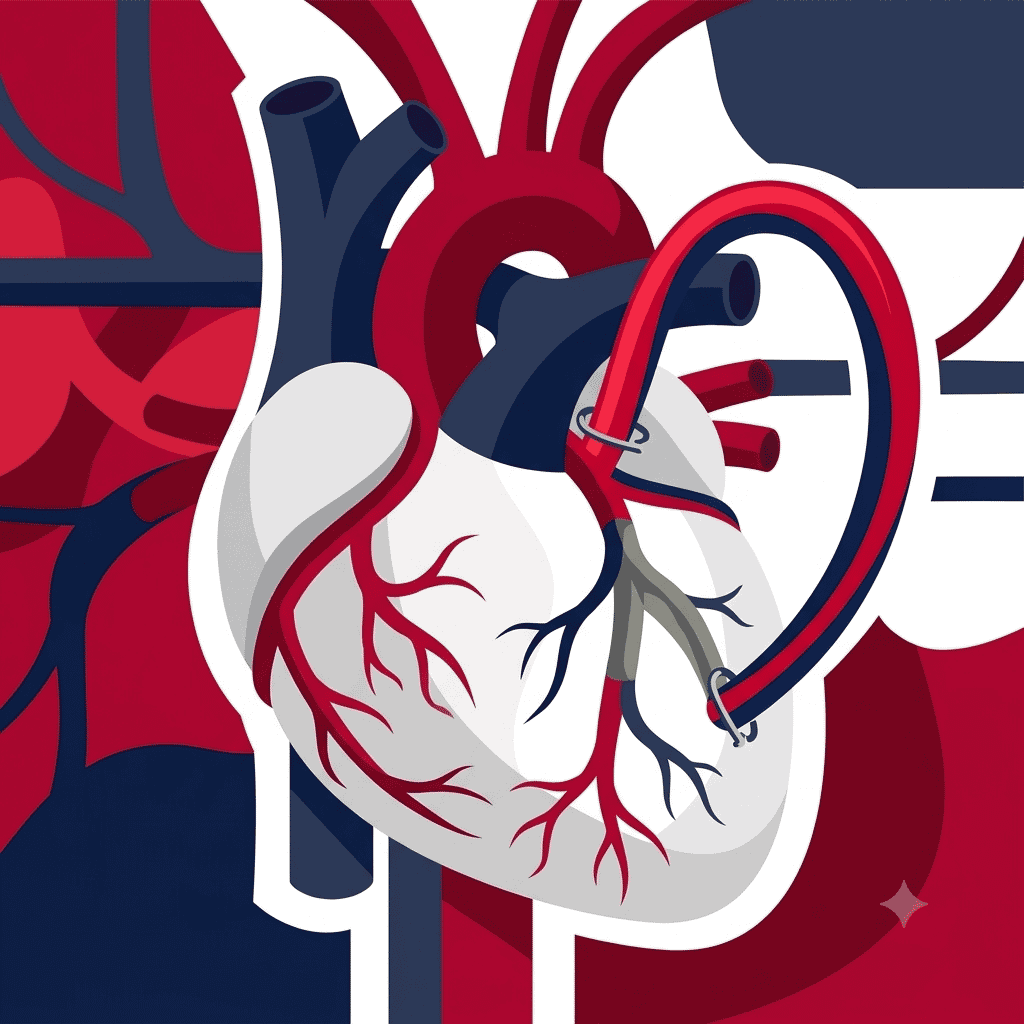
MIDCAB is a surgical technique designed to restore blood flow to the heart muscle, specifically targeting blockages in the left anterior descending (LAD) artery, which supplies blood to the front of the heart. Unlike conventional bypass surgery that requires a large incision down the chest and opening the breastbone (sternotomy), MIDCAB is performed through a much smaller incision between the ribs. This approach means less pain, reduced blood loss, a lower risk of infection, and often, a significantly faster recovery.
For many, the thought of undergoing heart surgery is overwhelming, not just medically but financially. This is particularly true for those living in regions with high healthcare costs or long waiting lists. Consequently, a growing number of patients are looking for high-quality, affordable MIDCAB options abroad. Medical tourism for cardiac procedures like MIDCAB allows individuals to access world-class surgeons and state-of-the-art facilities, often at a fraction of the cost found in their home countries, without compromising on care.
This comprehensive guide will walk you through everything you need to know about MIDCAB surgery, from understanding its symptoms and causes to exploring the benefits of seeking treatment internationally. We'll delve into recovery expectations, potential risks, and provide a clear comparison of costs across different global destinations, empowering you to make an informed decision for your heart health journey.
What are the warning signs of coronary artery disease (CAD) that may lead to MIDCAB?
Coronary Artery Disease (CAD) is a serious condition where the blood vessels supplying the heart become narrowed or blocked, usually due to plaque buildup (atherosclerosis). Recognizing the symptoms of CAD is vital for early intervention. While some individuals might not experience symptoms until the disease is advanced, many will notice one or more of the following:
- Angina (Chest Pain): This is the most common symptom, often described as a pressure, tightness, squeezing, or aching in the chest. It can radiate to the arm (especially the left), neck, jaw, shoulder, or back. Angina typically occurs with physical exertion or emotional stress and subsides with rest.
- Shortness of Breath (Dyspnea): Feeling winded or unable to catch your breath, particularly during activity or at rest in severe cases, can indicate your heart isn't pumping enough blood.
- Fatigue: Unusual or persistent tiredness, even after adequate rest, can be a subtle sign that your heart is working harder to supply oxygen to your body.
- Nausea, Indigestion, Heartburn, or Abdominal Pain: These symptoms, especially in women, can sometimes be confused with other ailments but might signal a cardiac issue.
- Pain in the Neck, Jaw, Throat, Upper Abdomen, or Back: Referred pain from the heart can manifest in these areas, particularly in women.
- Swelling in the Legs and Ankles: This could be a sign of fluid retention dueishing heart failure, a potential complication of advanced CAD.
If you experience any of these symptoms, especially if they are new, worsening, or occur at rest, it's crucial to seek medical attention immediately. Early diagnosis can prevent more severe complications, including a heart attack.
What causes coronary artery disease and who is at risk for needing a bypass?
The primary cause of CAD is atherosclerosis, a process where plaque (made of cholesterol, fats, calcium, and other substances) builds up inside the coronary arteries, narrowing them and reducing blood flow. This hardening of the arteries makes it difficult for the heart to receive enough oxygen-rich blood, especially during activity.
Several factors increase an individual's risk of developing CAD and, consequently, the need for a bypass procedure like MIDCAB:
- Unhealthy Lifestyle: A diet high in saturated and trans fats, lack of regular physical activity, and excessive alcohol consumption contribute significantly to CAD.
- Smoking: Nicotine damages blood vessels, promoting plaque buildup and increasing the risk of blood clots.
- High Blood Pressure (Hypertension): Uncontrolled high blood pressure can damage arteries, making them more susceptible to plaque accumulation.
- High Cholesterol: High levels of LDL ("bad") cholesterol contribute to plaque formation, while low levels of HDL ("good") cholesterol can accelerate the process.
- Diabetes: High blood sugar levels from diabetes can damage blood vessels throughout the body, including the coronary arteries.
- Obesity: Excess weight, particularly around the abdomen, is linked to higher blood pressure, cholesterol, and diabetes risk.
- Family History of Heart Disease: A strong family history of early heart disease increases your personal risk.
- Age: The risk of CAD increases with age, as arteries naturally become less flexible.
- Stress: Chronic stress can contribute to risk factors like high blood pressure and unhealthy coping mechanisms.
Managing these risk factors through lifestyle changes, medication, and regular medical check-ups is crucial in preventing or slowing the progression of CAD.
How does MIDCAB surgery differ from traditional open-heart bypass?
Understanding the distinction between MIDCAB and traditional Coronary Artery Bypass Graft (CABG) surgery is key to appreciating the benefits of this less invasive approach:
| Feature | MIDCAB (Minimally Invasive Direct Coronary Artery Bypass) | Traditional CABG (Coronary Artery Bypass Graft) |
|---|---|---|
| Incision | Small 3-5 inch incision on the left side of the chest, between the ribs. | Large 8-10 inch incision down the center of the chest (sternotomy). |
| Sternum (Breastbone) | Not cut or opened. | Cut and spread open. |
| Heart-Lung Machine | Typically performed on a beating heart, avoiding the heart-lung bypass machine (off-pump). | Usually requires the heart-lung bypass machine (on-pump), stopping the heart temporarily. |
| Target Arteries | Primarily used for blockages in the Left Anterior Descending (LAD) artery, and sometimes one or two other vessels. | Can bypass multiple blocked arteries throughout the heart. |
| Recovery Time | Shorter hospital stay (3-5 days), faster return to normal activities (2-4 weeks). | Longer hospital stay (5-7 days), longer recovery (6-12 weeks). |
| Pain/Scarring | Less pain, smaller scar. | More pain, larger scar. |
| Risks | Generally lower risk of blood loss, infection, and stroke compared to traditional CABG. | Higher risk of complications due to larger incision and heart-lung machine. |
MIDCAB is an excellent option for selected patients, offering significant advantages, but its applicability depends on the number and location of blockages.
Am I a candidate for MIDCAB surgery?
Not everyone with coronary artery disease is a suitable candidate for MIDCAB. The decision is made by a cardiac surgeon and cardiologist based on a thorough evaluation of your specific condition. Key factors that determine eligibility include:
- Location and Number of Blockages: MIDCAB is most effective for single or double vessel disease, particularly when the blockages are in the front of the heart (Left Anterior Descending - LAD artery). If you have widespread disease affecting multiple vessels throughout the heart, traditional CABG might be more appropriate.
- Overall Health: Candidates should generally be in good health, without severe lung disease, significant peripheral vascular disease, or certain previous chest surgeries that might complicate a minimally invasive approach.
- Absence of Previous Chest Surgeries: Prior operations on the chest can create scar tissue, making a minimally invasive approach more challenging or risky.
- Heart Function: While MIDCAB is often performed on a beating heart, your heart function needs to be stable enough for the surgeon to work on it without the bypass machine.
- Diagnostic Test Results: Angiograms, echocardiograms, and other imaging tests provide critical information about the extent of your blockages and overall heart health, guiding the surgeon's decision.
It's crucial to have a detailed discussion with your medical team to determine if MIDCAB is the best treatment option for your unique situation. They will weigh the benefits against any potential risks based on your health profile.
What should I expect during MIDCAB recovery and what's the typical timeline?
One of the most appealing aspects of MIDCAB is its significantly faster recovery time compared to traditional open-heart surgery. However, it's still major surgery, and patience and adherence to medical advice are key.
Here’s a general timeline and what to expect:
- Immediately After Surgery (Hospital Stay: 3-5 days):
- You'll spend some time in the intensive care unit (ICU) for close monitoring, usually for 24-48 hours.
- Pain management will be a priority, and nurses will assist with early mobilization, such as sitting up and walking short distances, to prevent complications.
- You'll likely have chest tubes for drainage, which are usually removed within a day or two.
- First 1-2 Weeks Post-Discharge (At Home):
- You'll continue to feel some pain and discomfort, which can be managed with prescribed medication.
- Light activities like walking are encouraged to promote healing and circulation. Avoid heavy lifting, pushing, or pulling.
- Stairs are generally manageable, but take it slow.
- You should avoid driving for a few weeks, as sudden movements and seatbelt pressure can be painful.
- 2-4 Weeks Post-Surgery:
- Most patients can resume light daily activities and return to non-strenuous work, if applicable.
- Cardiac rehabilitation often begins during this period, focusing on supervised exercise and lifestyle education.
- Your energy levels will gradually improve, but fatigue is still common.
- 6-8 Weeks Post-Surgery:
- Many patients feel close to full recovery and can return to most normal activities, including more vigorous exercise, under their doctor's guidance.
- The surgical incision should be well-healed.
It's important to remember that recovery is individual. Listen to your body, follow your doctor's instructions, and complete your cardiac rehabilitation program for the best long-term outcome. Emotional recovery is also part of the process; it's normal to feel a range of emotions after heart surgery.
Are there risks and potential side effects associated with MIDCAB surgery?
While MIDCAB generally boasts fewer complications than traditional CABG due to its less invasive nature, it is still a major cardiac surgery and carries inherent risks. It’s important to be aware of these potential complications:
- Infection: Any surgical incision carries a risk of infection, though the smaller incision in MIDCAB reduces this risk compared to sternotomy.
- Bleeding: As with any surgery, there is a risk of excessive bleeding during or after the procedure, which may require transfusions.
- Arrhythmias (Irregular Heartbeats): The heart may develop abnormal rhythms post-surgery, which are usually temporary and manageable with medication.
- Stroke or Transient Ischemic Attack (TIA): Though lower than traditional CABG, there's still a small risk of stroke, especially in patients with pre-existing cerebrovascular disease.
- Kidney Problems: Temporary or, rarely, permanent kidney dysfunction can occur, particularly in patients with pre-existing kidney conditions.
- Anesthesia Complications: Reactions to anesthesia can range from mild (nausea) to severe (allergic reactions).
- Pleural Effusion: Fluid buildup around the lungs can occur, sometimes requiring drainage.
- Nerve Damage: Nerves near the incision can be affected, potentially causing numbness or pain.
- Graft Failure: Although rare, the newly bypassed artery could become blocked again over time, requiring further intervention.
Your surgical team will thoroughly assess your individual risk factors and discuss them with you. They will also take all necessary precautions to minimize these risks and ensure the safest possible outcome.
How much does MIDCAB surgery cost worldwide?
The cost of MIDCAB surgery is a major factor for many patients, especially those considering treatment abroad. Prices can fluctuate dramatically based on the country, hospital reputation, surgeon's experience, length of hospital stay, and inclusions (like pre-op tests, post-op care, accommodation).
Here's a general cost comparison to give you an idea of global pricing (all figures are estimates and can vary widely):
| Country | Estimated MIDCAB Cost (USD) | Notes |
|---|---|---|
| United States | $50,000 - $100,000+ | Highest costs, but often includes advanced technology and specialized care. |
| Western Europe (e.g., UK, Germany, Switzerland) | $40,000 - $80,000 | High quality, but significant costs for international patients. |
| Turkey | $18,000 - $28,000 | Renowned for modern hospitals, experienced surgeons, and excellent value. |
| India | $15,000 - $25,000 | A leading medical tourism destination offering high-quality care at very competitive prices. |
| Mexico | $20,000 - $30,000 | Growing medical tourism sector, especially popular with North American patients due to proximity. |
| Thailand | $20,000 - $35,000 | Well-established medical tourism infrastructure, excellent patient services. |
These prices often include the surgery, hospital stay, surgeon and anesthesiologist fees, and sometimes initial consultations. However, travel, accommodation for companions, and extended post-operative recovery not requiring hospitalization are typically extra. Always request a detailed quote from any provider.
Why consider MIDCAB surgery abroad: What are the benefits and what to expect?
Traveling abroad for MIDCAB surgery has become an increasingly popular choice for a multitude of reasons, beyond just the procedure itself:
- Significant Cost Savings: As seen in the table above, the most compelling reason is often the drastic difference in price. For the same quality of care, patients can save tens of thousands of dollars, making life-saving procedures accessible.
- Access to Specialist Surgeons and Advanced Technology: Many medical tourism hubs boast highly experienced cardiac surgeons, often trained in Western countries, and state-of-the-art hospitals with cutting-edge equipment. These facilities frequently specialize in minimally invasive techniques like MIDCAB.
- Reduced Waiting Times: In countries with universal healthcare systems, long waiting lists for elective surgeries can be a reality. Traveling abroad can offer immediate access to care, which is crucial for progressive heart conditions.
- Privacy and Anonymity: Some patients prefer the discretion of receiving medical care away from their home country.
- Integrated Care Packages: Many international hospitals and medical tourism facilitators offer comprehensive packages that include not just the surgery, but also pre-operative diagnostics, post-operative rehabilitation, accommodation, transportation, and even translation services.
- Recovery in a Relaxed Environment: The opportunity to recover in a beautiful, often more affordable, destination can enhance the healing process.
When traveling for MIDCAB, expect detailed pre-trip coordination from your chosen facilitator or hospital. Upon arrival, you'll undergo thorough pre-op evaluations, followed by the surgery and then a dedicated recovery period in the hospital and potentially in nearby accommodation before it's safe to travel home. The experience is designed to be streamlined and supportive.
Which countries offer the best value and quality for MIDCAB surgery?
Several countries have established themselves as leaders in medical tourism for cardiac procedures, offering an excellent balance of quality, safety, and affordability. When selecting a destination, look for countries with:
- International Accreditations: Hospitals accredited by Joint Commission International (JCI) or similar bodies ensure adherence to global standards of patient safety and quality.
- Experienced Cardiac Teams: Surgeons with extensive experience in MIDCAB and other minimally invasive techniques, often with international training.
- Modern Facilities: Hospitals equipped with the latest diagnostic and surgical technologies.
- Strong Patient Support Services: English-speaking staff, international patient departments, and comprehensive care coordination.
Top countries frequently recommended for MIDCAB and other complex cardiac surgeries include:
- India: Known for its vast network of JCI-accredited hospitals, highly skilled surgeons, and some of the most competitive prices globally.
- Turkey: Offers state-of-the-art facilities, renowned cardiac centers, and often packages that include transfers and accommodation. Its geographic location also makes it accessible for patients from Europe, Asia, and Africa.
- Mexico: Especially popular with patients from the US and Canada due to its proximity. Offers high-quality private hospitals and experienced surgeons.
- Thailand: A pioneer in medical tourism, offering luxurious hospital environments, exceptional patient service, and skilled cardiac specialists.
- South Korea: Emerging as a top destination for complex surgeries, known for its technological advancements, highly efficient healthcare system, and excellent patient outcomes.
- Poland/Czech Republic: For European patients, these countries offer high-quality care at a lower cost than Western European nations.
Researching specific hospitals and surgeons within these countries is paramount. Read patient reviews, check accreditations, and verify the surgeon's experience with MIDCAB procedures.
How do I plan my medical trip for MIDCAB and ensure a safe, successful experience?
Planning medical travel for a significant procedure like MIDCAB requires careful consideration and preparation to ensure safety and a successful outcome. Here’s a step-by-step guide:
- Consult with Your Local Doctor: Get a clear diagnosis and confirm that MIDCAB is the recommended treatment for your condition. Obtain all relevant medical records, test results, and a referral if possible.
- Research Destinations and Providers:
- Look for hospitals with international accreditations (e.g., JCI) and a strong reputation for cardiac surgery.
- Research specific surgeons specializing in MIDCAB, checking their credentials, experience, and patient testimonials.
- Utilize reputable medical tourism facilitators like PlacidWay. They can help you connect with vetted hospitals, provide quotes, and assist with logistics.
- Get Detailed Quotes and Treatment Plans: Request comprehensive packages that include all medical costs (surgery, anesthesia, hospital stay, medications, follow-ups), as well as potential additional services like airport transfers, accommodation, and translator services. Understand what is and isn't included.
- Prepare Your Medical Records: Compile all your medical history, diagnostic images, and physician notes. Ensure they are translated into English (or the local language, if specified by the hospital).
- Plan Travel Logistics:
- Visa: Check visa requirements for your chosen destination.
- Flights: Book flexible flights, allowing for potential changes in your schedule. Consider direct flights to minimize travel stress.
- Accommodation: Arrange suitable accommodation for yourself and any accompanying family members, ideally near the hospital, for both pre-op and post-op recovery.
- Insurance: Verify if your existing health insurance covers international medical procedures or consider purchasing medical travel insurance.
- Financial Planning: Ensure you have sufficient funds for the procedure, travel, accommodation, and any unforeseen expenses. Discuss payment methods with the hospital.
- Post-Operative Care and Follow-up: Discuss the detailed post-operative care plan with your international medical team. Understand how follow-up care will be managed upon your return home, and ensure your local doctor is willing to coordinate with the overseas team.
- Communicate Clearly: Maintain open and clear communication with your medical tourism facilitator, the hospital's international patient department, and your surgical team. Don't hesitate to ask questions.
By taking these steps, you can significantly enhance the safety and success of your MIDCAB journey abroad, giving you peace of mind and the best chance for a healthy heart.
Take the Next Step with PlacidWay
Ready to explore treatment options abroad? Discover top clinics, compare prices, and get a free quote tailored to your needs with PlacidWay.
Heart Surgery Abroad, Cardiac Care Abroad






.jpg)
.jpg)
.jpg)
.jpg)








Share this listing